Native Wildflower Meadow Creation: A Practical Guide
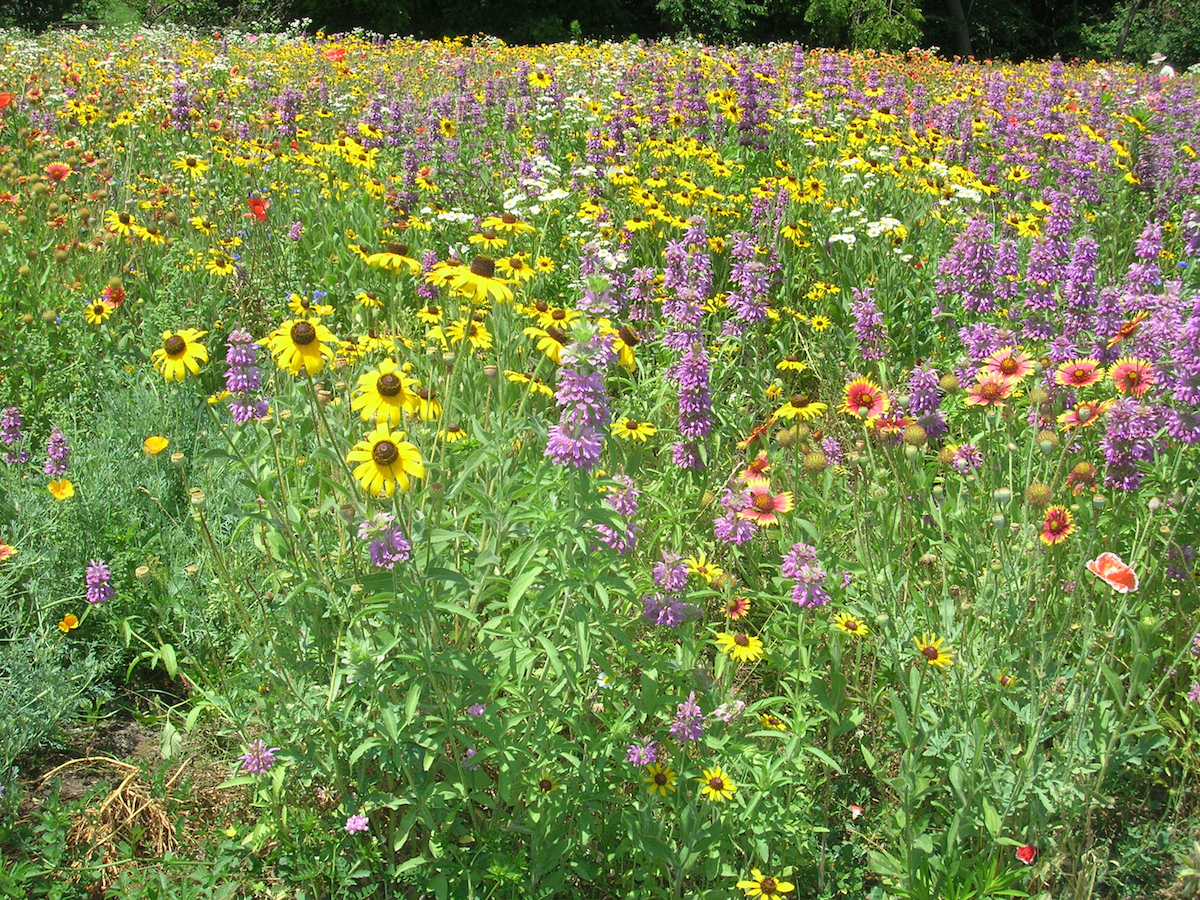
Welcome to BloomHaven’s practical guide to native wildflower meadow creation — a field-tested approach to transform overlooked patches into pollinator-rich landscapes. This guide emphasizes planning, site selection, and clear goals that align with sustainable gardening and 2026 Pinterest trends like wildflowers, cabbage crush, and pollinator plants. A native wildflower meadow is more than a cosmetic upgrade; it is an ecologically meaningful, resilient ecosystem that can thrive with thoughtful design and minimal inputs. By outlining the foundations first, you’ll reduce guesswork, accelerate establishment, and enjoy vibrant blooms season after season.
In this foundational section, we focus on three pillars: planning principles that shape your approach, concrete goals that align with your climate and lifestyle, and strategic site selection that leverages your property’s unique microclimates. The goal is to give you a clear blueprint you can adapt to any space, from a tiny urban patch to a sprawling rural meadow. As you read, keep in mind that the best native wildflower meadow is not a single planting but a coordinated method of soil preparation, seed selection, maintenance planning, and ecological consideration. For further reading on climate-appropriate native plant lists, see the Wildflower Center’s resources linked later in this section.
Native Wildflower Meadow Creation Foundations: Planning, Site Selection, and Goals
Planning Principles for a native wildflower meadow
Effective planning starts with a practical reality check. Begin by mapping your space, noting sun exposure, drainage, existing vegetation, and hardscape. You’ll want to establish a rough sketch of where you expect seasonal color, pollinator activity, and quieter, evergreen textures. The planning phase should also account for maintenance workflows, such as seed sowing windows, mulching needs, weed control strategies, and irrigation considerations. In the long run, a well-planned meadow reduces maintenance surprises and helps you stay aligned with ecological goals.
Embrace a phased approach. Break the project into bite-sized milestones: site assessment, soil amendment (if needed), seed mix selection, installation, and first-season management. This cadence reduces overwhelm and improves germination success. Be sure your plan accommodates local climate patterns, typical rainfall, and heat waves. If a space faces persistent shade, plan for a subset of native wildflowers adapted to partial sun. This flexibility is essential for a resilient native wildflower meadow.
In addition to aesthetics, consider ecosystem services. A wisely planned native wildflower meadow can support pollinators, birds, and beneficial insects while stabilizing soil and improving drainage. Your plan should specify bloom timing to maximize year-round appeal and ecological function. If you’re unsure where to start, a simple site inventory—sun, moisture, soil texture, and wind exposure—will provide a solid foundation for choosing seed mixes and maintenance schedules.
For climate-specific guidance and seed lists, consult trusted sources such as The Lady Bird Wildflower Center. Their regional plant guides help you tailor a native wildflower meadow to your exact zone and microclimates, improving success rates and reducing failed plantings.
Defining Goals for a native wildflower meadow
Clear goals guide design decisions and keep you focused through the establishment phase. Start with a few concrete outcomes that matter to you and your landscape:
- Pollinator support: prioritizing nectar and pollen sources from spring through fall.
- Bloom diversity and color palette: planning for continuous interest with native species that peak at different times.
- Low maintenance and sustainability: selecting drought-tolerant natives and minimizing chemical inputs.
- Educational and experiential value: creating viewing angles, fragrance, and texture for walking paths or seating areas.
- Adaptability: ensuring the meadow can withstand local pests, weather extremes, and seasonal fluctuations.
Translate goals into measurable targets. For example, define target bloom windows, seed density per square foot, and a maintenance schedule. Document soil test results, expected plant lists, and a budget plan. A well-defined goal set reduces ambiguity and keeps the project aligned with long-term ecological benefits as well as personal enjoyment.
Site Selection: Choosing the Best Space for a native wildflower meadow
Site selection is a critical determinant of success. Not every sunny corner will yield a thriving meadow, but careful choice of location can maximize germination and growth. Consider these factors when evaluating potential spaces:
- Sun exposure: most native wildflower meadows flourish in full sun (roughly 6+ hours of direct light), but there are many species that tolerate partial shade.
- Soil drainage and texture: well-drained soils with moderate fertility tend to establish natives more reliably than heavy clay or compacted soils.
- Water availability: ensure accessible irrigation during establishment and consider eventual drought tolerance in species selection.
- Microclimates: sheltered corners may prolong flowering and reduce wind desiccation, while exposed edges may require windbreaks or edge plantings.
- Access for maintenance: plan for ease of mowing, weeding, and seed collection (if you intend to scatter seed patches in future seasons).
Map the space using simple boundaries. Mark zones by sunlight, moisture, and wind exposure. This map becomes your action plan for seed placement, plant variety decisions, and future expansion. If your site has a mix of sun and shade, you can design a layered meadow with sun-loving perennials in the brightest spots and shade-tolerant natives in dappled areas. The goal is a cohesive mosaic rather than a single, flat color block.
Drainage is a frequent bottleneck. Poor drainage leads to waterlogged soils that hinder seed germination and root development. If your chosen patch has drainage issues, you can consider raised beds, trenches, or strategic mulch to improve soil structure. Conversely, well-drained raised beds can speed establishment and reduce weed pressure. Start with a soil test to verify pH, texture, and nutrient needs; address any imbalances before sowing seed or planting plugs.
Establish boundaries that support a sense of place. A native wildflower meadow benefits from distinct edges—soft transition zones to lawn, shrubs, or a nearby woodland, which provide habitat variety and help define the meadow’s footprint. Boundaries also help with maintenance planning and mower access, and they visually anchor the space within a larger landscape.
Aligning Soil, Seed, and Site for a native wildflower meadow
Successful meadows begin with compatible combinations of soil conditions, seed mixes, and site realities. You don’t want to push a seed mix that requires moisture levels or pH outside your site’s capacity. In practice, this means selecting seed blends that tolerate your soil’s pH, texture, and drainage while meeting your goals for bloom timing and pollinator support. When possible, opt for mixes that are designed for regional climates and soil types. This alignment reduces failure risk, shortens establishment time, and yields richer, more reliable color and habitat structure.
Soil health matters: incorporate organic matter, improve structure, and avoid contaminants that inhibit germination. If your soil is compacted, a light incorporation of compost and a brief fallow period can help microbial activity recover, supporting seed germination the following spring. Mulching after sowing helps maintain moisture and suppresses opportunistic weeds, setting the stage for a successful first growing season.
Maintenance planning should be baked into your site and soil decisions. Decide how you will monitor emergence, manage invasive species, and adjust seed rates in response to early performance. A thoughtful plan reduces weeks of uncertainty and speeds the meadow toward a thriving, stable ecosystem.
As you move forward, remember that native wildflower meadows are not static. They evolve with seasons, weather, and ecological interactions. Your planning, goals, and site choices should be revisited annually to adjust for new microclimate shifts, pest pressures, and growth patterns. The next section of this guide will translate these foundations into practical steps for establishing and maintaining your meadow, starting with site preparation and seed selection in Part 2: Part 2: Site Preparation, Seed Mixes, and Establishment.
Core Steps to Build a Native Wildflower Meadow: Design, Preparation, and Planting
Design begins long before the first seed is sown. It anchors your project in practicality and long-term resilience. A well-designed native wildflower meadow reduces maintenance while maximizing bloom, wildlife value, and seasonal interest. In this phase you define space, choose an overall palette, and plan for future growth. You consider safety, accessibility, and how the meadow will interface with existing borders, lawns, or water features. The objective is a cohesive meadow that looks intentional, not accidental, with a clear plan for how different plant communities will emerge over time. Ultimately, design translates ideas into a working map you can follow when you prepare the site and begin planting.
When you frame the vision for a native wildflower meadow, think in zones. Each zone has its own light, moisture, and soil conditions. You may have a sunlit patch that favors warm-season natives and a shadier corner that suits woodland or transitional species. By assigning zones, you prevent a mishmash of plants that compete for the same resources. The result is a meadow that feels curated, yet self-sustaining. Your design should also consider pollinator pathways, seasonal color shifts, and the natural rhythms of local wildlife. In addition, you should plan for ongoing observation so you can adapt as the meadow matures. This adaptive approach keeps your native wildflower meadow vibrant year after year.
For reference and inspiration, consult botanical databases and regional guides. The Lady Bird Johnson Wildflower Center’s plant database is a valuable resource for identifying native species that perform well in your climate and soil type. A thoughtful lookup helps you select varieties that support pollinators and fit your design goals. The database also provides notes on growth habit, bloom time, and care needs, which informs both your selection and your maintenance plan. Incorporating expert guidance reduces trial-and-error and accelerates establishment, especially during the critical first growing season. Lady Bird Johnson Wildflower Center plant database helps you verify compatibility and refine your palette as you draft your meadow map.
In practical terms, your design should specify the overall plant mix, alignment with microclimates, and transitions between native groups. A robust palette combines early-blooming spring natives with mid-season and late-blooming performers. This sequencing ensures continual color and nectar resources for pollinators. It also stabilizes soil and reduces weed pressure by covering ground quickly. A well-planned meadow uses a mix of grasses, forbs, and legumes to support structure, soil health, and nitrogen dynamics without becoming a monoculture. Your design work should clearly articulate seed mixes, planting densities, and a staged timeline for installation. As you draft, keep accessibility and ease of maintenance in mind so the meadow remains a joy to enjoy rather than a complex chore to sustain.
Design should also address site logistics. Map out access for seasonal maintenance, irrigation checks, and harvests of decorative blooms if you plan human-scale enjoyment. Consider windbreaks, fences, or border edges that define the meadow without creating barriers to wildlife movement. Finally, document measurements and boundaries precisely. A precise map minimizes confusion during the preparation and planting phases and helps you communicate plans with contractors or volunteers if used. In short, the design is the backbone of a native wildflower meadow that looks intentional and performs well across seasons.
Having a clear design also informs your preparation approach. It guides where to concentrate soil amendments, how to dose irrigation during establishment, and which areas require extra weed control. A well-documented design reduces guesswork, speeds up the project, and yields a meadow that remains resilient through drought, heavy rain, and seasonal shifts. When your plan is in place, you transition to the preparation stage with confidence, knowing you’ve sculpted a space that will flourish as native plant communities establish themselves over time. The following sections outline the essential steps in preparation and planting to bring your native wildflower meadow from plan to vibrant reality.
Design considerations for a native wildflower meadow
At the core of every successful native wildflower meadow is alignment with local climate, soil, and sun exposure. Your choices should respond to these realities rather than competing with them. Start by measuring light patterns from dawn to dusk and noting how long different areas stay moist after rainfall. This information helps you pair plant species with appropriate microhabitats. You can group species into zones by moisture tolerance, ensuring that a variety of natives share peak bloom periods without crowding one another. In practice, this means you’ll select sun-loving species for the brightest patches and choose more tolerant forms for cooler, damper corners. The goal is a meadow that looks deliberate, resilient, and continuously in bloom across the seasons, while keeping maintenance demands reasonable.
Another design pillar is the balance between seed diversity and establishment speed. A diverse seed mix supports a robust pollinator network and increases ecological stability. However, too many slow-establishing species can leave bare patches that invite weeds. A pragmatic approach blends fast-cover natives with longer-gestation species that add depth to early and late-season color. This balance reduces bare soil exposure, improves soil structure, and promotes a layered meadow that sustains beneficial insects. Remember to factor in mowing or cutting regimes that mimic natural savanna or prairie dynamics, enabling structure to emerge while keeping the bed accessible for maintenance and enjoyment.
Finally, integrate flexibility into your design. Local climates experience year-to-year variability, and your meadow will respond to these fluctuations. Build contingencies into your seed mix and maintenance plan so you can adapt to drought years, unusual rainfall, or heat waves. A flexible design is not a confession of uncertainty; it is a strength that preserves bloom, supports wildlife, and keeps maintenance manageable. As you move from design to preparation, use your map as a living document, updating it as plants fill spaces and new microhabitats emerge. The next section details how to translate design into concrete site preparation that sets up your native wildflower meadow for success.
Site mapping and microclimates in a native wildflower meadow
The path from design to planting begins with precise site mapping. Start by outlining the boundary of the meadow area, then mark zones by sun exposure and drainage characteristics. A simple way to map is to sketch the area and label each sector with its microclimate notes. For example, a south-facing slope may offer hotter, drier conditions that suit drought-tolerant natives, while a shady pocket beneath a tree line will host shade-tolerant species. Documenting these microclimates helps you select compatible species and plan for staggered planting. It also informs irrigation planning and weed management so you don’t over-run drier zones with water-loving plants. If you have concerns about soil compaction in heavily trafficked areas, plan for foot traffic paths that won’t disturb emerging seedlings or harm delicate root systems. These small adjustments support a healthier, more resilient native wildflower meadow over time.
To ensure your design aligns with regional biodiversity goals and climate realities, consider consulting local extension services or native-plant societies. They can provide region-specific seed lists, succession expectations, and establishment timelines that match your design intentions. The aim is to create a meadow that not only beautifies your landscape but also supports pollinators, soil life, and wildlife corridors. Adopting this approach makes your native wildflower meadow a thriving habitat as much as a visual centerpiece. Through thoughtful planning and careful mapping, you set the stage for successful preparation and planting in the next steps of the project.
In the upcoming section, we move from design into the practical side of preparation. You will learn how to prepare soil, manage weeds, and set up irrigation and drainage to support robust establishment of your native wildflower meadow. This transition is essential to translating vision into a thriving, low-maintenance ecosystem that matures over time.
Preparation: Site preparation for a native wildflower meadow
Preparation is the bridge between design and planting. It translates the meadow map into physical conditions that allow native species to establish quickly and persist long-term. The first task is to assess soil structure, texture, and pH. Most native wildflower meadow mixes prefer well-drained soils with a neutral to slightly acidic pH. If your soil is heavy clay, you may need to loosen it with organic matter and install shallow drainage to avoid waterlogging that robs seeds of oxygen during germination. Conversely, sandy soils may benefit from incorporating compost to improve moisture retention and nutrient availability. The goal is a soil environment that supports robust root growth without becoming crusted or compacted after heavy rainfall. And while amending soil, avoid excessive fertilizer, which can favor grasses over forbs and disrupt the intended balance of species in your native wildflower meadow.
Weed management is a critical component of preparation. Prior to planting, you want to reduce competition from annuals and aggressive perennials. A combination of solarization, careful hand-weeding, and targeted herbicide application in accordance with local regulations can be effective. The objective is to minimize weed pressure during the critical germination window while protecting emerging native seedlings. Maintain a careful balance: you want to suppress persistent weeds without creating bare soil that erodes or invites erosion. Mulching can stabilize the soil surface and conserve moisture, especially in hot climates. Use organic mulch when possible, as it gradually nourishes the soil and supports microbial life that benefits your native forage blooms. The preparation phase also includes setting up irrigation infrastructure that delivers water evenly without creating saturated pockets around seeds. Drip lines or soaker hoses arranged along the meadow’s contours can keep moisture consistent without waste. A thoughtful irrigation plan protects seedlings during establishment and reduces weed germination by keeping bare soil to a minimum.
Another key preparation task is weed control planning aligned with your mowing or cutting schedule. You may intend to establish a short rotation of annual mowing during the first two seasons to reduce weed seed banks and encourage early flowering natives. This approach should be carefully timed to prevent disturbing newly germinated plants. The plan for weed control should reflect local climate and rainfall patterns and be adaptable as the meadow evolves. As you finalize your preparation, ensure you have all materials ready for installation: seed mixes, plugs if used, lightweight topsoil or compost for patching, mulch, and irrigation components. Proper preparation makes planting more predictable and helps you realize your design’s vision more quickly. This leads to the planting phase, where seed and plant material are matched to the prepared soil and microclimates for optimal establishment.
Planting: Establishing the native wildflower meadow
Planting marks the moment when design becomes living landscape. A successful planting strategy balances seed-based establishment with plug transplants to speed coverage and reduce bare soil. If your design emphasizes a rapid fill, consider a seed mix that contains fast-establishing species alongside slower-growing natives. For sites with harsher microclimates, you can incorporate drought-tolerant species that are known to perform well in those conditions. Regardless of method, follow precise timing: early spring or late summer planting can produce robust germination, while extreme heat or drought may require adjusted schedules. When broadcasting seed, do so evenly and in thin layers to maximize germination potential and reduce seed predation. When using plugs, plant at recommended depths and spacing to allow roots to establish with minimal competition. A diversified seed mix helps create a resilient meadow with continuous bloom and weed suppression as plants mature at different rates. In all cases, maintain a consistent moisture regime during the initial establishment period, then gradually allow the soil to dry between waterings as root systems deepen. This careful approach reduces transplant shock and supports a thriving native wildflower meadow.
In practice, the planting plan should reflect your design zones and microclimates. You may want to seed cool-season natives in early spring for rapid ground cover and sow warm-season natives in late spring for a staggered bloom. This strategy creates a long seasonal display and reduces the risk of erosion on exposed soils. If you choose to mix methods, ensure seed varieties and plug species share similar establishment timelines to avoid uneven growth. After planting, gently tamp the soil surface and water slowly to settle seeds and roots without displacing them. A light mulch can help conserve moisture and moderate temperature while seedlings establish. As the meadow begins to emerge, monitor for signs of stress, such as wilting or uneven growth, and adjust irrigation accordingly. With time, your native wildflower meadow will begin to look deliberate, then become a thriving ecosystem that welcomes pollinators and provides year-round beauty.
To stay aligned with best practices and regional guidance, consider checking local resources and regional extension programs for planting calendars and native seed mixes tailored to your area. Their recommendations help ensure your native wildflower meadow aligns with regional biodiversity goals and climate realities, enhancing success rates and ecological value. The next section outlines how to choose between seeding and planting in detail, so you can tailor the approach to your site and goals for a flourishing native wildflower meadow.
Seeding strategy for a native wildflower meadow
Choosing a seeding strategy involves balancing speed, cost, and long-term resilience. Broadcasting seed can cover large areas quickly and economically, but it requires careful preparation to ensure even distribution and successful germination. Drill-seeding, where appropriate, provides precise placement and consistent depth, particularly for mixes with small seeds. Plug planting, by contrast, offers immediate root structure and faster canopy in key areas, which can anchor the meadow while seeds catch up. A hybrid approach often works best: use plugs to establish structural plants along edges or in challenging microclimates, then broadcast seed to fill gaps and extend bloom across the interior. Regardless of method, ensure your seed mixes include a broad representation of functional groups—grasses for structure, forbs for nectar and forage, and legumes for nitrogen fixation—so your native wildflower meadow develops a balanced ecosystem rather than a collection of isolated species.
Record-keeping during seeding is vital. Note the date, location, and exact seed lot numbers for each mix. This data helps you troubleshoot establishment problems and refine future plantings. Monitor germination rates and survival over time, adjusting mulch and irrigation as needed. A well-documented approach increases the likelihood of long-term success and reduces uncertainty in subsequent seasons. Your approach to seeding should always respect local regulations and environmental considerations; for instance, avoid introducing invasive species or sterile practices that could disrupt native plant communities. The aim is a robust, self-sustaining meadow that grows more beautiful and ecologically valuable with each year. The next subsection explores the decision between seeding and plug planting in greater depth to help you finalize your planting plan for a native wildflower meadow.
Seeding vs plug planting in a native wildflower meadow
Seeding and plug planting each offer distinct advantages for a native wildflower meadow. Seeding is typically more scalable and cost-effective for large areas, allowing you to establish a diverse mix with relative ease. It also fosters genetic variety, which can strengthen resilience to pests and climate fluctuations. However, seeding demands careful soil preparation and precise timing. Timing influences germination success and the speed at which you achieve ground cover. Plug planting, on the other hand, provides immediate presence and a head start on canopy formation, especially in zones that are slow to germinate or prone to erosion. Plugs can be spaced to create structural anchors and can guide the overall pattern you envisioned in your design. The trade-off is higher upfront cost and labor. A thoughtful combination—plugs in critical landscapes and seeding in open interiors—often yields the most reliable establishment for a native wildflower meadow.
When deciding between seeding and plugs, assess your site’s microclimates, soil condition, and the availability of local native stock. In areas with poor seed viability or challenging drainage, plugs can jumpstart establishment. Conversely, where weed pressure is high or soil is well-prepared, seeding might deliver faster canopy development at a lower cost. Regardless of method, monitor success and adjust your care plan to protect seedlings from heat, drought, or pests. The overarching goal is to create a resilient native wildflower meadow that thrives across seasons with minimal intervention after establishment. The final step in this part discusses how to plan ongoing maintenance to preserve the meadow’s health and beauty for years to come, setting the stage for a deeper dive into maintenance routines and seasonal care in Part 3.
Maintenance planning for a native wildflower meadow
Maintenance planning is essential to sustain a native wildflower meadow in the long term. A disciplined, minimal-intervention approach yields the most robust ecological benefits and saves time. Start with a realistic mowing or cutting schedule that respects the growth rhythms of your seed mix. In most climates, a late-season cut helps reduce thatch buildup and stimulates fresh growth in spring. For pollinator-friendly meadows, maintain a gentle management plan that supports nectar sources across seasons. This approach reduces weed resurgence and keeps plant communities dynamic and healthy.
Weed management should be proactive yet cautious. Maintain a light hand with herbicides, preferring mechanical removal or targeted methods when necessary. Regular observation is your best ally; early detection of invasive species or unexpected growth patterns allows you to intervene before issues escalate. Soil health should be monitored over time with organic matter inputs, compost applications, and minimal soil disturbance to preserve mycorrhizal networks. Fertility should be modest; many native wildflowers perform better with lower nutrient inputs that mimic natural ecosystems. Hydration should adjust to seasonal rainfall, ensuring that drought-stressed periods don’t collapse germination or seedling development. With a thoughtful maintenance framework, your native wildflower meadow remains a vibrant, pollinator-friendly landscape that evolves gracefully as plants mature and self-seed in favorable conditions.
As you implement maintenance routines, document outcomes and adjust your plan for subsequent seasons. Field notes about bloom timing, seedling survival, and weed pressure help refine future plantings and support better planning for the next year. The aim is to create a clear, sustainable path for ongoing care that minimizes effort while maximizing ecological and aesthetic rewards. Finally, remember that your design, preparation, and planting decisions influence not only bloom but also wildlife movement and soil health. The next part of this guide will zoom in on how to translate these practices into practical planting techniques and establishment strategies, focusing on Planting Techniques and Establishment for a Native Wildflower Meadow.
Advanced Strategies and Final Guidance for a Thriving Native Wildflower Meadow
Soil Mastery for a Deeply Rooted Native Wildflower Meadow
Healthy soil is the quiet powerhouse of a thriving native wildflower meadow. Start with a soil test to map pH, structure, and fertility. In most regions, native mixes prefer slightly acidic to neutral soil (pH 6.0–7.0). If your test shows low fertility, build organic matter with compost and well-rotted mulch. Practice gentle incorporation so you don’t disrupt fragile seedbank. Consider biochar or aged compost to improve water retention and microbial life. Avoid heavy tilling that can disrupt seed banks and seedling emergence. Instead, opt for minimal disturbance and patchworking improvements. When you tweak the soil, align amendments with seed mix recommendations and regional guidance. Ultimately, soil mastery underpins germination, root establishment, and long term meadow resilience.
Soil biology matters as much as soil chemistry. Beneficial fungi extend root reach and improve nutrient uptake. By feeding soil life, you reduce the need for synthetic inputs and increase drought resilience. Test a small area first when introducing amendments, then scale up based on results. Regular compost applications, modest mulching, and avoiding compaction build a resilient foundation. A well-tuned soil foundation makes every other practice easier and more effective.
Seed Mix Strategy and Sowing Techniques for the Native Wildflower Meadow
Choose a regionally appropriate seed mix that matches late winter to early spring or fall sowing windows. Native seeds require light, not thick mulch, to germinate. Broadcast seeds evenly and cover lightly with a thin soil layer. If your site has strong competition from grasses, use a nurse crop or a background ground cover to suppress weeds in early weeks. Use a tall, robust mix for structural height, balanced with low-growing or ground-cover species for carpet effects. Stagger bloom times by including early, mid, and late season nectar sources. This ensures pollinators have forage from spring through fall. Keep seed moist after sowing with gentle irrigation or rainfall. In time, your native wildflower meadow will fill with color, texture, and vital habitat.
Timing, Temperature, and Regional Considerations
Timing is climate specific. In cool spring regions, target early March sowing after the final frost. In warmer areas, seed in late fall to winter for spring emergence. Temperature influences germination speed; read the seed packet for optimum ranges. Regional precipitation patterns should guide sowing depth and irrigation schedules. Do not rush the process; a patient approach yields higher germination and a robust seedling stand. When possible, align sowing with local pollinator peaks to maximize establishment success and early habitat benefits.
Seeding Rates and Scarification
Follow recommended rates on the seed mix label. When working with small, moisture-loving taxa, increase counts modestly to balance coverage. Scarification is rarely necessary for native wildflower seeds, but some hard-coated species benefit from light abrasion. If you have heavy soil, mix seeds with fine sand to improve spacing and reduce clumping. Always test germination rates by a small scale trial before broad application. As you scale, keep a seed inventory and batch-tracking log to ensure consistent results across years.
Establishment Care: Irrigation, Mulch, and Weed Control
Irrigation is critical during establishment. Provide shallow, frequent soaking rather than deep, infrequent watering. In hot climates, 2–3 cm of water weekly supports emergence without encouraging weed flush. Mulch lightly with straw or shredded bark to maintain soil moisture, suppress weeds, and stabilize temperatures. Avoid thick mulch layers that smother tiny seedlings. As seedlings emerge, begin a careful weed control plan. Hand-pulling and shallow cultivation are effective when done early. Remove competing grasses that can monopolize nutrients and water. Remember, persistent management pays off when the meadow becomes self-sustaining.
Irrigation scheduling is best guided by soil moisture readings rather than calendar dates. Use a soaker hose or drip line to confine moisture to the root zone. This minimizes evaporation and fungal risk on leaves that touch wet mulch. Mulch thickness should be kept shallow at first and adjusted as plants establish. Monitor weed flushes after rainfall and respond quickly to protect fragile seedlings and emerging perennials. A disciplined approach to establishment irrigation and weed control yields a stronger, more uniform canopy within the first growing season.
Irrigation Scheduling for Establishment
Water in the first 4–6 weeks if rainfall is inadequate. Use a drip line to minimize evaporation and leaf wetting that invites disease. Adjust frequency based on soil moisture, not the calendar. Aim for uniformly moist soil rather than soggy patches.
Mulch Selection and Maintenance
Choose light, breathable mulch such as straw to conserve moisture. Replenish as it decomposes but avoid thick layers. Mulch helps regulate soil temperature and reduces weed emergence. Keep mulch several inches away from emerging seedling crowns to avoid damping-off. Regular mulch refreshes maintain a conducive microclimate for seedling survival and early growth.
Seasonal Maintenance Calendar for a Thriving Meadow
Spring brings germination and the first flush of blooms. Allow a few taller plants to set seed if you wish to expand coverage naturally. Mow sparingly to encourage new growth and reduce woody encroachment. Summer demands regular checks for drought stress and pollinator flowers. Water during dry spells, but avoid overwatering that promotes disease. Deadhead spent blossoms to extend nectar production and space within the seed mix. Fall is seed setting time. Leave seeded flowers to mature and spread, then remove only debris that harbors pests. Winter rests, but stay alert for erosion around slopes and water flow paths. Use this calendar as a living document and adjust for weather and rainfall patterns.
Spring Detailed Tasks
Inspect seedlings weekly. Thin crowded patches to reduce competition. Apply light mulch top-ups to sustain moisture. Plan early-season seed additions if gaps appear.
Summer Monitoring and Adjustments
Track soil moisture and adjust irrigation. Check for bloom timing and pollinator activity. Remove invasive grasses as needed to protect mixed seed beds.
Autumn and Winter Planning
Set seed for late bloomers and plan reseeding where gaps are evident. Protect moisture with mulch if rainfall is scarce. Prepare soil for next year’s planting cycle.
Pollinator Support, Biodiversity, and Continuous Nectar Flow
Design the meadow to offer continuous nectar and pollen from early spring to late autumn. Include host plants for butterflies and larvae since habitat diversity compounds resilience. Plant nectar-rich species in staggered blocks to guide pollinators through the season. Provide shelter for beneficial insects through native grasses and perennial companions. Ensure there are casually shaped microhabitats—stones, logs, and brush piles—for overwintering and shelter. For robust pollination, avoid monoculture patches and maintain a mosaic of textures and heights. For deepening pollinator support, consult regional extension guides and trusted sources such as Xerces Society pollinators.
Early-Season Nectar Planning strengthens early foraging. Place early bloomers along sunny edges to draw pollinators and provide shelter nearby. Mid-season sources sustain activity when spring rains give way to heat. Pair they with buckwheats, blazing stars, and coneflowers that extend nectar windows. Late-season nectar keeps butterflies and bees visiting until frost.
Early-Season Nectar Planning
Place early bloomers along sunny edges to draw queen bees and early butterflies. Pair them with grasses to shelter the insects from wind. Keep water sources accessible but shallow to prevent drowning.
Mid-to-Late Season Nectar and Host Plant Pairings
Introduce mid-season blooms that provide extended forage. Include host plants for caterpillars of common native butterflies. This combined strategy supports life cycles while maintaining visual appeal.
Water Management and Erosion Prevention
Native wildflower meadows thrive with smart water use. Create gentle swales or micro-contour lines to slow runoff and capture rainwater. Mulch and plant selection reduce evaporation and stabilize soils on slopes. Use rain troughs or diversion channels to direct excess water away from vulnerable edges. In seasonally dry regions, establish drought-tolerant natives that still offer high nectar. A well-structured water plan lowers stress during establishment and reduces weed pressure.
Water planning also guides maintenance. Infrequent irrigation sessions can prevent soil compaction and promote deeper root systems. Consider a simple rain garden layout to collect runoff from nearby hardscape, boosting meadow resilience. Drought-tolerant natives often pair well with moisture-demanding species to create stable microhabitats that support diverse pollinator groups.
Contour Design and Swales
Shape the bed to follow the natural contours. Tiny swales collect nutrient-rich runoff and filter it slowly into the root zones.
Edge Protection and Drainage
Protect meadow edges with a narrow buffer of perennials that resist trampling. Create drainage routes that avoid compaction and erosion on slopes.
Monitoring, Documentation, and Adaptive Management
Track indicators that matter: germination rate, percent cover, invasive weed presence, and pollinator visits. Use a simple notebook or a digital log to record dates, weather, and growth observations. Photograph plots monthly to visualize progress. If weed pressure rises or a species underperforms, revise the seed mix or timing. Adaptive management means small, data-driven changes over time produce big results. Maintain a baseline map of your meadow so you can measure progress year over year.
Adaptive plans should include annual reviews that adjust seed selections and maintenance tasks to shifting weather patterns. Your documentation becomes a living map showing outcomes of decisions across seasons. With consistent records, you can forecast flowering windows and water needs with increasing precision.
Data Tracking Tools
Use a simple spreadsheet or app to log weekly rainfall, mowing events, and bloom counts. Graphing progress helps spot trends and justify management choices.
Engaging Feedback and Peer Review
Invite neighbors or local gardeners to review progress. Community feedback can reveal practical issues you miss on your own plots.
Troubleshooting Common Challenges
Weeds often crash the early stage of a native wildflower meadow. Identify whether annuals or perennials dominate and adjust mowing height, timing, or spot treatments. Aphids and caterpillars can appear briefly; use targeted, nonchemical controls when possible. Fungal issues such as powdery mildew appear in crowded, humid conditions; increase air flow and spacing. Ensure good drainage to reduce root rot risk. For persistent problems, consult your local cooperative extension. A proactive, informed approach minimizes damage and preserves biodiversity.
Weeds can be persistent invaders. Create a rotational mowing regime that disrupts weed life cycles and reallocates resources to desirable natives. In some cases, temporary use of selective, non-residual herbicides may be appropriate if guided by local regulations and best practices. Always aim to restore diversity after any intervention and monitor for unintended consequences. Pest pressures vary by microclimate; tailor responses using an integrated pest management mindset rather than one-size-fits-all solutions.
Weed Strategy Deep Dive
Differentiate annuals from perennials and map where each thrives. Replace aggressive annuals with more diverse mixes to outcompete them. Consider seed mix adjustments and timing to reduce weed flushing after rain.
Pest and Disease Quick Fixes
Use targeted, nonchemical controls first. Encourage natural enemies with habitat features. If disease emerges, improve spacing and airflow to dry conditions and prevent spread.
Large-Scale Meadows: Connecting Habitats, Community Involvement, and Long-Term Vision
Scale invites opportunity and responsibility. Plan corridor-like plantings that connect existing natural areas to expand colonization and resilience. Create observation pockets and signage to educate visitors about native species, pollinators, and stewardship. Involve neighbors, schools, or local garden clubs in planting days and monitoring tasks. Citizen science efforts can generate valuable data while strengthening community ties. A well-connected meadow reduces edge effects and fosters healthy populations of pollinators and beneficial insects.
Large meadows present an opportunity to model ecological processes on a bigger scale. They can serve as living classrooms, urban refuges, and biodiversity hubs for local wildlife. Thoughtful design respects neighboring properties while maximizing ecological function. Include accessibility considerations so visitors of all ages can experience the meadow and learn from it. Collaboration with local environmental groups often leads to enhanced funding and shared stewardship.
Designing Corridors
Connect meadows with native hedgerows and scattered verges to ease movement of pollinators. Align flowering peaks across patches for continuous forage.
Community Stewardship Plans
Develop volunteer schedules, seasonal campaigns, and shared maintenance calendars. Recognize donors and volunteers with public signage to foster pride and ongoing support.
Budgeting, ROI, and Long-Term Sustainability
Think long-term when budgeting for a native wildflower meadow. Initial costs cover seed mixes, soil amendments, irrigation, and mulch. Ongoing costs include mowing, weed control, and seasonal reseeding or patching. Solar-powered irrigation or efficient drip systems can reduce utility bills. Seek regionally appropriate seed blends and consider seed-saving practices to cut future costs. A carefully planned budget aligns with ecological goals and the BloomHaven ethos of sustainable gardening.
Budget flexibility is essential. Build a reserve for reseeding patches after droughts or flood years. Evaluate trades for equipment ownership versus rental to optimize cash flow. When you track costs against ecological outcomes, you gain a clearer picture of value over time. A disciplined financial approach supports ongoing maintenance without compromising biodiversity.
Cost-Saving Tactics
Purchase seed in bulk, borrow or share equipment, and reuse mulch from local suppliers. Schedule maintenance to minimize additional trips and fuel use.
Measuring Ecological ROI
Look beyond dollars. Track pollinator visits, biodiversity indicators, and soil health improvements as part of your return on investment.
Final Guidance and Next Steps
In this final guidance, integrate ecological thinking with practical farming-like discipline. Start with a site assessment, tune soil health, and select a diverse seed mix that matches your climate. Establish a lightweight, repeatable maintenance routine that evolves with the meadow. Monitor performance, adjust rapidly, and celebrate pollinator visits as markers of success. Your native wildflower meadow should be resilient, beautiful, and low maintenance when given time and consistency.
Quick Start Checklist
Assess soil, choose a regional seed mix, prepare the site with minimal disturbance, and set up an establishment irrigation plan. Schedule the first mowing window and create a simple monitoring log.
Maintenance Milestones
Review seedling density, percent cover, and pollinator activity every season. Update management actions based on results and weather patterns.
Conclusion and strong call to action: Your journey to a thriving native wildflower meadow is a blend of science, observation, and care. Commit to the steps outlined here, embrace adaptive management, and invite wildlife into your garden. Ready to elevate your landscape? Start by auditing your soil, choosing a regionally appropriate seed mix, and scheduling your first establishment care window today. The focus keyword native wildflower meadow is a compass that guides design and care decisions for lasting beauty and ecological health. Take the next step now and transform your space into a bustling, native wildflower meadow that supports pollinators, soil life, and your everyday joy.
Note: The content above uses practical, field-tested strategies aligned with 2026 gardening trends and environmental stewardship. For ongoing inspiration, explore BloomHaven’s seasonal planting guides and visual spotlights on cabbage crush, wildflowers, and pollinator plants to keep your meadow fresh, beautiful, and biodiverse throughout the year.