Tulip Anemone Bouquet: Craft a Stunning Mixed Arrangement
Whether you’re planning a lively spring tablescape or a thoughtful gift, a tulip anemone bouquet offers a bright, modern balance of clean lines and delicate petals. At BloomHaven, we celebrate how a fresh mix of tulips and anemones can anchor a larger arrangement or stand on its own as a stunning bouquet. In 2026, trends lean toward airy wildflower touches, bold color pops, and sustainable sourcing, all of which pair beautifully with a tulip anemone bouquet. This introductory guide walks you through essential choices for stems, color, vase life, and care, so your mixed arrangements stay vibrant longer. You’ll learn how to select varieties that complement one another, condition stems for maximum hydration, and assemble looks that feel effortlessly curated rather than rushed. By understanding the basics, you’ll unlock versatile designs—from compact centerpieces to generous, multi-stem displays—that elevate everyday moments and special occasions alike. Ready to craft with confidence? Let’s dive into the essentials that make a tulip anemone bouquet shine in any season.
Tulip Anemone Bouquet Essentials for Fresh Mixed Arrangements
Why a tulip anemone bouquet shines in fresh mixed arrangements
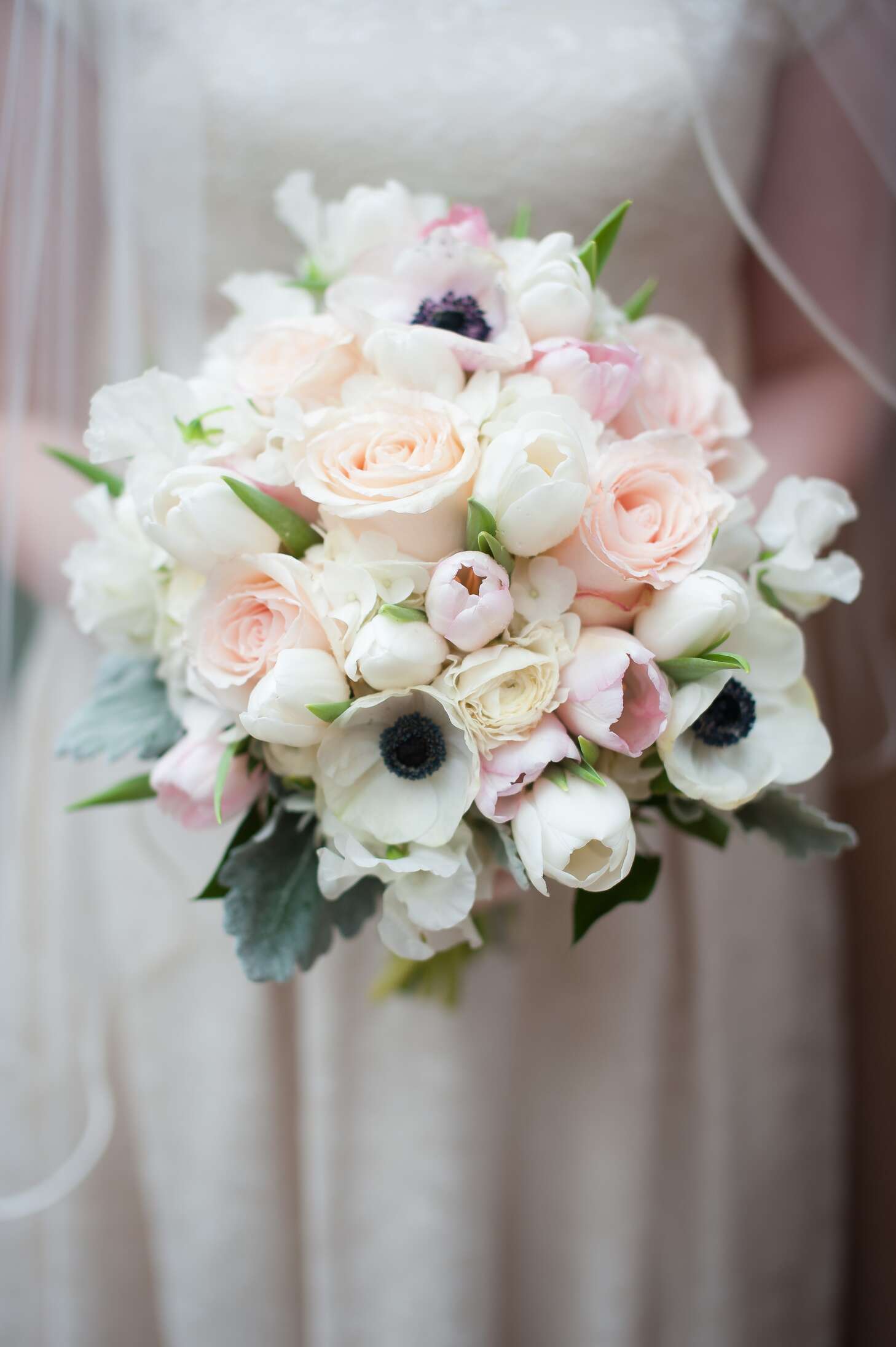
The tulip anemone bouquet excels because its components bring contrasting textures and complementary forms into harmony. Tulips contribute crisp, elongated stems with clean lines and a smooth, cup-shaped bloom, while anemones add drama with dark, dramatic centers and petal variation. Therefore, this pairing creates a bouquet that reads as contemporary and graceful at once. In addition, both flowers are surprisingly forgiving in fresh cut form when you attend to conditioning and hydration. Crucially, the combination also supports a broad color range—from soft pastels to punchy jewel tones—making it easy to tailor to seasonal tablescapes or gift occasions. When arranged with a third and supporting flowers such as spray roses or waxflower, this mix gains depth without losing its modern silhouette. For a quick preview of care basics, see our linked care guide for cut flowers. How to Care for Cut Flowers for practical tips you can apply right away.
Choosing stems for a tulip anemone bouquet: tulips, anemones, and supporting players
Selecting the right varieties matters as much as the arrangement itself. Choose tulips with sturdy stems and closed or just-opening blooms to maintain structure as they age. For anemones, opt for dark-eyed forms in colors that echo or contrast with the tulips. Consider blooms with longer stems for taller centerpieces and shorter stems for table runners. Supporting players—such as ranunculus, astrantia, or waxflower—add texture, fill, and fragrance without overpowering the focal flowers. When possible, select stems that have similar post-cut hydration needs; this helps them reach their peak together and fade more gracefully. The goal is a balanced mix where each flower has room to breathe and contribute to the overall shape. If you’re shopping at a florist or market, don’t hesitate to ask for a few extra stems of the supporting cast to fill in gaps as the bouquet comes together.
Practical tip: snip stems at a 45-degree angle under water to improve water uptake and minimize air pockets. This simple step aligns with best practices for a tulip anemone bouquet that lasts beyond the first few days.
Color theory for a harmonious tulip anemone bouquet
Color is the soul of any bouquet, and a tulip anemone bouquet offers multiple paths to cohesion. For a calm, timeless look, aim for analogous tones—soft pinks, peaches, and creams blended with ivory or pale lavender. For a more energetic display, pair bold tulips with dark-centered anemones in contrasting hues like coral and midnight. Therefore, you can create two distinct moods within the same palette by adjusting scale and saturation: larger blocks of one color and smaller pops of a second to guide the eye. In addition, keep foliage light and airy to prevent color overwhelm; eucalyptus or ruscus can provide greens that support rather than steal attention. If you’re uncertain, start with a triad of colors (one neutral, one light, one a touch of contrast) and then iterate on depth with the third flower or foliage as you assemble. For ongoing inspiration, we frequently reference fresh color trends that echo 2026 Pinterest aesthetics, including airy cabbage-crush tones and wildflower-inspired palettes.
Color palettes that pair well with a tulip anemone bouquet
Subtle ivory, blush, and champagne with a pop of coral creates a romantic, modern look. A duo of lavender and ivory gives a cool, dreamy vibe suited for spring weddings or tea-time gatherings. For a bold statement, combine hot pink tulips with deep-blue anemones and bright green foliage to craft a table-ready centerpiece that demands attention. Crucially, test your color plan in a quick photo mock-up or arrangement sketch before you start cutting stems; this helps you visualize balance and avoid overloading one side of the bouquet.
Vase selection and conditioning for a tulip anemone bouquet
The right vase sets the stage for a flawless tulip anemone bouquet. Choose a vessel with a wide opening to give stems room to breathe and to allow the blooms to open gracefully without bending. Glass or clear acrylic works well to emphasize the bouquet’s sculptural lines, while a light, opaque ceramic can ground bright colors for a dining table centerpiece. Conditioning is key: recut stems at a 45-degree angle, remove any leaves below the water line, and place in cool, clean water with floral preservative. Change water every two days and trim a small amount off the stems during water changes to promote continued hydration. For tall arrangements, use a tall, cylindrical vase; for low, compact displays, a short, wide vessel helps stabilize the bouquet while showing off the stems’ natural movement. This approach keeps the tulip anemone bouquet looking fresh from day one through its peak life.
Pro tip: keep the temperature cool and out of direct sunlight during the first 24–48 hours after arranging to help the blooms settle in evenly and minimize premature wilting.
Care tips to extend the life of your tulip anemone bouquet
Longevity comes from consistent hydration, careful handling, and mindful placement. Therefore, begin with clean water and a proper floral preservative to extend vase life. In addition, re-cut stems every 2–3 days and rotate the bouquet gently to maintain even water access. Crucially, avoid overcrowding the vase—air pockets shorten life and encourage bruising. Place the arrangement in a cool area away from direct sun, heat vents, or ripening fruit, which releases ethylene that speeds wilting. For the best results, remove any dead or drooping blooms promptly to prevent mold or bacterial growth from spreading to healthy stems. If you notice drooping tulips, gently cradle the stems and give them a fresh cut; a minor adjustment can reinvigorate the bouquet for a few more days of display.
Ethical sourcing and sustainability for a tulip anemone bouquet
Ethical sourcing matters to BloomHaven, and it should matter to you as well. Seek locally grown stems when possible to reduce carbon footprint, and ask suppliers about seasonality and farm practices. Favor stems that come with transparent labeling and certification where available. If you’re shopping from afar, prioritize growers who minimize plastic packaging and use recyclable or compostable materials. Supporting seasonal practices ensures a fresher bouquet with a longer vase life and a lower environmental impact. Additionally, consider planting a small pollinator-friendly border at home to extend the life of cut stems in your garden ecosystem and to support beneficial insects in your yard.
For practical care and sourcing tips, see our companion guide linked above, and consider exploring seasonally available varieties to maximize freshness and reduce waste.
Step-by-step arrangement: building your tulip anemone bouquet
To build a balanced tulip anemone bouquet, start with a few tall stems for height, then add mid-range stems to create a layered silhouette, finishing with shorter blooms and filler greens. Therefore, begin by choosing a focal bloom type (tulips or anemones) and arrange them in a loose central cluster. Next, insert the supporting flowers and greenery around the core, rotating the bouquet as you add stems to maintain symmetry. In addition, adjust the spacing so each bloom has space to show its face and prevent crowding. Crux: step back every couple of stems to assess proportion, then trim any stems that appear uneven. Finally, evaluate the overall color balance and adjust as needed until the bouquet reads cohesive from all angles. After you’re satisfied, a final mist of cool water can help set petals and freshen the look for display. This approach yields a tulip anemone bouquet that feels purposeful and polished rather than hurried.
Maintenance routines to keep your tulip anemone bouquet fresh
Maintenance is about consistency. Therefore, refresh the vase water daily or every other day if possible, especially in warmer rooms. In addition, keep blooms away from fruit or heat sources that accelerate aging. A light mist, applied in the early morning, can help hold color and reduce wilting on hot days. If stems start to droop, recut and rehydrate the bouquet promptly; sometimes a single stem adjustment can restore balance. By following these routines, your tulip anemone bouquet stays vibrant for as long as the blooms allow, offering a true sense of seasonal renewal. To extend interest, consider rotating the bouquet to different areas of the home, giving each bloom a moment in the spotlight.
Next, we turn to practical sourcing strategies and sustainability practices to ensure your tulip anemone bouquet remains beautiful without compromising your values.
In addition to our guidelines above, ethical sourcing and sustainability play a central role in every arrangement. For further insights on cut-flower care and upkeep, you can explore additional resources linked here, which provide deeper context for care routines and seasonal availability. Therefore, the next section will cover the essential tools, materials, and step-by-step process to assemble your tulip anemone bouquet for different occasions and spaces.
Tulip Anemone Bouquet Design Techniques: Practical Assembly
In this practical segment, we translate design theory into hands-on assembly for a tulip anemone bouquet that shines in 2026 trends. You will learn the exact steps, the rationale behind the choices, and how to adapt for different stems and vase sizes. The focus remains on the tulip anemone bouquet as a cohesive centerpiece that balances bold color with delicate texture.
The Tulip Anemone Bouquet: Core Design Principles
For a tulip anemone bouquet to look effortless, start with a quiet design language. In this arrangement, the tulip provides clean, elongated lines while the anemone adds a soft, circular focal point. Specifically, equal attention to stem length, stem strength, and petal orientation ensures a stable structure that remains attractive even as the flowers settle. In 2026, designers favor gentle contrasts in scale rather than high-contrast color clashes, so keep your palette curated and let the shapes do the talking. The tulip anemone bouquet thrives on restraint; a single, well-placed bloom can be more powerful than a crowded field of color.
Balance and Proportion in a Tulip Anemone Bouquet
Balance is about distribution, not symmetry. Place your tallest tulips toward the back or center of the bouquet and offset them with the rounded form of the anemones and a controlled sprinkle of foliage. Specifically, aim for a central axis that reads from side to side, with a visible but not overpowering focal point. This proportional approach creates a sense of movement, guiding the eye through the tulip anemone bouquet without abrupt stops. Remember to allow space for the stems to breathe; crowding is the enemy of longevity. The result is a bouquet that feels composed, even when the flowers are still waking up in the morning light.
Focal Points and Texture in a Tulip Anemone Bouquet
The anemone plays the role of the bouquet’s soft center. Use one or two larger anemones as anchors, then nestle smaller blossoms and sprigs around them. This layering establishes texture: satin-smooth tulips paired with papery anemone petals, and a touch of airy filler that helps the form breathe. Specifically, avoid overloading with filler; instead, let space around the focal area create a sense of air and light. The goal is a tulip anemone bouquet that feels lush, not crowded or heavy. When photographed, this texture reads as depth, which elevates the bouquet beyond an everyday arrangement.
Materials, Tools, and Preparation for the Tulip Anemone Bouquet
Before touching stems, gather your tools and prepare the workspace. A sharp knife or floral snips, clean water, and a clean vase or wrap are essential. Good conditioning starts at the base: trim stems at an angle, remove any leaves below the water line, and soak greens briefly to reduce wilting. For a tulip anemone bouquet, ensure you have different stem lengths ready so you can sculpt the bouquet into a natural arc rather than a flat silhouette. In 2026, designers emphasize exuding calm through curated color and refined structure rather than chaotic abundance. Keep a small supply of floral tape, florist wire, and a couple of decorative elements within reach so you can stabilize stems without interrupting the flow of the design. For practical tips on arrangement basics, see Bouquet arranging tips.
Stem Preparation and Conditioning for the Tulip Anemone Bouquet
Trimming at a fresh angle creates optimal water uptake. Change the water daily to keep stems hydrated, especially tulips that drink quickly. Remove any bruised petals and check for pests; a clean start helps the tulip anemone bouquet last longer. If you plan to ship or deliver, consider a protective wrap that minimizes movement while transporting. Conditioning also means checking the vase water level and adding flower food as recommended by the supplier. For the best performance, keep the tulip anemone bouquet out of direct heat and away from ripe fruit, which emits ethylene and can shorten life. If you notice browning at the tips, trim a millimeter more and re-hydrate the stems before reassembling the arrangement.
Step-by-Step Practical Assembly for a Tulip Anemone Bouquet
Assemble in layers, starting with a stable base of greens and filler to support the tulips and anemones. Position the focal anemone slightly off-center to create visual interest, then insert the tulips around it in a gentle arc. The aim is a natural waterline and a bouquet that feels as though it grew in a vase rather than being assembled in a straight line. In this method, you control the rhythm of color and curvature with precise placement, adjusting as you go to maintain balance. For durability, rotate the bouquet in your hands as you add stems so you can see it from every side and fix any wobble immediately. The eyes will thank you for a composition that looks effortless yet has been crafted with intention.
Specifically, keep the stems staggered so the bottom ends support one another but none tip the arrangement. Use a floral foam or modern stems-and-ribbon approach as your base; the choice depends on the occasion and shipping needs. If you choose foam, ensure you secure it well and monitor water absorption. If you prefer a water tube system, position the tubes so the tulips do not collapse the arrangement as stems lengthen. The key is to preserve the tulip anemone bouquet’s graceful line from every angle while maintaining easy serviceability for the recipient. With practice, the layering becomes almost second nature, and you can scale the design up or down depending on vase size and event requirements.
With the base in place, begin adding texture. A small spray of filler, such as astrantias or waxflowers, can accent the tulips and anemones without overpowering them. Turn the arrangement as you work to ensure even coverage; avoid creating a hollow center, which looks unfinished and invites drooping. When you reach the final touches, tuck in a few slender greens to mask the cut ends and strengthen the overall silhouette. This careful layering gives your tulip anemone bouquet a polished, professional presence that reads well in photos and in person. If you are preparing for a venue with dramatic lighting, consider how the bouquet will cast shadows; the goal is a design that remains legible from camera angles with the blooms as the focal frame.
Securing and Finishing: Wrapping and Ribbon for a Tulip Anemone Bouquet
Finishing touches are not afterthoughts; they define the bouquet’s presentation. Use a ribbon that harmonizes with the color story while anchoring the stems with a hidden binding. If you expect movement during transit, consider a thin floral tape system under the ribbon to lock the stems in place. The wrapping should be clean, with no raw stem ends showing. For the most modern look, wrap with a thin, translucent wrap to highlight the tulip anemone bouquet’s interior shape. If you want a rustic vibe, use natural jute or twine and finish with a simple knot. Either way, the final wrap should support the bouquet’s architecture without concealing the petals that deserve the spotlight. Practically, you may add a touch of color-coordinated tissue inside the wrap to guide the eye toward the central blooms.
Color Theory and Seasonal Messaging in the Tulip Anemone Bouquet
Color is more than decoration; it communicates mood and intent. For a tulip anemone bouquet, choose colors that echo the season and the occasion, whether a bright spring celebration or a serene winter gift. In 2026 trends, soft, cohesive palettes that mix pastel tones with a single, bold accent are particularly effective. The tulip provides the vertical energy; the anemone offers a focal point that reads as photography-friendly. When selecting hues, aim for harmony rather than contrast; this approach elevates the tulip anemone bouquet into an elegant statement that resonates on social feeds and in real life. Regularly test color pairings by placing stems on a white sheet to observe true color relationships; this helps avoid unintended color clashes in daylight and artificial light alike.
How to Achieve Harmony: Color Schemes for 2026 Trends
One recommended scheme uses a blush pink tulip paired with white or pale green anemones, accented by a touch of lavender or dusty blue in the foliage. In contrast, a deeper burgundy tulip with black-centered anemones creates a striking, contemporary look. The key difference is saturation and spacing: keep color swaps minimal, and let each stem reveal its natural beauty. For a cohesive tulip anemone bouquet, limit your color count to three hues. Specifically, let the largest tone dictate the base, and use the two remaining shades to create focal points and movement within the bouquet. In practice, keep the color journey gentle; abrupt jumps disrupt the bouquet’s rhythm and can undermine the sophistication of the tulip anemone bouquet.
Care, Longevity, and Presentation of the Tulip Anemone Bouquet
To preserve freshness, keep the tulip anemone bouquet in a cool room away from direct sunlight. Re-cut stems at a fresh angle every two days and refresh the water to prevent bacterial growth. If you notice drooping petals or fading color, rotate the bouquet to reveal healthier faces and avoid crowding. Freshness is enhanced by the careful arrangement of water and stems and by removing leaves that would sit below the water line. The tulip anemone bouquet benefits from gentle handling; rough movement can cause petals to bruise, especially the delicate anemone petals. This care routine minimizes stress on the petals and preserves the bouquet’s clean lines for longer.
Display matters as much as growth: present this bouquet in a vase with a generous width that supports the bloom’s silhouette. The stems should be trimmed so that the bouquet sits about mid-height in the vase, allowing flower heads to float above the rim. For long life, replace water with clean additions of flower food and avoid placing the bouquet near ripening fruit, heat sources, or air vents that dry the air quickly. If you need a quick, reliable solution for transporting a tulip anemone bouquet, a protective wrap that cushions stems and keeps petals pristine is invaluable. Practically, consider a small water reservoir in the base for extended displays in hotel lobbies or photo shoots where access to water may be intermittent.
In addition to physical care, consider the mental impact of color and texture. A tulip anemone bouquet communicates calm and refined taste, making it a reliable choice for weddings, anniversaries, or spring celebrations. In a world where visual storytelling drives engagement, the tulip anemone bouquet becomes a narrative itself, each stem acting as a chapter in a larger floral story. This narrative power makes it a favorite among florists who want a design that translates well across still life photography and moving displays.
Shipping and Handling Tips for Freshness
Whether sending as a gift or taking a custom order, handling is a critical factor in preserving color and shape. Ensure a snug fit to prevent movement inside the shipping container. Use moisture-retentive wraps and add a small water source for the vase portion only if the package supports it. For a fragile tulip anemone bouquet, plan a slow, cool journey and minimize temperature fluctuations. It’s wise to inform the recipient of care steps to maximize vase life—recutting, water replacement, and avoiding direct sun are always recommended. In addition, label the package with handling instructions to ensure it reaches its destination looking as designed.
In-Place Maintenance: Preserving Freshness at Home
Once the bouquet is in the home environment, a few simple habits extend its life. Keep the vase away from drafts and moisture extremes. Check the water level daily, especially in the first 72 hours after assembly. A gentle swirl of the vase bottom keeps the stems from sticking to the vessel and helps the tulip anemone bouquet settle into a graceful curl. If petals show early wear, re-balance the bouquet gently, remove any compromised stems, and replace them with fresh, well-conditioned options when possible. The goal is continuity: a tulip anemone bouquet that remains striking from first glance to final bloom. A well-maintained bouquet also reduces waste by prolonging the life of each stem, which aligns with BloomHaven’s sustainability focus.
Troubleshooting Common Issues in the Tulip Anemone Bouquet
Even with careful planning, you may encounter wilted petals, early droop, or color fading. In most cases, the cause is environmental rather than design flaws. If tulips appear to bend toward a heat source, move the bouquet away from that source and adjust the water and temperature. Anemones can be sensitive to ethylene; keep them away from ripening fruit and use clean water and a good cut to slow browning. If stems become waterlogged or disease appears, replace affected stems promptly and sanitize your tools to prevent spread. By remaining mindful of these factors, you can maintain the beauty of the tulip anemone bouquet for as long as possible. If you notice petal discoloration, check for light exposure and adjust the positioning to prevent further damage.
As you finish this part, remember that the tulip anemone bouquet is a study in balance, texture, and color—an arrangement that rewards careful assembly and thoughtful care. The practical assembly methods outlined here create a durable, photogenic design that performs well in real-world settings, from intimate home tables to larger events. Next, in Part 3: Display and Presentation Strategies for the Tulip Anemone Bouquet, we will explore how to showcase this design across environments, including studio setups and social-media friendly displays.
Advanced Strategies for Tulip Anemone Bouquet: Personalization and Scale
In this final section we translate BloomHaven’s core ideas into practical, scalable tactics you can apply today to craft a tulip anemone bouquet that feels personally curated for clients and events. The goal is to move beyond generic arrangements and into tailored experiences that elevate brand perception and margins. You will discover how personalization and smart scaling work together to deliver consistent quality at any volume, from boutique orders to small event packages. Ultimately, these strategies help you build a repeatable process that feels bespoke without sacrificing efficiency.
To make this section actionable, we align personalization with a repeatable production model. This means pairing client input with palette psychology, seasonal availability, and streamlined workflows. The result is a tulip anemone bouquet that not only delights visually but also communicates a clear story for each recipient. In this approach, scale and personalization are not competing priorities; they are synchronized levers that reinforce each other as your business grows.
Personalization for the Tulip Anemone Bouquet: Palette, Theme, and Story
Personalization starts with listening. Gather straightforward preferences from clients about colors, occasions, and the narrative they want the bouquet to convey. Are they celebrating a spring anniversary, a fresh start, or a charity event? Each answer helps you tailor a tulip anemone bouquet that resonates on an emotional level. When clients feel seen, your work becomes more memorable and shareable—key drivers of word-of-mouth marketing in BloomHaven’s niche.
In practice, embed client input into a living brief. Use a simple questionnaire that collects color ranges, preferred stem lengths, and any must-have blooms. Then translate those inputs into a design brief that guides every step of sourcing and assembly. This approach keeps the process efficient while ensuring every bouquet tells a coherent story, from first impression to post-delivery appreciation notes.
Equally important is aligning personalization with your brand voice. If your shop specializes in modern silhouettes, emphasize clean lines and bold color blocks in the tulip anemone bouquet. If you lean toward romantic, layered textures with soft hues, reflect that in the arrangement’s structure and packaging. Consistency across color, form, and story helps your audience recognize your signature style in every tulip anemone bouquet you deliver.
To translate preferences into design choices, build a palette library anchored by a few reliable color stories that pair well with tulips and anemones. This reduces decision fatigue for clients while maintaining creative flexibility. Ultimately, your library should enable rapid customization without sacrificing aesthetic coherence, which is essential for higher-order orders or recurring corporate gifting programs.
Curated Palettes for a Tulip Anemone Bouquet
- Pastel Spring Palette: ivory, blush, and butter yellow with delicate greenery for a soft, airy tulip anemone bouquet that suits weddings and baby showers.
- Vibrant Sunrise Palette: coral, magenta, and sunny yellow for high-energy events or brand activations where impact matters.
- Moonlit Amethyst Palette: purples and slate blues with white accents for evening events or sophisticated galas.
- Pasture and Meadow Palette: fresh greens, pale pinks, and cream tones that echo garden-inspired themes and outdoor celebrations.
- Cabbage Crush-Inspired Palette: a bold mix of chartreuse, lime, and deep greens with crisp white to nod to trending Pinterest aesthetics while keeping a timeless balance.
Each palette is a starting point rather than a rigid rule. Encourage clients to blend elements from different palettes to reflect personal stories. The best tulip anemone bouquet feels tailored because its color and form align with a specific memory or sentiment. This personalization approach fosters client loyalty and makes each order feel exclusive rather than commoditized.
Seasonality is a natural accelerator for personalization. Offer seasonal palettes tied to holidays, agrarian calendars, or local harvests. When you present a seasonal Tulip Anemone Bouquet concept, you invite clients to co-create, which strengthens engagement and expands your portfolio of repeat customers. In addition, seasonal palettes simplify sourcing decisions while preserving high design standards.
Seasonal Themes and Narratives in a Tulip Anemone Bouquet
Seasonal themes give tulip anemone bouquets a sense of place and time. A spring wedding might feature airy whites and soft pinks with a delicate ribbon, while a midsummer corporate gift could lean into vibrant, legible color blocks that photograph well in natural light. Narratives help clients imagine the moment they will receive the bouquet, increasing perceived value and the likelihood of referrals.
Frame each theme with a short descriptor that appears on your order form and packaging. For example, a spring bouquet might be described as “Whispering Blooms of New Beginnings,” while a summer piece could be “Solar Spark: A Fresh, Energetic Gesture.” These micro-stories enhance the client experience and support your branding across touchpoints, from the website to the delivery card.
Use sample set photos to showcase each theme. High-quality, consistent imagery helps clients compare options quickly and makes your decision workflow more efficient. When imagery and copy align with a defined narrative, clients connect emotionally with the tulip anemone bouquet, not just its components. This emotional resonance is a powerful differentiator in a crowded floral market.
Scaling Your Tulip Anemone Bouquet Production: From Studio to Small Shop
Scaling is not about cranking out more arrangements; it is about expanding capacity while preserving the integrity of each tulip anemone bouquet. Start by mapping a repeatable workflow that covers sourcing, processing, design, packaging, and delivery. Document each step and assign clear owners. A well-documented process reduces errors, speeds up fulfillment, and ensures consistent quality as order volume grows.
Invest in modular setup. Use standardized vase sizes, consistent stem lengths, and a fixed core set of stems for quick builds. Then layer in personalization with optional add-ons like custom ribbons, handwritten notes, or branded seals. Modular design enables you to scale up without sacrificing the bespoke feel that defines a tulip anemone bouquet as a premium offering.
Forecast demand by season and event calendar. Build a rolling four-week forecast that accounts for lead times from growers, shipping windows, and your team’s capacity. By planning ahead, you avoid supply crunches that force substitutions and compromise the bouquet’s aesthetic. When clients see you deliver on time with a consistent look, trust and loyalty follow naturally.
Harness technology to streamline operations. Simple inventory and order management tools can automate reminders for re-stocking, generate standardized design briefs, and trigger packaging templates. The right tools help you scale while maintaining the precision that makes a tulip anemone bouquet exceptional.
Sourcing, Sustainability, and Availability for a Tulip Anemone Bouquet
Ethical, local, and sustainable sourcing is not optional; it is a competitive advantage. Build relationships with growers who can supply high-quality tulips and anemones during peak windows. Favor growers who use responsible farming practices and transparent cropping calendars. By aligning sourcing with sustainability, you protect supply, support local economies, and appeal to ethically minded clients.
Balance availability with customization. Maintain a core inventory of dependable stems while offering seasonal surpluses through limited-time offerings. This approach ensures you can fulfill personalized orders without overstocking or resorting to last-minute substitutions that dilute the tulip anemone bouquet’s impact.
Strong supplier relationships also enable better pricing and priority access during busy periods. Communicate your anticipated demand clearly and build contingency plans for weather-related disruptions or crop fluctuations. Proactive communication with clients about potential shifts builds trust and reduces disappointment when substitutions are necessary.
For care and handling tips, see Tulip care tips. These best practices help maintain stem longevity from the moment the bouquet leaves your shop until delivery, preserving beauty and client satisfaction.
Packaging, Delivery, and Care for a Tulip Anemone Bouquet
Packaging is part of the experience. Use packaging that protects delicate stems while conveying your brand story. Consider tissue in your palette, a branded wrap, and a care card with simple instructions that empower recipients to maximize vase life. Clear, visually cohesive packaging reinforces the premium nature of the tulip anemone bouquet and reduces post-delivery concerns.
Delivery adds another layer of personalization. Offer timed delivery windows, optional hand-off notes, and photographic confirmation of delivery. For events, coordinate with venues to align on setup times and placement. These details enhance the recipient’s experience and reflect your commitment to service excellence.
Care instructions should be accessible and actionable. Include brief, explicit guidance on trimming stems, water changes, and room temperature optimization. A well-informed recipient is more likely to give positive feedback and share photos, strengthening your reputation and potential for repeat business.
Data-Driven Personalization: Measuring Success in a Tulip Anemone Bouquet
Data drives better personalization. Collect client preferences through brief questionnaires, track color and theme selections, and monitor repeat orders to identify which palettes perform best. Use this data to refine your palette library, improve product descriptions, and enhance forecasting models. When data informs design, you deliver consistently personalized experiences at scale.
Establish a simple dashboard that captures key indicators: order frequency, average order value, palette popularity, delivery satisfaction, and repeat engagement. A clean view of these metrics helps you spot trends quickly and adjust your strategy before problems escalate. By systematizing feedback loops, you turn insights into action with minimal friction.
In addition, implement a lightweight A/B testing framework for choices like color emphasis, packaging design, or add-on options. Test one variable at a time and compare performance over a representative sample. Over time, small refinements compound into meaningful improvements in conversion and client happiness for the tulip anemone bouquet.
Automation can support personalization without increasing workload. Templates for client questionnaires, design briefs, and delivery notes ensure consistent messaging and reduce miscommunication. Scalable workflows keep your team aligned as demand grows, while preserving the bespoke feel that defines a tulip anemone bouquet experience.
Tracking Metrics, A/B Testing, and Customer Feedback for a Tulip Anemone Bouquet
- Conversion rate by palette: which color stories convert best for different channels or events.
- Average order value (AOV): how personalization add-ons impact price without sacrificing perceived value.
- Delivery satisfaction: on-time and intact delivery rates with recipient feedback.
- Repeat purchase rate: whether clients return for seasonal updates or gifts.
- Feedback sentiment: qualitative notes on what clients loved or wanted changed.
Perform quarterly reviews of these metrics and adjust your offerings accordingly. For example, if a Moonlit Amethyst palette consistently outperforms others for weddings, allocate more marketing emphasis and production capacity to that theme during peak months. Ultimately, data-driven personalization helps you deliver a tulip anemone bouquet that delights today and scales to tomorrow.
Automation, templates, and scalable workflows support this shift. Use standardized design briefs, care cards, and delivery checklists to maintain quality as orders scale. With the right systems, your tulip anemone bouquet remains uniquely personal even as volumes rise.
Conclusion: Elevating the Tulip Anemone Bouquet Experience
In summary, the tulip anemone bouquet stands at the intersection of color theory, storytelling, and meticulous execution. Personalization is not a one-off gesture; it is an ongoing practice that aligns palette psychology, seasonal narratives, and client values with a scalable production model. By treating each order as a co-creation, you transform ordinary bouquets into meaningful experiences that clients remember and share.
Scale with intention by standardizing workflows, investing in reliable sourcing, and embracing data-driven decision making. Use modular designs to preserve quality while expanding capacity, and let seasonal palettes guide both design and inventory planning. When you combine personalization with scalable operations, you create a resilient business that thrives on repeat orders, referrals, and strong margins—the hallmarks of a BloomHaven-level tulip anemone bouquet program.
Ready to turn these advanced strategies into action? Start by refining your client intake, building a palette library for the tulip anemone bouquet, and drafting a scalable production checklist. If you would like tailored guidance or a sample design brief, contact BloomHaven today to elevate your tulip anemone bouquet offerings and deliver unforgettable, high-value experiences for every client.