Hand Tied Bouquet Technique: Practical Guide
Mastering the Hand Tied Bouquet: Techniques, Tools, and Setup
The hand tied bouquet is a timeless approach to flower design that emphasizes tension, balance, and natural movement. When you tie stems by hand, you gain tactile control over stem length, spacing, and how the blooms face the light. In this guide, we begin with the fundamentals that separate a simple arrangement from a professional hand tied bouquet. Whether you are preparing bouquets for a wedding, a weekend market, or your own home, mastering this method will elevate your floral storytelling and reduce waste by using stems efficiently. Throughout Part 1, we’ll cover setup, tools, stem selection, and foundational tying techniques that form the backbone of every successful hand tied bouquet. By the end, you’ll have a repeatable workflow you can apply with confidence.
In Part 1, we focus on creating a solid foundation. You’ll learn how to set up a workspace, choose stems with balance in mind, and execute core tying techniques that produce clean stems, even spacing, and a natural arc. These fundamentals translate to any season or event and lay the groundwork for more advanced wrapping and presentation in Part 2.
Hand Tied Bouquet Essentials: Core Concepts
A hand tied bouquet begins with a deliberate plan for form and flow. Unlike arranged stems held together by foam or adhesive, a hand tied bouquet relies on tension and alignment to maintain structure. The concept hinges on three pillars: stem selection, spacing, and control of face direction. With practice, you learn to anticipate how stems will settle as you move from the base to the bloom tips. This forethought minimizes waste and makes it easier to adjust if a stem looks out of place hours before delivery or pickup.
Crucially, the technique emphasizes three outcomes: an even, readable silhouette; a focal bloom that remains visible; and a durable hand position so you can carry the bouquet comfortably. You will also hear about the spine or core line that runs through the arrangement. This spine guides your hand as you add stems, keeping everything aligned. In short, the hand tied bouquet is about controlled tension, thoughtful spacing, and consistent face orientation. As you practice, your hands will learn to feel when a stem is too long, too short, or slightly misaligned, and you will correct in real time.
Hand Tied Bouquet Techniques: Tension, Alignment, and Bind
Effective hand tying starts with grip and positioning. Begin with a clean, deliberate hold on the stems. Keep the bottoms even and trim any ragged ends before you begin. Lift the stems so the leaf nodes will not crowd the blooms. Then, establish a central spine by selecting a sturdy stem to anchor the group. From there, add stems outward in a fan-like arc while maintaining even length and face direction. This creates the characteristic open, round shape of a hand tied bouquet. Tension matters. Too slack and the bouquet looks floppy; too tight and it will pinch or crack petals. Practice small adjustments to maintain a gentle, steady pressure as you bind.
Binding is the finishing touch that holds the structure. Florist tape, twine, or a thin ribbon can serve as the binding method. The key is to bind just tight enough to keep the stems from shifting but not so tight that you crush the stems or alter the bouquet’s natural line. After binding, trim the stems cleanly and test the balance by rotating the bouquet in your hand. If one side dips, reposition a stem or add a spacer stem to restore symmetry. Remember, the goal is a secure yet flexible hand tied bouquet that feels comfortable to hold and easy to transport.
To reinforce technique, you can create a small, repeatable workflow: prepare, align, add, bind, trim, and wrap. Each step is a micro-action that you repeat for every bouquet. The consistency you build here translates into speed, accuracy, and a higher-quality end product. For a broader context on basic bouquet design principles, you can explore general flower arrangement concepts at Flower arrangement basics.
Workspace and Tools for a Professional Hand Tied Bouquet
A clean, well-lit workspace is essential. A stable table at a comfortable height reduces fatigue and helps you maintain control as you work with stems of varying thickness. A calm, uncluttered area means you can focus on stem alignment, not on distractions. In addition, a neat arrangement area helps you see the silhouette more clearly as you build.
Crucially, the right tools make the technique repeatable and enjoyable. Below is a concise toolkit you’ll want for any hand tied bouquet project.
Tools and Materials You Must Have
- Sharp floral shears or bypass pruners for clean cuts
- Floral knife or a sharp utility blade for precise end trimming
- Floral tape or soft twine for the binding
- Ribbon or paper wrap for the final presentation
- Stem strippers or a small knife to clean thick stems
- A clean cutting board and a water bucket to keep stems hydrated
- A pin or small rubber band to secure delicate blooms if needed
- Optional protectors or foam rings for delicate stems or fragile blooms
Invest in high-quality tools. They do not need to be expensive, but sharp blades and clean handles reduce damage to stems and leaves. Regular maintenance, such as wiping blades after use and trimming dull edges, keeps your work efficient and professional. For long shoots or thick stems, you may need a stronger grip and a longer cut to ensure a clean joint. Practicing with a standard bouquet of mixed textures helps you learn how different stems respond to tension and alignment.
Choosing Stems for a Balanced Hand Tied Bouquet
Stem selection is about balance, rhythm, and movement. You want a mix of focal blooms and supporting stems that complement the hero flowers. Begin by choosing a center bloom that sets the bouquet’s personality. This focal bloom should be visually strong and not too heavy; it should draw the eye without overpowering the rest of the stems. Surround it with secondary blooms that echo color, texture, and scale. The supporting stems create the bouquet’s rhythm and help hold the shape as you work.
Length matters. Longer stems can create drama, but they require precise handling to avoid a top-heavy look. Shorter stems create a compact arrangement that reads as a time-stable bouquet. In either case, ensure stem diameters transition smoothly from the center to the outer edges. A good practice is to group stems by approximate diameter so they nest comfortably without crowding each other.
Texture adds richness. Mix smooth, glossy petals with papery textures or feathery greenery. The variation catches light and makes the bouquet more dynamic. A well-balanced bouquet often contains three to five levels of texture, moving from strong focal blooms to softer filler greenery. Finally, scent matters. A floral arrangement should be pleasant to handle and pleasant to smell, but avoid overpowering notes that compete with the focal blooms. When selecting seasonal stems, keep the event date and color story in mind to maintain cohesion across the entire design.
Seasonal Selections for 2026 Trends: cabbage crush, wildflowers, peonies, pollinator plants
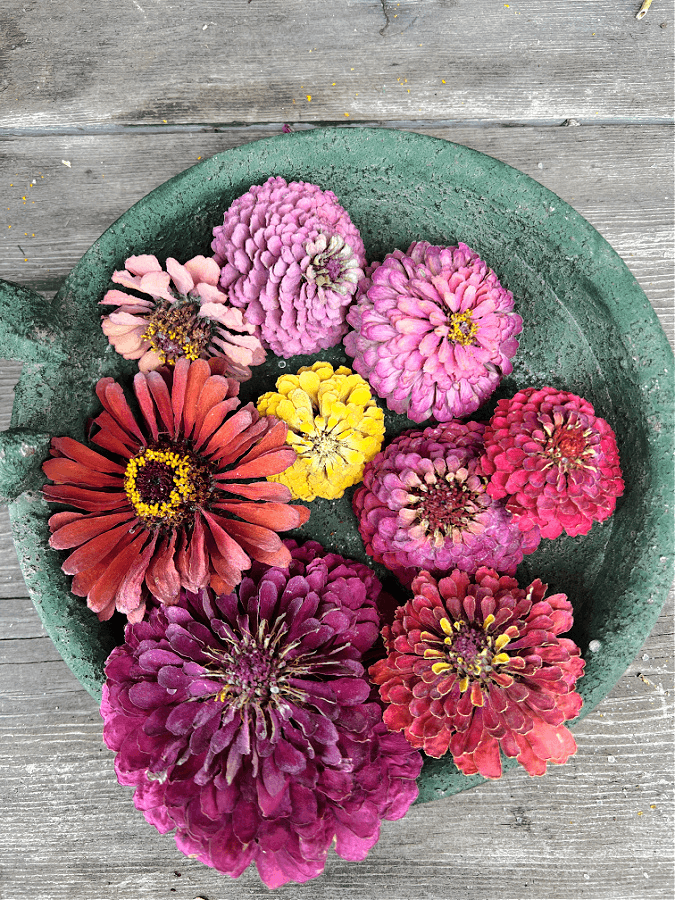
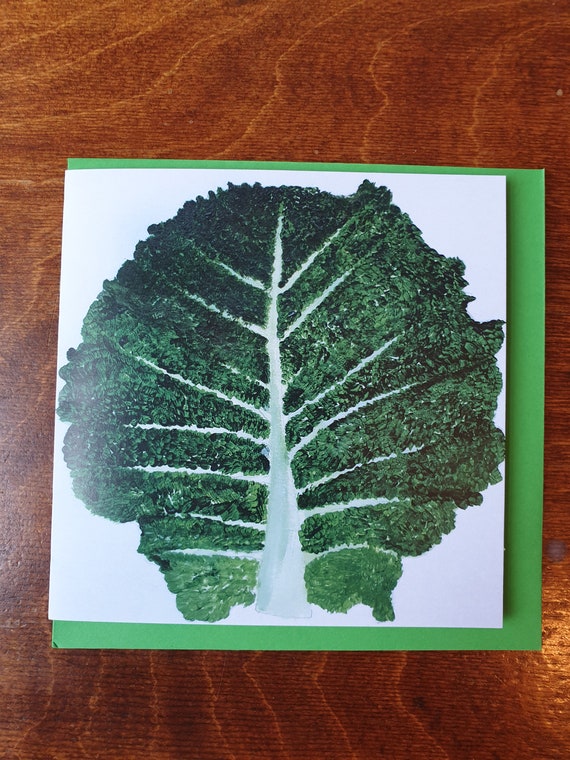
Seasonality drives availability and cost. In 2026, Pinterest-inspired trends emphasize texture and natural wildness. Cabbage-crush textures, where large, pale greens create bold silhouettes, pair well with delicate wildflowers for contrast. Peonies offer luxury and lush volume but are highly seasonal, so plan around their peak. Pollinator-friendly plants like asters, coneflowers, and echinacea bring motion and movement into the bouquet, and they typically hold up well in hand-tied designs. When building for trends, aim for a cohesive palette that allows these textures to shine. Balance bright focal blooms with softer filler and a touch of greenery to keep the arrangement grounded and versatile for different viewing angles.
Step-by-Step Building Your First Hand Tied Bouquet
Now you will see a practical, repeatable workflow. The steps below assume you have prepared your workspace and tools, selected your stems, and trimmed everything cleanly. You can follow along with any mix of flowers to get a feel for the method and then apply it to more complex, event-specific palettes.
- Prepare stems: Trim all stems at a 45-degree angle and remove any leaves below the intended wrap line. Hydration is essential; keep stems in water while you assemble.
- Create the spine: Choose a strong central stem to act as the backbone. Position it upright and hold it steady with your non-dominant hand.
- Add focal blooms: Place the hero flower(s) near the center, angling petals slightly outward to frame the bouquet. Ensure the blooms face outward from the center so they look balanced from all angles.
- Incorporate secondary blooms: Add supporting stems on alternating sides to maintain a circular silhouette. Rotate the bouquet as you work to keep symmetry.
- Fine-tune spacing: Adjust stems for even gaps between blooms. Use light pressure to set their positions without bending or breaking the stems.
- Bind the bouquet: Wrap with floral tape or twine securely around the base, just above the wrapped stem area. Make sure the wrap is tight enough to hold, but not so tight that it crushes stems.
- Trim and finish: Trim the stems evenly after binding. Add a decorative wrap or ribbon, ensuring a neat finish that suits the event style.
- Inspect for balance: Hold the bouquet at different angles and adjust if a stem looks misaligned. A quick spin can reveal an off-kilter stem that isn’t visible from a single viewpoint.
Common Mistakes to Avoid in the Hand Tied Bouquet
Avoid common issues that erode the hand tied bouquet’s quality. Avoid overloading one side with too many heavy blooms, which disrupts balance. Do not rush binding; a loose wrap invites shifting and drooping. Never skip trimming; ragged ends create a messy base and complicate wrapping. Be mindful of leaf damage; removed leaves near the base prevent moisture loss and rot. Finally, ignore the bouquet’s future handling at your own risk: ensure the stems aren’t too long for the holding hand or the vessel you plan to place it in after delivery.
Next Steps: What Comes in Part 2
Part 2 will take you beyond the basics. We’ll explore finishing touches, wrapping styles, and presentation ideas that elevate a hand tied bouquet from good to exceptional. You’ll learn advanced wrapping techniques, vase selection tips, and care instructions that preserve freshness for longer. Stay tuned for Part 2: Advanced Wrapping, Presentation, and Care for the Hand Tied Bouquet.
Step-by-Step Guide to Crafting a Hand Tied Bouquet for Beginners and Beyond
In this step-by-step guide, beginners and seasoned creators alike will master the hand tied bouquet technique. Each segment builds skill, from selecting stems to presenting a finished bouquet that travels well and looks vibrant in photos.
Gather Your Materials: What You Need for a Hand Tied Bouquet
Begin by gathering a mix of focal flowers, supporting blooms, greenery, and filler. Choose stems with similar thickness and texture. Remove lower leaves that would sit in water. Have clean floral shears, sharp scissors, floral tape or twine, ribbon, a conditioning bucket, and a clean vase or bucket for practice. Start with a manageable handful to learn balance and weight before scaling up. A small testing bouquet helps you feel how the stems resist bending and how much tension the binding will require.
The goal is a lightweight, balanced hand tied bouquet that feels cohesive in hand and in photos. If you are unsure, practice with a single color family to see how stems relate in height and texture. For reference, see basic guidelines on flower arrangements from The Old Farmer’s Almanac.
Choosing Fresh Flowers and Foliage for a Hand Tied Bouquet: Building a Cohesive Color Story
Freshness is the backbone of a hand tied bouquet. Inspect stems for turgor, looking at plump, hydrated bases and lively blooms. Select a focal flower with a strong silhouette to anchor the arrangement. Add supporting blooms that echo the focal color without overpowering it. Use greenery to frame the bouquet and add texture, but avoid overloading any single stem. The best hand tied bouquets feel deliberate; nothing seems random or forced. Specifically, the right mix of colors creates depth and helps each bloom play its part in the composition.
Plan a color story that complements the season and venue. For 2026, consider trends like cabbage-crush textures, wildflower blends, and peony-forward accents. If you are mixing colors, choose a dominant shade and two supporting tones. Finally, ensure stems are compatible for the bouquet’s end shape, allowing you to form a near-spherical outline when held in the hand. This careful planning prevents crowding and preserves air around each bloom for a graceful final look.
Preparing the Stems: Cutting, Cleaning, and Conditioning for a Hand Tied Bouquet
Conditioning begins with trimming stems at an angle to maximize water uptake. Remove any leaves that would be submerged in the vase. Rinse the stems briefly if they appear dusty, then place them in clean water. Cut diagonally again just before assembly to maintain water absorption. The conditioning step reduces wilting and improves stem hold during binding. Always use sharp tools to prevent crush damage to delicate blooms. When you trim, make sure you have a clean, wide workspace so you can motion smoothly from stem to stem.
Keep a tidy workspace; lay stems out by height so you can select from the top down as you build the hand tied bouquet. This step matters for balance and for a professional appearance. Hydration is essential; moisture keeps petals plump and colors vivid. Remember: well-conditioned stems translate into longer vase life and easier handling. If a bloom is slightly past its prime, reserve it for secondary layers rather than the main focal line.
The Core Technique: Building the Hand Tied Bouquet
Hold the core stems in one hand with the tops aligned at a consistent point. Start with a focal stem slightly off-center, then add supporting stems at a gentle angle around it. Continue building in layers, rotating the bouquet to test symmetry as you go. The secret is maintaining uniform stem length at the top while varying the lower tails to create a natural circle. This technique yields a compact, hand-friendly bouquet that travels well and photographs beautifully. Specifically, keep the center dense first, then thicken outward with secondary stems.
As you add stems, keep the wrists relaxed and let the stems slightly bend rather than force them into place. Aim for about a 15- to 20-degree angle for most stems to ensure they fan out evenly. When you reach the desired fullness, stop adding stems and secure the structure with a couple of loose wraps of floral tape or twine. This core must be sturdy yet flexible enough to bend gracefully when repositioned. For additional stability, you can place a small cluster of greenery just beneath the binding to hide the knot and create a seamless transition to the stem base.
Wrapping, Binding, and Finishing Touches for a Hand Tied Bouquet
Binding is a critical moment for a hand tied bouquet. Use a length of floral ribbon or twine to tie a basic binding around the stem cluster about 1 inch below the foliage line. Wrap firmly but not so tight that stems crack. After a firm initial bind, trim the stems evenly to preserve the silhouette. For a classic look, cover the binding with craft paper or a delicate wrap; for a modern style, secure with a satin ribbon bow and a small decorative pin. The wrap should extend slightly beyond the base so you can hold the bouquet without constriction.
Experiment with wrapping orientation; sometimes a vertical wrap from the top edge creates a cleaner look, while a diagonal wrap reads more dynamic. The finishing touches can influence perceived quality as much as the flowers themselves. Remember to maintain an ergonomic grip so the bouquet feels comfortable when carried and displayed. A well-bound bouquet holds its shape for photos and transport, reducing the risk of petals rubbing together.
Wrap Styles for a Hand Tied Bouquet: Classic Paper Wrap vs. Modern Ribbon
Classic paper wraps are timeless and protect petals during transport. They also make color pops more noticeable in photos. If you prefer a contemporary aesthetic, choose a wide satin or grosgrain ribbon tied in a double knot. A soft velvet ribbon adds texture for winter ceremonies. Each wrap style should harmonize with the bouquet’s color palette and overall vibe, enhancing rather than competing with the blooms. For durable arrangements, consider water-resistant wrapping in hot weather to maintain hydration during delivery.
Conditioning, Care, and Longevity for a Hand Tied Bouquet
Conditioning doesn’t stop after assembly. Immediately place the finished hand tied bouquet in clean water or a conditioning vase. Change water daily and recut stems every two days to promote hydration. If you notice wilting or browning edges, trim away affected areas and adjust the ribbon to reduce tension. The more attention you give to conditioning, the longer your bouquet will stay fresh and vibrant for photos and gifts. A tiny drop of floral preservative can extend life, but ensure it is mixed according to package directions to avoid damage.
Place the bouquet in a cool, shaded area away from direct sunlight and heat sources before shipping or gifting. If you anticipate a warm day, mist the blooms lightly and keep stems hydrated. A well-conditioned hand tied bouquet travels more easily and arrives in peak condition. If you need to transport it long distance, consider using a protective sleeve or cardboard cylinder that supports the blooms without crushing petals.
Troubleshooting Common Challenges for a Hand Tied Bouquet
If stems slide when you hold the bouquet, recheck the binding and add one more wrap. For uneven fullness, rearrange a few florets from the outer ring to balance. When blooms tilt or droop, trim those stems back and shift the weight toward the center. For green leaves turning yellow, adjust water quality or add floral food to the vase. Staying mindful of hydration and balance avoids most issues in the hand tied bouquet process.
In case of waxy coatings or pollen staining, gently wipe petals with a clean, damp cloth and avoid excessive handling. If you are working in heat, rotate stems every few minutes to maintain even shape and prevent drooping. These small tweaks make a significant difference in the final look and life of your hand tied bouquet. If a filler bloom can be repositioned without compromising form, try that before loosening the binding.
Variations for Different Occasions in a Hand Tied Bouquet
Customize the hand tied bouquet for occasions by adjusting scale, color, and texture. A garden party bouquet may feature wildflower textures and airy greens, while a wedding bouquet benefits from seasonal blooms with tight alignment. For sympathy arrangements, choose soft pastels and a gentle form. For corporate events, opt for a bold color story with clean lines. Each variation requires attention to balance, proportion, and presentation to maintain the hand tied bouquet’s integrity. Of course, you can tailor fragrance by selecting blooms with gentle scents for indoor events to avoid overpowering spaces.
Advanced Tips for Hand Tied Bouquet Enthusiasts: Texture, Height, and Pollinator Appeal
For enthusiasts, texture comes from combining glossy petals with matte greens and fine fillers. Vary stem lengths to create subtle height without compromising stability. To attract pollinators, include nectar-rich species like daisies, echinacea, or verbena, arranged so that taller blooms peek above shorter ones. A hand tied bouquet with pollinator-friendly plants gains practical value in gardens and bouquets alike. Specifically, experiment with a throat-style centerpiece and layered ring of blooms to create depth and interest. The result should invite close inspection and offer visual rhythm as you move.
Practice makes progress; set aside regular practice sessions to refine your hand tied bouquet technique. Review photos of your arrangements to study line, balance, and color harmony. With time, you will achieve a signature style that reflects BloomHaven’s celebration of flowers, gardening, and floral inspiration for 2026 trends like cabbage crush and peonies. In addition, consider recording your process in a simple guide to reuse as a template for future bouquets, which saves time and ensures consistency.
In Part 3: Finishing Touches and Presentation for Hand Tied Bouquets, we will explore wrapping options, vase placement, and professional presentation. This next installment will help you elevate your bouquet in real-world scenarios and on social media.
Pro Techniques, Troubleshooting, and Creative Variations for Hand Tied Bouquets
In this final section, we share expert methods to elevate hand tied bouquets, troubleshoot common issues, and explore inventive variations that fit any season and setting. These pro techniques ensure consistency, longevity, and a signature BloomHaven aesthetic in every hand tied bouquet you create.
Pro Techniques for Hand Tied Bouquets
Begin with meticulous prep. Clean, hydrated stems are the foundation of a strong hand tied bouquet. Always trim stems at a clean angle and remove any foliage that would fall below the water line. This keeps water clean and uptake optimal, so the hand tied bouquet drinks well from the moment it’s finished.
Establish a consistent stem length and alignment. Gather blooms in your preferred order, then trim to the final length you want. The result is a uniform silhouette that reads polished from all angles. A balanced hand tied bouquet looks intentional whether photographed from the front or the side.
Develop the core structure first. Place a focal bloom at the center, then build outward with supporting stems and textural greens. This layering method ensures the hand tied bouquet holds its form during wrapping and transport, even in busy venues or long deliveries.
Control tension with care. Hold the stems at the base and apply a soft binding material—jute, cotton ribbon, or a narrow satin wrap. Tie with a gentle but secure knot. The binding should keep stems from shifting, yet not crush delicate petals on the inside of the arrangement. This is essential for a refined, professional hand tied bouquet finish.
Aim for a circular, even fan. Rotate the bouquet as you add stems to ensure symmetry around the center. The outward flare should be even on all sides, producing that classic, hand tied look that photographs well in daylight and artificial light alike.
Conditioning is a superpower for longevity. For most stems, recut under clean water, remove any air embolisms from the stems, and hydrate in clean water for several hours before wrapping. Proper conditioning reduces wilt and extends the vase life, even in warm venues. A well-conditioned hand tied bouquet travels and presents better in any setting.
Cutting, Conditioning, and Hydration Hacks
- Always cut stems at a fresh angle—about 45 degrees—to maximize water uptake in the earliest moments after cutting.
- Strip leaves that would sit in water to prevent bacterial growth and rot.
- Keep the bouquet in clean water during sizing and wrapping to minimize stress on petals.
- Use floral food when available and hydrate in room-temperature water for best results.
Proper Tension, Stems, and Wrap
- Select a binding method that complements the bouquet’s vibe. A soft ribbon or natural jute works well for a rustic to modern fusion look in a single hand tied bouquet.
- Distribute tension evenly around the stems. If one side tightens more, adjust before final wrap to avoid an uneven finish.
- Finish with a tasteful wrap—florists wrap or kraft paper—to create a neat, shop-quality presentation for the hand tied bouquet.
Troubleshooting Common Issues
Even the most seasoned florists face hiccups. Spotting issues early helps you adjust and deliver consistently stunning hand tied bouquets.
Blooms Wilting Too Soon
Cause: heat exposure, inadequate hydration, or poor conditioning. Fix: re-cut stems under water, place in clean water, and speed up wrapping to limit exposure. If necessary, swap out stressed blooms for sturdier stems to preserve the bouquet’s integrity as a hand tied bouquet.
Overcrowded Stems
Cause: too many stems crammed into a small radius. Fix: remove a stem or split into two smaller hand tied bouquets for a paired effect. Re-balance the focal area to keep a clear center while maintaining fullness.
Floppy or Uneven Shape
Cause: inconsistent tension or misaligned stems. Fix: adjust your grip, align stems from the center outward, and re-tie firmly. A light exterior wrap can help stabilize the form without masking the bloom details of the hand tied bouquet.
Color Bleed or Fading
Cause: fragile or late-season blooms, or poor conditioning. Fix: select firmer varieties, condition properly, and prioritize color-fast stems. For dyed blooms, handle gently and avoid excessive immersion in water that can intensify bleeding.
Water Leakage in Transport
Cause: inadequate wrapping or a weak water source. Fix: use water tubes or pre-hydrate stems before final wrapping. Choose a protective paper or sleeve that safeguards the water source during transit and keeps the hand tied bouquet neat.
Creative Variations and Seasonal Inspirations
Hand tied bouquets excel when tailored to a season, theme, or recipient. The following variations keep the look fresh yet timeless for weddings, events, or home decor.
Rustic Garden Hand Tied
Channel a freshly picked vibe with a mix of garden roses, ranunculus, and peonies. Add texture with lavender sprigs, ferns, and ornamental grasses. Tie with a natural jute or twine for a rustic finish. This hand tied bouquet style is ideal for barn weddings, intimate celebrations, or seasonal home arrangements.
Elegant Standalone Focal Blooms
Make a bold statement by centering one or two striking varieties, such as peonies or dahlias. Surround with slender fillers and greens to maintain a clean silhouette. This minimalist approach reads luxe and photographs beautifully, especially as a hand tied bouquet for modern tableaux.
Seasonal Palette Guides
Spring favors pastels and whites with soft greens. Summer thrives on color blocks accented by airy greens. Autumn embraces amber, copper, and burgundy tones. Winter shines with deep blues, whites, and metallic hints. In all seasons, prioritize local stems when possible to support sustainability and pollinator habitats, which BloomHaven proudly champions through our hand tied bouquet designs.
Pollinator-friendly Options
Choose blooms like daisies, echinacea, feverfew, and herbs such as dill or fennel for fragrance and ecological benefits. These selections not only look appealing but also attract bees and butterflies, aligning with BloomHaven’s sustainability ethos in every hand tied bouquet.
Texture and Foliage Play
Texture is essential to the hand tied bouquet. Combine eucalyptus, wispy grasses, dusty miller, and seed heads to add depth and movement. The right foliage can elevate a simple arrangement into a signature BloomHaven hand tied bouquet, rich with tactile interest.
Finishing Touches and Presentation
The wrapping, ribbon, and packaging complete the hand tied bouquet’s personality. A refined finish increases perceived value and protects petals during transport.
Ribbon and Binding Options
Ribbon choices set the tone. Satin ribbons feel classic and polished. Twisted jute or twill lends a rustic, artisanal vibe. For a contemporary look, opt for a slender sheer ribbon with a crisp knot. The binding should be visible but never overpowering, keeping the hand tied bouquet elegant and balanced.
Wrapping, Packaging, and Transport Tips
Choose wraps that hug the stems without constricting them. Fold and secure with gentle adhesive and ensure the bouquet can breathe. For longer journeys, consider water tubes or a water-filled sleeve to maintain freshness throughout transit.
Preservation Tips for Freshness
Short-term care includes removing excess leaves and trimming daily. In the medium term, keep the bouquet cool and away from heat sources. For extended life, refresh water daily and re-cut stems as needed. These practices help preserve vibrancy in the hand tied bouquet for longer display and enjoyment.
For conditioning and care, rely on trusted sources to complement your technique. The Royal Horticultural Society offers practical guidance that can enhance your ability to produce robust, long-lasting hand tied bouquets. RHS Flowers Guide provides reliable tips that pair well with the methods outlined here.
Conclusion
In summary, the art of the hand tied bouquet rests on precise technique, mindful troubleshooting, and creative variation. Pro techniques—stem preparation, balanced tension, and deliberate layering—establish the bouquet’s form and longevity. Through proactive troubleshooting, you can preserve bloom vitality, maintain structure, and deliver consistently stunning results. Creative variations let you tailor each hand tied bouquet to season, event, and recipient, while maintaining BloomHaven’s signature aesthetic. The focus keyword hand tied bouquet appears throughout this guide, reinforcing the core concept and its versatility across styles and occasions. Ultimately, practice, observation, and refinement will elevate your hand tied bouquet craft from good to exceptional. To conclude, embrace the process, experiment with textures and palettes, and let your hand tied bouquet storytelling shine. Explore BloomHaven’s resources, apply these techniques, and share your evolving work to inspire others in the floral community.
Ready to turn technique into art? Start with a seasonal palette, apply the pro techniques outlined here, and craft a hand tied bouquet that speaks volumes. Your next commission, wedding, or personal centerpiece awaits—let the hand tied bouquet become your signature style.