Autumn Chrysanthemum Varieties: A Gardener’s Guide
Autumn Chrysanthemum Varieties for BloomHaven: Selection, Care, and Design
Autumn chrysanthemum is a color-rich backbone for late-season gardens. It offers bold tones, long vase life, and cheerful pollinator-friendly blooms. At BloomHaven, we celebrate flowers with a practical, garden-first lens. This guide aligns with 2026 Pinterest trends like cabbage-crush forms, wildflower textures, peonies, and pollinator plants.
In this first part, you’ll learn how to select autumn chrysanthemum varieties for your climate, how to care for them through heat, drought, and frost, and how to design displays that transition from late summer into autumn. We’ll help you create focal points, fill borders, and extend the season with confidence.
We’ll also cover how to pair autumn chrysanthemum with companion plants to attract bees and butterflies, while keeping maintenance manageable for busy gardens and balconies. Our approach emphasizes performance, sustainability, and beauty in equal measure.
From bloom forms—from daisy-like singles to cushiony pom-poms—to colors ranging from soft creams to deep burgundies, there’s an autumn chrysanthemum for every design. Crucially, the right cultivar depends on sun, soil, and water, so this section will guide you toward smart choices rather than reckless trial-and-error.
Therefore, if you’re planning a garden sequence that lasts from late summer into autumn, you’ll want to read on. The knowledge here lays the groundwork for Part 2, where we dive deeper into cultivar spotlight and garden placement. For more on cultivation and care, you can also consult established horticultural guidance such as the Royal Horticultural Society’s chrysanthemum guide here.
Autumn Chrysanthemum: Selection Criteria
Choosing the right autumn chrysanthemum starts with understanding your site. Light, soil, and watering patterns determine how well a cultivar performs—and how long its blooms last in your display. Begin by categorizing cultivars by form, color, and intended use (garden border, container, or cut flowers).
Look for varieties with strong stems and reliable remontant blooms when possible. If you garden in a hotter region, select heat-tolerant forms and be prepared to provide consistent moisture. For cooler climates, seek cultivars that resist early fading and hold color through October frosts.
In addition to form and color, consider bloom duration. A longer-lasting display means fewer deadheading sessions and extended visual impact in your borders. The right mix can deliver continuous color from late summer through a sustained autumn show.
To help you compare options quickly, maintain a small reference list that notes: cultivar name, bloom form, typical height, sun requirements, and a rough bloom window. This quick-reference approach saves time when planning combinations for containers and landscape beds.
The following sections expand on these criteria, guiding you from selection to practical planting and design considerations.
Choosing Autumn Chrysanthemum Varieties for Different Sun and Soil Conditions
Sun exposure drives cultivar choice. Full sun typically rewards bold colors and longer stems, but hot afternoon sun can stress some varieties. In that scenario, seek varieties labeled as heat-tolerant or with compact growth to reduce heat exposure on foliage.
Soil texture matters too. Well-drained soil prevents root rot and reduces maintenance. If your soil is heavy clay, mix in organic matter and consider raised beds or well-draining pots to improve root performance. The right soil foundation helps autumn chrysanthemum establish quickly and bloom reliably.
Watering habits must align with your climate. In dry autumns, deep, less-frequent irrigation encourages deeper root systems and more resilient flowering. In regions with regular rain, monitor for overwatering; soggy roots reduce bloom vigor and invite disease.
Finally, plant height and growth habit influence garden layout. Taller forms work at the back of borders or as focal anchors in containers, while compact forms suit front borders and decorative pots. Matching height to space ensures a balanced, magazine-worthy display that still reads well from a distance.
Form, Color, and Display Potential
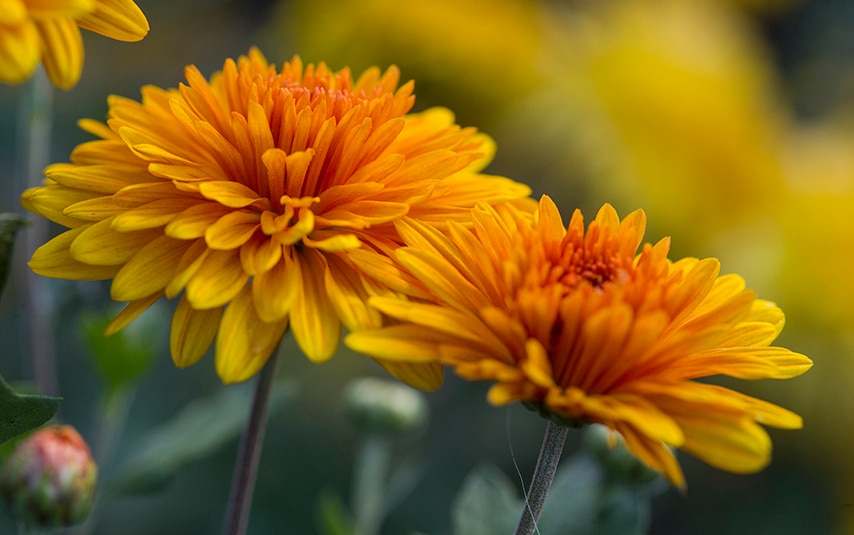
Autumn chrysanthemum blooms range from daisy-like singles to dense pom-poms. Color palettes span cream, yellow, amber, peach, coral, burgundy, and deep plum. When designing a display, think in layers: light or bright colors in front, richer tones behind, and a unifying neutrally colored backdrop to let the flowers sing.
Texture matters, too. Mix flat-faced cultivars with rounded, full blooms to create depth. Consider a pop of contrast—such as a dark-leaved foliage plant behind light blooms—to maximize the color impact. A well-chosen mix can echo seasonal themes—from rustic fall harvest to refined, modern borders.
For beginners, it helps to photograph a small group of companions in a single container or bed and iterate. Small changes, like pairing a pale bloom with a chartreuse-leaf plant, can dramatically improve perceived brightness and cohesion.
Care Fundamentals for Autumn Chrysanthemum Varieties
Care is where beauty meets practicality. A solid maintenance routine keeps autumn chrysanthemum healthy, vibrant, and ready for seasonal décor. The core actions are planting, location optimization, watering strategy, feeding, and timely deadheading.
Planting timing matters. In temperate regions, plant in early autumn after the worst heat of summer has passed but before frost danger. In milder zones, you can even set plants in late summer for a head-start on blooming. If you’re working in containers, potting media with good drainage and a light fertilizer helps roots establish quickly.
Location selection should emphasize protection from harsh winds. Branching and stem strength improve when plants aren’t battered by wind. Mulching lightly around the base in late autumn moderates soil temperatures and helps conserve moisture for the roots.
Watering needs evolve with weather. Deep, infrequent watering encourages robust roots, while shallow, frequent watering can invite fungal problems and weak stems. During bloom, maintain consistent moisture but avoid waterlogged soil. A layer of mulch also reduces evaporation and keeps roots cool on hot days.
Fertilizing should be modest and timely. A slow-release fertilizer or a balanced liquid feed every three to four weeks during active growth helps blooms sustain color and lengthen vase life. In the off-season, reduce feeding to let plants harden off for winter dormancy.
Deadheading—removing spent florets—prolongs display and directs energy to new growth. For most autumn chrysanthemum cultivars, removing older blooms after they fade is sufficient. This simple task helps maintain a tidy appearance and can encourage a second flush of flowers in some varieties.
Protection in colder zones may be necessary. A light mulch or fabric cover can shield late-season plants from early frosts. If you have potted mums, bringing them indoors or to a sheltered location during extreme cold can extend their life into the next season.
To deepen your understanding of cultivar-specific care, consult reputable resources such as the Royal Horticultural Society’s chrysanthemum guide linked earlier. This provides cultivar-by-cultivar signals on spacing, pruning, and disease resistance.
Design Essentials: Arranging with Autumn Chrysanthemums
The visual magic of autumn chrysanthemums lies in how they sit within a landscape or a container. Start with a color plan that complements your home exterior, fence lines, or patio furniture. A cohesive palette makes the blooms feel intentional rather than accidental.
Container design benefits from selecting a structural group of plants to accompany the chrysanthemums. Use trailing or mid-height companions to soften the display, while keeping the chrysanthemum as the focal point. For borders, place taller varieties toward the back and fill front rows with mid and low-growing companions to create a layered look.
Seasonal themes work well with autumn chrysanthemums. A rustic harvest palette—creams, warm yellows, burnt oranges, and deep burgundies—pairs nicely with ornamental grasses, asters, and fall-flowering perennials. For a modern twist, combine a bold, single-toned autumn chrysanthemum with crisp greens and metallic accents for a contemporary display.
Be mindful of pollinators when designing. Choose cultivars that attract bees and butterflies, and pair them with flowering herbs and nectar-rich companions. These choices are both beautiful and beneficial to your garden ecosystem.
Arrangement techniques matter too. For faux-urban displays, group 3–5 stems in a vase with simple greenery to emphasize form. For outdoor beds, repeat plantings for a rhythm effect, ensuring that bloom density is balanced across the border for continuous impact through September and October.
Color Pairings and Seasonal Themes
Bright creams and pale yellows glow against dark foliage, while rich burgundies and plums create dramatic focal points in late-season borders. Soft pinks and peach tones offer a gentler transition in modern, minimalist designs. The key is to maintain harmony across both the plant palette and surrounding décor elements, such as pumpkins, lanterns, or weathered wood features.
When pairing with foliage, consider textures that contrast nicely. Silvery-leaved or blue-toned ornamental grasses set off warm-toned mums, while glossy evergreen leaved shrubs can anchor a bed with year-round structure. In containers, use mosses or grasses to fill space and deliver a lush, full look without overcrowding the blooms.
Display Tips: Containers, Borders, and Pollinator-Friendly Planting
In containers, choose a core autumn chrysanthemum and surround it with complementary perennials or annuals that bridge late summer to autumn. Think of a cool-weather edge around the base to keep the display looking lush as temperatures drop. Drainage and drainage again—ensure your container has drainage holes and use a light potting mix to prevent waterlogging.
For borders, plan increments. A handful of tall cultivars at the back, midsize options mid-row, and low ground covers in front create a cascading effect that feels intentional. Mulch to preserve moisture and prevent weed growth, then refresh annually to maintain a tidy appearance.
Pollinator-friendly planting is essential for sustainable landscapes. Combine autumn chrysanthemums with bee-friendly herbs like mint, oregano, or thyme and with nectar-rich plants such as echinacea, rudbeckia, and salvia. This creates a robust pollinator corridor that remains attractive in the cool-season months.
Common Challenges and Troubleshooting
Despite their resilience, autumn chrysanthemum can face pests and diseases. Watch for aphids on new growth, spider mites in dry interiors, and fungal problems in overly damp soils. Early intervention with appropriate insecticidal soap, miticides, or cultural controls helps keep plants healthy without heavy sprays.
For cultural problems, ensure proper air circulation, good drainage, and avoidance of overhead watering late in the day. If you notice yellowing foliage, re-check soil moisture and nutrient levels. Correcting irrigation and feeding often resolves issues before they become severe.
A head-start prevention approach is best. Select disease-resistant cultivars when possible, provide consistent watering, and maintain a clean garden environment by removing spent blooms and debris promptly. A well-tended bed is less susceptible to many common problems.
Seasonal care calendars are a practical tool. Create a monthly checklist that includes pruning reminders, deadheading times, and winter protection steps. Consistency reduces stress on the plants and improves overall performance year after year.
Pests and Diseases
Aphids, whiteflies, and spider mites are the usual suspects on autumn mums, especially in sheltered conditions. Regular scouting helps catch trouble early. Apply targeted, least-toxic controls first and rotate products to avoid resistance. Always follow label directions for safe use around edible plants and pollinators.
Diseases such as powdery mildew and botrytis can creep in under high humidity or poor air circulation. Improve airflow by spacing plants appropriately and pruning overcrowded growth. If disease appears, remove affected foliage and treat with a suitable fungicide only after confirming the diagnosis.
Seasonal Care Calendar
Keep a simple calendar that ticks off essential tasks: deadhead weekly during peak bloom, water deeply during dry spells, feed every 3–4 weeks, and check for pests after rain events. In cooler climates, protect late-season plants as temperatures dip, or move potted mums indoors to preserve blooms for longer display life.
The routine may change slightly from one cultivar to another. Always start with the cultivar’s tag or supplier notes and adapt your calendar accordingly. This flexible approach helps you maximize color, health, and longevity.
In summary, autumn chrysanthemum varieties offer a versatile palette for gardeners who value color, structure, and ecological benefits. With thoughtful selection, careful care, and creative design, you can craft displays that elevate any space through the autumn season.
Next, Part 2: Cultivar Spotlight, Planting Timelines, and Design Ideas for Autumn Chrysanthemums.
Autumn Chrysanthemum Varieties in Practice: Step-by-Step Cultivation and Care
In this practical phase, you translate knowledge into lush, dependable blooms. The autumn chrysanthemum rewards careful planning, steady routines, and timely interventions. You will learn to select varieties that thrive in your climate, prepare soil that supports robust root systems, and implement a seasonal rhythm of watering, feeding, and pruning. Specifically, this section guides you through the hands-on steps that turn ready-to-bloom promises into vase-ready displays from late summer into fall.
First, set expectations for bloom windows. Autumn chrysanthemum varieties vary in height, habit, and flower form, from compact cushion types to tall, branching cultivars. In practice, a mix of forms provides texture and contrast in borders and containers. Furthermore, choosing a blend of early, peak, and late bloomers helps extend color across the season. Throughout, you will apply the same core care principles, adjusting only for variety and local conditions.
To ensure consistency, you will establish a routine. A gardener who commits to regular checks, timely watering, and disciplined pruning sees fewer disease issues and more reliable flowering. In this guide, you’ll encounter short, action-oriented steps embedded in narrative paragraphs. The goal is not just to grow healthy plants, but to cultivate confidence in your gardening decisions and create resilient plantings that flourish year after year.
Advanced Strategies and Final Guidance for Autumn Chrysanthemum Varieties
In this final section, we translate core insights into a practical, repeatable framework for growing autumn chrysanthemum with confidence. The goal is to deliver consistent bloom quality, resilience against seasonal stress, and a landscape that remains visually compelling from late summer into the heart of autumn. By applying these advanced strategies, gardeners of all levels can maximize appeal, color variety, and pollinator value while keeping maintenance efficient and sustainable. The focus remains on the autumn chrysanthemum as a centerpiece for seasonal display, whether in ground beds, raised borders, or containers.
Strategic cultivation: refining care to maximize bloom quality and plant resilience
Autumn chrysanthemum responds best to precise cultural practices rather than reactive adjustments. Start with a foundation of well-drained soil, generous organic matter, and a soil pH that keeps nutrients accessible without volatilizing essential elements. For autumn chrysanthemum, aim for a pH around 6.0 to 6.5. In overly acidic or alkaline soils, blooms can be pale or uneven, and stems may become brittle. The plant needs steady moisture but hates waterlogged roots, so invest in good drainage and a mulch layer that moderates soil temperature and evaporation.
The feeding plan should balance growth and flowering. Begin the season with a slow-release balanced fertilizer to support sturdy vegetative structure, then transition to a bloom-boosting formulation as the first bud set becomes visible. For autumn chrysanthemum, a routine such as a light application every six weeks during the growing period is often enough, followed by a targeted dose of phosphorus and potassium to encourage robust blooms without triggering excessive leafy growth.
Pruning discipline is essential for structure and longevity. Light pinching or pinching plus deadheading after the major bloom flush can encourage a second display and maintain a compact habit. Avoid aggressive pruning late in the season, as this can stress the plant in cool weather and reduce filament strength in stems. The principle is simple: guide growth early, reward with crisp flowering later, and protect the plant from late-season fatigue that could reduce vase life and garden impact.
Light and temperature cues drive color expression and bloom timing in autumn chrysanthemum. Place these plants in full sun where possible, with some afternoon shade in extremely hot climates to prevent scorching and nutrient lockout. In cool, windy environments, windbreaks or sheltered setups help maintain stem integrity and prevent lateral breakage that can mar display quality. Ultimately, the most resilient autumn chrysanthemum displays come from an integrated approach: soil, moisture, nutrition, pruning, and light aligned toward a predictable bloom cadence.
To maximize post-bloom vitality, remove spent flowers promptly and reduce irrigation frequency as temperatures drop. The plant conserves energy to prepare for the next flush, and you preserve the integrity of stems for potential indoor arrangements. This approach sustains the aesthetic of autumn chrysanthemum across landscapes and keeps maintenance time practical for busy gardeners.
Propagation, selection, and design strategies for autumn chrysanthemum
When planning for color variety and bloom timing, the selection of autumn chrysanthemum cultivars matters as much as the cultivation technique. Choose varieties with known performance in your climate zone, and look for traits such as compact habit, sturdy stems, and bloom forms that suit your design goals. For late-season displays, select cultivars that hold color well as daylight shortens and temperatures cool. Diversity in bloom size and color palette lets you create focal points and transitions that guide a viewer’s eye through the garden.
Propagation approaches should support both quick fill-in for late-season beds and long-term garden health. Leaf cuttings or stem cuttings taken in early to mid-spring can establish robust new plants for next season, while layering can expand stock for containers and mixed borders. Autumn chrysanthemum can be propagated with high success when you maintain clean cuts, appropriate rooting media, and a stable, warm rooting environment.
Landscape design for autumn chrysanthemum should emphasize composition and rhythm. Plan for a staggered bloom sequence by combining early-, mid-, and late-blooming cultivars. Use a mix of warm and cool tones to create contrast, and position taller varieties at the back or center of beds with lower clumps at the edges to create a cascading effect. In small spaces, container groupings or vertical supports can showcase the plant’s structure without crowding.
Container ideas for autumn chrysanthemum include coordinating colors with other season-stained accents like burgundy dahlias, golden rudbeckias, or pollinator-friendly salvias. A key trick is to use lightweight, well-draining potting mix and to maintain a steady feeding schedule that supports flowering while maintaining foliage health. For 2026 garden planning, consider combining autumn chrysanthemum with complementary textures such as grasses or ornamental grasses for movement and seasonal transition.
For gardeners seeking practical inspiration, consider this pairing approach: place autumn chrysanthemum with single-season accents at focal points, then anchor patches with evergreen companions for year-round structure. The aim is to achieve point-of-interest moments that last from late summer through frosty mornings, with autumn chrysanthemum as the recurring star. For a trusted, in-depth resource, visit the Royal Horticultural Society’s Chrysanthemum guide, which provides cultivar notes, care considerations, and regional advisories that complement this guide.
Pest and disease resilience and integrated pest management for autumn chrysanthemum
Healthy plants begin with prevention. Common pests affecting autumn chrysanthemum include aphids, spider mites, and thrips, which can slow growth and damage blooms. Look for curling leaves, stippling, or webbing, and act quickly with targeted, least-toxic controls. Regular scouting is essential; early detection minimizes intervention and keeps the focus on bloom quality.
Integrated pest management (IPM) for autumn chrysanthemum combines cultural, mechanical, and biological strategies. Cultural controls include maintaining optimal spacing for airflow and avoiding overhead irrigation that wets foliage, which reduces disease risk. Mechanical controls involve hand-removing pests from dense leaf zones and pruning or thinning to improve air movement. Biological controls—such as beneficial predatory insects and microbial agents—provide a long-term shield against pest outbreaks when released in appropriate windows.
Common diseases to monitor in autumn chrysanthemum include powdery mildew and Botrytis blight. Prevention hinges on good sanitation, removing diseased material promptly, and avoiding overhead watering late in the day. If a disease outbreak occurs, apply labeled fungicides with care, rotating chemistries to avoid resistance. In all cases, keep records of pest pressure and treatment timing to refine your IPM approach for future seasons.
To support sustainable pest management, incorporate pollinator-friendly companions that attract beneficial insects while discouraging pests. Healthy plant communities naturally resist outbreaks and reduce chemical interventions. This integrated approach keeps autumn chrysanthemum robust and reduces long-term maintenance costs.
Overwintering and succession planning to extend autumn chrysanthemum display
In temperate regions, winter survival hinges on zone-appropriate strategies. Some autumn chrysanthemum cultivars are grown as perennial perennials in milder climates, while others are treated as annuals in cooler zones. Understanding your hardiness zone informs pruning, protection, and the timing of new plantings. For overwintering in borderline zones, apply a layer of mulch to stabilize roots, provide wind protection, and consider a light frost blanket when forecasts predict freezing nights.
Succession planting keeps the garden dynamic. Plan for an early flush of color via early-season cultivars, then layer in mid- and late-season autumn chrysanthemum selections to maintain bloom display through October or November in many regions. If winter storage is a priority for you, harvest blooms for drying while still firm and intact; dried autumn chrysanthemum arrangements offer continuing season-long value inside the home.
Regionally, consider providing a rooting stock of clippings or base plants that can be forced into bloom after winter dormancy. The goal is resilience: a garden that adapts to climate variability and continues to reward with autumn chrysanthemum drama as daylight shortens.
Careful winter protection should be combined with a plan for next-season renewal. Even with robust overwintering, evaluate the performance of each cultivar in spring and note the need for replacement or reordering. The best gardens embrace seasonal cycles, and autumn chrysanthemum thrives when you respect its lifecycle in your zone.
Sustainability, pollinator-friendly practices, and native plant partnerships
Autumn chrysanthemum can be used as part of a broader pollinator garden strategy when placed among nectar-rich companions. Combine autumn chrysanthemum with late-season asters, coneflowers, and native grasses to create a dynamic, pollinator-friendly display. The key is to balance nectar resources, bloom timing, and habitat variety.
Water stewardship remains essential. Use soaker hoses, mulch, and rainwater collection to minimize waste, especially during late-summer heat waves when water demand spikes. In addition, soil health is a multiplier: organic matter, compost, and minimal soil disturbance foster microbial life that improves nutrient availability and root resilience for autumn chrysanthemum.
Native plant partnerships offer another layer of sustainability. Pair autumn chrysanthemum with native or regionally adapted perennials to reduce maintenance inputs while preserving a storyline of seasonal color. The result is a garden that supports biodiversity without sacrificing the regal impact of autumn chrysanthemum blooms.
Measurement, tracking, and future planning for autumn chrysanthemum success
Effective planning requires data. Keep a simple garden journal or digital record that tracks cultivar performance, bloom dates, pest pressure, and irrigation events for autumn chrysanthemum. Note which cultivars hold color best in your microclimate, which plant pairs boost overall display, and which pruning timing yields optimal secondary flushes.
Metrics to monitor include bloom density, stem strength, vase life, and pollinator visitation. Use these data points to refine your cultivar mix and care calendar for the next season, ensuring your autumn chrysanthemum program evolves with experience and climate shifts. If you operate a blog or social channel, record visual outcomes as photos or time-lapse captures to support future planning and SEO storytelling around autumn chrysanthemum.
Budgeting and labor planning are also essential. Forecast seed and plant costs, soil amendments, and pesticides, then align these with seasonal labor windows. A well-structured plan reduces last-minute purchases and improves overall garden performance for autumn chrysanthemum.
Final guidance and actionable checklist for autumn chrysanthemum mastery
To close, embrace a structured workflow that begins with site assessment, soil conditioning, and cultivar selection tailored to your climate. Maintain a consistent nutrition plan that balances growth and flowering, and implement a thoughtful pruning schedule that supports form and vigor. Monitor pests and diseases through regular scouting, applying IPM practices that emphasize prevention and targeted interventions. Plan for overwintering where appropriate and design a succession strategy that sustains color and interest. Above all, celebrate the autumn chrysanthemum as a deliberate, season-spanning performer in your garden, a centerpiece that links late-summer energy to the quiet drama of fall.
In summary, the autumn chrysanthemum rewards careful planning with extended bloom, strong stems, and vibrant color. The strategies outlined here are designed to be practical, scalable, and adaptable across garden sizes and regional climates. Your garden can become a living gallery where autumn chrysanthemum takes center stage, captivating visitors and supporting local pollinators while requiring thoughtful, efficient maintenance.
As you move forward, use this final guidance to craft a garden plan that respects your local conditions and personal preferences. Consider testing a small number of cultivars this season and expanding your display in subsequent years, always prioritizing plant health, soil stewardship, and biodiversity. The autumn chrysanthemum is more than a flower; it is a seasonal ambassador that signals transition, beauty, and resilience in the home garden.
Ready to elevate your autumn chrysanthemum game? Subscribe for updates, regional recommendations, and seasonal planting calendars tailored to your zone, and share your results with a growing community of gardeners who celebrate blooms, color, and pollinators. Start by selecting a few reliable autumn chrysanthemum varieties, invest in good soil and drainage, and schedule a focused care calendar that honors each cultivar’s timing. Your autumn chrysanthemum display can become a signature feature of your landscape this year and for many seasons to come.
Conclusion: If you want a thriving, diverse, and long-lasting autumn chrysanthemum display, apply the advanced strategies above, monitor outcomes, and adjust with confidence. The autumn chrysanthemum deserves a place of honor in a garden that values color, structure, and ecological harmony.
Focused action: the autumn chrysanthemum is your anchor for a season-long spectacle that pairs well with annuals, perennials, and pollinator-friendly companions. Take these steps now to build a repeatable, proof-positive routine that delivers reliable blooms year after year.
Ultimately, your autumn chrysanthemum journey comes down to planning, precision, and perseverance. The more you invest in a thoughtful care plan, the more consistent the results will be. To begin, map your planting zones, select cultivars with complementary bloom windows, and implement a calendar that ties together nutrition, pruning, and pest management in a cohesive rhythm. The future of your autumn chrysanthemum garden starts today.