Lantana Ground Cover Varieties: Garden Guide
Lantana Ground Cover Varieties: A Foundational Guide for Gardeners
Welcome to BloomHaven.com’s definitive guide to lantana ground cover varieties. This overview helps you understand how lantana ground cover can anchor sunny beds, spill over edging, and attract pollinators from spring through late summer. You’ll learn how these plants perform in different climates, what to expect from their growth habits, and which forms best suit borders, slopes, or containers. Whether you are starting a new garden bed or refreshing an established border, this foundational guide equips you with the essential choices, care routines, and design ideas you need to create vibrant, low-maintenance color year after year. In addition, you’ll discover practical tips for selecting varieties that thrive in hot, dry summers while supporting local wildlife and reducing water use. Therefore, this article lays the groundwork for confident planting, smart pruning, and strategic pairing with other perennials and annuals to achieve cohesive, pest-resistant, and pollinator-friendly landscapes.
At BloomHaven, we continuously align our guidance with current gardening trends and climate-aware practices. This section focuses on lantana ground cover as a strategic element in mixed borders, slopes, and patio gardens. You’ll see how the species differ in form—from trailing cascades to compact mounds—and how that translates to planting density, maintenance, and seasonal color. Crucially, you’ll also learn how to balance the plant’s bold color palette with companion species for a harmonious year-round display.
Lantana ground cover: Species and cultivars worth knowing
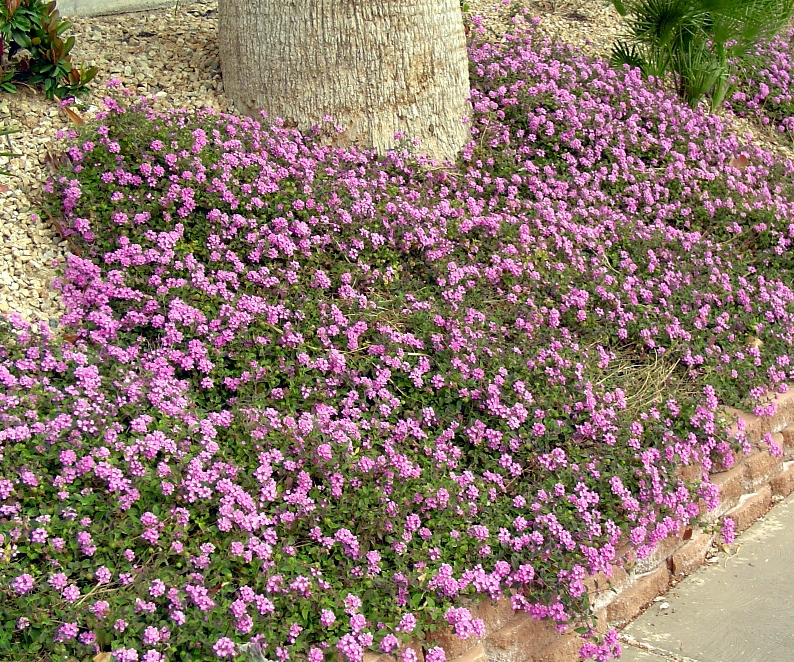
Two primary species dominate the garden trade as lantana ground cover. First is Lantana camara, often valued for its upright, shrub-like habit and robust flowering. It brings dense flower clusters in warm tones ranging from yellow to orange and red. Second is Lantana montevidensis, commonly grown as a trailing ground cover or low-lying vine. It produces softer, lavender-to-purple blooms and spill-over capacity over walls, stepping stones, and container edges. Both species are sun-loving and drought-tolerant once established, making them ideal for water-wise landscapes. Therefore, when choosing varieties, consider whether you want a formal edge, a lush spill, or a carpet-like ground cover that suppresses weeds and reduces mowing needs.
In practice, a wide range of cultivars exist across nursery selections, offering color diversity and growth forms. Some are bred for compact mounds that stay neatly contained in borders. Others cascade over retaining walls or containers, creating a lush veil of blooms. While exact cultivar names can vary by region and supplier, the key differentiators are growth habit (trailing versus upright), bloom color spectrum, and the plant’s overall vigor. For gardeners prioritizing continuous color, select cultivars with repeat bloom cycles and strong heat tolerance. For those focusing on a softer palette and a more relaxed look, choose trailing forms with lavender, pink, or pale yellow tones. For a robust display in hotter zones, mix complementary cultivars that bloom at slightly different times to extend visual impact.
For a trusted plant profile and care guidance, see the Royal Horticultural Society’s lantana resources: Lantana – RHS. This resource complements local supplier information and offers regional considerations for growing lantana ground cover successfully.
Lantana ground cover: Trailing vs upright forms
Understanding growth habit is essential for predicting how lantana ground cover will perform in your space. Trailing forms, including many L. montevidensis selections, gracefully drape over edges, rocks, and hanging baskets. They create a soft, cascading effect that is ideal for hillside beds or container combinations with spiller plants. Upright forms, typically from L. camara selections, provide a denser, shrub-like mass that can act as a screen or a bold backbone in a border. They offer strong vertical structure without sacrificing color.
When planning, match the form to the site. Trailing varieties excel in rock gardens, retaining walls, and planters where spill-over height matters less than volume. Upright forms suit formal or structured borders, where a defined silhouette is desired. In both cases, spacing is crucial. Trailing lantana ground cover often needs slightly more room to cascade, while upright types benefit from pruning to maintain balance with adjacent plants. Regardless of form, good drainage and full sun are non-negotiable for best performance.
Incorporate both forms thoughtfully to create layered color and texture. For example, you can anchor a slope with an upright cultivar and soften the perimeter with a trailing variety. This combination offers year-round structure and a perpetual bloom loop that attracts pollinators throughout the growing season.
Lantana ground cover: Selecting for sun, soil, and climate
Site conditions determine how well lantana ground cover will establish and endure. These plants thrive in full sun, ideally at least six to eight hours of direct light per day. They tolerate various soil types but perform best in well-drained soil with moderate fertility. Heavy clay or consistently waterlogged soils can slow growth and encourage root problems, so improve drainage if needed. In hot, dry climates, mulching helps conserve moisture and reduce soil temperature fluctuations.
Climate considerations matter too. In USDA hardiness zones 8 through 11, lantana ground cover can behave as a perennial or behave as an annual in colder zones. In cooler regions, you may need to treat lantana as an annual or provide winter protection or container overwintering. Regardless of zone, expect vigorous flowering in warm seasons, with potential bloom pauses during cooler spells. Therefore, plan a succession of bloom-friendly companions to keep beds lively across the growing cycle.
To maximize performance, pick varieties with bloom timing that complements your region’s heat and humidity patterns. If you want back-of-border color from late spring into autumn, select a mix of early-season and mid-season bloom cultivars. If your summers are mercifully long, you can even stagger varieties to extend the display. For pollinator appeal, choose lantana ground cover forms known for long flowering duration and reliable rebloom.
Lantana ground cover: Care and maintenance fundamentals
Maintenance should be straightforward: provide sun, drainage, and a light pruning regimen. Water deeply but infrequently once established; allow the top inch of soil to dry before watering again in most climates. Pruning is a key tool for shape, vigor, and color management. For trailing forms, trim back after the peak of flowering to encourage a denser, more compact habit. For upright forms, light renewal pruning in early spring helps keep plants bushy and prevents leggy growth.
Fertilization is typically modest. Avoid heavy feeding, which can promote foliage at the expense of blooms. Instead, apply a slow-release, balanced fertilizer at planting and then sparingly as plants establish. Deadheading—removing spent flower clusters—can promote continued blooming, but lantana ground cover often drops old blooms naturally as new ones form. Monitor for common pests such as whiteflies or aphids, and take action promptly with horticultural oils or insecticidal soaps if needed.
Winter care varies by climate. In milder areas, you may enjoy year-round foliage and blossoms, especially with trailing forms. In cooler regions, provide mulch and consider lifting container plants indoors during cold snaps. Regardless of location, ensure good airflow around plants to prevent disease and keep leaves dry after rain to discourage mildew.
Lantana ground cover: Design ideas for different garden styles
One of lantana ground cover’s greatest strengths is its versatility. For cottage gardens, pair a trailing form with daisies and sages, letting blossoms weave through the foliage for a cheerful, informal look. In modern, minimalist borders, use compact upright forms in bold color blocks with clean-edged pathways to emphasize structure. For pollinator-friendly landscapes, combine lantana ground cover with other nectar-rich perennials like salvia, thyme, or blanket flowers. The plant’s long bloom season makes it an excellent anchor for continuous color and habitat value.
On slopes or banks, use trailing lantana ground cover to create a vivid, cascading effect that helps prevent erosion and suppress weeds. In containers, combine a trailing lantana with cascading petunias or alyssums to achieve a vibrant, multi-layered display that remains manageable with regular pruning. Finally, when designing mixed borders, repeat color palettes across multiple plantings to create a unifying rhythm while letting lantana’s warm tones stand out.
In all cases, consider how lantana ground cover interacts with light, heat, and moisture. Position plants where they receive consistent sun, avoid over-shading by taller neighbors, and ensure containers have adequate drainage. Because the color spectrum ranges from sunny yellows to rich purples and pinks, you can build complementary palettes with blues and purples for contrast or with warm-toned blooms for a monochromatic glow.
For ongoing inspiration and design ideas, explore fresh layout strategies on reputable garden resources and keep track of local conditions to tailor selections to your microclimate. Next, in Part II, we’ll dive into selecting lantana ground cover varieties for climate zones, design goals, and companion planting to optimize performance across seasons.
Core Guide to Selecting and Planting Lantana Ground Cover: A Step-by-Step Approach
In this part of the guide, we translate garden ambitions into a practical plan for selecting the right lantana ground cover and establishing a thriving bed that blooms reliably. You’ll learn how to balance sun exposure, soil conditions, and local climate with cultivar choices so that your lantana ground cover forms a dense, low-maintenance carpet. The goal is a resilient planting that asks for minimal upkeep while delivering long-lasting color, extended bloom periods, and robust pollinator appeal. Throughout, you will see how the right selection and careful planting translate into fewer problems later—saving you time, water, and effort while maximizing garden impact.
Understanding Lantana Ground Cover Varieties
When you start with lantana ground cover, you are choosing among several growth habits and bloom styles. Creeping lantana, Lantana montevidensis, is famous for its trailing, low-spread form and small lavender-to-pink flowers. It excels in slopes, containers, and border edges where a soft, cascading effect is desired. Upright lantana cultivars, often sold as Lantana camara, bring bolder colors and a stronger vertical presence. These varieties can still behave as ground cover in warm, sunny sites, but they may reach a wider spread, especially in fertile soil and long seasons. For a balanced bed, consider a mix of forms—creeping types to cover ground and more compact, densely branching cultivars to fill gaps without overwhelming the space. In all cases, pay attention to the growth rate and eventual mature size, because the goal of lantana ground cover is to maintain a controlled, continuous carpet rather than a patchy, weed-prone patch. Color options range from sunny yellows and oranges through pinks, corals, and purples. The right palette will depend on your existing plantings and the time you want to allocate to seasonal color shifts. Finally, check the cultivar’s hardiness zone compatibility: most lantana ground cover types thrive in warm climates, but performance can vary with winter temperatures and microclimates within your landscape.
Selecting the Right Lantana Ground Cover for Your Garden
Your selection should reflect sun exposure, heat tolerance, soil drainage, and maintenance tolerance. Lantana ground cover loves full sun and heat; in return, it offers prolific bloom and rapid spreading. If your site has partial shade or intense afternoon heat, you may still succeed with certain cultivars, but the bloom intensity and growth rate might diminish. Drainage is non-negotiable: lantana ground cover dislikes wet feet, so amend soils that tend to stay soggy and avoid high-water-table locations. Soil fertility matters too. Rich, well-drained soil will push growth faster, but very rich soil can lead to excessive foliage with fewer flowers. In drought-prone regions, choose cultivars known for drought tolerance and ensure a deep, infrequent watering pattern once established. Consider the garden’s overall design and color harmony; lantana ground cover complements both warm-toned and cooler palettes, and its late-summer to early-fall blooms can bridge seasonal gaps when other perennials fade. If pollinator appeal is a priority, select varieties whose bloom timing aligns with local bee and butterfly activity, and pair lantana ground cover with complementary natives for a resilient, low-water ecosystem. The right match will yield a ground cover that remains in bounds, flowers reliably, and reduces the need for routine edging and trimming that gate-cuts into your peace of mind.
Site Preparation and Soil Requirements for Lantana Ground Cover
Before you plant, evaluate the soil’s texture, drainage, and pH. Lantana ground cover performs best in moderately acidic to neutral soils, roughly pH 6.0 to 7.5. If your soil is heavy clay, improve drainage and structure with organic matter such as compost or well-aged mulch. If your soil is sandy, add compost to increase nutrient-holding capacity without sacrificing drainage. The bed should drain rapidly after rain or irrigation; standing moisture invites root rot and reduces flowering. In addition to soil, assess sun exposure. A full-sun site with at least six to eight hours of direct sun each day is ideal for most lantana ground cover selections, ensuring abundant blooms and vigorous growth. Prepare the bed by removing weeds that would compete for moisture and nutrients early in the season. Gently loosen the top 6 to 8 inches of soil to encourage root penetration and establish a healthy root ball. Finish with a slow-release fertilizer if your soil test indicates a low nutrient baseline, or rely on a top-dress of well-composted material to feed the plant as it establishes. In all cases, plan for mulch after planting to conserve soil moisture and regulate soil temperature, especially in hot climates. Lantana ground cover benefits from a clean, weed-free start that minimizes competition during the critical first growing season.
Planting: A Step-by-Step Approach for Lantana Ground Cover
Begin by selecting a well-prepared planting site. Remove any debris and loosen the soil to create a welcoming bed for the roots. When you bring home nursery stock, inspect the root ball for signs of healthy roots and remove any circling roots that may girdle as the plant grows. Place the plant at the same depth it occupied in the container and backfill gently, taking care not to bury the crown. Water deeply after planting to settle the soil and eliminate air pockets. Then apply a 2-3 inch layer of organic mulch around the base of the plant, keeping mulch a few inches away from the crown to prevent rot. For a dense lantana ground cover, space plants with careful attention to mature width. In hot, coastal, or desert climates, closer spacing can encourage a more uniform cover quickly, while in cooler regions you may space slightly wider to account for slower growth. Throughout the establishment period, monitor soil moisture and adjust watering to mimic natural rainfall patterns. Do not allow the bed to dry out completely, but avoid waterlogged conditions that invite root pathogens. Over time, as the lantana ground cover fills in, you will be able to reduce irrigation frequency while still sustaining vibrant blooms and consistent ground cover mass. For a durable, low-maintenance bed, select a spacing that balances rapid coverage with a controlled, organized appearance. If you want to maximize fragrance and visual impact, consider planting a few flowering companions that complement lantana ground cover and extend seasonal interest beyond its peak bloom window.
Spacing and Placement for Optimal Coverage
Spacing is more than a design decision; it determines how quickly your lantana ground cover forms an even carpet and how easy it is to maintain. In warm climates with a longer growing season, spacing around 18 to 24 inches apart often yields a dense, uniform mat within a single season. In cooler zones, you may opt for 24 to 36 inches to account for slower growth and to avoid crowding, which can lead to disease pressure if air circulation is poor. Consider the bed’s shape and adjacency to walkways, walls, or other plants. Place plants to naturally create a continuous canopy, rather than leaving large gaps that invite weed intrusion and uneven flowering. Remember that lantana ground cover tends to fill space quickly, so the initial year will define the bed’s form for years to come. As the plants mature, you can adjust the layout by pinching back new shoots to guide growth in a desired direction, ensuring an aesthetically pleasing, weed-suppressing layer that requires minimal trimming later on.
Managing Watering, Mulching, and Light
Watering after planting should be thorough to establish roots, followed by regular, but not excessive, deep watering as the plant grows. In general, aim for a consistent moisture level without saturation. Mulch is your ally here: a 2- to 3-inch layer of organic mulch conserves moisture, moderates soil temperature, and reduces weed emergence. In hot summer regions, you may need to adjust mulch thickness or add supplemental irrigation, but never pile mulch against the crown. Light-level management is equally important. Even in planted margins where lantana ground cover forms a boundary, ensure the bed receives full sun to deliver the best blooms and the most effective ground cover spread. If your site experiences long periods of drought, consider a drip irrigation system to deliver water directly to the root zone, minimizing waste and protecting nearby plantings from excess moisture. Fertilization is typically modest; a light application of balanced fertilizer in early spring can jump-start growth, but avoid heavy nitrogen that promotes leafy growth at the expense of flowering. A steady supply of nutrients, combined with consistent moisture, supports a vibrant bed of lantana ground cover that looks full and becomes a magnet for pollinators.
Establishment Care, Pruning, and Long-Term Maintenance
Once planted, your lantana ground cover will enter an establishment period where consistent care is crucial. Monitor for signs of stress, such as yellowing leaves, which can indicate drought or root issues. Pruning plays a key role in shaping and encouraging a dense mat. Lightly trim after the first flush of bloom to maintain a tidy appearance and promote new growth. Avoid heavy pruning during peak heat, because lantana ground cover recovers well from selective cuts but can be slow to bounce back in extreme conditions. Seasonal pruning helps manage height and spread while encouraging persistent flowering. In regions with cold winters, you may experience dieback; in spring, remove damaged material and focus on stimulating healthy new growth. Over the years, this maintenance routine keeps lantana ground cover looking uniform and vigorous, minimizing bare patches and thinning that can invite weeds. In addition, maintain a clean bed by removing spent blooms and spent leaves, which reduces disease pressure and supports continuous flowering. With steady pruning and clean-up, lantana ground cover becomes a reliable backbone for mixed borders and hillside slopes, providing color, texture, and habitat value for garden pollinators.
Pest and Disease Management for Lantana Ground Cover
Knowledge of common pests and diseases helps you act quickly and protect your investment. In many regions, lantana ground cover faces challenges from aphids, whiteflies, and scale, particularly on the new growth during warm spells. Monitoring the underside of leaves and the newest shoots is essential because outbreaks can spread rapidly in dense stands. For minor infestations, a strong spray of water can physically dislodge pests, followed by horticultural oil or non-toxic insecticidal soap if needed. Powdery mildew or other fungal diseases can occur in humid conditions or poor air circulation. Improve airflow around the bed by spacing plants appropriately and pruning to open the canopy. If you notice persistent issues, act promptly to prevent spread to neighboring plants and to maintain flower production. Always prioritize integrated pest management practices, using cultural controls first and turning to chemical controls only when necessary. Avoid overhead watering late in the day to reduce humidity at night, which helps thwart many foliar diseases that can afflict lantana ground cover in damp climates.
Propagation and Expansion: Growing More Lantana Ground Cover
Expanding your lantana ground cover is straightforward through cuttings, layering, or division. Take tip cuttings from healthy shoots and root them in a mix that stays evenly moist but not soggy. Consumer-friendly propagation methods can quickly increase coverage, particularly if you want to fill a sloped area or create a continuous edge along a path. Layering is another reliable method: bend a low-growing stem to the soil, cover a portion of it with soil, and watch roots form where the leaf nodes touch the ground. Once rooted, separate the new plant from the parent and transplant it into the bed. Division is useful for established clumps; carefully lift a portion, tease apart the roots, and replant at the desired distance. Whether you propagate via cuttings or layering, provide the same post-planting care as you would for a new planting: steady moisture during rooting, light feeding, and protection from harsh sun while roots establish. Propagation expands your landscape quickly and is an economical route to a larger, more vibrant lantana ground cover display, allowing you to create cohesive massing and more dramatic color impact across your garden.
Design and Garden Integration: Pairing Lantana Ground Cover with Other Plants
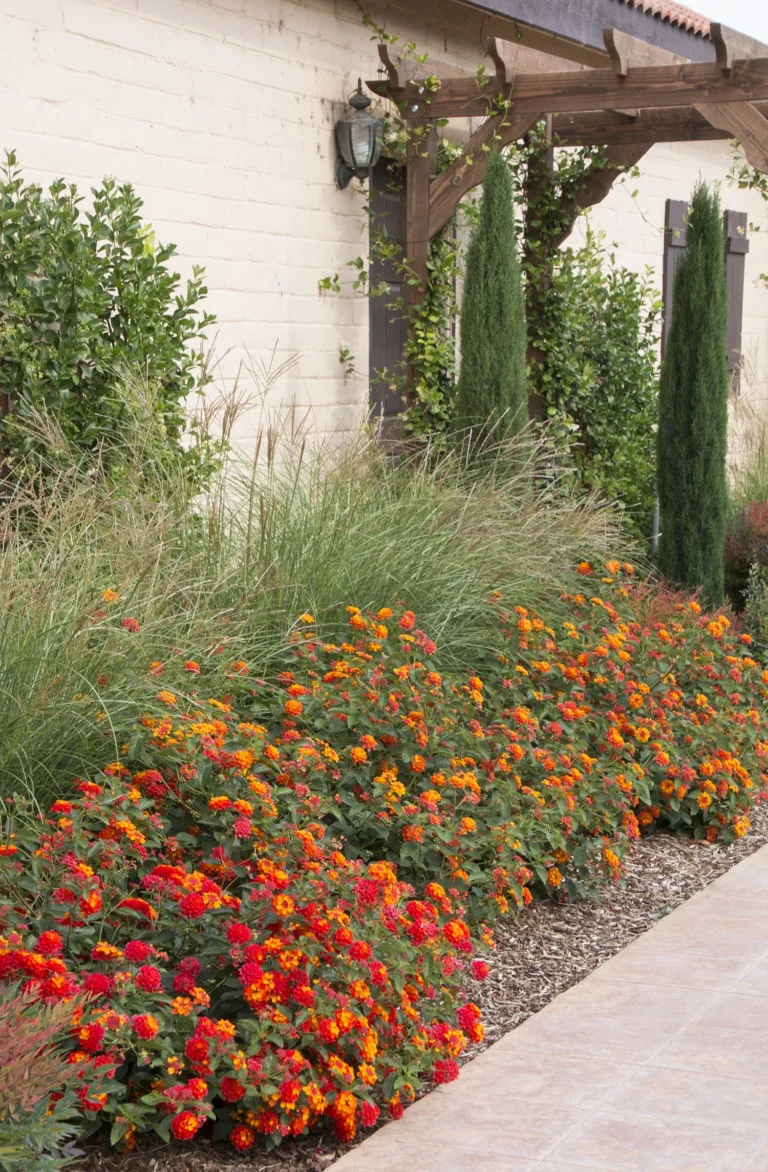
Designing with lantana ground cover involves harmonizing color, texture, and height. Its warm color families pair beautifully with blue salvias, purple lantanas, and silvery foliage for a Mediterranean-inspired look, or with bright annuals for high-contrast drama. When placed near pathway edges or along a slope, lantana ground cover provides a stable, evergreen-feeling base that reduces weed pressure and guides foot traffic. In mixed borders, use lantana ground cover as a cohesive backbone that unifies both evergreen and deciduous plantings. About maintenance, think of lantana ground cover as a structural element—its bloom will attract pollinators while its foliage offers year-round interest. Combine it with native grasses for a textural contrast or with late-season perennials to extend color into autumn. The end result should be a resilient, low-maintenance bed that delivers reliable color and ecological benefits with minimal effort. For further cultivar-specific design ideas and care tips, explore trusted garden resources that focus on lantana and related drought-tolerant species.
Pollinator Benefits, Bloom Time, and Seasonal Considerations
One of the compelling reasons to choose lantana ground cover is its tendency to attract pollinators. Bees and butterflies are drawn to the nectar-rich blooms, especially during warm months when other nectar sources may be scarce. In many climates, blooms start in late spring and extend through late summer, with a tendency to rebloom into autumn in milder areas. The continuous bloom helps sustain pollinator presence in your garden and supports local biodiversity. If you plan for winter interest in a mild climate, select cultivars known for evergreen or semi-evergreen foliage, and consider pairing with evergreen companions to maintain structure during cooler periods. Remember to monitor for heat stress during peak heat waves; even drought-tolerant lantana ground cover appreciates occasional deep watering during extreme heat, especially on poor or well-drained soils where moisture retention is limited. With thoughtful placement and appropriate cultivar choices, lantana ground cover can deliver a vibrant, pollinator-friendly display that remains resilient across seasons.
For a trusted overview of lantana care and to see how professional gardeners integrate this plant into landscape designs, visit the Royal Horticultural Society’s lantana care guide: Royal Horticultural Society: Lantana care.
As you prepare to move forward, remember that the next part of this guide will dive into propagation, long-term maintenance, and design continuity. In Part 3: Propagation and Long-Term Care for Lantana Ground Cover, we explore how to propagate successfully, rejuvenate aging beds, and plan seasonal maintenance that keeps your lantana ground cover thriving year after year.
Advanced Strategies for lantana ground cover Success and Beyond
Advanced strategies extend beyond basic planting. In this section, you’ll master management, design, and long-term vitality for lantana ground cover in diverse landscapes. By applying proven methods, you can maximize bloom, resilience, and visual appeal across seasons. Ultimately, the goal is a robust, low-maintenance ground cover that supports pollinators while thriving in local climate conditions.
Before diving in, remember that lantana ground cover is valued for its heat tolerance, continual flowering, and flexibility. The following strategies help you scale from bed to border to meadow, ensuring strong establishment, vigorous growth, and sustainable maintenance. In addition, these practices align with BloomHaven.com’s focus on sustainable, visually striking gardens that perform well in 2026 and beyond.
Selecting the Right lantana ground cover Varieties for Climate and Soil
Choosing the best varieties sets the foundation. The right lantana ground cover depends on climate, soil texture, drainage, and sun exposure. Native and well-adapted cultivars often outperform fragile introductions in hot, dry summers or humid coastal regions. Consider growth habit, bloom color, and stress tolerance when evaluating options.
When you design for warm southern zones with strong sun, compact, mounded cultivars keep paths clear and beds tidy. For hotter climates, trailing or spreading forms can fill slopes and container edges. For temperate regions, select varieties with late frost tolerance and renewed vigor in early spring. Each choice affects maintenance cadence, irrigation needs, and overall garden tempo.
Recommended considerations include bloom duration, pest resistance, and compatibility with other plant communities. A well-planned mix enables a broader color palette without sacrificing density or coverage. In practice, a blend of lantana ground cover varieties can deliver texture, year-round interest, and ecological value. This approach supports the multi-season demands of BloomHaven.com readers who enjoy dynamic, pollinator-friendly spaces.
For a quick reference, imagine three archetypes: a tight, heat-tolerant cultivar for bed edges; a mid-sized trailing form for slopes; and a vibrant, upright selection for focal points. Each archetype fills a specific role in the landscape while maintaining the same ground-covering characteristics that define lantana ground cover.
Flower color, growth habit, and site adaptation
Color variety guides design intent. Warm shades like apricot, pink, and coral bring daylight brightness into late-summer periods. Cool-toned pinks and lavender tones create softer transitions between evergreen textures and herbaceous perennials. Habit considerations—dense mats versus semi-spreading forms—help you plan paths, borders, and seedbank potential. Site adaptation, including soil type, drainage, and wind exposure, determines which cultivar aligns with your garden goals.
Finally, consider the long-term maintenance profile. Some cultivars require regular pruning to maintain a compact habit, while others self-pin and renew with less intervention. Your selection should balance visual impact with maintenance realities, ensuring lantana ground cover remains a reliable backbone of your planting scheme.
Soil, Water, and Mulch Mastery for lantana ground cover
Soil preparation underpins success. Lantana ground cover thrives in well-drained soils with moderate fertility. Heavy clay or constantly soggy soils undermine root health, increase disease pressure, and reduce bloom. If drainage is a challenge, amend the bed with organic matter and provide raised sections or improved substrate to promote healthy root growth. Aim for a slightly acidic to neutral pH range, typically 6.0 to 7.0, depending on local conditions.
Watering strategy matters as well. In established beds, lantana ground cover tends to tolerate drought once deep roots form. However, young plants require consistent moisture to establish a strong root system. Implement deep, infrequent irrigation rather than shallow, frequent watering, encouraging deeper roots and reducing fungal issues. During extreme heat or extended dry spells, a light irrigation boost helps sustain bloom and vigor without encouraging disease.
Mulching is a simple, effective practice. A 2-3 inch layer of organic mulch moderates soil temperature, conserves moisture, and suppresses weeds. Mulch also protects shallow roots during late-season freezes in marginal climates. Replenish mulch as it decomposes, keeping the mulch layer evenly distributed and not piled against stems. Mulching supports the overall health of lantana ground cover and improves long-term performance.
Soil health matters beyond mulch. Incorporate compost or well-rotted organic matter annually to sustain microbial activity and slow-release nutrients. A balanced approach fosters steady growth without excessive vigor that might cause legginess or reduced blooming. For gardens designed for 2026 trends, soil stewardship complements water-wise strategies that readers expect from BloomHaven.com.
In practice, pair well-drained, enriched beds with drip irrigation for precision watering. This reduces waste and protects pollinators by ensuring blooms appear reliably at the right times. For readers exploring detailed soil tests and amendments, a regional extension guide offers practical guidance tailored to your microclimate. See the following resource for additional context on lantana soil needs: Lantana care and plant tips.
Pruning, Maintenance, and Renewal Strategies for lantana ground cover
Pruning is not just about aesthetics; it drives health and bloom production. A smart pruning schedule balances density, shape, and vigor. For most lantana ground cover varieties, a light maintenance trim after the peak of flowering keeps the plant compact and prevents legginess. In late winter or early spring, a more thorough renewal prune encourages fresh growth and denser coverage, restoring vigor after the dormant season.
When pruning, aim to remove dead wood and any damaged stems first. Clean cuts encourage new shoots from the base, reducing the risk of weak growth. Avoid heavy cutting during peak flowering, as it can delay bloom cycles. Instead, target a moderate reduction across the canopy to preserve a natural shape while stimulating renewed vigor.
Maintenance extends beyond pruning. Regular scouting for pests, snail damage, and disease signs helps catch issues early. Light staking might be necessary for taller forms in windy locations, but avoid crowding the plant with supports that restrict airflow. Good airflow reduces humidity around foliage and lowers disease risk, ultimately supporting lantana ground cover health and longevity.
Renewal strategy plays a crucial role in long-term performance. In older plantings, consider girdling or replacing the uppermost growth with new shoots from the base. This approach maintains a dense footprint and bright, continuous blooms without compromising overall health. A consistent maintenance rhythm keeps lantana ground cover looking pristine and blooming reliably year after year.
For readers aiming to minimize maintenance while maximizing impact, combining pruning with targeted deadheading and timely fertilization can deliver a tidy, vigorous carpet. Use a balanced fertilizer at the start of the growing season, following label directions. Avoid over-fertilizing, which can lead to excessive foliage and reduced flowering. Ultimately, thoughtful pruning and maintenance are essential to sustaining a lush lantana ground cover that remains a garden centerpiece.
Pest, Disease, and Maintenance: Keeping lantana ground cover Healthy
Pest and disease management requires vigilance and a proactive mindset. Common pests include aphids, whiteflies, and scale insects. Monitor undersides of leaves and new growth for signs of feeding and honeydew. If detected early, apply a targeted, system-friendly insecticidal soap or horticultural oil. For severe or persistent infestations, a horticultural professional can help tailor a treatment plan that minimizes harm to pollinators and beneficial insects.
Diseases like powdery mildew and root rot can emerge in poorly drained soils or humid conditions. Improve air circulation, avoid overhead irrigation during late afternoon, and ensure adequate spacing between plants to reduce humidity buildup. A well-drained site and careful water management are your best defenses against disease. If you notice leaf stippling, yellowing, or unusual wilting, test soil moisture and review irrigation practices to adjust accordingly.
Beyond reactive care, prevention is essential. Rotate beds or use hardy edging to reduce soil-borne disease pressure. Clean pruning tools between cuts to prevent spread of pathogens. Mulch helps regulate soil moisture and temperature, lessening stress on plants that could invite pest outbreaks. For ongoing information on disease prevention and integrated pest management (IPM) practices, consider consulting a local extension resource or garden coach that specializes in lantana ground cover care.
In practice, combining observation with timely interventions keeps lantana ground cover healthier and more resilient. To support your pruning, pest control, and disease prevention efforts, explore regional guides and horticultural extensions that provide localized advice. For a broad reference on lantana care, visit a reputable resource such as Lantana care tips.
Seasonal Care Calendar for lantana ground cover
A clear seasonal calendar helps you stay ahead of seasonal shifts and bloom cycles. Here is a practical framework you can adapt to your climate:
- Spring: Assess winter damage, prune lightly, and apply a balanced fertilizer to promote vigorous new growth and early-season blooms.
- Early summer: Monitor for pests; apply light treatments if needed. Maintain consistent moisture through dry spells.
- Mid-summer: Peak bloom period. Deadhead spent flowers to encourage continuous flowering and prevent seed set that some people find weedy.
- Late summer to early fall: Support late-season color with targeted irrigation and mulch to protect roots during cooler nights.
- Winter (temperate regions): Protect young plants from frost; for evergreen or semi-evergreen varieties, avoid heavy pruning late in the season to preserve cold tolerance.
Seasonal care aligns with the local climate and garden design. Use a garden journal to tailor these steps to your site. Ultimately, a consistent calendar reduces guesswork and ensures consistent performance of lantana ground cover across years.
Propagation and Establishment Techniques for lantana ground cover
Propagation expands your planting options, increases coverage, and supports uniform color palettes. Lantana ground cover readily propagates from cuttings, layering, or, less commonly, seed. For most home gardens, cuttings are the simplest and quickest method. Take semi-hardwood cuttings from healthy growth, remove lower leaves, and root in a well-draining mix with bottom heat. Keep soil consistently moist but not waterlogged until roots form.
Layering is another reliable method, especially for trailing or arching forms. Select a low-growing stem, bend it to the soil surface, and lightly cover with soil. Roots typically establish along the buried section, after which you can sever the new plant from the parent and transplant. Layering is particularly effective for slopes or ground-cover swaths where traditional cuttings would be challenging to manage.
Seed propagation is possible but less common due to cultivar variability. If you choose to experiment with seed, be aware that germination rates may vary, and some seedlings will express different bloom colors. For gardeners interested in propagation details, consult an extension guide that outlines species-specific steps for lantana ground cover and related varieties. This knowledge helps you scale up projects with confidence and minimal risk of genetic inconsistency.
Establishment is the critical phase. After planting, provide consistent moisture, protective mulch, and a light, steady pruning cadence during the first growing season. A successful establishment phase yields a resilient, rapidly filling lantana ground cover that stands up to heat, wind, and seasonal changes. With careful propagation and establishment, you can create expansive ground covers that support pollinators and provide durable color in your landscape.
Landscape Design Tactics: Pairing lantana ground cover with Pollinators and Perennials
Designing with pollinators in mind is a hallmark of modern gardening. Lantana ground cover attracts butterflies and bees with its bright, nectar-rich blooms. When paired thoughtfully with perennials and ornamentals, lantana ground cover enhances ecological value while maintaining a cohesive aesthetic. Consider bloom timing, color harmony, and height relationships to create layers of texture and depth.
To optimize pollinator support, cluster lantana ground cover with nectar-rich species such as salvia, echinacea, and agastache. The combination creates a continuous bloom sequence that feeds pollinators from late spring through fall. Additionally, the visual mass of lantana ground cover provides a solid base for seasonal color shifts as perennials come into their own after summer heat. In practice, you gain a garden with sustained color and continuous ecological benefits.
Design notes for 2026 trends emphasize sustainable, low-water plant communities. Consider drought-tolerant companions and rainwater harvesting to reinforce water-wise principles. Integrating lantana ground cover with native grasses and low-water perennials produces a resilient, low-maintenance landscape that still delivers high impact. For readers seeking inspiration on pollinator-friendly plantings, you can reference reputable resources about pollinator habitat creation and plant associations.
For a reliable overview of plant pairings and design ideas, see this resource: Pollinator partnerships and planting tips. This site provides actionable guidance on protecting essential pollinator populations while designing landscapes that look vibrant and welcoming across seasons.
Sustainable Practices and Water-Wise Gardening for lantana ground cover
Sustainability informs every choice, from soil amendments to irrigation strategies. Lantana ground cover supports sustainable landscapes when grown with water-wise practices. Start with proper site assessment and soil improvement, which reduce irrigation needs and promote deeper root systems. Mulching, composting, and rainwater collection contribute to a healthier garden ecosystem and lower maintenance costs over time.
Drip irrigation is highly effective for lantana ground cover. It delivers water precisely to the root zone, reducing evaporation and minimizing fungal threats. A smart irrigation schedule aligns with seasonal weather forecasts, turning off watering during rainfall events and prioritizing deep, infrequent watering during drought intervals. Integrating these routines makes your garden more resilient to climate variability and helps you meet your sustainability goals.
Enhance soil biology with organic amendments and mulch rather than synthetic inputs. A healthy soil microbiome supports robust root growth, improved nutrient uptake, and better water retention. In parallel, choose pest management strategies that minimize chemical usage and preserve beneficial insects. The combination of site stewardship, efficient irrigation, and soil health yields a robust lantana ground cover that continues to perform while supporting pollinators and biodiversity.
Readers seeking practical, local guidance on water-wise gardening can explore regional resources from extension services. For general reference on water-smart landscaping, visit this introductory guide: Lantana care and water-wise tips.
Troubleshooting Common Scenarios in lantana ground cover
Even the best plans encounter challenges. Here are common scenarios and practical responses:
- Persistent legginess: If the plant stretches, reassess pruning practices and ensure adequate light. A light renewal prune can re-energize the plant and restore dense growth.
- Poor bloom in a healthy plant: Check nutrient balance, ensure not over-fertilizing with nitrogen-heavy formulations, and verify that the plant receives sufficient sunlight and water during bloom periods.
- Patchy coverage in established beds: Examine irrigation uniformity and soil compaction. Improve drainage if necessary and consider light layering or thinning to encourage lateral spreading.
- Winter damage in marginal climates: Protect young plants with mulch and remove dead growth in spring, then allow new shoots to emerge from the base as the plant re-establishes.
In all cases, a methodical approach—observe, diagnose, and adjust—helps you maintain a healthy lantana ground cover year after year. Leverage local extension resources for region-specific recommendations and ensure your plan remains aligned with current best practices for 2026 gardening.
Final thoughts: Integrating Advanced Strategies for lantana ground cover Success
Advanced strategies for lantana ground cover unify plant selection, soil health, water management, and design. When combined, these elements deliver a resilient, vibrant, ecologically friendly ground cover that thrives in diverse climates. The approach emphasizes deliberate cultivar choices, precise irrigation, thoughtful pruning, proactive pest and disease management, and seasonal care that fit your local conditions.
By embracing propagation, layered design, and pollinator-friendly plant pairings, you create landscapes that bring lasting beauty and ecological value. The result is a garden that performs beautifully across seasons and trends, including those highlighted by BloomHaven.com in 2026. Remember that ongoing observation, informed adaptation, and sustainable practices underpin long-term success with lantana ground cover.
Conclusion and Call to Action
In summary, advanced strategies for lantana ground cover yield a resilient, blooming carpet that enhances any garden space. From smart varietal selection and soil stewardship to pruning discipline, pest vigilance, and deliberate design, the path to success is practical and repeatable. The focus remains clear: cultivate lantana ground cover that is beautiful, durable, and supportive of pollinators while minimizing maintenance and environmental impact.
Now is the moment to turn strategy into action. Start with a quick assessment of your site: sun exposure, drainage, and soil type. Then choose a lantana ground cover variety that matches your climate and design goals. Set up a simple seasonal care calendar, establish a moisture-responsive irrigation plan, and implement a light pruning routine that keeps growth dense and blooms abundant. Finally, embrace propagation to expand coverage where you want more impact, while maintaining ecological balance in your garden.
As a practical next step, subscribe to BloomHaven.com for ongoing guidance on blooms, ground covers, and pollinator-friendly gardening. If you’d like more regional insights, explore local extension resources for lantana care tailored to your area. Remember, the best gardens are built on informed decisions, careful maintenance, and a commitment to sustainable beauty. Take action today to elevate your lantana ground cover into a thriving, year-round feature that delights visitors and supports nature alike.
To summarize, apply the advanced strategies outlined here to maximize lantana ground cover success and beyond. Your garden will reward you with vibrant color, durable performance, and a resilient, pollinator-friendly footprint. Happy planting, and may your lantana ground cover flourish with vigor and beauty into the future.