
Garden Roses Spring Care Calendar 2026
Welcome to BloomHaven’s Garden Roses Spring Care Calendar for 2026. In this guide, garden roses spring care is more than a checklist—it’s a seasonal strategy that links soil health, pruning timing, and careful bed prep to vibrant, long-lasting blooms. By planning now, you reduce waste, protect against early pests, and build a garden you can enjoy from late winter through early summer. This article helps you build a practical calendar that fits your climate, rose varieties, and garden style. You will learn how to assess your site, map monthly tasks, and gather the tools you actually use. Ready to set your roses up for a breathtaking season? Let’s begin with the planning foundations that every successful spring program needs.
Garden Roses Spring Care Calendar Essentials for 2026: Planning and Preparation
Understanding garden roses spring: Site and Stock Assessment
Spring is the moment to take stock. Start by inventorying your existing roses, noting health, disease symptoms, and bloom cycles. Identify varieties you already have and those you want to add in 2026. Group plants by sun exposure and soil needs, so you can plan for better air flow and fewer disease hotspots. Next, examine your site: does a slope drain well after rain? Do tall trees cast heavy shade on bloom beds? Map microclimates and mark monthly tasks for pruning, fertilizing, subtle soil work, and mulching. Therefore, you create a realistic calendar that fits your climate and garden style.
In addition, conduct a quick health check on each bush. Look for powdery mildew, leaf spot, or canker. Crucially, note any signs of rose rosette or bacterial blight, and plan to remove affected canes promptly to protect the rest of your patch. In most gardens, a simple stock assessment helps you decide which roses to prune lightly and which to treat more aggressively. Additionally, documenting your findings in a notebook or spreadsheet makes your spring calendar much easier to follow in 2026.
- Sun and shade map: At least 6 hours of direct sun daily supports robust blooms and stronger canes.
- Drainage and soil structure: Well-drained loam or sandy loam tends to perform best for roses.
- Health inventory: Note any disease patterns, stubborn pests, or weak growth.
- Variety planning: Align choices with your climate, pest pressure, and bloom timing.
garden roses spring: Pruning and Bed Preparation Timeline
Crucially, pruning sets the stage for spring vigor. In most temperate zones, prune after the coldest weather passes but before new growth begins. Remove dead and damaged wood, open the center to improve air flow, and cut back to outward-facing buds. Therefore, you reduce disease pressure and encourage strong canes. For hybrid teas and floribundas, a light shaping keeps a balanced silhouette; for old garden roses, maintain their natural form. The exact timing varies by region; use local frost dates as your guide, not a calendar alone.
Next, tidily prune crossing canes and remove weak wood. This is also a good moment to note which bushes need graft union inspection or re-supported canes. Therefore, you create a clean canvas for new growth while preserving plant health. If you’re unsure about pruning techniques, consult the regional advice from established sources such as the RHS or university extensions.
Additionally, after pruning, inspect canes for any signs of disease on the exposed wood. Remove any suspicious sections and dispose of prunings away from the planting area to reduce overwintering pests. Staking or tying new growth supports early flushes and prevents breakage during windy springs. Therefore, you maintain an open structure that improves air circulation around the center of each bush.
For dipping into technique, reserve a small pruning station with a clean pair of hand pruners and a bypass shear. This keeps cuts clean and minimizes trauma to the plant. In addition, reset stakes and supports before the next growth surge so you are ready for the first heavy bloom wave. If you’re unsure about pruning techniques, consult the regional advice from established sources such as the RHS or university extensions.
garden roses spring: Soil Fertility and Mulching Strategy
Soil is the foundation of spring performance. Therefore, test your soil pH and aim for roughly 6.0-6.5. If your pH veers too high or too low, amend with lime or sulfur accordingly. In addition, enrich beds with well-rotted compost or aged manure to build soil structure and microbial life. Apply a balanced, rose-specific fertilizer according to package directions, continuing through early summer while avoiding overfeeding which can burn roots. Mulch is your friend: a 2-3 inch layer of organic mulch protects moisture, suppresses weeds, and stabilizes soil temperature. Keep mulch a few inches away from the cane collar to reduce rot risk.
Additionally, refresh mulch in early spring and after flushes of growth. This maintenance reduces soil crusting and improves soil life. If you’re planting new roses, incorporate organic matter at planting time and adjust soil pH before setting roots. For more detailed guidance on rose nutrition, see a trusted extension resource such as the RHS guide on roses RHS Roses Guide.
garden roses spring: Tools, Calendar Setup, and Spring Template
Having the right tools makes planning practical. Essential items include a bypass pruner, sharp bypass shears, a garden knife, a long-handed trowel, sturdy gloves, and a kneeling pad. In addition, a soil test kit, a moisture meter, and a small calendar or planner help you stay on track. Therefore, prepare a simple spring calendar that maps February to June tasks: pruning window, soil amendments, mulch refresh, scouting for pests and diseases, and light feeding. For each task, specify the ideal week or date range, the method, and the expected bloom stage. A photographed or sketched plan helps you visualize plant placement and supports timely actions.
To start, create a one-page spring checklist. Then expand into a month-by-month plan that aligns with your local climate. Additionally, maintain a short notes section for weather anomalies, such as late frosts or heavy spring rains, which can affect timing. For inspiration and further methods, refer to reputable sources on rose care and pruning techniques.
Finally, the calendar should include a short monitoring protocol: weekly checks for pests like aphids and spider mites, and regular scouting for powdery mildew or black spot. If you encounter persistent issues, consider integrating beneficial insects or targeted organic treatments. Therefore, your calendar becomes not just a schedule but a living guide that adapts to seasonal shifts in 2026.
Crucially, spring is a time of rapid change in roses. Therefore, your planning must remain flexible and responsive to weather. In addition, keeping notes from your first year of spring care helps you refine the approach for the next cycle. As you set up the calendar, remember that consistency over intensity yields the best long-term results for garden roses spring.
Next steps: In Part 2, we explore selecting varieties, planting windows, and ongoing spring care to turn your plan into blooming reality.
Executing the Garden Roses Spring Care Calendar: Monthly Actions and Maintenance
March — Awakening and Early Cleanup
In March, as the garden warms, the focus is awakening the roses and clearing winter detritus. The garden roses spring cycle begins with a careful inspection of canes for winter damage and signs of slow bud development. Prune only dead wood and make clean cuts just above healthy growth to encourage a strong framework that can support heavy bloom later. Furthermore, remove any lingering leaves or heavily infested debris to reduce overwintering pests and diseases that could threaten the first flush of blossoms. After this cleanup, improve soil structure by lightly incorporating compost and ensuring ample aeration around the root zone. Specifically, test the soil pH and adjust if needed so roses prefer slightly acidic to neutral soil, ideally around pH 6.0 to 6.5. This baseline prepares the bed for the busy months ahead and sets up the bed for robust spring growth.
Soil readiness and bed prep
March is the moment to assess soil drainage and structure. If beds stay soggy after rains, add organic matter and consider a light top-dressing of mulch to improve porosity and moisture balance. This work supports the garden roses spring timeline by increasing root oxygen levels and reducing wet conditions that invite rot and fungal pressure. Ensure spacing remains open to promote air movement through the canopy, which lessens disease risk. After bed preparation, set up a simple irrigation plan that targets the root zone without wetting foliage, then monitor rainfall to adjust schedules automatically. This approach keeps root zones consistently moist without overwatering, a crucial habit for spring care of roses.
For deeper reference on rose care best practices, you can consult trusted garden guidance such as RHS Roses guidance, which provides detailed rose-care recommendations and seasonal steps. RHS Roses guidance.
Pruning and disease checks
Pruning in March should aim for a balanced, open structure that encourages air circulation. Remove inward crossing canes and discard weak growth or diseased wood. In the garden roses spring cycle, proper pruning helps the plant allocate energy efficiently toward outward growth and abundant flowering. Watch for early signs of black spot, powdery mildew, or canker, and treat promptly with preventative methods or organic options like horticultural oils if needed. Specifically, avoid heavy pruning before a sudden warm spell that may wake buds too quickly, which can lead to sunscald or desiccation on tender tissue. This careful approach helps the spring flush set in well and supports a long, healthy bloom period through late spring.
As you prune, preserve as much of the healthy scaffold as possible to maximize bloom potential. If you notice exposed canes after pruning, consider tying them gently to supports to maintain structure. In this phase, you are laying the foundation for strong stems and higher bud counts later in the season, which is essential for a vibrant garden roses spring display.
April — Feeding and Growth Surge
As the calendar progresses into April, the growth surge for garden roses spring becomes evident. The emphasis shifts to feeding, watering, and building a robust rooting and cane framework for a vibrant bloom cycle. Apply a balanced, slow-release fertilizer or a rose-specific formula according to label directions, taking care not to burn shallow roots. Water deeply to encourage deep roots, then allow the topsoil to dry slightly before the next soak. If rainfall is regular, you can scale back supplemental irrigation, but always check soil moisture at 4 to 6 inches depth. This routine supports steady growth and helps the plant resist heat and drought later in spring, ensuring a resilient spring growth spurt for your roses.
Feeding and watering schedule
In the garden roses spring season, consistency matters more than intensity. Maintain a steady feeding rhythm and avoid lopsided feeding that favors one section of the plant. Specifically, time feedings to weeks with steady growth and moderate temperatures, avoiding fertilizer burn during sudden temperature swings. If you use organic compost tea, apply it in the morning so leaves dry quickly and do not stay wet overnight. This practice promotes healthy top growth and root development for the coming bloom cycle, and it supports overall plant vigor when days lengthen and temperatures rise.
Watering should be deep and infrequent rather than light and frequent. Deep watering encourages deeper roots and increases drought tolerance as spring moves into its warmer phase. If you are using mulch, top it up to maintain 2 to 3 inches of cover, which helps preserve soil moisture and reduce weed pressure that competes with roses for nutrients. Deep irrigation with careful scheduling ensures the garden roses spring schedule remains robust through April’s warmth and into May’s bloom.
Mulching and soil health
Apply a 2 to 3 inch mulch layer to conserve moisture, regulate soil temperature, and suppress weeds that would rob roses of moisture and nutrients. Use organic mulch such as shredded leaves, bark, or wood chips. Replenish mulch as needed to maintain even coverage, ensuring it remains a short distance from the cane base to prevent rot. Mulching supports the garden roses spring health by keeping roots cool during warmer days and reducing soil moisture fluctuations that stress new growth. In addition, organic matter enriched mulch slowly feeds the soil microbiome, enhancing nutrient availability for the roses and improving soil structure over time.
Protecting against late frost and pests
Late frosts can still threaten tender new growth in early spring. Monitor weather forecasts and be ready to cover susceptible shoots with a light cloth if a frost is predicted. Meanwhile, scout for pests such as aphids, mites, and thrips. Use gentle control methods first, like a strong spray of water to dislodge insects or insecticidal soaps for soft-bodied pests. If problems persist, consider a targeted, rose-safe treatment and follow label directions to minimize disruption to pollinators. Regular monitoring during this period reduces damage and promotes a cleaner bloom cycle as the garden roses spring schedule advances.
For deeper reference on rose care best practices, you can consult trusted garden guidance such as RHS Roses guidance, which provides detailed rose-care recommendations and seasonal steps. RHS Roses guidance.
May — Bloom Setup and Early Summer Readiness
May brings a bustle of growth and the first reliable blooms for many roses. The emphasis shifts toward bloom setup, support, and ongoing vigilance against pests and disease. Start by shaping the canopy to improve air flow and expose developing flower clusters to light. Mid-spring growth management and training become essential as long canes lengthen and may require trellising or staking. Specifically, remove shoots that crowd the center and direct energy to the outer growth to sustain a balanced, robust plant architecture through the garden roses spring timeline and into early summer.
Mid-spring growth management and training
As shoots extend, guide them along trellises or wires to create a strong framework. This training promotes even flowering and reduces disease risk by improving air circulation. In the garden roses spring cycle, regular adjustments keep canes from rubbing against each other, which can scar the stems and invite disease. Additionally, prune lightly to encourage outward growth rather than vertical crowding, and monitor for any signs of nutrient deficiency such as pale new growth. This careful shaping helps maximize bloom quality in May and beyond by supporting uniform flower clusters and better sunlight penetration to all canes.
Ongoing pest and disease vigilance
Elevate your scouting routine in May. Aphids and thrips can appear with rising temperatures, while black spot can reemerge in humid mornings. Use a combination of cultural controls, biological agents, and targeted sprays only when necessary. In addition, keep leaves dry when watering to minimize powdery mildew and other fungal issues. Avoid overhead irrigation late in the day if possible to protect leaf surfaces. This vigilance shields the garden roses spring display and supports the plant’s resilience through early summer, keeping blooms healthy and prolific.
Irrigation and mulch maintenance
Adjust irrigation to align with warmer conditions. Deep watering remains essential to encourage deep roots and drought resilience. Replenish mulch to maintain even coverage and keep soil temperatures stable. Specifically, monitor soil moisture and avoid overwatering, which can lead to root rot or fungus in dense canopies. The goal is steady growth and vibrant flowers for the garden roses spring calendar as temperatures climb toward peak bloom. Check irrigation equipment for leaks or misdirected spray, and correct them promptly to minimize water waste and disease risk.
With this three-month framework, you gain a reliable, science-backed approach to garden roses spring care. The plan emphasizes timely pruning, feeding, and pest management while supporting environmental conditions that roses crave. Remember that consistent checks throughout March, April, and May lay the groundwork for a long, beautiful bloom cycle. Planning now translates into less disease pressure and more consistent color in early summer. In Part 3, titled Summer Care Calendar for Garden Roses, we will dive into heat management, pruning for bloom longevity, and feeding strategies to sustain vibrant roses through the hottest months.
Advanced Strategies for Garden Roses Spring: Troubleshooting, Varieties, and Engagement
Welcome to the final strategic layer of BloomHaven’s Garden Roses Spring series. In spring, roses reveal their resilience and their needs in equal measure. This section delves into actionable troubleshooting, carefully chosen varieties for spring performance, and engagement tactics that turn readers into a buzzing community. If you’re optimizing for search and delight, these advanced strategies keep your content and your blooms thriving through peak season.
Troubleshooting Garden Roses in Spring
Spring presents a window of rapid change. Buds swell, petals unfold, and invisible problems can escalate quickly if left unchecked. The goal is to diagnose accurately, act promptly, and prevent recurrence. Start with a simple diagnostic workflow: observe, compare, and intervene. Ultimately, precise diagnosis saves more flowers than broad-spectrum treatment.
Diagnosing Common Problems
First, inspect each plant for four core signals: leaf discoloration, stunted growth, abnormal leaf drop, and bud or bloom deformation. Leaf spot and powdery mildew often ride in on damp mornings and cool nights. Yellowing or chlorosis can point to nutrient imbalances or root stress. Aphids, spider mites, and thrips disrupt new growth and can transmit diseases. Finally, root problems show as wilting despite adequate soil moisture.
- Leaf spot or black spots: improve air circulation, remove affected leaves, and consider a copper-based spray or a home-scale organic option like neem or compost tea.
- Powdery mildew: water early in the day, increase spacing for airflow, and apply sulfur or potassium bicarbonate as a preventive measure.
- Aphids: wash with a strong jet of water or apply insecticidal soap, focusing on the new growth buds.
- Rust or other fungal issues: prune affected canes, disinfect tools, and adjust irrigation to avoid wet foliage at night.
When diagnosing, rule out cultural stress first. Overwatering, poor drainage, compacted soil, or nutrient deficiencies mimic disease symptoms. If issues persist beyond a two- to three-week cycle after cultural adjustments, consider a targeted treatment plan.
Seasonal Care Adjustments for Heat and Rain
Spring weather swings demand adaptable care. Prolonged cool wet spells favor disease, while heat spikes accelerate water loss and stress. A practical approach combines monitoring and proactive adjustments. Moisture management matters: aim for consistent moisture without soggy soil. Mulch helps regulate soil temperature and reduces weed pressure, freeing plants to devote energy to bloom production.
- Apply 2–3 inches of organic mulch around the drip line, keeping mulch edges away from the crown to prevent rot.
- Water deeply and less frequently to encourage deep root growth; early morning is optimal to allow foliar surfaces to dry before night).
- Provide shade during peak afternoon heat for tender varieties, using shade cloth or situating taller roses to shield shrubs from intense sun.
- Adjust feeding schedules: reduce high-nitrogen inputs after spring flush to prevent leafy growth at the expense of blooms.
Edge cases demand quick responses. A sudden rainfall surge followed by heat can trigger rapid mildew growth. In that scenario, temporarily pause feeding, prune lightly to improve air circulation, and apply a preventive spray before wet leaf conditions resume.
Pest and Disease Management, Organic Approaches
Organic methods align with sustainable gardening and reader trust. Start with prevention: choose resistant varieties, ensure good air circulation, and maintain soil health. When pests appear, a layered, minimal-chemical approach is best. Each problem benefits from a targeted tactic rather than a blanket spray.
- Aphids and thrips: insecticidal soaps or horticultural oils used at the first sign of colonization.
- Spider mites: increase humidity around plants and apply miticides or neem oil as needed.
- Powdery mildew: promote airflow and consider baking soda solutions or sulfur-based products as preventive measures.
- Botrytis (gray mold): remove damaged blooms promptly and ensure good air circulation to reduce humidity around blooms.
For more authoritative, non-competitive guidance on rose care, consult trusted resources such as the Royal Horticultural Society’s Roses guide. RHS Roses guide offers region-specific advice that complements a BloomHaven Spring calendar.
When to Prune and How to Restore Dormant Roses
Pruning is a spring ritual with practical timing. The objective is to shape the plant, promote airflow, and encourage a robust spring flush. Delay heavy pruning until after the risk of late frost has passed, but do light shaping earlier to remove dead or damaged wood. Here’s a concise guide:
- Remove dead, diseased, or crossing canes to prevent rubbing and future infections.
- Cut back canes to an outward-facing bud to encourage open growth and better air movement.
- For remontant (reflowering) varieties, remove spent blooms to stimulate continued flowering while preserving overall plant vigor.
- After pruning, feed with a balanced slow-release fertilizer and water deeply to support new growth.
Remember that pruning styles vary by variety. Always tailor your approach to the bloom cycle and overall plant habit. If in doubt, document the plant’s growth pattern and adjust next season accordingly.
Choosing Varieties for Spring Performance
Spring performance hinges on selecting varieties that align with climate, space, and the desired bloom profile. Varieties that bloom reliably in spring, or provide a strong spring flush, help establish momentum for the growing season. This section explains how to pick roses that optimize spring performance and long-term garden value.
Understanding Bloom Cycles
Roses range from single-flush spring bloomers to repeat-blooming modern roses. For spring-focused content, help readers understand whether a variety is best for a quick spring display or sustained season-long color. Spring-flush varieties deliver a heavy bloom burst in early to mid-spring, then may slow, while remontant varieties produce multiple flushes across the season with proper care. Pair spring-heavy varieties with later-season maintenance to keep the garden vibrant from May through the heat of summer.
- Spring-only bloomers work well for early color and short-term shows in beds and containers.
- Remontant varieties extend the display, rewarding ongoing care and timely pruning after each flush.
- Climbing and rambling roses contribute vertical interest and dramatic spring drifts along arches and fences.
Climate and Space Considerations
Site selection matters just as much as cultivar choice. In cooler climates, robust spring flushes from hardy varieties can anchor a season-long performance. In warmer regions, you’ll want heat-tolerant cultivars and considerations for afternoon shade. Space planning matters too: compact shrubs fit small borders or containers, while climbers demand vertical support and stronger root systems. Knowledge of your hardiness zone, microclimate, and soil type helps readers predict a variety’s spring success.
Color, Fragrance, Pollinator Value
Engaging readers with sensory cues boosts engagement. Color combinations influence planting design and seasonal storytelling. Fragrance adds a memorable layer for photography and social content. Equally important is pollinator value: many roses attract bees and beneficial insects, supporting a pollinator-friendly garden. When suggesting varieties, mention fragrance notes, color range, and ecological benefits to appeal to the visual and environmental sensibilities of your audience.
Recommended Varieties for 2026 Spring
Here is a practical starter list that balances performance, color, and fragrance. Include a mix of classic and modern types to appeal to a broad audience:
- Graham Thomas (English rose, golden yellow; strong fragrance; great for spring and repeat bloom)
- Queen Elizabeth (classic pink hybrid tea; reliable spring flush and solid repeat flowering)
- Iceberg (white floribunda; prolific bloom and disease resistance in many climates)
- The Fairy (small, carefree polyantha; ideal for borders and containers with constant color)
- New Dawn (climbing pink; dramatic spring displays along trellises or fences)
- Parisienne (old garden rose style; romantic form and appeal for spring showpieces)
Encourage readers to select a balanced mix of these kinds to satisfy both design and maintenance goals. When recommending varieties, provide zone-specific notes and care nuances to boost credibility and practical value.
Boosting Engagement with Garden Roses Spring
Engagement is the bridge between expert content and an active community. Use spring-specific content formats to attract visual searches and social sharing. The strategies below help you grow traffic, dwell time, and reader loyalty by aligning content with BloomHaven’s visual-forward niche.
Content for Visual Discovery
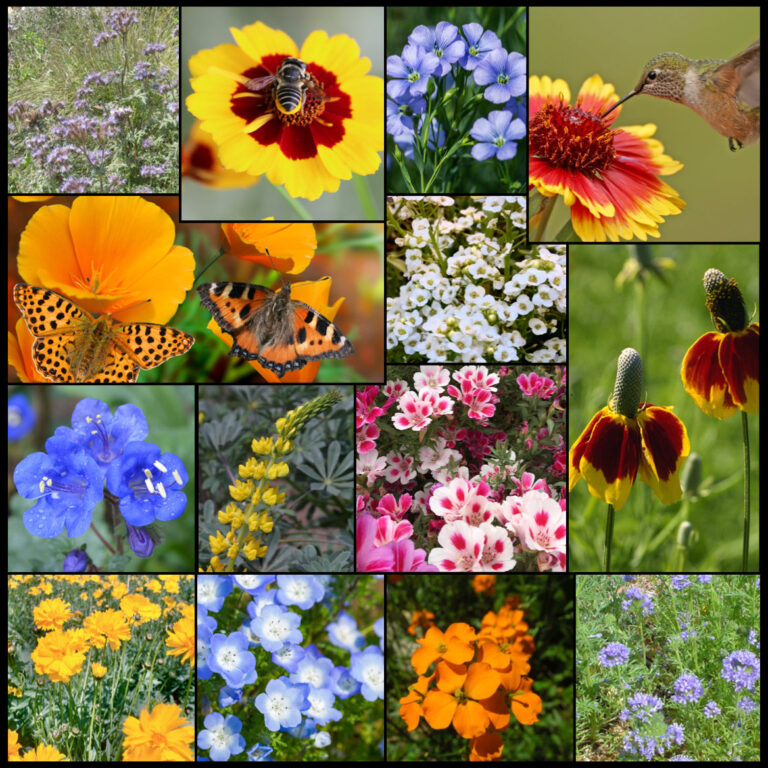
Garden roses spring content thrives on vivid imagery. Optimized image galleries, step-by-step video clips, and Pinterest-friendly verticals drive traffic from visual searches. Create seasonal pin prompts that align with cabbage crush, wildflowers, and pollinator themes trending in 2026. Include descriptive alt text and context-rich captions that weave care tips into the imagery.
- Use high-contrast close-ups of buds, thorns, and new growth to illustrate common issues and remedies.
- Publish before-and-after pruning sequences with captions that explain the rationale behind each cut.
- Pair photos with quick checklists for readers to download and save for spring care planning.
Encourage social sharing by creating a dedicated hashtag, such as #GardenRosesSpring2026, and highlight reader submissions in a monthly roundup.
Interactive Planting Calendars and Checklists
Interactive calendars increase time-on-page and return visits. Offer a fillable spring care calendar that prompts readers to record fertilization dates, pruning windows, pest checks, and bloom forecasts. A downloadable, printer-friendly version adds tangible value to the reader’s garden routine.
- Month-by-month tasks: pruning, feeding, disease checks, and mulching reminders.
- Seasonal variations: different regions require adjustments for rain, heat, and late frosts.
- Linked internal resources: connect readers to in-depth guides on pruning, disease prevention, and variety selection.
Include a clear CTA to download the calendar, save it to a device, or subscribe for ongoing seasonal updates.
Community Building: Photo Shares and User Stories
Readers enjoy seeing real-world results. Invite user-submitted photos and stories that illustrate successful troubleshooting, variety experiments, and design ideas. Feature a monthly rose hero story with a Q&A that addresses reader questions and practical tips. This fosters trust, increases dwell time, and generates fresh, authentic content that enhances SEO signals.
- Launch a submission form with simple fields: location, rose variety, problem, solution, and a photo.
- Offer small incentives, like a monthly prize or a featured story badge, to encourage participation.
- Showcase diverse climates and spaces to appeal to a wider audience.
SEO and Content Optimization: On-Page Practices
Advanced on-page optimization ensures your hard-won content reaches the right readers. Use the focus keyword naturally in titles, headings, and body copy. Maintain a balanced keyword density for garden roses spring to align with Yoast guidelines while keeping readability high. Use semantic terms like rose care in spring, spring bloom, pruning roses, and mildew prevention to broaden topic coverage without keyword stuffing.
Practical on-page tips include:
- H2s and H3s that reflect user intent: troubleshooting, varieties, engagement.
- Descriptive, keyword-rich meta descriptions and alt text for images.
- Internal linking to product guides, perennial care, and Pinterest-ready content.
- Structured data where appropriate, such as FAQ sections about common spring problems.
For further inspiration, explore authoritative horticulture resources and incorporate their guidance into your content calendar, ensuring you provide a distinct BloomHaven voice that resonates with your audience.
Maintenance Tools and Resources for Spring Rose Care
Practical tools keep the garden and the content plan aligned. A well-curated toolkit reduces garden downtime and increases reader confidence in your guidance. This final sub-section offers a concise set of tools and practices to support spring rose care and content delivery.
Tools Checklist
- Sharp bypass pruners, pruning saw, and loppers for clean cuts.
- Gloves, kneeling pad, and a comfortable tote for fieldwork.
- Mulch, compost, or well-rotted manure to improve soil structure.
- Soil test kit or access to a local extension service for nutrient balancing.
- Watering wand, drip irrigation components, and moisture meters for precise irrigation.
Having a toolkit reduces friction when readers attempt the same steps in their own gardens, boosting trust and compliance with your guidance.
Conclusion: Synthesis and Next Steps
In summary, the advanced strategies for garden roses spring bring together practical troubleshooting, thoughtful variety selection, and proactive engagement. By diagnosing issues swiftly, choosing varieties that align with climate and space, and building a thriving reader community around visual discovery and hands-on care, you create a durable, authoritative resource. Ultimately, your spring-focused content acts as a comprehensive road map from garden beds to search results, turning seasonal interest into sustained growth for BloomHaven and your audience.
To conclude, the power of this approach lies in clarity and collaboration. Readers should feel equipped to troubleshoot common problems, select spring-friendly varieties, and participate in an engaged community that shares photos, tips, and success stories. If you are ready to elevate your garden roses spring content, subscribe for ongoing updates, download the spring care calendar, and start implementing the troubleshooting, varieties, and engagement strategies discussed here.
Focus keyword: garden roses spring — a central thread that ties the troubleshooting, varieties, and engagement sections together. Ready to accelerate your results? Download the BloomHaven spring calendar, implement the advanced strategies, and invite your readers to contribute their own rose stories. Your garden, and your audience, will thank you.