Nostalgic Garden Design: Romantic Layout Ideas
Nostalgic Garden Design Foundations for Romantic Spatial Layouts
nostalgic garden design invites a stroll through memory and bloom, blending vintage charm with modern ease. In BloomHaven’s 2026 guide, we explore how to craft romantic spaces that feel timeless while remaining practical for daily life. This introduction sets the foundations for intimate layouts that cradle paths of stepping stones, fragrant borders, and seating nooks. By embracing nostalgic garden design, you create a calm, inviting microclimate for garden visitors and pollinators alike. In this article, we’ll outline essential principles, from circulation to planting schemes, that help you shape a garden that whispers of summers past while thriving in today’s climate. We’ll cover materials, scale, and color palettes that recall traditional cottage borders, but with contemporary sustainability baked in. Whether you’re redesigning a small urban plot or a cottage yard, these foundations help you design layouts that feel both romantic and resilient.
Nostalgic Garden Design Foundations for Romantic Spatial Layouts
The language of nostalgic garden design blends memory with place. It guides how space is divided, how views unfold, and how the eye travels from one moment to the next. Begin with a clear idea of the mood you want—quiet, intimate, or jubilant—and let that decide the layout. Most romantic designs rely on human-scale details, like a patient border close to a seating area or a winding path that invites exploration. Importantly, symmetry and asymmetry each tell a story. Symmetry can create a formal echo of classical gardens, while asymmetry adds spontaneity and charm. In practice, balance is your compass: you want rhythm without repetition fatigue, and structure without stiffness. In 2026, these foundations still anchor successful projects, because they honor time, seasonality, and the human need for refuge.
Pathways and Circulation in Nostalgic Garden Design
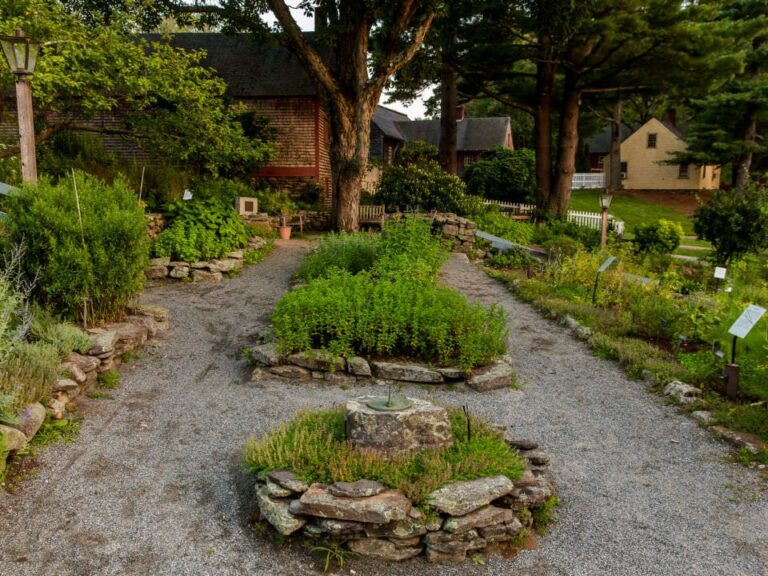
Paths are the veins of a garden. They should invite movement and discovery without forcing it. Curved lines soften the landscape and encourage lingering. Straight sections can serve formal moments or transitions between rooms. Material choices matter: gravel offers texture and drainage; brick adds warmth and memory; stepping stones create tactile moments that feel hand-placed. Keep path widths comfortable for two people to walk side by side, with small resting points along the way. Sightlines are critical; from every turn, there should be a view that leads to a focal point. This ensures memory-worthy moments and a sense of narrative as you stroll.
In addition, ensure accessibility and seasonal viability. Choose materials that endure foot traffic and weather without frequent maintenance. Therefore, plan for easy repair and replacement to preserve the nostalgic mood over years. For further guidance on solid design principles, see trusted horticultural resources such as RHS Gardening Advice.
Planting Beds and Borders for Nostalgic Garden Design
Planting is the heartbeat of nostalgic garden design. Repetition and rhythm create familiarity, while layered borders deliver depth. Start with base plantings that soften edges and provide year-round structure, then layer seasonal color for fragrance and movement. Cottage-style borders thrive on a mix of perennials, self-seeders, and herbaceous varieties that return each spring with new vigor. Include fragrant blooms along pathways to heighten the immersion. Consider pollinator-friendly selections that bloom across spring, summer, and fall, ensuring continuous life for bees and butterflies. In small spaces, repeat a few core plantings to build cohesion and reduce maintenance, while larger plots can welcome more variety and height for drama. Nostalgic garden design favors textures—soft grasses, velvety leaves, and crinkled petals—that catch light and create mood rather than just color.
For plant pairings, think of memory-driven contrasts: soft blues with warm pinks, delicate whites against deep greens, and the textural surprise of a silver-leaved plant beside a bright shrub. When in doubt, prioritize scent. A scented border near a seating area doubles the nostalgia. If you’d like a practical reference, explore design theories and plant lists at RHS Gardening Advice.
Seating, Focal Points, and Romantic Sightlines in Nostalgic Garden Design
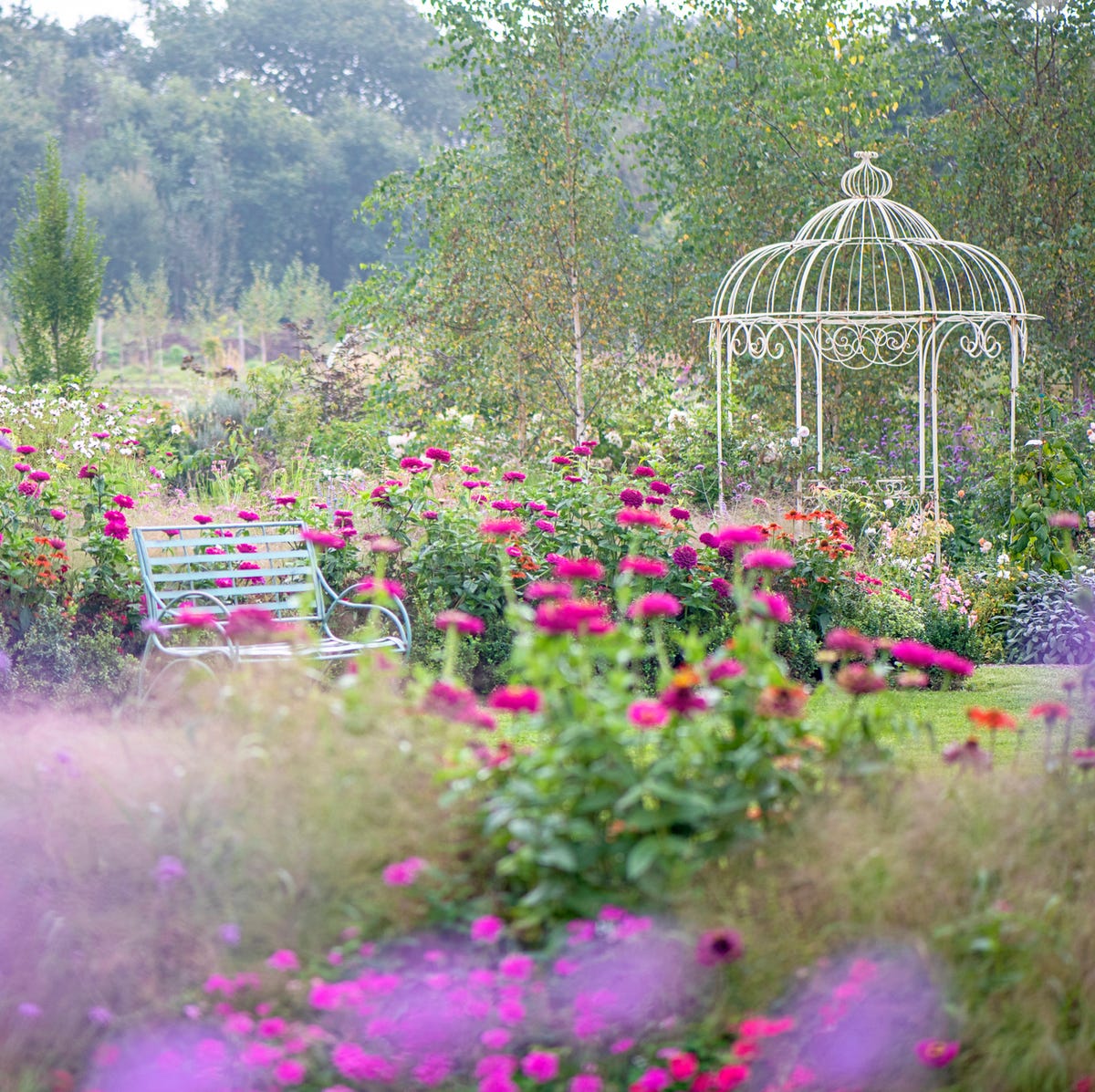
Seating should feel inevitable, not optional. Place a bench or a small bistro table at a vantage that rewards closer views of blossoms or a water feature. Focal points—an urn, a statue, a cluster of roses—anchor the space and give the eye something to settle on. Sightlines connect these anchors, guiding the eye from one moment to the next. In nostalgic design, focal points are often paired with seasonal changes: a flowering shrub in spring, a fragrant herb bed in summer, and a sculptural element framed by autumn leaves. Remember to keep functionality in view; seating should align with access routes and shade patterns, ensuring comfort year round.
To enhance romance, weave soft architectural elements into the landscape—a low brick wall, a trellis with climbing roses, or a pergola draped in scented vines. These structures frame views and extend the garden’s usable hours. For inspiration on how focal points shape mood, consult broad design resources and implement your own touches of memory constants.
Material Palettes and Color Schemes for Nostalgic Garden Design
Material choices set the emotional tone. Traditional materials like brick, timber, and natural stone feel rooted in memory, while modern composites can extend durability. A nostalgic design prefers textures you can touch and feel. Use brick or terracotta for warm walkways, weathered timber for fencing or edging, and softly textured gravel to diffuse light. These materials age beautifully, gaining character with each season. The color story should be gentle and cohesive: ivory, cream, soft pinks, pale lilacs, and May-green foliage create a calm, romantic field of view. Subtle contrast—such as a deep green foliage against light blooms—adds drama without shouting. Remember, color should shift with the seasons, offering a gentle cadence from early spring to late autumn.
Soft color palettes support a nostalgic mood and work well with pollinator-friendly planting. A monochrome or near-monochrome scheme often reads as timeless, while restrained pops of color can mark important transitions. In all cases, prioritize plant textures and forms that catch light and movement, so the garden feels alive in every season. For broader design principles, see reputable horticultural references and keep your palette harmonious with the surrounding environment.
Traditional Materials in Nostalgic Garden Design
Brick, stone, copper, and timber are the anchors of traditional nostalgia. They age gracefully, resist weather, and tell a story of craft. Brick pathways or borders create enduring structure. Stone steps provide tactile anchors at key transitions. Timber elements should be treated to resist rot, but kept with a weathered finish that echoes age and use. A small water feature in natural stone can become a year-round focal point, reflecting light and inviting wildlife. The goal is to craft a tactile, memory-rich surface that invites exploration and comfortable use across seasons.
When selecting materials, consider local availability and sustainable sourcing. Reclaimed or recycled materials bolster the nostalgic aesthetic while reducing footprint. The result is a space that feels lived-in and respectful of the past, yet resilient enough for modern gardening demands.
Soft Color Palettes and Seasonal Rhythm in Nostalgic Garden Design
Seasonal rhythm is crucial to nostalgia. In spring, blush blossoms and fresh greens wake the border. Summer should bring long evenings and scent-rich blooms. Autumn introduces warmth and texture, while winter offers structure through evergreens and architectural silhouettes. Keep colors subtle and transitions gradual. Use a few anchor tones and let seasonal flowers take primary stages. This approach preserves calm and avoids visual clutter, which is essential in romantic spaces.
To support this, schedule regular pruning, deadheading, and light feeding to maintain vigor without harsh upkeep. The result is a garden that feels timeless and intimate from one season to the next.
Maintenance and Seasonal Rhythm for Nostalgic Garden Design
Maintenance in nostalgic garden design is about consistency and care, not perfection. Establish simple routines that protect the space’s romance while keeping tasks manageable. Mulching reduces weeds and preserves soil moisture. A regular irrigation plan with drip lines minimizes waste and protects delicate borders. Weeding is a ritual that preserves the border’s silhouette and prevents overgrowth from breaking the nostalgic mood.
Pollinator-friendly practices are essential. Choose a mix of nectar-rich perennials and native plants that bloom at different times. This ensures continuous food sources for bees and butterflies while maintaining the garden’s charm. Remember to avoid aggressive invasives that threaten the border’s memory-like harmony. Instead, favor plants that offer fragrance, texture, and seasonal change, which enrich the overall experience for visitors and wildlife alike.
In summary, maintenance for Nostalgic Garden Design means steady routines, mindful plant choices, and a focus on sensory experiences. When done well, the space rewards care with enduring beauty that feels both historical and alive.
In the next section, we will translate these foundations into practical planting plans and seasonal palettes that bring nostalgic romance to life.
Step-by-Step Execution of Nostalgic Garden Design for Romantic Gardens
In this phase, we translate a vision of nostalgia into a practical garden plan. The aim is to craft spaces that feel timeless, with color and fragrance that evoke memories while embracing modern sustainability. The process centers on a cohesive design language built around the nostalgic garden design concept, yet tuned to 2026 climate realities and plant availability. Begin by grounding your ideas in the garden’s historical cues—the winding paths, the venerable walls, the soft textures of weathered stone—and then layer in contemporary plant choices that honor that mood while supporting pollinators and waterwise habits.
Visioning the Nostalgic Garden Design: Mood, History, and Story
First, define the emotional arc you want the space to tell. Nostalgia is not merely old-fashioned; it is about curated echoes of the past that feel intimate and alive today. Document a mood board with pale roses, soft lavender, and cabbage-crush inspired hues; imagine a stroll along a brick path that curves like a memory. The goal is to capture a romance that breathes through seasonal color, scent, and texture. A well-crafted nostalgic garden design begins with a narrative: a grandmother’s rose arch, a cottage garden scent wafting from lavender, a corner where peonies bloom briefly each late spring. Each element should reinforce that story rather than compete with it.
Crafting a Romantic Plant Palette: Colors, Perfume, and Texture
Colors are the heart of nostalgic garden design. Choose a cohesive palette that weaves pastels with deep, romantic notes. Powder pinks, ivory whites, rose reds, and soft mauves work beautifully, tempered by greens that stay fresh through heat and drought. Incorporate fragrant varieties that carry memory—peonies, lilacs, roses, and sweet alyssum. Texture matters: combine the lush, old-fashioned bloom of peonies with airy verticals like delphiniums, and groundcovers with mossy greens and silvery foliage. Plant choices should support year-round interest; even in winter, form and structure should hint at the same mood. Specifically, ensure that every bloom and leaf serves the design’s narrative and does not feel random. For a robust nostalgic garden design, balance scent, color, and texture so that the space engages sight, memory, and touch.
Color Story Anchors
Use three to five anchor colors that anchor the palette. For instance, soft blush rose, creamy white, and lavender work well together. Let these hues guide late-spring peony displays, early-summer roses, and mid-summer lavender swaths. Keep secondary accents minimal to maintain an elegant rhythm that feels historical yet current.
Scent and Texture
In nostalgic garden design, fragrance anchors memory. Place scented plants near seating, paths, and entry points so their perfume greets visitors as they move through the space. Pair lush blooms with textured foliage—soft, velvety leaves alongside slender grasses—to catch light and sway with the breeze.
Form and Flow: The Romantic Layout That Guides the Eye
The lay of the land should invite a slow, intimate walk rather than a rigid grid. Create a meandering spine that connects windows and seating areas, with shorter alleys and curved borders that hint at discovery. A nostalgic garden design relies on asymmetry and a sense of age, as if the garden grew gradually over time. Use arbors and trellises as year-round scaffolds for climbing roses or wisteria, which soften lines and draw the eye toward focal points. In addition, maintain sightlines that reveal new moments at each turn, so the visitor experiences gentle surprises rather than a single end point.
Layering Plants by Height and Bloom Window: A Living Time Capsule
Structure your plant layers to create depth and to maximize the sense of a living time capsule. Place tall, bloom-heavy specimens at the back or along the shade-heavy borders to frame views. Establish mid-height shrubs and herbaceous perennials in the middle layer, then ground covers and low-growing blooms in front. Align bloom windows so the garden romantically blooms in waves across late spring, early summer, and into late summer. Nostalgic garden design thrives when the garden appears lush in successive seasons, not all at once. Include evergreen structure to sustain line and order through winter, so the space remains a hint of continuity in the quiet months.
Height Choreography
Tell the eye where to roam by staggering vertical layers. Use arching perennials that rise and fall with the breeze to mimic a living painting. The design should allow important features, such as a weathered bench or a stone fountain, to appear as if discovered rather than announced.
Materials and Hardscape Choices That Echo Old-World Charm
Hardscape is the framework for nostalgia. Choose materials that weather gracefully and age well. Brick, natural stone, and weathered timber leaves a patina that makes the garden feel centuries old rather than new. Recycled brick edging and cobbled pathways give authenticity. Use soft, compacted gravel for light, easy mobility and to keep the space quiet underfoot. When choosing materials, consider how they will shade in late afternoon light and how they will look after a wet winter. The goal is harmony between hard and soft elements that reads as a cohesive, nostalgic garden design rather than a patchwork of modern features.
Pathways, Arbors, and Shaded Nooks: Creating Intimate Moments
Paths should meander, not divide. They provide movement and frame moments of rest. A brick circle around a statue, a gravel path that winds beneath a flowering arch, and a shaded bench tucked beneath a wisteria-covered trellis all contribute to a romantic rhythm. In a Nostalgic garden design, seating must beckon visitors to linger and reminisce. Ensure seating materials are comfortable and durable, with cushions in fade-resistant fabrics that echo old-world fabrics. Use vines and soft lighting to create intimate corners that feel both safe and captivating after dusk.
Water Features and Soundscapes: Fountains, Ponds, and Gentle Reflections
Water adds a tactile and auditory layer to nostalgic garden design. A small, gently bubbling fountain or a shallow, irregular pond can become a quiet centerpiece. Position water features where they reflect the surrounding blossoms and the sky, so their surface becomes a living mirror. Consider a rustic tiered fountain that pairs with weathered stone and creeping plants to achieve a sense of time passed. Always plan for maintenance and safety, especially with children and pets. Water features should be soothing, not showy, and they must blend with the garden’s historical mood.
Pollinator Partnerships: Designing for Bees, Butterflies, and Birds
Pollinator-friendly design is not an afterthought but an anchor of nostalgia done well. Strategically pair nectar-rich perennials with flowering shrubs so pollinators have continuous forage from spring through autumn. Include airy blooms that provide landing pads and sturdy stems that withstand breezes. Peonies, lavender, echinacea, and salvia are excellent anchors for a nostalgic garden design. Remember to intersperse these with all-season textures to keep interest during cooler months. In addition, ensure water sources and shelter are close but discreet to support wildlife without disrupting the garden’s intimate mood. Royal Horticultural Society.
Seasonal Maintenance Rhythm: Sustaining Nostalgia Throughout the Year
Maintenance in a nostalgic garden design must feel gentle and predictable. Establish a seasonal rhythm that respects the plant’s cycles and still allows the space to evolve gracefully. In spring, focus on deadheading, stake support for tall perennials, and gentle pruning of old wood to stimulate new growth without sacrificing the garden’s aged vibe. Summer requires consistent watering, mulching, and careful scent management so the blooms feel lush but never overwhelmed. Autumn brings color fades; this is when seed heads and dried stems become part of the decorative pattern. Winter preserve structure with clean lines and evergreen backbones that hold the mood steady until spring returns. By treating maintenance as a storytelling cadence, you keep the nostalgic garden design coherent year after year.
Soil, Drainage, and Microclimates: Quiet Engineering for Longevity
Healthy soil is the foundation of any nostalgic garden design. Start with a soil test to understand texture, drainage, and pH. Amend with compost and organic matter to improve structure without creating harsh, synthetic outcomes. Drainage is essential where old walls create damp pockets; adjust with raised beds or corseted channels that encourage water to move away from seating areas. Microclimates—from sun-drenched borders to shady corners under a canopy—shape plant choices and bloom timing. Use this awareness to place heat lovers where they will thrive and to group tender species in sheltered spots. Thoughtful engineering ensures the romance remains intact even after heavy rain or a cold spell.
Lighting and Evening Romance: Soft Glow for Romantic Evenings
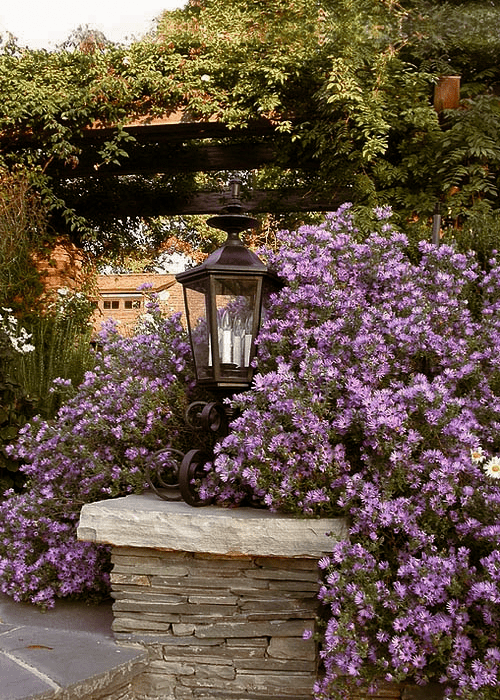
Lighting is the unseen conductor of nostalgia after dark. Use warm, low-intensity lighting along paths and seating, with lanterns, string lights, and hidden uplights that reveal texture without glare. Position lights to highlight key focal points—an aged bench, a weathered statue, or a cluster of bluebell-like blooms. Nighttime reveals a new dimension of the nostalgic garden design, as shadows lengthen and fragrances intensify. Be mindful of energy use and wildlife; choose solar or low-voltage options and shield fixtures to minimize glare. The goal is a soft, inviting ambiance that invites lingering conversation and quiet reflection rather than bright visibility.
Storytelling Features: Focal Points, Benches, and Fences with Whispered Histories
Storytelling features give the nostalgic garden design a personal voice. Focal points act as chapters in the garden narrative. A weathered stone bench near a peony bed invites visitors to pause, while an archway of climbing roses suggests a doorway to another memory. Fences and gates should appear welcoming, with softened lines and spaces that encourage your guests to move slowly through the space rather than speed by. Integrate relics or reproductions of antique ornaments sparingly, ensuring they echo authenticity. When placed with restraint, these elements create intimate moments that feel timeless rather than contrived. The result is a garden that speaks to memory while embracing contemporary horticultural practice.
With the blueprint in place, you now have a practical, trainable approach to realize a nostalgic garden design that remains romantic, sustainable, and unfailingly graceful. The next step in this journey moves from concept to cultivation as Part 3 dives into the Planting Palette and Seasonal Blooms that power this mood, translating the framework into a concrete planting map. In Part 3, titled ‘Planting Palette and Seasonal Blooms for Nostalgic Garden Design’, we explore plant lists, seasonal timing, and climate adaptation to ensure your garden thrives year after year.
Advanced Strategies and Final Guidance for Nostalgic Garden Design
In this final portion, we translate the core concepts of nostalgic garden design into actionable, advanced strategies you can apply in 2026 and beyond. You will find a practical roadmap, concrete plant lists, rhythm and structure considerations, and maintenance rituals that honor memory while embracing sustainable gardening practice. The focus remains on cultivating a living landscape that looks timeless, yet performs with modern efficiency.
Use these sections to move from concept to concrete layout, with steps you can implement this growing season. Each subsection builds toward a complete, story-driven garden that thrives in a changing climate while preserving the romance of old-world charm. The emphasis is practical, not ornamental alone; this is design as stewardship—an enduring, joyful space you and future generations will enjoy.
Refined Palette and Texture for Nostalgic Garden Design
A nostalgic mood starts with a restrained color story. Favor soft creams, blush pinks, faded lavenders, and muted greens that echo vintage garden photography. A limited palette helps architectural features—paths, walls, and garden rooms—shine, while texture carries the narrative forward. Velvet leaves, lace-like stems, and crinkled foliage add depth as color remains gentle.
In 2026, Pinterest trends such as cabbage crush and wildflowers offer inspiration for approachable, naturalistic plantings that still feel curated. Peonies anchor focal points with lush forms, while foxglove and hollyhock bring vertical interest that reads as classic yet fresh when paired with modern perennials. Think of texture as color’s shadow, used to enhance mood without overwhelming the scene.
Implementation tips include pairing era-appropriate blooms with low-maintenance companions, ensuring a long seasonal arc. Create a backbone of evergreen or semi-evergreen foliage to maintain structure during colder months, and layer seasonal color for a continuous narrative. This palette approach keeps nostalgia intact while lowering maintenance demands and increasing year-round visual appeal.
- Peonies and old-fashioned roses for romantic focal points
- Foxglove, hollyhock, and delphinium for vertical drama
- Lamb’s ear, thyme, and silvery sage for soft textures
- Groundcovers such as creeping thyme and moss for a vintage carpet
Texture is reinforced through contrast: matte greens against silvery foliage, glossy leaves beside delicate blooms, and compact mounds near open, airy spaces. Maintain soils with a balanced plan so roots stay healthy and textures stay crisp across the seasons. This balanced approach preserves the nostalgic mood while supporting sustainable garden health.
Choosing Era-Appropriate Materials and Hardscape Details
Era-inspired materials anchor the look. Use brick pathways, worn terracotta pots, and softly aged timber to reflect time-tested charm. Curved edges create intimate garden rooms, while understated hardware and garden furniture read as authentic rather than staged. A practical pattern is to mix brick with crushed shell or gravel to soften lines and invite aging gracefully without heavy maintenance.
Layering Color: Soft, Vintage-Inspired Combinations
Layer rather than saturate. Build a base of greens, introduce midtones with blush and cream, and finish with pale accents. Repeat planting pockets along paths to establish rhythm, ensuring the palette remains cohesive across spaces. The goal is to evoke memory through repetition and subtle variation, not through busy, high-contrast color clashes.
Spatial Rhythm and Structure for Nostalgic Garden Design
Structure provides the framework for nostalgia. Design three to five garden rooms linked by sinuous paths that guide visitors through memory-rich vignettes. Plan sightlines toward a courtyard fountain, espalier fruit trees, or a wisteria-draped arch. In 2026, pollinator-friendly planting is essential, so select a palette that blooms in waves to sustain visual interest and wildlife activity. The narrative should feel organic, not forced, with each space hinting at a different era or mood while staying ecologically sound.
Layout considerations include ensuring accessibility, clear circulation, and comfortable seating nooks that invite lingering. Each room should tell a mini-story through its palette, fragrance, and textures, while guiding the eye toward the next chapter of the garden.
- Create 3 to 5 garden rooms that feel separate but flow into a unified whole
- Use brick, gravel, or timber edging to define spaces with soft boundaries
- Incorporate a quiet nook with seating and a fragrance-dense planting pair
Pathway Geometry: Curves, Chords, and Quiet Nooks
Curved paths invite intimate exploration and a sense of arrival. Gentle arcs read as nostalgic, while a single straight axis can serve as a modern, time-respectful chord that ties the spaces together. Balance tradition with a subtle contemporary line so the garden remains relevant to 2026 sensibilities.
Focal Points and Garden Rooms
Focal points act as stage anchors. Consider a vintage bench, a stone trough, or a sculptural feature that changes with the light. Each room should establish a mood and then transition to the next space via a deliberate, eye-catching cue—fragrance, color rhythm, or texture continuity.
Seasonal Cadence and Bloom Choreography in Nostalgic Garden Design
A well-planned bloom choreography sustains nostalgia year-round. In 2026, stage seasonal drama with careful timing: early bulbs, mid-season perennials, and late-summer accents that bridge into fall. The choreography should feel natural, offering a living memory that evolves with each season. A thoughtful cadence also supports pollinators, wildlife, and sustainable horticulture.
Season-by-season planning strengthens the narrative:
- Spring: narcissus, tulips, crocus for the first color splash
- Early summer: peonies, roses, foxglove for lush fragrance
- Late summer to autumn: dahlias, salvia, echinacea, rudbeckia for sustained presence
Plants chosen for this cadence should support pollinators and bloom in waves, delivering consistent color and texture. The result is a living memory that remains relevant as climate conditions shift. For inspiration and practical guidance on seasonality, reference 2026 Pinterest trends like wildflowers and pollinator-friendly plant groups.
Maintenance and scheduling play a role here too. Stagger plantings to avoid gaps, align with seasonal rainfall, and adjust feed practices to support herbaceous perennials. The goal is a narrative arc that remains compelling regardless of year-to-year fluctuations.
For pruning and care guidelines that align with tradition and ecology, see RHS Gardening Advice here.
Maintenance, Sustainability, and a Nostalgic Garden Design Mindset
A maintenance mindset rooted in sustainability preserves the nostalgic mood over time. Integrate mulching, waterwise irrigation, native plant choices, and composting to minimize inputs while maximizing beauty. Routine care should protect the garden’s structure and color story, so memory remains legible through the years. The right routine also reduces stress on plants and soil, helping the garden weather droughts and heavy rains alike.
Waterwise practices and mulch strategies keep moisture in the root zone and control weeds. Organic mulch adds a habitat for beneficial insects and improves soil health, while moderating soil temperature. Schedule irrigation to coincide with plant needs in different seasons, then adjust coverage as plants mature. With a little planning, you can maintain a lush nostalgic garden design without heavy water use or chemical inputs.
Pruning, deadheading, and propagation sustain color and form with minimal waste. Prune for shape after flowering, deadhead to encourage rebloom, and propagate peonies, oriental poppies, or hydrangeas as you go. Division and cuttings are cost-effective ways to maintain proportions and color stories across beds.
Implementation Roadmap and Final Checks for Nostalgic Garden Design
Turn theory into reality with a practical, time-bound roadmap. Start with a master plan, then move to phasing and seasonal work. The objective is a coherent, living space that evolves as you implement it, with measurable success indicators along the way.
Timeline planning and project sequencing reduce risk and help you allocate resources wisely. A phased approach lets you gather materials, test soil health, and install hardscape in logical stages that respect weather windows and budget. Each phase should deliver a visible improvement in mood, structure, and ecological function.
Timeline: From Plan to Planting
Build a 12-month calendar that covers design finalization, soil preparation, hardscape installation, plant sourcing, and staggered planting. Consider your local climate or microclimate and plan around frost dates, rainfall patterns, and heat waves. A realistic schedule reduces stress and increases success rates for robust plant establishment.
In addition, budget for contingencies and seasonal planting opportunities. Reserve margins for unexpected weather or new cultivar availability. The aim is steady progress that remains faithful to the nostalgic garden design concept while adapting to real-world constraints.
Measuring Success: Visual Audit and Seasonal Checklists
Define success by color balance, bloom cadence, fragrance, and wildlife activity. Create simple seasonal checklists—spring, summer, and autumn—to assess plant health, coverage, weed pressure, and pollinator presence. Use photos to track progress and inform next-year adjustments. This approach turns subjective impressions into actionable improvements for your nostalgic garden design.
As you evaluate outcomes, adjust plant selections, spacing, and maintenance routines to improve cohesion and resilience. The goal is not perfection but a living, evolving landscape that remains faithful to its historical mood while thriving in contemporary conditions.
Conclusion: Final Thoughts on Nostalgic Garden Design
To conclude, nostalgic garden design is a deliberate, evolving craft that blends memory with modern sustainability. By applying the advanced strategies outlined above, you craft a space that feels both timeless and fresh. The design process honors the past while embracing the realities of 2026 gardening, including climate-aware planting, waterwise practices, and pollinator-friendly choices. The result is a garden that invites reflection, connection, and gentle delight across seasons.
Take action today: map your site, draft a storytelling palette, and commit to a phased implementation. Begin with one room, one pathway, or one plant group that signals the mood you want. As you proceed, revisit the rhythm and adjust to the growing conditions and wildlife you observe. For ongoing inspiration and practical tips, consider subscribing to BloomHaven’s newsletter for seasonal ideas aligned with 2026 trends, including cabbage crush, wildflowers, peonies, and pollinator plants. Nostalgic garden design is within reach—start your project this season and watch memory grow into beauty.
Ultimately, nostalgic garden design is a living memory in bloom—an approach that blends story, ecology, and seasonal charm into a landscape you will treasure for years to come. Begin today, and let your garden tell its own timeless tale.