Jungle Container Garden Design Guide
Foundational Principles for a Jungle Container Garden
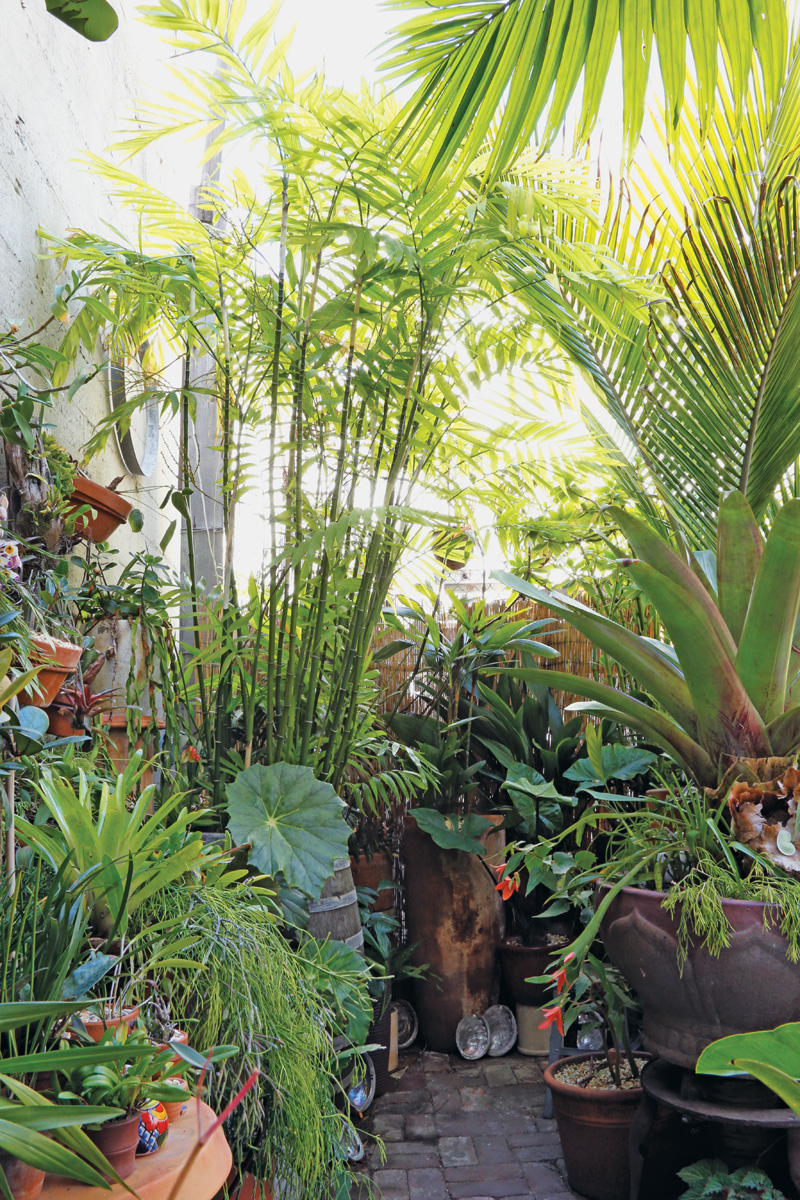
The jungle container garden is more than a plant collection; it’s a thriving, compact ecosystem that blends texture, color, and movement in a single container. A jungle container garden is a living sculpture for balconies, courtyards, and sun-lit kitchens, where tropical foliage, bold flowers, and pollinator favorites coexist in harmony. In this guide, we explore how to fuse tropical inspiration with small-space practicality, so you can enjoy lush, resilient growth year-round in 2026. We cover light, soil, water, containers, and maintenance, all through an orienting lens of sustainable design and visual delight. By following foundational principles, you’ll create a container garden that feels like a mini rainforest while staying manageable and print-ready for your space.
Light, placement, and microclimates in a jungle container garden
Light drives growth and color. In a jungle container garden, you’ll want a balance between bright indirect light and gentle direct sun. Most tropical foliage appreciates morning sun and afternoon shade, especially in hotter climates. Place tall plants at the back and lighter foliage toward the front to create depth. If you’re indoors, supplement with full-spectrum LED grow lights to mimic a sun-drenched understory. The goal is to stage a layered light environment that resembles a rainforest canopy. A well-lit container will show off leaf texture, bloom color, and pollinator-friendly blooms. Therefore, observe your site for a week; note how light shifts from dawn to dusk and adjust containers accordingly. A practical technique is to rotate pots every week to prevent legginess and ensure even light distribution. In short, the right light choice forms the foundation of a thriving jungle container garden.
Jungle container garden in practice: light strategies
For window-sill or indoor setups, group plants with similar light needs. For outdoor balconies, consider a smart north-south orientation to maximize sun on peak days while providing shade during heatwaves. In addition, use light-reflective walls, pale-toned planters, and climbing options to multiply perceived light. Crucially, monitor leaf color; yellowing edges can signal too little light, while scorched tips may indicate too much direct sun. When you mix sun-loving tropicals with shade-loving understory plants, you’ll achieve the layered effect that defines a true jungle container garden.
Soil, substrate, and nutrition for a jungle container garden
Soil in containers should be well-drained but rich enough to support vigorous growth. Start with a high-quality potting mix designed for container plants, amended with organic matter such as compost or worm castings. Add perlite or pumice to improve drainage and aeration. In a jungle container garden, you’ll want a substrate that retains moisture without staying soggy, because roots in containers can dry out quickly. Therefore, consider a layered approach: a drainage layer, a fluffy potting mix, and a top-dressed mulch layer to reduce evaporation. Fertilize regularly with a balanced, water-soluble fertilizer, or use slow-release forms for steady nutrition. Crystallizing a routine—fertilize in spring and mid-summer, with lighter dosing in autumn—keeps blooms bright and leaves lush. For sustainability, recycle spent potting mix by topping with fresh compost and a slow-release nutrient boost. Outline the basic feeding plan, and adjust for the specific plant palette in your jungle container garden.
For an evidence-based resource, consult a reputable guide such as RHS Houseplants and Containers, which offers practical soil and nutrition tips that pair well with container gardening in urban spaces.
Substrates and drainage: essential care in a jungle container garden
Drainage is non-negotiable in container plant care. Use pots with drainage holes and a saucer or tray to collect excess water. A layer of gravel or broken pottery at the bottom can improve drainage, but ensure it does not create a perched water table. In a jungle container garden, you’ll also want a breathable mix that encourages air at the root zone. Mulching the top layer helps retain moisture and suppress weeds, while feeding the soil with compost fosters a living root zone. For plants with high water needs, pair with a moisture-retentive substrate that still drains quickly after a watering. Always water deeply rather than frequently, so roots grow to explore deeper soil pockets.
Container selection and arrangement for a jungle container garden
Choosing the right containers matters as much as choosing the right plants. Lightweight, weather-resistant materials such as resin, fiberglass, and certain plastics work well for balconies and railings. For larger specimens or outdoor patios, ceramic pots with proper drainage provide stability and a premium look. Consider pairing different container heights to create visual rhythm, echoing the vertical layering of a jungle. Place planters at varying distances to invite a sense of discovery as you move through the space. In addition, ensure that all containers have drainage and a plan to manage excess moisture. A cohesive palette of pot shapes and colors can unify the jungle theme without competing with plant forms.
Plant palette: choosing tropicals, natives, and pollinator-friendly species
In a jungle container garden, mix foliage with bursts of bloom to sustain interest throughout the season. Choose tropical foliage with different leaf shapes, sizes, and textures to create a dense, lush feel. Pair large, architectural leaves with smaller, lacy varieties to mimic the undergrowth of a rainforest. Include flowering choices that attract pollinators—bee balm, lantana, and salvias are excellent options depending on your climate. Don’t neglect natives that are well-adapted to your region; they support local ecosystems and require less maintenance. Create a color story by combining cool greens with warm pinks, oranges, and purples. Keep a few evergreen backbone plants to maintain structure during colder months. The goal is a layered, textured jungle container garden that feels alive and dynamic.
Planting design: layering, texture, and movement
Layering is essential. Start with tall drama at the back, mid-height forms in the middle, and trailing or low-growing plants at the front. Use texture to contrast broad leaves with fine fronds or variegation. Introduce plants with vertical bloom stems to create visual movement. For indoor setups, use trailing vines to soften shelves and windows. Consider scent in mulched zones—fragrant flowers and aromatic foliage add another dimension. In sum, your plant palette should feel curated, not crowded, while still evoking a wild rainforest vibe.
Watering, drainage, and irrigation strategies for a jungle container garden
Water management is a daily practice in container gardening. Most tropicals prefer evenly moist soil, but always check the plant’s specific needs. Water deeply until you see moisture escaping from the drainage holes, then allow the surface to dry slightly before the next watering. Containers dry out faster than garden beds, so frequent checks are essential. In a jungle container garden, you might group thirsty plants together and separate drought-tolerant options to avoid conflicts. For indoor gardens, you can automate irrigation with a simple drip system or moisture sensors. In addition, consider a layer of mulch to reduce evaporation and keep soil temperatures steady.
Irrigation systems for a jungle container garden: practical options
Drip irrigation is time-saving and efficient for containers. Use emitters that deliver measured amounts to each pot, connected to a timer. A simple wick system works well for indoor setups where you lack a power source for a pump. For large patios, a gravity-fed or solar-powered system can reduce water usage. Always protect electrical components and follow local code guidelines.
Maintenance and long-term care for a jungle container garden
Maintenance keeps your jungle container garden thriving across seasons. Regular pruning prevents leggy growth and keeps plants within the container’s bounds. Deadhead flowers to encourage more blooms, and remove spent foliage to maintain a tidy silhouette. Clean containers periodically to prevent salt buildup from fertilizers and hard water. Rotate plants so that all sides receive light and to minimize sunscald on foliage. In addition, check the soil surface for crusting and re-moisten the top layer if it dries out too quickly. Seasonal tasks include re-potting when the roots fill the pot and refreshing the topsoil with compost.
Seasonal care: winter, spring, and transition tips
Even in mild climates, some jungle container garden plants benefit from overwintering. Move vulnerable specimens indoors or to a sheltered site during cold snaps. Use frost cloths or humidity trays to maintain humidity indoors. In spring, refresh the soil, prune lightly, and feed with a balanced fertilizer to kick-start growth. Transitions between seasons can be smooth with a calmer color palette and less dense planting in late autumn.
Aesthetic design principles: color, texture, and storytelling in a jungle container garden
Visual storytelling matters. Use a restricted color palette with pops of bloom for focal points. Repeating leaf shapes and motifs creates cohesion across containers. Introduce vertical accents such as trailing vines or tall tropicals to give height and drama. The design should feel intentional, not chaotic, with negative space to draw the eye toward the most important plant acts. Use natural textures like wood, stone, and fabric to anchor the lush plant forms.
Sustainability and pest management in a jungle container garden
Implement sustainable practices from the start. Use reclaimed containers where possible and mulch to conserve soil moisture. Collect rainwater if feasible and use it in place of city water for irrigation when appropriate. For pest control, combine prevention with gentle, non-chemical methods. Regularly inspect leaves for signs of pests, remove affected foliage, and consider beneficial insects such as lady beetles or predatory mites. A healthy soil biome reduces pest pressure and supports robust growth in a jungle container garden.
Conclusion for Part 1: In Part 2, Design Layouts and Plant Palettes for a Jungle Container Garden, we will translate these foundations into actionable layouts, planting schemes, and maintenance schedules to turn a balcony, patio, or indoor corner into a thriving green sanctuary.
Execution Guide for a Jungle Container Garden: Planting and Layout
In a jungle container garden, planting strategy and layout determine whether a balcony becomes a lush micro-habitat or a cramped shelf of stressed plants. For this section, we focus on how to translate your vision into a thriving arrangement, with attention to scale, light, moisture, and accessibility. Specifically, the goal is to pair performance-driven plant choices with a design that invites you to step into a miniature rainforest every time you pass by.
Assessing space, light, and microclimates for a jungle container garden
First, evaluate the space you have. Measure shuttered sun hours, shade pockets, and airflow across morning and afternoon positions. A jungle container garden thrives when you align plant placement with microclimates rather than forcing a single standard layout. If you have a bright balcony, you can place sun-loving tropicals and flowering vines near the edge where light intensifies. In a shaded courtyard, prioritize shade-tolerant tropicals and ferns that perform well with dappled light. This careful assessment informs which plants go on top shelves, which cascade from hanging baskets, and which anchor the base of the container garden. Furthermore, note prevailing winds and container stability; a solid stand keeps your jungle container garden looking pristine even on breezy days.
Layout planning for vertical layers in a jungle container garden
Layering is the core principle of a jungle container garden. Place taller specimens at the back or center to form a living canopy and use mid-height plants as the mid layer. Trailing varieties spill over edges to soften the pot and create a sense of depth. The idea is a living sculpture where every plant has a purpose, contributing texture, color, and pollinator value. Specifically, consider combining bold foliage like monstera with flowering accents such as hibiscus or bougainvillea in warmer zones, while cooler climates can feature impatiens and coleus in the same vertical composition. This approach maximizes visual impact without overcrowding and keeps your jungle container garden accessible for care sessions. In addition, think about color temperature—cool greens recede visually while bright magentas and oranges advance, guiding the eye through the layers.
Soil, drainage, and potting mix optimized for jungle container garden success
Soil is the foundation of a jungle container garden. Use a well-draining mix that retains moisture without becoming waterlogged, such as a blend of high-quality potting soil, compost, and perlite or coarse sand. The added organic matter feeds soil biology and supports robust root systems. Containers should have drainage holes, and you can layer a shallow tray beneath to catch runoff if your space restricts water flow. For tall tropicals, consider wide, heavy pots to prevent tipping on breezy balconies. Regularly check moisture levels in hot weather; even a lush jungle container garden can suffer from root rot if watering is inconsistent. In practice, you’ll water deeply when the top inch of soil dries, then pause until you see slight moisture return in the pot’s core. Specifically, avoid over-watering dense plantings where drainage is slow, and keep a simple routine to stay on top of soil health.
Mulching and moisture management in a jungle container garden
Mulch helps stabilize moisture and suppress weeds within the confined root zones of a jungle container garden. Use organic mulch such as shredded bark, coconut coir, or leaf mold to shade the surface and gradually feed soil life. In hot periods, mulch reduces evaporation and keeps roots cool, while in cooler times, it insulates the root ball. Mulch also creates microhabitats that benefit beneficial insects that contribute to pollination and pest control. Specifically, weekly checks ensure mulch remains dry on the surface after rain, which is essential to avoid fungal problems in tightly packed containers. Additionally, refresh mulch as it decomposes to maintain a consistent layer that shields the soil and enhances the jungle container garden’s aesthetic.
Planting plan: pairing, spacing, and transition from pot to canopy
Develop a planting plan that accommodates both drama and practicality. In a jungle container garden, plant combinations should account for light needs, moisture tolerance, and growth rate. For example, pair a large-leaf tropical with a compact flowering plant that blooms at different times to stretch visual interest. Space plants so they have room to expand without crowding neighbors, allowing air to move through the canopy. As plants fill in, you’ll notice natural trellises and supports forming among the foliage, guiding the eye through the vertical space. When selecting a palette, choose a unifying theme—perhaps lime greens and deep emeralds with pops of magenta, orange, or electric blue—so the jungle container garden feels cohesive rather than chaotic. Specifically, plan for at least three focal points across the container to anchor the eye while the sides remain gently animated by trailing forms.
Companion planting and pollinator appeal in a jungle container garden
Companion planting in containers supports plant health and pollinator presence. Interplant herbs like rosemary or thyme with flowering perennials to attract beneficial insects and deter pests. Also, choose nectar-rich blooms that attract bees and butterflies during peak season. A well-planned jungle container garden becomes a pollinator magnet, delivering ongoing floral displays with vitality and fragrance. Specifically, consider nighttime fragrance for varied pollinator activity, and site fragrant species where you pass by most often, creating a sensory experience that motivates regular care. In addition, surround flowering natives with insect-friendly companions to sustain beneficial insect populations in every season.
Watering strategy and irrigation optimization for a jungle container garden
Watering is a critical axis for success in a jungle container garden. Use a drip or capillary irrigation kit if possible, especially for larger setups where uniform watering is challenging. Water deeply to moisten the root zone; shallow watering can promote root drying and leaf scorch in sun-exposed containers. In addition, monitor drainage daily during heat waves, and adjust your plant mix to balance moisture needs. A simple rule of thumb is to water when the top inch of soil feels dry, but in a jungle container garden you may notice the soil stays damp longer in shaded microclimates. Always ensure excess water can escape to prevent root rot. Specifically, a consistent watering rhythm helps you avoid stress on tender foliage and keeps the canopy lush and vibrant.
Fertilizing schedule and soil biology in a jungle container garden
Feed your jungle container garden with a balanced, water-soluble fertilizer at half strength, following package directions for container plants. The goal is to nourish foliage and blooms without encouraging leggy growth. Moderate feeding supports robust growth while avoiding salt buildup that can irritate roots. A living soil biology also matters; consider adding a small amount of worm castings or compost tea every few weeks to keep microbial life active. This fosters healthier root systems and vibrant foliage, reinforcing the jungle vibe without overpowering with fertilizer burn. Specifically, avoid heavy applications that signal plants to push excessive top growth at the expense of a balanced form.
Planting steps: transplanting and establishing a canopy that invites admiration
Preparing the pots is the first step in the planting process for a jungle container garden. Arrange your plants ahead of time to ensure spacing works across all layers. Gently loosen root-bound specimens and place them into the soil with their crown at soil level. Tap the soil around each plant to remove air pockets, then water lightly to settle the mix. Once the canopy begins to fill, prune selectively to encourage lateral growth and prevent leggy stems. This mindful approach to planting ensures a lush, cohesive result that feels intentional rather than accidental in a jungle container garden. Specifically, avoid over-pressing root balls and give each plant a comfortable interval to settle as part of the design.
Seasonal color and flowering strategy in a jungle container garden
Seasonality offers opportunities to refresh a jungle container garden. In spring, plant filler greens and early bloomers to quicken the sense of life. In midsummer, emphasize heat-tolerant flowering varieties and trailing textures that drape elegantly. In autumn, introduce seasonal foliage color and late-blooming accents to extend interest. Even in a jungle container garden, a thoughtful rotation of species keeps the display dynamic and irresistible. Furthermore, use color echoing across layers—greens anchored by warm floral accents—to maintain harmony while celebrating seasonal shifts.
Maintenance calendar and ongoing care for a jungle container garden
Maintenance is not a one-time task; it’s a rhythm that sustains beauty. Regular pruning, deadheading, and cane height management contribute to the overall health of a jungle container garden. Check for pests and diseases weekly, noting unusual spots or chlorosis and acting quickly to minimize spread. Clean the container surface and restrict soil splash during rain to protect foliage. When you prune, aim to maintain an open structure that allows light to penetrate the canopy, ensuring air circulation to prevent mold and mildew. This steady care keeps the jungle container garden thriving through the seasons. Specifically, document changes you observe month to month so you can anticipate transitions and adjust your plan accordingly.
Pruning, staking, and space management for a Jungle Container Garden
Pruning is a powerful tool for shaping and maintaining the jungle container garden. Remove dead or yellowing leaves, trim back overenthusiastic vines, and thin crowded sectors to improve light penetration. Use soft supports like velcro ties or gentle stakes to guide climbing or trailing plants without injuring stems. Space management is essential; as you add new specimens, reassess layout to maintain a balanced silhouette. With each pruning cycle, you create a more confident, cohesive presence in your jungle container garden. Specifically, maintain accessible paths around larger pots to ease care tasks and enable quick checks on moisture and light.
Common mistakes to avoid in planting and layout for a jungle container garden
A jungle container garden can become chaotic when plants compete for space or when the soil remains consistently soggy. Avoid over-crowding, which stunts growth and blocks light. Do not neglect drainage and never place heavy pots on surfaces that cannot bear weight or sway in wind. Also, avoid relying on a single water source; inconsistent watering can lead to root problems. Instead, cultivate a routine that supports even moisture and airflow, ensuring the jungle container garden remains vibrant and healthy all season. Specifically, keep a scale plan and refresh it as plants grow, so the canopy never overwhelms the container.
Optimization tips for sustainable growth in a jungle container garden
To optimize performance, select drought-tolerant varieties for warmer months and combine them with shade-tolerant companions for balanced moisture use. Rotate plants to prevent mineral depletion in containers, and refresh the soil every season with a light top-dress of compost. For ongoing inspiration and practical tips, visit the container gardening guide, which delves into design, drainage, and seasonal care that complements a jungle container garden. Additionally, ensure proper fertilization and light exposure to maximize results.
In this section, we covered practical planting and layout strategies for a jungle container garden, including how to plan, select, and space plants to create a layered, vibrant microhabitat. The ideas shared here empower you to design with confidence and to implement a planting approach that yields immediate, striking results.
As you plan, remember that the jungle container garden concept is as much about experience as botany. By orchestrating color, texture, and height, you invite a sensory journey that makes every glance a moment of wonder. The next section will dive into care and maintenance routines, including seasonal adjustments and practical troubleshooting, so your jungle container garden remains flourishing throughout the year. In Part 3, Care, Maintenance, and Seasonal Transitions for a Jungle Container Garden, we explore ongoing care routines and troubleshooting to keep your display vibrant through every season.
Advanced Strategies and Final Guidance for Jungle Container Garden
Refined Plant Palettes for a Jungle Container Garden
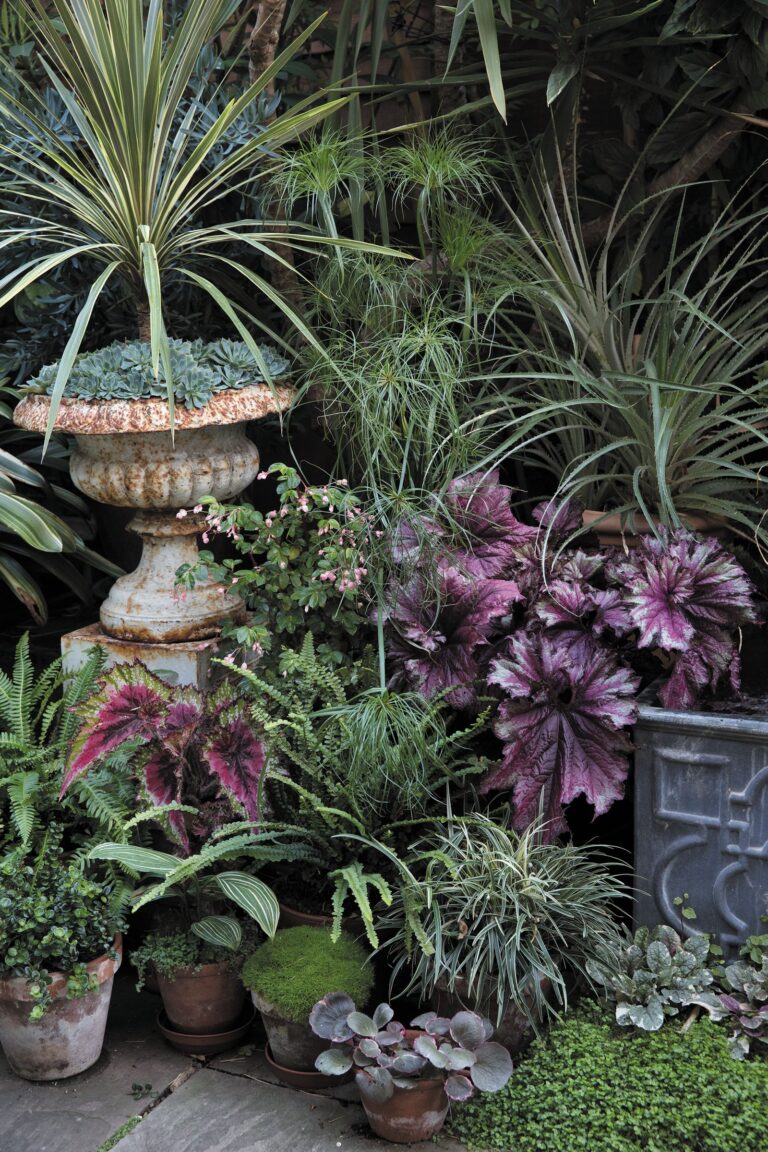
In the jungle container garden, the palette is the backbone of scale, texture, and mood. Begin by selecting a core trio of structural plants that tolerate container life. Think tall, architectural leaves, broad-leaved tropicals, and sturdy evergreens that form a year-round silhouette. Combine them with mid-layer statement plants that spill and sway, and a ground layer of foliage with shifting color and texture. The goal is a layered tapestry rather than a flat display. Choosing plants that share similar humidity and light needs reduces maintenance and boosts success.
For a lush, rainforest-like feel, prefer plants with bold foliage: elephant ears (Colocasia or Caladium), sword ferns, crotons, and cordyline. Pair these with flowering or foliage accents such as bromeliads, anthuriums, and philodendrons. If you want seasonal drama, include annuals that bloom in succession or small flowering perennials that tolerate partial shade. The key is cohesion: keep a consistent whisper of color, shape, and scale in every pot grouping.
Design your palette around the concept of a microclimate: sun-drenched spots under a bright window, and shaded, high-humidity corners in which ferns and caladiums thrive. When you draft plant lists, map each plant to three criteria: light exposure, water demand, and soil type. This triage helps you avoid mismatches that lead to stress or disease. Build in repeats and echoes—two to three leaf shapes repeated across pots, with one or two flowering accents to draw the eye. This rhythm creates a cohesive jungle even as you scale up.
To maximize impact, group plants by their needs rather than by pot size alone. A single pot might host a small trio of companions that share similar water and light requirements, while a larger container can act as a drama island with a tall focal plant and understory layers. Use color theory wisely: cool greens and blues recede to create depth, while warm tones like reds and oranges come forward, giving the illusion of a denser, more immersive canopy. Above all, document your palettes and tag each plant with care notes so your repeated designs stay consistent year after year.
Container and Substrate Strategies for Optimal Drainage
The foundation of a healthy jungle container garden is a well-drained, high-organic substrate. Start with a base of lightweight potting mix amended with perlite or pumice to improve aeration. A moisture-retentive top layer, such as composted bark or coco coir, helps plants hold moisture during dry spells without becoming waterlogged.
Container choice matters as much as soil. Choose pots with adequate drainage holes, saucers to catch excess moisture, and the right overall heft to support large foliage. For tall specimens, use deeper pots to accommodate root development and to stabilize top-heavy crowns. In many cases, a double-pot approach works: a decorative outer container hides a fabric- or plastic-lined inner pot that provides reliable drainage and water capacity.
Consider the container material’s interaction with heat. Terracotta and ceramic pots can wick away moisture in hot climates, but they also dry out faster. In hotter zones, pair these with water-retentive amendments and a consistent watering cadence. For shade-tolerant jungles, resin or fiberglass containers help reduce heat absorption and minimize soil drying between waterings. Use liners to protect interior surfaces from root damage and to simplify repotting when the jungle evolves over seasons.
Layer your substrate for resilience. Start with a coarse drainage layer (gravel or expanded clay) to prevent capillary rise. Add a breathable, organic-rich mix as the main medium. Finish with a top-dressing of mulch or fine bark to stabilize moisture and suppress weeds. If you reuse old soils, refresh with compost and a splash of balanced fertilizer to re-energize microbial life. This layered approach supports robust roots, vigorous growth, and a durable, long-lasting jungle container garden.
Irrigation, Watering Tactics, and Moisture Management in Dense Plantings
Moisture management is non-negotiable in a jungle aesthetic. The goal is uniform moisture without standing water. Establish a routine that aligns with your climate and container size. Lightly water when the top inch of soil dries, then water deeply to moisten the root zone. In hot, windy days, check soil surface more often and adjust frequency accordingly.
Automated irrigation is a boon for jungle container projects. A drip system or soaker hose with a timer ensures consistent hydration while reducing labor. Use a moisture sensor in at least one representative pot to gauge soil conditions across the group. In areas with high humidity, let the system run in the early morning to minimize evaporation and leaf burn.
Mulching with forest-like materials—pine needles, shredded bark, or cocoa husk—helps regulate soil temperature and reduces evaporation. It also adds microhabitats for beneficial soil organisms. Layer mulch to a depth of 1.5 to 2 inches, avoiding contact with stems to prevent rot. When you suspect a plant is water-stressed, check both the topsoil and the pot’s drainage layer; healthy roots will feel firm, not soggy or dry. If you garden in containers that heat quickly, consider self-watering pots or capillary mats that provide a steady baseline moisture level without over-saturating roots.
To monitor consistency, keep a simple watering log. Record the date, pot, and approximate moisture level. Over weeks, you’ll identify typical drying curves for each pot class and plant group, enabling precise watering windows rather than guesswork. In a true jungle vibe, small moisture fluctuations are normal; dramatic swings should be a signal to reassess drainage, substrate, or shading.
Lighting Mastery: Mimicking the Jungle Light in Containers
Light is the currency of growth, and in a jungle container garden, you must balance bright, indirect light with the need to avoid scorch on tender leaves. Most tropicals perform best in bright, filtered light. Place sun-loving plants near brighter windows with protection from the harshest midday rays. Shade-tolerant species can occupy indoor corners or north-facing balconies where light is softer but consistent.
When natural light is insufficient, supplement with full-spectrum grow lights positioned to mimic forest understory conditions. A staggered lighting plan—shorter days for tropicals during cooler months, longer days during peak growth—keeps growth steady and reduces etiolation. For overhead lights, aim for a 4000–6500K spectrum and a duration between 12 and 16 hours, adjusting by observation of leaf color and vigor.
Always monitor leaf orientation and color as you adjust lighting. Leaves that lean toward the light indicate insufficiency, while bleached or sunburned foliage indicates too much exposure. The jungle container garden thrives on a gentle, even light palette that keeps plants lush without harsh contrasts. Use reflective surfaces or white containers to bounce light into deeper canopy zones, and consider awnings or sheer curtains to diffuse direct sun without eliminating it entirely.
In indoor environments, vertical farming strategies—stacked rows, wall-mounted planters, and hanging baskets—maximize light use efficiency. For a cohesive look, select a core set of light-loving species and fit a rotating schedule to ensure every plant experiences a fair share of illumination across its growth cycle. By planning light with intention, you preserve leaf color, prevent leggy growth, and maintain the lush, vibrant feel of your jungle canopy.
Microclimates and Layout: How to Arrange for Sun, Shade, and Airflow
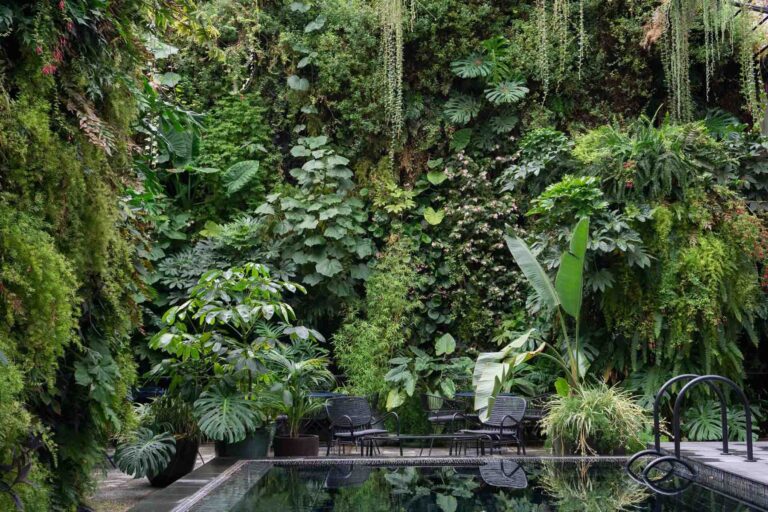
In the jungle container garden, microclimates emerge from the arrangement of pots, plant height, and the surrounding architecture. Create a layout that alternates sun-loving and shade-tolerant specimens to maximize land area without forcing plants into stress. A tiered approach—towers of pots, hanging baskets, and staggered ground-level containers—maximizes vertical space and creates a canopy-like effect.
Ensure airflow by spacing pots to allow air exchange around foliage. Stagnant air invites fungal issues and mildew, especially in humid climates. Rotate pots every few weeks so plants receive light from different angles; this promotes balanced growth and reduces leaning. If you grow in a covered porch or greenhouse, aim for a gentle circulation pattern with a small fan on low speed to mimic a rainforest breeze.
Group plants by water needs and humidity tolerance. Place moisture-loving ferns beside bromeliads and calatheas, and place drought-tolerant crotons or cordyline slightly farther apart. This strategic grouping not only reduces maintenance but also creates micro-habitats that support beneficial insects and pollinators when possible. Use plant tags or a simple color-coded system to keep track of microclimate needs as you expand your garden, since a little planning goes a long way in avoiding stress relationships between neighbors in the planter world.
Seasonal Planning: Planting, Propagation, and Succession in a Jungle Container Garden
Seasonal planning keeps a jungle container garden vibrant year-round. Start with a spring or early summer installation that includes a core structure of evergreen or semi-evergreen plants. Then accent with seasonal flowering varieties that suit container life and local climate. In temperate regions, you can extend color by layering cool-season bloomers with warm-season leaders that come on strong as the weather warms.
Propagation is a smart way to expand your jungle aesthetic. Propagate compatible tropicals through cuttings, division, or offsets. Keep mother plants strong by giving them a pleasurable growing environment, and use the new plants to fill gaps or refresh tired-looking pots. Maintain accuracy in naming and care instructions to ensure each new plant establishes robustly in its new container arrangement.
Succession planning helps you maintain a continuous display of color, texture, and movement. For example, succession can be achieved by staggering flowering varieties so that blooms roll in across weeks, not all at once. When a seasonal plant fades, rotate in a hardy evergreen or persistent foliage plant to preserve the jungle silhouette while you introduce the next wave of color. Keep a simple calendar noting bloom windows, pruning cycles, and anticipated pot refresh dates so you never miss a visual beat in your jungle container garden.
Pest Management and Plant Health in a Dense Jungle Container Garden
Dense plantings invite pests if you ignore early warning signals. Preventive strategies are simpler than reactive measures. Maintain good air movement, prune to improve airflow, and sanitize pruning tools between plants to prevent cross-contamination. Regularly inspect undersides of leaves for pests such as aphids, scale, and spider mites. Early detection is your best defense.
Adopt an integrated pest management (IPM) approach. Use physical barriers, remove infested leaves, and apply organic horticultural oils or soaps when appropriate. For fungal issues, ensure good drainage and avoid overhead watering late in the day. If you see powdery mildew or leaf spot, isolate affected plants and treat with recommended organic remedies. Always follow label directions and test any treatment on a small area first.
Beneficial insects can be a friend in a jungle environment. Plant diversity naturally supports pollinators and predatory insects that help keep pest populations in check. You can also design microhabitats with nectar-rich blooms that attract these allies. When you need quick wins, opt for targeted, minimal interventions rather than broad-spectrum sprays that disrupt the entire mini-ecosystem. A well-designed jungle container garden often relies on observation, not aggressive intervention, to maintain harmony among plants and pests alike.
Sustainability, Maintenance, and Longevity
A sustainable jungle container garden respects resources while delivering maximal beauty. Use rainwater or collected condensate where possible, and implement a harvesting plan for water reuse. Choose native or well-adapted tropicals inside your climate envelope to reduce stress and water demands. Regularly refresh the topsoil with compost to sustain soil biology and provide a continuous source of nutrients.
Maintenance routines should be consistent but not obsessive. Create a monthly checklist covering pruning, deadheading, soil moisture checks, and container refresh. Replace aging pots or broken hardware with durable, easy-to-clean materials. Revisit your plant list at the start of each season and prune or replace underperforming specimens so the overall look remains cohesive and lush.
To keep a jungle container garden thriving for years, you must manage waste and inputs thoughtfully. Composted plant debris can enrich potting mixes, while woody mulch breaks down slowly to feed soil life. When purchasing, select plants with robust disease resistance and plan for repotting every 1–2 years as root systems saturate containers. This refresh keeps your jungle dynamic and resilient. Consider rotating in rare tropicals as your climate allows to maintain novelty while preserving the overall jungle concept.
Measurement, Data, and Fine-Tuning Your Jungle Container Garden
Data-driven care makes a real difference in a showy, sustainable jungle container garden. Keep a simple garden journal noting plant performance, bloom dates, growth rates, and any pest activity. Track light exposure in each pot, watering times, and fertilizer applications. Over time, you’ll spot patterns: certain plants thrive in morning sun while others need shade, certain pots dry out faster, and some combinations encourage more dramatic color shifts.
Use a basic, repeatable framework to adjust. If growth stagnates, reassess light or humidity. If leaves yellow, check root health and watering cadence. When growth appears leggy, increase light or rotate plants to rebalance the canopy. Data-driven adjustments prevent guesswork and help you cultivate a confident, cohesive jungle container garden that looks natural, not contrived. A simple dashboard of what works where can become your best planning tool for future seasons and designs, especially as trends evolve toward pollinator-friendly combinations and cabbage-crush-inspired textures.
Final Guidance: Practical Checklists, Timelines, and Best Practices
Before you begin, write a concise project brief. Your brief should include goals, space, light patterns, and the plants you want to feature. With a clear plan, you’ll avoid impulse purchases that compromise the jungle theme. Build a seasonal calendar that maps planting windows to local climate realities and your desired bloom sequence. A simple plan makes maintenance predictable and enjoyable.
Adopt a practical budget and procurement approach. Create a plant wishlist and a reserve budget for replacements and seasonal accents. Install a basic irrigation and drainage plan early; it saves time and prevents frustration as your container garden grows. Remember that the jungle container garden thrives on steady care, not frantic, irregular interventions. Keep a running list of essential tools, spare parts, and a small reserve of soil mixes to avoid downtime during peak growth periods.
Involve nature and curiosity. Observe how leaves, textures, and colors respond to updated layouts. Try small experiments, such as rotating a single plant group or adding a new texture via a bromeliad or coleus. These adjustments keep the experience fresh and energizing while respecting the overarching jungle concept. Document changes and compile a mini-case study of what worked best so you can replicate success in future installations.
Finally, leverage credible sources and community knowledge. For instance, a reputable guide on container gardening can provide additional practical tips on layout, drainage, and plant compatibility. Explore this trusted resource: container gardening advice from the Royal Horticultural Society.
Conclusion: Embracing the Jungle Container Garden Journey
In conclusion, mastering the jungle container garden requires a fusion of thoughtful plant palettes, substrate mastery, precise irrigation, and intelligent microclimate design. Start with a strong structural backbone, layer in sculptural textures, and finish with seasonal color that travels across months. The approach blends rigorous planning with creative expression, delivering a living landscape that feels wild yet curated. It is the thoughtful alignment of light, water, soil, and plant choice that makes the jungle container garden sing and endure.
Take action now to turn your balcony, patio, or courtyard into a green sanctuary. Begin with a compact trial bed of 3 to 5 containers that showcase your core palette, then expand as you gain confidence and refine your routine. Remember to document outcomes and adjust as seasons shift. A jungle container garden is not just a collection of pots—it is a living, breathing design project that rewards patience, observation, and consistent care. Your lush, tropical-inspired space awaits; start designing your jungle container garden today.
Final reminder: the jungle container garden is a flexible, resilient, and endlessly rewarding way to bring the magic of the tropics to any urban or suburban setting. Embrace the process, follow the strategies outlined here, and watch as your containers transform into a verdant, wildlife-friendly oasis that thrives in 2026 and beyond.