Mono Floral Peony Bouquet Tutorial: Quick Guide
Foundations for a Mono Floral Peony Bouquet: Design, Materials, and Planning
Welcome to BloomHaven’s Foundations for a mono floral peony bouquet: Design, Materials, and Planning. In this guide, we explore the essential DNA of a mono floral peony bouquet—the design principles, the right materials, and a practical planning framework that helps you achieve a lush, cohesive arrangement with minimal fuss. The concept centers on letting the peony’s lush petals and fragrance shine, creating a timeless focal point for any table, mantel, or ceremony.
Design Essentials for a mono floral peony bouquet
Design starts with intent. For a mono floral peony bouquet, the focus is on shape, scale, and rhythm rather than mixing many flower types. Therefore, the bouquet reads as a single, strong voice that celebrates peony form. The key design ideas are balance, focal point, and flow. A central bloom acts as the heart of the arrangement, while surrounding buds and blooms echo its curves. The overall silhouette should be cohesive yet lively, with enough openness to show peony petals and color transitions. In addition, consider how the bouquet will be held or displayed—low, tall, or at a diagonal—and tailor stem length accordingly. This alignment between design and how the bouquet will be used is crucial for a polished result.
Proportion and scale matter. A mono floral peony bouquet should feel substantial without appearing bulky. Therefore, plan a diameter that fits the hand comfortably and a height that complements the space where it will be shown. Use rule-of-thirds thinking: place your focal bloom off-center to create movement while maintaining a sense of harmony. When you adjust the bouquet, step back frequently to observe from multiple angles. In addition, think about how stems will be arranged in the vase or wrap. A tight, compact core can be softened with a few longer stems that sweep outward, producing a graceful arc rather than a rigid column. Crucially, keep the arrangement breathable; too many blooms squeezed together obscure the peony’s texture.
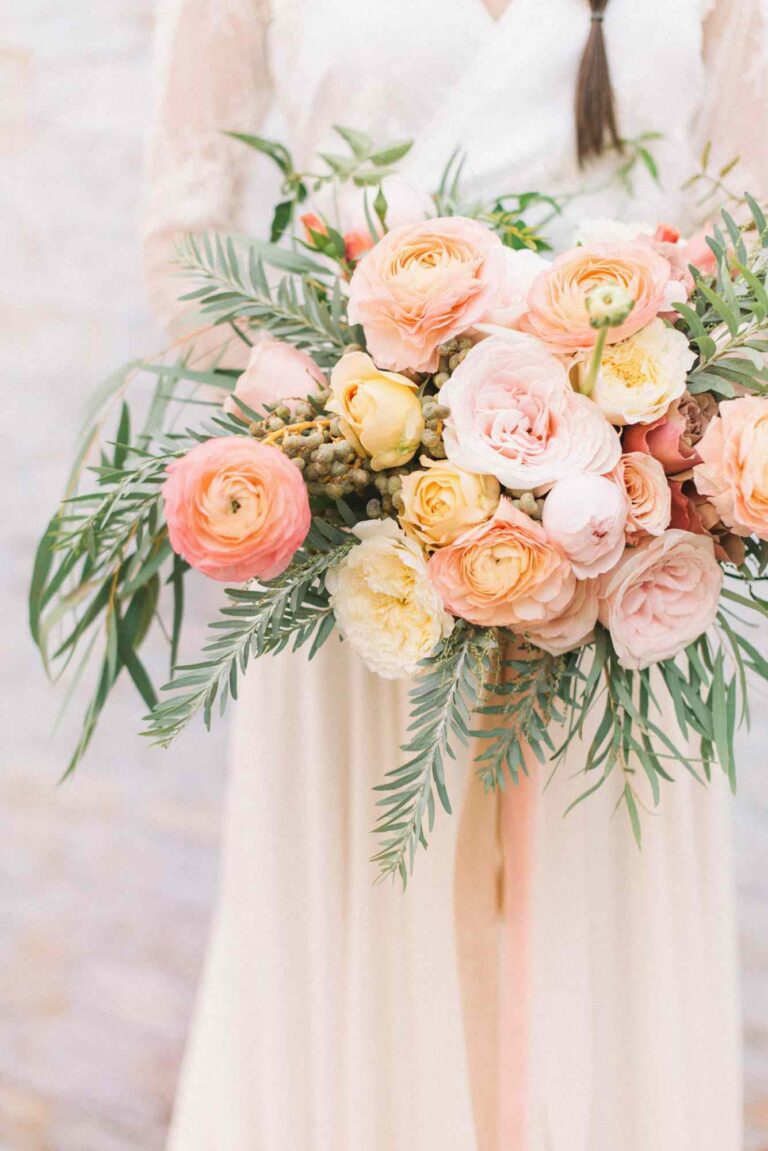
Palette and texture are equally important. A mono floral palette doesn’t demand monotony; it invites depth through form and shade. Start with a single color family—think blush pink, ivory, or wine red—and introduce variation with petals that are open, semi-open, and tight buds. This contrast in bloom stages creates visual interest while preserving unity. In addition, use minimal foliage to let peony petals shine. A few slender greens can outline the bloom and give a touch of freshness without overwhelming the flower’s singular beauty. Lastly, lighting matters. Natural daylight reveals subtle color shifts; warm indoor light can intensify the bouquet’s glow. Test your palette under the intended lighting before final assembly.
Timing and handling are crucial for a clean finish. The moment you select the blooms influences every downstream step. Therefore, establish a simple handling protocol: hydrate peonies in clean water, cut stems on an angle, and strip leaves below the water line. This ritual reduces water uptake resistance and prolongs vase life. In addition, when arranging, avoid over-handling blooms; gentle placement preserves petal integrity. If needed, use a light mist to refresh petals during assembly, but avoid over-wetting. A calm, methodical approach yields a more polished, magazine-worthy mono floral peony bouquet.
Mono floral peony bouquet: Palette and form
With a mono floral peony bouquet, you can still play with color depth and bloom form. Start with a single color family—soft pinks, ivory, or deep burgundy—and choose peonies that vary in bloom form, from cupped to open, to create texture. The variation in petals and bud stages adds visual interest while preserving unity. In addition, keep foliage minimal and controlled; a few long, slender leaves can outline the bloom without stealing attention. Crucially, always test your palette in a small sample before committing to a full bouquet. It helps ensure the color reads softly and harmoniously under your lighting conditions.
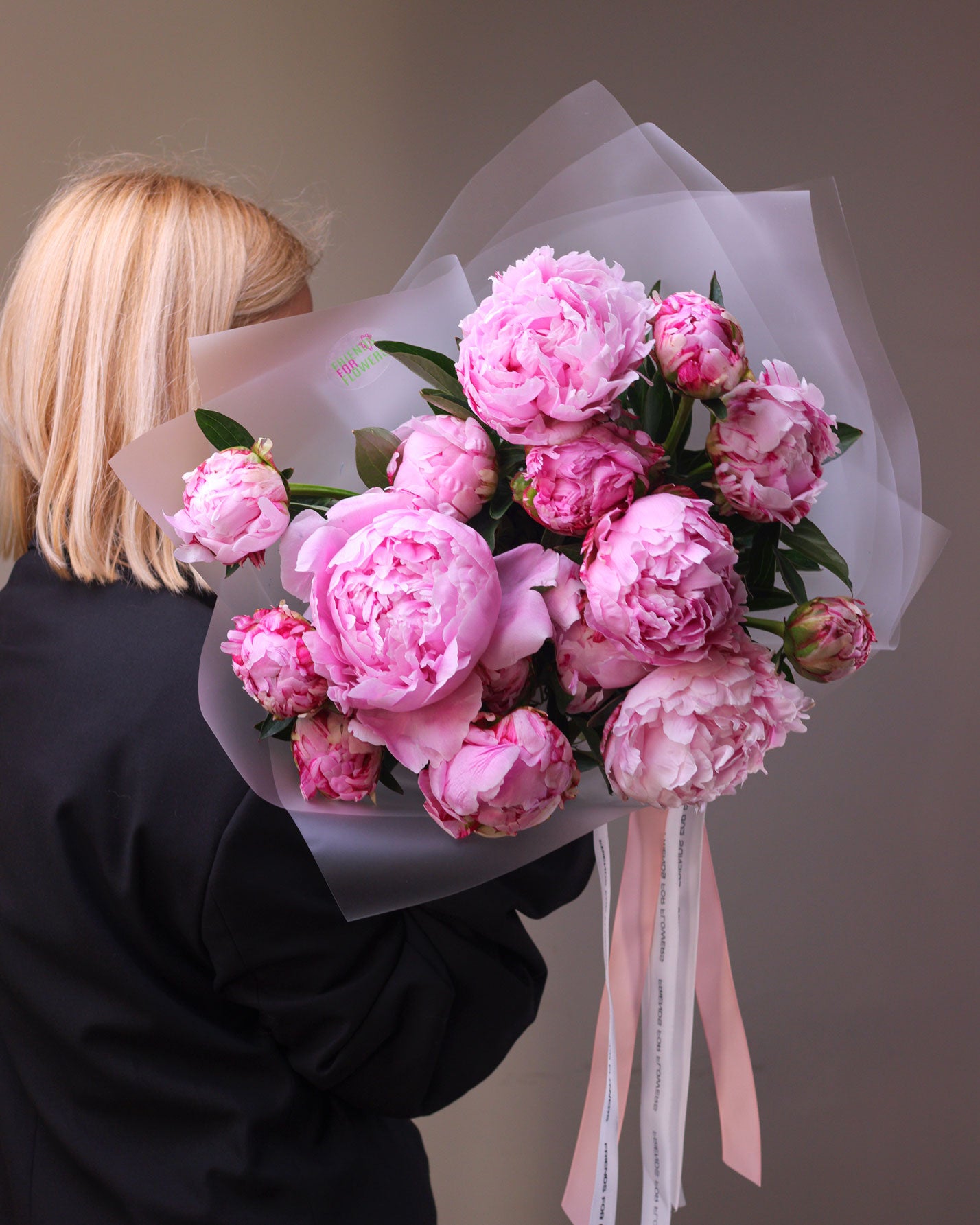
Consider form variety within the single color family. Pair large, showy doubles with more open, ruffled singles to create a dynamic yet cohesive surface. The central bloom can be a fully opened specimen, surrounded by buds that reveal their color as they unfurl. This assembly creates depth without breaking the mono theme. If fragrance is a priority, select varieties known for a pleasing scent and balance their strong aroma with calmer, equally aromatic partners. The result is a bouquet that feels both luxurious and approachable, perfect for weddings, anniversaries, or a striking centerpiece.
Planning the shape and height
Plan for three distinct planes: a lower layer of stems near the base, a midsection with open blooms, and a crown of high buds. This triangle creates depth and ensures the bouquet reads well from all angles. For a classic hand-tied look, assemble with the stem tips aligned to the same length and then tease petals into place to reveal the layers beneath. In addition, consider the event or setting to guide the height. A tabletop piece may require a lower crest, while a tall mantel display can support a higher silhouette. To avoid crowding, aim for a bouquet diameter that leaves a gentle hand hold and a bit of air around the blooms. Fine-tuning the balance between the core and the surrounding petals is often the difference between pretty and breathtaking.
Materials You’ll Need
Having the right tools and materials on hand makes the process smoother and faster. The aim is to protect stems, preserve flower freshness, and craft a bouquet that holds its shape. When you accumulate the essentials, you’ll enjoy consistent results, even on busy days. For a mono floral peony bouquet, you’ll want a curated kit that respects the flower’s delicate petals while offering sturdy structure for assembly. A focused set of materials reduces decision fatigue and keeps you in your design flow.
Quality stems are the backbone. Fresh, hydrated peonies with unblemished petals will translate into a more elegant final piece. Prepare by recutting stems at a 45-degree angle and removing lower leaves that would sit in water. Condition peonies in clean water with a gentle preservative if available, and keep them cool before assembly. A tidy workspace helps maintain surrounding conditions that peonies crave—moisture, moderate temperature, and minimal direct sunlight.
In addition to stems, assemble a small but complete toolkit. The kit should include a sharp knife or floral scissors, clean floral shears, floral tape, flower food, a vase or container for conditioning, and a wrap or ribbon for presentation. A few extra stems serve as backups in case you notice a weak bud or a bruised petal during construction. You may also want a water spray bottle for maintaining hydration during assembly and a floral knife for precise trimming in tight spaces. Finally, have a light-dimming plan for the workspace to keep flowers from overheating as you work.
Tools and supplies
Gather a sharp knife or florist scissors, clean floral shears, floral tape, and a reliable bouquet wrap or ribbon. A clean vase or a method for conditioning peonies is essential. You’ll also want floral foam or a water source if needed, though a well-balanced hand-tied approach often relies on floristry wire or subtle threading to hold form. Keep a spray bottle handy for misting peonies during the build and conditioning period. In addition, stock small clippers for precision cuts and a floral knife to nick stems when needed. Using fresh water and conditioning solutions will extend vase life, especially during warmer days.
Peony varieties for a mono bouquet
Choose varieties that combine to give you a unified look. Classic, large-petaled peonies like ‘Sarah Bernhardt’ offer dramatic fullness, while ‘Bowl of Beauty’ provides a cupped form with a soft color. If you prefer fragrance, look for varieties known for a strong, sweet scent. By selecting 2–4 compatible varieties, you create a cohesive bouquet while still enjoying gentle variation. Crucially, ensure stems are long and sturdy enough to support the bloom weight, or use gentle wiring techniques to secure heavy heads.
Planning and Sourcing
Planning and sourcing are the backbone of any bouquet project. A well-timed approach minimizes waste and guarantees peak blooms on the big day. For a mono floral peony bouquet, plan around peony season, which typically peaks in late spring to early summer in many regions. With careful scheduling, you can coordinate harvest times, preparation, and delivery to ensure your bouquet looks fresh and vibrant. Therefore, a simple calendar and shopping list becomes your best companion—mark bloom windows, storage days, and assembly deadlines so you stay on track. In addition, think about your supplier relationships. Local growers can offer fresher stems and better color matching, while reputable wholesalers provide consistency when you need quantity.
Seasonal sourcing matters. For fresh bouquets, select stems with tight buds and sturdy stems to ensure a long vase life. If you are new to buying peonies, start with a trial run to learn timing and quality cues. For extra context on peonies, visit this guide on peonies care and planting peonies.
A practical sourcing checklist
- Confirm bloom stage: tight buds or partly opened for a staged reveal.
- Check stem quality: avoid limp or bruised stems, which shorten vase life.
- Ask about water life and nutrients from the supplier.
- Order a backup bunch in case of petal drop or damage during transport.
Planning also means budgeting. Decide your target stem count early and allow some flexibility for unexpected weather or shipping delays. Budget planning helps you control costs while achieving your desired density and height. A well-planned mono floral peony bouquet can deliver maximum impact with fewer varieties, reducing complexity and carrying a timeless elegance that resonates in 2026 lighting and photography styles. For more about peony care and cultivation, explore credible sources on peonies peonies.
Conclusion: the assembly timeline is your backbone. In the next section, Part 2: Arranging and Finishing a Mono Floral Peony Bouquet, we move from foundations to hands-on technique, showing you how to bring the planned structure to life with confidence.
Core Techniques for Building a Mono Floral Peony Bouquet: Step-by-Step Guide
In this section we unveil the core techniques to craft a mono floral peony bouquet that is cohesive, durable, and visually arresting. By following a deliberate sequence, you can achieve a balanced composition that highlights the beauty of peonies while maintaining practical longevity. This mono floral peony bouquet approach emphasizes consistency of bloom type, stem handling, and a clean, refined presentation that works beautifully in modern homes and traditional arrangements alike.
First, it all begins with selection. The right peonies set the foundation for the entire bouquet. When you choose a mono floral peony bouquet, you want stems that are sturdy, with generous bud depth and a calm, unbroken color story. Look for peonies that share similar stem thickness so the bouquet reads as a single mass rather than a collection of disparate pieces. Consider cultivars that hold their form well after cutting and during hydration. If you are working with a specific color palette, stay within that tone family to preserve the monochrome feel. Specifically, a mono floral peony bouquet benefits from varieties that open to lush, rounded blossoms with soft centers, creating the visual weight you need to anchor the arrangement.
Next comes conditioning and preparation. Conditioning is essential to maximize vase life and prevent wilting. Trim the stems at a clean angle under running water, then place immediately into a clean vase with fresh water and floral food. Remove any leaves that will be submerged in water to prevent decay and odor. In a mono floral peony bouquet, even small foliage choices must be purposeful; only keep leaves that contribute to the silhouette and acuity of the stem line. Furthermore, keep peonies cool as you work to slow respiration and preserve turgor until the bouquet is assembled. By-conditioning your peonies, you set the stage for a bouquet that stays lush longer and photographs beautifully in natural light.
Structure and proportion dictate how a mono floral peony bouquet reads from all angles. Begin with a central focal bloom or cluster that anchors the design, then build outward with secondary stems that support and frame the center. The goal is a rounded, opulent mass that remains elegant rather than crowded. For a mono floral theme, the emphasis on symmetry and repetition matters more than contrast; small variations in stem height and bloom size can add depth without breaking the monochrome unity. Use teardrop or ball-shaped peonies to create a soft, continuous circle of color, and ensure the stems rise to a similar crown height to maintain a cohesive silhouette. Specifically, the bouquet should feel like a single bloom in miniature, with careful spacing that lets each peony breathe while still contributing to the overall mass.
Designing the bouquet also involves a considered approach to balance. In a mono floral peony bouquet, balance comes from the distribution of blooms and the rhythm of stem lengths rather than color shifts. Position longer stems toward the back or at the sides to create a graceful arc, and place shorter stems toward the perimeter to maintain a lush edge. A well balanced mono floral peony bouquet appears equally compelling from all viewing angles, a quality that makes it ideal for photos, tabletops, and reception spaces. To achieve this, imagine a gentle, even circumference around the central bloom and adjust as you add stems so no side looks visually heavier than another. Transition words like consequently and accordingly help describe these adjustments as you move through the arrangement process.
Now, you will build the bouquet in stages, a method that keeps the workflow orderly and reduces the risk of overstuffing. Stage one establishes the core mass: two to three primary peonies placed at the heart of the arrangement. Stage two adds secondary stems around the core, varying height slightly to create a rounded profile. Stage three fills any gaps with additional blooms only where needed to sustain the monochrome theme without overpowering the central mass. Finally, stage four adds a subtle reinforcing ring of peonies along the outer edge to define the perimeter. Throughout this process, keep the stems aligned and avoid twisting or bending them, which can create an uneven appearance and reduce stem comfort in the vase. By adhering to these stages, your mono floral peony bouquet emerges as a singular, harmonious statement rather than a cluster of discrete blooms.
Finishing touches are the difference between a good bouquet and a stunning one. Secure the stems with floral tape just below the bloom line, then wrap with a clean ribbon that complements the color story. For a more modern, minimalist look, a satin ribbon in a muted tone works beautifully with pale pink and white peonies, while a deeper hue can anchor a burgundy or coral palette. Ensure the bouquet is plump and evenly distributed before wrapping, and trim the stems one final time to ensure they sit evenly in the vase. Hydration is essential after finishing, so place the bouquet in a clean container with fresh water and keep it in a cool, shaded spot until it is time to display. For longevity, add a teaspoon of sugar or a commercial flower food to the water, which helps to nourish the stems as they drink in the fresh supply. This is especially important for a mono floral peony bouquet, where the uniform bloom type can suffer from dehydration if not properly treated.
Display considerations matter as much as the build itself. If you plan to photograph or present the bouquet in a venue, test how it looks from different angles. In a mono floral peony bouquet, the repetition of blooms means lighting can dramatically influence perception; soft, diffused light often reveals the bloom shapes best and reduces harsh shadows. Additionally, consider the vase choice; a simple, clear glass vase highlights the color and form without competing with the blooms themselves. However, a pale ceramic vase can add a touch of elegance and help ground the arrangement in a tactile space. If you are transporting the bouquet, wrap it in moisture-retaining tissue and secure it in a protective sleeve or water tubes to prevent damage during transit. You can learn more about practical peony care and handling tips at a trusted horticulture resource such as a garden almanac’s guidance on peonies.
As you work, stay mindful of the focus keyword mono floral peony bouquet. The repetition reinforces the central concept while keeping the article aligned with search intent for readers seeking quick, reliable guidance on this precise style. Specifically, the emphasis on uniform blooms and controlled volume helps ensure the final arrangement is cohesive and visually soothing, a hallmark of BloomHaven’s aesthetic. When you are ready to step into the next phase of the tutorial, you will find additional strategies in the upcoming Part 3, where we explore finishing, storing, and presenting your mono floral peony bouquet for maximum impact.
Finally, to close this stage with a practical reminder: avoid peonies that show signs of stress such as limp petals, brown edges, or uneven color. Such defects can disrupt the unity of a mono floral peony bouquet and reduce its visual harmony. If you encounter mixed quality stems, select those with the most uniform bloom formation and strongest stems to maintain the seamless look that defines this style. This disciplined approach to selection, conditioning, and design ensures that your mono floral peony bouquet remains a compelling, high-impact centerpiece from vase to display.
Next, in Part 3, we will dive into Finishing, Storing, and Displaying Your Mono Floral Peony Bouquet, with detailed care routines, transport tips, and display ideas to maintain peak freshness and elegance.
Advanced Strategies and Final Guidance for Mono Floral Peony Bouquet Success
In this final section, we translate core principles into actionable systems you can deploy at scale. The mono floral peony bouquet is deceptively simple, but its impact hinges on precision, presentation, and persistent optimization. Below, you will find advanced sourcing, assembly, display, and SEO strategies designed to elevate both your craft and your content. Ultimately, these practices help you deliver consistent results, win visual attention, and sustain reader trust over time.
mono floral peony bouquet: Precision in Material Sourcing for Consistency
Consistency begins with the raw materials. For a mono floral peony bouquet, variability in stem length, bud stage, and flower size can derail the final look. Therefore, implement a formal sourcing protocol that you apply with every purchase.
- Establish a preferred vendor list with seasonal windows. Peonies peak in spring, and local farms often offer the best vase life when picked at the right stage. Build relationships that allow you to preview stems before delivery.
- Create a quick quality check sheet. Look for uniform bud development, minimal petals that are damaged, and strong stems with clean nodes. Weigh stems if you need biometric consistency across batches.
- Standardize stem length targets. For a mono floral look, aim for a narrow range of lengths that keep the bouquet upright without overcrowding. This reduces trimming time and ensures a clean silhouette.
- Track vase life expectations by cultivar. Some peony varieties last longer in conditioning water than others. Record findings and adjust your assembly plan accordingly.
In practice, you’ll notice better uniformity when you treat vendors as partners. Schedule regular feedback loops and share image-based quality benchmarks. This collaborative rhythm minimizes surprises on delivery days and keeps the mono floral aesthetic intact.
mono floral peony bouquet: Structural Mastery for Longevity
Structure is the backbone of a bouquet that remains elegant from the moment it’s assembled to the final display. The mono floral peony bouquet demands a clean, vertical silhouette with a gentle taper that guides the eye toward a focal bloom without crowding.
- Prep stems with clean cuts at an angle. Remove excess lower leaves that would sit in water and promote rot. This simple step extends vase life and improves water uptake.
- Use a minimal, foam-free approach where possible. A small, discrete floral tape anchor or a lightweight, water-filled reservoir around the stems can maintain alignment without bulky mechanics.
- Condition water daily and recut stems every 2–3 days. Translucent that water stays clean, and recuts prevent a compromised water column from dulling blooms.
- Achieve a controlled spiral or fan-like arrangement depending on vase shape. A consistent pattern makes the bouquet read as intentional artistry, not random stems.
Longevity comes from disciplined maintenance. When the bouquet holds up during transport or in a vase, your audience experiences the craft as experienced, not improvised. That perception fuels trust and repeat engagement with your content and services.
mono floral peony bouquet: Color, Texture, and Form for Maximum Impact
Color is what first draws the eye; form is what keeps it lingering. In a mono floral peony bouquet, the color story should be cohesive, with subtle variations that add depth without breaking the unity. Texture is the second-order hero, adding tactile richness even in flat photography.
- Choose a dominant color family and curate variations within that range. For example, blush to pale pink peonies create a soft gradient that photographs beautifully in natural light.
- Emphasize form by pairing peonies with greenery that won’t overpower the petals. Keep foliage restrained and evenly spaced to maintain a refined silhouette.
- Utilize negative space to avoid a crowded look. The absence of clutter allows each bloom to breathe, which reads as sophistication in both photos and real display.
- Leverage lighting strategies that enhance natural color. Morning or late afternoon light softens edges and reveals the bouquet’s delicate blush transitions.
When you narrate color decisions in your captions or tutorials, you guide readers through a visible decision process. This transparency invites engagement, shares expertise, and reinforces your authority in floral design.
mono floral peony bouquet: Care, Display, and Transportation Tactics
Display and transport are often overlooked in the excitement of design. Yet the way you present and move a mono floral peony bouquet communicates quality and care. Below are robust practices to ensure a flawless experience from studio to client hands.
- Packaging matters. Use a lightweight, rigid container to protect blooms during transit. If you must wrap, opt for a minimal, translucent wrap that preserves the bouquet’s shape and color.
- Temperature discipline. Keep the bouquet cool in transit and away from direct sun. Even short exposure to heat can reduce vase life and alter color perception on arrival.
- Display rules for events and galleries. Elevate the bouquet by placing it at eye level with clean, neutral backgrounds. Avoid cluttered surroundings that compete with the peonies’ natural beauty.
- Home care guidance for recipients. Provide a simple card with recutting tips, water refresh schedules, and a note on ideal vase placement. Small, actionable steps improve overall satisfaction.
These practical details are the difference between an arrangement that photographs well and one that travels well in real life. They also fuel positive reader experiences, encouraging shares and saves on Pinterest and other platforms.
mono floral peony bouquet: SEO, Visuals, and Pinterest-Ready Tactics for 2026
Search engine visibility and visual discovery are inseparable in a modern floral blog. A mono floral peony bouquet thrives when your SEO and visuals align with reader intent and platform trends. Here are actionable tactics you can implement now.
- Technical on-page: Use a clean URL structure, meta descriptions with a strong call to action, and alt text that describes both color and form. The focus keyword should appear naturally in headings and the opening paragraph.
- Internal linking: Connect this pillar piece to product-centric pages, care guides, and gallery posts. Interlinking reinforces topical authority and improves dwell time.
- Visual strategy: Create a Pinterest-friendly vertical image set. Shoot multiple angles, include a straight-on shot, and a 45-degree view to convey depth. Add a compelling, keyword-rich alt tag and pin description.
- Content diversification: Develop a quick 60-second video demonstrating assembly and a 5-minute written checklist. Repurpose into carousel slides for Instagram and a pin-worthy infographic for Pinterest.
- Outbound resource: For deeper care guidelines, see the detailed guide at Gardenia Net: Peony Guide.
Modern readers consume content across formats. By harmonizing SEO signals with compelling visuals, you increase discovery and engagement for mono floral peony bouquet content across search and social ecosystems.
mono floral peony bouquet: Troubleshooting and Adaptive Techniques
Even the best plans encounter hiccups. The true professional anticipates issues and has ready-made adjustments. Below are common scenarios and practical fixes that keep your bouquet on-brand.
- Inconsistent bloom maturity: If some stems open faster than others, adjust the arrangement to place a few later-opening blooms as anchors, while earlier blooms taper toward the edges.
- Water quality concerns: If the water looks cloudy or smells off, perform a quick recut and replace the water with fresh, clean conditioning solution. Always sanitize any container before use.
- Transport hiccups: If a bouquet shifts in transit, secure with minimal wrapping and a light external band to hold the shape without crushing petals.
- Photographic variances: If color appears off in photos, shoot under consistent lighting and white balance. Real-world color may differ slightly; note this in captions to set reader expectations.
Documenting these adjustments helps you refine both your craft and your content. It also builds trust with readers who value practical, proven guidance over theory alone.
Conclusion: Bringing It All Together for a mono floral peony bouquet
In summary, the mono floral peony bouquet combines precise material sourcing, structural mastery, color-driven composition, and meticulous care and presentation. When you weave these elements with intentional SEO and visual strategies, you create a reliable blueprint for both makers and readers. You establish authority, consistently deliver quality, and grow your audience with delightful, usable content.
To conclude, embrace the integrated approach outlined here: refine sourcing, perfect structure, sculpt color and texture, streamline care and transport, and align your visuals and SEO for 2026 trends. This is how you achieve sustained success with the mono floral peony bouquet. Ready to elevate your floral storytelling? Start applying these steps today and watch engagement, shares, and orders rise. mono floral peony bouquet