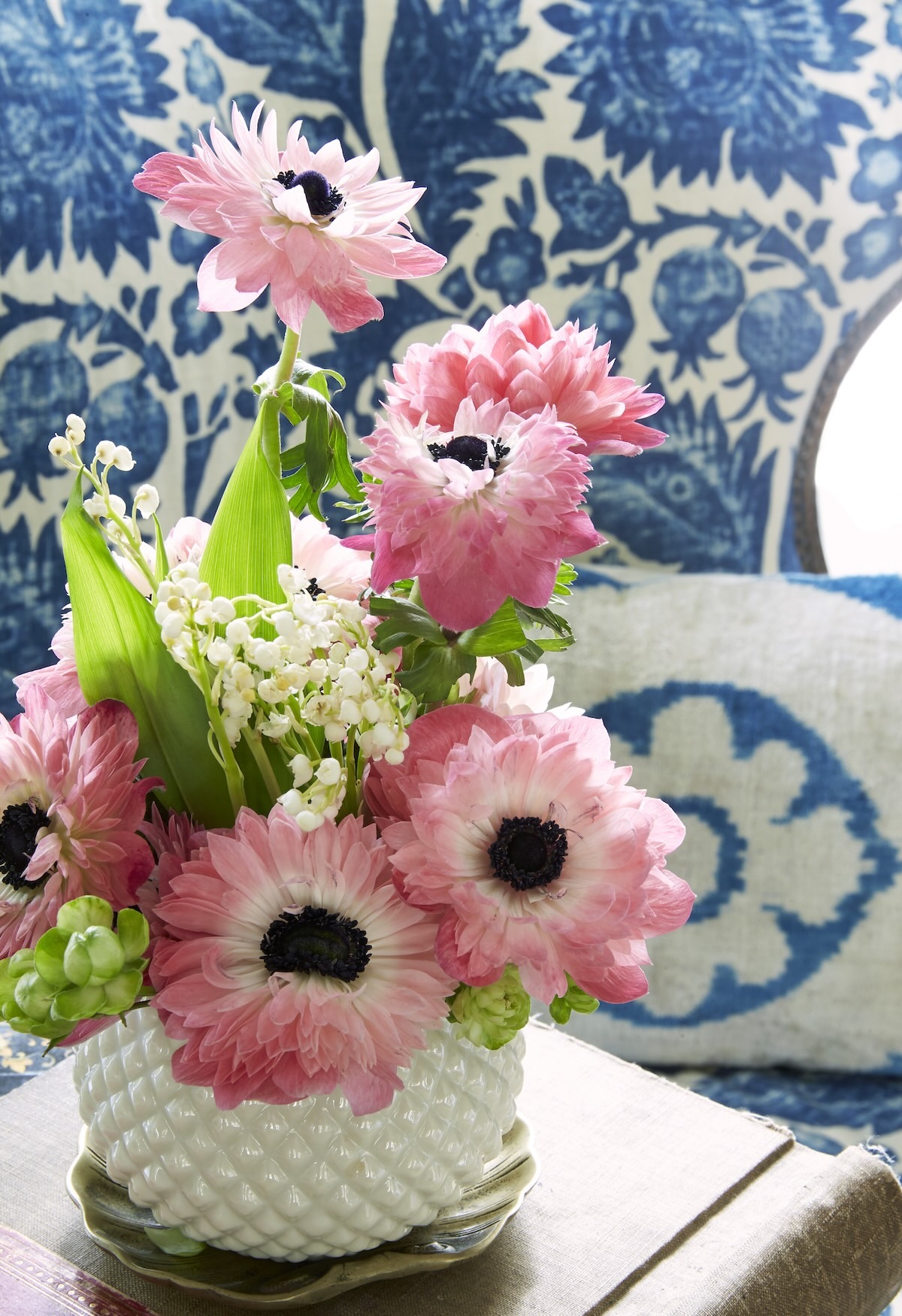
Anemone Vase Arrangements: Expert Guide
Welcome to BloomHaven’s Foundational Guide to anemone vase arrangements. In 2026, Pinterest trends like cabbage crush, wildflowers, peonies, and pollinator-friendly plantings inspire fresh, photogenic displays. This guide helps you master the art of anemone vase arrangements, from selecting varieties to crafting color palettes that carry mood and longevity. You will learn the fundamentals that keep stems healthy, colors harmonious, and displays instantly gift-worthy. Each step builds confidence, whether you’re composing a weekend bouquet for family dinners or designing wedding-ready centerpieces that photograph beautifully for social feeds. By focusing on clean water, careful conditioning, and layered textures, you can create stunning displays that stay vibrant longer from market shelf to table.
Foundational Guide to Anemone Vase Arrangements for Stunning Displays
Understanding Anemone Varieties for Vase Arrangements
Anemones come in several popular varieties, each with distinct bloom forms and stem characteristics. The De Caen group often offers tender, soft pastel tones with generous petal count. Coronaria types tend to be more dramatic, with bold colors and a slightly firmer texture. Royal Icing whites and vivid jewel tones can be found across cultivars, but the best vase life usually comes from sturdy stems and clean, unfurled petals. When you plan anemone vase arrangements, match the variety to your desired mood: airy and romantic, bold and modern, or garden-friendly and casual. In general, early-spring to late-spring windows host the strongest stems, while some varieties perform well into early summer. Selecting varieties with straight, unblemished stems will reduce the need for frequent re-cutting and improve overall display longevity.
Popular varieties and bloom characteristics
De Caen anemones are smaller and lighter, often with flirty, soft edges. Coronaria often deliver larger blooms with a more classic cup shape. Royal series adds vibrant color blocks that read well in photos. Consider bloom size, petal thickness, and stem length when pairing with other stems. For a cohesive look, group by the bloom scale and keep taller varieties toward the back or center of the arrangement. This approach supports balance and prevents crowding, ensuring every bloom has air and visibility. For a calm, monochromatic display, pair pale coronaria with white stock or waxflower. For a high-contrast centerpiece, combine deep pinks or purples with lime-green filler foliage.
Seasonal availability and vase-life expectations
Seasonal cycles influence both color options and stem strength. Early-season shipments often feature fresher, less mature stems that require careful conditioning. Mid-season batches can offer richer colors but may be slightly more delicate. Always trim stems on arrival and place them immediately in clean water. Use sharp pruners to avoid crushing the stem. A quick recut before arrangement helps the stems drink efficiently, extending vase life. In general, expect anemones to last 5–10 days with proper care, with the right conditioning and water quality pushing toward the upper end of that range.
Vase Selection and Floral Design Principles
Vase choice shapes the look and longevity of anemone vase arrangements. The right container supports stem structure, reduces droop, and enhances color perception. Short, round vessels create intimate bouquets. Taller, cylindrical vases emphasize vertical lines and draw the eye upward. Avoid very narrow openings for large blooms, which can cause stems to bend or kink. In addition, consider the vase’s color, texture, and weight; heavier vessels anchor lighter sprays, while transparent glass highlights the flower’s silhouette and petal integrity. When pairing anemones with other stems, establish a clear focal point and use the surrounding elements to frame it. This approach produces a professional, magazine-worthy display that still feels approachable.
Proportions, balance, and focal points
Establish a central focal bloom and arrange secondary stems around it. A good rule of thumb is 1-2 primary blooms for every 3-5 supporting stems in a compact vase. For larger showpieces, use a broader base and more greenery to distribute weight. Keep lines clean and avoid overcrowding. Height variation adds drama; place taller stems slightly off-center to create movement while ensuring the main blooms remain visible from the front. Finally, mind the color progression: light to dark or cool to warm should occur in a controlled curve so the eye moves naturally through the arrangement.
Color Theory and Focal Points in Anemone Vase Arrangements
Color theory is your ally when designing anemone vase arrangements. Start with a primary color family and then add accents that either harmonize or pop. Monochromatic schemes using variations of white, pink, or purple create serene displays, while complementary pairings—such as crimson anemones with chartreuse foliage—produce energetic, contemporary looks. In addition, consider the season’s natural palette and the venue or table colorways. You can reference the same color relationships used in fashion and interior design to maintain cohesion across imagery and real-life displays.
Color schemes that elevate anemones
Soft pastels work beautifully for weddings and formal events, especially when paired with airy greenery. Bold jewel tones demand a modern setting and strong background materials. For a natural garden vibe, mix muted tones with delicate greens and soft textures. When you’re unsure, lean on a triadic or analogous color approach to create balance without overpowering the blooms. Always test color combinations in a small trial vase before committing to a full centerpiece.
Creating focal points with height and texture
Texture is the secret weapon for vibrant displays. Combine smooth anemone petals with feathery astrantia, spiky delphinium, or airy ranunculus to build interest. Use height variation to steer the viewer’s eye toward the main bloom. A single tall stem can anchor the composition, while clusters of shorter blooms provide depth. Foliage with matte texture reduces glare and frames the blossoms, letting their color and form shine. In addition, consider the lighting conditions; under bright light, high-contrast color pairings can read strongly in photographs and in person alike.
Care, Longevity, and Freshness
Care habits are as important as the blooms themselves. Start with clean water—always. Change water daily or every other day for optimal freshness, especially in warmer rooms. Trim stems at an angle before placement to maximize water uptake. Use a knife or sharp scissors rather than crushing tools that can damage the vascular tissue. Temperature matters: keep arrangements in a cool room away from direct sun and drafts to extend vase life. If foliage browns, remove it promptly to prevent bacterial growth that can shorten bloom life.
Hydration, water quality, and preservatives
Use room-temperature water and consider a floral food packet when available. If you don’t have floral food, a pinch of sugar and a drop of bleach can help, but use sparingly. Re-cut stems every 2-3 days and refresh the water. Clean vases prevent bacterial growth that causes wilting and cloudiness. If you notice petal scorch or drooping, reassess light exposure and water intake. Cracking the vase to increase air circulation around the stems can also improve longevity for delicate blooms.
Maintenance for lasting displays
Keep the display out of high-traffic zones to avoid accidental damage. Rotate arrangements to distribute light exposure evenly, which reduces uneven aging of petals. Dust the petals occasionally with a soft brush to maintain color clarity and visual appeal. While anemones are relatively sturdy, avoid placing them near ripening fruits, which emit ethylene gas that can hasten aging. For event setups, prepare backups in case a few blooms fail to open fully; this ensures your centerpiece remains flawless throughout the occasion.
Seasonal Variations and Event-Ready Setups
Seasonality guides color choices and assemblage ideas. Spring and early summer markets shine with pale pinks, whites, and lavender tones, while late spring can yield bolder blues and purples. For weddings, create uniform focal points with consistent height and a cohesive color story. For casual gatherings, mix in wildflower-inspired accents like poppies or feverfew to evoke a garden-fresh vibe. Event-ready setups benefit from sturdy containers, clear labeling for team reproduction, and pre-assembled components that travel well, such as pre-cut stems and ready-to-arrange clusters. The aim is to deliver a display that reads as polished yet approachable, reflecting BloomHaven’s ethos of joyful florals that are easy to recreate at home.
Seasonal palettes with anemones
Spring palettes lean on soft pinks and whites, plus lush greens. Early summer invites bolder contrasts and citrus greens. Autumn-inspired pairings can feature deep burgundies with amber-toned foliage for warmth. Keep a few evergreen stems on hand for year-round structure. By planning color stories around the season, you’ll align your anemone vase arrangements with nature’s rhythm and audience expectations across platforms.
Event-ready arrangements for celebrations
For weddings, fragile stems may need extra support in the vase. Use floral frogs or grid techniques to hold stems upright. Centerpiece size should align with table dimensions and guest seating. For parties, create multiple smaller arrangements rather than a single oversized bouquet; this increases visual impact across the room and reduces the risk of one centerpiece wilting. Remember to label care instructions for coordinators and hosts so that reproductions stay consistent.
Outbound resource: For practical vase-life tips and conditioning advice, see The Spruce: Growing Anemone Flowers.
In summary, foundational principles such as variety selection, vase type, color strategy, and care routines converge to produce dependable, stunning anemone vase arrangements. The next section of this guide will translate these principles into practical step-by-step techniques you can apply immediately, including arranging templates, layering methods, and troubleshooting tips. Look forward to Part 2: Advanced Techniques for Anemone Vase Arrangements.
Core Techniques for Creating Consistent Anemone Vase Arrangements
Consistency in anemone vase arrangements begins with deliberate decisions about varieties, stem preparation, vase foundations, and palette. When these elements align, you gain a reliable framework you can repeat across clients, events, and seasons. In this section, you will learn practical, repeatable techniques you can apply in a studio or at home to deliver cohesive shapes, balanced color, and graceful movement that highlight the delicate charm of anemones. As 2026 design directions influence whether your arrangements lean toward modern minimalism or lush, garden-inspired displays, these core techniques provide a solid backbone for versatility and consistency.
Choosing the Right Varieties for anemone vase arrangements
The first pillar of consistency is selecting anemone varieties whose bloom size, petal structure, and stem vigor align with your typical vase sizes and display goals. Single-flowered De Caen types deliver clean, classic lines with a crisp silhouette that reads well in tighter, modern vases. Double forms add fullness and a softly sculpted effect, which can support mid-sized arrangements without overwhelming the container. Consider color potential as well: whites and pale pinks bring brightness; purples and blues add depth; and bold reds or blush tones can anchor seasonal palettes. Planning ahead for bloom timing is essential; you want varieties that open reliably, hold well after conditioning, and travel gracefully to event sites without premature browning. The goal is a consistent bloom profile that translates into predictable shapes and movement across setups.
Varietal Characteristics for anemone vase arrangements
In practice, you will often blend a primary variety with supportive forms to create a cohesive line. A primary, open-faced variety defines the shape and color narrative, while a secondary form fills gaps and reinforces symmetry. Pay attention to stem length, stem rigidity, and the tendency of certain cultivars to neck or droop under weight. Shorter stems are ideal for low, table-ready designs, whereas longer stems suit tall, column-like vases. When you group multiple varieties, maintain a clear hierarchy: focal blooms should sit at or above the eye level of the arrangement, while supporting stems provide line and texture beneath. This hierarchy keeps the look consistent from one arrangement to the next and ensures a predictable viewing experience for your audience.
Additionally, understand that anemones come in a spectrum of centers and petal counts. Center prominence affects how you arrange blooms in clusters versus lines. If your palette leans toward high-contrast centers, place those blooms where they can anchor the design without clashing with foliage or other flowers. If centers are subtle, create gentle repetition through petal shapes to guide the eye. This approach yields a predictable rhythm in every arrangement, reinforcing your brand’s signature style. For a quick reference on color harmony that complements these varietal choices, you can explore color theory resources such as Color theory basics.
Conditioning, Hydration, and Stem Prep
Conditioning is where good intentions become reliable results. After harvest, re-cut stems at a fresh angle to maximize water uptake. Remove any leaves that will be submerged in water to prevent bacterial buildup, which can shorten vase life and dull blossom edges. A clean vase, sharp scissors or a clean knife, and fresh, cool water are your best allies. For anemones, you may find a brief hydration window helps blooms open more evenly; plan for 2 to 6 hours of soaking time in clean water, then arrange. During conditioning, keep water levels moderate to prevent stems from bending or bending too early, which can lead to uneven heads in the final display.
Angle cuts, not straight across, are essential for maximizing water absorption. When you re-cut, remove any residual foliage near the water line. This reduces the risk of rot and keeps the stems plump and energetic. Lightly shake or tap stems to encourage water uptake once they are placed in their final vessels. Maintain cool temperatures during conditioning and avoid direct sunlight. This careful preparation translates into blooms that open evenly and hold their shape longer, which is critical for consistency in your vase arrangements.
Hydration is not a one-size-fits-all step; it adapts to the vase’s volume, the number of stems, and the required display height. In practice, you want to ensure that the stems are fully hydrated before they face any display stress. If you notice limp stems or petals that curl inward, revisit the conditioning step. A short refresh in clean water can rejuvenate a tired stem and restore predictability to your design. Specifically, a well-hydrated stem supports clean, crisp lines that are key to a cohesive look across multiple arrangements.
Vase Selection and Structural Foundations for Consistency
The choice of vase directly shapes the overall silhouette and the stability of your arrangement. For consistent anemone vase arrangements, select vases with openings that support the bloom scale you’re using. A slightly wider opening reduces crowding and makes alignment easier, while a narrow mouth can produce a compact, architectural look. When you aim for repeatable forms, plan your stem distribution as you place blooms. A common strategy is to anchor the central line with a handful of focal blooms and then layer secondary stems outward, keeping good spacing to preserve each flower’s profile. The structure should support even exposure to light and air, which helps blooms open evenly and reduces the risk of petal damage during transport or display.
Where possible, use a grid-inspired approach to hold stems upright without relying on floral foam. Modern options include clear grids made from taped segments or reusable floral frogs that distribute pressure evenly. A well-grid-supported design minimizes wobble and ensures that the intended line remains intact as you adjust blooms from setup to teardown. If you must use foam for a particular look or hold, choose the least dense option and ensure it is fully soaked and trimmed to reduce environmental impact and to avoid dehydration of petals in direct sun. Consistency grows from a predictable framework that you can recreate with confidence, whether you’re building a single showpiece or a long-running seasonal display.
Color, Texture, and Form: Building a Cohesive Palette
Color and texture are the heartbeats of a consistent anemone vase arrangement. Start with a restrained palette that echoes the event’s mood and venue while ensuring that the anemones remain the star. A limited color story—such as whites with soft blush or lavender—gives you a clean canvas for greenery and texture to shine. Texture comes from foliage with a range of leaf shapes and sizes, as well as secondary bloom forms that offer subtle visual interest without overpowering the anemones. When you add texture, keep scale in balance: large foliage should play a supporting role to the blooms, while smaller, more intricate leaves can weave between stems to guide the viewer’s eye along the arrangement’s vertical or horizontal axis. This approach yields repeatable structure and an unmistakable signature across your portfolio of arrangements.
Color theory provides a practical framework to support your palette choices. Use analogous combinations for harmony, complementary pairings for contrast, and monochrome schemes for a quiet, editorial look. In practice, you may anchor your design with a main color pulled from the anemone bloom and introduce a contrasting or harmonizing secondary color through foliage, seed pods, or small accent blooms. Specifically, place brighter accents where you want the eye to pause, and use cooler greens and neutrals to recede background petals. The aim is to create a visual rhythm that travels through the arrangement from base to apex. For readers who want a deeper dive into color dynamics, the Color Matters resource linked above offers practical exercises and examples to apply directly to your anemone vase arrangements.
Form and line are equally important. Decide whether your arrangement leans toward an upright column, a soft oval, or a cascading profile, and then place blooms to reinforce that shape. Keep lines clean and avoid overcrowding. If you notice crowding, step back and remove a stem rather than forcing more blooms into a tight cluster. This restraint is a hallmark of professional, repeatable work. In addition, consider the display context: a high-traffic venue may benefit from sturdier stems and simpler lines to endure handling, while a formal event could tolerate more architectural lines and longer stems that create dramatic silhouettes. Through careful color coordination, textural layering, and precise form, you achieve a cohesive, repeatable aesthetic that elevates your brand and your clients’ expectations.
Finally, remember that consistency also comes from routine checks. After you finish an arrangement, walk away for a few minutes and return with fresh eyes. This pause lets you observe balance, color balance, and movement that might have felt correct in the moment but needs minor adjustment for consistency across a gallery or catalog. With these core techniques in place, you create anemone vase arrangements that clients recognize as distinctly yours while remaining adaptable to varied spaces, themes, and seasons. In Part 3: Finishing Touches and Seasonal Displays, we will cover finishing touches, care routines, and display ideas to keep your arrangements fresh and captivating.
Advanced Tips and Trends for Elevating Anemone Vase Arrangements
In this final segment, we translate design theory into practical, scalable methods for creating striking anemone vase arrangements. The guidance blends timeless floral principles with 2026 Pinterest-inspired trends, emphasizing longevity, ease of replication, and visual impact. Whether you’re preparing a centerpiece for a guest table or curating a seasonal display for a shopfront, these advanced tips help every bloom read with clarity and elegance.
First, think of your arrangement as a conversation rather than a single statement. The stems, greens, and occasional fillers should speak to one another across space, not compete for attention. This approach yields arrangements that feel deliberate, balanced, and effortlessly modern. Ultimately, consistency in form and texture creates a cohesive look that captures both heart and eye.
To maximize impact, plan around three core concepts: structure, movement, and storytelling. Structure gives you stability and form; movement guides the eye from focal points to supporting blooms; storytelling connects color and texture with a mood. When these elements align, even a relatively small bouquet can command the room. In addition, the practical steps below ensure your work lasts beyond opening night.
Harnessing Form, Texture, and Proportion in Anemone Vase Arrangements
Form and proportion are the backbone of any attractive arrangement. Anemones have a light, delicate silhouette, so pairing them with sturdy greens and architectural stems prevents a top-heavy look. Start with a clear plan: choose a vase that provides 1.5 to 2 times the height of the tallest stem. That ratio keeps the bloom heads from hovering precariously above the rim.
Texture is everything with anemone vase arrangements. Combine smooth glass with matte greens, and add a touch of coarse twine or rattan for contrast. You can also layer different leaf shapes—spiky aspidistra, rounded eucalyptus, and the slender, feathery texture of solidago—to create depth without clutter. As a rule, let one or two textures anchor the composition, while the rest stay understated to avoid visual noise.
Proportion can be adjusted through stem count and placement. For a 12–14 inch vase, aim for 8 to 12 stems in the main bloom group, with 4 to 6 supporting stems for shape and color balance. Place the tallest stems toward the center or slightly above the rim, then arrange medium-height stems around them in a gentle arc. Finally, tuck slender fillers low to reintroduce vertical rhythm without crowding the head of the arrangement.
When building your base, choose greens that lie close to the color family of your anemone petals. This creates a soft halo around the bloom and helps the center color pop. If you prefer a bold, contemporary look, contrast a pale anemone with a single, saturated accent color—think deep plum or electric teal—sparingly used to avoid overpowering the delicate flower.
Color Theory for Anemone Vase Arrangements
Color can be the most persuasive tool in your kit, especially with anemones, which come in a range of whites, pinks, purples, and blues. Start with a triadic or analogous palette to maintain harmony. For example, a trio of pale pink, lavender, and white anemones can feel romantic and cohesive when paired with dusty miller and pale green hydrangea. If you want a more modern palette, try a monochrome strategy: all white or all blue with a hint of chrome foliage to create a minimalist, gallery-like aesthetic.
Always consider lighting. In natural daylight, pale tones gain warmth and softness; under warm artificial light, they can appear cooler. If your display will be photographed or showcased in a window, test the arrangement at different times of day to ensure the colors stay true. Remember, color is a storytelling device; use it to set mood, not just to fill space.
For those who love bold color, remember that contrast should be deliberate. A single saturated bloom among pale companions provides a strong focal point, but avoid too many bright blooms competing for attention. Let the eye land on one main color and allow supporting tones to echo, not duplicate, that color in varying intensities.
Vase Selection and Structural Support for Anemone Vase Arrangements
Vase choice directly influences stability and the perceived weight of your composition. A tall, narrow cylinder gives your stems room to breathe and creates clean lines, which is especially flattering for slender anemone stems. A rounded or square glass vase, conversely, can anchor a larger display and help with horizontal balance. If you anticipate a busy, multi-tiered arrangement, consider a vase with a slightly wider mouth to accommodate a broader base and more greens.
Structural support matters more than you might expect. Use floral foam only when necessary and sparingly, as it can restrict water access and shorten bloom life. A simple grid or tucked greens approach can provide adequate support without compromising vase health. For heavier blooms or taller stems, employ a lightweight stem support or a decorative pin to encourage upright growth while preventing sagging heads.
Water management is essential for tabling life. Change water every 2–3 days, and keep the vase rim clean to reduce bacterial growth. Re-cut stems at a 45-degree angle when you refresh the water to maximize uptake. If your anemones are shipping or have been stored dry for a period, give them a 2 to 6 hour rehydration soak in lukewarm water before arranging to restore turgor and increase longevity.
Incorporating 2026 Trends into Anemone Vase Arrangements
2026 trends from Pinterest and garden media emphasize texture, sustainability, and bold but considered color blocks. The cabbage-crush aesthetic champions chunky color blocks and sturdy, oversized blooms arranged with ample negative space. For anemones, this means pairing solid blocks of color with airy greens and a crisp, modern vase style. The result is a contemporary bouquet that still feels crafted by hand rather than mass produced.
Wildflowers, peonies, and pollinator-friendly plants are at the heart of many trend-forward displays. Wildflowers contribute spontaneous texture and a sense of movement, while peonies offer a lush counterpoint to the demure elegance of anemones. Pollinator-friendly elements like feverfew, catmint, and certain wild grasses not only support ecosystems but also read as natural accents in photographs and store displays. When assembling, place the wild elements toward the outer ring and let the central stems remain clearly defined to preserve focus on the anemone heads.
To weave trends into a cohesive design, plan around lighting and shelf life. A bright window display benefits from crisp whites and pale pinks, with a dash of lemon-yellow foliage for energy. A cooler room with muted tones accepts lavender and blue hues, while a warm kitchen or dining area thrives with soft peach or coral accents. Trends are your guideposts, not rules—let the space, occasion, and audience determine the final palette.
A practical note: if your aim is digital shareability, create arrangements that photograph well from a single perspective. Layer height and color so the main bloom remains visible in close-ups, and use a neutral backdrop to ensure the anemones stand out. For design inspiration beyond your studio, explore industry resources and consult seasonal trend roundups from reputable floristry sources. The Spruce offers practical, plant-safe tips for shaping and caring for anemones in arrangements that translate well into professional practice.
As you experiment with trends, document your results. Take notes on which color combinations, vase shapes, and greenery choices perform best under your lighting and in your space. Over time, this data becomes a personal trend bible you can revisit in any season.
Techniques for Longevity and Freshness in Anemone Vase Arrangements
Longevity begins with handling. Always condition stems with a sharp cut, remove leaves below the waterline, and avoid crushing stems during transport. A clean vase prevents bacteria from shortening bloom life. For anemones, a hydrated stem is a happy stem; never let the water stagnate and keep the water cool to preserve the flower’s turgor and color.
Precision in cutting is essential. Make a clean, angled cut and immediately submerge the stems in water. When you recut, do so under running water to prevent air pockets from forming inside the stem. This simple habit ensures xylem pathways stay open, promoting robust water uptake and longer-lasting blooms.
Hydration is more than a moment; it’s a routine. Change water every 2 days, and consider adding a floral preservative if you’re keeping the arrangement for several days. For eco-friendly options, you can substitute preservatives with a teaspoon of fresh lemon juice and a pinch of sugar, which can help feed the stems and reduce bacterial growth when store-bought solutions aren’t available.
Rotation and repositioning also extend freshness. If you plan to display the arrangement for multiple events, rotate the vase to expose all sides to air and light. This practice helps even out water uptake and reduces liming at the base, which can cause stems to slump or heads to droop early. A gentle nudge now and then can be all it takes to preserve symmetry and longevity.
For those who prefer a minimal maintenance approach, consider arranging in a tall vase with a light-green filler and a few longer stems to maintain vertical interest. In this setup, the anemones become the clear focal point, and the greens offer a haze of density that supports rather than competes with the blooms. The key is to avoid overcrowding; space means life, and life translates into a lasting display.
In addition to cutting and hydration, hygiene matters. Wash vases with soap and warm water, rinse thoroughly, and dry before reusing. This reduces residual bacteria and preserves the scent, color, and crispness of the blooms longer. When you do replace water, wipe the rim to remove any slime that can create a quick cycle of decay in the stems nearby.
Finishing Touches, Presentation, and Sustainability
Details matter. A carefully chosen vase, a ribbon tied with intention, and a small garnish of seasonal greenery can elevate a simple arrangement into a statement piece. Finish with a light spray of water around the flowers to refresh petals before display, then allow a slight breath of air to circulate. This helps reduce trapped moisture that can lead to mold or discoloration over time.
Textural add-ons create a signature look without overpowering the blooms. Thin wisps of ruscus, eucalyptus seed pods, or dried grasses provide movement and a tactile contrast that readers and guests can sense beyond the photo. For a modern, sustainable finish, use reusable ribbons or fabric strips, and consider natural wrappers such as kraft paper or cotton muslin to reduce waste. These choices align well with a conscious consumer audience and reinforce your commitment to environmentally friendly design.
Sustainability also extends to sourcing. Seek locally grown stems or seasonally available blooms to minimize transport emissions and reduce your carbon footprint. When possible, choose varieties that offer longer vase life and easy maintenance. This mindful approach not only enhances the display but also supports local growers and encourages responsible floristry practices.
Care, Storage, and Display in Modern Homes
Display is as important as design. Position arrangements where they receive natural light but are shielded from direct sun and heat, which can quicken dehydration and color fading. In living rooms, place arrangements at eye level to allow the blooms to shine without requiring the viewer to strain. In dining spaces, consider the composition’s height so it doesn’t obstruct conversation across the table.
Storage considerations matter when you are building a rotating display. If you need to store arrangements overnight, wrap stems gently in damp paper towels and place the vase in a cool place away from drafts. Refrain from sealing arrangements in plastic; airflow reduces the risk of mold and keeps stems from sweating in hot rooms. With thoughtful storage, you can extend the life of your arrangements between events or photoshoots.
In 2026, a growing number of home decorators use a hybrid approach—combining fresh anemone vase arrangements with preserved or dried elements for long-lasting beauty. When mixing fresh and dried materials, ensure the dried components are clean and free from pests, and place them in a manner that does not cause moisture buildup around the fresh blooms. This strategy provides seasonal flexibility and reduces waste while maintaining a high-end aesthetic.
Conclusion: Elevating Anemone Vase Arrangements in 2026
Across form, color, trend integration, and longevity, the key to remarkable anemone vase arrangements lies in thoughtful planning and disciplined execution. By prioritizing structure and proportion, embracing contemporary palettes, and applying precise care techniques, you can craft displays that are not only beautiful but durable and scalable for your space or audience. The strategic use of trends enhances appeal without compromising the delicate essence of the anemone, ensuring your arrangements look current while remaining timeless.
Remember to tailor your palette to the room, the lighting, and the occasion. Use greens and textures to frame the blooms, and reserve bold color for a single focal point to maintain clarity. Practice makes better; document what works in your environment and refine your approach over time. The result is a suite of anemone vase arrangements that are as distinctive as they are dependable.
Ready to elevate your own arrangements? Start with a small, curated display that highlights a single color family, then gradually introduce texture and height. Share photos to gather feedback from followers and peers, and consider pairing your posts with practical tutorials—like the cutting and hydration techniques described here—to attract readers who want reliable, repeatable results. For additional practical care guidance, you can consult established floristry resources and try out the techniques that align with your space and season.
To begin applying these advanced strategies today, experiment with a 12–14 inch vase in a clean layout, then expand to more complex structures as you gain confidence. Your audience will notice the difference in depth, balance, and vitality. And as you grow, keep your focus on the core message: thoughtful preparation, deliberate color choices, and consistent care yield anemone vase arrangements that rival the best in floristry.