Bouquet Wrapping Paper Ideas for Stunning Arrangements
In floristry and gifting, the finishing touch often appears as something you hardly notice—yet it has the power to elevate a beautiful bouquet from memorable to unforgettable. The key is bouquet wrapping paper. When chosen deliberately, the right wrap adds texture, color, and a hint of personality that complements your flowers, not competes with them. In 2026, we celebrate paper choices that suit sustainable layouts, bold textures, and Pinterest-inspired looks—from cabbage-crush color palettes to delicate wildflower silhouettes. This guide walks you through the essential paper types, the tools to wrap with confidence, and the trends shaping how BloomHaven readers present stems to the world. You’ll discover practical steps for measuring, cutting, and securing, plus storage tips that keep wraps crisp and ready for the next bloom. Whether you are arranging bouquets for a storefront, a weekend gift, or a personal collection, your bouquet wrapping paper should be as thoughtful as the flowers themselves.
Bouquet Wrapping Paper Essentials: Paper Types, Tools, and Trends
Bouquet Wrapping Paper: Paper Types You Can Trust
When selecting bouquet wrapping paper, the paper type matters as much as the flower choice. Kraft paper offers natural warmth and a rustic vibe, ideal for seasonal stems and handmade accents. Tissue paper provides volume and a delicate, light-catching backdrop that can be tinted to mirror the bouquet’s color story. Poly-coated or specialty sheets give a modern gloss or metallic sheen for upscale events. Recycled and plant-based papers answer the call for sustainable wrapping that still photographs beautifully. In addition, consider transparency, thickness, and how the wrap will behave around irregular stems. The best bouquet wrapping paper balances durability with flexibility, so the bouquet stays intact during transport without overpowering the blooms.
Bouquet Wrapping Paper: Kraft and Tissue Sheets
Kraft paper is a stalwart in bouquet wrapping paper; it accepts ink, stamp, or hand-written notes, and it ages gracefully. Use kraft as the outer wrap for a natural, earthy presentation, then braid or twist with twine for texture. Tissue sheets add body and a soft, cloud-like backdrop. For “bouquet wrapping paper” that feels premium, layer colored tissue between the stems and the outer wrap to create a peek-through effect that highlights petal color. If you wrap with tissue, choose colors that harmonize with the bouquet rather than clash, allowing the flowers to sing.
Bouquet Wrapping Paper: Specialty Finishes (Foil, Embossed, Recycled)
Special finishes can elevate a bouquet wrapping paper from simple to statement. Foil- or pearlescent-coated papers catch light and make photos pop, especially for wedding orders or holiday bouquets. Embossed textures add tactile interest that readers can feel when nearby, making the arrangement feel more luxurious. For eco-conscious displays, look for recycled-content papers with low VOC inks and carbon-neutral production. The important thing is balance: a strong finish should support the bouquet, not compete with it. In BloomHaven’s 2026 aesthetic, pairing a subtle metallic with soft colors can create a modern, magazine-ready wrap.
Bouquet Wrapping Paper Tools: Must-Have Aids for Perfect Wrapping
Tools are the secret to clean lines, secure bindings, and repeatable results. The core toolkit includes sharp scissors, floral tape, ribbon or string, and a reliable wrap board or dowel for consistent folds. A bone folder or folder tool helps crease edges crisply on sturdy paper, while a curling ribbon knife can make trimming easier without snagging fibers. For those working at scale, a wrap station with cutting mats and clamps keeps everything organized and speeds up the process. In addition, keep a small spray bottle of water or conditioning mist to smooth crumpled sheets and help the wrap settle around stems. These tools turn what could be a delicate trial into a confident craft, especially when you’re aiming for a precise, retail-ready presentation.
Bouquet Wrapping Paper: Cutting, Securing, and Finishing Techniques
Start with a neat cut: extend the sheet beyond the bouquet by a comfortable margin to accommodate the stems and any added foliage. If you prefer a classic wrap, angle the paper to create a gentle diagonal fold; for a modern look, embrace straight-edged geometry. Secure with floral tape at the base, then twist the wrap to form a tapered tail and finish with a ribbon or twine knot. A simple bow can be the final flourish, or for a more editorial look, try a wrapped stem collar using contrasting string. Remember to test the wrap on a few stems before committing to a full bunch; practice builds speed and consistency.
Bouquet Wrapping Paper Trends for 2026
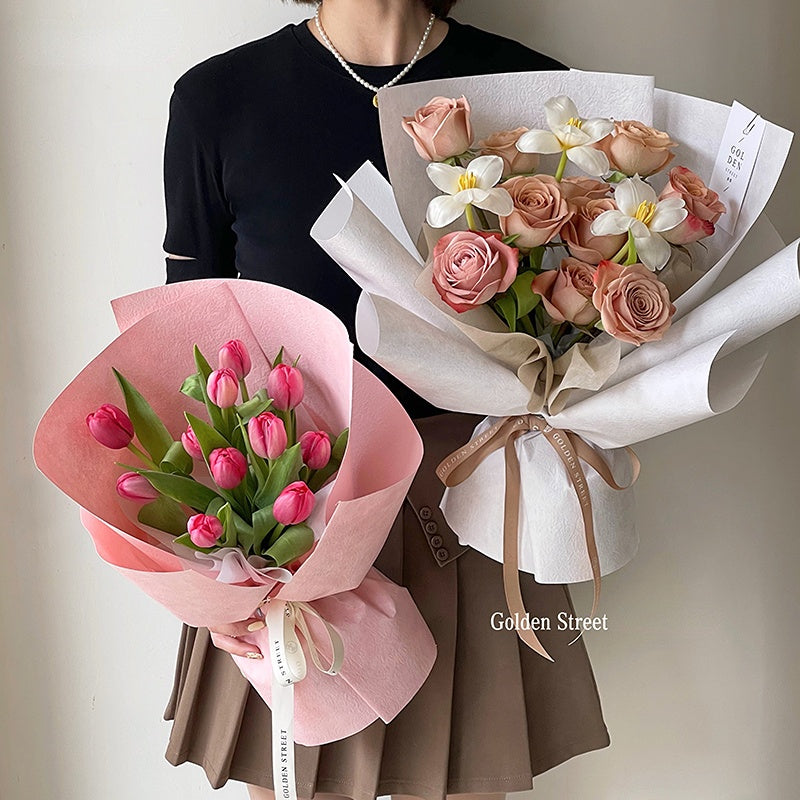
Trends in bouquet wrapping paper reflect broader visual interests in color, texture, and sustainability. The cabbage-crush effect—soft, full forms with rounded edges inspired by cabbage leaves—creates a lush, organic silhouette that photographs beautifully in natural light. Wildflower motifs, delicate botanicals, and hand-drawn illustrations lend a painterly feel to the wrap, pairing well with minimalist stems and airy arrangements. For sustainability-minded florists, consider compostable or recycled sheets, vegetable-based inks, and minimal plastic in packaging. The use of neutral bases with punch accents—think ivory, taupe, or soft sage with a bold ribbon—keeps the focus on the bouquet while signaling an intentional, modern aesthetic. In addition, pre-folded wraps and reusable pouches are trending for events and gift-giving, reducing waste without compromising style.
Trend 1: Cabbage Crush Aesthetics
The cabbage crush look leverages rounded, voluminous wraps that hug the bouquet’s shape. This approach works well with peonies, large ranunculus, and garden roses, creating an inviting, café-table display. To achieve it, wrap loose stems in a tissue layer, then apply a broader sheet with a slight curve around the arrangement. The result is a soft, generous profile that looks abundant in photos and real life alike.
Trend 2: Sustainable and Reusable Wraps
As 2026 emphasizes mindful living, many clients seek wraps that can be reused for gift packaging or repurposed as décor. Look for paper that is chlorine-free, certified by credible sustainability schemes, and free from plastic coatings. Provide care tips so recipients can reuse the wrap, extending its life and reducing waste. A simple tag with a quick message can make the wrap feel personalized and sustainable.
Practical Tips for Choosing, Storing, and Using Bouquet Wrapping Paper
Choosing the right bouquet wrapping paper begins with the bouquet itself. Consider flower color, bloom size, and the event’s mood. A soft pink bouquet may pair beautifully with a delicate ivory wrap and a satin ribbon, while a bold fuchsia arrangement might be set off by a dark-green base and metallic accents. Storage is equally important: keep rolls in a cool, dry place and avoid damp basements that can warp paper or crease sheets. Label by type and weight so you can quickly pick the wrap that matches a given bouquet. And don’t forget the finishing touch—test a few folds on practice stems to refine your technique before wrapping a live display. For inspiration on sustainable choices, you can learn more from Earth911’s guide on recycling wrapping paper here: Earth911: How to recycle wrapping paper.
With the right bouquet wrapping paper, you can turn any bouquet into a statement piece. The wrap should support the flower’s color story, protect delicate petals, and offer a canvas for your branding. In the next section, we’ll zoom in on selecting the best paper for different floral styles and occasions.
Next, in Part 2: Choosing Paper by Floral Style and Occasion, we’ll explore how to tailor bouquet wrapping paper to specific flowers and events.
Hands-On Techniques: Craft Eye-Catching Bouquet Wrapping Paper Wrappers
In this hands-on guide, you will learn practical methods to turn plain sheets into stunning bouquet wrapping paper wrappers that amplify a bouquet’s personality. Each technique is designed for speed, precision, and presentation, ensuring your bouquet wrapping paper elevates rather than competes with the blooms.
Material Essentials for Impactful Bouquet Wrapping Paper
Selecting the right bouquet wrapping paper begins with the bouquet’s style and color story. For modern arrangements, a crisp matte finish combined with a translucent wrap lends sophistication without crowding the flowers. Rustic looks shine with kraft or craft paper, especially when you add a natural twine or a seed-embedded wrap for sustainability. Consider width and length: a wrap that extends 2 to 3 inches beyond the bloom heads keeps stems protected and creates a balanced silhouette. Durable options ensure the paper holds its shape when you grip the stems and move the arrangement for display. When in doubt, test a sample on a low-stem bouquet to verify how the paper folds and how the colors interact with the petals, leaves, and any greenery.
As you explore options, keep an eye on the bouquet wrapping paper’s ability to be recycled or reused. For practical insights on wrapping techniques for fresh-cut stems, you can consult a trusted guide like How to wrap a bouquet. This stays in line with BloomHaven’s emphasis on sustainability and thoughtful presentation.
Tools and Prep: What you truly need
Before you touch paper, lay out the essential tools: sharp scissors or a paper trimmer, a clean work surface, a bone folder for crisp creases, and a length of floral tape to secure stems. A damp cloth protects sticky fingers and helps dampen the paper if you’re working with delicate sheets. Ready-to-use grids on the table or a simple cutting mat keep edges aligned. By preparing your workspace, you prevent frayed edges and ensure a neat finish on every bouquet wrapping paper wrapper you craft.
Set aside a few practice sheets to experiment with folds and textures. Start with a single layer for minimalist looks, then layer additional sheets or a translucent wrap to add depth without overpowering the flowers. Remember that the goal is harmony: the wrapping paper should support the bouquet’s color and form, not shout louder than the blooms themselves.
Layering and Folding Techniques for Textural Wrappers
Layering is a powerful way to add dimension to bouquet wrapping paper wrappers. Begin with a base wrap that encases the stems while leaving enough space for the bloom heads to peak. Then add a secondary layer that peeks from behind the bouquet, providing subtle contrast. This approach works well with two-tone color schemes, where a lighter base is accented by a darker panel. When you fold, aim for crisp, uniform creases that reflect light uniformly across the surface. A well-executed fold makes the bouquet appear professionally wrapped and ready for presentation.
The diagonal wrap provides a contemporary silhouette that enhances tall bouquets. To create it, position the stems at an angle, then wrap the paper diagonally around the stems and secure with floral tape beneath the floral head. A neat edge along the diagonal adds polish. For a more tactile finish, try an accordion fold along the outer edge of the wrap; this creates gentle ridges that catch light and add texture without adding bulk. If you prefer a softer finish, a lightly pleated edge along the outer rim can echo floral curves and lend a handcrafted charm to the arrangement.
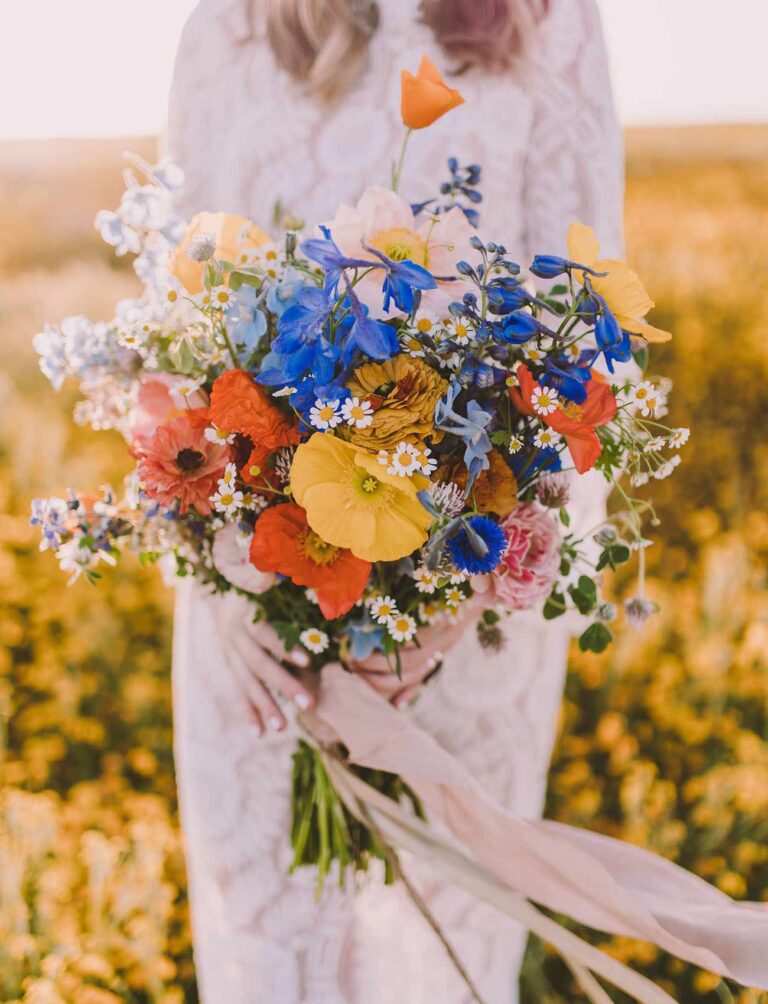
In contrast to rigid folds, a loosely gathered wrap can work beautifully for wildflower bouquets, where an irregular, organic edge mirrors the bouquet’s natural spirit. The trick is to maintain a sense of structure while allowing the paper to breathe. Finally, ensure the securing method supports the bouquet for transport and display. A well-placed band of floral tape or a simple knot with ribbon can be both decorative and functional, keeping the stems intact and the wrapper tidy during movement.
Practical Tips for Clean Edges and Tight Finishes
Always align the paper edges before securing. If edges fray, trim with a sharp blade to restore a crisp line. When you wrap, keep the tension even to prevent puckering, which distracts from the bouquet’s form. If you want extra polish, use a bone folder to burnish edges; this creates a professional sheen that reads well in photos and on display. For wraps that need to travel, test the wrapping with a sample bouquet. Check that the paper holds its shape without collapsing around the stems and that the floral tape stays hidden beneath the bloom head for a seamless look.
Remember that wrapping is a storytelling element. The way you layer, fold, and finish the paper should reflect the bouquet’s character, whether it’s a feminine pastel arrangement, a bold tropical mix, or a monochrome minimalist display. Each choice should feel intentional and aligned with the blooms’ mood and the occasion.
Color, Pattern, and Texture Coordination
Color coordination is about harmony, not matchy-matchy. Choose bouquet wrapping paper colors that echo the flowers’ hues or provide a gentle contrast that makes the blossoms pop. A soft blush pink wrap can elevate pale roses, while a deep forest green base can ground a vibrant bouquet of tropical stems. Patterns should be used with care; a subtle geometric or botanical print can add interest when paired with solid ribbons or a sheer overlay. For texture, combine matte surfaces with a hint of gloss via a translucent wrap or a satin ribbon. The goal is tactile and visual depth without overwhelming the bouquet’s natural beauty.
Texture can come from the paper itself or from the finishing accents you apply. Burlap, linen, or grasscloth-like papers lend rustic charm, while metallic foils or pearlescent finishes add a festive glow for celebrations. When in doubt, test two or three combinations on similar bouquets to see which reads best in your photo light and in person. The right bouquet wrapping paper choice will tie together color, texture, and form, creating a cohesive, magazine-worthy presentation.
In addition to color and texture, consider the bouquet’s foliage. A wrap that contrasts with the leaves can help the greens recede visually, letting the blossoms take center stage. Conversely, a wrap that mirrors the foliage tone can create a seamless, monochromatic look. For online galleries and inspiration, remember that the way you wrap a bouquet has a strong impact on perceived value and shareability.
Sustainable and Reusable Wrapping Options
Sustainability is a core value at BloomHaven, and wrapping choices should reflect that ethos. Reusable fabric wraps made from cotton, linen, or muslin not only look luxe but also offer a practical, eco-friendly option for recipients who want to reuse the wrap. Seed-embedded papers provide a second life: after the flowers are enjoyed, the wrap can be planted to grow pollinator-friendly flowers, extending the life of your design beyond the moment of gifting. If you prefer single-use options, select recyclable papers and avoid those with metalized foils that complicate recycling streams. A simple, well-made paper wrap paired with a natural fiber bow can carry a strong sustainability message while still delivering a polished, premium appearance.
When selecting sustainable options, test the wrapping’s integrity over time. A lightweight paper might work beautifully for a close-up bouquet photographed in natural light, but it should still hold up during transport or a quick delivery window. The emphasis is on longevity and reusability: the recipient should be able to reuse the wrap or compost it responsibly, aligning with broader garden and floral sustainability goals.
For further reading on eco-friendly wrapping practices, consider exploring resources from reputable home and lifestyle outlets. And if you’re seeking ideas that blend sustainability with high aesthetic impact, the following guide offers practical tips on turning wrapping into a thoughtful, climate-conscious act.
Adapting Wrappers to Bouquet Styles
Different bouquet shapes require different wrapping strategies. Tall arrangements benefit from a taller, more open wrap that accommodates the stems without pinching the blooms. A double-layer wrap with a transparent top sheet can showcase the flowers’ height while maintaining a clean silhouette. Compact posies, on the other hand, look striking with a tighter wrap and a decorative knot or ribbon that anchors the stems securely. For cascading bouquets, a longer wrap with a soft, gentle taper can echo the flowers’ natural flow as they spill downward. In all cases, aim for a wrap that complements the bouquet’s movement rather than constraining it, ensuring the stems stay straight and the blooms remain the focal point.
When in doubt, choose wrappers that offer versatility. A neutral base color with a choice of interchangeable ribbons or toppers lets you customize for birthdays, anniversaries, weddings, or seasonal events without creating a new wrapping kit for every occasion. The key is to maintain a cohesive look across your creations while allowing individual bouquets to tell their own story through wrap choices.
Practical Tips for Quick, Flawless Execution
Speed does not have to compromise quality. Develop a simple, repeatable workflow that you can reproduce across multiple bouquets. Start by trimming the paper to the correct size, then lay the stems at an angle that suits the bouquet’s shape. Fold the wrap tightly around the stems and secure with floral tape beneath the head, ensuring the tape is hidden from view. Add a second layer or a decorative touch only after you confirm the base wrap is neat and balanced. If you are wrapping on-camera or for a storefront, test the lighting and angle to ensure the bouquet wrapping paper looks its best in photos, as presentation matters as much as the flowers themselves.
Another practical tip is to store pre-cut sheets and pre-tied ribbons in labeled bins. A well-organized wrap station reduces prep time and ensures consistency across multiple arrangements. You’ll find that consistency builds brand recognition and helps your floral content perform better in searches and social sharing. Finally, consider creating a small gallery of your wrapping variations, so you can quickly reference which combination of wrap, paper, and ribbon best suits each bouquet style.
In summary, the Hands-On Techniques for crafting eye-catching bouquet wrapping paper wrappers blend thoughtful material choices, precise folding, and story-driven design. By pairing the right bouquet wrapping paper with the bouquet’s color story and considering sustainability, you elevate every stems-and- petals arrangement into a curated experience. As you refine your technique, you will notice faster execution times and more confident presentation across your blog visuals, social media, and client work. Stay tuned for Part 3, where we will explore Finishing Touches and Presentation to perfect the look of your arrangements.
Advanced Strategies for Consistent, Sustainable Bouquet Wrapping Paper
In this final section, we translate core principles into repeatable systems that scale from a boutique studio to a high-volume shop. The aim is to preserve the beauty of each bouquet while minimizing waste and maximizing supplier reliability. By embedding advanced practices into workflows, you achieve consistent presentation, happier customers, and a stronger sustainability story for your brand. The following strategies build on the trends that shaped 2026, including cabbage crush textures, wildflower palettes, and pollinator-friendly accents, so your bouquet wrapping paper feels timely yet timeless.
Material Selection for Longevity and Sustainability in Bouquet Wrapping Paper
Choosing the right wrapping paper is the foundation of consistency. Start with papers that balance durability, recyclability, and aesthetics. Look for reports or certifications that verify responsible forestry and low environmental impact. When possible, opt for FSC-certified or recycled-content options with minimal chemical treatments. These choices keep your products aligned with consumer expectations for sustainability while ensuring the wrap holds its shape through transit and handling.
To ensure a premium look, specify a target grammage (gsm) that provides enough body for folds without excess weight. Common ranges for wrapping are 60–120 gsm for soft tissues and 120–180 gsm for sturdier wraps. Coatings matter, too; water-based, soy-based inks reduce toxins and improve recyclability compared with solvent-based inks. If you ever need a more water-resistant option for outdoor events, choose compostable laminations or plant-based coatings that maintain compostability when paired with appropriate ends-of-life flows.
A practical tip: create a short specification sheet for suppliers that lists material type, certified claims, ink type, thickness, and finish. This document becomes part of your standard operating procedure, ensuring every order adheres to the same baseline. For responsible sourcing guidance, see FSC’s resources on certified paper at FSC-certified paper guidelines.
Consistent Sourcing and Supplier Partnerships for Bouquet Wrapping Paper
Consistency starts with dependable partners. Build a supplier roster that can scale with your demand without compromising color, texture, or availability. Establish long-term relationships with two or three vetted mills or distributors so you can maintain color alignment across orders and seasons. Agree on lead times, minimum orders, and a exchange policy for damaged lots. A simple vendor scorecard—covering quality, on-time delivery, packaging integrity, and customer service—helps you compare performance over time.
Standardize order processes: create a clear PO template, define preferred pack sizes, and attach a color swatch or digital proof with every order. This minimizes miscommunications and reduces the risk of batch-to-batch variation. Maintain an archived library of past orders to inform future buys and to resolve disputes rapidly. If possible, negotiate tiered pricing for bulk purchases and quarterly renewals to stabilize costs. This approach supports a sustainable business model while keeping your wrapping paper look consistent across seasons.
Proven Wrapping Paper Techniques for Uniform Arrangements with Bouquet Wrapping Paper
Technique drives perception. Standardize the core wrapping method used across product lines to deliver uniform results. Document a preferred folding method, edge finishing, and tie options so teams can reproduce the same look every time. For example, you might standardize a crisp diagonal wrap for long stems and a faux-lattice look for fuller bouquets. Use a simple scoring template or a reusable cutting guide to reduce guesswork at the workstation.
Train staff and collaborators with a short, visual playbook that shows fold lines, corner angles, and recommended tape placements. A quick reference card held at each workbench speeds up production and reduces defects. When you pair consistent technique with high-quality paper, the bouquets appear more cohesive in photos and in person, reinforcing your brand’s premium feel.
Color and Pattern Management for Brand Consistency in Bouquet Wrapping Paper
Color discipline is a cornerstone of professional presentation. Create a color strategy that aligns with your seasonal lines and social media storytelling. Maintain a small, curated palette of wrapper colors and patterns that harmonize with your flower selections and vase choices. Develop a color-matching workflow that uses digital color standards (such as Pantone references) and repeatable swatches across all suppliers. This minimizes color drift from print to print and batch to batch.
Seasonal patterns can elevate the unboxing experience, but they must stay on-brand. Set guidelines for when to refresh patterns and how to rotate palettes without interrupting customer expectations. For example, you might rotate two to three signature patterns per season, with a perennial base color that remains consistent across all lines. Use photography and product photos to test how wraps perform in natural light, studio lighting, and on social feeds. Ultimately, consistency in color and pattern supports recognition and trust in your bouquets.
Size, Fold, and Presentation Standards for Bouquet Wrapping Paper
Standardize sizes and folds to accelerate fulfillment and ensure uniform packaging. Define a core wrap size that fits the majority of your bouquet stems, plus a few alternate sizes for oversized or compact arrangements. Document fold types (for example, a classic wrap, a half-wrap, or a tight bloom wrap) and the exact tape or ribbon placements. A clear standard reduces variance, speeds up assembly, and improves order accuracy.
Develop templates for digital workers and freelancers. Create a folder system for print-ready wrap sheets, including bleed marks, safe margins, and color profiles. Store these assets in a shared drive or design system so every new project starts from a consistent base. For smaller studios, reusable print-and-cut templates can be an excellent way to maintain efficiency while delivering a premium look.
Recycling, Reuse, and End-of-Life Considerations for Sustainable Packaging
End-of-life thinking is as important as the moment of presentation. Communicate clearly with customers about how to dispose of or reuse wrapping materials. Favor wraps that are 100% recyclable or compostable in curbside programs. If you use ribbons or adhesives, select those that won’t impede recycling streams. Provide care instructions: flatten paper scraps for recycling, and suggest repurposing the wrap into gift baskets or gift tags. Consider offering a small, reusable wrap option for frequent buyers to reduce waste further.
Educate staff on the full life cycle of the materials you use. When teams understand impact, they are more likely to champion reuse and correct disposal. You can incorporate a short training module on sustainable end-of-life practices into new-hire onboarding and periodic refreshers. Ultimately, responsible packaging decisions resonate with environmentally conscious customers and reinforce your brand’s integrity.
Cost Management and ROI with Sustainable Bouquet Wrapping Paper
Smart budgeting makes sustainability scalable. Start by calculating the total cost of ownership (TCO) for different paper options, including waste, storage, and labor. Recycled or responsibly sourced papers may have a higher unit price, but their longer durability and higher customer satisfaction can reduce returns and exchanges. Track waste by weight at the end of each shift to identify opportunities for process improvement.
Look for economies of scale. Negotiate bulk discounts for longer-term contracts with your preferred suppliers. Consider subscription-based deliveries to stabilize supply and pricing. Compare the cost per bouquet across different wrap options to identify the best balance of price, performance, and sustainability. In the long run, a disciplined approach to cost management paired with a strong sustainability narrative can increase brand equity and customer loyalty.
Case Studies: Implementing Across a Studio or Shop
Take a mid-size studio that handles 200–300 bouquets weekly. They standardized on a single, high-quality recycled wrap with a two-season color rhythm and a consistent diagonal fold. By creating a simple supplier scorecard and a digital asset library, they reduced wrap-related defects by 40% within three months. Revenue per bouquet grew as the wrap look became instantly recognizable in social posts, photos, and customer testimonials. In another example, a boutique shop partnered with a local mill to co-create a signature wrap that matched their seasonal floral palettes. The result was a cohesive, premium presentation that strengthened brand storytelling and customer satisfaction.
Digital Asset and Template Systems for Consistency
Leverage technology to keep wrapping paper visuals aligned with your brand. Maintain a centralized set of templates for wrapping papers, color swatches, and fold guides. Use cloud-based design systems or project management tools to share updates with the team. When you publish monthly catalogs or seasonal posts, tag and link assets to the corresponding bouquet collections so marketers and designers stay aligned. A well-structured digital asset system reduces errors and speeds up content creation, supporting a seamless customer journey from online browse to in-store pickup.
Compliance, Certifications, and Ethical Practices
Transparency matters. Document and publish your material certifications, supplier codes of conduct, and environmental claims. Where possible, display certification logos on product packaging and receipts to reinforce your sustainability story. Maintain records of supplier audits, material safety data sheets (MSDS), and ink formulations to support regulatory inquiries. Consumers increasingly expect proof of ethics; a clear compliance framework strengthens trust and reduces the risk of miscommunication or claims disputes.
Future Trends in Bouquet Wrapping Paper (2026 and Beyond)
What’s on the horizon? Plantable and seed-embedded papers offer a memorable unboxing moment while advancing sustainability. Algae-based inks and natural pigments can deliver vibrant colors with reduced environmental impact. Reusable wraps and modular packaging systems enable customers to transform wrapping into a keepsake, not waste. Smart packaging technologies, such as QR codes linking to care tips or seasonal floristry guides, can deepen engagement without adding excess material. As trends evolve, maintain flexibility in your materials and processes to stay aligned with customer desires and ecological responsibilities.
In summary, advanced strategies for consistent, sustainable bouquet wrapping paper rely on deliberate material choices, reliable supplier partnerships, standardized techniques, disciplined color and size management, responsible end-of-life practices, thoughtful cost controls, and forward-looking innovation. By crafting repeatable systems and documenting them, you ensure every bouquet delivers premium aesthetics with a clear commitment to sustainability. The result is not only beautiful arrangements but also a durable competitive advantage for BloomHaven in 2026 and beyond.
To conclude, the heart of a memorable bouquet lies in its wrapping paper as much as its stems. By applying these advanced strategies to your bouquet wrapping paper, you build consistency, sustainability, and brand legitimacy that customers can trust with every purchase. Ready to elevate your wrap program? Start by refining your material specs, establishing supplier standards, and creating a simple, scalable playbook for your team. And remember: the right bouquet wrapping paper doesn’t just cover flowers—it communicates care, quality, and a promise of sustainability with every unboxing.
Focus Keyword restatement: When you choose the right bouquet wrapping paper, align with sustainable practices, and implement repeatable processes, your bouquets become consistently stunning while supporting a circular economy. Explore the strategies above to elevate your wrap program, reduce waste, and drive customer loyalty.