Climbing Roses Trellis Training Tips: A Gardener’s Guide
Every thriving garden feature starts with a solid foundation. When you combine careful planning with deliberate selection and thoughtful setup, climbing roses trellis become more than blooms—they become architectural statements in bloom. In this guide, we lay the foundations for successful trellis training: how to pick the right site, how to choose varieties that perform on a support, and how to install a structure that lasts for years. By focusing on planning, you reduce common mistakes, improve air circulation around canes, and maximize flowering along a chosen path. Whether you’re tucking climbers into a brick-pillar arch, a sunny garden wall, or a freestanding lattice, the core principles stay the same: a strong foundation, a smart fit, and careful installation. Let’s start with the essentials that set your climbing project up for abundant blooms and low maintenance in 2026 and beyond.
Climbing Roses Trellis Foundations: Planning, Selection, and Setup
Planning the climbing roses trellis: Site, Sun, and Space
Crucially, the right site is the backbone of success. A well-placed trellis guides growth and keeps plants healthy. Begin by locating a structure that receives at least 6 to 8 hours of sun most days. Sun fuels abundant blooms and helps the foliage resist disease. Next, assess airflow. Good circulation reduces mildew risk and promotes strong canes. Consider nearby structures that can help or hinder: a warm south-facing wall boosts heat, while dense shade slows flowering. Measure the available width and height, then map where branches will twine and where they should not rub the wall or window frames. In addition, think about access for pruning, feeding, and harvesting. Finally, plan for maintenance. A trellis that’s easy to reach will save you time and effort year after year.
To translate plan into practice, sketch a light layout on graph paper or use a quick digital map. Identify anchor points that will bear weight and determine how the climbers will arch or cascade along the support. This upfront planning reduces guesswork during installation and avoids expensive fixes later.
Therefore, start with a clear goal: do you want a vertical wall of blooms or a shaded arch that creates a welcoming entrance? Your answer drives the chosen trellis type and the spacing you’ll use between plants. Finally, document your climate, soil type, and typical rainfall. They influence the varieties that will thrive and the care you’ll provide.
climbing roses trellis layout considerations: height, angle, and growth habit
Next, determine height. A common rule is to place the bottom of the main canes at 1.8 to 2.4 meters (6 to 8 feet) above ground for a wall, or to suit an arched frame. Angles matter, too. A slight outward angle helps canes cling and reduces rubbing against the trellis. Consider growth habit: ramblers spread rapidly and need wider spacing, while climbers lengthen their shoots along the structure. Plan for future growth, not just today.
In addition, mark off the plant spacing. Climbing roses trellis need room to thicken without crowding. If you’re training multiple varieties, stagger planting positions to avoid shading and to create a layered bloom display. These layout choices impact air flow, light access, and pruning ease—crucial factors for long-term health and vigor.
Finally, build in access corridors. A tidy, accessible layout makes seasonal care straightforward and reduces the risk of accidental damage during maintenance. When you can reach every cane without stepping on beds, you’ll prune and train more effectively.
Choosing the right climbing rose varieties for a trellis
Selecting varieties that suit your trellis is essential. Look for growth habits that match your space: vigorous climbers for large walls, or more compact climbers for arches and obelisks. Favor varieties known for healthy canes, repeat bloom, and reliable rebloom. In addition, consider disease resistance, fragrance, and bloom color. A well-chosen mix can deliver seasonal drama from late spring to fall. For pollinator-friendly blooms, choose varieties that attract bees and butterflies.
When evaluating cultivars, assess plant vigor, cane strength, and clear cane color. Some roses send long, flexible shoots that easily wrap around a trellis, while others grow in tight, bushy clusters that require more training work. If you’re new to trellis training, start with two or three varieties to learn their quirks before expanding your display.
To explore reliable cultivars for climbing roses trellis, consult reputable guides or local extension programs. You may also want to try a few different colors or scents in a single structure to create a living tapestry across the growing season.
climbing roses trellis varieties to consider: color, fragrance, and habit
Consider a range of colors that complement your garden palette. Fragrance can enhance evening garden visits, while songbirds and pollinators appreciate diverse bloom timing. Aim for at least one early bloomer, one mid-season bloomer, and one late bloomer for a long floral display. Pay attention to maintenance needs: some varieties require more pruning or can take longer to re-establish after heavy pruning.
Crucially, match the rose’s growth habit to your trellis. A rambling rose often needs a larger support with multiple attachment points, while a classic climber may rely on a simple lattice. For many gardens, a mix of climbers and ramblers creates depth and movement along walls and arches.
Trellis system choices for climbing roses trellis
Your trellis type should support weight, allow air circulation, and be visually pleasing. Options range from wall-mounted lattices to freestanding arches, obelisks, and pergola-like frames. A sturdy, corrosion-resistant metal or pressure-treated wood frame will last for years with minimal maintenance. If you prefer a low-profile look, a fixed wall trellis that anchors into studs can be very effective. For a decorative entrance, an arched trellis or a double-arched structure creates a striking silhouette. Whichever design you choose, ensure anchors are solid and capable of holding mature canes and seasonal growth. The Royal Horticultural Society offers expert guidance on climbers and trellis setups to help you compare options and plan accordingly.
In addition, think about maintenance access. You’ll prune and train yearly, so allow enough clearance for tools and hands. A practical layout will reduce future work and keep the structure looking tidy. Another consideration is the type of space you have: a tight corner needs a vertical or angled lattice, while a large, open wall invites a grand, sweeping trellis design.
climbing roses trellis materials: wood, metal, or composite
Material choice matters for resilience and style. Wood offers a warm, traditional feel and is easy to modify. However, it may require more upkeep to prevent rot. Metal provides durability and slender profiles that won’t visually overwhelm the roses, but it can heat up in strong sun. Composite materials offer a balance of durability and aesthetics with lower maintenance. Whichever you pick, treat wood with a proper seal, or use rust-resistant metals and compatible fasteners. Thoughtful material selection reduces warping, loosening, and structural failure as your roses grow.
Regardless of material, ensure post spacing and trellis stiffness align with expected growth. A sturdy frame helps you train long canes without sagging. Light, flexible attachments allow you to guide canes without causing damage. Remember: plan for the future, not just the present.
Initial setup and installation plan for climbing roses trellis
With a design in hand, move to installation. Begin by marking anchor points and confirming level alignment. Secure the trellis to walls, posts, or freestanding bases using appropriate hardware. If you’re mounting on a wall, locate studs or masonry anchors and pre-drill to prevent cracking. For freestanding frames, sink posts deep enough to resist wind load and add cross bracing for stability. When attaching a trellis to a wall or post, use non-corrosive fasteners and consider adding a damp-proof barrier to reduce wood rot.
Soil preparation matters, too. Ensure planting holes at the base have good drainage and ample organic matter. This supports root health as the roses establish their climbing habit. Water deeply after installation to settle the soil and reduce transplant shock. Finally, set a simple training plan. Tie initial canes loosely to the trellis at several points to encourage upward growth. Revisit the structure after a few weeks to adjust tensions and ensure the plant is not rubbing against edges.
Because the long-term goal is a balanced, healthy display, avoid over-tight ties and leave room for growth. Thicker canes should be guided along the frame with larger loops, while new growth can be incrementally trained as it lengthens. The result is a dynamic, graceful structure that ages beautifully as blooms mature across seasons.
Next, Part 2 — Trellis Materials, Construction, and Mounting will dive into specific material recommendations, construction techniques, and mounting best practices to keep your climbing roses trellis sturdy for years to come.
Climbing Roses Trellis Training Steps: From Tie-Ins to Pruning
Training climbing roses on a trellis is a patient craft. The goal is to create a living sculpture that supports vigorous growth while showing off abundant blooms. In this part of the guide, we move from tie-ins to pruning. Each step builds on the last, so the plant gains a steady, balanced framework. When you work with climbing roses trellis, remember that technique matters as much as timing. Use gentle hands, avoid over-tightening ties, and give canes room to stretch. With practice, your trellis becomes a dynamic frame for color, fragrance, and pollinator visits. Let’s begin with the foundation: assessment and planning.
Step 1: Assessing the trellis and establishing your training framework
Before you touch a stem, take stock of the trellis. Look at its size, strength, and mounting. Is the frame capable of supporting mature growth? A climbing rose can become heavy when in full bloom. Check for rust, wobble, and loosened fasteners. If the structure is flimsy, reinforce it. If you are installing a new trellis, choose a design that allows air to circulate and sunlight to reach the canes. A well chosen trellis helps the climbing roses trellis to perform at its best. Consider the orientation of your planting bed. Morning sun promotes steady growth and reduces leaf scorch on hot afternoons. Decide on a training pattern: a simple vertical climb, a fan shape, or a gentle horizontal sweep. Each choice emphasizes different bloom displays and ease of maintenance. Sketch a mental map or place markers on the ground to guide future tie-ins. The plan you create now will shape how the plant fills the space for years to come.
Treillage selection and placement
Trellis material matters. Wood offers a classic vibe, but metal or vinyl can resist weather longer in harsh climates. Secure the frame firmly to the wall or post. Ensure there is space for the cane to grow without rubbing against rough surfaces. Leave space at the base for new shoots to emerge. A solid, well-spaced trellis is the backbone of climbing roses trellis success. The right height matters too. Aim for a height that reduces frost damage opportunities and keeps blooms accessible. If you want a low seaming look, install the trellis a touch lower to guide canes along a graceful arc. By planning height, width, and pattern now, you set the stage for consistent blooms and tidy growth.
Creating a training map
Mark the points where you expect primary canes to anchor. Use light garden tape or chalk to create a guide line. The map acts as a compass as the plant grows. Review it during pruning sessions to confirm that canes align with the desired pattern. You don’t need to rigidly follow the map, but it helps you avoid crowding. The heart of the climbing roses trellis effort is to give strong stems a route to follow rather than fighting against them. A clear plan reduces tangles and makes later tie-ins easier. In the end, your trellis becomes a living frame for blooms and fragrance that travel across the bed.
Step 2: Making the initial tie-ins without damage
As the first shoots begin to form, you can secure them to the trellis without harming the growth. Use soft, adjustable ties and avoid wire that can cut through bark. The goal is to guide, not constrain. Tie the main canes loosely at first so they can grow in the desired direction. If you foresee rapid growth, set aside extra slack for later tightening. For climbers, the early ties are not a one-time job; you will revisit them as the plant thickens. The aim is to encourage a natural arc that mirrors the trellis pattern while preserving flexibility for future adjustments. Climbing roses trellis success hinges on patient, light-handed operations that protect buds and new growth.
Choosing the right ties
Select ties made for plant growth. Soft poly ties, cloth ties, or Velcro straps are ideal for climbing roses trellis. They grip without cutting into bark and can be moved as the plant grows. Avoid metal wires that can dig in or rust, and avoid tight knots that restrict growth. When you tie, place them where the shoots can extend outward rather than pressing the cane into joints. A good tie holds the cane in place while leaving space for new growth to emerge. Periodically review ties to ensure they remain secure yet gentle.
Tie technique and timing
Always tie after the day’s warmth has softened the wood. Tie-in sessions work best in the late afternoon or after a light rain. This reduces stress and prevents cracking. Keep the main canes slightly off the surface of the trellis to promote air movement. Avoid pinching foliage under ties; this can cause disease. As you work, step back regularly to view the overall silhouette. The best outcomes come from small, incremental adjustments rather than large reworkings. The climbing roses trellis will slowly reveal its shape if you give each cane a clear path.
Step 3: Guiding canes through the trellis pattern
With the initial ties in place, guide the strongest canes along the trellis according to your chosen pattern. This is where you shape the plant into a living mural rather than a tangled mass. For vertical growth, lead canes straight upward with minimal deviations. Secure the cane at intervals to maintain a clean line. Horizontal training creates a sea of blooms along a defined edge. Here, place ties in a staggered arrangement to avoid crowding. A fan pattern gently opens the growth along several outward spokes, distributing blooms across the frame. Specific positioning matters: keep base canes thicker toward the anchor but thinner toward the tips to balance weight. The goal is to create balanced density across the trellis while giving each bloom a chance to shine. Remember, the trellis is not just a support; it’s a stage for fragrance and color.
Vertical training and anchor points
Vertical trains rely on anchor points along the frame. Place the strongest canes toward the center for stability and branch outward. Secure near nodes to avoid wobble. As new shoots emerge, train them outward with gentle pressure and patience. If a cane grows too straight, give it a slight bend to mimic a natural arch. The result is a vertical column of color that draws the eye upward and adds height to the bed.
Horizontal training and ribbon lines
Horizontal lines create a structured cascade of blossoms. Run canes along horizontal slats or wires, spacing ties a few inches apart. Allow space between each cane so air can move around the leaves. A well-executed horizontal pattern makes pruning easier later because the structure is already organized. It also makes frequent deadheading more efficient since blooms appear in a row. The trellis becomes a living frame for the roses, letting the perfume travel across the bed.
Fan training and sun-catching spokes
A fan pattern distributes growth like a hand-held fan, with several canes radiating from a central point. Position each spoke to capture sun and provide balanced coverage. Fans work well for irregular trellis shapes or when the wall space is narrow. Regularly compare the angle of each cane to maintain symmetry. If some canes lengthen faster, gently guide laterals toward the outer edges to preserve a rounded silhouette. The trellis thus becomes both supportive and decorative.
Step 4: Supporting heavy canes and ensuring air flow
As growth accelerates, some canes become thick and heavy. This is where additional support matters. Supporting heavy canes with soft ties allows them to bear loads without rubbing the frame. If you notice a bend forming, reinforce it with a lightweight stake placed close to the trellis. Air movement around the foliage reduces disease pressure. Pruning away crowded wood improves air flow. When you thin a dense cluster, you also promote more bloom per stem. The trellis becomes a stage for light to reach each leaf, which helps prevent mildew. In climate zones with high humidity, spacing becomes even more critical to maintain healthy foliage.
Choosing the right reinforcement
Consider lightweight brackets or a rigid backing plate behind the trellis to add stability. Do not over- stiffen the frame, which can transfer stress to the plant. The right balance between support and flexibility ensures the roses trellis remains resilient for years. For very vigorous climbers, you may want to install additional anchors at mid-height to guide growth away from windows or walkways.
Maintaining air exchange
Air exchange is essential to prevent fungal infections. Keep foliage from brushing directly against masonry surfaces. If you must attach the trellis to a wall, use spacers to create a small gap. Prune away shaded inner growth to expose leaves to bright, drying light. Healthy leaves glow with color and send more energy to flower clusters. This discipline pays off with a long season of blooms.
Step 5: Seasonal timing for tying in and rearrangements
Timing matters when you train climbers. The rhythm of tying, rearranging, and tying again follows the plant’s growth pace. In spring, as new shoots emerge, you have the best window to anchor them. Early summer is the time to refine the pattern as growth accelerates. Late summer invites light-touch adjustments after the primary flush of blossoms. Fall cleanups prepare the plant for dormancy and set the stage for next year’s training. Understanding these windows helps you keep the climbing roses trellis looking tidy and well shaped.
Spring tie-in window
New shoots push from the base and along the first meters of cane. This is the moment to secure them in their intended directions. Use gentle tension and avoid crimping the growth. If you missed a tie in spring, you can still guide laterals during the early summer months.
Summer adjustments
By mid-summer, growth slows slightly but continues. This is the best time to check for crowding and to reposition any canes that threaten to cross over other stems. Make sure each bloom cluster has room to develop.
Fall considerations
As days shorten, lighten the load and prune away dead or weak growth. Avoid heavy trimming that could reduce next year’s bloom. Fall care focuses on clean lines and health, not just size.
Step 6: Pruning after training to preserve shape
Pruning is the final act in shaping the trained climber. This step helps keep a tidy silhouette and encourages renewal each season. The approach depends on your chosen pattern. For vertical trains, prune the tips of the strongest canes to maintain height while encouraging side shoots. Horizontal fans benefit from thinning to reveal space between blooms. In a fan, prune to balance all spokes and avoid a lopsided look. The goal is to preserve a rounded, open structure that blooms fully. Performing light, ongoing shaping keeps the plant vigorous without excessive shock. After pruning, give the plant fresh mulch and water to recover.
Pruning levels and techniques
Start with a careful assessment of the previous year’s growth. Remove dead wood first, then thin crowded interior growth. Shorten canes to encourage new flowering wood. For climbers, you often prune after the last major flush of bloom to avoid cutting off future flower buds. Make cuts just above a healthy bud facing the outside so growth directs outward. Use clean, sharp pruners to prevent tearing.
Timing and recovery
Prune in late winter or early spring when the plant is dormant but not fully frozen. This timing minimizes stress and gives the plant a full growing season to produce blooms. After pruning, water deeply and apply a balanced fertilizer. Keep an eye on water needs as temperatures rise. A well-tuned pruning routine reduces disease risk and supports the trellis’s shape.
Post-pruning care
Mulch to conserve moisture and suppress weeds. Remove any lingering spent blooms promptly to direct energy to new growth. Inspect the ties and adjust as needed so the plant can push new shoots along the designed framework. The trellis becomes a repeating cycle of growth, bloom, and renewal that carries through the season.
For more on pruning guidance, you can consult pruning climbing roses from Gardening Know How.
In the next part, titled Part 3, Selecting Climbing Roses for a Trellis: Varieties, Fragrance, and Performance, we’ll explore how to choose climbers that suit your climate, sun exposure, and design goals, and how to pair them with trellis styles to maximize bloom and fragrance.
Advanced Climbing Roses Trellis Strategies: Maintenance, Variations, and Visual Harmony
In this final section, we explore advanced strategies for keeping your climbing roses trellis systems robust, graceful, and resilient year after year. The goal is to balance strong support with artistry so that the trellis becomes a living frame for the roses rather than a simple structure. By integrating maintenance, design variations, and visual harmony, you can maximize bloom, health, and curb appeal in any garden niche in 2026.
Maintenance Mastery for Climbing Roses Trellis
Maintenance for climbing roses trellis starts with a practical mindset: treat the trellis as an active partner in growth. A sturdy frame reduces cane breakage and encourages even flowering. Regular checks prevent small issues from becoming costly repairs. Begin with a quick monthly walk through the planting area. Look for loose fasteners, twisted wires, or sagging rails. If you catch a wobble early, you protect both plant and landscape from wind stress and winter damage. Ultimately, proactive maintenance saves time and keeps the garden looking polished.
Next, establish a disciplined maintenance routine that aligns with the plant’s growth cycle. In spring, prune lightly to shape the vines and remove dead wood. In summer, monitor water and nutrition, and guide new canes toward the trellis. In autumn, prepare for dormancy by reducing growth and tidying canes. In winter, protect from cold winds and check anchors. A well-timed routine consistently supports strong canes and steady bloom. This is essential for climbing roses trellis setups that cover large areas or form architectural silhouettes.
Water, feeding, and mulching are equally important. Apply a layer of mulch to conserve moisture and suppress weeds. Water at the base rather than overhead to minimize disease pressure. Use a balanced slow-release fertilizer in early spring and again after the first flush of bloom. Be mindful of the plant’s needs as temperatures swing. A healthy root zone translates into vigorous canes that cling to the trellis with confidence.
Structural maintenance deserves equal attention. Inspect anchors, brackets, and the trellis surface for corrosion or rot. Tighten fittings that have loosened over time. If you notice sagging, consider releading or reinforcing the framework with metal supports. When the trellis is secure, the climbing roses trellis system can support longer canes and taller growth without failure during storms or heavy rain. In short, robust structure supports long-term flowering and reduces future repair costs.
Winter protection is a final but critical component. In cooler regions, protect exposed joints with weatherproof sealant and wrap vulnerable areas if necessary. For tropical or mild climates, keep an eye on humidity and pest pressures that can intensify with warm winters. An effective winter plan ensures that spring growth is not compromised by structural weaknesses or pest overwintering. The bottom line is that meticulous maintenance for climbing roses trellis translates into better performance and more spectacular blooms next season.
Seasonal Maintenance Calendar for Climbing Roses Trellis
- Spring: prune to maintain height and shape, refresh mulch, feed with a balanced fertilizer, and inspect trellis joints for movement or rust.
- Early Summer: tie new shoots to the trellis with soft ties, monitor soil moisture, and remove spent blooms to encourage rebloom in many climbing varieties.
- Mid to Late Summer: adjust supports as the plant grows, prune as needed to maintain air circulation, and apply a second light feeding if growth slows.
- Fall: reduce fertilizer, trim any fading canes, and secure the structure before heavy rains or wind events.
- Winter: inspect for damage, protect delicate joints, and plan any structural upgrades for the next growing season.
For best results, document a simple maintenance log. Note dates, tasks completed, and any adjustments to the trellis or pruning strategy. This reference becomes a practical guide for future seasons and a helpful tool when you expand your landscape with additional climbing roses trellis designs.
Pruning and Training Techniques for Long-Term Health
Pruning is the heartbeat of climbing roses trellis care. It shapes growth, improves air circulation, and directs energy to the strongest canes. The best approach blends discipline with flexibility, because different climbing roses respond to pruning differently. In general, when you prune, you aim to remove dead or crossing canes and to encourage lateral shoots that will fill the trellis surface. Always make clean cuts just above a node or bud that points outward from the center of the plant. Over time, these outward-facing buds frame the trellis with a natural, eye-catching silhouette.
Training is an ongoing process of guiding new growth along the trellis lines. Start by choosing strong shoots in late winter or early spring. Secure these shoots to the structure with soft ties or garden twine. Avoid binding tightly to prevent girdling as the canes lengthen. Gently bend the canes in a manner that mirrors the trellis geometry, whether you favor a simple arch, a vertical crease, or a double-tiered framework. As you train, you’ll build a layered tapestry of blooms across the surface that stays balanced through the growing season.
When you select prune cuts, use a two-bud or three-bud method for most varieties. This method ensures a compact, flowering extension while maintaining the plant’s vigor. For vigorous climbers, you can opt for a longer caned pruning to push growth outward along the trellis. Always sanitize tools between cuts to prevent disease spread, especially if you work on multiple plants in the same bed. By combining precise pruning with thoughtful training, you create a robust, well-distributed canopy that enhances the climbing roses trellis aesthetics and health.
Seasonal timing matters. Prune after the threat of severe frost has passed in spring, and avoid heavy pruning in late summer that could remove next season’s flowering wood. In many climates, a lighter annual pruning is sufficient, while in others you may schedule a more comprehensive cut every couple of years. The overarching principle is consistency: regular, careful pruning preserves structure and keeps blooms abundant across the climbing roses trellis.
Variations in Trellis Designs for Climbing Roses Trellis
Design variations allow you to tailor the climbing roses trellis to your site, climate, and aesthetic goals. A trellis should complement the plant’s growth habit, not fight it. Consider whether you want a soft, romantic silhouette or a modern, architectural expression. Each design has implications for airflow, sunlight exposure, and maintenance accessibility. With climbing roses trellis, the right variation enhances bloom display while making maintenance more efficient and enjoyable.
Arch trellises create a graceful doorway or accent feature. They are excellent for framing entryways or garden paths and work particularly well for repeat-blooming varieties. A sturdy arch supports long canes and reveals a continuous line of blossoms, which is satisfying in both spring and autumn when colors intensify. A simple eye-catching silhouette can be equally stunning when paired with a complementary ground cover or a contrasting wall color. The key is to ensure the arch is deep enough to accommodate mature canes without crowding them against the frame.
Obelisks and vertical visits to the sky offer a sculptural focal point. This variation works well in tight spaces or where you want a vertical backbone to anchor a planting bed. For the climbing roses trellis along a fence line, a tall obelisk can anchor the composition and create a formal rhythm that repeats along the border. Obelisks should be anchored securely and spaced to prevent crowding of the canes. They also invite creative training patterns, such as fan training or wave-like arrangements along the central spine.
Espalier styles press climbing roses against a flat surface, transforming a living wall into a botanical tapestry. This variation demands careful planning and sturdy support. Espaliered roses require regular training and a long-term commitment, but they reward with a tidy, controlled look that is ideal for tight alleys or privacy screens. For espalier, choose canes that respond well to formal pruning and a consistent tie routine. The trellis materials and frame must tolerate bounded growth and maintain a clean, symmetrical appearance year after year.
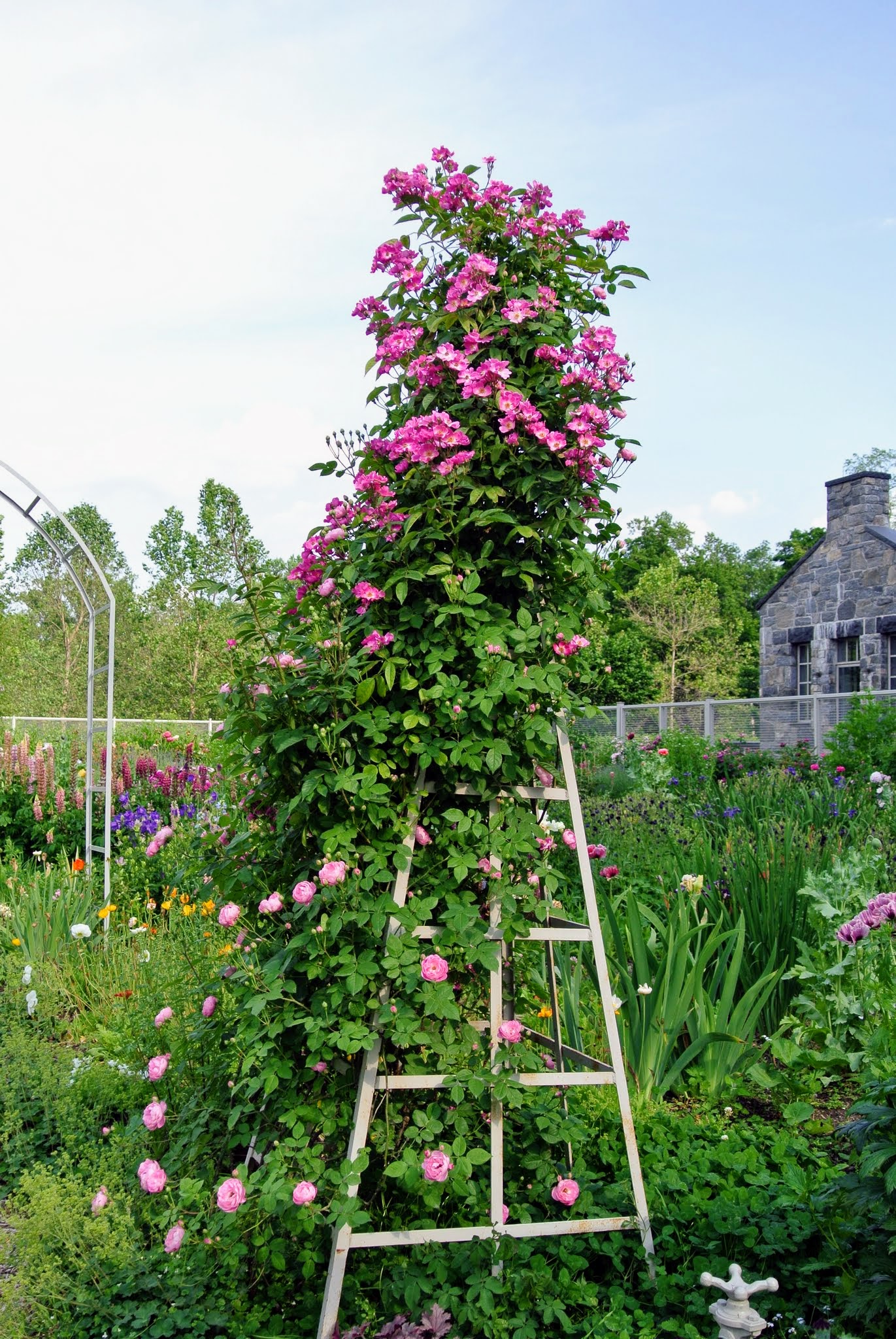
Ladder and panel trellises combine multiple planes to create depth. This variation suits garden rooms or patios where you want to define spaces without closing them off. Train canes along the rungs and panels of the ladder to create a layered bloom effect. Panels can be used to divide beds while still allowing light to pass through, preserving air circulation and pattern clarity. When planning ladder trellises, ensure spacing and attachment points align with the expected cane diameter to prevent damage during heavy growth periods.
Material choices influence your design language. Wood trellises offer warmth and a traditional feel but require more maintenance in humid or wet climates. Metal trellises deliver clean lines and exceptional durability, especially in windy or snowy regions. Composite materials combine the appearance of wood with the durability of synthetic components. Each option has a care routine that affects aesthetics and longevity, so select accordingly to your climate, sun exposure, and the look you want to achieve with the climbing roses trellis.
Choosing the Right Trellis Materials for Climbing Roses Trellis
When choosing materials for climbing roses trellis, start with climate, maintenance tolerance, and structural demands. In coastal or wet regions, corrosion resistance matters; in hot, dry gardens, heat resistance and colorfast finishes are important. Wood remains a classic choice for a romantic garden style, but it may require weatherproofing and periodic repainting. Metal offers a sleek, contemporary look and strong support but can heat up in full sun, affecting nearby plants. Composite materials mimic wood appeal while offering greater stability and reduced maintenance. Your selection should align with the garden’s overall theme, the trellis’s exposure to wind, and the growth pace of your climbing roses trellis system.
Consider how the trellis design interacts with sun and shade. A trellis placed in intense sun can cause rapid growth and require more frequent training, while a shaded position may slow growth and simplify maintenance. The best practice is to plan a trellis layout that balances light, air movement, and accessibility for pruning and tying. Remember that the trellis is part of the plant’s environment; the right choice enhances both health and beauty of the climbing roses trellis you cultivate.
Visual Harmony: Color, Form, and Fragrance in Climbing Roses Trellis
Visual harmony is more than color coordination; it’s about creating a living tapestry that changes with the season. The climbing roses trellis should feel cohesive, yet dynamic, with blooms that draw the eye along lines and curves. Start with a thoughtful color strategy. Repeat a few hues across the trellis to create rhythm, then introduce a contrasting hue at intervals to keep the eye engaged. Consider bloom timing: a vertical or arch design with staggered flowering can deliver continuous color in late spring into early summer, with a graceful fade as summer continues. This is a hallmark of climbing roses trellis artistry that delights visitors and pollinators alike in 2026.
Form and texture matter as well. The smooth wood or metal of the trellis contrasts with delicate petals and glossy leaves. Alternate between dense clusters of blooms and open spaces to reveal the structure beneath. Fragrance is a powerful component of visual harmony. Pair strongly scented roses with nearby lavender, salvias, or sage to create a sensory garden where scent trails guide visitors along the trellis route. For formal layouts, mirror the plant’s growth habit with symmetrical spacing; for informal designs, embrace a more natural drift that still respects the trellis geometry. Ultimately, a well-planned climbing roses trellis scheme blends color, form, and fragrance into a coherent narrative for your garden.
Color coordination and foliage balance are fundamental. For example, a row of pale pink blooms on a light-colored trellis can brighten a shady corner, while deep red flowers against a dark evergreen backdrop create drama in winter. Use foliage texture—fine versus broad leaves—to add depth and contrast. Seasonal rhythm is essential as well: plan for evergreen background foliage while scheduling flowering masses to peak at different times. Finally, prioritize pollinator-friendly design by selecting varieties that bloom at staggered times and by maintaining open sunlit spaces that invite bees and butterflies to the trellis zone.
In practice, a well-designed climbing roses trellis becomes a year-round feature rather than a seasonal display. It guides the eye, supports the plant, and creates joy through consistent bloom and evolving color. To achieve this, establish a plan that blends color story, bloom timing, and fragrance with the trellis’s architectural lines. When you do, the climbing roses trellis transforms into a living sculpture that enhances the entire landscape.
Common Issues and Problem-Solving for Climbing Roses Trellis
Even the best-designed climbing roses trellis can face challenges. Start with pests and diseases that like to hide in folds of leaves and along the canes. Regular scouting is essential. Look for signs of aphids, spider mites, scale, or powdery mildew, which can spread quickly in crowded canopies. If you spot issues, act promptly with targeted controls that protect beneficial insects and avoid broad-spectrum products late in the season. In most cases, improving air circulation through smarter pruning and trellis spacing reduces disease pressure and encourages healthier growth along the climbing roses trellis.
Pest prevention also hinges on good cultural practices. Water at the base, mulch to moderate soil temperature, and maintain enough space between rows or plantings. Pr verfügte disease management begins with removing infected canes and disposing of debris properly. A clean, well-ventilated trellis environment helps keep the climbing roses trellis system thriving. Structural problems can arise after storms or years of weather exposure. If you notice bent rails, loose anchors, or rusted fasteners, address them promptly. Replacing a compromised section or reinforcing with additional bracing protects both the plant and your investment. Remember that practical problem-solving for the climbing roses trellis hinges on rapid response, thoughtful design, and regular maintenance.
For broader context, consult extension resources or reputable garden guides to fine-tune your management approach for your climate. A trusted external reference can provide species-specific pruning windows, disease expectations, and long-term maintenance strategies that complement your plan for the climbing roses trellis. As you implement solutions, stay adaptable and keep notes on what works best in your unique garden conditions.
Inspiration Gallery and Practical Examples for Climbing Roses Trellis
Visual inspiration is essential for translating theory into practice. Imagine an arch framed by soft-pink climbers that greet visitors at the garden gate, or a ladder trellis with bold, contrasting hues along each rung. Consider espalier along a sunny wall where the trellis becomes a living mural. These practical examples demonstrate how maintenance, variations, and harmony converge in real gardens. For more ideas and to see how others approach climbing roses trellis design, explore reliable garden resources and plant catalogs that highlight successful installations. To see real-world applications, you can consult a trusted external resource on pruning and training techniques for climbing roses here: RHS Advice: Climbing Roses.
As you study these examples, tailor them to your site conditions, available sunlight, and your preferred aesthetic. The combination of sturdy maintenance, thoughtful design variations, and intentional visual harmony will help you realize striking results with your climbing roses trellis in any season.
Conclusion: Mastery of Advanced Climbing Roses Trellis Strategies
In conclusion, optimizing advanced climbing roses trellis strategies requires a holistic approach that blends maintenance discipline, design versatility, and deliberate visual harmony. The key is to treat the trellis as a living framework that supports and enhances climbing roses trellis growth while shaping the garden’s narrative. By adhering to a thoughtful maintenance schedule, selecting trellis variations that suit your space, and coordinating color, form, and fragrance, you create a cohesive, durable, and beautiful installation. The climbing roses trellis is not just a support; it is a canvas on which health, symmetry, and seasonal beauty meet. If you are ready to elevate your garden, start with a maintenance plan, pick a trellis variation that matches your site, and cultivate a cohesive design that showcases the climbing roses trellis in its full glory. Ready to implement these strategies in your own space? Begin today and watch your climbing roses trellis transform your landscape into a living work of art for 2026 and beyond.