Garden Roses Cutting: Top 7 Picks for Bouquets
Foundational Guide to Garden Roses for Cutting
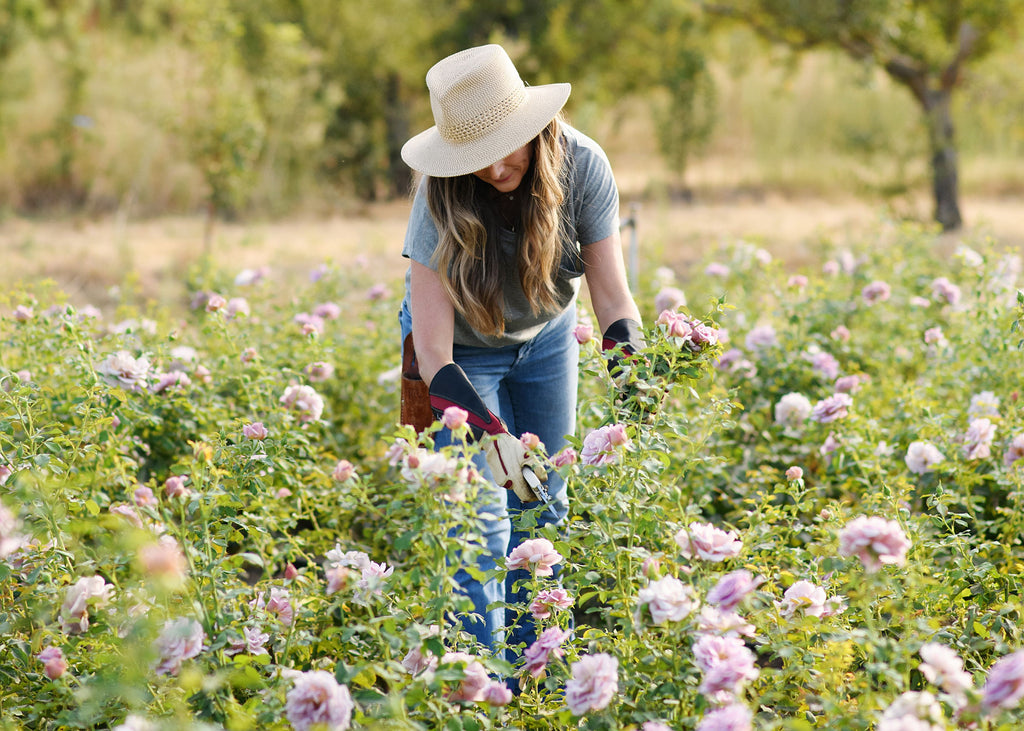
Garden roses cutting is an art and a science: choosing the right varieties, timing the harvest, and treating stems so they last in a vase. In this foundational guide, you will learn practical steps to select roses that perform well when cut, how to cut them cleanly, and how to manage roses after harvest to maximize vase life. By following professional techniques, you can build stunning bouquets that carry fragrance, color, and longevity from your garden to your living room. Whether you grow hybrid teas, floribundas, or old-fashioned shrub roses, the principles stay the same: strong stems, tight buds, and clean cuts. This article aligns with BloomHaven’s 2026 focus on cutting-edge floral trends and sustainable practices, helping you combine beauty with practicality. This is your essential guide for garden roses cutting.
Understanding the Foundation for Garden Roses Cutting
Roses destined for cutting differ from those grown solely for display. They form on mature canes and push flowers at the end of long stems. For best results, choose varieties with sturdy vascular tissue, strong buds, and reliable rebloom. Therefore, healthy canes and a balanced plant lead to longer vase life. In addition, select stems with a clean base and minimal blemishes. This early step matters because strong stems resist bending in bouquets and resist breakage during transport. Crucially, when you inspect roses for cutting, look for straight canes, even bud color along the stem, and minimal pest damage. A strong plant with well-spaced lateral shoots offers more cut material over the season than a densely crowded shrub. By understanding how roses grow, you set the stage for bouquets that stay vibrant for days.
Key Varieties for Garden Roses Cutting
- Iceberg — a white floribunda with long, sturdy stems that hold up in mixed bouquets.
- Mr. Lincoln — a deep-red hybrid tea with tall, resilient canes ideal for classic arrangements.
- Graham Thomas — a sunny yellow climber/tea rose that adds brightness and strong vase life.
- Peace — apricot blend offering reliable rebloom and generous stems.
- Queen Elizabeth — a pink Grandiflora with strong stems suitable for cutting through the season.
- Double Delight — a bicolor with strong stems and high fragrance, great for bouquets with contrast.
- La France — an old garden rose with timeless charm and sturdy cutting stems.
- Explorer — a modern rose with strong vigor, good for cutting in diverse borders.
Harvest Readiness for Garden Roses Cutting
The best time to cut most garden roses cutting is when the buds show color but have not yet opened fully. This stage yields tight petals that expand gradually in the vase. Therefore, you gain control over bloom timing and reduce petal drop in transport. In addition, cutting early helps stems heal quickly in water. Crucially, make your cuts early in the day when the plant is well hydrated, and avoid cutting in extreme heat or drought. Always use a clean, sharp tool and make a fresh cut just above a leaf knot or lateral bud to encourage new growth after harvest.
Tools and Techniques for Garden Roses Cutting
Tools matter. A sharp bypass pruner or a clean knife produce clean cuts that minimize damage to the stem. Cut at a 45-degree angle to maximize water uptake and surface area for absorption. Always cut stems underwater if possible, or promptly place in clean water to prevent air from entering the xylem. Remove leaves below the water line to reduce rot and keep the bouquet tidy. Work in the shade or early morning when stems are turgid, and keep your cutting container filled with cool water during harvest.
Essential Tools for Garden Roses Cutting
- Sharp bypass pruners
- Floral knife or snips
- Clean bucket or vase with cool water
- Floral preservative or sugar water (optional but helpful)
- Floral tape or twine for stabilizing stems
- Gloves for thorny varieties
Cutting Technique: Angles, Thorns, and Water Uptake
Adopt a smooth pulling motion when separating the stem from the plant to avoid crushing the xylem. Strip leaves below the water line, and, if needed, remove thorns from the lower portion of the stem for a cleaner bouquet. For thick canes, cut with a sharp blade rather than pinching; it preserves vascular tissue. Angle the cut at roughly 45 degrees to maximize water uptake, and recut after a short store interval if you notice the stem becoming dull at the cut.
Post-Harvest Handling for Garden Roses Cutting
Post-harvest handling makes a dramatic difference in vase life. Immediately recut stems under running water, then place in clean water with a floral preservative. If you do not have preservative, use a pinch of sugar and a splash of vinegar to discourage bacteria. Keep stems in a cool, shaded location until you begin arranging. Change the water daily and trim any stems that show signs of rot. For best results, condition roses in a gentle solution for several hours before display.
Conditioning and Storage
Conditioning means priming stems to take up water more efficiently. Submerge cut stems in warm water (about 38–40 C / 100–104 F) with a little floral preservative for 2–4 hours, then re-cut and place into a cool display area. If you plan to transport, pack stems in a clean tote with damp packing material and keep them out of direct sun. Hydration and cleanliness are the keys to maximizing vase life.
Care and Maintenance to Support Cutting Stock
Healthy plants in your garden produce better cuts. Provide good sun exposure, well-draining soil, and consistent moisture. Apply mulch to conserve water and reduce fungal risk. Pruning after bloom cycles helps encourage new growth for future cutting. Regular feeding with a balanced fertilizer supports vigorous canes while avoiding excessive soft growth that weakens stems. Monitor for disease and treat early to prevent spread to cut material.
For a practical pruning reference, see this RHS pruning guide.
Seasonal Considerations for Garden Roses Cutting
In spring and early summer, roses peak with flushes of new growth, giving many cutting opportunities. Plan your cutting schedule to capture successive blooms while protecting plant health. Summer heat can reduce vase life, so harvest in cooler parts of the day and shade stems during transport. In contrast, mild autumn weather can extend the cutting window, but lower light can slow bloom development. Understanding seasonal patterns helps you space harvests for a continuous supply of stems.
Putting It All Together: Building Your First Cutting Roses Bouquet
Start with a few complementary stems, then add structure with one or two focal blooms. Trim greenery sparingly to highlight the roses. Re-cut stems at an angle, strip leaves, and place in clean water. Rotate bouquets to prevent wilting on one side. Practice makes perfect; with time you will recognize which stems age best and how to balance color and fragrance in your vases.
The next section, Part 2: Varieties for Cutting Roses, will explore the best cultivars for cutting across climates and how to match them to your local conditions.
Selecting and Preparing the Top Garden Roses for Cutting
In BloomHaven’s guide to garden roses cutting, choosing the right varieties and prepping them properly makes a dramatic difference in bouquet life and overall visual impact. The goal is to minimize damage to the plant while maximizing vase life, fragrance, and color integrity. Whether you are a hobbyist or a professional florist, starting with the right roses sets the stage for stunning arrangements. In this section we focus on selecting the best varieties for cutting, minor plant-care steps, timing, and the essential tools you will rely on for successful harvests.
Garden Roses Cutting: Selecting the Best Varieties for Cutting
For garden roses cutting, certain categories consistently perform well. Long, straight canes that tolerate tucking into a vase without bending are prized in bouquets. Look for varieties with a strong central bloom and peripheral petals that open evenly. Fragrance matters not only for scent but for perceived bouquet complexity. Colorfastness is essential; some modern roses fade quickly in sun or after a couple of days in water. When you have to choose, prioritize varieties known for vase life and sturdy stems. If your climate favors repeat blooming, you may find that these varieties produce more stems for cutting throughout the growing season. In practice, your goal is to assemble a mix of varieties that complement each other in color, form, and fragrance while maintaining structural integrity once cut. Garden roses cutting often benefits from combining classic English roses with robust, disease-resistant landscape roses so you can harvest from multiple cultivars without compromising overall quality.
Long-Stem Varieties Ideal for Garden Roses Cutting
Long-stemmed varieties excel in bouquets because the canes provide generous support for large blooms and allow for more dramatic, elongated arrangements. Look for blooms with strong peduncles and minimal curvature near the base. In general, hybrid teas and certain English roses that produce clean, upright stems are favored for cutting, but the exact cultivar depends on your climate and maintenance routine. When cutting, avoid stems with sunburned hotspots or wilted foliage; the healthiest stems will yield the best vase life, color retention, and stem strength after conditioning. If you grow a broad palette of colors, you can craft bouquets with tiered visual rhythm, placing tall stems toward the center or back of a vase and stepping down with shorter stems ringwise. The result is a garden roses cutting plan that offers drama without sacrificing freshness.
Garden Roses Cutting: When to Harvest for Maximum Vase Life
Harvest timing is critical for garden roses cutting. The ideal stage is when the bud shows color but the petals have not fully unfurled, ensuring a graceful opening in the vase and extended vase life. This stage allows the bloom to finish opening after it is cut, rather than being fully open at harvest, which can shorten its display window. Collect flowers in the coolest part of the day—early morning after dew has dried or late afternoon when temperatures ease. If heat or drought stress is present, harvest earlier to protect bloom integrity. For varieties with multiple blooms per stem, you may cut when the outer buds begin to color, leaving the central bud to develop in the vase. Stems need hydration time, but overlong resting in plain water without conditioning can shorten life; balance is essential. Your bouquet plan may influence harvest timing; if you aim for a specific display window or event, make notes on which varieties perform best at each stage to refine your garden roses cutting routine for the future.
Garden Roses Cutting: Tools, Hygiene, and Setup
The right tools and clean conditions make a noticeable difference in post-cut performance. Start with a sharp bypass pruner or a rose shear, kept clean and sharp. A clean bucket with room-temperature water or a floral-preservation solution helps reduce transpiration and prolongs stem hydration the moment you make the cut. It is essential to sanitize your tools before every session; wipe blades with rubbing alcohol and let them dry fully. Prepare a cutting station that keeps foliage out of the water and minimizes stress to the plant. You should also bring clean gloves if you handle thorny stems, though many modern pruning shears allow you to work with bare hands when you’re careful. For efficiency, use a single, well-lit workspace where you can measure and trim stems with consistent angles. Do not yank or twist roses; a clean, deliberate cut at a 45-degree angle improves water uptake and reduces air pockets that can block hydration. This is where your garden roses cutting routine begins to pay dividends in vase life and bouquet structure.
Garden Roses Cutting: Post-Harvest Conditioning, Hydration, and Water Quality
After the harvest, give each stem a fresh, precise cut to remove any seal at the base and expose clean vascular tissue for water uptake. A 45-degree cut about 1/4 to 1/2 inch above the original cut increases surface area. Remove leaves that would sit below the water line to avoid bacterial growth. Immediately place stems into clean water or preservative solution, ideally with a slightly acidic pH to improve uptake. Since roses prefer a consistent hydration environment, avoid exposing stems to direct heat or sun while they rest in water. If your bouquet requires conditioning in a commercial solution or a pre-made stem conditioner, follow the product directions. After an hour or two, recheck stems for any hydration signs, and trim again if necessary. This careful conditioning helps garden roses cutting maintain their turgidity and color, ensuring you can assemble bouquets with confidence rather than improvisation.
Garden Roses Cutting: Troubleshooting Common Issues
Avoid letting stems sit in water when they are warm; heat accelerates respiration and shortens vase life. Do not cut on a hot day or during peak sun, as stems may wilt instantly in the heat. When stems appear limp, recut and refresh water rather than leaving them to recover in stale solutions. Powdery mildew or botrytis on leaves near the base can transfer to roses after cutting, so sanitize and prune away affected leaves. Black rot or a coppery tinge on the petals can indicate stress from drought or nutrient imbalance; review your irrigation schedule, soil nutrition, and sun exposure to adjust for future harvests. Finally, practice strict cleanliness to avoid introducing bacteria into the vase; floral food or a well-made sugar solution can help in some cases, but plain water with periodic refreshment often suffices for mid-range bouquets.
Sustainability and Ethical Considerations for Garden Roses Cutting
Garden roses cutting should be mindful of pollinators and beneficial insects. Harvest only a portion of the blooms on a plant and spread picks across the garden to ensure there are still enough blooms for pollinators and for the plant to thrive. When possible, prune spent stems after cutting to maintain plant health and vigor. Mulching, composting trimmings, and using organic pest-management strategies reduce environmental impact while preserving foliage and soil structure. If you manage a cutting garden on a larger scale, implement a rotation schedule to prevent over-harvesting from a single plant at one time. These practices help your garden remain productive and attractive through 2026 and beyond, aligning with BloomHaven’s sustainability goals.
For readers seeking a trusted, in-depth resource on rose care and cutting practices, see The Old Farmer’s Almanac: Roses.
In Part 3, titled Arranging and Finishing Garden Rose Bouquets, we will explore how to assemble the harvested stems into stunning bouquets, with practical tips on color planning and presentation.
Advanced Strategies and Final Guidance for Garden Roses Cutting
Welcome to the final section of our in-depth guide. Here we unify proven techniques, practical workflows, and sustainable practices to help you maximize vase life, color, and fragrance from your garden roses cutting. As we operate in 2026, the best cut-flower routines blend time-tested care with modern efficiencies. Whether you cut for a weekend bouquet or seasonal installations, these strategies will raise your results and reduce waste.
Optimizing garden roses cutting timing: advanced scheduling for peak blooms
Harvest timing is both science and art. For garden roses cutting, the ideal window sits between the last visible bud and the moment petals begin to drop. Blooms at this stage hold the best color, form, and fragrance. The stems should feel firm when touched and resist bending, and a clean snap confirms good tissue integrity. Avoid harvesting in the heat of the afternoon or after a heavy rain, which can push sap toward the cut and compromise longevity. Morning collection is preferred, when the plant has had a chance to hydrate overnight and temperatures are cooler.
To build a reliable harvest schedule, track your local bloom curves and maintain a simple calendar. Practical steps include:
- Record daily bud development for each variety and note the exact day you plan to cut.
- Coordinate harvests with irrigation to minimize sap pressure at the cut site.
- Prepare a dedicated workspace that is shaded and cool for immediate post-cut processing.
- Sort stems by length, bloom stage, and stem thickness so you can tailor subsequent bouquets.
- Keep cutting tools clean, sharp, and ready for use to avoid tissue damage that invites pathogens.
Ultimately, timing is the backbone of quality in garden roses cutting. Pair careful harvest timing with rapid hydration to maximize vase life, color retention, and aroma. If you can’t process stems right away, place them in a clean vase with water and a minimal amount of preservative, and transport to your processing station promptly.
Selecting and preparing stems for garden roses cutting: gear, cuts, and sanitation
Begin with reliable gear. A sharp bypass pruner or a dedicated florist knife produces clean cuts that minimize tissue trauma. Use a 45-degree angled cut on every stem so water moves efficiently into the xylem. For thicker stems, a shallow bevel helps prevent crush injury. Remove lower leaves that would sit below the waterline to prevent bacterial growth that shortens vase life. If a stem is damaged near the base, trim slightly above the damaged zone to encourage strong regrowth.
Sanitation should be non-negotiable. After each stem, wipe blades with isopropyl alcohol or an equivalent sanitizer. For high-volume harvests, consider a brief dip in a mild bleach solution (dilution of 1:10) to reduce microbial load, then rinse with clean water. Move stems swiftly into water or a conditioning solution to limit exposure to air, which can cause embolisms in the vascular tissue.
Conditioning workups a stem’s hydration. Start with a fresh water bath and, if available, a floral preservative. If you lack preservatives, a simple homemade mix—water, a pinch of sugar, and a small amount of lemon juice or citric acid—can improve uptake and feed the petals. Conditioning helps stems reach stiffer, more vibrant blooms and improves overall hold time in bouquets.
The science of vase life: extending garden roses cutting post-harvest
Vase life depends on keeping stems hydrated, clean, and cool. The following strategies are well-supported by floristry practice and plant physiology.
- Hydration: recut underwater whenever feasible, then place stems into water promptly to avoid air entering the xylem. If possible, pre-soak stems in warm water for 15–30 minutes to loosen any sap that may obstruct uptake.
- Water chemistry: maintain the solution at a neutral to slightly acidic pH (about 5.5–6.5). Add a floral preservative, or a natural substitute, to slow bacterial growth and supply sugars for the petals.
- Temperature and light: keep arrangements away from direct sun and heat, ideally in a cool room around 60–70°F (15–21°C). Lower temperatures appear to extend vase life in many varieties.
- Water maintenance: change water daily, trim stems again when you refresh, and remove any decaying blooms promptly to prevent rapid deterioration of the whole bouquet.
Commercial flower-preservative formulas are effective for a reason. If you prefer alternatives, use clean water, a small amount of sugar, a drop of lemon juice, and a tiny splash of sanitizer. The goal is to sustain water uptake, reduce bacterial growth, and support strong vascular flow to the petals.
Cutting technique for clean stems: angle, height, and placement
Even a minor variation in cut angle changes how water travels through the stem. A flawless cut improves water flow and reduces tissue damage that invites bacteria. Maintain a steady hand, cut with a clean stroke, and avoid crushing the base. When designing, cut stems to match your intended bouquet length, keeping the last 2–3 inches free of buds to ensure the bloom has space to open without crowding.
Water conditioning and storage tactics: getting the most from every stem
Stems tolerate some waiting, but only when you manage water thoughtfully. If processing is delayed, keep stems in a cool, dim area and maintain moisture along the stem. Place stems in a tall container so that only the base sits in water. For longer holds, you can create a micro-environment by misting stems lightly to reduce transpiration without encouraging rot. Always label varieties to track color balance and vase life performance in your upcoming designs.
Seasonal calendar and long-term maintenance for garden roses cutting
A robust seasonal calendar reduces waste and improves predictability for your bouquets. In 2026, many flower growers emphasize climate-resilient practices and pollinator-friendly planning. Build a framework that accommodates variety performance, pruning cycles, and post-harvest care. The calendar below can be adapted to your garden:
- Spring: prune to stimulate vigorous growth. Remove old wood and thin crowded canes to improve air movement and resource efficiency.
- Early summer: track bloom flushes and stagger harvests. Harvest in waves to support consistent supply for bouquets or events while minimizing plant stress.
- Mid-summer: focus on hydration, nutrition, and continued sanitation. Add mulch to maintain soil moisture and reduce irrigation needs.
- Late season: wind down heavy cutting, prioritize disease prevention, and clean tools in preparation for dormancy. Schedule a final pruning pass after flowering to protect next year’s energy reserves.
Consider the garden’s layout and pollinator needs when planning. Interplant with hardy, nutrient-rich perennials and yearly herbs that keep soil healthy and provide interesting textures for sprigs of foliage in bouquets. A well-planned calendar improves consistency and reduces last-minute rushes that increase mistakes.
Design and presentation: maximizing impact with your harvest
Great design elevates ordinary stems into inspired arrangements. Begin with a plan that articulates a focal rose, supporting textures, and a rhythm created by foliage. The most memorable bouquets balance mass, line, and negative space. In practice, choose 3–5 shades that harmonize and a few contrast accents for depth and scent. Consider bloom stage: pairing a fully opened bloom with button-like or semi-double forms creates visual interest.
Understand space and vessel logic. A tall, narrow vase may benefit from long stems arranged in a symmetrical arc, while a low, wide container invites shorter stems and more abundant greenery. For table centerpieces, design around a central rose group, then mirror that group with secondary blooms at symmetrical points. Use filler foliage to guide the eye, not to overwhelm the main rose forms. Aromatic foliage like bay, lavender, or herbs can enrich scent without overpowering the rose.
Troubleshooting and problem solving for garden roses cutting
Every harvest presents challenges. The best growers anticipate issues and respond swiftly. Here are common symptoms and practical remedies to keep in mind when you work with garden roses cutting.
- Brown edges on petals: reduce heat exposure, re-cut, and refresh the water. Consider moving to a cooler room or removing direct sunlight from the vase.
- Soft, limp stems with minimal turgor: rehydrate, recut, and place in a cooler environment. Check for wilt from insufficient water uptake and verify the water level in the vase.
- Cloudy or foul water: sanitize the container, replace water, and re-cut stems under water to minimize air exposure.
- Bacterial bloom in base: avoid contaminated water and sanitize tools before processing new stems. Consider a quick dip in a mild bleach solution and rinse well.
- Pale color or loss of scent: ensure adequate nutrition and avoid light exposure that degrades color or fragrance. A gentle cut and fresh water help restore vibrancy over a day or two.
When problems arise, address them with a calm process. A clean, methodical approach preserves quality and protects your reputation for delivering high-quality garden roses cutting designs.
Final guidance and sustainable practices for garden roses cutting
Sustainability remains a core value in modern floristry. Select rose varieties that perform well in your climate to minimize irrigation and fertilizer input. Use compost and mulch to improve soil structure, improve water retention, and boost plant resilience. Schedule pruning and harvests to minimize waste and preserve energy in the plant and soil ecosystem. Batch processing workflows save time, reduce motorized wear, and decrease water usage through more efficient handling and fewer trips to the processing area.
Adopt water-saving strategies where possible. Collect rainwater or reuse greywater for conditioning washes, and compost plant material after display life ends. In design terms, work with what the garden offers to reduce the need for additional inputs while creating texture and color. These practices align with BloomHaven’s commitment to beauty that respects nature, supports pollinators, and encourages sustainable cutting traditions.
To broaden your knowledge on pruning and rose care beyond bouquets, consult credible extension resources. Pruning roses: a practical guide provides technical tips and safety notes that complement this article.
Conclusion: embracing advanced strategies to elevate garden roses cutting
In this final word, we’ve linked precise timing, clean cutting, diligent conditioning, and thoughtful design to elevate any garden roses cutting project. You now have a robust blueprint for achieving longer vase life, stronger stems, and more striking bouquets across varieties and seasons in 2026 and beyond. Each workflow component—timing, technique, hygiene, and post-harvest care—works together to produce consistently beautiful results.
To conclude, garden roses cutting is both science and craft. Develop a repeatable process, invest in sharp tools, and track vase life to learn what works best in your garden. By aligning your harvest with a seasonal calendar and a disciplined cleaning routine, you’ll reduce waste, save time, and create memorable displays that delight readers, clients, and guests alike.
Ready to turn these strategies into routine practice? Start with a focused harvest plan this week, monitor vase life outcomes, and refine your approach after each display. Garden roses cutting is a living skill—practice, observe, and share your experiences with the BloomHaven community. Your next bouquet awaits, and your garden’s roses cutting story is just beginning.
Focus keyword restatement: garden roses cutting anchors these strategies, guiding you toward vibrant, long-lasting bouquets that captivate at events, markets, and home tables. Embrace the approach, and let your garden roses cutting shine in every arrangement.