Pollinator Border Natives: A Practical Garden Guide
Pollinator border natives are a practical, science‑backed strategy for gardeners who want a resilient, wildlife‑friendly border in 2026. By selecting native perennials, annuals, and grasses that align with local pollinators’ life cycles, you create a border that feeds bees, butterflies, and hummingbirds while boosting soil health and drought resilience. BloomHaven’s approach translates 2026 Pinterest trends—wildflowers, cabbage‑crush palettes, and timeless peonies—into actionable choices that work in real gardens. In this article, we lay the foundations you need to establish a robust pollinator border natives border, from site assessment and plant selection to maintenance routines that reduce inputs and increase year‑round interest. You’ll discover how to map bloom windows, group compatible species, and layer habitat features for shelter and water. The goal is a border that looks vibrant, supports pollinators, and remains relatively low‑maintenance with proper planning. Whether you’re starting from scratch or converting an existing bed, the concepts here will help you design a wildlife‑friendly border that thrives in 2026 and beyond. The following sections introduce core principles you can apply right away to create habitat value while keeping aesthetics front and center.
Pollinator Border Natives Foundations for a Wildlife-Friendly Garden
pollinator border natives Foundations: What They Are and Why They Matter
At its core, a pollinator border natives bed is a plant assemblage built from regionally native species that have evolved to attract and sustain local pollinators. These plants offer nectar, pollen, and shelter across multiple seasons. The goal is not only color and texture but ecological function. Native species tend to be better adapted to local soils, rainfall patterns, and pests, reducing the need for synthetic inputs. In addition, a well‑designed border supports a mosaic of pollinators—bees, butterflies, moths, and even birds—creating a resilient mini‑habitat right outside your door. Therefore, choosing natives that suit your climate zone yields longer blooming windows and stronger pollinator visits, which translates into more consistent garden performance year after year. For more on why native plants matter, see trusted resources like the Xerces Society’s guidance on pollinator habitat.
pollinator border natives in practice: structuring a wildlife-friendly border
- Define the framework: pick a core group of regional natives that cover early, mid, and late season blooms.
- Blend layers: combine tall flowering natives with mid‑height plants and low groundcovers to create vertical and horizontal diversity.
- Provide habitat features: include shallow water sources, drifted mulch for overwintering shelter, and a few woody stems for nesting opportunities where appropriate.
- Plan for maintenance ease: choose low‑emission, pest‑test alternatives and avoid heavy soils with erosion risk.
- Consider borders and edges: a mixed native border benefits from gentle transitions between the lawn, pathways, and bed edges to invite pollinators from multiple angles.
Crucially, your selections should reflect regional native taxa that are known to attract target pollinators. This approach supports pollination networks and helps sustain food sources during months when alternatives are scarce. For a practical regional guide, consult local extension services or native plant societies, and consider visiting native plant nurseries that champion regionally appropriate choices.
pollinator border natives: Choosing native plants to fit your site and bloom windows
The second pillar of a wildlife‑friendly border is plant selection aligned with site conditions and pollinator needs. Start with a site map that notes sun exposure, soil type, drainage, and microclimates. Then choose a mix of native perennials, annuals, and grasses that collectively deliver continuous forage from early spring through late fall. In addition, group plants with overlapping bloom periods to create massing that’s easy for pollinators to locate. Importantly, diversify flower shapes and colors to attract a wider spectrum of pollinator species. When selecting varieties, prioritize drought‑tolerant natives for water‑wise gardens and reserve moisture‑loving species for settings with reliable irrigation. For inspiration, browse regional plant lists from reputable sources and pair them with notes on bloom length and nectar production.
To support year‑round interest, aim for at least three to four distinct bloom periods. Early bloomers provide critical spring pollen; mid‑season bloomers supply nectar during peak pollinator activity; late bloomers extend sustenance into autumn. This staggered approach also makes the border more visually compelling, echoing Pinterest trends while remaining grounded in ecological function. For a practical starter plant list, consider native options such as spring ephemerals, summer‑long bloomers, and late season nectar sources adapted to your region. Always check local authority recommendations before purchasing to ensure your choices are appropriate for your climate and soil.
pollinator border natives: site design principles for a wildlife-friendly border
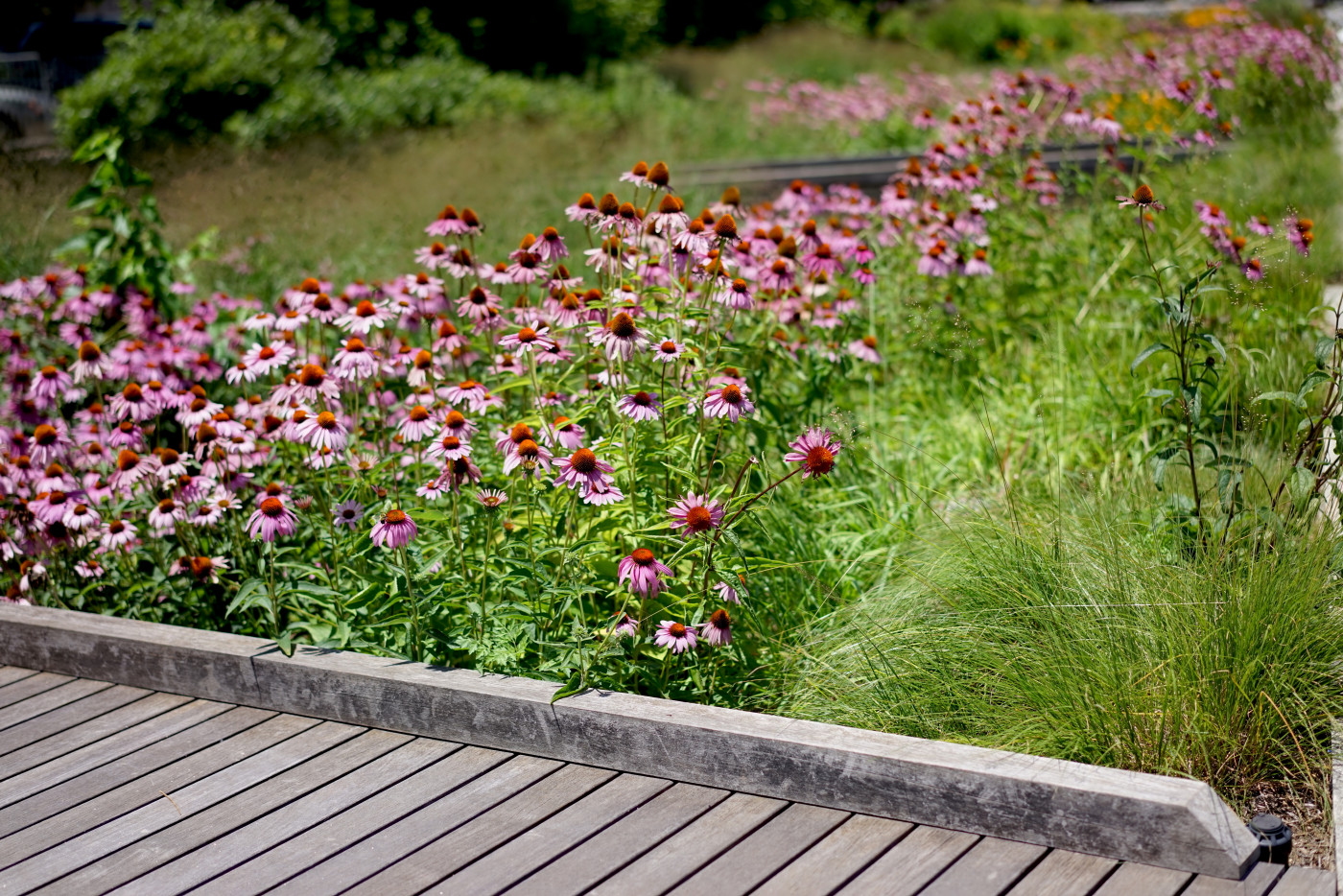
Beyond plant choices, the garden’s layout matters. A smart border uses curves and edges to invite pollinators while guiding human activity. In addition, microhabitats—shaded pockets, sunlit gaps, compact moisture zones—support a wider range of species. Crucially, avoid dense, monolithic blocks that may trap pests or create wind tunnels that deter small pollinators. Instead, create loose drifts and clusters with natural spacing that permits movement and foraging. Groundcovers help stabilize soil and keep weed pressure down, while taller natives define the backdrop and provide perching sites. When arranging color, prioritize naturalistic groupings over single‑season focal points; this approach yields more consistent pollinator visitation and a more cohesive year‑round appearance. For visual variety, plan to mix flower shapes (tubes, disks, umbels) so pollinators encounter familiar silhouettes as they move through the border.
Landscape function and aesthetics go hand in hand. A wildlife‑friendly border should also be relatively low maintenance. Mulching helps conserve soil moisture and suppress weeds, while selective pruning keeps plants tidy without removing essential nectar sources. In addition, monitor soil moisture and drainage; natives that tolerate periodic wetting and droughts tend to be sturdier across climate swings. If you live in a region with heavy rainfall, ensure good drainage to prevent root rot. Conversely, in dry regions, establish a weekly irrigation routine during establishment and drought periods. For ongoing care, adopt an incentive-based maintenance schedule: minimize fertilizer inputs, avoid broad‑spectrum pesticides, and adopt integrated pest management practices. You’ll be rewarded with a healthier pollinator border natives habitat and a more enjoyable garden experience overall.
For practical planting steps and ongoing care, see Part 2 of this guide, where we translate these design principles into a season‑by‑season planting plan and a regional species list. Next, we’ll explore how to assemble a planting palette that meets bloom goals while staying true to native‑plant ethics.
Plan and Implement a Pollinator Border Natives: Step-by-Step Design Guide
With a clear plan, you can transform a border into a thriving, pollinator-friendly landscape. This step-by-step guide helps you plan and implement a pollinator border natives that supports bees, butterflies, and other essential allies. The approach blends practical design with ecological intent, so you gain beauty, seasonal interest, and robust pollinator activity. Each step builds toward a cohesive border that blooms across seasons and thrives with minimal inputs when established well.
First, define a focused goal. Decide which pollinators you want to attract and which bloom windows fit your climate. Clarify whether you prefer dramatic color shifts, a relaxed meadow vibe, or a tight, formal edge that still invites insect life. Set a realistic maintenance target, budget, and timeline. A well-scoped goal keeps decisions consistent as you move through site assessment, palette selection, and bed layout. In short, your goals are the compass for every subsequent choice in the pollinator border natives project.
Next, assess the site with a practical eye. Healthier borders begin with honest surveying. Look at sun exposure, soil type, drainage, wind, and existing plants. Note microclimates such as sheltered corners or hot, dry banks. Mark pathway access for maintenance and for visitors who want to observe pollinators without stepping on beds. This assessment informs plant choices, spacing decisions, and irrigation plans. The more precise your site knowledge, the more dependable your border will perform year after year.
As you evaluate, imagine the bed as a layered ecosystem. The goal is to deliver nectar, pollen, and shelter across the growing season. That means choosing a palette that offers continuous bloom and diverse flower shapes. Think about bloom times from early spring through late fall. Also consider foliage texture and color for visual depth when pollinators aren’t buzzing nearby. A pollinator border natives should feel cohesive to the eye and function well for pollinators, humans, and passing wildlife alike.
In this design phase, you will also outline a practical palette. Focus on native species known to attract pollinators in your region. Include a mix of tall border plants, mid-height nectar producers, and low groundcovers that hold soil, suppress weeds, and provide landing pads for small insects. The right combination creates continuous nectar corridors, making your border busy with life for multiple months. This is the heart of plan and implement a pollinator border natives—the promise that beauty and habitat can go hand in hand.
Finally, plan the layout with an eye toward maintenance and aesthetics. Favor natural curves and gentle transitions between bed zones. Curves reduce edge effects, improve drainage, and create more landing opportunities for pollinators. Staggered spacing supports healthy root growth and ensures plants can reach their full nectar potential without crowding. The layout also includes practical considerations, such as irrigation lines, mulch thickness, and pruning zones. A well-thought-out plan saves time and reduces the risk of mistakes during planting and establishment.
Defining goals for your pollinator border natives
Begin with outcomes you want to achieve. A strong goal focuses on pollinator support, seasonal color, and habitat diversity. Set measurable targets, such as bloom coverage, nectar density, and drought tolerance. Clarify whether you want to emphasize native grasses for structure or wildflowers for nectar. A precise goal anchors plant selection, bed dimensions, and maintenance routines. It also helps you justify plant choices to family or neighbors who share the space. When your goals are clear, the entire project moves more smoothly and stay on track as seasons shift.
Define success indicators for pollinator border natives. Track metrics like new pollinator sightings, larval habitat availability, and the persistence of key species. Establish a simple journal or photo log to compare early-season bloom with late-season performance. Use the data to refine future plant selections and maintenance schedules. In addition, align goals with local ecological considerations and municipal guidelines for native plantings. With clear goals, you can measure progress and celebrate milestones as your border matures.
Another essential objective is maintenance feasibility. Decide how much time you are willing to invest in weeding, pruning, and irrigation. Native borders often require less input than ornamental borders, but establishment can be demanding. Set a realistic maintenance calendar that fits your climate and your schedule. When you blend ecological ambitions with practical constraints, your pollinator border natives become a sustainable, enjoyable part of your landscape year after year.
Finally, consider neighborly impact. A pollinator border natives should enhance curb appeal while respecting shared spaces. Determine whether you need fencing, edging, or plant placements to prevent encroachment onto walkways or drive lanes. Communication with adjacent homeowners or community gardeners helps ensure the border is a benefit to the neighborhood. By aligning ecological goals with social considerations, you create a project that earns appreciation and support from those who share the space.
Site survey and microclimate assessment for pollinator border natives
A precise site survey prevents costly missteps. Start by mapping sun exposure through the day. Note areas that receive full sun, partial shade, or deep shade. Record soil type and drainage along the border. Observe moisture patterns during dry spells and after rainfall. Check for compaction and any signs of poor drainage, such as puddling after irrigation. These details guide plant selection for each microzone. They also influence irrigation needs and mulch strategy. By understanding microclimates, you place each plant where it performs best, maximizing pollinator resources and plant longevity.
Light, moisture, and drainage
Light sets the rhythm of bloom. Full sun areas offer the strongest nectar production and fastest growth for many natives. Partial shade spots are ideal for understory natives that still attract pollinators. Deep shade is challenging for most pollinator-focused borders, but you can incorporate woodland natives that tolerate lower light. Soil moisture varies by microclimate. Some patches drain quickly after rain, while others retain moisture longer. Match plants to each zone to avoid water stress. Poor drainage can drown roots and reduce bloom quality, so fix issues before planting. If drainage needs improvement, consider raised beds or amended soils with organic matter to improve infiltration and root health.
Drainage is essential for pollinator border natives. Plants tolerate different moisture regimes, but consistent moisture reduces plant stress and insect predation. In poorly drained soils, select natives adapted to wet feet or create micro-drainage channels. Mulch helps moderate soil temperature and moisture swings, supporting steady bloom. Also think about wind exposure. Exposed borders may require sturdier stems or protective buffer plantings. When you map light, moisture, and wind, you create resilient zones within the border that sustain pollinators across varied weather.
Existing vegetation and space layout
Catalog what already grows along the border. Note whether shrubs or perennials can be integrated or if you should remove invasive competitors. Consider pathways and sightlines from the house or patio. Space planning should favor accessibility for ongoing maintenance and for pollinator observation. A well-planned layout minimizes root competition and helps plants establish quickly. It also reduces soil disturbance later in the season, preserving the microclimates you’ve mapped. With a clear map of existing vegetation, you can place new natives where they will thrive and attract pollinators most effectively.
In practice, create a rough sketch that marks light zones, drainage points, and traffic flows. Then translate this sketch into a planting plan that respects plant height, bloom sequence, and nectar timing. The border should feel cohesive, with generous nectar opportunities across the season. A careful site survey reduces guesswork and drives more predictable results for pollinators and gardeners alike.
For inspiration and practical guidance on native pollinator plants, see the Xerces Society resource on native plants and pollinators Xerces Society. Their catalog and regional guides help you select species that thrive in your climate and support a diverse pollinator community.
Crafting the native palette for pollinator border natives
The plant palette is the heartbeat of the border. Choose a mix of flowering perennials, grasses, and a few native shrubs that suit your region. Include early, mid, and late-season bloomers to maintain nectar and pollen supply. Native grasses add movement, texture, and habitat for beneficial insects. Groundcovers reduce weed pressure and keep soil cool during hot days. When selecting species, verify their native status for your region and avoid cultivars that may deviate from natural pollinator benefits. A robust palette supports a crowded chorus of pollinators and gives you dependable visual interest throughout the year.
Structure your palette around three core goals: nectar density, bloom duration, and habitat value. Nectar-dense species with long bloom periods provide continuous feeding opportunities. Ensure there are plants with varied flower shapes that nectar different pollinators. Include host plants for butterfly larvae whenever possible to support the full pollinator life cycle. A well-curated palette offers both immediate payoff and long-term ecological value, creating a border that looks vibrant while acting as a living pollinator sanctuary.
In your plant list, prioritize native species that resist local pests and tolerate your soil type. Use drought-tolerant options where water is limited. Choose species known for good seed or pollen production and for attracting a range of pollinators, not just bees. Plan for bloom overlap so that even as some plants finish, others are just starting. This staggered approach keeps nectar available and pollinators continuously engaged. A thoughtful palette reduces maintenance by avoiding overcrowded growth and encouraging natural, self-sustaining competition among plants that reduces weed encroachment.
To organize ideas, group plants by their primary role: early-season bloomers, mid-season workhorses, and late-season finishers. Within each group, also note height, bloom color, and preferred moisture. When you align these attributes with your site map, you’ll create a border that is both scientifically sound and visually compelling. Remember to document the species you select and the corresponding microclimate it will inhabit. This documentation helps you reproduce or adjust the plan in future seasons and share best practices with neighbors or community gardens.
Seasonal color is important, but pollinator support is the priority. The right mixture yields a border that hums with activity from spring through autumn. Include a few species that provide pollen for bees and late-season nectar for monarchs and other butterflies. Don’t forget foliage texture and colors for visual interest when blooms are sparse. A vibrant and functional palette is the result of deliberate choices made with ecological outcomes in mind. Both beauty and function come together in a well-designed pollinator border natives palette.
As you finalize a palette, confirm availability from local nurseries or native plant suppliers. Favor plants that are well adapted to your soils and climate. If you grow from seed, design a timeline that aligns sowing, rooting, and transplanting with your region’s frost dates. Finally, keep records of how each species performs in your microclimates and adjust future plantings accordingly. A dynamic palette that adapts to performance data will yield stronger pollinator support year after year.
Layout and planting plan for pollinator border natives
Layout decisions translate the palette into a field-ready border. Start with a soft, natural border edge that blends into the surrounding landscape. Use curves to soften transitions and create more edge habitat for pollinators. Taller plants belong toward the back or center of the border, while mid-height species fill the middle, and low-growing groundcovers span the front. This vertical layering increases nectar density and provides shelter for ground-dwelling insects. A well-considered layout also improves airflow and reduces disease pressure by avoiding overcrowding. The goal is to maximize nectar exposure and landing opportunities while maintaining aesthetic harmony.
Spacing matters. Leave enough room for roots to expand and for plants to reach full bloom potential. Overcrowding reduces air circulation, promotes disease, and can suppress nectar production. A practical rule is to plant at a distance that allows leaves to touch without crowding, but always verify species-specific guidance. The border should not feel sparse, but neither should it feel crowded. Balance is the key to ongoing pollinator activity and easy maintenance. When spacing is right, plants establish quickly, roots stabilize soil, and the border becomes a stable habitat for a wide range of pollinator species.
Consider companion features that boost pollinator success. A shallow water source, such as a saucer garden or a pebble tray, invites bees and butterflies to sip. A well-timed mulch layer helps keep soil temperatures stable and reduces weed pressure during establishment. Include local stone or wood accents to create microhabitats and shelter for small insects. While these extras are optional, they can dramatically improve the border’s ecological function and aesthetic appeal. The design should always serve function first, with beauty following closely behind.
Finally, create a planting sequence that aligns with your establishment plan. Start with the highest-priority nectar producers, then add mid-height and groundcovers. Staged planting reduces soil disruption and improves survival rates. It also allows you to monitor irrigation needs and weed pressure in the first season. A deliberate, phased approach leads to faster establishment and more reliable pollinator support as your border grows into a thriving habitat.
In addition to the sequence, document how each plant fits into your seasonal plan. Record bloom windows, expected height, and preferred moisture. This metadata simplifies future adjustments and helps you rotate or replace species as conditions change or as you observe pollinator responses. A transparent plan makes maintenance easier and creates a living record you can share with others who want to replicate your success.
Finally, ensure your planting plan respects local regulations and native plant guidelines. Respect any restrictions on plant material in community spaces or public borders. If you are planting in a shared border, obtain written permission and align your approach with neighborly expectations. This collaborative angle increases the likelihood of long-term success and helps your pollinator border natives thrive within the landscape you share with others.
Once the layout is complete, prepare the bed for installation. Remove weeds and loosen compacted soil to encourage root penetration. Amend soil where needed, keeping native soil structure intact. Apply a thin layer of mulch to retain moisture and suppress weeds during establishment. Water deeply after planting to settle soil and reduce transplant shock. A careful installation sets the border up for robust growth and strong pollinator support in the weeks and months ahead.
For readers seeking additional inspiration on design and planting strategies, the Xerces Society offers a helpful overview of native plant selection and pollinator-focused landscapes Xerces Society. Their guidance aligns with best practices for creating resilient, pollinator-friendly borders that perform in diverse climates.
Soil preparation and initial planting technique for pollinator border natives
Soil preparation lays the foundation for successful establishment. Start with a soil test if possible. Assess pH, drainage, and organic matter content. In many regions, adding compost improves soil structure and microbial activity without overwhelming native plant roots. If your border sits in heavy clay, work in organic amendments to break up the soil and improve drainage. For sandy soils, add compost and a touch of composted mulch to improve nutrient retention. The aim is to create a hospitable rooting zone that remains stable through heat and drought while still allowing roots to explore.
When you plant, handle roots gently and avoid crowding. Place plants at the correct depth to prevent stem girdling or crown exposure. Gently firm soil around roots to eliminate air pockets, then water deeply to settle the root ball. Use mulch as a protective layer, but avoid piling mulch directly against stems or trunks. A shallow mulch keeps soil cool and reduces evaporation while still allowing air to reach roots. Deep mulch can suffocate roots and create overly moist conditions. Strive for a balanced mulch depth that supports establishment without promoting rot.
Establishment routines focus on irrigation and weed control. Water deeply and infrequently to encourage deep root growth. In the first few weeks, check soil moisture and adjust frequencies as needed. Gradually reduce irrigation as plants establish, trusting their native adaptations to seasonal moisture. Weeding is essential during this phase to prevent competition that could stunt early growth. A regular, light maintenance cadence supports quicker establishment and a healthier pollinator border natives in its first year.
Mulch plays a dual role: it moderates soil temperature and suppresses weeds. Apply a 2-3 inch layer of organic mulch, keeping it a few inches away from plant crowns. Replenish mulch as it settles, especially after heavy rainfall or wind events. A well-timed mulch layer supports soil moisture, reduces erosion, and creates a stable bed environment for roots. In addition, mulching can reduce maintenance time later by decreasing weed pressure and keeping the border neat and attractive for visitors.
Finally, record planting outcomes and irrigation performance. Note which species showed the strongest establishment and which needed extra care. Track any signs of stress and adjust care plans accordingly. This record becomes your ongoing guide for future maintenance cycles and for planning expansion or revision in upcoming seasons. Attention to establishment details helps ensure your pollinator border natives enters a robust, recovery-ready phase more quickly than you might expect.
Establishment care and watering schedule for pollinator border natives
During establishment, a consistent watering schedule supports steady growth. Depending on rainfall and soil type, aim for deep, thorough irrigation rather than shallow wetting. Deep watering encourages deep root growth, which benefits drought tolerance and pollinator habitat stability. As plants settle, taper irrigation while monitoring soil moisture. Maintain a balance where the roots stay moist but not waterlogged. A predictable schedule helps you maintain bloom potential and reduces plant stress that can deter pollinators.
As roots establish, you can shift to a reduced maintenance routine. Mulch continues to protect soils and suppress weeds. Deadheading can be scheduled to encourage repeat blooms, depending on plant species and growth habit. Yet, avoid heavy pruning during the first growing season unless necessary for plant health. Gentle shaping and removal of damaged growth preserve vigor and ecological functions. By staying attentive to each species’ needs, you support a healthy, vibrant pollinator border natives that continues to attract pollinators across the growing season.
Watering and irrigation should be aligned with a seasonal calendar. Early spring often requires more moisture to support new growth and bloom initiation. Summer may demand deeper, irregular irrigation in hot, dry climates. Late summer cutting back is sometimes appropriate to conserve energy for fall bloom. A well-timed irrigation plan contributes to consistent nectar flows and a more reliable pollinator presence along the border. When combined with a carefully managed mulch layer, your border retains soil moisture and sustains pollinators as temperatures shift throughout the year.
In addition to irrigation, consider irrigation efficiency improvements such as drip lines and moisture sensors. Drip irrigation targets roots directly, reducing waste and disease risk. Moisture sensors help you avoid overwatering while ensuring plants receive enough water during critical growth periods. An efficient system supports pollinator-friendly plants and minimizes maintenance tasks while maximizing ecological benefits. As you implement these strategies, you create a resilient border that thrives with minimal intervention and sustains pollinator activity for years to come.
Maintenance plan for pollinator border natives
Maintenance is not a one-time effort but a recurring cycle that keeps the border healthy. Develop a seasonal schedule that fits your climate. In spring, focus on weed control, initial pruning, and monitoring for pest signs. Summer requires steady watering checks, deadheading where appropriate, and monitoring nectar availability. Fall is a busy time for cutting back vigorous growth and preparing perennials for winter. Winter care often involves minimal interference, but it is a good time to assess structure and plan for the next growing season. A consistent plan keeps your border both attractive and full of pollinator opportunities year after year.
Pruning is a key maintenance activity. Prune to maintain plant vigor and to create space for simultaneous blooms. Remove dead wood and spent flower stalks after the main bloom period. Some species benefit from annual shaping, while others perform best with light, selective pruning every few years. Avoid heavy pruning that could remove essential flowering wood or disrupt pollinator habitats. A measured pruning strategy reduces risk of plant stress and supports ongoing nectar production for pollinators.
Weed control must be deliberate and persistent. Native borders resist many invasives when properly mulched and maintained. Regular weeding during the establishment season reduces competition and helps pollinators access nectar and pollen more easily. After establishment, maintenance can focus on targeted weed removal and mulching adjustments. A herbicide-free approach preserves pollinator health and aligns with ecological best practices. The border remains a robust habitat when weeding is consistent and careful.
Fertilization is generally unnecessary for native borders and should be used sparingly if at all. Native perennials often thrive with little or no supplemental fertilizer. If you notice pale growth or slower bloom in a poor soil area, test before applying amendments. When used, apply slow-release, organic fertilizers in accordance with plant recommendations. The aim is to support growth without creating rapid, weak growth that may attract pests. A restrained approach to feeding benefits pollinators by maintaining soil health and a steady nectar supply.
Seasonal monitoring is essential. Track pollinator visits, plant health, and bloom success. Use a simple notebook or digital record to capture trends. If you notice declines in pollinator activity, reassess plant health and nectar availability. Adjust plant selection or spacing as needed to improve performance. This adaptive management ensures your border remains a dynamic, pollinator-centered habitat, not a static display. Ongoing observation is a cornerstone of success for pollinator border natives.
Monitoring pollinator activity and adapting over time for pollinator border natives
Monitoring is more than counting visitors. It is about understanding how the border functions as an ecosystem. Observe which blooms attract the most pollinators and at what times of day visits peak. Note which species sustain butterfly larvae or provide essential nectar for bees during critical periods. Use these observations to adjust plant selection, spacing, and bloom sequencing over time. Adaptation is part of a living border that evolves with the climate and with pollinator behavior. Your border will improve with each season as you respond to real-world data and ecological cues.
To maximize learning, pair field observations with simple, repeatable methods. For example, measure bloom intensity at regular intervals and record pollinator activity. Compare early season performance with late season outcomes. This data helps you refine annual plans and informs future expansions or modifications. The most resilient borders are those that learn and improve year after year. Your willingness to observe, record, and adapt makes your pollinator border natives a long-term success story.
Finally, document lessons learned for your garden journal or blog. Share successes and challenges with your audience, offering practical tips for others pursuing pollinator-friendly borders. Your experiences can guide beginners through the planning, planting, and maintenance life cycle. By documenting progress, you contribute to a broader community committed to pollinator health and native plant stewardship. A living record supports continuous improvement and inspires others to create thriving habitats in their own spaces.
Resource checklist and planting calendar for pollinator border natives
Prepare a practical resource checklist to keep on hand. Include seed and plant sources, soil amendments, mulch types, irrigation components, and maintenance tools. A well-curated list reduces last-minute trips to the store and keeps the project flowing. Pair this with a planting calendar that aligns with your local frost dates and climatic patterns. A clear calendar prevents bottlenecks and ensures resources are available when you need them most. You will enjoy a smoother planting experience and faster establishment as a result.
In practice, build a simple calendar that marks key dates for soil prep, plant installation, initial irrigation, and multi-season maintenance tasks. Use reminders for pruning windows and for monitoring pollinator activity during peak nectar flows. The calendar should be flexible enough to accommodate weather variations but structured enough to keep you on track. As your border matures, you’ll appreciate how a thoughtful calendar supports steady progress and reliable pollinator support throughout the year.
To stay aligned with best practices in 2026, consult trusted resources on native pollinator garden design and maintenance. In addition to the Xerces Society reference already mentioned, you may explore regional extension service guidelines for plant choices and care recommendations. These sources help you stay current with local pollinator needs, climate trends, and ecological considerations. A combination of site-specific guidance and general ecological principles yields the most resilient pollinator border natives possible.
As you complete Part 2, you are ready to translate planning into action. The next section will focus on translating the plan into hands-on planting and establishment steps, including techniques for dramatic, hopeful results with pollinator border natives in real-world conditions. Next, in Part 3: Planting and Establishment Techniques for Pollinator Border Natives, we translate the plan into a concrete planting schedule and practical steps.
Advanced pollinator border natives: Maintenance, Scaling, and Engagement
In this final section, we translate every practical insight into a repeatable workflow that keeps your pollinator border natives thriving year after year. Maintenance, scaling, and engagement are not isolated tasks but a cohesive rhythm. By treating the border as a living system, you maximize bloom windows, improve pollinator visitation, and reduce maintenance friction. As climate patterns shift in 2026, a disciplined approach to care, thoughtful expansion, and ongoing community involvement will safeguard your pollinator border natives while delivering consistent beauty and ecological value.
Throughout this section, you will see a focus on sustainable routines, cost-effective strategies, and simple measurement that make complex goals achievable. Whether you garden on a small urban strip or a longer rural border, the same framework applies: predictable care, strategic growth, and meaningful participation. The ultimate objective is a resilient, dynamic border that supports diverse pollinators without overwhelming your schedule or budget. This is how BloomHaven translates ambition into a durable, high-impact pollinator border natives plan.
Maintenance fundamentals for pollinator border natives
Maintenance is the backbone of a thriving pollinator border natives landscape. When care routines are clear, plants perform better, pests are easier to catch early, and the garden becomes more enjoyable to manage. The goal is to build a habitat that is resilient to drought, heavy rain, and seasonal fluctuations while continuing to attract and sustain a wide range of pollinators. Below are the core pillars of ongoing care for pollinator border natives.
Pollinator border natives: soil and water management
The foundation of any healthy border is soil that stores moisture, drains well, and provides steady nutrients. Start with a soil test to understand texture, pH, and organic matter. Amend with plenty of well‑rotted compost and a light mulch to protect soils from temperature swings. Mulch also reduces weed pressure and moderates soil temperature, which benefits both plant roots and pollinators.
Watering strategies should align with plant demands and local climate. Drip irrigation or soaker hoses minimize evaporation and leaf wetness that can promote disease. Water deeply but infrequently to encourage deep root growth, especially during dry spells. In hot and windy summers, a 2–3 inch weekly reservoir is a useful benchmark, but adjust for rainfall, soil type, and plant maturity. Windbreaks or nearby structures can reduce evapotranspiration for exposed borders, while organic matter in the soil improves water retention. For pollinator habitats, avoid over‑fertilizing with nitrogen, which can push lush foliage at the expense of blooms. Healthy soil supports a robust bloom cycle, which in turn sustains pollinators.
At scale, consider a rain garden or swale system adjacent to the border to capture runoff and recharge groundwater. The goal is to create micro‑habitats that stay moist during dry periods and drain quickly after heavy rains. For potted sections or raised beds, use a high‑quality potting mix with perlite or other drainage aids and ensure containers have drainage holes. Regularly top‑dress with compost and monitor soil moisture with a simple finger test or a moisture meter. Healthy soil is the silent partner of pollinator border natives, delivering consistent bloom pressure across seasons.
Pollinator border natives: pruning, deadheading, and seasonal care
Pruning and deadheading regulate plant shape, reduce disease risk, and encourage repeat blooming. For many perennials, remove spent flowers after a bloom cycle to redirect energy toward new growth and additional blossoms. Early spring pruning helps establish strong architecture for the season, while late summer pruning can refresh heat‑stressed plants. Use clean, sharp tools and avoid cutting into new growth that you want to protect for overwintering or next season’s bloom.
Seasonal care is about anticipating pollinator needs. After flowering, some native grasses and forbs benefit from a light cutback to remove diseased foliage but retain seed heads that feed birds and invertebrates through fall and winter. In mild regions, a partial evergreen cover can sustain beneficial insects during winter. In colder zones, provide a temporary mulch layer or protective evergreen cover to reduce freeze‑thaw stress. Adapting pruning and deadheading to local climate realities ensures that your border remains attractive to pollinators while staying manageable for you.
Consistency matters. Create a simple pruning calendar tied to bloom times and pollinator peaks, so you can predict when to cut back, divide, or tidy. A predictable schedule reduces decision fatigue and helps you stay aligned with the garden’s ecological rhythm. While maintenance needs vary, the underlying principle is clear: healthy borders bloom more reliably, invite more pollinators, and require fewer interventions when you follow a steady routine.
Pollinator border natives: monitoring for pests and diseases
Integrated pest management (IPM) should be the default approach for pollinator border natives. Begin with observation: note changes in leaf color, growth habit, and flowering patterns. Early detection is critical for preventing outbreaks that could harm pollinators or degrade bloom quality. Use non‑chemical interventions first, such as physical removal of pests, habitat adjustment, or beneficial insect introductions. Plant diversity itself is a hedge against pest outbreaks, as a variety of pollinator border natives supports natural enemies of pests.
When chemical controls are necessary, select products that are targeted, minimal impact, and labeled for pollinator health. Avoid broad‑spectrum treatments during bloom periods or when pollinators are active. After any treatment, monitor plants closely for signs of stress and recoverability. A mindful, science‑driven approach to pest management protects pollinators while preserving the aesthetic of the border. The goal is a resilient system where pests are manageable without compromising pollinator visitation or plant health.
Regular scouting cups decrease problem severity. Schedule monthly checks, especially in spring and late summer when pest pressure often shifts. Keep a simple log of pest sightings, remedies tried, and outcomes. This data becomes a valuable resource for redesigning future plantings and refining maintenance practices that support pollinator border natives over time.
Pollinator border natives: fertilization and soil health guidelines
Fertilization should reinforce soil health, not merely push rapid growth. Favor slow‑release, organic fertilizers that feed soil life rather than quickly leach away with rainfall. For most pollinator border natives, a light annual top‑dressing of compost in early spring provides a steady nutrient supply and enhances microbial activity. If you use granular amendments, apply according to label directions and avoid high‑nitrogen formulas that encourage lush foliage at the expense of flower production.
Consider soil‑life fertilizers such as compost teas or mycorrhizal inoculants for plants with extensive root systems. These amendments foster a robust root zone, improving drought resilience and bloom timing. Remember that pollinators rely on plentiful nectar and pollen, so prioritizing bloom potential through balanced nutrition is more effective than chasing rapid leaf growth alone. By focusing on soil health as the foundation, you sustain pollinator border natives across multiple seasons and weather events.
Scaling pollinator border natives: phased expansion and design considerations
Scaling a pollinator border natives project means turning a plan into a sequence of executable steps. Each expansion phase builds on the last, reinforcing ecological gains and making management predictable. A phased approach reduces risk, keeps budgets in check, and invites community involvement as the border grows. The following subsections outline practical strategies for growing your border with intention and clarity.
Phased expansion and succession planning
Begin with a mapping exercise. Sketch the current border, list bloom windows, and identify gaps where pollinators are less active. Choose a few companion natives that complement existing plants and extend forage early and late in the season. A three‑to‑five year plan is a realistic horizon for a medium border, with yearly milestones like adding two to four plants, introducing a beneficial insect habitat, or installing a simple irrigation upgrade.
Succession planting is essential for continuous bloom. Pair early‑season bloomers with mid‑season and late‑season forms to maintain nectar sources. In zones with harsh winters, select perennials that provide winter interest and forage for late‑season pollinators, including native grasses and seed‑producing forbs. A well‑planned succession strategy keeps the border productive and attractive while providing stable habitat for pollinators throughout the year.
Record keeping is a scalable practice. Maintain a simple ledger of plant counts, bloom dates, and performance notes by section. This data informs future plantings, optimizes maintenance schedules, and helps you communicate progress to neighbors or a gardener community. Over time, your scaling plan yields a resilient, pollinator‑friendly border that remains easy to manage even as it grows.
Designing for different border widths and microclimates
Border width matters as you scale. Narrow borders benefit from high‑density plantings with tight spacing and continual succession, while wider borders allow for layered structure, shade‑tolerant selections, and larger perennials. Use a planting palette that includes a mix of bloom forms — tall umbels, mid‑height forbs, and groundcovers — to create vertical interest and continuous nectar sources. Consider microclimates within the border: sun pockets, shade corridors, wind corridors, and moisture pockets all shape plant selection. Native grasses can anchor the border in sunny areas, while shade‑tolerant natives fill shaded sections with interest and pollinator value.
Microclimates should inform water management and pruning. In sunnier pockets, drought‑tolerant natives combine with slow‑release fertilizers and deeper irrigation checks. In cooler, shaded areas, emphasize plants that perform well with lower light and a steadier moisture supply. A well‑designed border accounts for microclimates as a natural part of the maintenance routine rather than an afterthought, ensuring pollinator border natives thrive across the entire border width.
Water management at scale
When expanding, water management becomes an essential consideration. Implement a zone‑based irrigation plan so each segment of the border receives appropriate moisture without overwatering adjacent zones. For large borders, consider a simple drip system with zone valves and a timer to align with bloom cycles. In drought‑prone areas, combine soil moisture monitoring with rainwater harvesting or capture from adjacent roofs to supplement irrigation without increasing utility costs. Water efficiency is not just about saving water; it’s about ensuring pollen and nectar resources remain available at key moments in the season for pollinators to rely on.
Mulch remains a simple, cost‑effective tool at scale. It reduces evaporation, stabilizes soil temperatures, and suppresses weeds. A layer of organic mulch around native plants also supports soil‑dwelling beneficial insects that contribute to nutrient cycling and soil structure. For long‑term success, pair mulching with periodic compost top‑ups to maintain soil health. Scaling water management in a thoughtful, modular way keeps maintenance predictable and ensures the border continues to attract a diverse pollinator set across multiple seasons.
Project budgeting and resource planning
Budgeting for a pollinator border natives expansion means forecasting costs for plants, soil amendments, irrigation hardware, signage, and occasional replacements. Start with a core plant list that provides strong bloom coverage and establish a phased investment plan. Allocate funds for essential infrastructure first — irrigation, soil improvement, and durable edging — then set aside a contingency fund for replacements or emergency repairs. Consider low‑cost, high‑impact strategies such as seed mixes, division of mature plants, and partnerships with local plant swaps to reduce initial outlay.
Track labor demands alongside material costs. A larger border will require extra weeding, pruning, and monitoring, so plan volunteer days or cooperative maintenance windows to share the workload. Transparent budgeting also helps when communicating with neighbors, schools, or local groups who may want to participate. The goal is to grow the border while maintaining a sustainable balance between time, money, and ecological payoff. In time, the investment in scale yields a more robust habitat for pollinators and a more immersive, legible landscape for visitors.
Engagement and long‑term involvement for pollinator border natives
Engagement is what keeps a pollinator border natives project alive beyond the initial installation. Ongoing participation helps you learn from the border, celebrate blooms, and recruit others to care for and benefit from the habitat. Engagement should be built into the border’s design and operations, turning the border into a living classroom and a source of pride for your community. The following approaches center people as a key resource in maintaining a vibrant pollinator border natives landscape.
Engaging your audience with pollinator border natives monitoring
Pollinator monitoring is both scientifically valuable and deeply satisfying for garden teams and community groups. Establish a simple protocol for counting visitation, observing which species are attracted to which plants, and noting how bloom windows overlap with pollinator lifecycles. A lightweight monitoring program can be as simple as weekly walk‑throughs with a field notebook, a smartphone photo log, or a shared online spreadsheet. Invite volunteers to help identify pollinator visitors and track bloom periods. The data you collect informs future plant choices, helps you time maintenance tasks, and builds community ownership of the border.
To keep engagement light yet impactful, create monthly themes tied to the seasons. For example, focus on early nectar sources in spring, mid‑season nectar offerings in summer, and seed production or late blossoms in autumn. Publicly share findings in a short report or on a community bulletin board, highlighting how the border supports pollinators. People love stories of success, and data‑driven observations make those stories credible and shareable.
Seasonal and year‑round engagement
Engagement must adapt to seasonal realities. In spring, host a planting day where neighbors contribute native plugs and learn about pollinator behavior. In summer, offer a garden walk that highlights nectar sources and explains how different families of pollinators use the border. In autumn, showcase seed heads that feed birds and late‑season pollinators, and discuss how to prepare perennials for winter. In winter, maintain evergreen structure and plan the upcoming year’s schedule, ensuring the border remains an attractive, low‑maintenance feature even when blooms are sparse.
Consider virtual participation for distant supporters. Share bloom calendars, photos, and notes through a blog, newsletter, or social media. A transparent, accessible communication strategy expands your audience and invites more people to contribute time, plant resources, or ideas. Engagement is not only about visibility; it is about building a network that helps sustain pollinator border natives across climate and time.
Community and school partnerships
Schools and community groups provide fresh energy and hands to care for the border. Create learning opportunities that connect biology, ecology, and design. Offer classroom about‑the‑border activities, plant photography challenges, or habitat audits that align with science standards. Partnerships with local clubs or master gardeners can provide expertise, volunteer hours, and shared pride in a well‑used pollinator border natives display. When students see real‑world applications of pollinator biology, they become champions who carry the border forward into the next generation.
Public events tied to blooming cycles deepen relationships with neighbors and increase visitation. Open days, guided tours, or harvest festivals around peak nectar sources can attract visitors who appreciate both beauty and ecosystem function. Thoughtful programming demonstrates that pollinator border natives are not just a pretty border; they are a living, working habitat that supports species and educates people.
Content, data, and storytelling for lasting impact
Documentation and storytelling amplify your impact. Maintain a photo archive that tracks bloom progression, pollinator visits, and seasonal changes. Pair visuals with short captions that explain plant choices, pollinator benefits, and maintenance routines. Regular blog posts or social updates featuring plant profiles, bloom calendars, and pollinator sightings provide ongoing value to readers and keep your border relevant in search results for years to come. A consistent narrative helps readers understand how a pollinator border natives project evolves and why maintenance, scaling, and engagement matter for long‑term success.
Outbound resource and references
To deepen your understanding of pollinators and native plants, explore trusted, non‑competitive resources that complement this guide. For a science‑based overview of pollinators and habitat creation, visit Xerces Society: Pollinators. This external resource offers practical, research‑backed recommendations that align with the principles outlined here, helping you refine plant choices, habitat features, and engagement strategies while staying rooted in ecological science.
Conclusion
Advanced maintenance, scaling, and engagement for pollinator border natives culminate in a resilient, picturesque, and productive border that continually serves pollinators and Gardeners alike. By strengthening soil health, refining water use, and embracing a phased growth plan, you create a border that blooms reliably across seasons and climates. Engaging the community turns the border into a shared project, a living classroom, and a source of pride for neighbors and students. The key is to implement practical systems: consistent maintenance routines, scalable design decisions, and meaningful opportunities for participation. In practice, these elements work in concert to produce a patch of land that is beautiful, ecological, and deeply rewarding. If you are ready to elevate your garden with pollinator border natives, start with clear soil and water strategies, then map a phased expansion that respects microclimates and budget realities, while inviting others to participate in ongoing monitoring and storytelling. By applying these principles, you will grow a richer, more resilient pollinator border natives landscape that delights the eye, supports a wide range of pollinators, and proves that thoughtful design and community engagement can transform ordinary borders into extraordinary habitats. To conclude, commit to maintenance, scale with purpose, and invite engagement—the pollinator border natives approach is a sustainable, high‑impact path for gardeners in 2026 and beyond. Focus keyword: pollinator border natives.