Ranunculus Event Bouquet Step-by-Step Guide
Ranunculus event bouquet planning begins with a clear, structured framework that safeguards color, form, and longevity for your occasion. In this Part 1, we lay the foundations—scope, palette, sourcing strategies, and practical prep steps—that transform inspiration into an actionable plan. You’ll learn how to translate mood boards into timelines, budget baselines, and a materials checklist that keeps costs in check without compromising impact. As BloomHaven embraces 2026 Pinterest trends like cabbage-crush palettes, wildflower textures, peonies, and pollinator-friendly greens, this guide helps you weave those trends into a durable, professional bouquet program. By the end of this section, you’ll have a concrete plan to brief designers, growers, and rental partners, plus a step-by-step prep routine that protects bloom quality from field to ceremony. Expect approachable checklists, suppliers tips, and design principles you can apply whether you’re arranging a small ceremony or a large event. The goal is confidence: you’ll finish Part 1 with a documented plan you can share and execute with vendors, venues, and your own team.
Ranunculus Event Bouquet Foundations for Planning and Preparation
Foundations for a ranunculus event bouquet
Before you place a single stem, set the framework. Clarify the event type, guest count, venue conditions, and the overall design mood. These foundations guide every decision, from variety selection to transport routes. In addition, outline nonnegotiables such as color families, floral shapes, longevity expectations, and budget limits. Crucially, this stage reduces last-minute changes and ensures your ranunculus event bouquet remains cohesive across all components—bridal party bouquets, centerpieces, and installation pieces.
Start with a simple planning trio: goals, constraints, and timelines. Goals answer what the bouquet should communicate and how it supports the event’s narrative. Constraints cover budget, seasonality, transport, and venue conditions. Timelines align with production lead times, vendor bookings, and installation windows. All three feed a master plan you can share with growers, designers, and the venue team. In BloomHaven’s 2026 trend context, this approach helps you blend cabbage-crush accents, wildflower textures, and pollinator-friendly greens without sacrificing practicality or vase life.
In addition, codify your success metrics. Is longevity the priority? Is color storytelling the objective? Do you prefer a lush, garden-inspired feel or a modern, sculptural line? Documenting these answers keeps everyone aligned and makes decision-making straightforward as choices pile up near deadlines.
Color palette and ranunculus arrangement coordination
Define a palette first, then map each color to a ranunculus variety and supporting foliage. Consider the life cycle of ranunculus blooms—tight buds versus fully opened blossoms—and how they read in photos and in person. A controlled palette enhances cohesion across arrangements and avoids expensive misfires. When coordinating ranunculus arrangement components, assign roles to colors and textures. For example, reserve delicate whites and blush tones for bridal party pieces and reserve bolder pinks or coral tones for tables and focal arrangements. In addition, align the palette with the venue backdrop and lighting to ensure the blooms pop in photos and real life. To stay trend-forward, weave cabbage-crush greens, wispy grasses, and pollinator-friendly foliage into the green elements; these accents complement the ranunculus without overpowering it. For supportive resources on color theory in floristry, visit RHS Ranunculus care and growing guide.
Varieties, sourcing, and sustainability of ranunculus
Choose varieties based on form, color, and vase life. Double blooms provide fullness, singles read as delicate accents, and peony-flowered ranunculus offer a luxurious focal point. Evaluate stems per bouquet, length, and how petals carry in movement and wind. Source locally when possible to reduce transport emissions and to support seasonal availability. Build a relationship with growers or reputable wholesalers who understand your timeline and quality expectations. If your event is in peak season, plan for backups in case a preferred color or stem runs shorter than expected. Sustainability considerations include using reusable containers, minimizing floral waste through precise ordering, and selecting varieties with reliable vase life. For more context on sustainable sourcing practices, see our link to trusted industry guidance above.
Budgeting and timeline planning for the bouquet
Create a line-item budget that covers stems, conditioning supplies, mechanics, vessels, ribbons, and transportation. Attach unit costs to each component, then build in a contingency buffer for weather, delays, or last-minute substitutions. Build a practical timeline that starts with procurement and ends at installation. Schedule pre-event checks, conditioning windows, and transport times. If you’re coordinating with a venue, lock in access times early and confirm load-in routes. Remember: ranunculus bouquets require careful conditioning, so plan for a longer prep window if you’re handling many pieces. A clear budget and timeline reduce stress and improve execution on event day.
Materials, tools, and conditioning checklist
- Cutting tools (sharp floral scissors)
- Floral tape, wire, and protective wrap
- Floral foam or alternative mechanics if appropriate
- Vases, buckets, transport containers
- Conditioning solution and clean water
- Ribbons, fabric wraps, and signage supplies
- Non-slip mat and hand cleanliness supplies
Conditioning is critical for ranunculus. Recut stems at an angle, remove excess foliage, and place in clean water with a mild conditioning solution. Check water daily, trim stems as needed, and avoid overcrowding containers. This routine sustains freshness, reduces wilting, and preserves color vibrancy on installation day.
Design principles: balance, texture, and form
Apply core floristry principles to every component. Aim for balance in mass and negative space. Layer textures—from smooth ranunculus petals to feathery greenery—to create depth. Vary stem lengths for dynamic movement, but preserve structural integrity through careful wiring and taping where necessary. Keep the overall form cohesive with the event’s style—whether you choose a classic, round bouquet or a more contemporary, architectural layout. In addition, consider how each piece reads in photos, as many clients evaluate bloom quality online and in galleries from your portfolio.
Care, conditioning, and transport prep for the ranunculus event bouquet
Plan conditioning windows that fit your production pace. If you’re delivering many pieces, assemble bouquets in stages to avoid overcrowding. Use protective sleeves or tissue to cushion delicate petals during transport. Maintain stable humidity and cool temperatures to preserve color and hydration. On the day of installation, carry bouquets upright, minimize handling, and place them in a controlled environment until the final moments before display. These steps help you maximize vase life and keep blooms looking fresh for hours of event photography.
Storage, handling, and environmental considerations
Storage should prioritize cool, shaded spaces away from direct sunlight and heat. If you must store overnight, move bundles into clean water with fresh conditioning solution and refrigerate if possible. During handling, wear clean gloves to avoid oil transfer and use gentle grips to prevent petal bruising. Consider venue environmental factors such as air conditioning, humidity, and movement; adjust placement to maximize longevity and minimize disturbance to delicate layouts. Thoughtful storage and handling minimize waste and maximize impact on site.
Vendor coordination and contingency planning
Share the plan with designers, venue staff, and rental partners. Establish a clear point of contact for day-of coordination and a contingency plan for substitutions due to shortages or weather. Schedule a pre-event walkthrough to confirm access, cold-chain integrity, and assembly space. Contingency planning helps you respond quickly and maintain visual integrity even if plans shift.
For additional guidance on general ranunculus care and growing practices, explore reliable sources such as the RHS guide linked above.
Next, in Part 2: Design Principles and Assembly for the Ranunculus Event Bouquet, we translate this groundwork into concrete design and assembly steps.
Constructing the Ranunculus Event Bouquet: Step-by-Step Assembly and Harmony
In a ranunculus event bouquet, harmony is born from careful construction. This isn’t merely about placing flowers; it’s about orchestrating line, balance, and movement so that every element supports the others. The ideal ranunculus event bouquet reads as a cohesive sculpture of petals, foliage, and color, designed to impress from the first glance and endure through transport and on-site posing. As you assemble, consider the bouquet’s silhouette, the rhythm of stems, and how light travels across the blooms. Specifically, the ranunculus’s layered petals offer a soft, romantic texture that pairs beautifully with airy greens and a restrained color palette. Furthermore, the technique you use to bind and arrange them will define durability and ease of handling for the event day.
Before you begin, visualize how the bouquet will look when held by a person of average height and how it will appear from the side and the front. A well-constructed ranunculus event bouquet balances a generous bloom count with negative space, so the arrangement breathes rather than feels crowded. This balance is not incidental; it is the result of deliberate placement, proportion, and a steady hand. As you gain confidence in your arrangements, you will find that the same principles translate to larger wedding bouquets, corporate event pieces, and intimate gala centerpieces. In short, harmony is the fingerprint of a bouquet that photographs beautifully and holds steady through a long day of celebration.
Defining the Core Structure: Building the Spine and Rhythm
The backbone of any ranunculus event bouquet starts with a clear spine. This is the invisible line that defines the bouquet’s height and width, guiding every placement from the center outward. Begin with your focal ranunculus blooms at the heart of the arrangement; these are the blooms that draw the eye first and anchor the composition. Around the focal blooms, position supporting ranunculus in a slightly descending arc, so the crown of the bouquet feels lush but not top-heavy. This creates a natural rhythm that the viewer’s eye can follow from the central point outward. Additionally, you should consider the bouquet’s balance from all angles. Rotate the arrangement in your hand as you work, ensuring the form remains even when viewed from the front, the sides, and the back. This rotational check is crucial for event florals that will be photographed from multiple perspectives and worn by a person who moves throughout the day. Consequently, the spine and rhythm become the guiding framework for every decision you make during assembly.
Materials and Tools You’ll Need for Step-by-Step Assembly
Assemble a well-rounded toolkit before you start. Sharp floral shears, floral tape, and a clean pair of clippers ensure clean cuts that prevent petal damage, which is essential when working with delicate ranunculus petals. A bouquet holder or an armature helps stabilize the structure while you’re building the shape, and floral wire can be used to secure a stubborn bloom in place without mashing the stem. For binding, use florist’s tape or soft, white binding material that won’t show through the blooms. Wrapping material—ribbon, burlap, or fabric—adds the final touch while protecting the stems. Hydration is equally important; if you’re creating a bouquet for later delivery, consider using water tubes or a moisture-retaining wrap to keep the ranunculus fresh. In addition, have a misting bottle handy to gently refresh petals if the room is dry. Finally, keep a clean workspace with a shallow tray for trimmings so the stems stay organized as you progress. For practical care guidelines, see The Old Farmer’s Almanac Ranunculus page.
With your tools at the ready, you can approach assembly with confidence. The process benefits from a calm pace and intentional movements rather than haste, especially when dealing with tender ranunculus petals. Moreover, using a consistent cutting angle helps prevent jagged stem ends that could compromise stability. As you cut each stem, recheck its length against the bouquet’s overall height, ensuring that no single stem dominates the silhouette. This discipline translates into bouquets that hold their shape throughout transport and while being carried by the wearer. The result is a ranunculus event bouquet whose elegance is preserved from studio setup to event doors.
Choosing the Palette: Color, Contrast, and Coordination
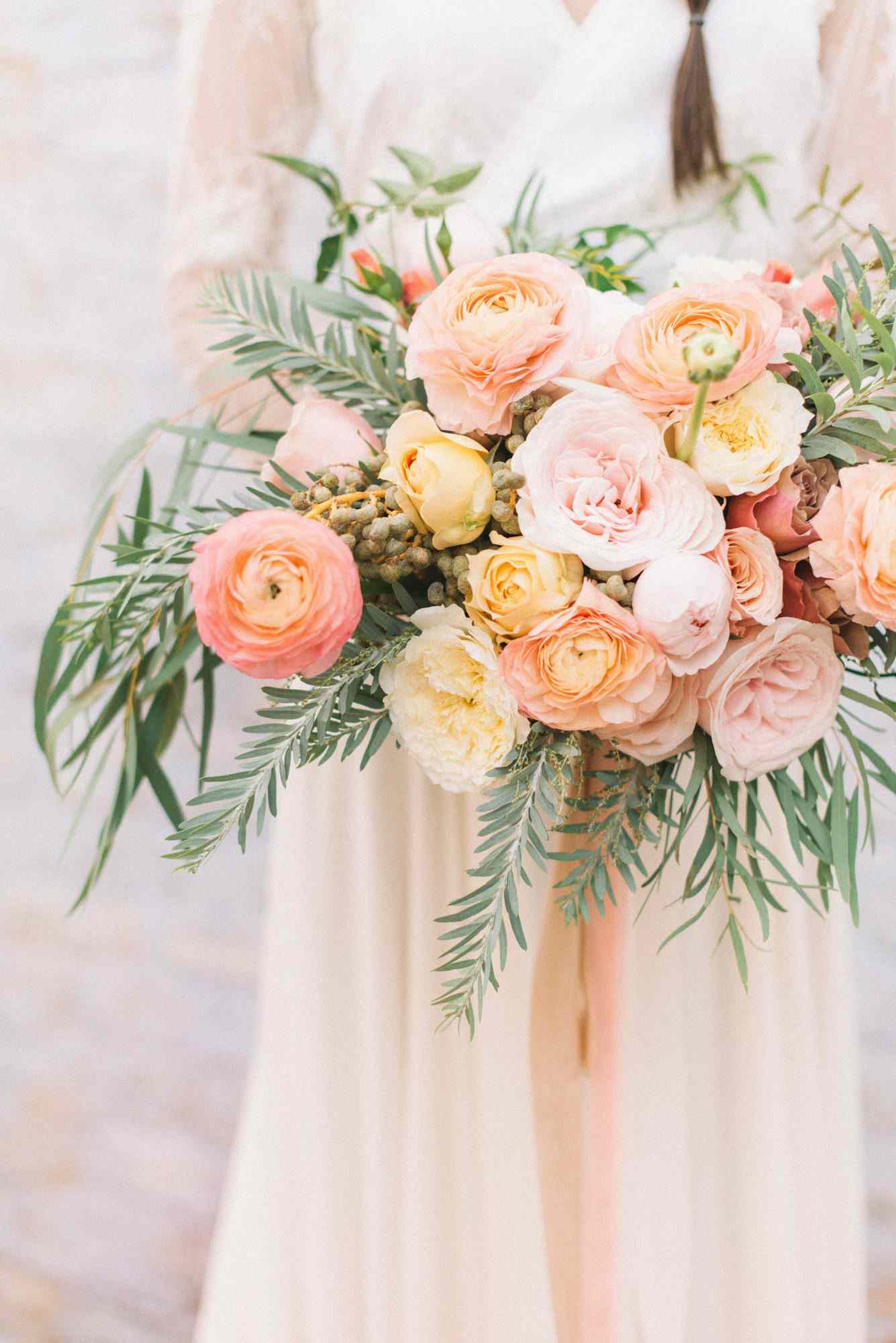
Color is the most immediate vibe of your ranunculus event bouquet, and the palette should reinforce the event’s mood. Start with a dominant hue—blush pinks, ivory, or soft apricot are popular choices for romantic themes. Then select one or two supporting tones to create depth without visual clutter. When you place ranunculus in this palette, aim for harmony rather than uniform sameness. A gentle contrast—such as pale blooms paired with slightly deeper greens or a hint of cream with a whisper of champagne—adds dimension. In practice, avoid saturating the bouquet with too many colors; instead, let the ranunculus blooms shine as the centerpiece of the color story. Textural greens should be chosen to complement the bloom shapes, not overpower them. This approach keeps the bouquet sophisticated and photograph-friendly, which is essential for modern event styling. Furthermore, consider the venue lighting; warm lights can intensify blush tones, while cooler lighting can soften them for a dreamy effect. A thoughtful palette ensures the ranunculus event bouquet looks cohesive in photos, on social media, and in person.
To reinforce cohesion, repeat a color cue across the arrangement. For instance, if a single ranunculus is a soft peach, echo that hue in the greens—perhaps through a variegated eucalyptus or a powdered-blue accent leaf—that subtly ties the piece together. Specifically, color repetition should feel intentional, not accidental, so that even a casual observer perceives a deliberate design approach rather than a haphazard mix of stems. The goal is a bouquet that reads as a single, cohesive artwork rather than a collection of individual stems. This discipline is part of what makes a ranunculus event bouquet so striking in wedding galleries and editorial shoots alike.
Frame and Focal Blooms: The Dance of Structure and Drama
Under this heading lies the practical choreography of arranging. Start with your focal ranunculus where the stem tips first peek above the others. This crown position anchors the bouquet’s height, creating a natural focal point that guides the eye upward. Surround the focal blooms with slightly smaller but still substantial ranunculus to create a layered, rounded silhouette. As you place each bloom, rotate the bouquet so that every side remains generous, avoiding a flat, one-sided appearance. This rotation ensures that the bouquet’s form remains captivating from every angle, an important factor when a photographer captures the moment from multiple directions. In addition, ensure the focal blooms do not crowd the center; a modest gap allows for light to play on the flower surfaces, enhancing the bouquet’s luminosity. The balance between drama and restraint defines the signature look of a ranunculus event bouquet, particularly for formal occasions where precision matters as much as romance.
Secondary Blooms and Fillers: Supporting Cast, Not Competing Leads
After the focal blooms are established, carefully introduce secondary ranunculus and complementary flowers. These elements should extend the bouquet’s shape without stealing the spotlight from the center. Place them along the sides in an alternating, staggered pattern to maintain a natural curve. Avoid clustering too many blossoms in one region; spread them to maintain air around the petals and prevent a congested appearance. Greenery acts as punctuation marks for the design, providing negative space that makes the blooms feel expansive rather than crowded. Always take a moment to step back and evaluate the overall form. If any section looks heavy, adjust by extracting a stem and repositioning it toward a lighter area. In this way, you preserve motion and balance, key ingredients in the finished ranunculus event bouquet.
Texture, Fragrance, and Movement: Layering for Depth
Texture in this bouquet comes from the interplay between the silky petals of ranunculus and the tactile leaves of the greenery. Varietal greens—such as ruscus, fold-over eucalyptus, or feathery grasses—provide a soft halo around the blooms, which helps the petals catch light more softly. Movement is created by allowing stems to sweep slightly as you add elements in a curved arc. This arc makes the bouquet visually dynamic while still reflecting order. Fragrance is subtle with ranunculus itself, so you can safely include a dash of complementary florals if the event styling calls for it. For instance, a few light-scented spray roses can add a whisper of perfume without overwhelming the ranunculus’s delicate aroma. The result is a bouquet that feels alive, not static, and invites close examination from guests and photographers alike.
Proportions: Height, Width, and Proportion Rules
Proportion governs the relationship between the bouquet’s height and its width. A classic, formal ranunculus event bouquet tends to be tall enough to command attention yet balanced enough to be carried comfortably. As a practical rule, aim for a height that places the focal point near the chest line of the wearer, with a width that does not extend beyond the natural shoulder line. This proportion ensures that the bouquet complements the wearer’s silhouette rather than competing with it. If you’re designing for an outdoor ceremony, you may slightly widen the bouquet to maintain presence against the landscape, but do so with restraint to preserve elegance. In contrast, indoor settings with soft lighting favor a more compact silhouette that reads clearly in close-up photos. Maintaining consistent proportion throughout the arrangement reinforces the sense of harmony that makes a ranunculus event bouquet both timeless and modern.
Finishing Touches: Binding, Wrapping, and Presentation
Binding should be firm but gentle, so the stems don’t kink or crush beneath the weight of petals. A clean, even wrap of floral tape creates a stable core, while a satin or chiffon ribbon adds a refined finish. When wrapping, start at the base and work upward, ensuring the tape remains invisible by the time you reach the top. Some designers prefer a double wrap for extra security, especially if the bouquet will be transported without a box or protector. For the final presentation, consider a subtle, secondary accent—such as a small sprig of greenery or a delicate blossom tucked at the base—that signals the bouquet’s color story and texture while adding a touch of sophistication. If the event requires longer wear, you can also seal the base with a clean, water-absorbent wrap that keeps stems hydrated without dripping. This finishing phase is where technique, patience, and a light touch converge to deliver a polished, professional result that aligns with high fashion floristry standards.
Careful binding and wrapping also streamline on-site handling. A well-bound bouquet remains comfortable to hold and less prone to loosening during travel. In addition, a thoughtful base layer helps the bouquet recover quickly if it experiences a gentle bump or light wind during outdoor segments. Finally, always have a quick-check routine: confirm that the blooms are facing outward in a pleasing arc, check the flower heads for any petals that may need a subtle lift, and adjust as needed so every bloom contributes to the overall harmony rather than competing for attention. The artistry of binding, when done correctly, elevates the ranunculus event bouquet from a beautiful arrangement to a wearable statement.
Hydration, Transport Readiness, and On-Site Setup
Hydration is essential to preserving the ranunculus’s delicate petals during the hours leading up to the event. If you anticipate delays, consider a temporary hydration method, such as placing the stems in water tubes or using a wrap with a micro-drip system that maintains moisture. Transport readiness means choosing a suitable vessel or protector for the bouquet’s journey. A sturdy box or a protective sleeve helps prevent crushing, and a shallow bed of damp paper towels can prevent desiccation. On-site setup should be calm, calculated, and efficient. Have a designated area with a small station for quick checks, reseating any blooms as needed, and aligning the bouquet to the observer’s line of sight. Although thoughtful, these steps are simple in practice and become second nature with experience. The key is to preserve the bouquet’s line and movement while maintaining the integrity of the ranunculus petals from transport to show time.
Common Mistakes to Avoid and How to Correct Them
Common missteps include crowding blooms too tightly, which can crush petals and erase the bouquet’s delicate air. Another frequent error is uneven height distribution, resulting in a lop-sided silhouette that looks off-camera as well as off-site. Avoid overusing any single filler, which can overpower the ranunculus’s quiet elegance. If you notice stiffness in the stems or a lack of balance after initial placement, step back and re-evaluate the spine. Remove one or two stems and reposition to reestablish the curve you want. Remember that the beauty of a ranunculus event bouquet lies in its gentle, deliberate architecture rather than in a maximalist approach. By keeping a clear spine, repeating color cues, and maintaining proportion, you ensure your bouquet remains convincing and captivating in all circumstances. When in doubt, pause, breathe, and re-check the silhouette from multiple angles. This habit saves you from over-committing to a single line of blooms and preserves the bouquet’s timeless charm.
Sustainability and Ethical Sourcing Considerations
As you select ranunculus and accompanying greenery, consider sourcing from growers who practice sustainable farming and fair labor. Local and seasonal blooms reduce transportation emissions and support community farmers. If possible, ask suppliers about water management, pesticide use, and chain-of-custody information. You can also favor seasonal ranunculus varieties that perform well in your climate, reducing energy use in greenhouse production. By choosing responsibly grown materials, you contribute to a more sustainable floral industry while delivering a stunning ranunculus event bouquet that clients will adore and photographers will praise. These choices matter now more than ever in 2026, when audiences increasingly value ethical, eco-conscious floristry as part of high-end event styling.
With care and practice, your ranunculus event bouquet becomes a model of tasteful technique and confident execution. The moment you finish the final wrap and settle the bouquet into its presentation pose, you’ll feel the synergy of structure, color, texture, and motion converge. Each bloom contributes to a larger story, a narrative that speaks of romance, precision, and artistry. Furthermore, your confidence will grow as you see how the bouquet holds up under lighting, camera, and movement—an essential truth for professional floristry in BloomHaven’s 2026 landscape of trends and inspiration. Now that you’ve mastered the assembly, the next chapter explores how to translate these techniques into on-site styling and presentation that elevate the entire event setting. The upcoming part, Part 3: Finishing Touches, Transport, and Presentation, will dive into practicalities to ensure your ranunculus event bouquet shines in real-world conditions and photographs.
Advanced Strategies for Ranunculus Event Bouquets: Troubleshooting, Variations, and Final Guidance
In this final section, we consolidate proven strategies to troubleshoot issues swiftly, design compelling variations, and finalize a repeatable workflow that yields consistently excellent ranunculus event bouquets in 2026.
Troubleshooting Common Issues in the Ranunculus Event Bouquet
Even with meticulous planning, events throw curveballs. Use this practical diagnostic framework to identify root causes quickly and apply durable fixes that preserve bloom quality through delivery and display. Start with a calm, methodical assessment on the day-of-event workflow, then escalate only when necessary. A quick, consistent check before you wrap reduces last-minute surprises and keeps your client experience flawless.
- Petals browning at edges or tips: Often caused by ethylene exposure, low humidity, or water stress. Remedy by trimming stems at an angle, refreshing water with floral food, and relocating the bouquet away from ripening fruit, smoking zones, or heat sources. If browning progresses, separate affected stems for a quick swap with replacement blooms from your prep stock.
- Fading color or limp petals: Signals dehydration or overhydration. Check water temperature (lukewarm is ideal for many ranunculus), recut stems, and adjust the water level. If stems are too long for the vessel, trim to maintain proper hydration. Consider a brief rehydration cycle in clean water with floral food, especially after long transport.
- Uneven opening or delayed blooming: Temperature and light influence bloom time. Keep the bouquet in a cool room, away from direct sun. Condition stems properly and mix with greens to stabilize the head while petals open. If necessary, swap in slightly more mature blooms to achieve the desired visual weight on event day.
- Head droop or loss of structure: Anchor points may be weak. Reinforce with a light wire or floral tape, and re-balance greens to distribute weight evenly. For heavy heads, build a subtle internal support using transparent floral tape before adding foliage so the outer silhouette remains pristine.
- Short vase life despite clean water: Reassess sanitation and conditioning. Clean the vase, trim away any leaves that could wilt in water, and refresh with fresh floral food. If needed, re-cut stems and give a brief rehydration in a cool bath before final assembly. Check the supplier’s post-harvest handling notes; sometimes a short delay in processing can extend life dramatically.
- Transport-induced damage: Heat, jostling, or stacking can bruise petals. Use proper protection during transport, such as tissue cushioning and stable horizontal placement, and consider water tubes for longer trips. If space permits, place the bouquet upright in a protective crate to minimize movement.
- Inconsistent head alignment during setup: Revisit the initial wiring and anchor points. A tiny adjustment to the core cluster can realign the entire bouquet without rebuilding. Keep a small toolkit on hand: scissors, floral tape, and a spool of fine wire for on-site tweaks.
Variations and Palette Ideas for the Ranunculus Event Bouquet
Ranunculus blooms lend themselves to a wide range of stories. Below are palette and texture ideas that maintain balance while allowing your brand personality to shine. Start with a design brief that defines mood, audience, and venue, then tailor the color story and textures to that brief for maximum impact.
Soft Pastel Run: Blush, Ivory, and Mint
Blend pale pink ranunculus with ivory blooms and chiffon mint foliage. Keep the focal cluster tight, with generous negative space in the surrounding greens to create a delicate, ethereal mood perfect for weddings or bridal parties. Add a whisper of metallic accents in napkin rings or ribbon for a timeless touch.
Monochrome Elegance: Ivory, Cream, and Soft Tones
Use a narrow color spectrum with subtle tonal shifts. This approach emphasizes form and texture, especially when paired with crisp whites like lisianthus or spray roses and restrained greenery for a timeless, museum-like feel. This variation also scales beautifully for corporate events where a quiet, refined look is preferred.
Dramatic Contrast: Burgundy and Black Foliage
For a modern evening event, pair deep burgundy ranunculus with charcoal or black leaves and metallic accents. The contrast photographs dramatically and reads well from a distance, making it ideal for gala centerpieces and high-impact stage designs.
Seasonal Textures: Greens, Grasses, and Seed Pods
Introduce seasonal textures such as dusty miller, waxflower, brunia, or dried elements to add movement and interest. Use these accents sparingly around a core of ranunculus for crisp silhouettes that stay fresh longer. Texture-driven palettes read beautifully in candlelight and can be a signature element in venue styling.
Shape-Driven Variations: Round, Crescent, and Low Centerpieces
Build three core shapes to meet different event needs. A compact round bouquet is ideal for brides who want a classic hand-tied look. A gentle crescent suits arbors and ceremony aisles. Low, lush centerpieces read beautifully on reception tables and photograph exceptionally well in long-shots. For each shape, keep a consistent stem-length protocol to preserve expected geometry across the set.
Construction Techniques for Stability and Longevity in a Ranunculus Event Bouquet
The bouquet’s life begins with how you assemble it. Favor lightweight, resilient structures that keep heads aligned during handling, transport, and display. The goal is to make every piece both beautiful and durable under typical event stresses.
Sustainable Mechanics: Grids, Tapes, and Gentle Anchors
Use a thin florist grid or taped anchor points to hold stems in place. Begin with a tight focal cluster, then weave secondary stems and greenery in, maintaining even depth. If you must use foam, keep it to a thin layer and cover with wrap so the blooms remain visible and fresh. Prefer wire-free assembly whenever possible to simplify on-site adjustments and reduce waste.
Staging the Build: Step-by-Step for a Balanced Ranunculus Event Bouquet
- Hydrate: re-cut stems at 45 degrees, remove foliage below water line, and place in clean water with floral food.
- Lay out the core: position the main ranunculus cluster where you want the eye to land.
- Anchor the core: secure with light tape or a discreet wire to prevent shifting.
- Layer texture: add greens and secondary blooms at consistent depths to maintain balance.
- Finish cleanly: trim any stray stems and inspect the bouquet from multiple angles to ensure symmetry.
- Prepare for transport: wrap with protective tissue or place in water tubes for travel if needed.
Seasonal and Regional Considerations for Ranunculus Event Bouquets
Seasonality shapes availability, pricing, and performance. In many regions, ranunculus crops peak in cool spring weather, with implications for contract timelines and sourcing strategies. By aligning your designs with local harvest rhythms, you can deliver fresher look and longer vase life with less energy spent on driving conditions and storage.
- Local sourcing: Whenever possible, partner with nearby growers to reduce lead times and ensure fresher stems that hold up during events. Local stock also allows for quicker substitutions if a bloom category is delayed.
- Climate-aware design: In warm areas, build designs that minimize heat exposure and use shading or refrigerated transport when feasible. Consider lighter weights and cooler color stories for summer events to maintain bloom integrity.
- Storage and handling: Chill stocks before assembly and store finished bouquets in a cool room or fridge until event delivery, avoiding fruit and ethylene sources.
Care, Longevity, and Presentation Tips
Careful conditioning and careful handling translate to longer vase life and better photos. Use the following practices to maximize performance from workshop to wedding day. Maintain a cadence of checks so nothing slips through the cracks in a busy schedule.
Hydration and conditioning are foundational. Re-cut stems at a 45-degree angle, remove leaves that would sit in water, and hydrate in clean water with floral food for several hours before assembly. On arrival, re-cut again and place bouquets in a cool area with controlled humidity if possible. A low-dose ice bath before final assembly can help refresh tired stems after long transport in warm weather.
Water quality matters. Change water daily or every other day in high-heat environments. If using a vase, fill to just under the head height of the bouquet to encourage even uptake. When transporting, consider water tubes or a shallow base with crisp liner to keep stems hydrated without dripping onto fabrics.
Ethylene control and placement. Avoid placing bouquets near ripening fruit or in sunlight. If you expect long display times, consider a light misting regimen and a protective wrap that shields petals while allowing air flow.
Photo-ready presentation. Once set, step back and re-check the alignment from the front and sides. Small adjustments to a few stems can dramatically improve the bouquet’s silhouette in pictures.
For a deeper dive into conditioning cut flowers and extending vase life, see this extension guide: Conditioning Cut Flowers.
Additionally, always have a backup plan for stems that fail to open or wilt unexpectedly. A few extra ranunculus, greens, and a spare ribbon can save the moment and ensure the event looks flawless.
Final Guidance: Building a Signature Ranunculus Event Bouquet
Signature designs emerge when you combine a cohesive color story with reliable construction and a repeatable workflow. Use the following framework to craft your own unmistakable ranunculus event bouquet language.
- Color and texture dictionary: select one or two anchor ranunculus colors and a small set of complementary greens and textures that appear consistently across all bouquets in a collection.
- Design template: create a repeatable blueprint that defines stem lengths, head clusters, and alignment rules for all arrangements in the same project.
- Quality control checklist: implement a short, repeatable QA at the end of assembly to verify bloom freshness, head position, and silhouette before wrap or transport.
- Logistics and packing: test your transport solution with practice runs, especially for long or multi-stop deliveries, to prevent shifting or damage.
- Sustainability: use reusable mechanics where possible, minimize trimming waste, and choose recyclable wrappings and packaging materials.
Case Studies: Real-World Ranunculus Event Bouquet Scenarios
Case study 1 – A Spring Wedding Suite
A bride requested blush and ivory ranunculus with eucalyptus and waxflower in a compact hand-tied bouquet. The team designed a gentle crescent to guide the eye along the stems. A cold front during setup slowed opening; fortunately, hydration was maintained and the bouquet retained a soft glow under venue lighting. Recovery was quick, and the pose for photos showed clean lines and measured fullness.
Case study 2 – Gala Centerpieces with Dramatic Contrast
For a formal gala, the designer introduced burgundy ranunculus with black foliage and gold accents. A lightweight internal grid held stems in place while negative space allowed the blooms to breathe. The result stayed crisp through load-in and reception, and the design translated beautifully in photos across multiple angles.
Case study 3 – Corporate Event with Quick Turnaround
In a corporate setting, a rapid turn schedule required a straightforward assembly. The team used a compact, symmetrical bouquet with a single focal color and a calm green backdrop. Pre-packed water tubes allowed quick hydration on site, ensuring consistent quality across dozens of arrangements.
Conclusion
In summary, the ranunculus event bouquet offers versatility, elegance, and a reliable path from concept to execution. By applying the troubleshooting strategies, exploring palette-driven variations, and using robust construction techniques, you can deliver stunning arrangements for any event in 2026. The focus keyword remains central to the craft: ranunculus event bouquet. Ready to translate these strategies into your next project? Explore more tips, trends, and ready-to-order stems at BloomHaven and start designing your own ranunculus event bouquet today.