Vertical Jungle Garden: Build a Lush Living Wall
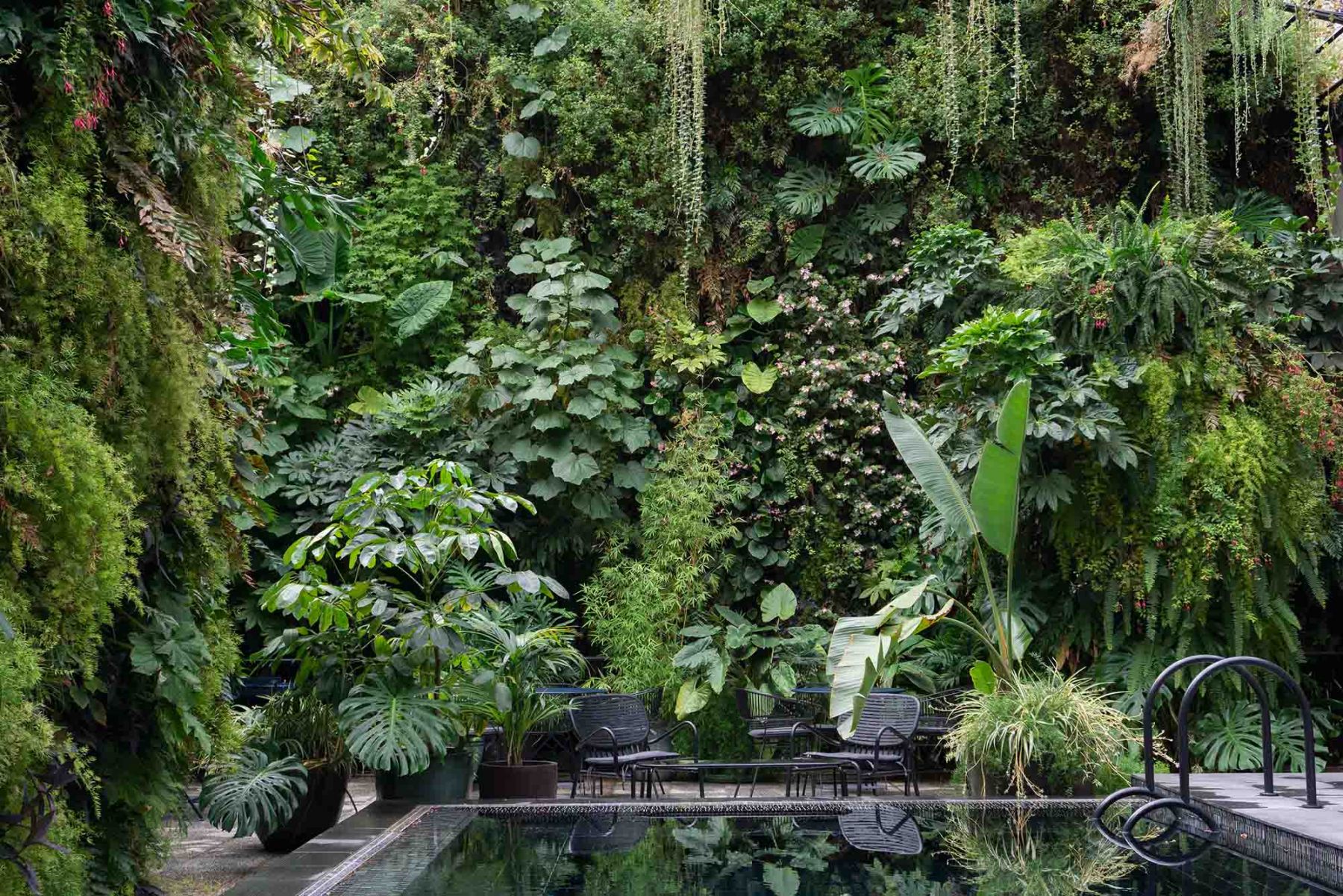
Imagine a living wall that acts as a sculpture, a microclimate, and a pollinator corridor all in one. If you crave a dramatic, space-saving green focal point, a vertical jungle garden can transform a blank wall into a lush, thriving ecosystem. Whether you’re a seasoned planter or a first-time climber of trellises, this approach delivers texture, color, and habitat in tight spaces. A well-planned vertical jungle garden blends horticulture with design, enabling you to curate microclimates for herbs, foliage, and perennials from floor to ceiling. In addition, it maximizes sunlight exposure on indoor surfaces and reduces the need for sprawling ground-level beds. By starting with clear goals, you’ll choose the right frame, the best plants, and a watering plan that keeps everything vibrant without waste. This guide introduces the core foundations to make your living wall thrive in 2026, reflecting BloomHaven’s passion for sustainable beauty, pollinators, and joyful color transitions.
Think about maintenance, accessibility, and future expansion from day one. Crucially, proper planning saves time, money, and frustration while giving your vertical space room to grow with the seasons. The aim is not just a pretty wall but a resilient system that thrives with light changes, seasonal rainfall, and the occasional heat spike. In the sections that follow, you’ll learn how to assess space, choose a frame, map plant placements, and prepare for installation. This structured approach keeps complexity manageable and helps you avoid common pitfalls while still embracing creative experimentation.
Vertical Jungle Garden Foundations: Planning, Design, and Preparation
Planning the Vertical Jungle Garden: Space, Light, and Load
Assessing Site and Frame Options for the Vertical Jungle Garden
Start with a frank assessment of the wall: height, width, orientation, and exposure. Therefore, measure the available surface and examine the structure behind it. Is the wall load-bearing, or does the framing require reinforcement? If you’re indoors, check for electrical outlets, moisture sources, and accessibility for irrigation connections. Consider modular frames that distribute weight evenly and simplify future maintenance. For many gardens, you’ll choose between metal or high-grade plastic frames, with lightweight media that still supports robust plant growth. In addition, ensure anchoring points are secure and able to bear the weight of moist media and mature plants. If you’re unsure about structural capacity, consult a local professional or building guidelines before purchasing components. A well-chosen frame reduces installation time and minimizes the risk of sagging or warping over the years. For practical design principles, see RHS.
Light and Microclimates for the Vertical Jungle Garden
Vertical surfaces experience unique microclimates. The sun–shade balance will drive plant selection and placement. Therefore, map sun paths across seasons to determine hot, bright zones versus cooler, shaded pockets. Indoors, consider artificial lighting or supplemental LEDs to maintain healthy growth during shorter winter days. In addition, record humidity and airflow because stagnant air can lead to disease or mildew on damp media. Group thirsty plants where irrigation can be directed, and tuck drought-tolerant species into drier zones. Crucially, layering light-intense species with shade-tolerant companions creates visual depth while keeping maintenance practical. Your palette should evolve with the wall as seasons shift, ensuring ongoing vigor and aesthetic interest.
Water, Drainage, and Irrigation Strategy for the Vertical Jungle Garden
Efficient irrigation is essential for a vertical wall. Therefore, design with a closed-loop or drip system that delivers water directly to the root zone while minimizing runoff. Use a draining layer at the base of each module to capture excess moisture and route it toward a gutter or reservoir. In addition, consider a rain sensor or a timer to prevent overwatering. For easier maintenance, install accessible shutoffs and cleanouts so you can service lines without disassembling the entire wall. When selecting media, favor lightweight, water-retentive substrates that still drain well, such as coco coir blends or inorganic aggregates with organic matter. Crux: a well-planned irrigation strategy keeps foliage lush, roots healthy, and your water bill in check. At the end of this planning phase, you’ll have a clear irrigation map and a sound drainage plan that minimize mess and maximize growth.
Safety, Weight, and Load Calculations for the Vertical Jungle Garden
Weight is a critical constraint in vertical installations. Therefore, calculate the total expected weight when media is saturated with water, along with the weight of mature plants. In addition, account for the wall’s ability to support dynamic loads from wind or foot traffic near the installation. If the wall is outdoors or above living spaces, use rated hardware and corrosion-resistant components. When in doubt, consult a structural professional about load limits and reinforcement options. Keep installation modular so you can reduce or relocate sections if growth exceeds initial projections. The combination of careful load management and modularity protects both your wall and your investment over time.
In addition to planning, you’ll want to visualize how the vertical jungle garden will fit with your space’s style. In the next section, we explore design principles that balance form with function, ensuring beauty and longevity across seasons.
Design Principles for a Lush Vertical Jungle Garden
Plant Palette for the Vertical Jungle Garden
Choose a plant mix that offers continuous color, texture, and interest. Therefore, anchor with evergreen structural plants for year-round form, and layer seasonal flowering varieties to attract pollinators. For a BloomHaven aesthetic, blend foliage textures—airy ferns, glossy philodendrons, and trailing pothos—with flowering perennials and compact annuals. Include pollinator-friendly choices such as salvias, salvias, borage, and oregano blossoms where feasible. In indoor walls, rely on tropical or semi-tropical species that tolerate higher humidity and diffuse light. In addition, balance vertical height by placing trailing or vining species along edges and top zones to create a cascading effect that draws the eye upward. Always plan for accessibility so you can prune and refresh blooms without climbing scaffolds. For reference, variety and resilience are the backbone of a thriving vertical garden palette.
Structure and Materials for the Vertical Jungle Garden
Structure determines durability and ease of maintenance. Therefore, choose a frame that matches your environment and weight budget. Aluminum and powder-coated steel offer durability with lightness, while high-density polyethylene can be a cost-effective option for modular panels. In addition, media choices—from pre-mixed vertical pockets to modular panels with built-in reservoirs—affect both weight and watering needs. Crux: ensure that every component is rated for outdoor exposure if your wall is external, and confirm compatibility between frame, media, and irrigation components. A well-considered structure simplifies installation and reduces long-term maintenance demands, letting your wall shine instead of showing its hardware.
Color, Texture, and Seasonal Rhythm in the Vertical Jungle Garden
Texture and color drive visual rhythm. Therefore, plan a planting sequence that alternates broad-leaf and fine-textured foliage to create movement. In addition, schedule seasonal flowering so the wall maintains interest from early spring through late autumn. Use color blocking to emphasize vertical lines, or employ gradient transitions that shift from cool to warm tones as you move across the wall. When selecting pots and modules, choose neutral tones to let the plant palette be the star, and incorporate materials that echo your indoor or outdoor design theme. A thoughtful design approach ensures the vertical jungle garden remains compelling year after year, even as plants mature and structures age gracefully.
Preparation for a Vertical Jungle Garden: Site, Tools, and Timeline
Tools and Materials Checklist for the Vertical Jungle Garden
Begin with a robust checklist that keeps you organized. Therefore, assemble a stand-by kit with a level, a drill, masonry bits, and a stud finder for indoor walls. In addition, stock irrigation fittings, hose adapters, and spare components for quick repairs. Keep pruning shears, a sharp blade, and plant ties handy for shaping plants as they grow. For media, prepare coco coir or a lightweight mix, plus a buffer for moisture retention. Finally, gather safety gear such as gloves, eye protection, and a dust mask if cutting materials on site. This toolkit reduces downtime and helps you stay on schedule during installation and maintenance.
Step-by-Step Prep Timeline for the Vertical Jungle Garden
Plan a phased timeline to avoid overwhelm. Therefore, complete site assessment and frame assembly in Week 1, followed by media installation and initial plant placement in Week 2. In Week 3, install irrigation and test for leaks. In Week 4, finalize plant selections and perform the first prune and feed. In addition, schedule seasonal checks to adjust for growth and weather. A realistic milestone plan keeps momentum and reduces the risk of botched installations. Crucially, keep notes on plant performance and wall performance so you can refine your approach in future seasons.
Safety, Regulations, and Long-Term Maintenance for the Vertical Jungle Garden
Safety comes first. Therefore, verify that all electrical components are protected from moisture and that wiring complies with local codes. In addition, set up a maintenance routine that includes checking irrigation lines, replacing worn components, and pruning for airflow. If your wall is in a shared building or public space, review any HOA or municipal guidelines that apply to vertical gardens. Long-term maintenance should become a habit rather than an afterthought. Plan quarterly checks for growth, pests, and irrigation performance to sustain health and beauty. In the next part, we’ll move from foundations to the operational side: Vertical Jungle Garden Systems, Structures, Materials, and Irrigation, including how to assemble the frame and optimize media and watering for ongoing success.
In Part 2: Vertical Jungle Garden Systems, Structures, Materials, and Irrigation, we’ll dive into how to assemble the frame, select media, and implement an efficient irrigation plan that keeps your wall healthy year-round.
Vertical Jungle Garden Core: Installation, Planting, and Immediate Care
Planning the Installation
From the outset, you should treat the installation as the backbone of your vertical jungle garden project. A thoughtful plan reduces surprises after you mount the frame and choose plants. Start by mapping light availability, humidity, and temperature fluctuations across the wall. In bright spaces, you can showcase flowering varieties; in dim interiors, you’ll lean on compact foliage and low-light species. The objective is to align structural choices with botanical needs so the living wall remains vibrant, not labor-intensive. The planning phase also encompasses access routes for maintenance, electrical supply for grow lights, and the potential for future expansion. Specifically, calculate the total weight load, including media, water, and mature plant material, to ensure the wall can safely bear the system over time. Furthermore, decide on a fixed panel, modular system, or freestanding frame that fits your wall geometry and lifestyle.
Choosing a Frame and Mounting Method
A sturdy frame is the spine of the vertical jungle garden. For renters or spaces that demand flexibility, modular panels with quick-release connectors offer ease of installation and removal. If permanence is desired, a solid wooden frame or metal grid anchored to the wall provides long-term stability and a cleaner silhouette. Regardless of choice, ensure mounting hardware is rated for your wall substrate and capable of supporting the full weight of plants, soil, and irrigation. Use corrosion-resistant fasteners and non-slip spacers to distribute load evenly and prevent wall damage. If you install over drywall or plaster, consider a moisture barrier and a lightweight backer to protect the wall and improve longevity. A well-chosen frame reduces maintenance headaches and keeps your vertical jungle garden looking pristine longer.
In practice, most homes benefit from a modular, lightweight panel system that facilitates airflow and drainage while keeping weight manageable. This approach also streamlines plant replacement as your palette evolves with the seasons. For a more refined, permanent look, a metal grid with built-in channels for irrigation can deliver precise water delivery without oversaturation. Whichever method you choose, install levels, plumb lines, and guides during the mounting phase. Do not skip this step; a slightly tilted frame will create dry pockets and uneven growth, undermining the health of your vertical jungle garden.
Wall Preparation and Protective Layer
Wall preparation is essential to protect interior finishes and ensure water stays where it belongs. Begin by sealing any cracks and applying a moisture barrier behind the growing media. If you expect occasional leaks, a drip tray or waterproof underlayment is a wise insurance policy. Clean the surface to remove dust and oils that could interfere with frame adhesion. For interior installations, a lightweight backer board can provide a uniform mounting surface and keep the frame from warping under moisture. This is also a good moment to plan drainage outlets so excess irrigation never pools on the floor. By taking these protective steps, you safeguard both your wall and your investment in the vertical jungle garden. In addition, designate a maintenance access panel or hinge so you can reach irrigation lines and valves without disassembling the entire wall.
Finally, consider the environmental context of the installation. If you live in a high-humidity climate or near the kitchen sink, you will need enhanced moisture management and more frequent inspection for mold or mildew. Conversely, drier interiors benefit from a microclimate approach with more frequent misting or closer plant spacing. These subtle decisions sustain the health and beauty of your vertical jungle garden over time, reducing the risk of plant stress and system failure. For ongoing inspiration and best practices on vertical gardening, explore practical guides like vertical garden basics to complement your setup.
Growing Medium and Irrigation Essentials
The growing medium is the house that nurtures every leaf and stem in the vertical jungle garden. It must be light enough to minimize frame load, retain moisture without becoming waterlogged, and provide adequate nutrient retention. In most installations, a combination of lightweight media works best: a base of expanded perlite or coconut coir for aeration, with compost or balanced slow-release fertilizer integrated into the top layer. The media should be formulated for container and hanging systems rather than traditional garden soil, which is too dense for vertical applications. Specifically, avoid substrates that compact over time, as this restricts root growth and reduces oxygen availability. A well-chosen mix promotes steady growth, reduces drip evaporation, and supports a vibrant, green wall that thrives in a vertical jungle garden environment. Furthermore, ensure the media is uniform across panels to avoid dry pockets that stress roots and create maintenance headaches down the line.
Drainage and moisture management are non-negotiables in a vertical system. Build-in channels or wells in the frame, plus a drip or micro-sprinkler irrigation system, ensures even water distribution. Drip emitters placed at the base of each panel deliver targeted moisture where roots need it most, while avoiding runoff that can cause wall staining or soil washout. If you’re using a passive system, ensure capillary action transports moisture efficiently from a shallow reservoir. Establish a steady, repeatable schedule and adjust for plant type, season, and indoor climate. In general, a lightweight, well-draining substrate combined with a smart irrigation plan will keep your vertical jungle garden healthy without overwatering. For plant health, consider periodic top-dressing with a slow-release fertilizer or a gentle, balanced liquid feed during active growth.
Plant Selection for a Vertical Jungle Garden
Plant choice determines whether your vertical jungle garden reads like a lush green tapestry or a sparse mosaic. Favor species that tolerate constrained root systems, have compact growth habits, and perform well in high-density layouts. For sunlit walls, choose sun-loving varieties with strong architectural form. For shaded interiors, opt for shade-tolerant foliage with bold textures to maintain visual impact. A well-rounded vertical jungle garden blends foliage, flowers, and texture to sustain year-round interest. Specifically, incorporate a mix of evergreen perennials for structure, seasonal flowering annuals or biannuals for color, and pollinator-friendly species that attract bees and butterflies. In addition, include trailing plants for soft, cascading edges that soften the frame and add depth. The goal is to create a micro-ecosystem that functions across seasons, remains low-maintenance, and continues to engage pollinators and observers alike. You may also want to select plant varieties that share similar water and light needs to simplify irrigation management and avoid selective overwatering. For reference on plant choices and combinations, consider sources on vertical garden design and plant compatibility as you build your palette.
When selecting species, consider the microclimate created by your wall. A warm, bright wall will reward you with lush, blooming displays, while a cooler, shaded wall excels with bold foliage and evergreen structure. Pay attention to leaf size, color, and texture to avoid a monotonous surface. A successful vertical jungle garden uses contrast—large-leaf vs. small-leaf, matte vs. glossy finishes, and bright accents against deep greens. Pollinator-friendly choices, such as flowering salvias, nasturtiums, or alpine perennials, enrich the ecosystem and can help sustain beneficial insects, which in turn support overall plant health. This thoughtful selection ensures your vertical jungle garden remains dynamic and resilient, even as lighting and seasonal conditions shift throughout the year.
Step-by-Step Planting Process
With the frame mounted and the media prepared, planting proceeds in a disciplined sequence. Begin by laying out a rough grid on the wall to plan plant positions, spacing, and visual rhythm. A staggered arrangement often reads more natural and reduces the risk of crowding. Keep root balls level and gently press them into pockets or channels, ensuring good contact with the growing medium without compacting it. Secure each plant with ties or removable clips that won’t damage the frame, especially if you anticipate future reconfigurations. Specific attention should be paid to root depth; shallow-rooted plants should sit closer to the surface, while deeper-rooted specimens require slightly more space to prevent crowding. As you plant, verify that each specimen receives adequate light and air circulation. Finally, fill any visible gaps with smaller filler plants, moss, or trailing species to unify the composition and hide mounting hardware. The result is a dense, multi-layered planting pattern that reads as a living tapestry across the vertical surface of your jungle garden.
Layout and Spacing
Spacing is as important as plant selection. Too-tight a configuration can lead to root competition, poor airflow, and pest pressure. Too loose, and you miss the immersive effect of a vertical jungle garden. A practical rule is to place larger, structural plants toward the center or lower zones where their presence anchors the composition, with smaller, trailing, or variegated species filling edges and vertical gaps. This layout maximizes light capture, fosters uniform growth, and presents the wall as a cohesive whole rather than a random assortment of plants. In practice, a balanced layout reduces maintenance challenges and makes routine care more predictable. If you’re unsure about spacing, start conservative and adjust as you monitor growth and health over the first several weeks. The goal is to achieve a natural, lush look that remains manageable and aesthetically pleasing.
Anchoring and Securing Plants are essential steps that prevent plant movement as the wall fills in. Use soft ties, nylon clips, or plant clips designed for vertical installations, ensuring they won’t harm stems or foliage. If you’ve chosen a modular frame, secure plants as modules to minimize shifting when you water or prune. Avoid over-tightening, which can damage stems, especially for herbaceous and young plants. Regularly inspect anchors during the first month to adjust for rapid growth or shifting due to irrigation pressure. A well-anchored vertical jungle garden requires less upkeep and maintains a consistent, lush appearance across the wall. After planting, give the system a light water run to settle media and verify even moisture distribution before you finalize lighting and feeding schedules.
Immediate Care After Installation
The first week after installation is critical for establishing root systems and acclimating plants to their new environment. Monitor each panel closely for signs of transplant shock, uneven moisture, or air gaps where roots lack contact with the media. A gentle routine of consistent, moderate moisture supports rapid establishment without fostering root rot or algae growth. If your space uses grow lights, ensure the light spectrum and duration align with the natural growth cycle of the plants you chose. Specifically, aim for a balanced spectrum that encourages foliage development and flowering if appropriate for your palette. This is also the window to calibrate your irrigation system and verify that there are no leaks or clogs in the lines. In the early days, you may need to adjust plant positions slightly as they settle and begin to fill the wall with a seamless, living presence.
During the first week, avoid heavy pruning or drastic changes. Your focus should be on gentle observation, moisture management, and ensuring consistent conditions across the entire wall. If you notice any stagnant pockets or uneven growth, address them quickly by adjusting water flow, re-seating plants, or relocating a specimen with similar light needs. For flowering varieties, a light feeding schedule can be introduced gradually after two weeks, using a gentle, balanced fertilizer that won’t burn newly established roots. By setting a careful initial care routine, you reinforce the vitality of your vertical jungle garden and pave the way for ongoing health and beauty. For ongoing inspiration and practical tips, consult reliable resources on vertical gardening and indoor horticulture to complement your routine.
First-Week Checkpoints include confirming even irrigation, ensuring all plants show signs of new growth, and verifying there are no pests exploiting the new habitat. Capture this moment in your notes and photo journal, so you can compare progress over time. If you see slow growth in any area, check for light distribution and adjust the plant position or prune timing accordingly. This early phase sets the trajectory for your vertical jungle garden’s long-term health and success, ensuring that your wall remains a thriving focal point rather than a maintenance burden. As the wall fills in, you’ll notice a natural progression toward a full, lush appearance that captivates visitors and supports pollinators, especially when you’ve included flowering accents in your plant mix.
Maintenance Rhythm and Troubleshooting
Establish a steady maintenance rhythm that aligns with your space and routine. Regular inspection schedules, with quick checks every week and a deeper review every month, keep the wall resilient and captivating. Routine tasks include pruning to maintain shape, removing dead leaves to reduce disease pressure, and re-securing any loose anchors that may emerge as plants mature. A simple, repeatable routine reduces surprises and helps you respond to seasonal changes with confidence. If you notice uneven growth or water pooling, re-evaluate irrigation settings and substrate drainage to restore balance. In contrast, a wall that remains static often becomes a burden, whereas a responsive maintenance plan keeps your vertical jungle garden dynamic and healthy throughout the year. For further reading on common growth patterns and remediation, you can explore practical plant care guides that focus on vertical installations and indoor gardens.
Seasonal Checks and Pruning are essential to maintain the wall’s silhouette and plant vigor. In spring and summer, focus on shaping, removing leggy growth, and increasing air circulation. In autumn and winter, monitor for stress signs, reduce watering frequency if growth slows, and replace any marginal specimens with hardier candidates that suit the season. A key advantage of a vertical jungle garden is the ability to rotate plants to refresh color and texture without major construction. By integrating seasonal adjustments into your routine, you preserve the wall’s visual impact and ecological benefits, while keeping maintenance manageable and predictable.
Common Issues and Quick Fixes range from over-watering to light deficiency and pest pressure. If leaves yellow, check for excess moisture in the media and improve drainage. If foliage becomes pale, reassess light levels or lamp distance to restore color and vigor. If pests appear, begin with non-toxic, systemic approaches, introduce beneficial insects if appropriate for interior spaces, and adjust cleaning routines to minimize hiding spots for insects. For any persistent problem, consult a local horticulturist who understands vertical garden challenges in your climate. Addressing issues promptly keeps your vertical jungle garden thriving and reduces long-term damage to the wall and plants. In addition, staying current with maintenance ensures your living wall remains a standout feature rather than a persistent problem.
Safety, Maintenance, and Weight Considerations
As you expand or modify your vertical jungle garden, always keep safety at the forefront. Weight management is not just about initial installation; it’s an ongoing responsibility as plants mature and media settles. Regular weight checks help prevent structural stress on walls and frames. Ensure any irrigation equipment, lighting, and electrical components are properly rated for indoor use and protected from moisture. Waterproofing and leak prevention must be part of your routine if you operate near kitchens, bathrooms, or other moisture-prone zones. Inspect seals, gaskets, and drainage outlets for blockages or wear that could compromise performance. A thoughtful approach to safety minimizes risk and protects your investment in the vertical jungle garden over time. Remember that a well-maintained wall not only looks impressive but also supports healthier plant communities and longer life for the entire installation.
In sum, the core phase of installation, planting, and immediate care lays a strong foundation for a thriving vertical jungle garden. With careful planning, robust mounting, appropriate media, and a disciplined care schedule, your living wall becomes a sustainable, low-maintenance feature that grows with you. The next section will shift focus to long-term maintenance, troubleshooting, and seasonal care to keep the wall vibrant across the years. Next up is Part 3: Maintenance, Troubleshooting, and Seasonal Care for Your Vertical Jungle Garden.
Advanced Vertical Jungle Garden Strategies: Maintenance, Troubleshooting, and Expansion
Maintenance is the quiet work that sustains a vertical jungle garden. It ensures the living wall remains lush, healthy, and durable against seasonal shifts. In this final section, we explore a robust maintenance routine, a practical troubleshooting playbook, and scalable strategies to expand your wall without sacrificing performance. Apply these tactics to build a resilient vertical jungle garden that thrives through the 2026 growing season and beyond.
Regular Maintenance Checklist for a Healthy Vertical Jungle Garden
Develop a reliable weekly routine. Treat maintenance as a series of check-in points rather than a single task. The three pillars—water, light, and plant health—guide every decision. Keep a simple log to track trends over time. This approach helps you catch small issues before they become big problems and keeps your wall looking polished and vibrant.
Watering and Irrigation Best Practices for the Vertical Jungle Garden
Water delivery on a vertical wall should be even. Inspect lines, emitters, and reservoirs for clogs or leaks. Run a quick flush to prevent salt buildup in media. Use a moisture probe in several modules to catch uneven hydration. Aim for media that feels consistently damp, not soggy. In hot months, verify that top layers don’t dry out while lower zones stay moist. If tolerances vary, adjust emitter height or pressure to balance distribution.
- Check irrigation after rainfall events to ensure runoff pathways remain open.
- Seasonally recalibrate timers to match daylight hours and temperature shifts.
- Introduce a fallback drain or overflow to protect walls from overwatering during power outages.
Lighting and Microclimates in a Vertical Jungle Garden
Vertical walls create distinct microclimates. The upper module often receives more sun and wind, while lower modules stay cooler and more humid. Map light exposure across the wall and place plants accordingly. If natural light is limited, install ornamental LEDs with a spectrum tuned to growth. Track day length changes across seasons and adjust supplemental lighting accordingly.
- Use light meters or smartphone apps to quantify PAR in key zones.
- Interplant with species that tolerate a range of light levels to hedge against sudden shade.
- Rotate crop groups each season to balance nutrient uptake and aesthetic balance.
Pruning, Cleaning, and Plant Health
Pruning shapes the wall and keeps airflow open. Remove dead stems and spent inflorescences promptly. Wipe leaves with a damp cloth during dusty seasons. Rotate plants to prevent shading of neighbors. Monitor for nutrient deficiency indicators and feed with a balanced fertilizer at the recommended rate. Keep an eye out for signs of disease and treat early to prevent spread.
- Schedule a monthly prune to maintain structure and prevent legginess.
- Use clean shears to avoid introducing pathogens.
- Sterilize pruning tools between plants if you notice pest activity.
Substrate and Irrigation Media Care
Media quality matters more in vertical systems because root zones are compact. Rejuvenate media by replacing the top layers annually or when you notice compaction. Look for salt crusts after fertilization and rinse to prevent root burn. Ensure a consistent drainage path so excess water cannot stagnate at the bottom of modules.
- Mix in lightweight amendments like perlite or coco coir to improve aeration.
- Monitor EC and pH in recirculating systems and adjust as needed.
- Plan for occasional media replacement in high-traffic sections where compaction is highest.
Pest Management and Beneficial Insects
Prevention is the best defense. Maintain plant diversity to reduce pest outbreaks and invite beneficial insects. Use mechanical controls, then soap sprays or neem oil for mild infestations. Reserve stronger treatments for severe outbreaks, and always follow label instructions. Quarantine new plants before introducing them to the wall to minimize cross-contamination.
- Install a few refuges for predator species, like nontoxic dyads and plant trimmings with refuges.
- Keep a pest log to detect recurring cycles and time treatments effectively.
- Combine cultural practices with targeted biological controls for sustainable results.
Troubleshooting Common Issues in a Vertical Jungle Garden
Even with a robust system, issues will appear. The key is to diagnose quickly and act decisively. Use the wall’s data—moisture readings, light logs, and growth patterns—as your guide. Start with the simplest explanation and work toward the more complex.
Wilting, Yellowing Leaves, and Growth Stagnation
Wilting can signal underwatering or root damage. If the soil is moist but leaves droop, inspect for root-bound conditions or restricted drainage. Yellowing often points to nutrient imbalances. Check the fertilizer schedule and adjust to a balanced, slow-release formula. In growth stagnation, rotate crops to revive interest and improve air circulation. Reassess light; even a few hours of insufficient exposure slows development significantly.
- Perform a simple media test for salinity and nutrient levels.
- Inspect drainage holes and remove any blockage that prevents water escaping.
- Consider a light boost or a temporary relocation of high-demand crops.
Root Bound and Drainage Problems
Root constraints appear as stunted growth, curled roots, or a tight root ball. In severe cases, remove the plant and gently tease roots before replanting into a fresh module with looser media. Drainage problems show up as water pooling or damp, foul smells. Confirm that every module has a clear path for excess water to exit. Check seals and gaskets for leaks after major feeding events or heavy rainfall.
- Choose plants with compatible root systems for vertical growth.
- For recirculating systems, verify pump capacity aligns with wall size.
- Replace clogged filters to maintain consistent drainage.
Pests and Disease Early Warning Signs
Watch for honeydew, leaf stippling, discoloration, or webbing. Isolate symptomatic modules to prevent spread. Use targeted interventions—soft soaps, horticultural oils, or approved insecticides—only when necessary. Improve air circulation and spacing to reduce humidity that fosters disease. Keep a record of when problems occur to identify seasonal patterns and adjust routines accordingly.
- Maintain clean work areas and sanitize tools after handling infested plants.
- Quarantine new introductions for two to four weeks before integration.
- Rotate plant families to minimize shared pests and diseases.
Structural Alignment and Stability Issues
A wall that shifts compromises safety and plant growth. Inspect brackets, anchors, and fasteners weekly during windy periods. If you detect uneven load or wobbles, relevel the wall and tighten all connections. For retrofit expansions, ensure the mounting frame can handle added weight. Consider professional assessment for large installations or commercial displays.
- Mark high-stress points and inspect after storms or heavy irrigation cycles.
- Use safety cables or secondary supports where required.
- Document changes to wall hardware for future maintenance.
Expanding and Scaling Your Vertical Jungle Garden
Expansion is a strategic move, not a rush. Plan growth around microclimates on your wall, water capacity, and maintenance bandwidth. Start small and scale as you learn what works. A thoughtful expansion increases biodiversity, resilience, and visual complexity without overwhelming the system.
Adding Modules and Reconfiguring Layouts
Modularity makes growth manageable. When adding modules, calculate the load and ensure mounts are reinforced. Reconfigure layouts to balance light, moisture, and visual weight. Maintain an up-to-date diagram of module positions, plant groupings, and irrigation zones. A well-documented layout reduces trial-and-error and speeds up expansion.
- Prioritize modules that can be swapped with minimal disassembly for future tinkering.
- Keep color and form variety in each section to prevent monotony as the wall grows.
- Test irrigation coverage before finalizing the layout.
Plant Selection for Seasonal Interest and Pollinator Support
Choose species with staggered blooming windows to keep the wall dynamic. Include nectar-rich offerings to attract pollinators for longer periods. For edible gardens, plant dwarf fruiting varieties or compact herbs that tolerate vertical growth. Pair high-demand flowering plants with sturdier foliage plants to maintain structure through seasons.
- Group plants by moisture needs to simplify irrigation control.
- Include native options to support local pollinators and reduce maintenance.
- Reserve space for annuals or seasonal fillers to refresh the wall each year.
Water Efficiency Upgrades and Automation
Automation saves water and reduces labor. Integrate soil moisture sensors, weather-responsive controllers, and check valves to prevent backflow. Use pressure regulators to maintain even distribution along the wall. If possible, adopt a zoned irrigation scheme so only thirsty sections water during peak heat. Legends and color-coding of zones help during routine checks.
- Choose a system with diagnostic alerts for leaks or low battery in sensors.
- Schedule seasonal adjustments as daylight and temperature shift.
- Test the system monthly to validate cycle lengths and coverage.
Long-Term Maintenance Plan and Record-Keeping
Keep a maintenance log that includes plant lists, bloom times, fertilization dates, and module changes. Use photos to document wall condition over time. A structured record helps you plan replacements and expansions and shows investors or clients how the wall evolves. Review the plan annually and adjust for climate trends or new plant introductions.
- Archive receipts and supplier information for replacements.
- Track pest histories and treatment outcomes to refine prevention strategies.
- Set reminders for pruning, media refresh, and system checks.
Conclusion: Sustaining a Thriving Vertical Jungle Garden
In closing, a thriving vertical jungle garden rests on a disciplined routine, rapid troubleshooting, and careful growth planning. By balancing moisture, light, and air, you create a resilient living wall that flourishes through seasons. Regular maintenance reduces surprises, while a proactive troubleshooting mindset saves time and resources. Expansion should feel like an evolving art rather than a risky leap; scale thoughtfully, document every change, and watch how the wall responds with richer textures and longer bloom intervals.
For ongoing inspiration and practical ideas, continue to study bloom-focused patterns on BloomHaven and link your wall to pollinator-friendly plantings and seasonal color. Elevate your space with a vertical jungle garden that harmonizes beauty, biology, and efficiency. As you implement these advanced strategies, you empower your wall to deliver sustained visual impact and ecological value year after year.
To deepen your practice, explore trusted gardening resources and reputable extension guides that discuss living walls and modular garden systems. For further reading on wall-mounted growing systems, see Oregon State University Extension: Vertical Gardens and Living Walls.