Wildflower Meadow Care: Pro Tips for Blooming Gardens
Wildflower meadow care is not just about spreading seeds; it’s a deliberate approach to creating resilient, pollinator-friendly landscapes that bloom with color for seasons. In Wildflower Meadow Care Essentials for Setup, Goals, and Benefits, we blend science with garden wisdom to help you design, establish, and maintain a meadow that thrives in 2026 and beyond. This introductory section defines what a meadow needs, why it matters for biodiversity, and how to set realistic goals that align with your climate, soil, and sun exposure. You’ll learn how to balance beauty and function, from seed choices to maintenance schedules, so your meadow remains vibrant with ongoing bloom cycles year after year.
In addition, we address common myths—such as more is better—and outline practical steps for a garden-friendly process that reduces maintenance while maximizing floral display and pollinator visits. Whether you have a large rural field or a postage-stamp urban yard, the principles are the same: start with a real plan, choose diverse species, prepare soil, and commit to a simple, repeatable care routine. By the end of Part 1, you’ll have a clear setup blueprint and measurable goals to guide your wildflower meadow journey.
Wildflower Meadow Care Essentials: Setup for Success
wildflower meadow care: soil, site, and seed bed setup
Successful wildflower meadows begin with a solid setup. Start by selecting a site that receives at least 6 hours of sun per day and has good drainage. Observe microclimates: where cold air collects, where winds intensify, and where trees may cast shade. Soil health matters; test pH, texture, and organic matter. If your soil is compacted, aerate in early spring and improve with a thin layer of compost. Create a seedbed that is not too rich; a lean profile helps wildflowers establish and avoid dominance by aggressive grasses.
Prepare a shallow seedbed to ensure good seed-to-soil contact. If you’re on heavy clay, consider raised beds, or a simple mulch to warm the soil. In all cases, aim for a friable surface that seeds can grip. For less-than-ideal soils, a no-dig approach paired with a native soil amendment can work wonders. Therefore, a careful setup reduces thinning and thinning reduces labor in subsequent years.
Soil health and preparation
Soil health is the backbone of wildflower meadow care. Conduct a basic soil test to determine pH and key nutrients. Most meadow mixes prefer a neutral to mildly acidic pH (roughly 6.0–7.0). If your pH is outside this range, adjust with lime or sulfur as recommended by the test. Add organic matter in the form of compost to improve structure and moisture retention. Avoid heavy fertilizer; wildflowers thrive when they aren’t overwhelmed by lush grass growth created by nitrogen-rich inputs.
In addition, consider mycorrhizal inoculants or slow-release organic fertilizers to support seedling establishment. Water management matters too: plan for even moisture during germination, then reduce irrigation as plants mature. For soil testing guidance, see your local extension service for region-specific recommendations.
Seed bed preparation and sowing windows
Seed bed preparation is a fine balance between roughing the soil for seed-to-soil contact and avoiding disruption that invites weeds. Gently rake the surface to create micro-roughness and remove debris. The ideal sowing window depends on your climate: in temperate zones, late summer to early autumn or early spring often works best. However, in hot, dry regions, late fall sowing can minimize heat stress. If you’re sowing a multi-year mix, stagger sowing in blocks to monitor establishment and manage weed pressure.
Use a light, even hand or mechanical spreader to distribute seed evenly. After sowing, press seeds into the soil with a roller or foot to improve contact, then mulch with a thin layer of compost or straw to conserve moisture. Therefore, timing and seed placement are crucial for germination rates and early survival.
Establishment strategies for first-year care
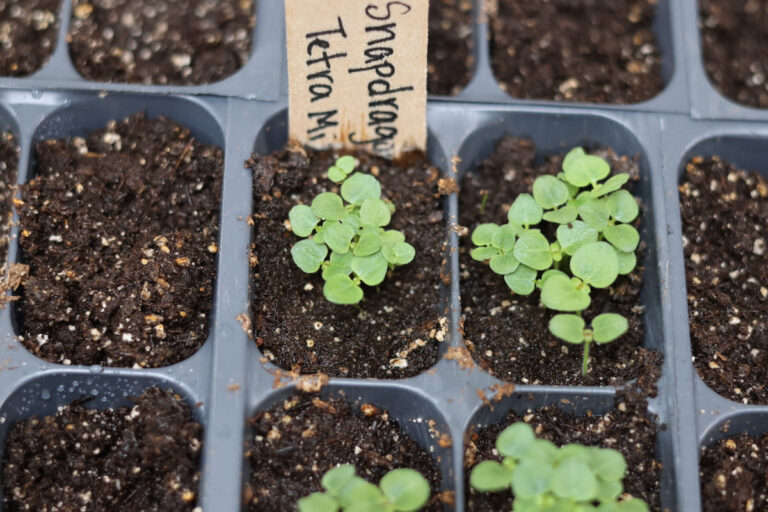
In the first year, focus on establishment rather than full bloom. Maintain consistent moisture until seedlings are well rooted, then taper irrigation. Monitor weed competition; hand-pull or spot-treat with an appropriate herbicide only if necessary and safe for pollinators. A mixed perennial and annual seed mix will provide continuous color, but you should expect some weedy species to appear. Regular mowing or mowing-like management after the first flush of bloom helps suppress grasses and encourages broader wildflower diversity.
Crucially, avoid heavy fertilizer applications that encourage grass domination. Prefer slow-release organics and avoid disturbing the seedbed after germination. For mowing, a light, low-nutrient trim at 8–10 cm height can promote sturdy growth while preserving residual blooms for pollinators.
Wildflower Meadow Care Essentials: Goals and Metrics
Setting clear goals ensures your meadow remains aligned with your landscape vision. Define aesthetics (color palette, bloom timing), habitat objectives (pollinator support, nectar richness), and maintenance targets (cost, labor, and water use). Translate these into measurable metrics: diversity index (number of species that establish), bloom coverage (% ground cover during peak season), and water use efficiency (inches of irrigation per season). Tracking these metrics over time lets you adjust seed mixes and care routines to improve outcomes year after year.
Additionally, establish a maintenance calendar with seasonal tasks. For example, plan mowing windows that balance pollinator needs with weed control, or set pruning times that encourage basal growth without removing flowering stems. Crucially, quantify expectations for the first two to three years, since meadow establishment is a multi-year process that benefits from patience and consistency.
Site selection and soil preparation for wildflower meadow care
Choosing the right site is a practical mission. Sun exposure, soil drainage, competition from established grasses, and landscape context all influence success. A south- or west-facing bed with well-drained soil is ideal in most climates, but you can adapt to cooler or drier situations with the appropriate seed mix. If drainage is poor, consider raised beds or a soil improvement plan that includes organic matter and aeration. Remember, a meadow that dries quickly after rain often shows fewer issues with disease and weed pressure.
Soil preparation also involves launching a modest remediation plan: remove perennial weeds, loosen the top 2–3 inches of soil, and incorporate compost. The goal is to provide a balanced nutrient profile and a seed-friendly surface without creating a sterile bed that discourages native species from establishing.
Seed mix selection for blooms and pollinators
Seed mix selection is where your meadow starts to take shape. Choose a diverse blend of natives or regionally suited species that offer a long bloom period, nectar for pollinators, and structural diversity across height classes. Include short groundcovers to fill gaps between taller stems. Consider native grasses only when they enhance pollinator accessibility or improve structure without outcompeting wildflowers.
Incorporate species that thrive under your sun, soil, and moisture patterns. Blend annuals for rapid initial color with perennials that provide multi-year bloom. To sustain beauty across seasons, mix early-season bloomers with mid-season and late-season varieties. The right mix reduces the risk of all blooms falling within a short window and helps pollinators have continuous food sources.
To learn more about selecting regionally adapted species, refer to reputable extension resources, or explore plant lists from native-plant organizations.
First-year establishment strategies
In the first year, your focus should be establishment rather than full bloom. Use a concrete maintenance plan: consistent moisture for germination, weed control, and occasional mowing to manage growth. Reduce irrigation as transplants mature and diversify the plant colonies. A staggered sowing approach helps you observe early competitors and adjust watering accordingly.
Consider seasonal mowing to reduce thatch and encourage reseeding. If you notice bare patches, reseed small areas rather than re-sowing the entire bed. This targeted approach saves resources and reduces disruption to developing plants.
Ongoing maintenance and seasonal care
Wildflower meadows require less maintenance than conventional lawns, but they need a thoughtful rhythm. In spring, monitor emergence, adjust irrigation, and begin light weeding to curb weeds before they shade developing natives. In summer, mulch lightly to conserve moisture and keep litter from smothering young plants. In fall, reduce irrigation and prepare for seed set. Carry out a final mowing after flowering to encourage basal growth and prepare for winter dormancy.
Crucially, maintain a focus on pollinator support. Leave seed heads for nectar and seed production, and avoid unnecessary disturbance during critical periods. A simple, consistent schedule helps you stay on track and reduces surprises in subsequent years.
Benefits of wildflower meadows: biodiversity, aesthetics, and ecosystem services
The benefits of wildflower meadows extend beyond beauty. They boost biodiversity by providing habitat for pollinators, beneficial insects, and small wildlife. They improve soil health over time through deep rooting and organic matter inputs. In addition, they reduce water runoff and support local microclimates that improve resilience to drought and heat waves. A well-planned meadow can also lower lawn maintenance costs and provide a sustainable source of cut flowers for home arrangements.
Incorporating tactile, color-rich blooms also supports human well-being by creating spaces for rest, curiosity, and connection with nature. For inspiration, explore visual ideas on Wildflower Meadows and pollinator-friendly landscapes from trusted horticultural resources.
In Part 2, we will dive into Seed Selection, Sowing Windows, and Establishment Strategies for a thriving wildflower meadow.
Core Content/Step-by-Step Execution – Action-Oriented Title for Wildflower Meadow Care
Preparation for Wildflower Meadow Care: Site Selection and Light Conditions
First, assess the site where you plan to establish your wildflower meadow. A successful wildflower meadow care routine starts with choosing a location that receives ample sunlight and has good drainage. In most regions, wildflowers perform best when they receive six or more hours of direct sun each day. If your site leans toward partial shade, you can still cultivate a thriving meadow by selecting shade-tolerant varieties and arranging the bed to maximize light exposure. In contrast, areas with consistently wet soils invite root rot and weed pressure; improving drainage is essential for long-term success. Moreover, observe the microclimates within your space. A sheltered corner may stay warmer overnight, influencing bloom timing and seedling vigor. By recognizing sun, shade, drainage, and microclimate, you set a solid foundation for wildflower meadow care that yields reliable bloom cycles.
Next, map the meadow area with care. Define boundaries clearly, note existing vegetation, and identify spots of compaction or erosion. A well-planned layout helps ensure even germination and uniform flowering across the patch. Decide, from the outset, whether you want a pure wildflower meadow or a mixed bed that incorporates ornamental grasses or low shrubs for year-round interest. Specifically, align your seed mix with your climate zone and blooming preferences, while keeping pollinator value front and center in your wildflower meadow care strategy. Thoughtful site preparation is the first step toward a resilient, low-maintenance meadow.
Soil Preparation and Establishment for Wildflower Meadow Care
Now turn to soil health, a cornerstone of successful wildflower meadow care. Begin with a soil test to determine pH and nutrient status. In most temperate meadows, a pH around 6.0 to 7.0 supports a broad range of native wildflowers. If your soil is acidic or alkaline beyond that range, adjust gradually using natural amendments such as garden lime or elemental sulfur, then recheck after a growing season. In addition, incorporate 2 to 4 inches of well-rotted compost or mature organic matter to improve structure and microbial activity. These inputs support seed germination, root development, and overall vigor without encouraging excessive weed growth. Avoid heavy synthetic fertilizers; excessive nutrients often favor grasses and prolific leafy growth at the expense of flowers, a misstep in wildflower meadow care.
Establishment hinges on proper preparation. If you are using a traditional seeding method, prepare the seed bed with a light, shallow disturbance to lessen weed seed banks while preserving soil structure. For no-till approaches, broadcast a seed mix directly onto the surface after a light raking, then gently press the seeds into the top layer with a roller or the back of a rake. In either case, follow with a gentle, even layer of mulch or a thin layer of compost to stabilize the soil surface, reduce evaporation, and help maintain moisture as the seeds begin to germinate. This is a pivotal phase in wildflower meadow care because any major crusting or erosion can hinder germination and lead to patchy blooms later.
Seed Selection and Sowing: A Step-by-Step Guide to Wildflower Varieties
Wildflower meadow care begins with thoughtful seed selection. Favor a diverse mix that blends foundational nectar sources with late-blooming varieties to provide continuous forage for pollinators. Native species often perform best in local climates, offering robust resilience with minimal maintenance. When selecting a mix, prioritize structural variety: a blend that includes upright stems, trailing foliage, and ground-hugging forms creates a dynamic, self-sustaining meadow across seasons. Specifically, you want species that complement your site’s sun exposure, soil texture, and moisture regime while delivering a broad bloom window that keeps the landscape vibrant.
Next, plan your sowing method. Broadcast seeding provides even coverage, especially for large patches, but it can yield patchy germination if seed size varies. For precision, sow larger seeds in compact rows or blot evenly across the surface; then lightly rake to ensure contact with the soil. If you opt for plug seedlings, space them to reflect eventual bloom mass and avoid crowding, which can invite disease pressure and stunt early growth. After sowing, roll the surface lightly to improve seed-to-soil contact, and mist with a gentle, consistent spray. This careful approach to wildflower meadow care enhances germination rates and establishes a thriving root system that will anchor the meadow for years.
Watering, Establishment, and Early Care in Wildflower Meadow Care
Water is a critical driver of early establishment. In the weeks after sowing, aim for even moisture without saturating the soil. If rain is scarce, provide a steady, shallow irrigation that reaches the root zone without causing puddling. As roots develop, gradually reduce irrigation to encourage resilient drought tolerance while retaining soil moisture for seedling survival. Furthermore, avoid overhead watering, which can promote foliar diseases; a soaker hose or drip irrigation system delivers water precisely where it is needed and supports healthy soil biology, a cornerstone of robust wildflower meadow care.
Mulching during establishment helps to suppress weeds and conserve moisture. Use a light, breathable mulch such as shredded leaves or fine straw, applied in a thin layer to avoid suffocating new roots. As young plants take root, you should monitor soil moisture daily during hot spells and adjust your irrigation accordingly. In addition, practice gentle weed control rather than aggressive clearing. Manual removal of competing grasses and weeds during the first growing season preserves beneficial associations between wildflowers and pollinators, aligning with the core goals of wildflower meadow care.
The First Growing Season: Patience and Observation
During the first season, the meadow will transition from seed to seedling and then to blooming plants. Expect a staggered emergence pattern, with some species appearing earlier than others. In this period, observation is your ally. Specifically, note which species thrive, which struggle, and where weed pressure is most persistent. Avoid mowing during the first growing season, as cutting too soon can remove young plants before they establish a deep root system. Instead, let adult blossoms form and set seed when appropriate, then plan a light maintenance pass after seed set to encourage density and reduce weed intrusion in subsequent seasons.
Through careful observation, you gain insight into your meadow’s micro-ecology and begin shaping a resilient system. This is not merely about aesthetics; it is about fostering a habitat that supports pollinators and wildlife. Each year of wildflower meadow care builds on the last, slowly increasing bloom density, extending nectar windows, and strengthening the soil’s organic framework.
Maintenance Calendar: Seasonal Tasks for Wildflower Meadow Care
A clear maintenance calendar makes wildflower meadow care practical and repeatable. In spring, assess plant vigor and adjust moisture as temperatures rise. As the season progresses, remove any obvious weed outbreaks by hand, and monitor for signs of nutrient deficiency or pest pressure. In early summer, deadheading spent blooms in select areas can encourage later flushes of color, while avoiding overzealous pruning that might reduce overall bloom yield. Specifically, you should tailor mowing only in fall or late winter, depending on the species mix and your climate, to reinvigorate the bed without interrupting ground-nesting beneficial insects.
In autumn, apply a light mulch to protect soil life through cooler temperatures, then allow the seed heads to remain as part of the habitat value. In winter, minimize disturbance to the beds to preserve soil structure and microbial networks that underpin wildflower meadow care. By adhering to a steady, seasonal rhythm, you maintain a healthy, low-input meadow that delivers reliable blooms year after year.
Weed Management Without Disrupting Beneficial Flora
Weed control is a critical element of wildflower meadow care, but it must be approached carefully. The goal is to minimize competition without harming the wildflowers that are the meadow’s backbone. Begin with preventive strategies: dense, diverse plantings reduce weed establishment by occupying space and shading the soil. Next, practice manual weeding and spot removal of persistent intrusive species. Specifically, targeted removal of aggressive grasses in small patches helps keep wildflower display vibrant without broad-spectrum disruption. Avoid chemical herbicides in most meadow settings, as they can damage non-target natives and disrupt soil biology, which is central to the meadow’s health and pollinator value.
When you encounter persistent invasives, consider mechanical methods paired with mulching to suppress regrowth. For example, cut back invaders to ground level and re-cover with a thin mulch to prevent light from re-energizing their roots. This approach aligns with a sustainable wildflower meadow care philosophy that favors natural balance and long-term success over quick fixes. Remember, the objective is a flourishing diversity of flowers that supports pollinators while keeping troublesome weeds under control without harming beneficial flora.
For ongoing guidance on seed choices and meadow configurations, see trusted resources such as extension programs that discuss native meadow establishment and maintenance; this supports your ongoing wildflower meadow care strategy. Wildflowers and Meadows – University of Minnesota Extension.
Pollinator-Friendly Practices: Wildflower Meadow Care That Attracts Bees and Butterflies
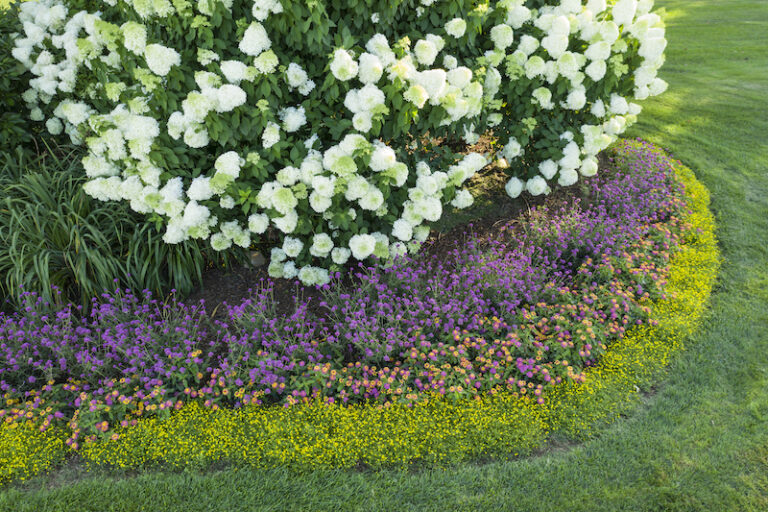
Pollinator-friendly design is at the heart of wildflower meadow care. Structure your planting to provide continuous nectar sources, shelter, and nesting sites. Incorporate a blend of early, mid, and late bloomers so bees, butterflies, and other beneficial insects find forage throughout the growing season. Specifically, avoid monocultures and empty patches by including diverse color, height, and bloom timing. By selecting plant families with complementary flowering periods, you create a living tapestry that sustains pollinators during critical life stages.
Provide habitat features that enhance pollinator life. Leave some seed heads for winter food, incorporate native grasses for shelter and perching, and consider creating a few microhabitats such as sunken damp areas or dry, sandy pockets for different pollinator preferences. Additionally, maintain open soil patches to support ground-nesting bees, while protecting them from heavy disturbance during the active season. In this way, wildflower meadow care becomes a collaborative project with wildlife, delivering beauty and ecological value in equal measure.
Fertilization and Soil Health: Do Wildflowers Need Feeding?
In most cases, wildflower meadow care benefits from minimal feeding. Excess fertilizer often shifts growth toward foliage at the expense of blooms and can invite disease pressure. Therefore, focus on soil health rather than fertilizer quantity. Apply a top-dress of well-rotted compost in spring to feed soil biology and provide slow-release nutrients. If a soil test indicates specific micronutrient deficiencies, address them with targeted, organic amendments rather than blanket feeding, which can disrupt microbial balance. Specifically, reserve fertilizer for situations where the meadow shows persistent signs of poor vigor or when soil tests clearly identify a need. In such cases, apply small amounts evenly and monitor responses over several weeks.
Beyond feeding, soil health in wildflower meadow care is advanced by organic matter management, cover cropping in off-seasons where practical, and careful peat-free amendments that improve structure without destabilizing the pH. The aim is a robust soil life that supports a resilient, resiliently blooming meadow and reduces ongoing maintenance in subsequent years.
Common Challenges and Troubleshooting in Wildflower Meadow Care
Weather extremes pose recurring challenges in wildflower meadow care. Prolonged drought can stress blooming cycles and reduce seed set, while heavy rains can compact soil and trigger root issues. In both cases, adjust irrigation to keep a stable moisture level without saturated soils. Pest pressure, such as aphids on tender shoots or caterpillars on emerging blossoms, requires targeted management that minimizes harm to beneficial insects. Initiate gentle controls first, such as hand-picking or introducing beneficial insects, and escalate only when necessary. Disease pressures, including powdery mildew or fungal spots, respond to improved airflow and reduced humidity, so ensure adequate spacing and prune crowded growth.
Seasonal timing can worsen problems if mowing or pruning is misaligned with plant phenology. Therefore, schedule maintenance to support bloom cycles and seed viability. If a problem persists, examine microclimate conditions, soil moisture, and plant compatibility before applying any intervention. These steps uphold the core premise of wildflower meadow care: balance, biodiversity, and long-term sustainability.
Pruning, Cutting Back, and Renewal: Post-Bloom Care in Wildflower Meadow Care
After peak bloom, strategic pruning helps maintain vigor and prevent woody overgrowth. In many meadows, a light cutback in late spring or early summer encourages a second wave of flowering, while a later cut can promote seed production and perennial establishment. Specifically, target only spent stems and faded flowers to avoid removing potential seed sources that contribute to the meadow’s biodiversity. This practice supports ongoing wildflower meadow care by preserving habitat for pollinators while sustaining aesthetic appeal. In addition, leave some seed heads intact to support wildlife through winter, then manage them in early spring as part of your renewal process.
Renewal is an essential long-term strategy. Every few years, evaluate the mix and consider re-seeding or patching to maintain color density and ecological function. A well-planned renewal keeps the meadow vibrant, supports pollinators, and reduces the need for intensive maintenance. With thoughtful pruning and renewal, your wildflower meadow care program remains productive and resilient across seasons.
Long-Term Plan: Renovation, Re-Seeding, and Longevity of Your Wildflower Meadow Care
Long-term meadow vitality rests on periodic renovation and attentive seed management. Over time, some species may dominate, while others fade. Plan a rejuvenation cycle every 3 to 7 years, depending on species mix and site conditions. When renovating, lightly till or aerate only where necessary, reseed denser patches, and reintroduce a balanced mix to restore biodiversity and bloom density. In addition, adapt your maintenance approach to reflect climate changes in 2026 and beyond. A proactive wildflower meadow care program will emphasize fresh seed lots, soil health, and ongoing pollinator support, ensuring a meadow that remains beautiful and ecologically valuable for years to come.
To keep your meadow robust, maintain a living record of bloom times, species performance, and any interventions. This data-driven approach lets you fine-tune seed choices, adjust mowing schedules, and optimize hydration strategies for your specific site. By treating the meadow as a dynamic system, you transform wildflower meadow care from a fixed project into an evolving landscape that grows with you and your garden goals.
In Part 3: Seasonal Design and Advanced Meadow Management, we will explore practical techniques for refining bloom timing, updating seed mixes with new cultivars, and planning meadow scale adjustments for larger landscapes.
Advanced Strategies and Final Guidance for Wildflower Meadow Care
As this guide closes, you translate knowledge into action. In 2026, advanced strategies emphasize resilience, biodiversity, and sustainable bloom cycles. The goal is a meadow that rewards patience with continuous color while requiring minimal intervention. Below are actionable techniques that go beyond basic planting and maintenance, designed for gardeners who want measurable results in a busy season.
Advanced Planting Techniques and Species Selection
Selection matters more than you might think. Start with a site assessment: sun exposure, soil texture, drainage, and microclimates. Choose native or well-adapted wildflowers suited to your climate zone. Use diverse seed mixes that combine grasses, forbs, and nectar-rich species. Plan for bloom succession to avoid long gaps in color. For seeding, consider broadcast sowing for large areas and drill seeding for precision in smaller patches. After sowing, protect seedbeds from trampling and birds with light mulching or netting. Ultimately, a well-chosen palette reduces maintenance and increases pollinator visits. This is a practical component of wildflower meadow care.
Designing for Bloom Succession
Designing for bloom succession requires thoughtful pairing of species with complementary bloom windows. Start with three layers of bloom timing: early, mid, and late season. Include at least one early bloomer to kickstart pollinator activity, several mid-season species for steady nectar, and late bloomers to extend color into autumn. Space plants to minimize crowding and encourage air movement, which reduces disease pressure. When establishing a new meadow, seed a fraction more early-blooming varieties to ensure coverage if late-spring conditions stall germination. If you must reseed, apply a light hand, then recheck soil moisture to avoid saturating seeds. Ultimately, succession design yields a longer display and a healthier pollinator network.
Soil and Water Management for Longevity
Soil health is the backbone of a thriving meadow. Test soil pH and texture; most wildflowers prefer slightly acidic to neutral soil. Add compost or well-rotted leaf mold to improve structure. Avoid heavy chemical fertilizers that encourage weeds and reduce biodiversity. Mulch with a light layer of wood chips or straw to conserve moisture and suppress weeds. When watering, aim for deep, infrequent irrigation to encourage strong root systems. In drought years, group driplines or soaker hoses to minimize evaporation and deliver water where roots need it most. This is foundational to wildflower meadow care.
Maintenance Calendar and Seasonal Actions
A year-round plan keeps the meadow healthy. In spring, monitor germination and re-seed patchy areas. Remove early-season weeds by hand to avoid chemical use. In summer, deadhead spent flowers to encourage re-bloom and to reduce self-seeding where not desired. In fall, overseed with a light touch; this is the ideal time for reseeding and soil improvement. In winter, review plant performance and note any persistent gaps for the following season. Keep a simple calendar and revisit it monthly to stay on track. Consistency is a hallmark of wildflower meadow care.
Pest and Disease Management in a Meadow
Healthy meadows resist pests through diversity. Encourage beneficial insects by providing nectar sources and shelter. Use physical barriers or row covers during vulnerable stages. If pests spike, identify before action and prefer targeted methods. Avoid broad-spectrum pesticides that harm pollinators. Practice integrated pest management: monitor, identify, and respond with least-toxic options first. Common issues include powdery mildew on crowded stands, aphids on new growth, and fungal spots after wet springs. Address root causes like poor air circulation and overcrowding.
Supporting Pollinators and Biodiversity
Pollinator-friendly design is not optional; it is essential. Include a variety of bloom times and nectar levels to feed bees, butterflies, and hoverflies. Provide shelter: shallow soil for ground-nesting bees, bee hotels for solitary species, and coarse mulch for overwintering. Plant native grasses that create structure and microhabitats. Limit mowing to the outer edges or create a tall, unmowed buffer to give pollinators a refuge during peak foraging times.
Long-Term Health, Propagation, and Rejuvenation
Meadows flourish when you actively manage seed banks and plant health. Propagate from seed for new areas or division for dense patches. Divide clumps every 3–5 years to maintain vigor. When reseeding, stagger sow dates to avoid heavy competition from established plants. Consider adding a small number of new varieties each season to diversify genetics and resilience. If stands become thinning, reseed areas with compatible species and adjust soil texture if needed. Each rejuvenation step improves resilience and flowering longevity. This is an ongoing expression of wildflower meadow care.
Final Guidance and Concrete Action Plan for 2026
Use a practical, phased approach that fits your calendar. Start with a quick-start checklist to set expectations and success metrics. Then implement mid-season tactics to protect and promote blooms. Finally, plan long-term maintenance that prioritizes soil health and pollinator support. The goal is not perfection but persistent improvement over time. Effective wildflower meadow care relies on a phased, repeatable approach.
Quick Start Checklist
- Define your bloom goals and pollinator targets for a 12-month cycle.
- Test soil and adjust pH with safe amendments if needed.
- Choose a diverse seed mix that includes early, mid, and late bloomers.
- Prepare seedbeds with light tilling or raking, then sow according to seed type.
- Apply a thin mulch to stabilize moisture and suppress weeds.
- Install simple irrigation if rainfall is unreliable in your region.
- Mark and protect vulnerable patches from heavy foot traffic.
- Plan for seasonal maintenance windows and set reminders.
Maintenance Budget and Resource Planning
Balance cost with time. Allocate funds for native seed mixes, mulch, and occasional soil amendments. Factor in tools you may need, such as kneeling pads, hand rakes, and a hand-held spreader for seed. Consider purchasing a simple weather station or rainfall gauge if you garden in a region with variable precipitation. A careful budget helps you sustain the meadow without sacrificing other garden priorities. Ultimately, frugal, informed choices compound over time.
Practical Design Tweaks for 2026 and Beyond
Technology and trends shape meadows too. Use visual planning tools to map bloom windows and pollinator visits. Consider microhabitats like rock piles, log piles, or a small water feature to attract a wider array of species. To reduce maintenance, plant in naturalistic patches rather than a rigid grid. This approach supports ecological processes and makes it easier to manage.
For thorough species guidance and region-specific strategies, consult trusted sources such as University of Minnesota Extension: Grow Wildflowers. This resource complements field experience and local climate patterns you encounter in your garden plan.
Final Thoughts on Sustainability and Long-Term Success
Meadow care embraces patience, observation, and steady adaptation. A meadow that lasts is built on soil health, diverse plantings, and ongoing pollinator support. In practice, you will learn which species fit your microclimate, which seed mixes thrive with your rainfall pattern, and how mowing and reseeding schedules influence blooms. The most sustainable approach blends human action with ecological rhythm. This is a principle of wildflower meadow care.
Conclusion and Call to Action
In summary, the advanced strategies presented here elevate wildflower meadow care from hopeful planting to durable performance. You have learned how to design for bloom succession, optimize soil and water management, and foster pollinator-friendly habitats that endure. By following a thoughtful maintenance calendar, you protect biodiversity while enjoying lasting color and fragrance. The end result is a thriving, low-maintenance meadow that brings beauty to your landscape and benefits local ecosystems. If you are ready to begin, subscribe for ongoing tips, seed recommendations, and seasonal checklists that keep your meadow vibrant through 2026 and beyond. Remember: wildflower meadow care is a journey, not a single season.