Wildflower Pollinator Mix: Analyze and Choose the Best Blend
Welcome to BloomHaven’s Foundational Guide to Wildflower Pollinator Mixes. If you’re building a thriving pollinator garden, a well-chosen blend is your first tool for attracting bees, butterflies, and other beneficial insects. In 2026, gardeners are prioritizing blends that deliver reliable blooms, nectar-rich flowers, and ecological value year after year. A thoughtful wildflower pollinator mix acts as a living engine for pollinators, supporting pollination, biodiversity, and garden resilience. This guide explains what a wildflower pollinator mix is, how it differs from generic seed mixes, and the practical steps you can take to evaluate products, tailor blends to your site, and measure success. You will learn how to balance bloom times, plant traits, and soil conditions so your garden looks vibrant while feeding pollinators through spring, summer, and beyond. By avoiding common missteps—such as mismatched seed strategies or invasive-adjacent selections—you’ll set your pollinator garden up for flourishing blooms and sustained health. Let”s begin with the foundations of terminology, goals, and site assessment that every successful wildflower pollinator mix requires.
With the basics in place, this section moves from theory to practice, guiding you through the elements that make a wildflower pollinator mix truly effective in real gardens. You will discover how to read seed labels, assess local climate, and establish a robust plan that integrates blooms across seasons, supports a range of pollinator species, and remains adaptable as conditions shift.
Foundational Guide to Wildflower Pollinator Mixes for Pollinator Gardens
What is a wildflower pollinator mix and why it matters for pollinator gardens
A wildflower pollinator mix is a curated blend of annuals, perennials, and sometimes grasses selected for nectar, pollen, and habitat value. These mixes emphasize ecological function and reliable bloom windows, rather than just a pretty display. The goal is to feed a diverse community of pollinators while adapting to your site’s sun, soil, and moisture conditions.
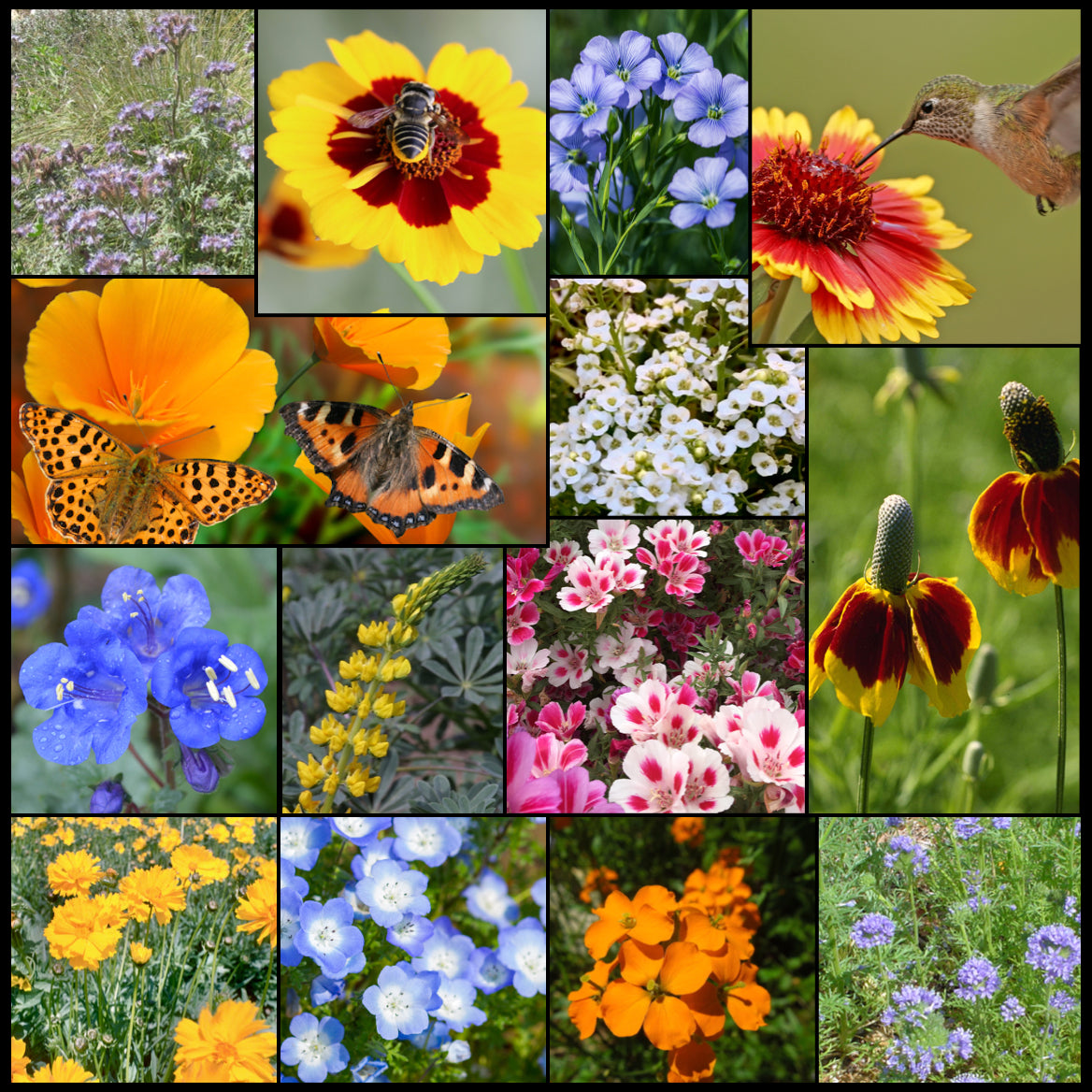
By focusing on plant traits such as bloom duration, nectar production, and flower shape, a wildflower pollinator mix supports bees, butterflies, moths, and even hummingbirds. When well designed, it provides a steady cadence of blossoms from early spring through autumn, reducing gaps that can stress pollinator populations.
Primary components of a strong wildflower pollinator mix
To build a robust wildflower pollinator mix, start with six core components that work together for resilience and function.
- Diversity of bloom times and floral forms
- Native species prioritized when possible
- A mix of annuals and perennials for quick cover and long-term payoff
- Native nectar guides and varied flower shapes to suit different pollinators
- Appropriate seed sizes and germination requirements
- Sun exposure and soil compatibility that match your site
These elements create a blend that is not only beautiful but also dependable year after year, ensuring a reliable nectar corridor for a wide spectrum of pollinators. A well-rounded mix reduces gaps in forage and supports pollinator health through fluctuating weather and drought.
Native plants vs. non-native: shaping your wildflower pollinator mix
In many regions, native plants are preferred because they”re adapted to local climates and support specialized pollinators. Native species are often more reliable for long-term establishment and require fewer inputs once established. Non-native species can still play a role when carefully chosen for complementary bloom windows, but be mindful of invasiveness risks and ecological balance. When in doubt, prioritize natives that match your soil and light.
For science-backed guidance on native plant selection, see Xerces Society for Invertebrate Conservation.
Seasonal cadence: designing for year-round forage
Plan for continuous forage by layering plants that bloom in early spring, mid-summer, and late season. A balanced mix may include spring ephemerals, midseason nectar sources, and late-summer late bloomers. Consider seed/plant lifecycles to ensure persistent cover as seedlings mature into perennials. In practice, staggered seed timing and selecting cultivars with extended flowering help maintain nectar flow for a broad spectrum of pollinators.
How climate and soil conditions affect your wildflower pollinator mix
Climate and soil set the stage for success. Sun exposure, drainage, pH, and soil texture influence germination rates, establishment speed, and bloom quality. Warm, dry sites favor drought-tolerant blends, while cooler, damp soils may require moisture-adapted mixes. A practical approach is to choose a base mix with proven performance in your hardiness zone and adjust with optional cultivars to address microclimates.
Understanding local conditions helps you tailor a wildflower pollinator mix that stays resilient under temperature swings and rainfall patterns typical of 2026. This preparation reduces losses and speeds establishment, so your garden begins to yield nectar sooner rather than later.
Soil preparation and seed bed preparation for wildflower mixes
Begin with a clean bed free of persistent weeds. Lightly amend soil if needed, but avoid heavy fertilizers that encourage lush weeds. Prepare a fine seed bed, rake to a smooth finish, and press seeds gently into the surface. For annuals, you may sow slightly deeper; for small seeds, surface sowing with light compaction often works best. Label zones clearly to track outcomes.
Watering regimes and establishment timing
Establishment requires consistent moisture but not waterlogging. Water deeply after sowing to help seeds germinate, then apply regular, light irrigation until seedlings establish. In hot climates, a drip line and mulching help retain moisture. Many wildflower blends establish best with 6–12 weeks of steady growth before heat or drought stress intensifies.
Managing and sustaining your wildflower pollinator mix after planting
Maintenance after installation focuses on keeping competition low, protecting from erosion, and supporting ongoing bloom. Mulching lightly, targeted weed removal, and occasional deadheading can extend flowering. Avoid heavy mowing in the first year; instead, let seedlings develop and contribute to the next season’s forage.
Maintenance best practices for healthy pollinator habitats
Follow a simple routine: monitor bloom, check for pests, and replace failed plants with suitable replacements. Practice sustainable pruning and avoid chemical fertilizers that disrupt soil ecology. If some species fail to establish, consider a reseed or a late-season patch to preserve nectar resources through critical months.
Common pitfalls and troubleshooting for wildflower pollinator mixes
Expect variability in germination and emergence, and plan accordingly. Weed pressure, soil compaction, and incorrect sun exposure are common culprits. Keep expectations realistic and use adaptive management to address gaps in bloom, invasives, or poor establishment. Regular observation across multiple weeks helps you tailor care and improve outcomes in subsequent seasons.
Handling expectations with germination rates and weed pressure
Germination rates vary by species and climate. Assume some seed loss and plan for reseeding if needed. Control weeds early so they don”t crowd germinating wildflowers. Mulch to manage weeds without suffocating young plants, and time irrigation to avoid creating bare, weed-friendly soil.
In the next section, Part 2: Selecting and Sourcing Wildflower Pollinator Mixes, we guide you through evaluating labels, choosing provenance, and planning installation for your climate.
Core Content: Analyze and Select the Best Wildflower Pollinator Mix for Your Garden
Choosing a wildflower pollinator mix is more than picking pretty blooms. In 2026, the best wildflower pollinator mix blends science and aesthetics to feed bees, butterflies, and other beneficial insects while fitting your climate, soil, and garden routine. This part dives into a practical framework you can apply today to evaluate options, read labels with confidence, and select a mix that delivers consistent pollinator support across seasons. The goal is a robust, low-maintenance blend that thrives in your space and aligns with your gardening goals for BloomHaven.com readers who care about habitat, health, and beauty.
To begin, view your garden as a living habitat rather than a stand-alone display. A well-chosen wildflower pollinator mix should provide nectar and pollen across a long span, attract a spectrum of pollinators, and reduce maintenance when possible. It should also be compatible with your site conditions and your preferred gardening style. As you evaluate options, keep in mind that the right wildflower pollinator mix will feel cohesive with your existing plantings while expanding the ecological function of the space. The emphasis is on long-term impact and reliable performance rather than a single season burst of color.
Assess Your Garden Conditions to Narrow Down Your Wildflower Pollinator Mix
Begin with a clear map of your site. Note sun exposure, soil type, drainage, and typical moisture levels. If your bed receives full sun for most of the day, you’ll lean toward drought-tolerant, nectar-rich species that tolerate heat. In partial shade, seek mixes with shade-tolerant natives that still provide meaningful nectar for pollinators. For wetter soils, look for mixes designed to tolerate periodic saturation. Understanding your microclimates helps you choose a wildflower pollinator mix that establishes quickly and remains resilient through weather swings. You’ll also want to consider portability and spacing. A dense misfit can shade some species, reducing bloom and nectar availability for pollinators. In contrast, a well-spaced mix supports air movement, reduces disease pressure, and improves pollinator accessibility.
Your climate zone in 2026 will shape bloom timing and compatibility. If you are in a dry or hot region, select a wildflower pollinator mix with deep-rooted perennials and annuals that seed late summer into fall, ensuring nectar when many pollinators are still active. If you’re in a cooler, wetter area, favor mixes that bloom early in spring and again in late summer. The ability of a wildflower pollinator mix to sustain nectar and pollen across different months is a core attribute for serious pollinator support. As you read labels, look for species that are native or well-adapted to your region because adaptation reduces irrigation needs and increases survivability. When in doubt, favor a mix that explicitly states it is suitable for your hardiness zone and your soil type. Keeping a focused set of zone-appropriate species helps you achieve a reliable, year-round resource for pollinators without frequent rework.
Define Your Pollinator Priorities and Bloom Windows
Think about which pollinators you want to support most and what you want your garden to contribute during each season. A well-balanced wildflower pollinator mix includes early, mid, and late-season bloom. Early blossoms provide critical nectar after winter rest; mid-season blooms sustain ongoing foragers; late-season blooms give pollinators a final nourishment before they head into dormancy or migrate. When you select a wildflower pollinator mix, confirm that the included species align with your local pollinator populations and your personal preferences for color, height, and seasonal interest. Specifically, identify a blend that includes a sequence of blooming periods rather than a single flush of flowers. Consider how the colors and textures integrate with your landscape and whether you want a wildflower pollinator mix that complements or contrasts with surrounding plantings for visual impact and ecological function.
Target Pollinators and Desired Bloom Times
Different pollinators respond to different cues. Bees often rely on nectar-rich, flat-topped clusters; butterflies seek sheltered nectar sources with bright colors; hummingbirds are drawn to tubular shapes and red-to-orange hues. A strong wildflower pollinator mix anticipates these needs by including a variety of flower forms and nectar sources across several weeks. When evaluating options, look for evidence that the mix supports diverse pollinator groups rather than appealing to a single species. You should also consider how consistently the mix provides nectar and pollen. A robust mix minimizes gaps in forage availability, which reduces forced foraging stress on pollinators and improves garden resilience.
Understand Mix Types: Annuals, Perennials, and Native Choices
Wildflower mixes come in several design philosophies. Annual-focused mixes typically establish quickly and provide a rapid first-season display, making them attractive for new or newly prepared beds. Perennial-heavy blends deliver longer-term structure and reduce re-sowing frequency after establishment. Native wildflower pollinator mixes emphasize species that are well-suited to your ecosystem and may require less water and maintenance while supporting local pollinator communities. A well-considered wildflower pollinator mix often blends all three types to balance immediate effect with long-term stability. In every case, review the seed composition percentages and the expected lifespan of the included species. If a mix leans too heavily on non-native annuals, you may achieve quick color but potentially higher maintenance and lower long-term pollinator value. A balanced wildflower pollinator mix prioritizes regional adaptability and ecological relevance while delivering aesthetic appeal throughout the growing season.
Read Seed Labels and Certifications to Choose Quality
Label literacy is a powerful tool when selecting a wildflower pollinator mix. A high-quality mix will disclose seed names, percentages by species, and expected germination rates. It should also indicate whether species are native to your region or are well-adapted varieties. Certifications and standards on labels help you verify quality, purity, and non-GMO status when that matters to you. Specifically, pay attention to the proportion of core nectar plants versus filler species, as well as any inert matter that might reduce germination. Some mixes include invasive or aggressive plants by mislabeling or vague naming; prudent buyers avoid those blends. For 2026, many reputable suppliers clearly state the zone suitability and the season of bloom for each component, enabling you to align the mix with your seasonal goals. If you prefer, consult regional extension publications for guidance on appropriate species for your climate and soil type, and compare their recommendations with the offered wildflower pollinator mix. A reputable resource is the Xerces Society, which provides targeted guidance on pollinator-friendly plant selections and habitat practices via their online materials, including practical considerations for seed blends. Xerces Society: Pollinator Conservation helps you interpret labels and understand how the mix supports diverse pollinators. When in doubt, choose a mix with transparent labeling and clear regional alignment rather than a generic foreign-sourced blend.
Key Label Metrics and Certifications to Look For
Beyond species lists, examine the germination rate, seed purity, and the recommended sowing rate per square foot. A good wildflower pollinator mix will specify a germination range that you can expect under typical garden conditions. It will also provide sowing depth guidance and timing windows for your region. If a label omits germination data or uses vague terms like “high germination,” treat it with caution. Choose blends that provide explicit percentages for each major species, especially nectar- and pollen-rich components, so you can estimate the forage value across the season. Certifications related to native status or pollinator-friendly labeling add further confidence that the mix aligns with ecological best practices. Finally, check for storage instructions and shelf life; fresh seed tends to germinate more reliably, especially for varieties with short viability windows. A transparent label helps you plan your installation and avoid surprises in the field.
Match to Pollinators: Nectar, Pollen, and Visual Cues
The true measure of a wildflower pollinator mix is how well it supports pollinator foraging behavior. Nectar volume, nectar accessibility, flower morphology, and bloom duration all influence how effectively a mix serves bees, butterflies, and hummingbirds. For bees, prefer species with accessible nectar and multiple bloom phases. For butterflies, include flat-topped or open blossoms with landing surfaces and bright colors. For birds, incorporate tubular flowers with measurable nectar rewards and colors that attract avian visitors. The color palette matters as well; a visually diverse bed tends to attract a wider range of pollinators and supports pollination in neighboring plants. When you examine a wildflower pollinator mix, imagine how a busy day of pollinator activity would unfold across your garden. If you can picture bees visiting several species in sequence and butterflies drifting through mid-morning, you’ve chosen a well-tuned blend. You’ll know the mix is working when you notice longer insect visitation windows and a visible increase in seed set on adjacent ornamentals and edibles alike.
Plan for Continuous Color and Food Throughout the Season
A garden that sustains pollinators year-round relies on bloom-spanning design. A thoughtful wildflower pollinator mix includes early-season blossoms that appear as soon as soils permit, mid-season blooms that sustain pollinators as temperatures rise, and late-season flowers that keep foragers nourished into late autumn. In practice, this means selecting species with staggered bloom times and compatible growth habits. It also means considering color and nectar distribution, so pollinators encounter food across visits rather than encountering a wall of the same flower. A well-planned mix reduces the risk of nectar deserts, supports pollinator health, and makes your pollinator-friendly landscape resilient to drought and heat events common in 2026. The goal is a vibrant bed that remains active and abundant across the growing season while requiring manageable maintenance for busy gardeners. When you read a wildflower pollinator mix label, assess not only the first flush of blossoms but also how the mix promises a sequence of nectar sources over months. This diligence pays off in a more reliable, pollinator-friendly habitat, year after year.
Seasonal Windows for Year-Round Pollinator Support
Seasonal windows are the backbone of a robust wildflower pollinator mix. Early-season plants like blanket flower, larkspur, or columbine provide spring nectar when many pollinators emerge. Mid-season performers such as black-eyed Susan, coneflower, and sunflowers deliver consistent forage during peak insect activity. Late-season options, including sea holly and certain asters, extend the supply as temperatures cool. When selecting a mix, ensure there is overlap between bloom windows so pollinators can move from one bloom to another without long gaps. The result is a more stable foraging network that supports pollinators during critical life stages. If your site experiences erratic weather, favor mixes with multiple annuals that can compensate for a cooler spring or a dry late summer. The net effect is a wildflower pollinator mix that remains functional in a changing climate and evolving garden routines.
Soil, Sun, and Water: Align Your Mix With Your Site
Soil texture, drainage, and irrigation needs are often the deciding factors in whether a given wildflower pollinator mix will thrive. If your soil is sandy and drains quickly, prioritize species known for drought tolerance and faster establishment. If your soil is heavy clay, look for mixes containing plants that tolerate moisture fluctuations and improved drainage through organic matter amendments. Sun exposure again plays a role: full sun sites will demand heat- and drought-tolerant species, while partial shade requires shade-tolerant flowers that still provide nectar. Water availability should guide your expectations: a well-watered bed supports a more diverse wildflower pollinator mix, whereas drought-adapted blends can thrive with minimal irrigation once established. A thoughtful selection balances water needs with flavor of bloom, so you gain consistent pollinator support without overextending resources. This alignment between site and mix is a practical defense against failures typical of under- or over-watered plantings, especially in 2026’s variable climate.
Sourcing, Sowing, and Establishment Techniques for Best Establishment
How you sow a wildflower pollinator mix dictates early success. Start with prepared soil: remove weeds, till lightly or create a seedbed, and level the surface. The sowing window should align with local temperatures and moisture availability; some blends perform better when sown in early spring, others in late summer or fall. Use a light raking or soil cover as recommended by the seed supplier to ensure good seed-to-soil contact while avoiding burial depths that suppress germination. The seed-to-soil relationship matters for establishment: too deep reduces germination; too shallow exposes seeds to desiccation or predation. After sowing, briefly water to settle the bed, then monitor moisture closely during the first two weeks. A successful wildflower pollinator mix establishes a network of young plants that mature into a stable habitat for pollinators. In the weeks that follow, a light maintenance routine—watching for emergent weeds, trimming in early stages, and avoiding heavy foot traffic—helps the mix set roots and grow more robustly. Remember that even with careful sowing, young seedlings need a gentle start; patience pays off as the bed fills with color and pollinator activity.
Preparation, Sowing Depth, and Aftercare
Consult your seed package for recommended sowing depth and surface coverage. In general, light seeds should be scattered on the soil surface and then gently raked to mix with the top layer, while larger seeds may require shallow burial. After sowing, a gentle mulch or ground cover can help conserve moisture while still allowing light to reach germinating seeds. During the first season, keep the bed evenly moist but not waterlogged. As plants emerge, avoid aggressive weeding near the young roots; this helps the wildflower pollinator mix establish without competition. When the plants begin blooming, you’ll observe a gradually increasing presence of pollinators, which confirms you selected a blend that supports the intended ecosystem functions. If infestations or disease appear, address them promptly using garden-safe practices that align with pollinator protection guidelines. With careful observation and minimal intervention, your wildflower pollinator mix can become a resilient feature in your landscape by the end of the first growing season and beyond.
Maintenance Plan, Longevity, and Refresh Strategies
Maintenance reduces risks of failure and enhances the ecological value of your wildflower pollinator mix. After establishment, allow plants to mature and reseed at their own pace within the guidelines provided by the seed supplier. Some mixes will naturalize into a perennial bed, while others may require annual re-seeding or division. The key is to monitor bloom timing and plant vigor, and to re-evaluate the seed mix every two to three years to ensure it continues meeting pollinator needs and garden goals. If a portion of the bed begins to thin or becomes dominated by a single species, consider adding a complementary component that expands nectar sources and extends bloom windows. Refresh strategies may include adding native perennials that align with the original seed mix or replacing underperforming species with better-adapted replacements. A thoughtful refresh keeps the wildflower pollinator mix resilient, diverse, and attractive while sustaining pollinator support through shifting seasons and climate conditions in 2026 and beyond.
Regional Adaptations, Common Mistakes, and How to Avoid
Regional adaptations matter. A wildflower pollinator mix designed for one area may underperform in another if it relies on species that are not well-suited to local conditions. Avoid common mistakes such as oversowing, which can crowd out emerging seedlings, or under-sowing, which leaves gaps in nectar flow. Another pitfall is selecting a mix that emphasizes aesthetics over ecological function, resulting in a crowded bed with few nectar-rich components. To prevent these issues, consult local extension resources and compare several regionally appropriate blends. Consider calibrating your choice to your garden size, sun exposure, and water availability. When you align the mix with regional realities, you gain a sustainable pollinator habitat that remains robust through climate variability and changing seasons. In addition, you minimize maintenance demands by choosing species that will self-sow responsibly and tolerate typical local weather patterns. This targeted approach improves the odds that your wildflower pollinator mix will deliver consistent performance year after year in 2026 and beyond.
Final Decision: A Practical, Scenario-Based Choice
Ultimately, selecting the best wildflower pollinator mix involves a practical blend of site knowledge, pollinator science, and gardener preference. Start with a regionally adapted mix that includes a balance of annuals and perennials, then confirm early, mid, and late-season blooms to maximize nectar availability. Verify that the seed mix label provides clear species composition and quality metrics, and ensure the mix supports a broad spectrum of pollinators. Consider testing two or three regional blends in small sections of your garden to observe performance before committing to a full-bed installation. In our table of options, you will repeatedly see the phrase wildflower pollinator mix, because the field is moving toward blends that harmonize ecological function with garden aesthetics. The best choice is the one that consistently sustains pollinators while fitting your site and your lifestyle. If you need a concise recap, remember: assess site, read labels, match to pollinators, plan bloom windows, and maintain with intention. This structured approach will help you arrive at a sound, science-informed decision about your wildflower pollinator mix in 2026.
Looking Ahead: What Happens Next in Part 3
In Part 3: Compare and Apply the Best Wildflower Pollinator Mix in Your Garden, we will translate these principles into a side-by-side evaluation of leading blends, provide a practical decision framework, and walk through actual application steps on a sample BloomHaven bed. You’ll see how to implement your chosen wildflower pollinator mix, monitor outcomes, and refine the approach for ongoing pollinator support. By then you will be prepared to move from analysis to action with confidence, ensuring your garden remains a thriving pollinator habitat even as seasons change and trends shift in 2026.
Advanced Strategies and Final Guidance for Wildflower Pollinator Mixes
As this final section consolidates the best practices, think of your wildflower pollinator mix as a living, evolving habitat. The goal is robust pollinator support, aesthetic appeal, and long-term resilience. Apply these strategies with your site in mind, and adjust as seasons shift in 2026 and beyond.
Refined Species Selection for the Wildflower Pollinator Mix
Choosing species matters more than choosing seed counts. A well-chosen wildflower pollinator mix provides nectar and pollen across the seasons and supports multiple pollinator guilds. Start with native species adapted to your region. They perform better, require less maintenance, and are less likely to become invasive. Include a mix of annuals and perennials to sustain bloom through droughts and cold snaps.
- Native origin and regional adaptation
- Staggered bloom windows that cover spring to fall
- Pollinator value: bees, butterflies, moths, hoverflies
- Balanced competition to reduce weed pressure
When compiling seed lots, ask suppliers for provenance data, germination rates, and seed treatments. Avoid mixes with aggressive exotics that crowd natives. Document the rationale so future gardeners can reproduce your success.
Climate and Microclimate Alignment for the Wildflower Pollinator Mix
Climate alignment is not just a map. Local microclimates matter. Sun exposure, wind, slope, and soil moisture shape performance of a wildflower pollinator mix. Match the blend to your zone, but tailor it to microclimates in beds, borders, slopes, and containers.
Site assessment and microclimate mapping
Walk the site at different times of day and after rain. Note shade length, soil moisture, and drainage. Create a simple map labeling zones: full sun, partial shade, moist, dry. Use this map to assign candidate species to each zone.
Drought tolerance and water management
In 2026, drought events are frequent. Prioritize drought-tolerant nectar producers. Pair tap-rooted perennials with shallow-root annuals to spread water demand. Consider mulch and drip irrigation to minimize evaporation and disease pressure.
Shade and sun requirements
Some wildflowers thrive in light shade. Others demand full sun. Align microhabitats so that each species sits where it performs best. This alignment reduces maintenance needs and increases pollinator visits.
Soil, Water, and Site Preparation for the Wildflower Pollinator Mix
Soil health underpins success. Begin with a soil test to guide amendments. Improve structure with compost and organic matter. Ensure drainage so wet feet do not ruin germination. Plan for irrigation that supports establishment without fostering disease.
Soil testing and amendments
Test pH, texture, and organic matter. Calibrate amendments to suit native species. Avoid over-application of fertilizer; excessive nutrients can reduce bloom quality and attract pests.
Drainage and soil structure
Good drainage prevents root rot and fosters robust root systems. If soil is heavy clay, add coarse organic matter and consider raised beds for higher success rates.
Irrigation planning
Use targeted irrigation during establishment. After plants establish, reduce irrigation to encourage deep roots and drought tolerance.
Bloom Timing and Succession Planning for the Wildflower Pollinator Mix
Succession planting ensures continuous forage. Design for staggered bloom, so pollinators have resources from early spring through late fall. Consider whether your garden is front-yard, back-yard, or community patch and adjust bloom emphasis accordingly.
Season-extending strategies
Incorporate early bloomers, mid-season nectar providers, and late-season bloomers. Include some evergreen foliage that provides shelter even when flowers are scarce.
Pollinator-specific windows
Target periods of high pollinator activity. Align major bloom peaks with known foraging patterns in your region.
Visual appeal and habitat structure
Structure matters. Layer plants of varying heights create shelter that supports different pollinator species and enhances garden beauty.
Maintenance, Monitoring, and Adaptation for the Wildflower Pollinator Mix
Ongoing care and attention deliver results. Create a simple monitoring routine to track bloom, health, and pollinator visits. Use the data to refine future mixes and planting schedules.
Regular checks
Inspect seedling survival, weed pressure, and disease symptoms weekly during establishment, then monthly after maturity.
Monitoring pollinator activity
Record visits by bees, butterflies, and other pollinators. Photograph blooms to track phenology shifts through the season.
Adapting to performance data
If certain species underperform or overwhelm others, adjust seed rates next time. Replace underperformers with better-suited natives or cultivars.
Sourcing, Legality, and Ethical Considerations for the Wildflower Pollinator Mix
Ethics and legality shape the best outcomes. Sourcing from reputable, certified suppliers reduces risk. Consider native status and seed quality. Always respect local regulations about native plantings and seed movement.
Native vs non-native
Prefer native species that support local ecosystems. Some non-natives can be benign, but they may alter pollinator behavior and local balance. Check regional guidance before mixing.
Certified seeds and reputable suppliers
Buy from suppliers who provide seed lots with clear origin notes and germination data. Look for certifications or third-party testing where possible. This improves reliability and safety for pollinators.
Seed labeling and batch control
Read labels to understand germination rate, germination conditions, and seed treatment. Keep batch records for future replication and accountability. For more breed and seed standards, consult credible sources like Xerces Society.
Risk Management: Invasives, Allergens, and Pest Competition in the Wildflower Pollinator Mix
Protect your ecosystem by anticipating risks. Invasive behavior, allergen exposure, and pest pressures can derail a project. Use conservative seed lists and monitor for early signs of trouble.
Invasives and allergen considerations
Select low-risk species with limited aggressive spread. Be mindful of allergen potential for your gardeners and neighbors. Avoid mixes with highly allergenic pollen when allergies are a concern.
Pest management and disease risk
Adopt integrated pest and disease management. Favor species with strong natural resistance. Use physical barriers and proper spacing to minimize pest pressure. Clean tools to prevent disease spread between plots.
Seed Rates, Planting Windows, and Establishment for the Wildflower Pollinator Mix
Correct seed rates and timely sowing determine early establishment. Follow regionally appropriate windows and adjust for container barriers or raised beds.
Calculating area and seed density
Measure the planting area in square feet or meters. Use recommended seeding rates per species from the supplier. Apply the rates evenly to avoid clumps and gaps.
Planting timeframes by region
Align sowing with frost-free dates. For spring sowing, prepare soil in advance and seed early. For fall sowing, ensure seedlings survive winter conditions where applicable.
Establishment care and germination
Keep the soil consistently moist during germination. Protect emerging seedlings from heat and pests. Mulch lightly to conserve moisture and suppress weeds.
Designing for People and Pollinators within the Wildflower Pollinator Mix
Beauty and function go hand in hand. A wildflower pollinator mix should be a joy to look at and a boon to pollinators. Plan paths, accessibility, and seasonal color to invite people to enjoy the habitat.
Pathways, accessibility, and aesthetic balance
Design meandering paths that reveal blooms from multiple angles. Use color blocks that guide visitors through peak nectar times. Balance native textures with ornamental cultivars for sustained interest.
Coastal and urban considerations
In coastal zones, select salt-tolerant species. In urban areas, consider compact, drought-tolerant types for smaller spaces and higher pollinator density per square meter.
Safety and maintenance routines
Keep pathways clear of tripping hazards. Use mulch, edging, and signage to reduce trampling during peak bloom. Train volunteers to monitor and care for the mix responsibly.
Measuring Impact and ROI for the Wildflower Pollinator Mix
Turn observation into action. Define simple metrics to gauge success. Regular reporting helps you refine future wildflower pollinator mix designs and share best practices with your readers.
Metrics and indicators
Track bloom coverage, variety of species, pollinator visits, and seedling survival. Use photographs and brief notes to document phenology changes.
Data collection methods
Keep a small field notebook or a digital log. Use simple templates to record dates, weather, and observations. Compare results year over year for trend analysis.
Using feedback to refine mixes
Use the data to adjust seed lists, planting windows, and spacing. Publicize your results as case studies or infographics to help readers replicate success.
Conclusion and Call to Action
Ultimately, a thoughtful wildflower pollinator mix yields resilient pollinator habitats, vibrant gardens, and meaningful ecological returns. By combining refined species selection, climate-aware planning, soil stewardship, and ongoing monitoring, you can maximize pollinator health and garden beauty. The focus keyword wildflower pollinator mix should be at the heart of every strategy, guiding choices and ensuring relevance for readers seeking practical, science-backed guidance. To implement these strategies today, explore BloomHaven’s resources, subscribe for updates, and start your own project with confidence. For additional inspiration and expert standards on pollinator habitats, consider consulting the Xerces Society and their field guides. Learn more at Xerces Society.