Winter Evergreen Containers: Create Year-Round Blooms
winter evergreen containers are a design anchor for any cold-season landscape. By combining evergreen structure with seasonal color, you can achieve a durable, stylish display that transitions from late fall to early spring. The goal is to build foundations that support weight, withstand wind and snow, and deliver visual interest even when temperatures drop. In this section on Winter Evergreen Containers Foundations: Planning for Structure and Seasonal Color, we’ll map the approach that keeps containers vibrant without constant replacement, using a backbone of hardy evergreens, clever layering, and thoughtful materials.
Winter Evergreen Containers Foundations: Planning for Structure and Seasonal Color
Therefore, the planning phase focuses on three core elements: structure, seasonal color, and long‑term maintenance. A well‑defined structure gives you control over the silhouette, ensuring the container remains engaging through frost and thaw. Seasonal color is layered, not constantly refreshed, so you can enjoy bright accents without destabilizing the backbone. Finally, maintenance and materials choices make the display resilient in wind, snow, and fluctuating temperatures. In the following sections, we will unpack how to translate these ideas into a practical plan you can implement this year, 2026, and beyond. In addition, this approach aligns with BloomHaven.com’s focus on cabbage crush, wildflowers, peonies, and pollinator plants to create year‑round appeal for winter landscapes.
winter evergreen containers: Structure, Scale, and Rhythm
Crucially, structure anchors the display. Start with a vertical silhouette that reads cleanly from a distance. This is your backbone. It provides height, mass, and a sense of order. In small spaces, choose one tall element and two shorter ones to create a triangular focal point. In open spaces, repeat forms to establish rhythm. Therefore, when selecting forms, think in groups of three or five and ensure each group repeats at a similar scale. For durability, choose materials that weather well and containers that allow drainage to prevent root rot. In addition, consider sightlines from multiple angles and how the plant silhouette reads in low winter sun.
Backbone for winter evergreen containers
The backbone should be evergreen and weather‑tolerant. Good options include sculpted boxwood, dwarf Alberta spruce, juniper, and holly with strong, clean silhouettes. Use these in combinations that offer year‑round structure. In addition, avoid crowding; give each plant space to breathe and to show its form. Position the tallest elements at the center or at the back, depending on sightlines, and keep the color palette cohesive for most of the season to maintain a pulled‑together look. Crucially, the backbone needs to stay legible when temperatures drop and light fades, so choose forms with crisp edges and clear lines.
Proportion and placement: creating rhythm
Proportion matters as it affects how the eye travels across the container. Start with a backbone, then layer secondary elements around it. Repeat shapes to create rhythm, but vary color tones and textures to avoid monotony. Therefore, the container remains interesting from different angles, even when some plants are dormant. In addition, use mirrors of height and mass to guide the eye and prevent a top‑heavy appearance that can topple in wind. Consider material texture as a subtle rhythm cue—slick leaves against fuzzy needles create an engaging tactile beat.
winter evergreen containers: Color strategy for winter
Color in winter is less about bright blooms and more about contrast, texture, and subtle glow. Choose evergreen foliage with a range of greens, blues, and silvers. Introduce winter‑flowering accents that persist or last briefly, such as hellebores, viburnum with berries, or hardy pansies when temperatures permit. In addition, use dried grasses and seed heads to catch light and movement. If you want a pop of color, rotate container accents seasonally by swapping in a few stems or small pots that can be removed when temps drop. For the best results, plan color blocks in groups of three or five and repeat them across consecutive containers for visual unity. To deepen the palette, blend cool greens with a touch of warm metallics for contrast that stands out at dawn and dusk.
Seasonal accents that last: evergreen berries and textural interest
Holly, cotoneaster, and pyracantha offer bright berries that hold through winter. Combine with decorative grasses like Miscanthus or blue fescue for texture and movement. Use variegated foliage or waxy leaves to catch light and brighten the container on obvious days. Crucially, texture in winter is essential; blend needle, scale, and blade forms to create a sensory mix that remains engaging when flowers are sparse. In addition, ensure the color story remains cohesive by limiting the number of different berry tones to two or three and keeping them evenly distributed among the groupings.
winter evergreen containers: Container, soil, and drainage strategy
Container choice matters as much as plant selection. A heavy, insulating container with good drainage reduces winter damage and movement in stormier weather. Use frost‑resistant ceramic or fiberstone in neutral tones; pair with a breathable soilless mix to prevent compaction. In addition, ensure a drainage layer and proper drainage holes. A good practice is to elevate the pot slightly with feet or a spacer to allow air circulation underneath and to prevent root freeze. When possible, choose containers with a wide rim to catch drifting snow and shed moisture more effectively.
Soil and drainage details
Use a well‑draining mix designed for containers. The mix should include perlite or pumice for aeration and moisture control. In winter, avoid heavy soils that retain moisture near the roots. Make sure the pot has adequate drainage in the bottom and consider a capillary mat for extreme cold; ensure drainage holes remain free from frost. A lightweight mix helps reduce overall weight, making it easier to reposition your displays should your space require seasonal reconfigurations.
winter evergreen containers: Maintenance and longevity
Ongoing care keeps the planters looking fresh and ready for the next season. In winter, pruning is minimal but important. Remove damaged stems and tidy the silhouette after storms. In addition, monitor for pests and disease and adjust watering to prevent soggy roots. When spring approaches, plan a refill and refresh cycle so the container continues to look deliberate rather than neglected. A simple maintenance calendar helps you stay on track and maintain steady color in the margins of the year. Crucially, document what worked and what didn’t so you can refine your backbone for the next season without starting from scratch.
For additional guidance on winter container care and inspiration, see winter container gardening resources from University Extension. This external source complements BloomHaven.com’s approach by offering practical tips on substrate, drainage, and frost protection that you can adapt to your own plant palette.
In Part 2: Plant Material Selection and Placement for Year‑Round Impact, we will explore specific plant groups, compatibility, and placement tactics to maximize bloom and structure across seasons.
Therefore, the next installment will guide you through selecting evergreen and seasonal companions, testing combinations, and refining your container matrix for consistent visual impact across winter, spring, and beyond.
Winter Evergreen Containers Step-by-Step Design and Care for Cold-Season Impact
Winter evergreen containers are not decorative afterthoughts; they are architectural statements that hold color, texture, and structure when days grow short and frost tightens its grip. In this part of the guide we translate design theory into a practical, repeatable system you can apply to any balcony, doorstep, or patio. The focus is on reliability, beauty, and performance that lasts through the cold season while you prepare for the spring flush.
Step 1 defines the aims and assesses the microclimate around your container. Before you buy a single plant, consider sun exposure, wind, moisture, and temperature fluctuations. Is the site bright morning sun or shade year-round? Do you battle drying wind or heavy winter rain? Are you close to a heated window that changes the ambient temperature at night? Answering these questions shapes every other decision, from seed choices to pot depth and drainage. Remember that winter evergreen containers thrive when they are layered for durability: a strong evergreen backbone, smart seasonal accents, and a container that handles cold with minimal cracking or fading.
Define Your Winter Evergreen Containers Goals
In this step you articulate the exact purpose of the container in your landscape. Do you want a formal, compact look near a door, a lush seasonal display for a courtyard, or a cinematic accent that complements a color scheme from your indoor living space? Write two or three concise goals. This clarity guides the choice of evergreen backbone, the scale of the pot, and the texture interplay you want to achieve. With cold-season conditions in mind, choose plants that maintain structure and color even when temperatures dip below freezing. The goal is a display that remains legible from a distance, holds up through wind and rain, and invites a second glance as the light shifts through the day.
Choosing an Evergreen Backbone for Winter Evergreen Containers
The backbone is the year-round structure that keeps the arrangement coherent. Look for compact evergreens with strong branching that tolerate root confinement in pots. Dwarf boxwood or compact junipers provide year-long presence, while evergreen grasses add movement and a frosty texture that catches light on dull days. Include at least one evergreen conifer or shrub with winter interest, such as a small yew, compact holly, or a dwarf spruce variety. Pair these with foliage you love and with plants that perform as winter fillers. The key is balance: a sturdy, low-lying structure anchored by one or two upright elements, plus evergreen edges that read as a defined silhouette even when the other plants fade back.
Container Materials and Soil Mix for Winter Evergreen Containers
Choose a container that survives cold months without cracking and offers adequate drainage. Materials like glazed ceramic, fiberstone, or heavy resin stand up to freeze-thaw cycles better than thin terracotta. Ensure the container has drainage holes and a saucer or tray to catch meltwater. For soil, blend a well-draining potting mix with organic matter and a touch of slow-release fertilizer. A simple ratio is 60% high-quality potting mix, 30% compost or aged processed bark, and 10% perlite or pumice for air. In winter, avoid heavy clay soils that compact when wet. Add a layer of coarse gravel at the bottom for drainage and consider placing a lightweight liner if the pot will sit on a cold surface that conducts frost from the ground. The soil should stay evenly moist but not soggy; compacted soil leads to root suffocation in cold weather, while overly wet soil can invite root rot during thaws.
Step-by-Step Design Assembly for Winter Evergreen Containers
Start with a clear inside edge where the soil meets the rim of the pot. Add a thin layer of drainage material to prevent soil from sitting in pooled water. Plant the evergreen backbone first, spacing to maintain air spaces for roots. Build the arrangement around the evergreen core with two types of seasonal accents: foliage textures that hold color, and small stems or berries that provide seasonal sparkle. Consider the view from all angles; a good winter container should be attractive from street level and from a doorway. Use the thriller, filler, and spiller concept as a guide without being rigid: select one focal evergreen, one or two textural fillers like variegated foliage or frosted grasses, and one trailing element that softens the edge. When you place accents, keep them slightly below the top rim so the container reads as a single, contained mass rather than a loose cluster of stems. If you’re reusing a container from last year, clean it thoroughly and refresh the soil to remove old salts and compacted earth that could impede root growth in cold soil.
Microclimate Mapping
Sketch a rough map of sun paths, wind corridors, and shelter. Note where the sun reaches the container in winter mornings and late afternoons. Even subtle shifts of a few feet can move a container from sun-baked to frost-prone. If your site is near a building, heat radiating from brick can create a microclimate that slightly extends the growing window. This awareness helps you choose the backbone and accents accordingly.
Care and Maintenance for Winter Evergreen Containers
Water is the trickiest factor in winter. Check moisture weekly and water only when the top inch of soil is dry. In milder spells, a thorough watering followed by cool nights helps to settle the root zone; in hard freezes, hold off unless there’s an active dry spell. Never leave a saucer full of water beneath the pot; standing water can freeze and damage roots. Fertilize lightly in late autumn with a slow-release mix that feeds into early spring, but skip rich feeds after January when growth slows. Pruning is mostly about keeping the silhouette tidy and removing any dead or damaged growth, especially after storms. Avoid heavy pruning in mid-winter, which can stress the plant and reduce its resilience in cold snaps.
Palette Planning for Winter Backbones
Color depth matters in low light. Green-toned foliage with blue undertones reads as calm and elegant, while a touch of variegation can catch a winter sunbeam without overpowering the scene. If you prefer a cooler glow, pair silvery greens with a hint of blue-gray texture. For a bolder look, add berries or red-tinted stems that survive frost without wilting. The goal is to keep the backbone legible, even when minor shrubs shed leaves or become subdued during the coldest days.
Troubleshooting Common Issues in Winter Evergreen Containers
Frost damage shows as brown or black leaf tips and stiffened wood; when you see this, prune back damaged sections to healthy tissue. Overwatering in winter leads to root rot and a foul smell from the soil; if soil remains wet for days, lift some stems to allow air flow and consider replacing the top layer of soil. Pests slow in winter but can still attack; look for scale or spider mites on evergreen needles and treat with targeted horticultural oils or soaps, following label directions. Cold winds can desiccate foliage; a windbreak, even a simple burlap screen placed on the exposed side, helps preserve needle-like or leafy textures. If a plant refuses to pick up after a cold snap, give it a little warmth by placing it in a sheltered sunlit corner for a few hours during the day, then return it to the container. With the right care, your winter evergreen containers retain structure and a calm, refined elegance even in the dreariest months.
Seasonal Pests and Fungal Risks
Even in dormancy, evergreen containers can host pests or fungi that thrive in damp, cool conditions. Inspect needles for yellowing, check undersides for mite webs, and monitor for powdery coatings on leaves. If you detect an issue, act quickly with targeted horticultural oils, neem oil, or appropriate fungicides. Always follow label directions and test any product on a small area before treating the whole container.
Finishing Touches and Seasonal Styling for Winter Evergreen Containers
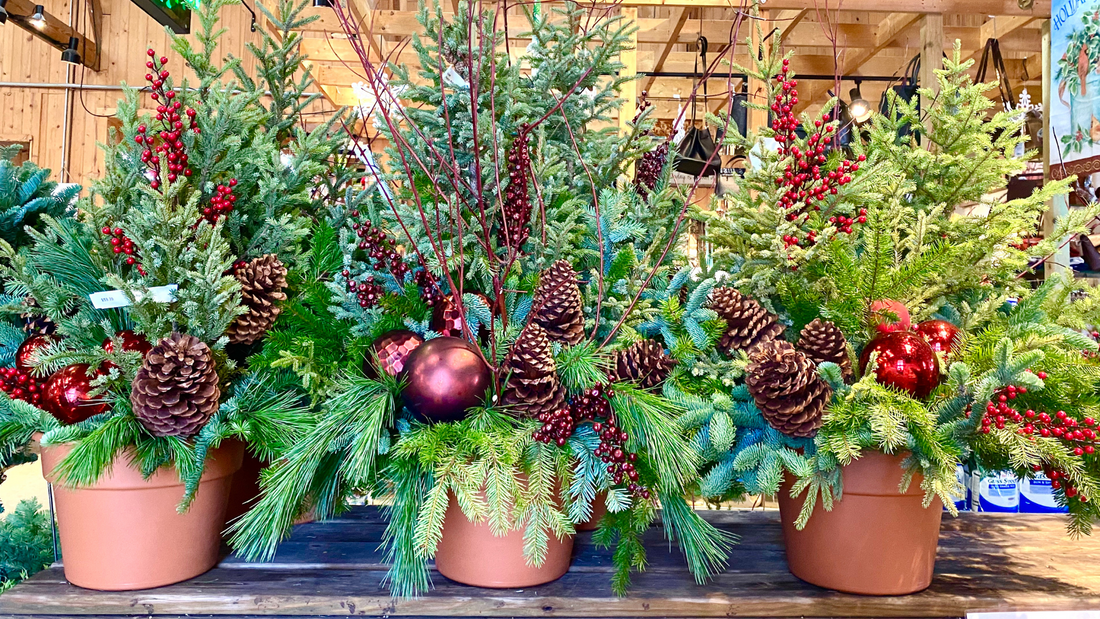
Textures, colors, and shapes create visual interest even when color is muted. Add accents like berries, pinecones, dried citrus slices, or metallic picks for a mid-winter sparkle. Keep accents proportionate to the container size; too many decorative elements can overwhelm the evergreen backbone. If you want to emphasize a color story, choose a cool palette with blues and silvers or a warm, festive option with reds and golds. Finally, consider safety and maintenance: avoid glass elements that can crack in freeze-thaw cycles and ensure all components are rated for outdoor use in winter weather. A well-staged winter evergreen container remains a welcoming focal point for your entry and an invitation to linger outdoors, even when the air turns crisp.
For a broader collection of winter container plant ideas, see The Old Farmer’s Almanac winter container plants.
With these steps, you establish a reliable workflow for designing and maintaining winter evergreen containers that look intentional, not temporary. The approach scales up to multiple containers of varying sizes and sun exposures, so you can create a cohesive, year-round display across a porch, patio, or balcony. Remember that the design is as much about the rhythm of plant shapes as it is about color. When the backbone remains strong and the details are treated with respect, the cold season becomes a stage for quiet elegance rather than a period of dormancy.
Looking ahead, Part 3 will explore Seasonal Color Stories and Longevity: how to refine your winter evergreen containers with tailored palettes, seasonal accents, and maintenance rituals that maximize performance from late winter into early spring.
Next up in Part 3 — Seasonal Color Stories and Longevity for Winter Containers — we will explore refined palettes, durable textures, and a maintenance cadence that carries your display from late winter toward spring.
Advanced Strategies and Final Guidance for Winter Evergreen Containers
In this final portion of the guide, we synthesize field‑tested tactics to maximize year‑round impact with winter evergreen containers. You will learn to balance structure, texture, and resilience so your displays remain compelling from the first frost through the tail end of winter. The aim is to create container arrangements that require minimal maintenance yet deliver maximum visual payoff, supporting pollinators and sustainable gardening in 2026.
First, acknowledge that winter is a design season, not a dead period. The absence of bright flowering does not mean absence of interest. The best displays leverage evergreen architecture as a frame and layer seasonal color and texture within that frame. With careful planning, you can keep color, form, and life in a single pot for months, even in challenging climates. The following sections provide practical, repeatable steps you can apply in your own containers.
Design Principles for Winter Evergreen Containers
At the core of a successful winter display are three guiding forces: structure, texture, and color. Start with a strong evergreen backbone that holds its shape and opens the design to dynamic seasonal changes. Layer in mid‑season fillers that stay interesting as days grow shorter. Add accents that surprise the eye without crowding the pot. Together, these elements provide balance and longevity, so your container looks intentional in every month of winter. For long‑lasting impact, design with the following rules in mind: keep silhouettes clear, maintain open space for air circulation, and choose plants with compatible water needs.
Choosing the Right Plants for Winter Evergreen Containers
Anchor the container with a sturdy evergreen that thrives in your climate. Boxwood, holly, juniper, yew, or small conifers work well as a backbone. Select semi‑evergreen or evergreen perennials for ongoing interest, such as bergenia, hellebores, or creeping thyme. For color accents, pick berries, variegation, or foliage with winter glow. Consider plant height and scale so the arrangement reads as a cohesive sculpture rather than a pile of plants. Then check growth habits: some evergreens spread, others stay compact; some root shallowly, others require deeper soil. This matters in a shallow container where roots are compact to the pot bottom.
Layer tip: place a taller evergreen at the center or back, flank with medium‑height fillers, and finish with low‑growing accents at the front. This creates depth that reads well from every angle and remains legible from curbside to doorway. If you have a narrow balcony, adapt the layout to a tall, columnar backbone with trailing or cascading fills. The goal is to maintain a strong vertical rhythm that draws the eye upward even when the ground is white with snow.
In windy or exposed sites, select compact varieties less susceptible to desiccation. Where sunlight is limited, favor plants with better shade tolerance and drought resistance. Always verify each plant’s winter hardiness zone before purchasing to prevent surprises in January. Consider microclimates: a sheltered doorway creates a warmer enclave; a sunny south‑facing wall offers more warmth for winter color. By combining climate awareness with plant choice, you maximize success in any container size.
Color, Texture, and Form in Winter Evergreen Containers
Texture matters as much as color in winter. Combine glossy evergreens with suede or matte textures to catch light differently when the sun sits lower. Pair needle‑like conifers with broadleaf evergreens for contrast. Add berries or seed heads to spark contrast against the dark greens. For texture, mix rigid shapes with softer drapes—think a small creeping plant weaving through a chunky evergreen. The result is a tactile, multi‑season display that still feels cohesive in winter light.
When choosing color palettes, lean on natural tones that intensify after frost: deep greens, forest browns, and touches of red or burgundy. If your climate allows, a pop of icy blue or frosted white foliage can emulate a winter wonderland without artificial ornaments. Test color combinations in a dry run before you finalize the pot so you can adjust balance as you go. Remember that color is a memory cue; even small touches of a bright hue can anchor a winter arrangement in the viewer’s perception.
If you want a practical reference for winter container gardening techniques, see the Winter Container Gardening guide from Gardeners World. Winter container gardening guide.
Care, Maintenance, and Longevity for Winter Evergreen Containers
Consistency matters. A steady care routine helps you keep plants healthy and containers attractive through freezing weeks. Watering remains critical, even in winter, because container soil dries out faster than garden beds. Use a moisture meter or check soil a few inches below the surface. Water when the top 1‑2 inches feel dry to the touch, and avoid waterlogging by ensuring drainage is unobstructed.
Fertilization should be light during winter. If you feed, choose a slow release or a balanced, low‑nitrogen formula. Hold fertilizer until late winter or early spring when new growth appears. Overfeeding can encourage weak growth that is damaged by cold. Pruning is typically minimal; trim only to maintain shape and remove dead or damaged growth after storms. Light shaping can prevent crowding and improve air circulation, reducing disease risk. Keep pruning cuts clean to minimize entry points for diseases; sterilize pruning shears between cuts if you see any sign of infection.
A practical maintenance routine includes a monthly check for drainage, soil compaction, and pot stability. If you notice the pot leaning or the soil crusting, address the issue promptly. Mulch the top layer with a light white or natural mulch to preserve soil temperature and moisture. If you notice sunburn on exposed leaves, adjust the pot’s position or create a small windbreak to protect delicate foliage.
Protecting containers from weather is essential in harsh climates. Elevate pots on feet or pot feet to prevent cold foundations from wicking moisture. Wrap with breathable protective material during extreme cold snaps, but avoid sealed covers that trap moisture and promote rot. For persistent ice or snow, consider moving containers to a sheltered spot or using windbreaks to minimize desiccation. Mulching the container rim with decorative bark or pine cones adds insulation and a finished look. When possible, rotate pots occasionally to even out sun exposure and reduce heat buildup on one side.
Accessibility is another consideration. Place containers at a reachable height for routine care, especially for older gardeners or people with mobility limits. A well‑designed plan reduces the effort required to care for your displays while preserving their impact. For more inspiration on design and displays, browse the inspiration galleries and tips from BloomHaven as you plan your own seasonal setup.
Seasonal Transitions: From Winter to Spring
As temperatures rise, you gradually transition to new growth and fresh color. Remove dead stems and prune to encourage air circulation. If a plant underperforms or dies, replace with a compatible evergreen or spring‑blooming filler. The transition period is a chance to refresh the palette without sacrificing structure. Keep the overall shape intact so the container continues to read as a deliberate design rather than a random assortment.
Rotate the focal plant periodically to keep the arrangement looking balanced from all angles. Consider swapping in a bright seasonal accent, such as a flowering crocus bulb or a tulip, once the risk of frost has passed. This approach yields a seamless bridge between winter interest and spring energy, with minimal disruption to the container’s architecture. For a smooth transition, select bulbs that have compatible planting depth with your current soil mix and ensure roots won’t crowd the existing plants as they emerge.
Creative Displays and Lighting for Winter Evergreen Containers
Lighting can transform a winter display. Use low‑voltage LEDs or solar lights tucked near foliage to spotlight berry color, frosted leaves, or sculptural branches. Avoid harsh glare; aim for a soft, ambient glow that extends the pot’s appeal after dusk. For even more drama, incorporate reflective surfaces like a frost‑trosted glass ball or a metallic finish that plays with the cold light of winter. Dimmers or motion‑activated lights can add a dynamic element without increasing energy use.
Consider container materials as part of the design. Heavy stone and ceramic pots anchor weight and durability; light metals reduce bulk but require careful placement to avoid tipping in wind. Choose color and texture to complement the plants, not overpower them. A cohesive material palette helps your winter evergreen container look intentional, whether displayed on a balcony, entryway, or patio. Low‑maintenance finishes withstand salt spray and temperature shifts better, prolonging the life of both the pot and its plants.
Accessibility is another consideration. Place containers at a reachable height for routine care, especially for older gardeners or people with mobility limits. A well‑designed plan reduces the effort required to care for your displays while preserving their impact. For more inspiration on design and displays, browse the inspiration galleries and tips from BloomHaven as you plan your own seasonal setup.
Troubleshooting and Overwintering Challenges
Winter brings unique challenges. Frost, wind, and occasional pests can stress containers. Start with a diagnostic checklist. Examine leaves for scorching, browning edges, or unusual coloration, which often signal moisture issues or cold damage. Check the soil for drainage problems. If you notice standing water, improve drainage or reduce watering frequency. For dessicated leaves, consider misting on milder days or adding a mulch layer to preserve soil moisture.
- Overwintering: If a plant is marginal in your zone, consider replacing with a hardier evergreen that shares a similar form and color.
- Wind protection: Use a sheltered site or install a windbreak such as a lattice screen behind the container.
- Pest control: Monitor for aphids, scale, or scale‑like insects. Treat early with a horticultural oil or insecticidal soap as needed.
- Disease prevention: Ensure good air circulation. Do not overcrowd. Remove diseased material promptly.
Some issues require a proactive strategy. Prolonged cold with wet conditions can invite root rot. In that case, reduce watering, ensure drainage, and consider relocating to a brighter, warmer location temporarily. If you see persistent leaf drop, re‑evaluate plant compatibility with your microclimate. The goal is resilience: plants that hold form and color despite the season’s vagaries. Remember that a container is a micro‑garden; treating it with the same respect you give an outdoor bed yields the best results.
Long-Term Planning and Sustainable Practices
Winter evergreen containers are not just decorative; they can support pollinators and wildlife. Choose plants with nectar and pollen that attract bees, butterflies, and other beneficial insects when possible. Use native or regionally adapted species when you can. This reduces maintenance, improves plant survival, and supports a healthier garden ecosystem. Pair evergreen anchors with drought‑tolerant fillers to minimize irrigation needs and maximize resilience in windy sites. The most sustainable setups use a simple, repeatable palette year after year, so you can recycle containers and plants with minimal waste.
Recycling and sustainability matter in container design. Save pots from previous seasons and refurbish with fresh mulch, new soil, and a light dusting of compost. When replacing plants, aim for a plan that rotates through evergreen, semi‑evergreen, and flowering accents to prolong interest. By maintaining a well‑organized inventory of plant types and pot styles, you simplify future seasons and keep winter evergreen containers looking intentional year after year. If space allows, label each plant with care notes to simplify future planning and ensure you reuse compatible combinations.
Conclusion: By adopting these advanced strategies, you will craft winter evergreen containers that offer structure, resilience, and year‑round appeal. The deliberate layering of evergreens with seasonal color, paired with intelligent care routines, helps your displays flourish through cold months and into spring. Remember to plan for sun, wind, soil, and water, and to select plants that share a common growth habit and seasonal rhythm. As a result, your container will remain visually compelling, support pollinators, and showcase sustainable gardening practices that resonate with BloomHaven’s readers in 2026. To begin, map your ideal palette, source sturdy evergreen anchors, and note how your space handles winter light. The classic combination of evergreen backbone, textured fillers, and thoughtful accents is the foundation of success in winter evergreen containers.
Final conclusion: Winter evergreen containers are a reliable path to year‑round beauty. Begin with the evergreen backbone, add texture, and implement the care routine outlined above. Start planning today and bring your own winter evergreen containers to life—visit BloomHaven for inspiration, sourcing guides, and a step‑by‑step plan to start now.