Summer dahlia cuttings: A Practical Garden Plan
In Part 2, we’ll move from foundational care to selecting varieties and planning timed propagation for a harvest-ready cutting garden. Look forward to detailed guidance on choosing dahlia types that suit your climate and design goals, plus a practical timeline to align your cuttings with peak bloom windows in the next section titled Part 2: Selecting Varieties and Scheduling Summer Dahlia Propagation.
Step-by-step execution for summer dahlia cuttings garden
Executing a successful batch of summer dahlia cuttings starts with deliberate planning and ends with confident, healthy plants ready for your garden bed or container display. In this part of the guide, we translate technique into steady action. You’ll learn how to select, root, and nurture cuttings so they mature into vibrant, bloom-ready plants that shine in late summer. Specifically, the focus is on practicality, climate-awareness, and garden design synergy, ensuring that every cut you take becomes a robust new plant and every care decision supports strong growth through the warm months.
Assessing site, varieties, and timing for summer dahlia cuttings
Your first step is to map a light-filled home for the new plants. Dahlias demand bright sun for full, sturdy stems and long-lasting blooms, so choose a spot that receives at least six hours of sun daily. If you plan to root cuttings indoors or in a green. house, ensure the space remains warm and draft-free, with steady temperatures around 65–75°F (18–24°C). In contrast, outdoor beds benefit from mulched, well-drained soil that’s rich in organic matter. When selecting varieties, favor compact or mid-sized dahlias with strong stems and a reputation for rooting well from cuttings. If you’re aiming for a late-summer display, pick cultivars known for dependable flowering through warm weather and where the color palette aligns with your garden scheme or bouquet plans. Specifically, choose a mix of colors that complement foliage and other perennials you’re growing this season. Plan your staggered planting so you have a continuous succession of fresh blooms from midsummer onward.
Preparing tools, workspace, and rooting media for summer dahlia cuttings
Cleanliness matters when you work with cuttings. Gather a sharp, sterilized knife or pruning shears, a clean potting tray, and several small containers for rooting hormone and clean water. Prepare a well-draining rooting medium. A common mix is equal parts coarse perlite and peat-based medium, or a high-quality seed-starting mix with added perlite for drainage. If you prefer a soilless approach, you can use a sterile propagating mix that stays consistently moist but never soggy. Bring a clear humidity cover or a simple plastic bag to maintain humidity around the cuttings, especially in cooler rooms. Practically, label each cutting or group so you can track variety and intended bed or container placement. Finally, keep a small spray bottle handy for gentle misting to maintain humidity without soaking the stems. This careful setup supports higher rooting success for summer dahlia cuttings.
Tools and cleanliness
Sanitation is not optional; it is essential. Sterilize blades before every cut to prevent disease transmission. Wash hands and work surfaces, and keep your cutting tray organized. Use a dedicated set of tools for propagation, separate from tools used for mature plants. Clean tools reduce the risk of introducing pathogens and help your cuttings root quickly. Specifically, after each use, wipe blades dry and reseal any containers to preserve the integrity of rooting media and hormone powders if you choose to use them. By maintaining discipline in cleanliness, you’ll see more consistent results across your workload and a smoother path to robust summer dahlia cuttings.
Rooting hormone: to use or not to use
Rooting hormone can improve the success rate of cuttings by encouraging quick, healthy root formation. If you decide to use it, dip the cut end into a fine powder or prepare a liquid solution according to the product directions. Specifically, remove the lowest pair of leaves from each cutting and detach any leaves that would sit below the soil line when planted. This reduces transpiration and helps the cutting focus its energy on root development. If you choose not to use hormone, don’t worry—the right conditions and a clean medium can still yield strong roots. The choice depends on your experience, the cultivar, and the level of care you want to invest in the initial phase.
Taking healthy cuttings: the art of summer dahlia cuttings
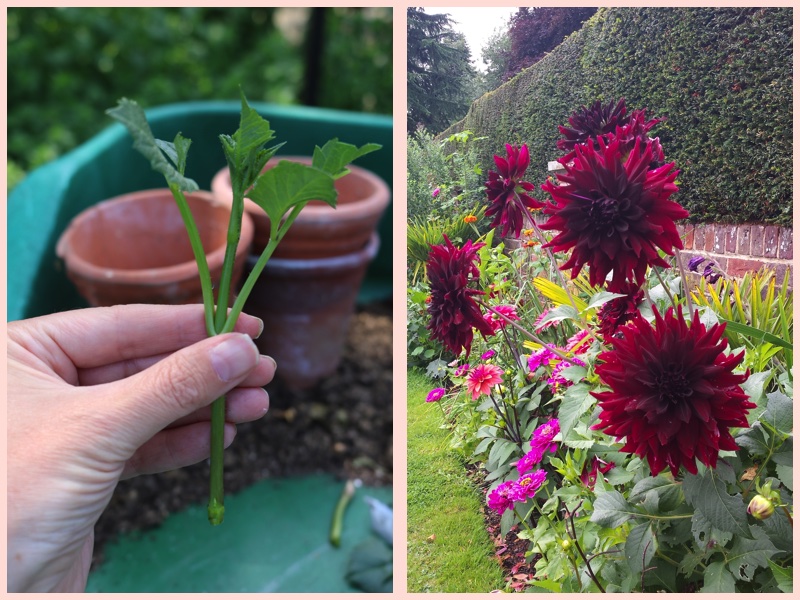
The cutting you select should be a vigorous, non-flowering shoot from a healthy plant. Look for vigorous growth from the current season and a shoot with at least two healthy nodes. In practice, make the cut just below a node on a stem that has strong turgor and no signs of disease. The aim is to capture a segment that carries a few leaf nodes to facilitate rooting when placed in the rooting medium. Specifically, cut a 2–3 inch (5–7 cm) segment with two or three visible nodes. Remove the lower leaves so only the top pair remains. This configuration minimizes moisture loss and focuses growth energy on root initiation. Place the cutting into the prepared rooting medium at a shallow angle so the nodes are close to—or just under—the surface. This orientation helps roots form along the stem near the nodes and supports stable establishment once transplanted.
What to cut and where
Always select new growth, not old wood, for summer dahlia cuttings. New growth provides active meristem tissue more likely to root quickly. Avoid diseased or stressed shoots; healthy color and turgidity are your best indicators. When you snip, aim to include at least two nodes with a short internode distance between them. If you see tiny root primordia forming on the cut end, that’s a good sign of rooting readiness. After you make the cut, gently sweep away loose leaves that might sit in the rooting medium. Then, promptly place the cutting into its medium to minimize exposure to air and prevent desiccation. Specifically, maintain a consistent environment so cuttings don’t experience rapid temperature fluctuations that could inhibit rooting.
Preparing the cuttings for root formation
Before you place cuttings into the rooting medium, consider a light pre-soak in room-temperature water for 10–15 minutes to hydrate the cut end and reduce wilting. If you are using a rooting hormone, dust the cut end lightly and tap off any extra powder to avoid clumping. Place the cuttings vertically, with the lower end deeper in the medium so nodes are just below the surface. Mist the surface lightly to maintain surface moisture without waterlogging. Continuously monitor the moisture level in the rooting tray; the medium should feel like a wrung-out sponge—moist, not soggy. Specifically, aim for humidity above 90 percent in the first week and gradually reduce it as roots begin to form, allowing the medium to dry slightly between checks. This strategy supports steady root development for summer dahlia cuttings.
Rooting environment: moisture, light, and warmth for summer dahlia cuttings
Root formation relies on a stable, warm, and bright environment. Place the propagation setup in a bright area with indirect light; direct sun can scorch tender cuttings, especially through a plastic cover. Provide warmth through ambient room temperatures or a heated propagation mat set to around 70–75°F (21–24°C) if your climate runs cooler. Ensure the rooting medium remains evenly moist; never let it dry completely. Conversely, avoid overly saturated conditions that invite rot. Specifically, use a clear dome or a plastic bag to create a microclimate around the cuttings. Ventilate daily to prevent mold and fungal growth. As roots begin to form, you’ll notice new growth on the cuttings and a slight tug on each stem when gently tested—these are signs that transplanting is imminent.
Choosing rooting media and how to monitor moisture
The rooting medium should be light, sterile, and well-draining. Perlite-based mixes are excellent for air space around the roots, which helps prevent rot. Vermiculite increases moisture retention, which can be beneficial in dry environments. If you prefer organic mixes, a light compost-based seed-starting mix can work well with adequate drainage and consistent moisture. On rainy days or in humid climates, you may need to vent more frequently to prevent excess humidity that invites mold. On dry days, a gentle misting schedule keeps the surface moist without saturating the base of the stem. In every case, monitor the medium’s moisture level, and adjust watering frequency according to temperature and humidity. Specifically, the goal is to maintain a stable rooting environment where cuttings neither dry out nor sit in stagnant moisture.
Planting and initial care after rooted cuttings
Once you observe root formation and a steady growth push from the cutting, it’s time to move from the propagation tray to individual pots. Use a small pot with drainage holes and a light, well-aerated potting mix. Plant the cutting to the depth of the first node, ensuring the crown sits just at the soil surface. Water gently but thoroughly after transplanting to settle the medium around the roots. Place the pots in a bright location with indirect light, and gradually introduce them to more light as they acclimate. The initial weeks post-transplant are crucial; keep the soil evenly moist but not waterlogged, and avoid fertilizing until the roots are established. Specifically, a light feeding with a balanced, water-soluble fertilizer after the first true set of leaves appears can support continued growth without overwhelming tender roots.
Transplanting cuttings into individual pots
Transplanting should be done with care to minimize root disturbance. Gently lift the rooted cutting with a small tool, supporting the root ball to prevent tearing. Place it into a slightly larger pot with fresh potting mix, then press lightly to remove any air pockets. Avoid compacting the soil around the stem. Water again to settle the plant in its new home, and keep it in a warm, bright spot that avoids harsh afternoon sun for several days. This transition period is critical for the plant’s ability to establish a robust root system that will support vigorous growth once transplanted outdoors. By maintaining a careful schedule and a calm environment, you’ll maximize growth potential for your summer dahlia cuttings.
Hardening off and spacing when moving to the garden
Hardening off gradually acclimates plants to outdoor conditions. Start by placing the pots outside for a few hours a day, increasing exposure by an hour or two each day over 7–10 days. Protect plants from strong winds and the peak heat of the day during the first week of hardening off. When the risk of frost is passed, and temperatures remain consistently warm, you can translate your dahlias into the garden bed or large containers. Spacing depends on the variety; compact types may need 18–24 inches, while taller cultivars often require 24–36 inches between plants to ensure air movement and reduce disease pressure. Specifically, arrange plants so the crowns sit at soil level and the stems have room to develop without rubbing against neighbors. A well-prepared bed with amended soil supports stronger growth and a longer bloom period.
Hardening off steps and final bed preparation
When hardening off, maintain a steady routine of water and light, letting the plants gradually adapt. Prepare the bed with well-drained soil, added compost, and a gentle base fertilizer to support root establishment. If you’re using containers, choose a large pot or planter with good drainage and a high-quality potting mix. Shield the plants from scorching afternoon sun for the first week or two, gradually increasing sun exposure as they adjust. Specifically, ensure that the bed is weed-free, as competition for nutrients can stress young plants. With consistent care, your summer dahlia cuttings will establish more quickly and set the stage for a succession of vibrant, long-lasting blooms.
Aftercare, pests, and common issues with summer dahlia cuttings
Ongoing care is the backbone of a flourishing cutting garden. Monitor for common issues such as aphids, spider mites, and powdery mildew. If pests appear, treat early with a compatible organic pesticide or a strong blast of water, then reinforce with natural predators like ladybugs where appropriate. Provide a steady supply of moisture and a balanced feed to encourage vigorous growth, especially during hot spells. If growth stunts or yellowing occur, check for root issues or overwatering. Specifically, maintain good air circulation around the plants to minimize disease risk, and avoid overhead watering late in the day to prevent leaf diseases. Regularly inspect for signs of nutrient deficiency and adjust your feeding strategy accordingly to support continued vigor.
Pollinator-friendly care and seasonal maintenance
Summer dahlia cuttings benefit from insect-friendly practices. Keep blooms accessible for pollinators by providing a diversity of flowering nearby and avoiding heavy pesticide use. Deadhead spent flowers promptly to encourage continuous production of new blooms, and pinch the tips of long stems when plants are small to promote branching and sturdier stems. This approach helps create a more robust plant architecture while enhancing garden aesthetics. Specifically, maintain a schedule of light feeding every two to three weeks, adjust watering to weather conditions, and monitor for signs of stress that might indicate the need for shade or insulation during extreme heat. By integrating pollinator-friendly practices, you’ll support a healthier garden ecosystem and a more dramatic summer display.
Harvesting, pruning, and extending the bloom period for summer dahlia cuttings
As your dahlias mature, consistent pruning can extend the display window. Pinch back growing tips to encourage lateral branches, especially on taller varieties, which helps prevent flopping and produces a fuller plant with more blooms. For cut flowers used in arrangements, harvest stems in the early morning when the buds are fully formed but before the petals open fully. This timing yields longer vase life. After harvesting, deadhead regularly to maintain productive growth and to encourage continuous flowering. Keep a routine feeding schedule with a fertilizer formulation that focuses on potassium for better stem strength and flower quality. Specifically, the goal is to sustain a steady supply of strong, healthy stems from your summer dahlia cuttings, ensuring a bright, long-lasting display throughout the season.
Design considerations: matching cuttings to garden design or arrangements
Designing with summer dahlia cuttings means thinking ahead about color, form, and bloom timing. Start with a palette plan—group warm tones together or create a cool-toned border with complementary colors. Consider foliage texture and the height of each variety to achieve visual balance from near to far. For arrangements, cut with clean, angled stems and place in clean water immediately after harvest to extend vase life. If you’re growing cuttings for containers, choose plants with complementary plant companions to balance the display and maximize pollinator appeal. Specifically, you can pair dahlias with salvia, agastache, or echinacea to create a dynamic, pollinator-friendly vignette that shines in late summer.
Color planning and bloom timing
Color planning plays a pivotal role in visual impact. Map your bloom sequence to ensure a steady color presence from midsummer through early autumn. If a particular color is late to open, adjust planting dates so that at least some varieties reach peak bloom in concert. Always account for regional climate differences; in hotter regions, bloom windows can shift earlier. With a thoughtful plan, you’ll enjoy a layered display that maintains momentum while other perennials begin to fade. Specifically, staggered sowing or planting ensures you enjoy consistent color and structure across your beds and arrangements throughout the season.
Companion planting and pollinator strategy
Pairing dahlias with complementary companions enhances both aesthetics and garden health. Choose plants that attract pollinators and help suppress pests, such as basil, borage, or calendula, alongside your summer dahlia cuttings. This approach not only supports a vibrant display but also fosters beneficial insect activity in the garden. Additionally, space and rotate crops to prevent disease buildup. Specifically, keep a few evergreen accents in the plan to maintain year-round structure while your summer dahlia cuttings develop their own personality in the landscape or container setting. By thinking about companions, you create a more resilient and visually appealing cutting garden that holds interest across the growing season.
As you conclude this practical phase, you’ve built a robust workflow for turning summer dahlia cuttings into thriving plants. The next part of our guide dives into translating those rooted plants into magazine-worthy designs and practical display ideas that elevate both borders and bouquets. In Part 3: Designing with summer dahlia cuttings for bouquets and borders, we will explore how to craft cohesive arrangements and garden displays that maximize color, texture, and pollinator appeal.
For additional care insights and expert guidance on dahlia cultivation, you may wish to consult established resources such as the Royal Horticultural Society guide on dahlias: Dahlias — Royal Horticultural Society.
Advanced strategies for summer dahlia cuttings and sustainable gardening
In this final segment, we elevate your practice with advanced techniques that maximize success for summer dahlia cuttings while strengthening your garden’s sustainability. The goal is to create a resilient system: reliable propagation, healthy growth, and a landscape that supports pollinators, soil life, and resource efficiency. By integrating precision timing, refined propagation methods, and thoughtful landscape design, you can enjoy abundant blooms from summer dahlia cuttings year after year.
Refining timing, temperature, and light for summer dahlia cuttings
Advanced growers treat timing as a precision tool. The best summers for dahlia cuttings hinge on warm, stable days and cool nights. If nights threaten with sudden chilling, delay cutting or provide gentle artificial warmth. Conversely, extreme heat can stress developing cuttings. Aim for temperatures around 70–75°F (21–24°C) for rooting, with daytime light bright but not scorching. A light shade cloth during peak heat can protect cuttings without stalling growth.
Light quality matters as much as light quantity. Use bright, indirect light to avoid etiolation, which makes stems leggy and weak. If your greenhouse or bench space has variable light, rotate pots to ensure even exposure. Consistent light helps cuttings form sturdy calluses and develop healthy roots faster.
To conclude this subtopic, synchronize your cutting schedule with weather forecasts and soil warmth. When soil temps rise reliably, cutting success rates improve and roots form more robustly. Strong timing reduces stress and sets your future blooms on a solid foundation.
Rooting media, potting mix, and rooting hormone choices
Rooting media should be well-draining yet moisture-retentive. A common, effective mix blends equal parts clean sand, perlite, and high-quality peat-free compost or coconut coir. For sustainability, consider recycled or locally sourced components to minimize transport emissions. The goal is medium that drains freely but retains enough moisture for cuttings to sustain without sitting in water.
Rooting hormones can improve both speed and success. A 0.5–1.0% powder or gel solution is often sufficient. Dip the cut end, tap off excess, and insert into the media. Do not saturate the medium with hormone; a light coating encourages rapid, clean root initiation without holdup from excessive chemical exposure.
Take care with the cutting’s lower leaves. Remove any leaves that would sit in the medium and potentially rot. A short, clean node below the media surface reduces the risk of rotting and fosters quicker establishment.
As you work, document your variables: cutting length, hormone type, media composition, and rooting temperature. This data becomes your personal seed bank of best practices for future summers and the transition to sustainable gardening habits.
Essential nutrition and soil health for healthy cuttings
Even when propagating, soil biology matters. A living media that supports microbial life improves nutrient availability and root growth. Add a light layer of finished compost or a pinch of worm castings to the surface. Avoid over-fertilizing at the rooting stage; too many nutrients can burn delicate roots.
After rooting, feed with a balanced, organic fertilizer low in salt content. A gentle weekly feed, applied at half strength, supports vigorous growth without stressing developing roots. If you use foliar sprays, pick products labeled safe for cuttings and apply in the early morning or late afternoon to minimize leaf burn.
Soil structure remains critical. Regularly amend beds with organic matter, especially in poor soils. A healthy soil profile supports long-term moisture retention, beneficial fungi, and a robust root system for mature dahlia plants emerging from cuttings.
Water management and irrigation scheduling for sustainable success
Water is central to both propagation and ongoing health. For cuttings, maintain evenly moist media without saturation. A moisture probe helps you avoid guesswork. Overwatering is a leading cause of damping-off diseases, particularly in warm, humid conditions.
Deep, infrequent watering during establishment encourages root growth. As cuttings gain roots, gradually reduce the frequency but increase the amount of water per irrigation. This approach strengthens drought tolerance and reduces leaching of nutrients.
Adopt a mulching strategy around containers and beds. A 2–3 inch layer of organic mulch reduces evaporation, moderates soil temperature, and suppresses weed competition. Mulch also gateways beneficial organisms to the rooting zone, supporting a more sustainable ecosystem around your summer dahlia cuttings.
Integrated pest management and disease prevention for resilient cuttings
Advanced gardeners integrate IPM throughout the propagation and growth cycle. Start with strict sanitation: clean pruning tools, sterile containers, and clean propagation surfaces prevent disease transfer. Inspect each cutting for signs of rot or pests before insertion into media.
Encourage beneficial insects by planting companion flowers nearby or maintaining flowering cover crops. A diverse garden supports natural predators that keep pest populations in check without chemical intervention. If pests appear, identify them early and use targeted, least-toxic controls first.
Disease prevention hinges on airflow and spacing. Avoid overcrowding cuttings; room to breathe reduces fungal pressure. If humidity remains high, consider a small fan to improve air movement. For any suspected disease, remove affected parts promptly and sanitize tools to prevent spread.
Designing a pollinator-friendly cutting collection
Paginated pollination is a key advantage of sustainable gardening. When you plan a cutting collection, choose varieties that attract bees, butterflies, and other pollinators. Even in the cuttings stage, plant nearby flowering species that bloom in staggered times to provide forage across the season.
Include nectar-rich plant companions and avoid excessive pesticide use. A garden that supports pollinators helps your dahlias reach their full potential once transplanted into the landscape.
To expand your knowledge on dahlia care and pollinator-friendly practices, consult reputable sources such as RHS Dahlia care. They offer detailed guidance on cultivation, pests, and garden integration that complements this article.
Genetic diversity, seeds, and clonal propagation considerations
Dahlias are usually propagated clonally through cuttings to maintain cultivar characteristics. However, exploring seed propagation for certain traits can introduce genetic diversity, resilience, and unexpected beauty. If you experiment with seeds, keep careful records and label selections clearly. Remember: seedlings may not resemble the parent plant, so manage expectations accordingly.
For a sustainable garden, balance clonal propagation with diversified plantings. This approach protects you against disease outbreaks that could wipe out a single clonal line and enriches your garden’s ecological value over time.
Timeline planning: from summer cuttings to bloom, year-round viability
Advanced planning aligns cuttings with your bloom calendar. Track the typical rooting time for your dahlia varieties, usually two to four weeks depending on conditions. After rooting, allow another two to four weeks for hardening off before transplanting into the garden or larger pots. A precise schedule helps you stagger plantings and maintain a steady cascade of blooms through late summer and into early autumn.
In practice, create a calendar with key milestones: pruning, cutting, rooting, transplanting, and fertilization. Include weather windows and space planning so you can maximize output while minimizing waste and heat stress.
Troubleshooting common failures in advanced propagation
- Brown edges on cuttings: Often caused by low humidity or inconsistent moisture. Increase ambient humidity and refine irrigation.
- Yellowing leaves: May indicate nutrient imbalance or root stress. Check media and flush with clean water before resuming a light feeding program.
- Failed rooting: Possibly due to old cutting stock, low temperatures, or contaminated media. Use fresh stock and ensure temperature targets are met.
- Rotting in media: Improve drainage, reduce standing water, and sanitize containers between cycles.
With a proactive, data-driven approach, you can quickly identify the bottlenecks and adjust your technique. The result is a robust system for summer dahlia cuttings that aligns with sustainable gardening goals.
Conclusion: integrating advanced strategies for lasting blooms and sustainable gardening
Advanced strategies for summer dahlia cuttings elevate your practice beyond basic propagation. By refining timing, optimizing rooting media, and embracing sustainable inputs, you build a resilient propagation routine. Water management, IPM, and pollinator-friendly design further enrich your garden’s health and beauty. The overarching aim is a productive, ecological system that yields stunning dahlias while conserving resources and supporting biodiversity.
In practice, regular record-keeping, careful observation, and a willingness to adapt are your best tools. Treat each cutting as a test bed for sustainable gardening principles. As you apply these advanced strategies, you’ll experience fewer losses, quicker root formation, and healthier transplants ready to flourish in your summer dahlia beds.
Ultimately, the combination of precise techniques, organic inputs, and landscape design creates a virtuous cycle. Your summer dahlia cuttings become a reliable source of beauty within a vibrant, pollinator-friendly garden.
If you’re ready to take the next step, start with one or two varieties you love and implement the outlined adjustments this season. Track outcomes, compare results, and scale what works best for your climate and space. The garden will reward your thoughtful approach with lush blooms and sustainable growth.
Final call to action: embrace advanced strategies for summer dahlia cuttings and sustainable gardening this season. Implement precise timing, refined propagation methods, and ecological care to grow a resilient, blooming landscape that thrives in 2026 and beyond.