Snapdragon Winter Sowing Method: A Simple, Proven Guide
Snapdragon Winter Sowing Essentials: Setup, Timing, and Benefits
Snapdragon winter sowing is a simple, proven way to bring color to your beds early, even in cooler climates. In BloomHaven’s 2026 guide, we celebrate flowers, gardening, and floral inspiration, tapping trends like cabbage crush, wildflowers, peonies, and pollinator plants. This method uses outdoor cold-moist stratification and natural chilling to wake seeds gently, producing sturdy seedlings that transplant with vigor. In this technique, often referred to as snapdragon winter sowing, we rely on frost and patience to coax robust plants from saved seeds. In this guide, Snapdragon Winter Sowing Essentials: Setup, Timing, and Benefits, we cover practical setup, ideal timing windows, and the compelling benefits that make this approach a favorite for busy gardeners. No grow lights or heat mats required—just a little planning and patience, and you can enjoy a bloom-filled spring with well-started plants.
Whether you garden in a frost pocket or a sun-rich valley, the core idea remains the same: you seed in containers outdoors when winter is at its quietest, protect the trays from temperature extremes, and let nature do the hard work of breaking seed dormancy. This section lays a careful foundation for success, outlining clear steps, realistic timelines, and the tangible advantages you gain from embracing the winter sowing rhythm. By the end, you’ll know exactly what to prepare, when to start, and how to care for seedlings as they surge toward the beds you’ve imagined for them.
Snapdragon Winter Sowing Setup
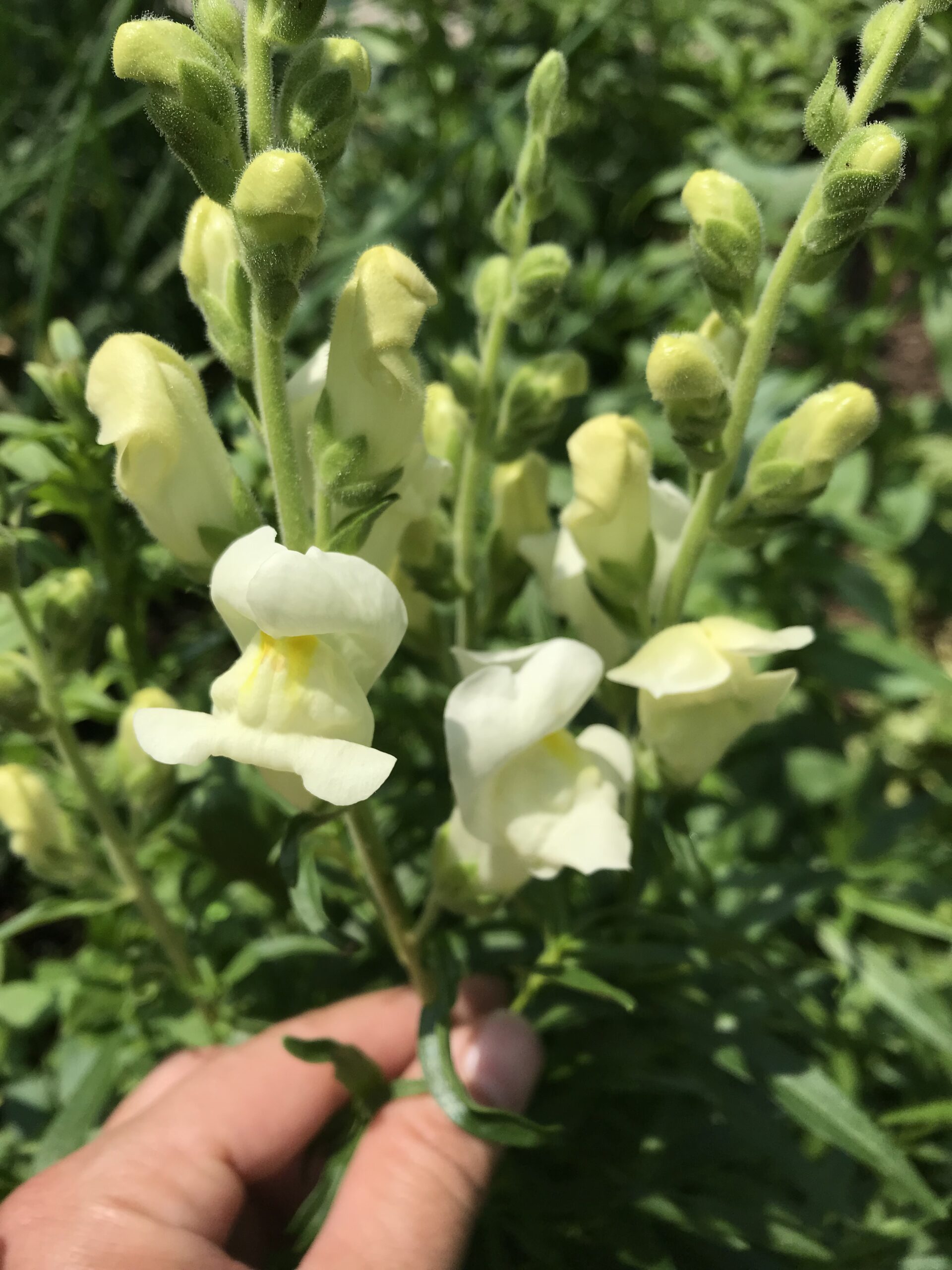
The setup is straightforward, but attention to detail pays big dividends. The goal is to create a stable, consistent microenvironment that mimics a controlled outdoor nursery without requiring a dedicated greenhouse. Start with the seed varieties that respond well to cold stratification, such as classic annual snapdragons in a spectrum of colors—from creamy whites and corals to deep magentas. Prioritize seeds labeled for ‘outdoor sowing’ or those suited to cool-start germination. If you’re aiming for a continuous bloom through late spring, you can stagger sowings by a few weeks to spread emergence.
Containers should be wide enough to accommodate gentle root development and shallow enough to allow sun-warmed surfaces to warm the soil as days lengthen. Plastic seed flats, repurposed 6- to 8-cell trays, or upcycled nursery pots work well. Ensure drainage holes are clean, and line the bottom with coarse material to discourage waterlogging. Medium should be a light, well-draining seed-starting mix, or a mix of compost, perlite, and a touch of coconut coir to hold moisture without becoming heavy. Label every tray clearly with the variety, sowing date, and the expected germination window. For moisture control, cover the trays with a clear lid or a reused plastic clamshell; this conserves humidity and reduces transplant shock later. A simple, reusable cold frame or even a sheltered balcony box can substitute for a formal cold frame if your climate is milder.
Water evenly but avoid soggy soils. If you notice surface moisture, lift the lid for a few minutes to prevent damping-off. In addition, keep a small fogger or mister handy for dry stretches; snapdragons prefer regular moisture but not wet feet. As the seeds begin to germinate, gradually acclimate the seedlings to outdoor conditions by removing the lid for several hours a day, especially on sunny days. This early hardening-off step is crucial to prevent transplant shock when you move the plants into the garden.
For a practical, non-competitive reference on winter sowing techniques and seasonal best practices, you can consult the Royal Horticultural Society’s guidelines on winter sowing: RHS winter sowing guide. Engaging with reputable sources like this helps align your method with proven standards while keeping your own setup simple and effective.
Choosing the Seed and Variety for Snapdragon Winter Sowing
When selecting seed for winter sowing, pick varieties known for reliable germination in cooler temperatures and for robust transplanting. Snapdragons come in many colors and heights, from compact dwarfs to tall garden varieties. For winter sowing, consider mid-season or late-season varieties that tolerate cooler spring temperatures. If you want a continuous display, mix several colors and heights so you get a bouquet-like succession in late spring. Read seed packets for germination temperature, days to emerge, and any special cold-treatment notes. If your local climate usually stays cold into spring, you can schedule a second wave of sowing a few weeks after the first to stretch your bloom window. Tip: keep a seed order plan that prioritizes disease resistance and disease-free stock to minimize post-emergence care needs.
Label colors and varieties uniquely, so you can track performance across dates and containers. Recording outcomes in a garden journal helps refine future seasons and tailor your practice to your microclimate. For add-on inspiration, review Pinterest boards focused on cabbage-crush aesthetics, wildflowers, peonies, and pollinator plants; these patterns align well with Snapdragon winter sowing outcomes by providing color coordination and pollinator-friendly landscapes.
Preparing the Container and Medium
Prepare containers by cleaning and drying them before use. A gentle rinse with soapy water helps remove residue from previous plantings. Dry thoroughly, then add your seed-starting mix to a depth appropriate for tiny Snapdragon seeds—usually about 1/8 inch (3 mm). Lightly press the surface to ensure good seed-to-soil contact. Avoid packing the mix densely; snapdragons prefer looser soils that drain well. Place multiple containers in the chosen sheltered outdoor spot, ensuring they get sun for a portion of the day. If you’re using a lid, keep it loose enough to prevent overheating on bright days while preserving humidity. New seedlings benefit from a gentle drizzle rather than a heavy watering that could compact the soil.
After sowing, label and position each tray, then set the outer protection. A shallow layer of mulch on the ground around the trays can stabilize temperature fluctuations a bit more, but avoid burying the pots. This reduces rapid soil temperature swings and helps seeds feel a more consistent winter environment. As germination begins, maintain a steady moisture level; snapdragon seedlings are relatively forgiving, but they won’t thrive in bone-dry soil or soggy conditions.
In addition, keep a watchful eye for pests and damp conditions. If you notice mold on the soil surface, remove the lid briefly and air out the trays. If damping-off becomes a persistent issue, decrease humidity slightly and improve air circulation. A small, fan-driven air mover can dramatically reduce fungal pressure in a busy windowsill or sheltered outdoor setup.
Planting Technique and Early Care
When the seeds germinate, allow seedlings to grow to a sturdy true-leaf stage before transplanting into garden beds. The goal is to minimize root disturbance and transplant shock. As you prepare beds, ensure the soil is well-draining and enriched with a light compost layer. Space seedlings according to their mature size—snapdragons typically require 6 to 12 inches (15–30 cm) of spacing, depending on the variety and growing conditions. Transplant on a cool, overcast day if possible to reduce stress. Water in well after transplanting and mulch lightly to conserve moisture and suppress weeds.
After transplanting, provide steady moisture, especially during warm spells. Apply a balanced fertilizer sparingly in the early weeks to support growth, but avoid heavy feeding that can encourage leggy stems. Regular deadheading keeps plants vibrant for longer, and pinching can encourage a bushier, more floriferous plant for certain dwarf varieties. The overall aim is a smooth transition from winter-sown seedling to garden standout, with minimal frost damage and robust spring growth.
Snapdragon Winter Sowing Timing
Timing is the heartbeat of a successful winter sowing program. The general idea is to sow outdoors when the ground is workable and the cold season is at its mildest, yet frost risk remains. This balance allows a longer cold period for stratification while ensuring seedlings are ready to take off as soils warm. If you live in a region with hard winters, you can begin sowing in late fall to mid-winter in protected spots, then transplant in spring. In milder climates, late winter sowing can yield strong plants by early spring. The exact date will depend on your frost dates and microclimate, but a practical rule is to target sowing when daytime temperatures hover around 40–50°F (4–10°C) and nighttime temps stay above freezing.
In addition, plan for staggered sowing to spread bloom times. A first wave in late winter and a second wave 3–4 weeks later can yield a longer-lasting display as spring progresses. If you use a cold frame or a sheltered balcony box, you may be able to push sowing a little earlier while still maintaining adequate protection. Always monitor local weather forecasts and be prepared to provide extra protection during unexpected cold snaps. When spring warmth begins, you should start planning transplant schedules, loosening the soil around seedlings, and gradually lifting any covers to acclimate plants to garden conditions.
Key timing considerations include: aligning sow dates with your average last frost date, planning for a 6–8 week germination-to-transplant window for many snapdragon varieties, and factoring in your chosen varieties’ days-to-emergence for realistic expectations. For gardeners with unusually early springs, you can take advantage of earlier light and warmer days by initiating a portion of your sowing earlier and reserving the rest for a later window. This approach keeps your garden’s color on track and minimizes gaps between bloom periods.
For a concise, reputable framework on winter sowing timing, reference established extension resources and trusted garden sites to confirm your local frost cycles and typical germination windows. Public extension operating pages often provide reliable frost-date calculators and regional timing tips that complement the general guidelines above.
Snapdragon Winter Sowing Benefits
The benefits of Snapdragon winter sowing extend beyond early flowers. First, you gain a cost-effective method to produce healthy, well-established transplants with less indoor space usage. Winter sowing reduces reliance on grow lights, heat mats, and expensive energy expenditures. It also minimizes transplant shock, because seedlings develop under natural light and cooler conditions that encourage sturdy root systems. This tends to yield robust plants that withstand garden conditions with less pampering. Secondly, this approach aligns well with pollinator-friendly landscapes. Snapdragons attract beneficial insects as they come into bloom, supporting broader garden health and biodiversity. When your garden offers continuous color through spring, you invite pollinators to visit repeatedly, boosting overall garden performance. Third, the method fits a compact gardener’s workflow. You seed, monitor wet/dry cycles, and stagger sowings to maximize efficiency. The overall experience feels less about fiddly equipment and more about leveraging seasonal cycles to your advantage.
Additionally, Snapdragon winter sowing integrates well with Pinterest-driven garden design trends, including cabbage-crush palettes, delicate wildflower mixtures, and peony-inspired color accents. This synergy helps you craft cohesive, visually appealing spaces while maintaining a practical, repeatable process year after year. If you’re new to winter sowing, start with a single tray and one or two varieties to practice, then expand as you gain confidence. The payoff is a vibrant, resilient display that grows right outside your door, with minimal hands-on effort as sprouts transition to garden staples.
As you wrap up this part of the guide, remember that the next step is to refine seed choices, containers, and precise timing for your unique climate. Part 2 will dive into Seeds, Containers, and Timing specifics, building on the Snapdragon winter sowing foundation established here.
Executing the Snapdragon Winter Sowing Method: Step-by-Step from Seeds to Sprouts
Therefore, this section translates theory into practice with a clear, repeatable workflow. Specifically, you will see how to prepare, sow, protect, and monitor snapdragon seeds using winter sowing so sprouts appear in early spring with minimal indoor effort. Furthermore, the method embraces outdoor chilling as a natural germination cue, reducing reliance on heat mats and grow lights while delivering robust, ready-to-transplant seedlings.
First, understand that the strength of snapdragon winter sowing lies in timing and environment. Specifically, sowing is synchronized with winter air temperatures and natural moisture, allowing seeds to germinate when days lengthen and temperatures rise. In practice, this means choosing the right containers, selecting the best seed mix, and placing everything in a sheltered outdoor spot that shields roots from freezing winds but still experiences a steady cold cycle. With that groundwork, you can expect a reliable bloom cycle that mirrors your local climate and garden calendar.
To begin, gather your supplies in a single setup so you can focus on the process without constant trips to the shed. Specifically, you will need sturdy, reusable containers, a well-draining potting mix, labeling materials, and a spray bottle for gentle moisture control. Additionally, a shallow tray or tray-style greenhouse lid can help maintain humidity without drowning emerging roots. For a comprehensive overview of sun-loving, winter-hardy options, you can consult a trusted reference such as the Old Farmer’s Almanac on how to grow snapdragons: Old Farmer’s Almanac: How to Grow Snapdragons.
Now, let us move through the essential steps in practical order. In every stage, maintain an active voice and a calm pace so you can notice early signs of vigor or trouble and adjust promptly. Specifically, you will encounter discrete phases: seed choices and timing, container and substrate setup, sowing and labeling, winter conditioning, germination monitoring, and readying sprouts for hardening and transplanting. Each phase is designed to minimize indoor work while maximizing outdoor success in 2026’s gardening landscape.
Seed selection and timing for Snapdragon Winter Sowing
To start strong, choose seeds labeled for garden performance and cold tolerance. Specifically, select varieties that bloom reliably in your region and align with your preferred color palette—from dramatic magentas to creamy whites. In addition, verify seed freshness; fresher seeds typically germinate more consistently under winter conditions. Furthermore, keep in mind that several snapdragon types respond well to winter sowing because their seed coats require cold stratification to trigger germination. This natural cue is the cornerstone of the method and a major reason for its success in a climate-aware garden plan.
Timing is the second pillar. In practice, aim to sow when daytime temperatures approach above-freezing levels and overnight lows dip into the mid-20s Fahrenheit (or around -4 to -1°C). If you live in a milder winter climate, you may begin a touch later, but the principle remains: seeds should experience several weeks of cold before warmer days arrive. The benefit is strong seedling vigor with compact growth habits, which translates into sturdy transplants once spring warms.
Materials you need for winter sowing snapdragons
Preparation reduces confusion and saves time. Specifically, you should have clear containers that can tolerate freezing and thawing without warping. In addition, choose a light, well-draining seed mix—ideally a blend of peat or coconut coir with perlite for aeration. Also, you will want a marker for precise labeling that will endure the season’s shifts. Finally, a misting spray bottle with a fine nozzle ensures uniform moisture without compacting the surface. By keeping an organized toolkit, you set a pace that leads to smooth germination and predictable outcomes in your BloomHaven garden plan.
As you assemble, think about accessibility and reuse. Specifically, clear plastic flats or upcycled plastic containers with fitted lids work well. In contrast, if you prefer a more natural aesthetic, you can dedicate a sheltered outdoor area with shallow wooden or plastic trays that act as a micro-greenhouse where you can observe microclimate changes. The key is to ensure airflow, drainage, and protection from direct winter wind while maintaining consistent moisture for the seed surface.
Step-by-step process: Step 1 to Step 7
Step 1: Choose a winter-sowing container
Begin with containers that protect seeds from desiccation yet allow air exchange. Specifically, select clear flats or built-up raised-bed trays that can be sealed with lids or improvised windbreaks. If you reuse containers, ensure they are clean and free of pesticide residues that could harm seedlings. In all cases, the containers should be wide enough to accommodate adequate root spread as the plants mature, but shallow enough to promote rapid uptake of moisture and warmth when spring returns.
Step 2: Prepare the seed mix
Choose a light, well-draining substrate. Specifically, a base mixture of 60% peat-based potting mix and 40% perlite or vermiculite will promote good seedling development while preventing soil compaction. In addition, a touch of compost can be added to foster microbial activity as sprouts emerge. Ensure the medium is evenly moistened before sowing; you want a surface that holds moisture without pooling. This balance is essential for even germination and strong seedlings.
Step 3: Sow the seeds
Sow seeds at a shallow depth, typically just beneath the surface. Specifically, scatter the seeds with light coverage, as many snapdragon seeds require light to germinate. If you prefer, you can lightly press the seeds onto the moistened surface and use a fine spray to settle them in without burying them. In all cases, do not over-sow; crowded seedlings struggle and are more prone to disease. Specifically, space care and ensure the seed tray is not too densely populated, which allows air circulation essential to preventing damping-off disease.
Step 4: Labeling and zoning
Label each container with the variety, sowing date, and target transplant window. Specifically, a waterproof marker or labelled tape helps you track progress as temperatures fluctuate. In addition, group containers by expected germination windows so you can plan for staggered blooming and manage space efficiently in the garden. This practice also reduces the risk of misidentifying seedlings once they begin to sprout and thicken.
Step 5: Water, cover, and microclimate
Water gently to reach even moisture without creating puddles. Specifically, use a spray bottle to mist the surface until it glistens but does not become waterlogged. Then, cover the containers with a clear lid or plastic wrap to maintain humidity. In winter, this microclimate can significantly improve germination rates. However, remove the cover periodically to prevent excessive humidity buildup, which can foster mold or damping-off fungi. The key is a balanced moisture cycle that encourages roots to reach for water while the tops stay intact.
Step 6: Overwintering and sprout care
Place the setups in a sheltered outdoor location where they endure real winter conditions. Specifically, an east- or north-facing spot that receives filtered light works well in many regions. If you are concerned about extreme cold, you can install a simple windbreak or a low tunnel to reduce wind chill while allowing air exchange. In this phase, you will begin to notice tiny green shoots pushing through the surface as natural warmth increases. Specifically, resist the urge to move the trays indoors; winter-sowing thrives on the cold-to-warm transition rather than a steady indoor climate.
Step 7: When to move seedlings outdoors
Transplant readiness for snapdragons typically follows the last expected frost date and the seedlings’ size. Specifically, look for sturdy two-leaf to true-leaf development with strong root systems; this indicates a healthy plant ready to adapt to outdoor soil. In addition, acclimate plants gradually by a process known as hardening off. Start by placing the trays in partial shade for a few hours each day, then gradually extend exposure to full sun and longer durations. This transition reduces transplant shock and increases establishment success in your garden beds.
Germination, sprout development, and early growth
Germination may occur in pockets or across the tray, depending on microclimate and seed quality. Specifically, some seeds germinate within 7–14 days in warmer pockets, while others take longer to respond to cold stratification. In either case, the emerging sprouts should present vibrant, true leaves within a few weeks of germination. If you notice slow growth or pale seedlings, evaluate moisture balance and ensure there is adequate light once the outdoors warms. In addition, remove any overcrowding to prevent root competition and ensure each plant has room to grow into a healthy, flowering plant.
As growth progresses, you will notice a healthy, compact habit that is characteristic of hardy snapdragons. Specifically, keep the soil evenly moist but not soggy, and provide consistent air circulation to reduce disease pressure. In contrast, stagnant moisture pockets can invite fungal issues, so iterate on watering and drainage if problems appear. Specifically, a simple weekly inspection can catch issues before they escalate, enabling timely intervention and ensuring your winter-sown batch stays on track for spring color.
Hardening off and transplant readiness
When sprouts have hardened off sufficiently and the risk of frost has passed, prepare for a transition to garden beds. Specifically, perform a staged introduction by moving pots to a sheltered outdoor location for longer periods each day. In addition, gradually increase sun exposure to prevent sunburn and drought stress on fragile leaves. Specifically, plan for transplant spacing that accommodates the mature size of your chosen snapdragon varieties, typically 6–12 inches apart for standard cultivars. With careful hardening, your seedlings will acclimate smoothly and establish strong root systems that support a prolonged blooming period.
Common problems and practical fixes
Even with careful planning, issues can arise. Specifically, if seeds fail to germinate, re-check moisture levels and ensure the surface isn’t crusted over. In addition, if seedlings emerge spindly, evaluate light exposure and adjust positioning to provide brighter, more direct light. Specifically, if damping-off disease appears, reduce humidity, improve air circulation, and ensure clean, disease-free seed-starting media. In contrast, overly crowded trays can cause competition stress; thin or transplant early to give each plant ample room to grow. These targeted adjustments help you salvage a winter-sown batch and preserve the overall success of your Snapdragon winter sowing project.
To optimize long-term health and color, maintain soil structure and nutrient balance after transplanting. Specifically, apply a balanced slow-release fertilizer or organic compost to support steady growth through the bloom cycle. In addition, mulch around established plants to conserve moisture and regulate soil temperature. While fertilizer needs vary with climate, a light feeding every 4–6 weeks during active growth often yields the most consistent flowering. By combining vigilant care with a well-timed schedule, you extend the vase life of your arrangements and maximize pollinator-friendly blooms in your garden landscape.
Seasonal timing, climate considerations, and bloom window
Ultimately, the success of Snapdragon winter sowing hinges on aligning your plan with local weather patterns. Specifically, monitor local frost dates and typical spring temperature fluctuations to target your transplant window accurately. In addition, consider regional differences in rainfall and humidity, which influence soil moisture management and disease risk. Specifically, by mapping these factors to your chosen varieties, you can anticipate bloom windows that complement your garden aesthetic—from early-spring pops of color to late-season drama. This climate-aware approach ensures your BloomHaven garden is vibrant, reliable, and pollinator-friendly throughout the growing season.
For additional context on seasonal planning and season-long color design, explore resources that discuss planting calendars and pollinator-friendly crops. Specifically, you may find practical guidance at a reputable horticultural source such as the Old Farmer’s Almanac, which offers seasonal planting insights and cultivar recommendations that pair well with snapdragons. See the linked resource above for a helpful reference as you refine your own calendar.
As you finalize your plan, remember that the Snapdragon winter sowing method is about simplicity and adaptability. Specifically, by embracing outdoor cold cues and minimizing indoor interventions, you create a gardening rhythm that aligns with nature while keeping your workload manageable. In addition, this approach scales well for gardeners who want to grow multiple varieties or stagger blooms. Finally, a well-executed winter sowing plan yields sturdy plants, reliable germination, and a stunning color display in spring.
Looking ahead, the next part of this guide will move from the seed-to-sprout phase into the realm of transplanting and ongoing care, titled Part 3: Transplanting Snapdragon Seedlings: From Sprouts to Color in Your Garden.
Advanced Snapdragon Winter Sowing Strategies and Final Guidance
As the season turns cool, you can still coax vibrant color into your garden with the Snapdragon Winter Sowing method. This final section delivers expert, field-tested strategies that go beyond the basics, helping you optimize germination, reduce loss, and tailor your sowing to your climate, soil, and design goals. Whether you are a seasoned winter-sower or a curious newcomer, these advanced tactics will sharpen your technique and boost bloom reliability in spring.
Snapdragon Winter Sowing: Choosing Varieties for Best Performance
Not all snapdragon varieties perform equally well when grown through winter sowing. The goal is to select types that germinate reliably in cold-to-cearly spring soil, then vigor to a strong, garden-worthy transplant. Look for varieties labeled as compact or medium height with sturdy stems and a vase-ready bloom. In many climates, cool-season varieties with sturdy root systems resist damping-off and establish quickly once the weather warms.
When planning colors and height for a border or container display, consider bloom timing. Early-season snapdragons can bridge the gap between winter interest and late spring color. If you have pollinator gardens or cutting beds, choose a mix that offers a spectrum of colors and stems of varying length to create dynamic arrangements as growth accelerates in spring. For snapdragon winter sowing, a balanced mix of white, pink, and lilac tones often translates into the most versatile garden palette.
Tip: keep a seed-rotation plan. If you plan to sow snapdragon winter sowing seeds in successive years, rotate varieties to avoid pest buildup and maintain genetic diversity in your garden. For detailed guidelines on seed-sowing best practices, see The Old Farmer’s Almanac: Snapdragon.
Snapdragon Winter Sowing: Soil, Seed-Starting Mix, and Containers
Soil and seed-starting mix play a pivotal role in repeatable germination. A light, well-draining mix prevents overwatering and root rot, while still holding enough moisture for steady germination in chilly soils. For snapdragon winter sowing, aim for a mix that is 40–60% fine, sterile seed-starting medium with the remainder comprised of a peat-free blend rich in perlite or vermiculite. If you prefer a DIY approach, combine two parts seed-starting mix to one part compost and one part perlite to improve drainage and aeration.
Container choice matters as well. Traditional seed flats and cells work well for winter sowing in protected conditions, but clean, reused containers can also support a successful season. The key is drainage: ensure there are drainage holes and use a tray to catch excess moisture. Clear plastic or light-tinted clamshells work great for maintaining humidity while allowing light to penetrate. If you reuse containers, sterilize them to minimize damping-off pathogens and label each cell clearly to track variety and sowing date.
In this section, we emphasize a practical workflow. Fill containers with your seed-start mix to a depth that leaves about 1/4 inch of space at the top. Gently compress the mix to remove large air pockets, then sow seeds at a light depth or surface-sow, followed by a light dusting of mix or vermiculite. Maintain consistent moisture without saturation. Aim for moisture levels that remain barely damp to the touch. Overwatering is a leading cause of seedling failure in winter sowing, especially when air temperatures hover near freezing.
Snapdragon Winter Sowing: Timing, Climate, and Microclimate Management
Timing is your ally in winter sowing. The goal is to have germination begin as soil temperatures dip below the point of rapid microbial activity, then continue as warmth returns in late winter to early spring. In milder coastal climates, sowing in late fall or early winter can yield robust seedlings by spring, while in colder regions you may need to delay sowing until late winter. The concept is to maximize natural chilling cues while avoiding prolonged exposure to freezing temperatures that can damage seed or stunt growth.
Microclimates around your garden matter more than the calendar in winter sowing. South-facing beds, sheltered corners, or near a sun-warmed wall can provide a gentle rise in soil temperature, improving germination rates and early vigor. If your site experiences freezing winds, consider a simple protective frame or a row cover to keep soil temperatures stable without trapping excess moisture.
Tip: track soil temperatures with a garden thermometer or a simple soil-temperature app. Understanding the daily range helps you adjust sowing windows, anticipate germination dates, and plan transplant timing with precision. For reference, experts often note that snapdragon winter sowing benefits from days that gradually warm, not abrupt swings to freezing.
Snapdragon Winter Sowing: Timing, Depth, Spacing, and Labeling
Depth and spacing influence germination success and the subsequent ease of transplanting. In most cases, surface-sowing provides better light exposure and faster germination for snapdragon winter sowing. If you prefer a light covering, aim for a 1/8–1/4 inch depth of fine compost or seed-starting mix. Space seeds at about 1 inch apart for a single tray or 2–3 inches for larger cells. This spacing yields robust root systems and reduces crowding, which can otherwise promote damping-off and transplant shock.
Labeling is not optional. Each variety, sowing date, and microclimate condition should be logged in a garden notebook or simple spreadsheet. A well-kept log makes it easier to track germination rates, identify successful varieties, and plan subsequent sowings or replacements. For snapdragon winter sowing success, maintain a consistent labeling system across all containers and trays.
Snapdragon Winter Sowing: Care Through Winter and Hardening Off
Seedlings emerging from winter sowing require careful care to bridge the gap between winter damp and spring’s brighter light. Watering should be regular but measured; allow the top layer to dry slightly between waterings to prevent root rot. When you notice true leaves emerging, gradually introduce a gentle fertilizer such as a balanced, water-soluble mix at half strength. The aim is steady growth, not rapid flushes that could weaken stems and make plants susceptible to pests and diseases.
Hardening off is essential before transplanting. Move plants outdoors on milder days and gradually increase exposure to sun and wind over 7–14 days. Evening temp drops should be anticipated, so protect seedlings if frost risk returns. The more you acclimate seedlings to outdoor conditions, the better they will perform when transplanted into garden beds or containers after the final frost date in your region.
Snapdragon Winter Sowing: Troubleshooting and Advanced Strategies
Even with careful planning, issues can arise. Common problems include uneven germination, leggy seedlings, or seedling loss due to damping-off. Address these by maintaining clean containers, improving air circulation, and ensuring that the soil remains evenly moist but not waterlogged. If damp conditions persist, consider moving containers to a slightly more shaded location for a period to reduce excessive moisture while maintaining light exposure.
Advanced strategies can amplify results. Consider staggered sowing windows to spread bloom times and extend the harvest window for cut flowers. A microclimate approach can be used to center early germination on the warmest side of your garden, while late sowings target cooler, frost-resilient growth. For pollinator-friendly design, pairing early and late bloomers can provide a continuous nectar source from late spring to midsummer.
Snapdragon Winter Sowing: Step-by-Step Action Plan and Checklist
Here is a compact, repeatable action plan to implement Snapdragon Winter Sowing with confidence. Keep this checklist handy as you plan for the coming season:
- Identify 3–5 varieties suitable for winter sowing with good germination rates and sturdy stems.
- Prepare a sterile, well-draining seed-starting mix and fill containers to near the top.
- Apply surface sowing or a light covering of 1/8 inch, and label every cell with variety and date.
- Provide consistent moisture, ensure drainage, and monitor for signs of damping-off.
- Place containers in a microclimate that stays slightly warmer than surrounding areas; protect on freezing nights as needed.
- When true leaves appear, begin gentle feeding and prepare for hardening off near the last frost date.
- Transplant seedlings to beds or larger containers after final frost; space according to variety and intended design.
snapdragon winter sowing: Annual season-ready calendar
Plan your year with a calendar that marks sowing windows, germination targets, hardening-off periods, and transplant dates. A well-timed schedule reduces stress on seedlings and helps you coordinate with other garden tasks such as mulching and pruning. As a rule of thumb, begin your winter sowing program 6–8 weeks before the average last frost in your area, then adapt based on local conditions and your frost risk tolerance.
snapdragon winter sowing: Seed saving and storage
After blooms fade, consider saving seeds from the accumulative harvest. Save seeds dry and cool in labeled envelopes; store in a dark, dry place. Proper seed saving ensures you have your own genetic stock for future winters. Seed viability can vary by variety, but with careful selection and storage, you can build a reliable seed bank for multiple seasons of Snapdragon Winter Sowing.
snapdragon winter sowing: Pollinator-friendly design ideas
Integrate snapdragons with pollinator-friendly companions to create a garden that looks great and functions as a wildlife corridor. Pair tall, saturated colors with low-growing groundcovers and include fragrant varieties that draw bees, butterflies, and other beneficial insects. In bloom, your borders become lively cut-flower displays that support pollinators at the same time they brighten your space.
Snapdragon Winter Sowing: External Resources and Inspiration
For broader seed-sowing guidelines, check reputable sources that provide practical, evidence-based advice. See The Old Farmer’s Almanac: Snapdragon for season-specific tips on temperature, germination, and transplant timing. Your local extension service and regional garden clubs are also excellent sources of climate-tailored guidance that complements Snapdragon Winter Sowing techniques.
Conclusion: Embrace Snapdragon Winter Sowing for a Colorful, Resilient Garden
In summary, Snapdragon Winter Sowing offers a reliable, low-maintenance path to early spring color, even in challenging climates. By selecting appropriate varieties, using a clean, well-draining seed-start mix, and managing timing to suit your microclimate, you can maximize germination, minimize losses, and enjoy robust seedlings ready for transplant as soils warm. The method rewards patience with abundant blooms and a garden that transitions from winter to spring with fresh vigor.
To get started right away, prepare your containers, gather your chosen snapdragon winter sowing varieties, and create a simple schedule that fits your climate. The step-by-step plan above acts as a practical blueprint you can reference throughout the season, keeping you organized and confident. And if you’re hungry for more inspiration, explore companion planting ideas, pollinator-friendly combinations, and cutting-friendly varieties to design border and container displays that shine from late winter through spring.
Final Call to Action
Ready to bring bold color to your garden with Snapdragon Winter Sowing? Start by selecting two to four reliable varieties, assemble a seed-start setup, and mark your calendar for your first sowing window. Document your results, adjust for next year, and share your successes with the BloomHaven community. Remember: consistent moisture, careful labeling, and gradual hardening-off are the pillars of a successful season. Your garden’s earliest blooms—and the pollinators they attract—await your thoughtful, expert care. Snapdragon Winter Sowing is simple, proven, and ready to elevate your 2026 garden.