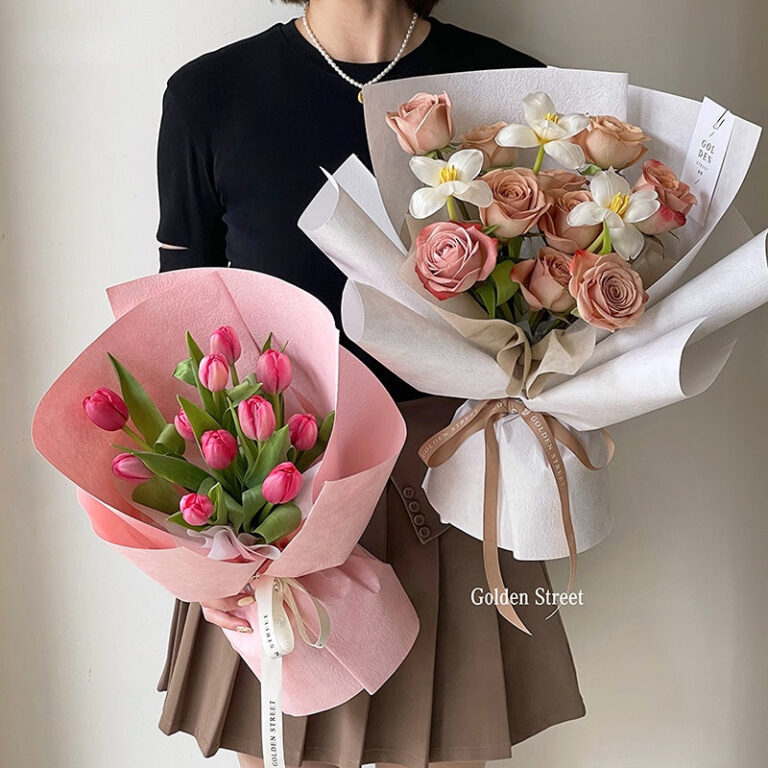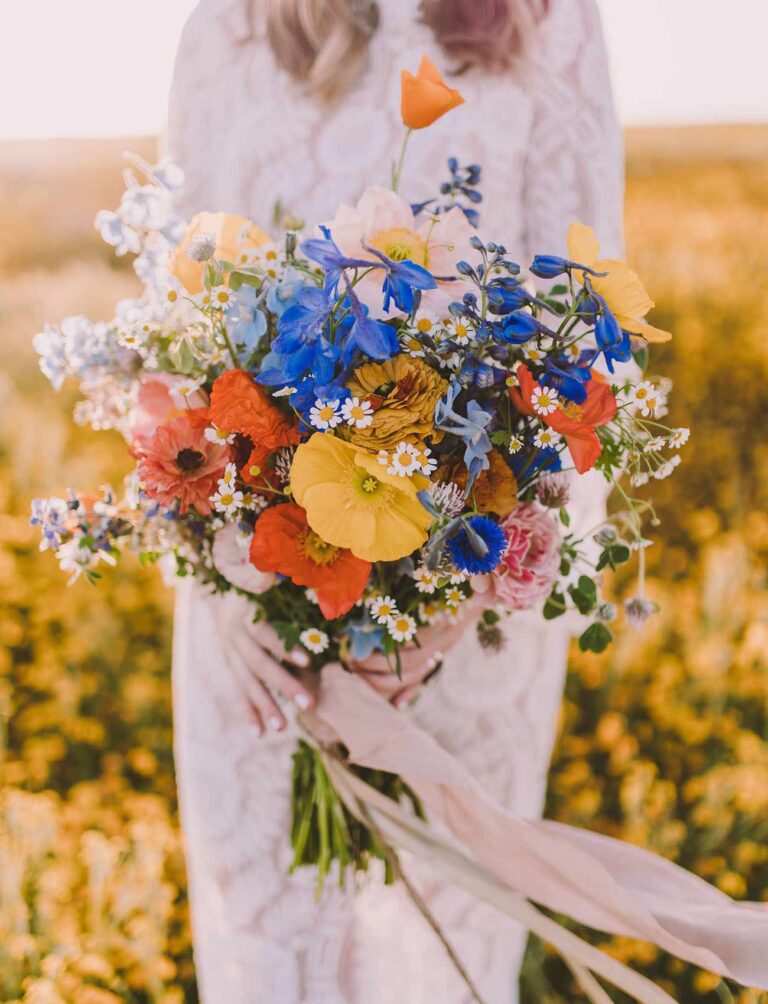
Ranunculus Wedding Bouquet Ideas: The Best Picks
Foundational Guide to Planning the Ranunculus Wedding Bouquet
The ranunculus wedding bouquet is one of those timeless classics that looks equally elegant in a formal ballroom and a sunlit outdoor ceremony. For many couples, this bloom’s delicate layers, soft sheen, and romantic color range create a bridal statement that photographs beautifully and lasts through the day. In 2026, couples are balancing lush florals with sustainability, personal style, and a just-right budget, and the ranunculus remains a dependable anchor in that mix. This Foundational Guide to Planning the Ranunculus Wedding Bouquet walks you through the essentials—varieties, seasonality, color palette, design principles, and practical steps you can act on now. By understanding bloom behavior, pairing options, and timeline logistics, you can build a plan that helps your designer translate your vision into a bouquet that feels effortless and authentic. Whether your wedding is blush and ivory, deep jewel tones, or airy pastels, the ranunculus wedding bouquet will anchor your look with romance and modern polish.
Understanding the Ranunculus Wedding Bouquet: Varieties, Seasonality, and Color Palette
First, you should know that ranunculus is a spring darling. The blooms open best in cool weather, and the flower heads can be densely petaled or softly layered, giving you options from a tight, sculpted look to a more painterly arrangement. The ranunculus wedding bouquet communicates romance with a delicate, glassy sheen on the petals and a cloud of texture from leafy greens. Color palettes range from ivory and champagne to blush pinks, apricots, and even deeper rose tones when paired with complementary greens. For brides seeking a modern, ethereal vibe, a pale palette can feel luminous; for those chasing drama, pairing cream with burgundy greens can create a striking contrast. The ranunculus wedding bouquet is particularly versatile because its blooms photograph beautifully in natural light, while its petals catch soft highlights that accentuate your overall look.
Seasonality and availability should guide your choices. In many regions, ranunculus shines in spring, with peak quality in cool weeks that make petals hold their shape. If your wedding is early spring, you may have the widest selection of cultivars and the most reliable conditioning windows. In late spring, availability can shift toward regional farms and controlled environments, sometimes raising cost or lead times. Regardless of the season, a skilled florist can source quality blooms by coordinating with growers who stage crops for weddings and by using careful storage practices to maintain bud integrity. For more on ranunculus varieties and growing tips, visit the Royal Horticultural Society ranunculus page.
Color is a central driver of mood. A ranunculus wedding bouquet can feel airy and romantic with ivory and pale pink, or it can strike a bold note when paired with deeper rose, apricot, or burgundy accents. When selecting color, start with your venue lighting and gown tone. If you want contrast, pair pale blooms with dark greenery or a single saturated bloom to act as a focal point. If you prefer harmony, select a single color family and layer different shades of that family for a tonal, couture look. Remember that greenery shapes the bouquet as much as the blooms; eucalyptus, ruscus, and other foliage contribute color temperature and texture that influence perception of the flowers. The ranunculus wedding bouquet remains versatile because the petals capture light differently as you move around the ceremony space, ensuring flattering photos from every angle.
Tip: request mood boards or swatches from your florist to preview how the ranunculus wedding bouquet will appear with your dress and bridesmaids’ gowns. Seeing the blooms next to fabric swatches helps you avoid surprises at installation. This cross-check reduces last-minute changes and keeps your timeline intact. Consider also how the bouquet will translate in social media photos, where soft focus and backlight can enhance the bloom’s depth and petal sheen.
Popular Varieties for a ranunculus wedding bouquet
When selecting blooms for your ranunculus wedding bouquet, you’ll notice different petal counts and head sizes that affect fullness and shape. In most designs, a mix of doubles and semi-doubles yields the softest look. A few practical guidelines: aim for 30–40 stems for a traditional round bouquet or more for a cascading style; choose a dominant color family and introduce one or two supporting hues for depth; and select stems with strong, long-tapered leaves to echo the bouquet’s silhouette. For a romantic, classic feel, stick with ivory, pale blush, and champagne tones; for a contemporary edge, add a pop of warm pink or apricot; and for bold statements, pair soft ranunculus with deeper burgundy or plum blooms. The ranunculus wedding bouquet thrives in layered textures—think wispy grasses, delicate filler greens, and airy fillers—that keep the blossoms front and center while enhancing movement.
Seasoned designers often blend varieties to achieve the perfect balance between head size and petal count. If you want a more sculpted look, request compact heads with minimal presentation stems; if you desire drama, ask for larger heads with a slightly open form to capture light differently as you move. For botanical romance, pair ranunculus with garden roses, airy delphinium, or soft baby’s breath to soften edges while preserving the bouquet’s focal bloom. The ranunculus wedding bouquet works with many color stories, so feel empowered to experiment within your palette.
Seasonality and availability confirm that timing matters. Plan to place orders several weeks before your wedding and communicate any potential substitutions early. The goal is consistent color, size, and bloom form across the entire bouquet, buttonholes, and ceremony arrangements. If your venue demands exact color replication, discuss alternatives with your florist or grower early in the process to ensure your vision remains intact as a cohesive part of the wedding design.
Seasonality and Availability in 2026 for a ranunculus wedding bouquet
In 2026, supply chains in many regions support sophisticated ranunculus farming, but local climate still governs harvest windows. If you’re in a cool coastal area, you may enjoy extended spring availability and stable pricing. Drier climates may see more price variability and tighter windows. Regardless of region, booking early helps secure preferred cultivars and avoid last-minute substitutions that could shift your color story. Your florist may offer alternatives for off-peak weeks, such as growing ranunculus in controlled environments or substituting with similar, compatible blooms that read well in photographs. For example, you might substitute with lisianthus or spray roses to preserve softness if ranunculus supply shifts, while maintaining your bouquet’s overall character. A reliable florist will confirm substitution plans in writing and present you with updated mood boards before production begins.
Finally, trust your florist’s knowledge about conditioning and shipping. They can arrange overnight delivery and climate-controlled handling to minimize wilting. This is a crucial step to ensure the ranunculus wedding bouquet remains pristine from ceremony to reception, especially in warmer venues or outdoor ceremonies. The right logistics ensure your bouquet looks as fresh as it did when it left the farm, with petals that still catch light in your photos. For more on ranunculus varieties and growing tips, visit the Royal Horticultural Society ranunculus page.
Core Design Principles for a ranunculus wedding bouquet
Design begins with scale, texture, and balance. The ranunculus wedding bouquet thrives when blooms are arranged to create a rounded, cohesive silhouette. Start with a core of focal blooms, then build out with secondary textures that support the shape without pulling attention away from the blossoms themselves. The key is to keep the headcount consistent while varying petal texture and greenery. Make sure the stems are long enough to allow for a comfortable handhold, but not so long that you can’t manage the bouquet in photos or during the processional.
Scale matters: small, intimate brides often prefer compact arrangements; larger weddings can carry a more substantial bouquet with more stems and foliage. If you plan a clipped, architectural look, increase the stem length and reduce the overall fullness. Texture comes from a mix of petals, foliage, and delicate fillers—think wispy grasses, airy berries, and soft greenery—that catch light without overpowering the center bloom. Balance means ensuring the bouquet sits comfortably in the hand and reads well from every angle. In practice, this often means working with a designer to place denser clusters toward the center and lighter accents at the edges. The ranunculus wedding bouquet benefits from careful alternation of light and shadow in color blocks to avoid flatness and to help the petals reflect sunlight in photos.
Color theory plays a central role. A harmonious ranunculus wedding bouquet tends to use three tones: a dominant shade, a secondary accent, and a neutral anchor. For weddings with cool undertones, a predominately ivory and pale pink palette can feel airy and elegant; for warm undertones, add creamy peachs and soft apricots to create warmth without washing out the blooms. When designing, remember that contrast adds interest; pairing ivory ranunculus with deep green foliage, or ivory with a pop of burgundy, yields a bouquet that photographs with depth and dimension. You can also layer greens with different textures—soft eucalyptus, delicate ruscus, and feathery amaranth—so the bouquet reads like a living sculpture rather than a flat bloom spray. The ranunculus wedding bouquet is particularly forgiving of color experimentation when supported by the right greens and textures.
Color Theory and Wedding Palettes for a ranunculus wedding bouquet
To translate theory into practice, define your wedding palette first. Ask your florist to show three mono- or bi-chromatic variants built around your primary color family. For a classic wedding, you might combine ivory ranunculus with champagne greens and subtle taupe accents; for a modern vibe, pair pale pinks with muted sage greens and crisp whites; for a romantic, dusk-inspired scene, introduce deeper rose tones and forest greens. The ranunculus wedding bouquet can be both soft and striking when you align your blooms with the venue’s lighting and décor. Practical note: always request sample swatches or a mood board early in the design phase. Seeing how the petals reflect light against your dress helps you adjust shade and tone before orders are placed.
Practical steps to plan your ranunculus wedding bouquet: plan a plan that prioritizes the flowers’ freshness and your timeline. Create orders that align with your rehearsal and wedding day. Communicate delivery expectations to ensure your bouquet arrives in peak condition for photos and ceremony.
Practical steps to plan your ranunculus wedding bouquet
Planning is a series of small, deliberate choices that add up to a seamless result. Start by setting a realistic budget that covers blooms, conditioning, and any specialty materials. Then map a timeline from booking to delivery that aligns with your venue’s setup and the florists’ lead times. If you already have a color story, share it with your florist and ask for a few arrangement sketches to confirm your direction before production begins.
Budgeting and timeline for a ranunculus wedding bouquet: allocate a baseline for premium blooms and consider a contingency for weather-related delays or sourcing substitutions. A typical ranunculus wedding bouquet budget can range from moderate to premium depending on season and region. Your plan should include lead times for ordering, shipping, conditioning, and assembly. A practical approach is to identify the “critical paths” where delays could affect delivery or styling on the wedding day. If you worry about substitutions, ask for a list of alternatives with comparable color and form to keep the palette cohesive.
Sourcing and ordering ranunculus for your bouquet: seek growers or wholesalers who specialize in ranunculus or seasonal florals and ask for cultivar variety options. Your florist can often source from multiple farms to maintain color balance and consistent quality. If you plan to DIY, order a small test batch to check color alignment with your dress and bridesmaids’ gowns before committing to larger orders. When possible, arrange delivery close to the wedding date to minimize bloom fatigue.
Conditioning, prep, and bouquet assembly: once blooms arrive, immediately re-cut stems, remove extra leaves from the lower portion, and condition in fresh water with floral food. For hand-tied bouquets, practice a few wraps to ensure the ribbon sits cleanly and the stems align in a uniform length. A well-conditioned ranunculus wedding bouquet lasts longer and looks more polished in photos. If you have a large wedding, consider splitting the assembly across two sessions to maintain bloom freshness and prevent wilting.
Care, handling, and longevity of the ranunculus wedding bouquet
Pre-wedding handling and shipping considerations for a ranunculus wedding bouquet: delicate blooms require careful packaging and temperature control during transit. Ask your florist about shipping windows and overnight options to reduce bloom fatigue. When possible, arrange for delivery within 24 hours of the ceremony to maintain freshness. If weather is hot, request a cooler box or climate-controlled transport and confirm the best arrival time with your venue and photographer.
In-venue care and preservation: once the bouquet is on site, keep it in a cool, shaded area away from direct heat and bright sunlight. A quick mist or ice-chilled water can help postpone wilting in warmer venues. If your wedding location lacks air conditioning, discuss temporary cooling options with your venue or florist. A sharp, clean ribbon wrap and a secure bouquet stem length support the overall look and ease of handling for the wedding party.
Inspirational ideas and case studies for ranunculus wedding bouquets
Bouquet shapes and arrangement styles for a ranunculus wedding bouquet: round, cascaded, and hand-tied are all viable options. The choice depends on your gown silhouette, venue scale, and the mood you want to convey. A classic round bouquet keeps the blossoms near the center with ample greens framing the edges, while a cascading style introduces movement and a dramatic silhouette you’ll notice in wedding photos. For a beach or garden wedding, a looser, garden-inspired hand-tied look can feel natural and romantic.
Real wedding color stories featuring a ranunculus wedding bouquet: a soft palette of ivory and pale pink can create a timeless look, while a deeper rose with sage and charcoal accents reads sophisticated. The best stories weave the bouquet into the fabric of the event—escort cards, invitations, and table settings mirror the bouquet’s color narrative to produce cohesive visuals. Next up: Part 2: Designing and Sourcing the Ranunculus Wedding Bouquet will guide you through styling options, supplier selection, and practical steps to bring your vision to life.
Design and Assemble the Ranunculus Wedding Bouquet: Step-by-Step Guide
Executing a flawless ranunculus wedding bouquet starts with a clear design vision and ends with precise assembly that keeps stems strong and petals pristine throughout the day. In this step-by-step guide, we break down a professional approach used by florists and experienced DIY designers alike. You’ll learn how to select the right ranunculus varieties, prepare each stem for performance, build a stable yet graceful core, layer petals for depth, weave in greenery and accents, and finish with a bouquet that feels effortless and polished. Throughout, the focus remains on durability, bloom integrity, and photography-ready presentation. By the end, you’ll be able to design a ranunculus wedding bouquet that harmonizes with your wedding palette, venue, and personal style, while staying within a practical workflow for 2026 weddings.
Materials and Tools You’ll Need for a Ranunculus Wedding Bouquet
Before you begin, assemble a cohesive kit so you move smoothly from selection to execution. You should have a fresh supply of ranunculus stems in your chosen color range, paired with complementary blooms for contrast and texture. Choose greenery that enhances the bouquet’s form without overpowering the focal blooms. Then gather floral tape, sharp shears, or floral snips, a clean vase or bucket for conditioning, ribbon or a binding material, and an optional floral wire for added stability. If you plan a hand-tied style, prepare a wrapping ribbon and a stiffer understructure to support the bouquet’s shape. Finally, keep a spray bottle handy for occasional moisture and a conditioning solution to extend vase life. This setup supports a professional grade finished look for the ranunculus wedding bouquet and keeps the process efficient from start to finish.
Preparing Your Blooms: Conditioning and Handling
Conditioning is essential for maximizing freshness and vase life. Start by trimming the stems at a clean angle, removing any leaves below the water line to prevent rot and bacteria buildup. Place the stems in cool water with a gentle flower food or a conditioning solution for several hours or overnight if time allows. When selecting ranunculus for the bouquet, aim for blooms with tight petals just beginning to open; they will gradually unfurl in your bouquet, revealing luxurious layers without looking overly mature. Handle each stem with care; ranunculus stems are elegant yet delicate, so supporting the base as you trim and arrange helps preserve their natural curvature. As you work, rotate the bouquet to assess balance from all angles, ensuring no single bloom dominates the composition. This mindful handling preserves the bloom’s structure and ensures your ranunculus wedding bouquet photographs beautifully in natural and studio lighting alike.
Creating the Florals’ Structure: Securing Stems and the Core
A strong core is the backbone of any professional bouquet. Begin by selecting one or two larger ranunculus as focal anchors and position them slightly off-center to create visual interest. Use a light binding technique with floral tape to establish a stable base without crushing stems. The core should be compact but not overly dense, allowing room for the surrounding blooms to breathe. As you secure the core, rotate the bouquet and adjust the height so the central blooms rise naturally, mimicking an organic bouquet silhouette. If you’re incorporating additional focal blooms or architectural greenery, insert them near the core to retain balance while preserving the ranunculus’ signature layering. With a solid core, you’ll find it easier to control spacing and achieve a cohesive, professional look for the ranunculus wedding bouquet.
Foundation and Core: Establishing a Stable Center
In practice, you begin with a small cluster of the most pristine ranunculus at the center. Bind these blooms loosely to allow slight movement while keeping the bouquet compact. This foundation acts as a scaffold for the rest of the stems and ensures your finished piece can withstand gentle handling during photos and transport. A well-constructed core reduces the risk of gaps and keeps the bouquet’s shape consistent as you add layers of color and texture. The goal is a timeless, elegant centerpiece that the wearer can hold comfortably without drooping or twisting. As you progress, maintain symmetry around the core, but allow natural asymmetry to emerge for a romantic, designer feel that is especially flattering in wedding photography.
Layering Petals for Depth
Ranunculus blooms are naturally multilayered, and their depth is what makes the bouquet feel lush. Place subsequent blooms with a slight tilt toward the center so the petals peek around the focal flowers, creating depth without crowding the core. Alternate flower sizes and positions to avoid a flat, repetitive look. This thoughtful layering helps the ranunculus wedding bouquet catch light from different angles, producing a soft, powdery glow in photographs. When layering, keep an eye on stem length so the outer tier doesn’t sit too high or too low relative to the core. With careful placement, your bouquet reads as a cohesive, high-end arrangement rather than a random cluster of stems.
Integrating Greenery and Filler Blooms
Greenery serves as a frame for the ranunculus, guiding the eye toward the blossoms while adding structure. Use delicate greens that echo the bouquet’s color palette, such as olive, dusty miller, or ruscus, selecting leaves with a gentle sheen or matte finish to complement the petals. Incorporate filler blooms sparingly to avoid overwhelming the ranunculus; think small blossoms or textured accents that offer contrast in shape and volume. As you weave greenery, rotate the bouquet, ensuring that stems align naturally and maintain a hand-held grip that doesn’t dig into the wrist. The right balance of greenery and fillers elevates the ranunculus wedding bouquet from charming to couture, especially in editorial photography and wedding-day moments.
Step-by-Step Assembly: Build the Bouquet Layer by Layer
The assembly phase is where design meets technique. Visualize the bouquet as a portrait: the innermost flowers create the focal point, while surrounding layers provide framing and texture. Start with your core, then progressively add blooms in a circular pattern. Maintain a gentle twist of the wrist as you bind each layer, which encourages a natural, rounded silhouette rather than a flat, disk-like shape. Throughout, keep the stems steady with your non-dominant hand while you position petals to avoid crushing delicate edges. The result is a ranunculus wedding bouquet that holds its shape under movement and looks refined in close-ups as well as wide-angle wedding photos.
Foundation and Core Revisited: Establishing a Stable Center
Revisit the core as you add layers, ensuring the central blooms remain visible from multiple angles. If you notice the core losing its integrity, reinforce it with a light binding and adjust stem angles so the bouquet rises in a gentle arc. This subtle adjustment helps the bouquet present a flattering line for the wearer, whether they are walking down the aisle or posing for portraits. A well-managed core reduces the chance of petal stress and keeps the ranunculus petals in pristine condition as the bouquet moves through various wedding-day moments.
Layering the Petals for Depth Revisited
As you place additional ranunculus, deliberately vary the petal exposure—some blooms should open more than others, while a few remain tighter. This variation creates a soft cascade of color and texture, making the bouquet visually dynamic yet cohesive. If a bloom appears crowded, gently tilt the stem or slide the bloom slightly outward to maintain air around the petals. The goal is to craft a bouquet that looks full and luxuriant without any stem appearing forced or stressed, preserving the ranunculus wedding bouquet’s elegance in every frame.
Finishing Touches: Wrapping, Ribbon, and Presentation
With the stems arranged to your satisfaction, the final steps focus on secure binding, a clean handle, and a presentation that suits the wedding style. Begin by stabilizing the lower portion of the stems with floral tape, ensuring an even grip from the base to the first significant binding. Then wrap the entire stem with a premium ribbon or twine, applying a light tension to hold but not crush the stems. The wrap should feel deliberate yet delicate, with edges aligned to create a neat, streamlined look. For a classic wedding, a satin ribbon in a color that echoes the bouquet tones works beautifully; for a rustic or boho celebration, you might choose a textured weave or natural fiber that complements greenery. The presentation matters; a well-wrapped base not only looks polished but also protects the stems during transport and handling by coordinators and bridesmaids alike.
Choosing Ribbon Color and Texture
Ribbon color should harmonize with the bouquet and wedding palette. A pale ivory or soft blush ribbon often flatters ranunculus’ creamy petals, while a deeper ivory or champagne can create a striking contrast against darker gowns. Texture adds personality: satin yields a formal glow, while silk or organza offers subtle sheen without heavy formality. For a more contemporary vibe, a matte satin or cotton ribbon can complement minimalist wedding aesthetics. If you’re coordinating with bridesmaids’ bouquets or other flower arrangements, consider selecting a common accent color to tie the entire wedding party together. Regardless of choice, ensure the ribbon’s width is comfortable for the wearer’s grip and that the knot or bow is secure enough to remain intact during the day’s activities.
Creating a Clean Handle and Secure Bindings
Beyond the ribbon, a discreet binding element can improve the bouquet’s usability. Some designers add a thin layer of floral tape just above the ribbon to prevent twisting and to help keep the stems aligned. A small, discreet pin or a soft leatherette sleeve can provide a comfortable grip, especially for longer processions. The objective is a finish that feels refined and ergonomic rather than rigid or bulky. While assembling, continuously test the bouquet’s weight distribution; a balanced feel reduces fatigue for the wearer and preserves the ranunculus wedding bouquet’s shape when held away from the body for extended periods.
Care and Transport: Maintaining Freshness on the Day
On the morning of the event, give the bouquet a final conditioning check. If the stems show signs of slight dehydration, re-cut the bottoms at an angle and place them in tepid water or a conditioning solution for a brief period before the wearer handles them. Keep the bouquet in a cool environment away from direct sun and heat sources, and avoid exposing it to drafts that could dry out the petals. If transport to the venue requires traveling, consider a compact vase or a water-filled container within a protective wrap to prevent movement. For photos on site, have a quick-access water spray to refresh petals that appear slightly wilted under hot lighting. By staying attentive to these details, your ranunculus wedding bouquet remains visually striking and structurally sound throughout the celebration.
Troubleshooting Common Challenges
Even with careful planning, you may encounter minor issues. If a ranunculus begins to droop or lose its hold, a subtle adjustment with fresh binding can re-secure the bloom and restore the bouquet’s silhouette. If stems start to dry near the base, consider trimming again and redistributing the weight so the burden does not fall unevenly on one side. If you notice gaps forming between layers, reassess the spacing and add a few strategically placed blooms to fill them without overloading the arrangement. In all cases, approach adjustments calmly and with a gentle touch to preserve the bouquet’s integrity. The result is a ranunculus wedding bouquet that remains elegant, photogenic, and resilient under wedding-day conditions.
To broaden your understanding of bloom care and handling, you can explore reliable reference material such as Ranunculus care and handling. This resource offers practical tips that complement the hands-on techniques described here and can help you refine your conditioning routine for future projects.
In Part 3: Finishing Touches, Care, and Preservation for the Ranunculus Wedding Bouquet, we’ll dive deeper into preservation techniques, transport logistics, and photo-ready styling to elevate your expertise and ensure lasting beauty in every bouquet you design.
Advanced Techniques for Longevity, Variations, and Engagement
To close this guide, we dive into advanced techniques that help your ranunculus wedding bouquet stay fresh longer, deliver creative variations that suit every bridal style, and maximize engagement with visual content on Pinterest and beyond. The goal is a practical playbook you can apply whether you are a DIY bride, a florist, or a wedding planner looking to showcase a signature ranunculus wedding bouquet across portfolios and social channels.
Longevity mastery for the ranunculus wedding bouquet
Longevity starts at harvest and continues through handling, conditioning, and display. For a wedding day-ready ranunculus wedding bouquet, follow these steps:
- Timely conditioning: Once stems are cut, recut under water at a 45-degree angle to maximize water uptake. Remove any leaves that will sit below water to prevent decay.
- Hydration and water care: Use a clean vase with fresh, lukewarm water. Change water every 24 hours and add floral food. When possible, keep stems submerged for the first few hours after assembly.
- Stem support and structure: Run a clean scissor blade along stems to open the vascular tissue gradually; this helps ranunculus absorb water without snapping. Use a lightweight floral wrap to stabilize the bouquet without heavy adhesives.
- Temperature management: Store the bouquet in a cool, shaded area, away from direct sun and heat sources. Overnight refrigeration is ideal if permitted by venue, but avoid frost exposure.
- Protection from ethylene and dehydration: Keep away from ripening fruit and strong fruit scents. Use a water-charged environment and consider misting lightly if the venue heat is high, but avoid excess moisture that can soften petals.
- Handling on the day: Gently rearrange stems as needed and avoid crushing petals. Transport in a protective sleeve or box, and keep the bouquet elevated rather than stacked with other florals.
For a ranunculus wedding bouquet with truly standout longevity, coordinate with your florist to stage a two-step delivery: early setup for photos, then a brief refresh and water top-up just before the ceremony. This approach ensures the blooms look vibrant in every shot while staying fresh through the celebration.
Color and form variations in the ranunculus wedding bouquet
The ranunculus offers a spectrum from ivory to deep rose, with layers of delicate petals that catch light beautifully. When planning variations, think in terms of palettes, forms, and seasonal compatibility. A well-curated ranunculus wedding bouquet can be soft and romantic or bold and modern, depending on pairing and arrangement.
Ranunculus wedding bouquet: Palette options that resonate
Blush and ivory remain timeless for a classic wedding. Add a whisper of sage greens for contrast, or introduce pale peach for warmth. For a modern vibe, pair ranunculus with charcoal accents or deep burgundy accents in foliage or ancillary blooms. Autumn weddings can lean into copper-toned greenery and cream ranunculus with accents of dried elements for texture. The goal is balance: let the petals be the star while greens and accents complement rather than compete with them. When you search for ranunculus wedding bouquet ideas, you’ll notice that color stories lead the eye and influence mood through the ceremony and photography.
Texture and form: crafting depth with ranunculus wedding bouquet
Ranunculus look airy on their own, but texture is what makes a bouquet feel intentional. Combine with lisianthus, spray roses, or dahlias for volume. Add wispy greenery such as ruscus or ferns for movement. When pairing, keep the stem counts modest so the bouquet remains elegant; a dense cluster can overwhelm the delicate petals. For visual interest, alternate bloom sizes and layer heights, creating a gentle arc that guides the eye. In a ranunculus wedding bouquet, even the negative space matters—air allows the blooms to breathe and photograph with real elegance.
Styles and arrangements: variations that suit every bridal moment
Ranunculus lend themselves to a wide range of silhouettes. Whether you crave a clean, hand-tied look or a lush, domed bouquet, the structure should support movement and longevity. Below are common formats that highlight the beauty of ranunculus without overshadowing the bride.
Hand-tied and round bouquets
In a hand-tied ranunculus wedding bouquet, tight wrapping at the stems creates a seamless line from bud to bloom. Choose silk ribbon or a natural fiber wrap for a tactile finish. Ensure stems are trimmed evenly and pinned with a discreet bouquet pin to hold the shape during the photos and walk down the aisle. For daylight ceremonies, a soft, matte ribbon elevates the delicate petals without glare.
Cascading and semi-cascade styles
Though ranunculus often appear in round forms, a gentle cascade can work beautifully when paired with longer stems and trailing greenery. Use a light framework such as willow or flexible wire to guide the curve, then secure with floral tape and a satin ribbon to maintain the silhouette. This style suits formal weddings and creates dramatic movement in motion shots.
Compact posy and high-fashion architecture
A compact ranunculus wedding bouquet emphasizes sculptural lines and negative space. Minimal blooms with strategic greenery communicate modern taste. For a fashion-forward look, incorporate slender stems and architectural greens like climbing jasmine or string of pearls; keep the finish crisp with crisp wrap lines and a tailored ribbon.
Engagement and visibility: maximizing reach for your ranunculus wedding bouquet content
Visibility matters as much as beauty. To ensure your ranunculus wedding bouquet content resonates on Pinterest, Instagram, and wedding websites, apply best practices for imagery, keyword strategy, and audience engagement.
First, optimize images with descriptive alt text and file names that include the focus keyword naturally. For example, alt text could describe the bouquet’s color story, structure, and pairing. Second, craft captions that tell a short narrative—what the bouquet communicates about the couple, venue, or season. Include a call to action that invites readers to explore more ranunculus wedding bouquet ideas in your gallery. Third, leverage Pinterest-friendly formats: tall, vertical images, close-up petals, and a consistent pin color palette that aligns with your brand.
Additionally, educate readers through evergreen content: a guide to choosing ranunculus in different seasons, pairing ideas, and care tips. Linking to relevant, high-quality resources can boost authority and user experience. For care guidance, see this reliable resource on ranunculus care tips: Ranunculus care tips.
Practical pairing ideas and wedding season planning
Planning around seasonality helps guarantee the availability of ranunculus at the best price and quality. Fresh ranunculus thrive in cool climates or greenhouse environments; in warm climates, keep them in climate-controlled spaces until late-stage assembly. Pair ranunculus with complementary blooms such as peonies, garden roses, or airy textures like eucalyptus for a cohesive bouquet story. If you’re aiming for pollinator-friendly aesthetics, integrate hardy pollinator plants in the broader floral design while ensuring the bridal bouquet remains manageable for the ceremony length.
Quality checks and supplier collaboration for longevity and style consistency
Who you work with matters as much as the blooms themselves. Establish clear expectations with your florist or bouquet artisan about cultivar choices, expected bloom stages, and color accuracy. Request an image sample or a small test bouquet ahead of the wedding to confirm proportions and color rendering. Confirm lead times, vase life expectations, and contingency plans for last-minute weather changes. For designers, integrate a simple, repeatable process: define the bouquet’s core blooms first (ranunculus) and then layer accents around them. A well-coordinated supply chain reduces risk and ensures a flawless Ranunculus wedding bouquet on the big day.
Quick-reference checklist for bridal bouquet planning
- Define your color story and choose ranunculus wedding bouquet hues that mirror the season and venue.
- Choose complementary greens and accents that enhance the blooms without overpowering them.
- Schedule a pre-wedding test arrangement with your florist, including a photoshoot-friendly form factor.
- Plan an on-site refresh or storage strategy to preserve freshness between photos and ceremony.
- Coordinate with the photographer about bouquet positioning and lighting for best results.
Emotional resonance: the ranunculus wedding bouquet as a signature look
Beyond aesthetics, a bouquet carries a narrative. The ranunculus wedding bouquet communicates refined elegance and thoughtful planning. Its multi-petaled form catches light, producing soft shadows and a romantic glow in photographs. By balancing color, texture, and structure, you create a bouquet that remains memorable long after the wedding day. The right variations across palettes and silhouettes reinforce a cohesive wedding theme and brand voice for BloomHaven’s articles and galleries.
Conclusion
In summary, the ranunculus wedding bouquet stands out for longevity, versatility, and engagement potential. By applying advanced techniques for longevity, exploring color and form variations, and optimizing engagement through visual storytelling, you can craft a bouquet that shines in photos and remains fresh through the celebration. Whether you are a DIY bride or a wedding professional, these strategies ensure your ranunculus wedding bouquet delivers consistent beauty across moments and channels. Ready to bring your own ranunculus wedding bouquet vision to life? Explore our curated ideas and floral inspiration at BloomHaven, and consider connecting with our team to tailor a plan that fits your wedding timeline and venue. For a trusted care reference, you can also review ranunculus care tips from a reputable resource.