Mono Floral Cabbage Bouquets: Creative Arrangements
Mono Floral Cabbage Bouquets Foundations: Design Principles and Visual Impact
Welcome to BloomHaven’s exploration of mono floral cabbage arrangements, where restraint becomes statement and texture carries color. In this guide we focus on how a single bloom family—paired with the sculptural form of decorative cabbage or kale—can create striking bouquets that read clearly from a distance and reward close inspection. The phrase mono floral cabbage captures the beauty of simplicity: one tonal family, one dominant material, one planning logic guiding every stem and leaf. If you are seeking a clean, modern aesthetic or a sustainable centerpiece for events, this foundation article helps you translate trend into function. By unpacking design principles, materials, and assembly choices, we enable you to craft arrangements that hold their shape, travel well, and maintain color integrity across venues. In 2026 the cabbage-based trend continues to grow, thanks to its architectural silhouette and its compatibility with pollinator-friendly plant choices. Throughout this section we reference practical tips, real-world visuals, and expert-tested workflows to set you up for success in your next floral project.
From the classroom to the wedding venue, mono floral cabbage bouquets offer a disciplined yet expressive platform for creativity. We examine how to choose materials, plan the color story, and execute an arrangement that stays crisp from the studio to the table. We’ll cover the essential principles that underwrite longevity and visual impact—balance, proportion, rhythm, and texture—and then translate them into a practical workflow you can repeat. Expect actionable checklists, tested tips for conditioning and transport, and insights into how light, water, and container shape perception. Whether you are a seasoned professional or a floral enthusiast building a portfolio for Pinterest trends, this primer anchors your practice in solid design thinking while embracing the playful edge of cabbage-based flora.
Mono Floral Cabbage: What It Is and Why It Stands Out
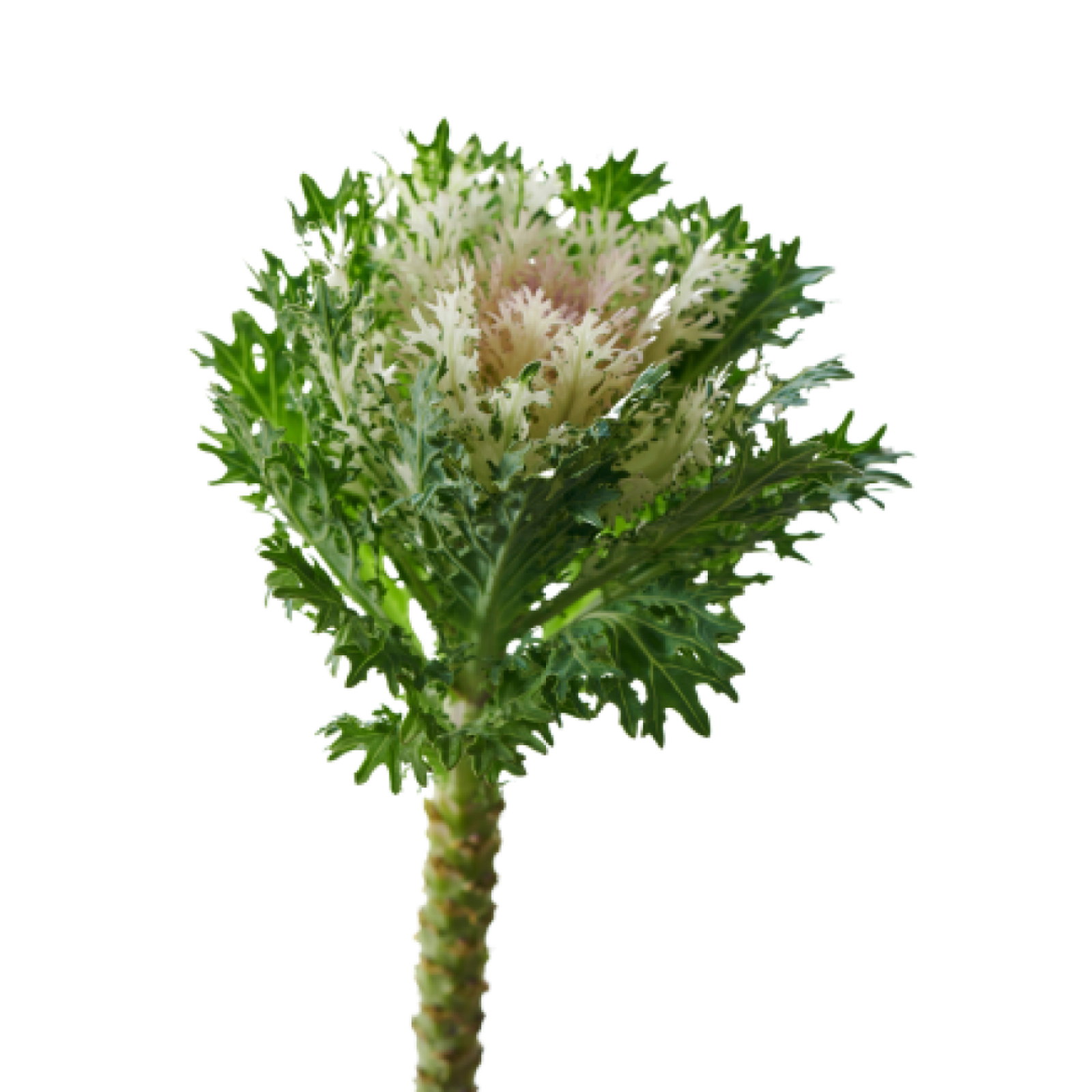
At its core, mono floral cabbage bouquets rely on a single family of blooms or foliage anchored by the distinctive, rounded forms of ornamental cabbages or kale. This approach creates a calm, unified palette where texture, form, and light take center stage. Because there is one dominant material, the bouquet communicates a clear message: elegance through restraint. The visual impact comes from the cabbage’s architectural leaves, the compact bud clusters, and the subtle sheen on each leaf surface. Designers love this method for events, photo shoots, and sustainable installations, because it reduces materials while increasing impact. mono floral cabbage arrangements also adapt well to varied vases, widths, and display heights, making them versatile for both intimate tables and larger installations.
Beyond aesthetics, the mono floral cabbage approach favors efficiency. Fewer harvest types simplify supply chains and storage, which translates to lower waste and easier logistics. Because you are working with a single family, you can standardize care, water strategies, and conditioning steps. The result is consistency: the bouquets look cohesive in many settings, and adjustments can be made quickly if a stem droops or a leaf edge bruises in transit. This design discipline also invites a gentle nod to sustainability: fewer stems per bouquet and a longer vase life per head can reduce overall material use while preserving dramatic impact.
Understanding the Canvas: Form, Texture, and Scale
Form first. The cabbage or kale head provides the core geometry. Decide early if you want a compact, globe-like silhouette or a tall, architectural take with vertical lines. The chosen form will guide how many heads you place and where you position each one relative to the container. Texture follows form. Leaf surfaces range from waxy and slick to crinkled and matte; these contrasts catch light in different ways and create tactile depth even when the arrangement is viewed from afar. Scale matters: a large head can serve as the anchor of the bouquet, while smaller heads create a graduated cascade that invites a viewer in for a closer look.
When multiple stems are involved, stagger heights in a controlled manner to avoid a flat silhouette. Think of the bouquet as a sculpture you can rotate; each vantage point reveals a new facet of form and texture. If you are mixing only cabbage heads of the same family, slightly vary the leaf orientation and the depth of each head’s cup to keep the surface lively. This subtle choreography keeps the mono theme intact while preventing visual fatigue from repetition.
Shape, Size, and Composition: A Practical Checklist
Use a simple checklist before you start: count the primary cabbages, measure the target vase height, and confirm water uptake potential. For a compact arrangement, aim for three to five heads with focal emphasis on the central item. For a more expansive display, increase the head count and vary the stalk lengths. Consider the vessel’s mouth width; the bouquet should not overwhelm the container, nor slip away from view in the opening space. A practical constraint is transport: plan for a layout that can be partially disassembled for delivery and reassembled on-site with minimal risk to petals and leaves.
The checklist also nudges you toward symmetry versus asymmetry. A symmetrical construct reads formal and enduring, ideal for weddings and corporate events. An asymmetrical approach, with one longer stem or a slightly higher head off-centre, reads modern and dynamic. Both strategies fit the mono floral cabbage envelope when you calibrate leaf orientation and water supply for each stem.
Visual Impact and Palette Strategy for Mono Floral Cabbage Bouquets
Visual impact in mono floral cabbage arrangements comes from color discipline and surface detail. You may choose a monochrome palette focused on whites, creams, or greens, or you can create a restrained two-tone run that stays cohesive while offering subtle contrast via leaf color or bloom centers. The key is consistency: the color story should extend from the plant material to the container and any wrapping. In practice this means selecting cabbage varieties with complementary hues, then tuning the surrounding foliage to echo those tones. The result is a bouquet with a strong photographic and social-media appeal, yet grounded in practical longevity and stability.
Lighting will alter perception of color and edge definition. A cool daylight will emphasize crisp white edges, while a warmer tone can soften contrast and bring out lilac or olive undertones. For venues, plan a palette that reads well in the expected lighting conditions and on camera. A reliable trick is to test a small mock-up at the actual event time to verify that your colors stay true under the room lights and natural windows.
Color Strategy: Monochrome and Accents
Color discipline is your ally. For mono floral cabbage, a true monochrome approach uses variations of a single shade—perhaps ivory to alabaster or sage to olive—so the eye travels smoothly across the arrangement. If you add accents, keep them small and deliberate: a hint of purifying white bloom in a single stem, a dusting of metallic wrap, or a single ribbon that repeats the main hue. Remember that even minimal color shifts alter perception, so test the bouquet under different light and at varying distances before finalizing.
To preserve the monochrome look during transport, avoid materials that introduce a second color in drips or moisture-laden reflections. Choose ribbon or wrapping fabrics with solid tones to reinforce the unity of the bouquet. And if you must introduce a secondary texture, keep it subtle—perhaps a linen wrap with a single, light sheen rather than patterned fabric.
Texture and Foliage: Leaf Shapes, Veins, and Light Play
Texture tells a story when color is restrained. The glossy surface of a cabbage leaf, the ruffled edge of kale, and the soft matte underleaf all catch light differently. Group textures in alternating layers to simulate depth without breaking the mono theme. Use slim, linear stems to release air between dense cabbage heads, and insert a few wispy greens sparingly to keep the focus on the cabbage form. Texture is also a cue for longevity: sturdier leaves resist bruising, while fine textures may show wear quickly—plan handling and transport accordingly.
In practice, rotate the bouquet as you assemble to confirm that textures are evenly distributed. A good rule is to reserve the most sculptural leaf features for the head centers and anchor edges with calmer surfaces. If you notice any leaf curling that distracts, adjust the orientation or swap out a head for a slightly different cultivar.
Foundations: Materials, Tools, and Setup
In building a reliable mono floral cabbage bouquet, select materials with care. The main stems should be sturdy and well hydrated; conditioning the stems before assembly reduces wilting and helps hold shape. For cabbage or kale heads, ensure the outer leaves are clean, free of blemishes, and cut at a slight angle to improve water uptake. Lightweight, supportive vessel options can highlight the architecture while staying unobtrusive. Don’t underestimate the role of wrapping and support: a simple ribbon, twine, or fabric wrap can reinforce the line of the bouquet and protect delicate edges during transportation.
Conditioning is a practical habit. Trim the stems under running water, recut at a 45-degree angle, and soak in clean water for 10–15 minutes before assembly. This refreshes the vascular tissue and improves water absorption during display. If possible, place the cabbages in a cool room for a few hours before work to slow respiration and reduce wilting. A small investment in pre-conditioning can significantly extend the bouquet’s visible life without sacrificing the crisp edges that define mono floral cabbage forms.
Selecting the Right Cabbage Varieties
Not all decorative cabbages are equal for bouquets. Choose varieties with compact heads, tight leaf packaging, and a color that aligns with your palette. Some cabbages have lilac or rose hues that can serve as soft accents within a monochrome scheme, while white or lime-green heads provide high contrast against darker greens. When possible, harvest cabbages in the morning or after a light misting, then rehydrate them by placing them in cool storage briefly before processing. This practice helps maintain the crisp, curled edges that give mono floral cabbage bouquets their signature silhouette.
Consider sourcing from local farms or nurseries that provide fresh ornamentals ready for cutting. Local sourcing reduces transit time and supports peak-season flavor and color. If you need a longer lead time, plan for a small buffer of extra heads so that you can adjust for any leaf damage or color drift observed during the conditioning stage.
Tools and Stability: Wiring, Foam, and Wrapping
Practical assembly relies on a few reliable tools. Floral foam remains a subject of debate among organizers; if you choose foam, use it sparingly and ensure it stabilizes the stems without blocking water uptake. Alternative support methods, such as chicken wire, bamboo skewers, or modern grid systems, can provide stability while preserving the clean lines of the cabbage heads. When wiring or taping, minimize damage to the outer leaves; insert supports at the base and avoid torque on the leaf edges. For wrapping, select materials that echo your color story and reinforce the bouquet’s silhouette without overwhelming the main form.
In the workshop, practice a dry run to check tension. If the bouquet feels too tight and digs into leaf edges, loosen the bindings slightly or swap in a longer stem for more air space. For transport, include a simple protective sleeve to keep the heads upright and prevent chafing during movement. A small foam insert or clip used discreetly can also help preserve the bouquet’s vertical lines during loading.
Practical Principles: Balance, Rhythm, and Proportion
Foundational design principles translate perfectly to mono floral cabbage bouquets. Begin with balance: a symmetrical layout can read formal and enduring, while an asymmetric approach creates movement and modern energy. Rhythm emerges from varied stem heights, curved lines, and repeated leaf shapes; it guides the viewer’s eye around the bouquet and up toward the centerpiece. Proportion is about scale: the relationship of cabbage heads to stems to vessel determines boldness versus delicacy. Carry these principles through to the final stage, from the ceremony aisle to the reception table, to ensure your bouquet communicates a deliberate design narrative.
When testing proportion, create a quick mock-up with mock stems to simulate water uptake and carded packaging. If a head dominates too much or recedes, adjust by substituting a different cultivar or trimming the head edges to reduce volume. The net effect should be a bouquet that feels cohesive, not crowded, and that has a clear focal point anchored by the centerpiece cabbage.
Proportion Rules for Mono Floral Cabbage Bouquets
Follow practical proportion rules to avoid crowding or emptiness. A common guideline is to keep the sum of the visible cabbage heads at roughly two-thirds the bouquet’s total height, with stems rising in a natural arc. If you work with a deep vessel, tilt the cabbage heads slightly toward the center to maintain a cohesive silhouette. For a taller arrangement, increase stem length gradually from the outer edges toward the middle, ensuring the central head remains clearly visible and dominates the focal plane. Adjustments to proportion should be tested in a mock-up before final production.
This rule of thumb can vary with cultivar and vessel shape; use it as a starting point, then fine-tune through quick prototypes. The aim is to achieve a readable silhouette from three directions: from above, from the side, and at the table’s eye line.
Rhythm and Movement: Guiding the Eye
Rhythm is a quiet but powerful force. Use recurring leaf shapes and subtle color echoes to produce a sense of motion without clutter. Place a slightly taller head off-center to draw the gaze upward, then repeat similar shapes at regular intervals to create a visual rhythm. In mono floral cabbage design, movement often comes from the leaf curls or edge textures; keep these elements balanced so they complement rather than overwhelm the cores.
Test the arrangement under different viewing angles. A viewer walking past a table should notice the bouquet as a living sculpture; the eye should travel along an intended path, not hop across randomly. A strong rhythm supports storytelling—each turn reveals a refined detail, inviting closer look without sacrificing legibility from a distance.
Care, Longevity, and Display Context
The life of a mono floral cabbage bouquet depends on careful handling, hydration, and appropriate display conditions. Keep the arrangement in a cool environment, away from direct heat and bright sun, and refresh water as needed. If you are using a vase with a floral foam base, replenish water daily and inspect stems for any blockage. For longer displays, consider a two-stage approach: a fresh core bouquet for immediate use, paired with a spare stem kit or compact substitute to re-bloom or refresh the arrangement over time. Align display height with seating sightlines and the venue’s décor to maximize impact while reducing the chance of accidental damage.
Hydration strategy matters. Change water every 1–2 days, trim stems gently, and avoid overcrowding the vase to preserve airflow along the cabbage surfaces. If you notice yellowing edges, trim those areas and adjust the water pH if needed. For transport and install, bring a compact toolkit with spare stems, a small pair of shears, and a damp towel to maintain leaf flexibility during handling.
Care, Hydration, and Transportation
Hydration is the backbone of longevity. Ensure the vase is always at least half full and that the water line touches the base of each stem. For cabbage heads with thicker vessels, consider recutting the stem ends more than once in the first day of display to promote water uptake. When space is tight, prioritize the central head and lightly support the outer heads to prevent drooping. For transportation, a rigid, upright container and a secure wrap prevent breakage, particularly for tall or wide bouquets that might shift on the drive.
Display context matters. On tables, leave ample clearance for guests to walk and place the bouquet where it will not be brushed by sleeves or napkins. On stages or aisles, consider a lower, more robust silhouette that remains legible from a distance. By planning ahead for the venue, you protect the bouquet’s lines and maximize its visual impact across the event.
For background on how ornamental brassicas are used in garden design and seasonal displays, see this reference from a major horticulture authority: Ornamental brassicas and kale in design.
Next, in Part 2: Techniques, Texture, and Presentation for Mono Floral Cabbage Bouquets, we shift from foundations to hands-on assembly, exploring practical techniques for shaping stems, selecting vessel types, and showcasing mono floral cabbage arrangements in real-world settings.
Step-by-Step Creation of Mono Floral Cabbage Bouquets
What is mono floral cabbage and why it matters in 2026
Mono floral cabbage bouquet design centers on a single cultivar or color family. This approach emphasizes texture, silhouette, and the sculptural power of cabbage heads. In 2026, designers lean toward simplified forms that highlight sustainability and seasonal availability. You will notice that a well-chosen cabbage head can stand in for multiple blooms, delivering drama with minimal materials.
Because the cabbage outer leaves are layered and rounded, the bouquet gains volume without needing dozens of cut stems. This is particularly appealing for cut-flower enthusiasts who want a modern, artful display. When you select a mono floral cabbage, you are choosing consistency of color, tone, and structure. Specifically, it helps you tell a clear design story with fewer elements.
Defining color and texture in mono floral cabbage
Color ranges vary by variety. Some cabbages offer pale greens with purple-tinged edges, while others present creamy whites or lilac hues. Texture ranges from smooth overlapping leaves to crisp, ruffled edges. These attributes influence how the bouquet reads from across the room. A single cabbage head can be paired with a narrow strip of foliage to create contrast without introducing additional flower forms.
Availability and sourcing tips
In 2026, farmers markets, local co-ops, and seed-to-stem suppliers deliver fresh options. Look for cabbages with tight heads and firm leaves. Avoid heads with brown spots or loose outer leaves, which shorten vase life. If you live in a warm climate, consider early morning harvests or cooled storage to extend freshness. In addition, ask growers about harvest dates to align with your delivery timeline.
Selecting mono floral cabbage: varieties, colors, and stems
Stems play a vital role in structure. Choose cabbage heads with sturdy stems and minimal bruising. The length of the stem will influence how you anchor the bouquet on a vertical axis. If the stem is too short, you risk crowding the focal cabbage with greens. Conversely, long stems allow for graceful tucking of surrounding elements. When selecting varieties, opt for those with compact heads that hold shape after trimming. This ensures your mono floral cabbage bouquet maintains form from the first glance to the final display.
Tip: keep color consistency by choosing one family of shades. A white or green cabbage provides a high-contrast canvas for subtle greens, while a deep purple or reddish hue adds warmth. If you want a bit of variation without breaking the mono rule, introduce a single accent leaf with a different texture rather than a second color. The aim is cohesion over variety.
Preparing stems and conditioning for longevity
Conditioning is the key to long vase life. Start by trimming the stems at an angle to maximize water uptake. Remove any leaves that will sit below the water line to prevent decay. Place the cabbage stem in clean water and let it hydrate. In a professional setting, a brief stint in a hydration solution can help but is not always required for cabbage bouquets. The general rule is to refresh water daily and re-trim every two days to maintain strong uptake routes.
Hydration strategies matter. If your cabbage head feels heavy and dense, give it extra time to belch heavier water flow through the core. This means placing the bouquet in clean water at a cool room temperature. In contrast to delicate soft-stemmed florals, mono floral cabbage requires less frequent water changes, but you should still monitor signs of wilting or browning at the leaf edges. For best results, keep the bouquet away from direct heat and bright sun, which can cause rapid dehydration.
Conditioning for mono floral cabbage: a simple routine
Conditioning for mono floral cabbage: a simple routine
Beyond the basics, consider a light conditioning boost with clean, lukewarm water and a fresh knife for trimming. This small step helps preserve the cabbage’s crisp texture and prevents browning at the edges. If you have time, a brief 30-minute rest in a cool, shaded area can improve water uptake further. The goal is simple—maximize hydration while preserving the cabbage’s structural integrity for a clean, architectural look.
Building the bouquet: structure, balance, and rhythm
Structure begins with a strong focal anchor. Place the mono floral cabbage head in the center or slightly off-center, depending on whether you want a symmetrical or an asymmetrical statement. The cabbage acts as a sculpture, so build outward with greens that soften edges without stealing attention from the head. Rhythm comes from spacing and the placement of greens, allowing eyes to travel along the bouquet from the focal point outward. Specifically, keep the arrangement compact enough to fit a standard vase but open enough to breathe, so a viewer can appreciate the cabbage’s shape from multiple angles.
Layering greens for harmony helps maintain a cohesive look. Choose simple, streamlined foliage such as salal, ruscus, or eucalyptus with modest variation in leaf size. Space the greens so air can circulate; overly dense assemblies shorten longevity. The objective is a clean, airy silhouette with a clear hierarchy that guides the eye toward the cabbage centerpiece.
Wrapping, finishing, and presenting mono floral cabbage bouquets
Finishing touches set the tone for presentation. Opt for wraps and ribbons that echo the bouquet’s minimalist vibe. A clean kraft paper wrap with a slim linen ribbon can elevate the design without competing with the cabbage’s form. If you prefer a more contemporary aesthetic, use a thin, translucent sleeve and a subtle color tie that matches the bouquet’s hue. The wrapping should act as a frame that highlights the cabbage’s natural curves rather than overpowering them.
When selecting a vase or container, choose a simple, tall cylinder that supports the stem visually. A tight bouquet looks best in a short, clear vessel, while a taller form benefits from an elongated vase. Handling matters too; carry the arrangement with the cabbage head facing outward and the greens cascading softly to create a natural, organic line. In this way, the mono floral cabbage remains the story, not the supporting cast.
Care tips and storage for freshness
Post-wacouture care is essential for longevity. Keep the bouquet in a cool environment away from direct sunlight. Change water daily and re-trim stems every two days to sustain hydration routes. For display at events, consider a brief pre-chill period in a cooler before transport. This stabilizes the plant’s internal moisture and helps the cabbage maintain its sculptural silhouette as the day progresses.
In 2026, the cabbage-centric design continues to be a versatile option for both intimate gatherings and large-scale installations. The mono floral cabbage approach remains a focal point in modern floral art, offering a distinctive, low-material elegance that resonates with sustainability-minded audiences. If you plan to photograph or feature these bouquets for Pinterest or Instagram, the clean lines and bold silhouette photograph exceptionally well against soft, neutral backdrops.
For practical guidance on conditioning cut stems, see The Old Farmer’s Almanac guide to cutting and conditioning flowers.
As you wrap up the creation process, remember that the best mono floral cabbage bouquets celebrate restraint. The cabbage itself is the hero, with greenery acting as a quiet supporting cast. The result is a modern, sculptural arrangement that remains striking from across a room or from a distant feed on social media.
Looking ahead to Part 3: Sustainable Styling and Photography for Mono Floral Cabbage Bouquets, we will explore display ideas, staging, and photography tips that help you translate the design into compelling visual stories for Pinterest and beyond.
Advanced Strategies and Final Guidance for Mono Floral Cabbage Bouquets
This final guidance synthesizes what worked in real-world display and what trends will continue to shape monochrome floral storytelling in 2026. The focus remains on the distinctive power of mono floral cabbage arrangements. Readers will discover actionable steps to push creativity, durability, and social impact while keeping sustainability at the core.
Refining color theory, texture, and form in mono floral cabbage compositions
Mono floral cabbage bouquets rely on a singular plant family to tell a visual story. The trick is to exploit subtle variations and contrasts without introducing competing species. Start with a controlled palette built around a dominant cabbage shade—white, green, purple, or even red hues—and layer accents through texture and line.
Palette planning for maximum impact
Begin with a dominant tone and map its undertones. A white cabbage with green undertones reads clean and modern, while a purple cabbage can feel regal and dramatic. Use one or two close tonal shifts to add depth. Keep the stems visible for a clean silhouette. Avoid multi-tonal varieties if your goal is strict monochrome storytelling.
- Choose a single cabbage cultivar as the anchor.
- Limit secondary tones to one or two close relatives.
- Preserve natural bloom shoulders; don’t over-trim for a flat look.
Texture and line with careful stem management
Texture is the unsung hero of mono floral cabbage design. Combine cabbage heads with stems of varying thickness and surface textures—glossy leaves, matte petioles, or curled margins—to create tactile interest. Use vertical stems to guide the eye and horizontal accents to stabilize the composition.
Position the primary cabbage off-center to create dynamic balance. The line direction should move the viewer’s gaze upward and outward, not inward and closed.
Construction techniques for stability and longevity
Stability is essential when working with cabbage bouquets. In this section, we explore practical methods that keep the arrangement intact through display and transport, while avoiding wasteful or non-reusable mechanics.
Choosing a sturdy framework that respects sustainability
Use reusable, water-friendly mechanisms like fabric-wrapped floral tubes or bamboo skewers tied with a soft ribbon. For a no-wix approach, consider a lightweight, breathable grid made from natural fibers. The goal is a secure core that doesn’t crush or bruise delicate heads.
- Prefer water tubes for hydration when expected display times exceed 24 hours.
- Avoid dense foams; opt for breathable, reusable supports.
- Ensure stems have enough length for recutting at the destination.
Wiring, anchors, and clean finishing
When wiring is used, keep it minimal and discreet. Anchor stems with gentle wraps that won’t cut into the stalk. Finish with a clean external wrap that hides mechanics while preserving the cabbage’s silhouette.
If wiring feels risky for delicate cabbages, switch to a twist-tie method with soft, biodegradable twine. The aim is a secure hold that still allows for stem adjustment on-site.
Care, longevity, and display guidelines
Longevity starts at harvest discipline and ends with on-site display conditions. The techniques below help you maximize vase life without compromising the mono floral cabbage aesthetic.
Hydration strategies that respect cabbage geometry
For best results, hydrate the cabbage heads during preparation using clean water and, if available, floral food. Change the water daily to slow down wilting. If using water tubes, ensure they stay filled throughout transport and display.
Avoid overwatering the base after assembly, which can cause stem rot. Balance hydration with air circulation around the bouquet.
Temperature, light, and display considerations
Maintain cool, indirect light during display to keep color integrity. Strong direct sunlight can fade cabbage hues and reduce shelf life. If the bouquet is destined for events, plan for a cool room or shaded entryway until the moment of display.
In transit, keep the bouquet in a temperature-controlled carrier with ventilation to prevent condensation and moisture buildup around the heads.
Sourcing, seasonality, and sustainability in mono floral cabbage design
Thoughtful sourcing matters as much as design. This section covers selecting cabbage varieties that align with your climate, season, and sustainability goals. You’ll also find practical tips to reduce waste and support ethical practices.
Seasonal cabbage varieties and regional considerations
Choose varieties that are locally grown or seasonally available to minimize carbon footprint. In spring and early summer, light greens and pale purples can be brightened with a hint of sunlight. In autumn, deeper purples and greens become more saturated and cinematic.
- Favor local farms or farm-to-florist programs if possible.
- Rotate varieties across seasons to maintain freshness and novelty.
- Document the origin of each bouquet for transparency with clients.
Ethical sourcing and waste reduction
Build relationships with growers who use sustainable farming practices. Opt for reusable mechanics and minimal packaging. Encourage customers to return decorative elements for reuse. Treat the cabbage plant as a focal element that informs responsible consumption.
For a broader horticultural reference on cabbage care and varieties, see Royal Horticultural Society cabbage guide.
Presentation, photography, and social strategy for Pinterest and beyond
In 2026, Pinterest remains a prime discovery channel for floral visuals. Your mono floral cabbage bouquet should translate well to stills and short videos. The presentation matters as much as the arrangement itself.
Lighting, backdrop, and framing
Use soft, natural light and a simple backdrop to highlight the cabbage’s color and texture. A neutral surface helps the monochrome palette pop. Shoot at eye level for a direct portrait; shoot from above for a flat, editorial feel.
When possible, include a single, clear focal point in the composition and use negative space to prevent crowding. The viewer should feel the bouquet before they see it in detail.
Captions, hashtags, and multi-platform reuse
Craft captions that emphasize texture, palette, and sustainability. Include 3–5 relevant hashtags and a call to action.
- Caption idea: Subtle green tones glow through a single cabbage bloom in this mono floral cabbage arrangement.
- Hashtag examples: #MonoFloralCabbage, #CabbageBouquet, #SustainableFloral, #FloralDesign2026
Troubleshooting: common challenges and practical fixes
Even the best setups encounter issues. This section covers quick fixes for common problems and how to prevent them in future designs.
Wilt versus limp leaves and color shifts
Wilt and limp leaves usually indicate hydration issues or heat exposure. Recut stems at a fresh angle, rehydrate the base, and adjust placement away from direct heat. If color shifts occur, reassess light exposure and hydration frequency.
Remember: calm presentation reduces risk of damage. Handle heads gently during transport and setup.
Dealing with discoloration and spots
Small spots can be an aesthetic choice in some monochrome styles, but large discoloration signals stress. Remove affected heads if necessary and redistribute the remaining heads to maintain balance.
Quick-start guide and final checklist for designers
Use this concise checklist before you present or ship a mono floral cabbage bouquet:
- Confirm palette: one dominant cabbage shade with up to two near tones.
- Secure the core with a sustainable anchor; test stability by gentle wobble.
- Hydrate and recut stems just before assembly; prune only what’s needed.
- Keep display in cool, indirect light; monitor humidity and temperature.
- Capture photography with consistent lighting to maximize color fidelity.
Conclusion: embracing the full potential of mono floral cabbage bouquets
In summary, advanced strategies for mono floral cabbage bouquets blend color discipline, structural integrity, and sustainable practice. By refining palette, mastering construction, and embracing seasonality, you transform a single plant family into a vivid storytelling device. The mono floral cabbage approach delivers bold visuals without sacrificing environmental responsibility.
Ultimately, your ability to balance form and function will determine how long your arrangements resonate with clients and audiences. The focus keyword you’ll carry through every phase is mono floral cabbage. This approach isn’t just about aesthetics; it’s a deliberate design philosophy that honors sustainability, versatility, and lasting impact.
To conclude, try a fully realized mono floral cabbage bouquet for your next event, photo shoot, or online feature. Start with a single cabbage shade, add texture thoughtfully, and present it with clean, minimal support. Share your results on BloomHaven’s platforms or your favorite social channels to inspire others. If you’re seeking further guidance, revisit this article’s strategies and adapt them to your climate and clientele. Ready to elevate your craft? Start designing today with mono floral cabbage as your guiding principle.
Ready for ongoing inspiration? Subscribe for updates on growing, arranging, and photographing cabbage-based monochrome bouquets that captivate Pinterest and beyond. Embrace the simplicity-and-sophistication of mono floral cabbage, and watch your floral storytelling flourish.