Climbing Rose Disease Prevention: Practical Guide
Climbing Rose Disease Prevention Foundations for Healthy Vines
Climbing roses add vertical grace to any garden, yet their health hinges on solid foundations. The focus is not merely on beautiful blooms, but on a proactive approach to disease prevention. By establishing strong cultural habits, you reduce susceptibility to powdery mildew, black spot, canker, and other common climber afflictions. This section lays out the core foundations that support vigorous vines, robust canes, and long-lasting performance. If you invest in prevention now, you’ll spend less time fighting outbreaks later and more time enjoying flowering displays and pollinator-friendly structure.
In practice, prevention starts with choosing the right varieties for your climate, providing ideal site conditions, and building a garden routine that favors airflow, sun, and dryness where needed. The goal is not perfection, but resilience. Therefore, the path to healthy climbing roses is a blend of plant selection, site design, and disciplined care that aligns with your local seasonal patterns. In addition, you will benefit from understanding the disease pathways that threaten these vines, so you can disrupt them before symptoms appear.
Foundational Principles to Prevent climbing rose disease
Healthy vines begin at the roots and extend into careful canopy management. Good soil structure supports roots, while proper watering keeps foliage dry enough to resist fungal growth. In essence, disease pressure rises when moisture lingers on leaves or when canes rub against poor spacing. By aligning watering, mulching, and pruning timing, you create a microclimate that discourages pathogens and favors plant vigor.
Site selection and climate suitability
Position climbers where they receive morning sun, afternoon shade during heat waves, and continuous air movement. A north or east-facing wall can work well in hot climates if you ensure daily watering is not excessive. Avoid spots where cold air pools in the evening, which invites fungal growth. Consider your microclimate; the more you know, the better you plan for disease resilience.
Core cultural practices to reduce climbing rose disease risk
Effective prevention relies on a disciplined routine that combines watering discipline, pruning timing, and mulch management. This trio keeps tissues dry, reduces wound entry points for pathogens, and strengthens plant vigor so roses outgrow infections. In addition, integrating these practices with seasonal adjustments makes a substantial difference in long-term health.
Watering discipline and leaf-wetness management
Water deeply at the base early in the day so foliage dries before night. Drip irrigation or soaker hoses are ideal for limiting overhead wetness. In addition, avoid watering late in the afternoon during humid conditions, which sustains dew and fosters fungal growth. A consistent schedule reduces stress, limiting disease susceptibility.
Mulching and soil moisture buffering
Apply a 2–4 inch layer of organic mulch around the base of each plant, keeping it several inches away from the canes. Mulch moderates soil temperatures, reduces splash-borne diseases, and conserves soil moisture. Additionally, mulch helps feed soil biology, which in turn supports healthy root systems essential for disease resistance.
Variety selection and planting design for disease resilience
Choose cultivar types known for vigor and climate compatibility. Disease resistance is a practical filter you can apply at purchase. In addition, space vines with adequate air circulation, using supports that prevent canes from rubbing. A thoughtful layout reduces microclimates where humidity can persist and pathogens can thrive.
Pruning and training to promote airflow
Prune to open the canopy and remove inward-growing wood. Training vines to a broad arch increases air movement and sun exposure, both of which deter many fungal pathogens. Crucially, avoid over-pruning late in the season, which can stimulate new growth susceptible to late-season diseases. Regular, light trimming is often more effective than a single aggressive cut.
Sanitation and tool hygiene as a line of defense
Sanitation matters as much as soil and water. Clean tools prevent pathogen transfer between canes and plants. After each session, wipe blades with a 70 percent alcohol solution or a 10 percent household bleach solution, then rinse and dry. Also, remove and dispose of severely diseased leaves and canes promptly to break infection cycles. (Tip: mark days for tool cleansing on your garden calendar.)
Disinfection protocols for pruning shears
Disinfect between plants when you suspect infection or when moving from heavily infected areas to healthy sections. A standard protocol uses a fresh bleach solution for every session, or a commercial tool sanitizer. By maintaining clean equipment, you cut the chances of spreading disease through pruning actions.
Monitoring, scouting, and early detection for climbing roses
Regular monitoring is a cornerstone of prevention. Set a simple weekly scouting routine to inspect leaves, canes, and buds for early signs of disease. Early detection enables rapid action, often preventing full-blown outbreaks. In addition, keep a seasonal calendar that notes weather patterns, rainfall, and outbreaks from prior years. That historical context improves your risk assessment and response timing.
Seasonal disease calendars and scouting routines
Develop a seasonal checklist: after each rain event, check for leaf spots, powdery coatings, or cane lesions. Note humidity, leaf wetness duration, and temperatures. If you spot suspicious symptoms, isolate affected areas and apply targeted care measures. The goal is to catch problems before they spread, not to react after the damage has occurred.
For further guidance on disease management in roses, consult trusted horticultural resources such as UC IPM. In practice, integrating these prevention practices builds a robust foundation that supports both beauty and health in your climbing roses.
In the next section, we translate these foundations into a practical seasonal routine, including plant selection, site planning, and step-by-step care that minimizes disease risk while maximizing bloom and pollinator value. The next part focuses on practical pruning and sanitation strategies that turn foundations into a repeatable, year-round program.
Step-by-Step Climbing Rose Disease Prevention Routine for Peak Blooms
In this section we translate theory into a practical, repeatable routine that keeps climbing rose disease at bay while you enjoy peak blooms. Each step can be implemented as a weekly habit or a regular maintenance ritual, so you maintain strong bloom performance without turning your garden into a full-time project. The routine centers on sanitation, pruning, watering, mulching, nutrition, and vigilant monitoring, because these core elements together dramatically reduce disease pressure and support consistent, vibrant flowering.
Step 1: Build a clean baseline to reduce climbing rose disease risk
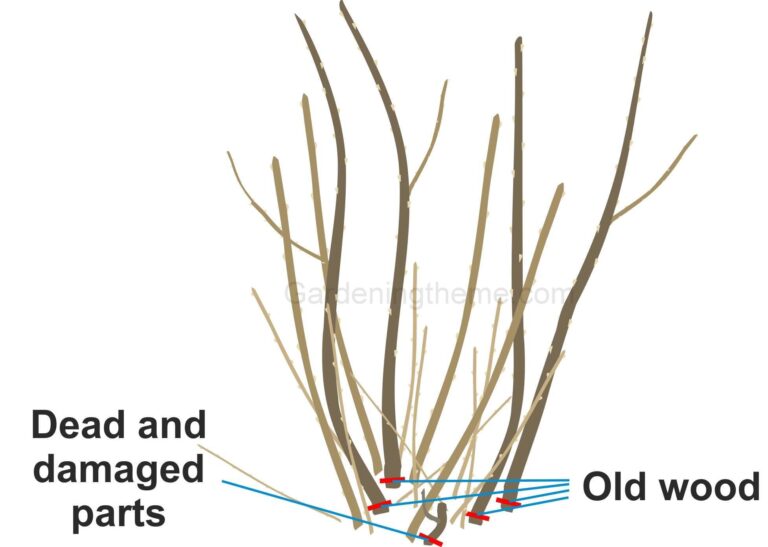
First, establish a clean baseline. A well-prepared start minimizes climbing rose disease presence from the moment a spray of new growth appears. Remove all dead wood and canes showing any signs of distress, then dispose of debris away from the plant bed to deprive pathogens of shelter. Specifically, take time to rake under the canes and clean up spent blossoms that can harbor fungi and bacteria, because sanitation is the frontline defense against climbing rose disease pressure.
Why a clean baseline matters for climbing rose disease control
Why start clean? Because a tidy bed reduces microhabitats where spores thrive. When you remove dead tissue and prune to open the center, airflow improves, moisture dries faster, and leaf wetness periods shrink. This combination directly lowers the incidence of climbing rose disease and increases the likelihood of stronger, more consistent blossoms. In short, sanitation today yields better blooms tomorrow and less chemical intervention later in the season.
Soil and site sanitation to prevent climbing rose disease
Soil contact with diseased material is a key transmission route. After removing debris, consider edging the bed and layering fresh organic matter that improves drainage without suffocating roots. If you suspect persistent soil-borne issues, a light solarization or a season-long improvement of drainage can further reduce climbing rose disease risk without compromising soil biology. Furthermore, maintain clean tool handling to avoid cross-contamination between plants, a small habit that pays big dividends for disease prevention in climbing roses.
Step 2: Pruning for airflow to prevent climbing rose disease
Next, prune with airflow in mind. Effective pruning removes congested growth and opens the canopy so sun reaches all leaf surfaces and air circulates freely. Specifically, prune to an open center or vase shape that avoids dense pockets where humidity lingers, which is a prime setup for climbing rose disease to take hold. By lifting the canopy, you also make future inspections easier and quicker, enabling faster response to any suspicious symptoms.
Principles of pruning and spacing to curb climbing rose disease
Use clean, sharp tools and make clean cuts just above outward-facing buds. Remove crowded outward-facing canes that cross or rub against each other, as wounds from rubbing provide entry points for pathogens. Maintain a balance between foliage and bloom spurs, ensuring that vigorous growth does not overwhelm the plant but still fills the space with healthy leaves. Specifically, avoid leaving long header canes that shade lower leaves, because shaded zones are common hotbeds for climbing rose disease and mildew.
Timing and method to minimize climbing rose disease spread
The timing of pruning matters as much as the technique. Conduct major pruning in late winter or early spring before new growth begins, then perform light touch-up pruning during the growing season after rain events. When introducing pruning shears into a garden cycle, sterilize tools between plants to halt the spread of climbing rose disease and other pathogens. In addition, place pruned material away from the bed promptly to reduce inoculum exposure for nearby roses and perennials.
Step 3: Watering regimen and mulch strategy to reduce climbing rose disease pressure
Water management follows pruning as a critical control point for climbing rose disease. Water at the base of each plant with a drip line whenever possible. Specifically, avoid overhead irrigation that wets foliage and leaves a damp film overnight, a common trigger for powdery mildew and other climbing rose diseases. A steady, consistent drip schedule supports steady growth and reduces leaf wetness duration, which is a key factor in disease development.
Drip irrigation and water management to prevent climbing rose disease
Install a drip irrigation line that runs along the plant row and delivers water at the root zone. Water in the morning so foliage dries before evening, limiting the period when pathogens can colonize leaves. If a rainfall event is heavy, pause irrigation temporarily to prevent oversaturation. In addition, monitor soil moisture with a simple hand test; moisture should be present at the root zone but not waterlogged, as excess moisture consistently correlates with climbing rose disease outbreaks.
Mulching and soil surface management to curb climbing rose disease
Apply a 2 to 3 inch layer of organic mulch around the base of each climbing rose. Mulch acts as a protective barrier against soil splash, a primary route for soil-borne pathogens to reach the foliage. It also moderates soil temperature and helps conserve moisture in the root zone. Specifically, keep mulch several inches away from the main crown to prevent rot and ensure air can reach the base of the plant. Additionally, refresh mulch yearly to reduce fungal buildup and maintain even surface conditions that discourage climbing rose disease spread.
For readers seeking broader, science-based guidance on rose care and disease prevention, consider consulting reputable extension resources such as University of Minnesota Extension: Roses. This resource provides practical, field-tested tips that complement your routine for climbing rose disease prevention.
Step 4: Nutrient management to strengthen against climbing rose disease
Healthy plants resist disease better, and climbers are no exception. A balanced nutrient plan supports robust canes, glossy leaves, and rapid recovery from minor stresses that can otherwise invite climbing rose disease. Specifically, avoid over-fertilizing, which can lead to lush but weak growth that is highly susceptible to pathogens. Instead, aim for steady, even nutrient delivery aligned with the plant’s growth stage and flower production cycle.
Feeding strategy and soil health to support disease resistance in climbing rose disease
Prioritize a soil-first approach. Start with a soil test to identify macro- and micronutrient needs and adjust with a balanced, slow-release fertilizer or well-composted organic amendments in early spring. As blooms emerge, switch to balanced feeding that supports ongoing flowering without spiking leaf tissue that pathogens can exploit. Specifically, emphasize calcium, potassium, and magnesium in moderate amounts to strengthen cell walls and improve overall plant vigor, which tends to deter climbing rose disease progression.
Maintain soil biology by avoiding excessive tillage and by keeping beneficial organisms thriving. The goal is to foster a soil food web that promotes plant resilience and reduces climbing rose disease vulnerability. In addition, mulch contributes to steady soil moisture and temperature, further supporting disease-resistant growth without encouraging pathogen lifecycles.
Step 5: Monitoring for early signs of climbing rose disease and immediate action
Vigilant monitoring is the early warning system for climbing rose disease. Establish a weekly scouting routine that includes a quick walk through each bed, focusing on leaf undersides, new growth tips, and the crown where diseases often initiate. Specifically, look for telltale signs such as spots with dark rings, powdery or downy residues, yellowing patches, and stunted growth. Early detection allows you to take decisive action before problems escalate.
Weekly scouting protocol for climbing rose disease
During each check, detach a few suspect leaves to inspect the undersides for tiny spores or lesions. If you observe any symptoms consistent with climbing rose disease, isolate the affected plant portions, prune out the diseased tissue with sterilized tools, and dispose of material away from the planting area. This disciplined response reduces inoculum and protects neighboring plants from infection. Specifically document symptoms with photos and dates to track progression and tailor future interventions accordingly.
Immediate action steps when climbing rose disease is detected
Act quickly: prune out infected tissue to the nearest healthy wood, sterilize tools between cuts, and avoid overhead watering on affected plants. If necessary, treat with a labeled fungicide or follow organic-approved methods to protect the rest of the bed, keeping in mind regulatory guidelines and local climate conditions. Furthermore, re-evaluate spacing and airflow after pruning to ensure conditions remain unfavorable for pathogen growth and favorable for rapid drying of foliage.
Step 6: Sanitation and tool hygiene to limit climbing rose disease spread
Sanitation and tool hygiene are the quiet heroes of climbing rose disease prevention. Between plants and tasks, a clean toolkit prevents cross-contamination and reduces inoculum transfer. Specifically, always disinfect pruning shears, gloves, and other implements after handling diseased tissue or when moving from one plant to another. Consistent hygiene creates a strong barrier against climbing rose disease and keeps the bed safer as blooms push toward peak momentum.
Tool hygiene practices to combat climbing rose disease
Adopt a simple, repeatable routine: between each plant or cluster, wipe blades with a 70 percent isopropyl alcohol solution or a 10 percent bleach solution, then rinse and air-dry before proceeding. Keep rags and towels clean and stored separately to prevent cross-contamination. Additionally, designate dedicated tools for roses if possible, so you minimize the risk of spreading climbing rose disease between affected and healthy specimens. Finally, sanitize gloves after tasks that involve soil contact to maintain clean entry points for healthy growth.
Together with the other steps, tool hygiene strengthens your overall strategy against climbing rose disease and preserves the vitality of your climbers while you chase peak bloom times. In practice, even small daily habits compound into substantial disease-prevention gains over a season.
In Part 3: Troubleshooting and Advanced Climbing Rose Care for Peak Blooms, we will explore troubleshooting common rose problems and optimizing bloom yield.
Advanced Techniques for Sustainable Climbing Rose Disease Prevention and Longevity
In this final section, we synthesize advanced techniques that blend prevention, management, and longevity for climbing roses. These methods are designed to minimize climbing rose disease while maximizing bloom quality and plant vigor. The focus remains on sustainable choices that protect pollinators, soil life, and the garden ecosystem as a whole. By combining proactive monitoring, thoughtful pruning, and ecological treatments, you can extend the life and beauty of climbers without leaning on harsh chemicals.
Monitoring and Early Detection for Climbing Rose Disease
Monitoring is the first defense against serious outbreaks. Regular leaf checks, cane inspections, and environmental notes help you spot trouble before it spirals. In climbing roses, high humidity, dense canes, and prolonged leaf wetness invite pathogens. Early signs include spotted leaves, yellowing patches, mildew films, and cane cankers. When you see these signals, act quickly to prevent spread to neighboring blooms and plants.
Establish a simple scouting routine that fits your schedule. A 10–15 minute walk-through once or twice a week can make a big difference. Record observations in a garden journal or a note app. Over time, you’ll recognize which microclimates or plant combinations tend to trigger issues and can adjust accordingly.
- Weekly checks of newest growth and lower leaves help catch early symptoms.
- Microclimate notes around shady corners or crowded beds highlight risk areas.
- Photo records track changes and aid in trend analysis across seasons.
When you detect potential climbing rose disease, isolate affected canes, clean pruning tools, and plan targeted interventions. Quick, decisive steps limit spread and protect the overall health of your climbers.
Setting a Practical Scout Schedule
Design a schedule that matches your climate. In humid regions, more frequent checks are wise during spring and early summer. In drier climates, focus on irrigation-related stress signs. Keep a simple calendar with reminders to inspect after rainfall, during new growth flushes, and before major bloom cycles.
Use a standardized checklist for each inspection. Include signs to watch, symptoms to differentiate, and actions taken. Consistency improves both accuracy and outcomes over time.
Cultural Practices That Suppress Climbing Rose Disease
Cultural practices are the backbone of sustainable disease prevention. They reduce leaf wetness, improve airflow, and support the plant’s natural defenses. For climbing roses, the emphasis is on spacing, pruning, mulching, and soil health. When these elements are optimized, the plants resist disease more effectively and recover faster from stress.
Ground-level hygiene matters. Remove fallen leaves and faded blossoms promptly to break the lifecycle of many pathogens. Clean debris reduces overwintering sites and keeps the bed looking tidy. A tidy bed, coupled with well-spaced canes, sets the stage for strong, disease-resistant growth.
Soil health drives plant resilience. Healthy soil supports robust root systems, which in turn improve drought tolerance and vigor—two factors that help climbing roses weather disease pressure. A vibrant soil biology also helps suppress certain pathogens naturally.
Soil Health, Microbiome, and Mulch
Soil biology matters more than you may think. Beneficial microbes help decompose organic matter, release nutrients, and compete with pathogens. Mulch contributes to steady soil moisture, moderates soil temperature, and reduces weed competition. For climbing roses, a 2–3 inch layer of organic mulch, renewed annually, is a smart choice.
To support soil life, incorporate compost and well-rotted organic matter. Avoid heavy synthetic inputs that disrupt microbial balance. For deeper understanding of soil health, visit credible sources like OSU Extension: Soil Health in the Garden.
Mulch Type, Depth, and Renewal
Use shredded bark, leaf mold, or composted wood chips as mulch. Keep mulch a few inches away from the crown to prevent crown rot. Refresh mulch annually to maintain depth and weed suppression. A consistent mulch layer contributes to uniform moisture and reduces splash-spread of pathogens during watering.
Pruning and Training for Airflow and Longevity
Pruning is a powerful tool to deter climbing rose disease. By removing crowded canes, increasing light penetration, and shaping the plant for better airflow, you create conditions less favorable for fungal growth. Thoughtful pruning also encourages strong canes that carry flowers more efficiently and resist wind damage—another stressor that can invite disease.
Time your pruning to the plant’s growth cycle. Light shaping can happen after each flush of growth, while more aggressive removal should wait until dormancy or late winter if your climate allows. Always sanitize tools between plants or workdays to avoid cross-contamination.
Timing, Techniques, and Tools for Sanitation
Sanitation is non-negotiable in disease prevention. Clean, sharp pruners prevent tearing and open wounds that pathogens exploit. Disinfect blades between cuts with a household bleach solution or a commercial tool sanitizer. Remove only diseased tissue, keeping healthy wood intact. If you suspect canker presence, prune beyond the symptomatic area to ensure removal of infected tissue.
When training climbers to reach a supported structure, maintain a balanced framework. Tie canes securely but avoid constricting growth. Use breathable supports to preserve airflow along the canopy and reduce moisture pockets that feed disease.
Watering, Fertility, and Irrigation to Reduce Leaf Wetness and Stress
Water management is critical to limiting climbing rose disease. Leaf wetness is a primary driver for many foliar pathogens. Implement drip irrigation or soaker hoses that deliver water at the root zone, not onto foliage. A consistent, deep watering schedule supports root health and reduces plant stress, which lowers susceptibility to diseases.
Drip Irrigation Setup and Ground Cover
Set up a drip irrigation line that delivers water slowly and precisely. Use a timer to ensure uniform moisture without overwatering. A light groundcover mulch above the drip line helps minimize soil splash and keeps the bed tidy. Avoid overhead watering during peak disease-prone times, such as early morning when leaves stay wet longer.
For climbers trained on a trellis or arch, aim water at the base and run lines along the supporting structure so moisture travels toward the root zone rather than the leaves.
Sustainable Treatments and Integrated Pest Management (IPM) for Climbing Rose Disease
IPM combines cultural practices, monitoring, resistant varieties, and targeted treatments to manage disease with minimal environmental impact. For climbing roses, IPM emphasizes early detection, precise interventions, and the least-toxic options first. Always tailor treatments to the specific pathogen, climate, and plant stage.
Organic options are often effective when used correctly and promptly. Copper-based fungicides, sulfur powders, and other approved organic products can form the backbone of a disease management plan, particularly when disease pressure is high or plants are newly established. Follow label directions for timing, dosage, and re-entry intervals to protect both plants and garden visitors.
Organic Fungicides and Safe, Targeted Use
Organic fungicides can be part of a season-long strategy, but they are not a cure-all. Apply when symptoms first appear and reapply only as directed. Avoid routine, non-target spraying that can harm beneficial organisms and pollinators. Rotate products to prevent resistance and maximize efficacy across the season.
For climbers, a balanced approach—cultural care combined with selective chemical or organic treatments—often yields the best results. When in doubt, consult local extension resources or garden advisors who understand your climate and plant variety.
Biocontrols and Beneficial Microbes
Biocontrols, including beneficial bacteria and fungi, offer an eco-friendly route to disease suppression. These products work best as part of an integrated plan and when applied preventively or at the first sign of disease. Seek options labeled safe for roses and compatible with your irrigation method.
Encourage beneficials through diverse plantings and avoiding broad-spectrum products that disrupt the soil microbiome. A resilient climber benefits from a robust, balanced ecosystem around it.
Long-Term Planting Strategy: Selecting Rootstocks and Site Planning
Longevity starts with site selection and durable genetics. Climbers thrive with full sun, good air movement, and soils that drain well. Consider rootstock vigor, disease resistance, and compatibility with your climate when selecting varieties. A thoughtful pairing of cultivar and rootstock improves vigor, reduces stress, and lowers disease incidence over time.
Site Orientation, Sun Exposure, and Soil Fit
Choose a location that receives at least 6–8 hours of sun daily and where airflow is not hindered by neighboring structures or dense plantings. Well-drained soil is essential; heavy soils trap moisture and create an inviting environment for pathogens. If drainage is poor, amend the soil with organic matter or consider raised beds to improve conditions.
Avoiding Crowded Plantings and Maintaining Structure
Space climbers to allow air to circulate through the canopy. Crowding fosters humidity pockets that invite disease. A clean layout with defined walkways reduces microclimate variability that may complicate disease prevention. Regularly assess plant spacing as growth patterns change with seasons.
Seasonal Care Calendar for a Disease-Resilient Climbing Rose
Create a seasonal calendar that aligns care with disease risk periods. Spring focuses on delayed pruning, soil amendments, and preventive sprays (if needed). Summer emphasizes consistent irrigation and leaf refresh, while autumn should wind down with cleanup, composting of healthy debris, and protection against late-season pathogens. Winter is a window for structural pruning, tool sanitation, and mulch renewal.
Case Study: A Year of Resilience with Minimal Climbing Rose Disease
In a trial garden, climbers treated with an integrated approach showed lower disease incidence, higher bloom counts, and better overall vigor than a control bed relying on occasional treatment. Early detection, airflow-focused pruning, and stable soil moisture were the key drivers. The garden demonstrated that sustainable disease prevention pays off in both aesthetic and horticultural health.
Conclusion and Next Steps
To conclude, advanced techniques for sustainable climbing rose disease prevention hinge on proactive monitoring, cultural excellence, and strategic use of treatments. The combination of early detection, robust pruning, mindful irrigation, and soil health builds resilience across seasons. This approach not only protects foliage and blooms but also sustains pollinators and soil biology—cornerstones of a thriving garden ecosystem.
In summary, consistent practice across these techniques reduces climbing rose disease pressure while extending the longevity and beauty of your climbers. Start with a practical monitoring routine, refine pruning and irrigation, and gradually integrate organic and biocontrol options as needed. The result is a healthier garden with less chemical dependence and more reliable flowering, year after year.
Ready to elevate your climber care? Explore BloomHaven’s seasonal guides, join our garden community for exclusive tips, and share your successes with fellow rose lovers. For ongoing insights on climbing rose disease management and sustainable care, subscribe to our updates and follow our visual storytelling on Pinterest and beyond.
Focus keyword usage reminder: climbing rose disease. By integrating these advanced techniques, you can sustainably prevent climbing rose disease while extending plant longevity and bloom performance. Act now to protect your climbers and enjoy healthier, longer-lasting displays in your garden, season after season.