Flower Press Build: A Complete DIY Guide
Foundations of the Flower Press Build: Planning, Design, and Purpose for DIY Florals
If you’re diving into a flower press build, you’re choosing a measured path to preserve color, texture, and scent of your blooms. This guide helps you map a sustainable, beautiful workflow from idea to finished press, so you can enjoy pressings all year round. By planning with purpose, you maximize yield, minimize waste, and align your craft with BloomHaven’s seasonally inspired trends like wildflowers, peonies, and pollinator gardens.
Foundations matter because a well-designed system reduces damage, speeds up processing, and opens up creative possibilities. In this Part 1, we’ll lay the groundwork: what you’re trying to achieve, how to plan your space and budget, and which design decisions drive consistent results. You’ll finish with a clear blueprint you can adapt to small apartments or workshop spaces, whether your goal is crisp herbarium-like pressed specimens or artist-ready florals for posters and journals.
Foundations of the Flower Press Build: Goals, scope, and success metrics
At the core, a flower press build should translate your floral intentions into a repeatable, low-damage workflow. Goals matter first: preserve color; retain delicate textures; and allow easy, hygienic handling. Scope defines how many blooms you can press per session and how quickly you can move from harvest to press to dry. This is where you decide on capacity, whether you want compact frames for a kitchen shelf or a more robust rack for a studio corner. Success metrics are practical and visible: uniform dryness, minimal browning, even color retention, and a simple cleaning routine. If your press yields consistently flat sheets without mold or distortion, you’re hitting the marks. In addition, scoring your outcomes by time, space, and effort will help you optimize future batches.
Planning your Flower Press Build: Materials, Space, and Budget
Planning anchors the entire project. Start with materials: durability matters because a good press lasts for years, not months. Wood, metal, or durable plastics each have trade-offs in stability, weight, and humidity tolerance. Next, space: know where your press will live. A flat, stable surface helps with even pressure. If you’re in a small apartment, vertical racks or wall-mounted options maximize square footage without sacrificing performance. Finally, budget: estimate initial costs and factor in recurring supplies like blotting papers, blotter sheets, and desiccants. In practice, you’ll balance price against longevity and ease of maintenance. For many hobbyists, a mid-range wood frame with quality clamps offers the best blend of affordability and reliability. If you want a detailed guide on material choices, this non-competitive resource from IFAS can help you compare options: IFAS flower pressing guide.
Flower Press Build Options: Wooden Frames, Vacuum Chambers, and Hybrid Systems
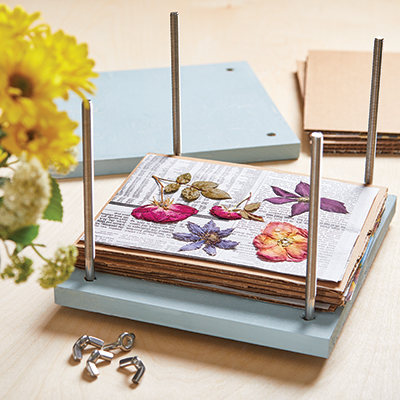
There are three common directions you can take. Wooden frame presses are the classic, affordable choice. They’re easy to customize and repair, and they work well with blotters and parchment papers. Vacuum chamber or vacuum-press setups offer faster, more uniform drying and can reduce warping in fragile petals. Hybrid systems blend wooden frames with lightweight, perforated panels and optional vacuum to speed up the process while keeping hands-on control. Your choice depends on goals, workspace, and willingness to maintain equipment. Crucially, the design should keep the pressing area level, prevent moisture buildup, and allow simple cleaning between batches. If your space is humid or you plan to press larger varieties like peonies, you’ll likely prefer a plan that accommodates more mass and better airflow.
Sourcing materials responsibly for the Flower Press Build
Choose sustainable materials and avoid toxic finishes. Look for responsibly sourced wood, recyclable fasteners, and minimal plastic. Plan for parts that can be replaced or repaired rather than discarded. In addition, consider weight and ergonomics; you want a setup that’s easy to lift and adjust. Maintenance-friendly surfaces reduce mold risk and extend life. Finally, compare warranties and vendor support so you’re not left stranded after a few presses. This is especially important if you’re building a larger rack or a modular system that will see frequent use in seasonal bursts.
Design considerations: Size, Weight, Humidity, and Airflow
Size and weight determine where the press fits in your home or studio. Larger frames yield more output but demand sturdier mounting and more storage space. Lightweight designs are portable but may compromise durability. Humidity control is essential; if you skip it, you invite mold. A well-ventilated pressing environment reduces condensation, which helps keep petals flat and colors vibrant. Airflow is often overlooked but critical. Perforated panels, breathable blotters, and spacing between layers encourage even drying. In addition, think about surface finishes and cleaning: choose non-toxic sealants and avoid paints that release odors into your workspace. A tidy system makes cleanup fast and reduces cross-contamination of smells that could affect later colors.
Flower press build layout: Sizing, ventilation, and accessibility
Practical layout choices build confidence. Position the press so you can slide in stems without knocking over nearby items. Use clear spacers to maintain equal pressure and a simple clamping mechanism to keep everything flat during transit. Ventilation should be consistent but not harsh; you want steady but gentle drying. Accessibility matters for daily use: label the layers, keep blotters within reach, and store dry sheets in a dry, clean place. If you design with accessibility in mind, you’ll press more blooms more often, which accelerates your learning curve and improves outcomes over time.
Purpose and Workflow: How this supports DIY Florals and Seasonal Showcases
The workflow is the backbone of your project. A good press supports creative exploration across seasons—spring ranunculus, summer daisies, and autumn dahlias—without sacrificing quality. Establish a repeatable sequence: harvest, prep, press, dry, and store. Clear steps reduce guesswork and save time on busy weekends. In addition, integrating a simple labeling system helps you track species, date, and intended use, whether it’s a personal keepsake, a wall piece, or a shop-ready print. The goal is a calm, predictable rhythm that makes pressings feel almost effortless, letting you focus on artistry rather than logistics.
Use cases for the Flower Press Build: Herbarium-style pressing, art prints, and scent retention
Herbarium-style pressing emphasizes flatness and long-term color retention. Art prints prioritize even color, texture, and the ability to layer petals for collage work. Scent retention requires careful placement of fragrance-rich blooms and mindful conditioning after pressing. Each use case shapes your design choices: blotter type, blotting layers, and the final mounting method. In practice, you can adapt a single press to multiple outcomes with a modular approach—swapping blotters or adjusting pressure across sections of the rack. This flexibility is one reason why a thoughtful flower press build pays off in both hobby and small-business contexts.
Sustainability and Safety: Non-toxic finishes, Ventilation, and Maintenance
Safety and sustainability aren’t afterthoughts. Use non-toxic finishes and low-VOC sealants to keep air quality high. Ensure good ventilation around the press to prevent mold growth and to protect long-term health. Regular maintenance reduces downtime: wipe down surfaces, check seals, and replace blotters as needed. Crucially, establish a quick-clean routine after each batch to prevent residue buildup that could affect future colors. Document your maintenance tasks in a simple log so you know when a component needs attention and can budget for replacements.
Maintenance schedule and troubleshooting
Set a light-touch maintenance cadence: daily quick wipe, weekly blotter refresh, and monthly inspection of clamps and seals. If humidity climbs, add a drying step or separate damp blooms to minimize cross-contamination. If colors fade unexpectedly, inspect for light exposure, blotter quality, or moisture pockets. Troubleshooting is easier when you keep a small notebook of issues and fixes. In practice, a consistent routine saves you time and preserves the integrity of your blooms.
Documentation and Planning Tools: Templates, Checklists, and Timelines
Documentation turns a good project into a repeatable system. Start with a simple build plan that lists materials, tool list, and step-by-step actions. Create a checklist for each pressing batch so you don’t miss desalination steps, blotter changes, or labeling. A timeline helps you anticipate peak seasons and plan plant material collection. Use photos and measurements to track progress; this makes it easier to upgrade components later and to share your process with readers who want to emulate your results.
Quick-start templates: sample checklist and plan
To accelerate your launch, adopt a ready-made template for your first run. A practical starter includes: frame dimensions, pressure range, blotter type, humidity control method, and a documentation field for bloom type, harvest date, and intended display. You can customize this as you learn what works best in your space. The goal is a repeatable, simple routine that yields reliable results—every time you press.
Thus, the Foundation section is designed to empower you to plan with clarity, anticipate challenges, and begin building a workflow that fits your space and goals. In addition, you now have a clear map for what to consider when choosing materials, setting up airflow, and designing around your intended outcomes. Therefore, you’ll be ready to move into Part 2, where we dive into Materials, Tools, and Setup for Your Flower Press Build.
Executing the Flower Press Build: Assembly, Setup, and Immediate Use
After completing Part 1, you are ready to move from planning to action. The immediate use phase tells you how to assemble reliably, set the press for consistent results, and start drying flowers without delay. A well-executed flower press build translates into better presses, faster workflows, and fewer troubleshooting detours. In this section, we translate theory into practice with precise steps, safety checks, and pro tips that help you press confidently from day one.
The Flower Press Build in Action: Planning the Layout and Choosing Components
Before you tighten a single screw, review the layout. Your flower press build hinges on alignment, material choice, and the pressure system. Start by sketching a simple plan that places the frame, platen, and pressure mechanism in a compact, parallel arrangement. This alignment keeps leaf surfaces flat and reduces the risk of uneven pressing. The goal is to maximize contact area without bending the frame, which often leads to creases or crushed petals. When you select components, prefer materials that hold shape and resist moisture for years. Frames made from hardwood, aluminum, or sturdy ply work best, depending on your budget and skill level. The pressure system should offer easy, repeatable calibration and stable holding power. For a home setup, a simple screw-nut system or a wing-nut clamp can deliver reliable results without complexity. The key in the flower press build is to balance rigidity with accessibility so you can adjust thickness on the fly and experiment with different leaf densities.
Specifically, document the measurements of the maximum leaf thickness you intend to press. This helps prevent overcompressing tissue that could bruise delicate petals. The layout should allow you to slide in dry blotting sheets without crowding. Keep a small clearance margin between the clamp faces to avoid sticking. If you will press multiple layers, plan a staggered stack that distributes pressure evenly. In short, a thoughtful layout reduces hands-on fiddling and speeds up your workflow.
Materials and Tools You Need for a Thorough Flower Press Build
Make a concise materials list and confirm you have every item before you begin. The quality of your materials directly affects press reliability and the longevity of your results. Start with a solid frame, a dependable platen, and a pressure mechanism that you can adjust by small increments. Add leaf-safe blotting sheets and archival paper that resist moisture and bleed-through. For the platen, consider a flat, true surface that will not warp under pressure. When choosing fasteners, select corrosion-resistant screws and nuts that won’t seize in humid environments. For tools, a good square, a drill with appropriate bits, clamps, and a sealing caulk line set the foundation for a clean build. As you assemble, keep a tidy workspace and label parts. This reduces mistakes and makes future maintenance easier.
To ensure your flower press build remains stable during use, add non-slip feet or a base that sits evenly on the workbench. If your budget allows, invest in a small vacuum bag or gasket material to create a controlled press environment. This helps control air and moisture exchange, preserving delicate petals during the first test runs. If you need a quick reference for how to set up a press, this external guide offers a practical walkthrough: how to flower press at The Spruce.
Assembling the Frame: Alignment, Fasteners, and Edge Treatments
Clockwise alignment is critical for even pressure distribution. Start by laying the frame pieces on a flat surface and checking true edges with a square. Align the top and bottom platen faces so they sit parallel. If a face seems off by more than a hair’s width, adjust it before fastening. Use corner bracing to lock the frame square. This helps prevent racking as you tighten the clamp and press multiple sheets at a time. For fasteners, avoid over-tightening. Under-torqued screws can loosen with routine use, while overtightening risks distorting the frame. A light touch and continuous checks are the best practice for the flower press build. Edge treatments, such as sealed veneer edges or coated plywood, protect the frame from moisture and extend life.
If you press thick stacks, consider distributing pressure with a cross-brace system or a spacer tray. These options minimize compressive hotspots that can bruise petals. When you assemble, keep the work surface clean and dry. Contaminants can cause binding and misalignment. In all cases, verify alignment again after tightening the last screw. The result should be a square, sturdy frame that resists flexing under load.
Choosing the Right Fasteners and Gaskets for Longevity
Durable fasteners mean fewer maintenance calls. For the project at hand, stainless steel or brass screws resist corrosion in humid environments. Use washers to distribute load and protect the frame surfaces. Check gaskets and seals for wear, especially if you press very fragile blooms. Replace worn seals before you press again. This step may feel small, but it saves you from leaks and moisture fluctuations that ruin color and texture. Gaskets should compress evenly and recover when tension is released.
Sealing Surfaces to Manage Moisture
Moisture control keeps pressed specimens vibrant. Seal the inner surfaces with a flexible sealant if your frame has any gaps. This helps maintain steady pressure and reduces patching. Avoid sealing the entire exterior where you might want to remove or replace parts. The aim is to keep moisture movement predictable within the press cavity. If you notice sweating or damp blotters after a test run, recheck your seals and replace any compromised gaskets. A dry, controlled environment yields more consistent results.
Installing the Platen and the Pressure System
The platen must be flat, rigid, and free of warps. Start by placing the platen on the frame and verifying that it sits flush against the mounting surfaces. Any deviation can cause uneven leaf contact and ruin an otherwise good press. Tighten the mounting bolts in a crisscross pattern to enforce even seating. When you attach the pressure system, ensure it travels smoothly without binding or sticking. If you tailor the geometry for different leaf thicknesses, you gain flexibility and reduce the risk of damage to delicate specimens. Remember that consistent contact is the foundation of a reliable flower press build.
For a tall stack of leaves, use spacers or a dedicated spacer tray. This keeps each sheet at the same distance from the platen and minimizes shifts during tightening. If your press uses a continuous handle, test the handle action with the full stack but without specimens first. This prevents pinch points and misplaced parts. The objective is to achieve even load distribution across the entire area of the press.
Accommodating Different Leaf Sizes and Thicknesses
Every plant matters. Design your press to cope with a range of leaf sizes. Use adjustable or removable spacers to maintain consistent compression across different blooms. A simple trick is to carry a reference set of common leaf thicknesses and to adjust the pressure in small increments when you switch from a single large leaf to a compact bouquet. When possible, allow room for expansion so you can reconfigure the stack quickly. The better you plan, the faster you can move from test to final pressing in your flower press build.
Preparing Blotting Materials, Papers, and Sleeves
Blotting materials should be chosen for high absorbency, low residue, and low bleed-through. Use acid-free papers or archival paper to reduce color transfer. Place blotting sheets strategically so moisture moves outward from the center. When you position leaf specimens, make sure there are no overlaps that could jam the stack. A well-prepared, layered approach speeds up drying and improves consistency across pressed flowers.
Note that blotting sheets can wear over time. Inspect them before each use and replace as needed. If you detect any staining or blotch marks on the top sheet, replace the stack to avoid contamination. A consistent layering pattern, with blotters on either side, helps maintain even saturation and prevents color bleed.
Initial Setup, Calibration, and a Quick Test Run
With the frame assembled and the blotting layers in place, perform a gentle test run before layering real blooms. Calibrate the pressure to a light but secure setting. This reduces the chance of crushing petals during the first press. A test run also checks alignment, seal tightness, and the ease of closing the clamp. If you discover binding, stop and locate the obstruction. Running through a quick dry run saves you from wasting precious flowers later.
During the test, observe how the stack feels when you tighten and release. You should experience smooth, predictable compression with no sudden shifts. If you hear squeaks or notice uneven contact, pause and diagnose. The goal is to establish a baseline behavior for your flower press build that you can replicate with confidence.
Safety and Operational Best Practices
Rule by rule, treat the press as a workshop tool. Wear eye protection if you’re applying high torque or working with sharp metal hardware. Keep hands clear of moving parts during setup and tightening. Work on a clean, dry surface to minimize slip hazards. Regularly inspect fasteners for loosening and replace worn parts before a press fails. In this way, you extend the life of your flower press build and reduce the chance of accidents.
In addition, manage heat and moisture carefully. A hot, humid environment can warp frames and degrade leaf texture. If your space is damp, use a fan and a dehumidifier to stabilize conditions. For utensils, choose corrosion-resistant tools that stand up to repeated use. With the right safety measures, you can press with confidence and minimize risk while building your project.
Common Mistakes and Quick Fixes During the Flower Press Build
Common mistakes include over-tightening, misalignment, and skipping blotters. Visit each step with care, and you cut the chance of problems. If you notice binding or uneven contact, back off the pressure a notch and recheck alignment. If blotters stick together or snag, replace or separate them and reassemble. Early tests help you spot bad habits before you ruin a batch. A small, iterative workflow makes the flower press build smoother and faster over time.
In practice, a well-planned press build saves you time and preserves blooms. The more you invest in right materials and careful alignment, the less you chase issues later. For new users, expect a short learning curve. Once you have pressed several blooms, you’ll master the rhythm of loading, closing, and pausing for moisture control.
As you wrap up this section, remember that practice builds consistency. Take notes on settings that work best for your local flowers. This habit becomes invaluable as you scale up to larger projects.
For continued guidance, a practical reference is available in many DIY press guides.
Quality Checks, Calibration Routines, and a Repeatable Flower Press Build
Consistency is the quiet backbone of any successful flower press build. Establish a simple calibration routine that you perform before every pressing session. Start by checking the flatness of the platen, then verify that the clamp faces still sit parallel. If you notice any drift after multiple uses, re-square the frame and re-tighten in a crisscross pattern. Maintain a small log that records the baseline pressure setting, the number of sheets pressed, and any observed deviations. This habit makes future sessions smoother and reduces guesswork.
Include a quick check of moisture in the blotting stack. Even slight dampness can skew results. If blotters show signs of dampness or mildew, replace them promptly or air them out before the next press. Finally, train yourself to pause when you detect unusual resistance. Forcing the stack can crush petals and yield inconsistent outcomes. A disciplined calibration routine protects the integrity of your flower press build session after session.
Environmental Controls, Workspace Setup, and Workflow Optimization
Your environment shapes results just as much as hardware does. Choose a dry, ventilated space away from direct sunlight. Temperature and humidity stability protect delicate petals during pressing. Keep tools organized and within reach to minimize movement and time under pressure. A tidy, well-lit workspace reduces errors and speeds up the overall flow of your flower press build. When you work, establish a repeatable sequence: assemble, test, load, press, and inspect. This rhythm becomes second nature with practice.
Consider a dedicated station for the flower press build that includes a small air-tight container for blotting sheets and a labeled tray for spacers and frames. A single, predictable workflow minimizes mistakes and extends the life of your materials. In practice, this setup translates into faster sessions and more consistent results across different plant materials.
Processing and Organizing Pressed Blooms After the First Run
Right after you finish a pressing run, handle blooms with care. Allow them to cool in a dust-free area before moving to a storage system. Label batches with bloom name, date, and the intended use. Patience matters here; rushing can smear colors or cause petals to curl. Use a drying rack designed for herb and flower processing, with breathable supports that do not squeeze delicate specimens. After the blooms are dry, store them in acid-free envelopes or archival sleeves to preserve color and texture for longer. This step completes the immediate-use phase and sets up long-term success for your flower press build.
When you’re ready to revise layouts or experiment with new leaf types, keep notes from each session. Your notes become the backbone of a robust archive that informs future cycles of the flower press build. You’ll appreciate this record when you scale up or introduce more demanding plant varieties into your workflow.
Maintenance, Part Replacement, and Long-Term Care
Parts wear with use, so a proactive maintenance plan saves you time and money. Schedule periodic checks of screws, gaskets, and hinges. Replace worn components before they fail, ideally during a low-stakes practice run. Clean surfaces routinely to remove resin, sap, or dust that can impede even pressing. If a frame shows signs of warping, address it immediately. A warped frame compromises your entire workflow. For the best performance, treat the flower press build as a living system that benefits from attention and small upgrades over time.
Seasonal checks help too. Inspect gaskets for compression wear after several months of use and update spacers to match any changes in your materials. Keep a small spare parts kit on hand so you can respond quickly to issues without breaking your pressing cadence. A disciplined approach to maintenance protects the investment you’ve made in creating reliable, repeatable results.
Maintaining Safety and Openness to Improvement
Safety isn’t a one-off step; it’s a continuous mindset. Reiterate safety protocols at the start of each session. If you introduce new tools, revisit their safety use. Encourage others in your workshop to adopt the same standards. Openness to improvement means inviting suggestions on how to simplify the flower press build, reduce waste, or increase output without sacrificing quality. A culture of safety and continuous improvement makes your project more enjoyable and sustainable in 2026 and beyond.
Finally, celebrate progress. Each batch of pressed blooms demonstrates how far you’ve come from the planning stage. The tactile beauty of your results reinforces the value of careful assembly, thoughtful setup, and disciplined use. In the next part, we deepen the journey with finishing techniques, creative applications, and ways to maximize the impact of your pressed specimens. Part 3: Finishing Techniques and Creative Uses awaits.
Advanced Flower Press Build Techniques and Final Guidance for Consistent Results
In this final module, you will refine your approach to ensure repeatable outcomes across seasons and botanicals. The goal is not just to assemble a press, but to establish a robust workflow that yields consistent flattening, color retention, and clean preservation. By harmonizing hardware, materials, environmental control, and documentation, you transform a craft project into a repeatable technique you can apply to dozens of specimens.
Precision in Tooling and Materials for a Reliable Flower Press Build
Precision starts with the core hardware. Each element should distribute pressure evenly and remain stable through multiple cycles. Start with a rigid base and a pair of non‑stick, non‑reactive pressure plates. Use uniform thickness sheets to avoid tilt. Consider these components:
- Baseboard of hardwood plywood, 1/2 inch to 3/4 inch thick
- Top and bottom pressure plates with smooth surfaces
- Clamps or wing‑nut bolts with washers for even compression
- Steel corner brackets or cross braces for square alignment
- Non‑stick spacers or silicone mats to prevent adhesion
- Acid‑free blotting paper and parchment sheets
- Archival, pH‑neutral tape or corner bracers to keep layers aligned
In addition, material choices matter. Choose papers and blotters that are acid‑free, pH‑neutral, and designed for archival use. Use a moisture‑resistant sealant or edge guards to prolong life. Keep the surfaces clean and dry, and verify thickness with a digital caliper so every pressing cycle starts from a known baseline. Finally, opt for a simple, repeatable clamp pattern rather than improvising every time.
Controlled Drying Environments: Humidity, Temperature, and Airflow
Controlled environments are the heart of consistent results. The aim is a stable, moderate climate rather than a hot, drafty room. Ideally, maintain a temperature between 18 and 22°C (64–72°F) and a relative humidity around 40–50%. In practice, use a small cabinet or dedicated shelf with a digital hygrometer to monitor fluctuations. Ultimately, small shifts in humidity or airflow can shift drying times dramatically, so aim for a slow, even progression rather than quick dryness.
Practical steps you can implement today:
- Place your press on a stable surface away from direct sunlight or heat vents
- Use desiccants in sealed storage when needed to maintain low humidity
- If you notice condensation on the plates, pause, increase airflow evenly, and recheck the materials
- Ventilate the workspace modestly to prevent stale air from causing mold or discoloration
For an authoritative, step‑by‑step reference, see The Spruce guide on how to press flowers: How to Press Flowers.
Layering and Pressing Protocols for Different Flower Types
Layering and timing must accommodate the broad spectrum of botanicals you’ll press. To create a flower press build workflow that consistently flattens petals without crushing them, follow these guidelines:
- Thin petals (iris, daisies, cornflowers): place a single set of petals between blotting papers, apply gentle, even pressure, and press for 2–4 weeks depending on thickness
- Medium blooms (rosebuds, camellias): use a two‑step approach—partially dry the bloom to remove surface moisture, then press between blotters with a spacer to avoid edge curling
- Thick blooms (peonies, hydrangea florets, magnolias): pre‑dry to 60–70% moisture, slice thick centers to reduce bulk, then press in two stages with extra spacer sheets to keep shape
- Mixed arrangements: sandwich smaller flowers between larger sheets of parchment and blotting paper, ensuring even distribution of weight
Ultimately, the goal is even hydration removal and flatness. If you notice curling, pause, flip layers, and re‑evenly redistribute pressure. In addition, keep a dedicated supply of larger blotters to avoid swapping papers mid‑press, which can introduce inconsistencies.
Finishing, Storage, and Longevity: Resin, Wax, or Paper
Finishing gives you options for displaying and preserving your pressed pieces. Most hobbyists start with archival storage and framing, then experiment with surface coatings for display pieces. Consider these approaches:
- Archival storage: separate sheets with acid‑free tissue, then seal in a moisture‑controlled folder
- Framing: use UV‑resistant glass and acid‑free mats to protect color
- Surface coating: light acrylic or polyurethane sprays can seal the surface, but test on a sample first to avoid color shift
- Alternative finishing: a thin resin layer can create a glassy finish on keepsakes, but ensure proper ventilation and curing time
- Digital backup: photograph high‑resolution scans for documentation and sharing
Regardless of finish, avoid heat and direct sunlight during storage. Exposure can fade colors and encourage browning. The aim is to preserve the natural beauty while keeping the piece flexible and archival for years to come.
Troubleshooting Common Issues and Quick Fixes
Even in a well‑designed flower press build, issues arise. Here’s a practical quick‑fix guide to keep you moving:
- Curling or edge lifting: verify even pressure across the plates; replace any worn blotters; re‑press with fresh paper to re‑flatten the edges
- Color bleed or staining: ensure blotting papers are clean and non‑staining; dry flowers with minimal pigment transfer
- Slow drying or damp core: increase contact time gradually and check that the climate remains stable; avoid sealing damp specimens inside the press
- Mold or musty odor: discard affected sheets; dry the space and reduce humidity before re‑pressing
- Flattening loss after removal: re‑press the piece in a new sandwich for a shorter duration to re‑set shape
In practice, develop a failure‑mode log. Track specimen type, drying time, temperature, humidity, and pressure. This log becomes your internal playbook for consistent outcomes.
Maintenance Schedule for Long‑Term Consistency
Consistency is a habit. Establish a durable maintenance routine so the flower press build remains reliable across projects and years. A practical cadence looks like this:
- Weekly: inspect and rotate blotting papers; wipe plates clean; ensure clamps remain aligned
- Monthly: check screws or bolts for wear; confirm even pressure when fully engaged; recalibrate spacers if necessary
- Quarterly: test a standard sample with known thickness and duration to verify that results match your baseline
- Yearly: replace blotting paper, parchment, and any non‑stick mats; inspect the wooden components for warping or swelling
As a result, your process stays tight, and results stay predictable. Documentation is part of maintenance—keep notes on material brands, thickness, and ambient conditions to support future reproducibility.
Final Guidance: How to Iterate for Consistent Results
To conclude, the key to a reliable flower press build is deliberate iteration. Start with a baseline workflow, then adjust in small increments based on observed outcomes. A practical iteration loop looks like this:
- Define target outcomes (flatness, color retention, minimal damage)
- Run a controlled test with a standard set of specimens
- Document thickness, moisture content, pressure, and duration
- Assess results and adjust layering, pre‑drying, or environment accordingly
- Update your SOP (standard operating procedure) and reuse it for the next batch
Ultimately, the goal is to maintain a repeatable workflow. Build a simple log, use the same blotter stock, and maintain stable environmental conditions. The flow of a reliable flower press build becomes a routine you can repeat again and again.
Conclusion: The flower press build is not a one‑off project; it is a repeatable system built from precise tooling, disciplined environmental control, and a documented workflow. By applying the advanced techniques and final guidance outlined here, you can produce consistent, museum‑quality pressed pieces season after season. Ready to start? Gather your materials, set up a stable workspace, and begin your own flower press build today. For ongoing inspiration and community support, share your results with BloomHaven and keep experimenting with different botanicals to maximize consistency and beauty in every batch. The focus keyword flower press build remains your north star throughout this journey, guiding you toward reliable, repeatable success.