Autumn Aster Garden Design: Pollinator Paradise
Autumn Aster Garden Foundations for Seasonal Design
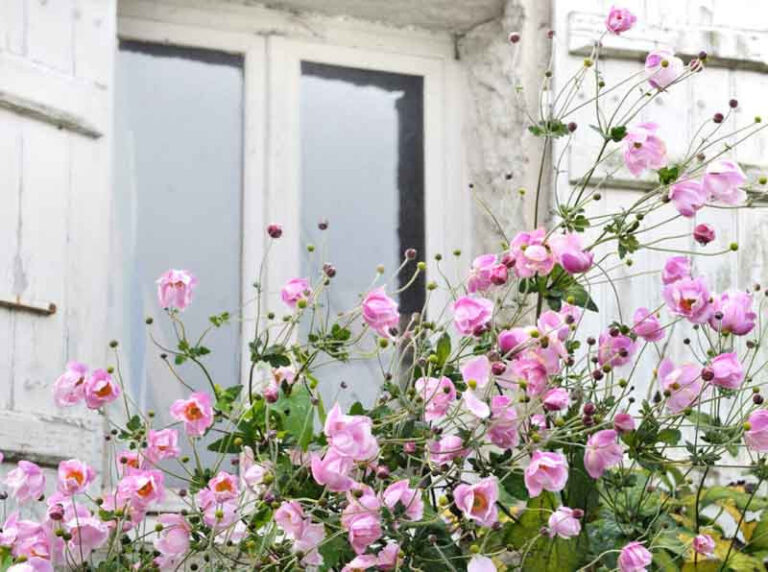
In the autumn, a well-planned autumn aster garden becomes a beacon for pollinators and a centerpiece for seasonal design. This is more than color; it is habitat, structure, and a living timeline that carries your garden from late summer into frost. At BloomHaven, we design with intention: every choice supports bees, butterflies, and hummingbirds while delivering a graceful flow of bloom, foliage, and texture. Therefore, the foundations you build today will inform every planting decision, maintenance task, and seasonal transition. In this Part 1, you will discover how to set design goals, select varieties that please eyes and pollinators, prepare the site, and lay out a plan that can scale with your climate and garden size. The aim is to create a resilient framework that remains beautiful across years, not just one season. As you read, picture the autumn landscape saturated with purples, pinks, yellows, and grasses moving in the breeze. This is the essence of an Autumn Aster Garden designed for pollinator paradise.
Crucially, foundations are about systems, not just flowers. A robust autumn aster garden blends site physics (sun, drainage, soil), biology (pollinator behavior and plant compatibility), and design principles (color, rhythm, and structure). In addition, we emphasize maintenance planning so that beauty persists with manageable effort. Therefore, by the end of this section you will have a blueprint you can implement this season and refine in years to come. The goal is not a single display but a living, evolving space that grows with your garden knowledge and your climate realities.
Autumn Aster Garden Foundations for Seasonal Design
Establishing a seasonal design foundation starts with clear goals. These goals guide every choice from plant selection to spacing and maintenance. You want bloom that overlaps from late summer through first frost, a palette that reads as cohesive, and a structure that remains attractive even when individual plants look spent. Therefore, begin with three design pillars: bloom rhythm, vegetative texture, and habitat value. In practice, this means choosing a core group of autumn asters as the backbone, then pairing them with perennials that provide form and fall color while supporting pollinators. With these pillars in place, you can scale the plan to any garden size and climate.
1.1 Set Pollinator-Focused Goals for the Autumn Aster Garden
Pollinators love consistent nectar and accessible pollen. Therefore, set goals that maximize nectar availability during critical periods and provide shelter along flight paths. In addition, plan for a mix of tall, mid, and ground-cover plants to create vertical and horizontal habitat corridors. Crucially, avoid planting habitats that attract pests or require heavy chemical inputs. Instead, choose bee-friendly modern cultivars of autumn asters that offer nectar-rich florets for weeks. Finally, document your goals in a simple, shareable plan so you can track progress season to season.
Choosing the Right Autumn Aster Garden Varieties for Pollinators
Autumn asters come in a range of sizes and bloom windows. Therefore, selecting varieties with long bloom periods and strong nectar is essential for a pollinator paradise. In addition, consider native options that are well adapted to your climate, as they often support a broader suite of local pollinators. A typical mix includes tall New England asters (Aster novae-angliae) for backdrops, medium-sized Aster frikartii types for mid-season color, and compact cultivars of Aster novi-angliae for borders. Each choice adds texture, height, and a generous nectar supply as days shorten. This diversity also reduces risk if weather or pests shift bloom times. In short, choose a repertoire that offers staggered bloom and reliable performance year after year.
2.1 Native vs. Non-native Pollinator Varieties for the Autumn Aster Garden
Native options often deliver the best pollinator visitation and resilience. Therefore, prioritize natives that thrive in your USDA zone. Non-native or cultivated varieties can add color and improved disease resistance, but they may not attract the same pollinator diversity. In addition, note that some cultivars may have similar nectar profiles but different growth habits. Crucially, balance novelty with reliability by including both native and well-adapted cultivars. Your goal should be a dynamic, pollinator-supportive palette, not a monoculture.
Autumn Aster Garden Site, Soil, and Light Considerations
Site and soil determine whether your autumn asters reach their full nectar-producing potential. Therefore, start with a soil test to gauge pH, organic matter, and drainage. If your soil is heavy clay or sandy, amend with compost and aged mulch to improve moisture retention and aeration. In addition, choose a planting site that receives at least 6–8 hours of sun per day; asters appreciate bright light for best bloom and stronger stems. Crucially, ensure good drainage to prevent root rot during wet spells. For shady or heavy soils, you can still achieve respectable performance by selecting dwarf or compact varieties and using raised beds or improved organic matter. For more soil-health insights, see University of Minnesota Extension: Asters.
3.1 Soil Preparation and Amendments for the Autumn Aster Garden
Healthy soil sets every other decision. Therefore, incorporate a generous helping of compost to improve structure and feeding. In addition, use a balanced slow-release fertilizer if your soil test indicates a need, but avoid high nitrogen levels that promote leaf growth at the expense of bloom. Crucially, mulch with a breathable layer of shredded bark or leaf mold to conserve moisture and suppress weeds. Finally, test weekly during establishment and adjust watering as needed to support young transplants without creating soggy roots.
Autumn Aster Garden Planting Timing, Spacing, and Layout
Timing matters for peak nectar windows. Therefore, plan to plant autumn asters in early spring or late summer as per your zone’s frost dates. In general, space tall varieties 24–36 inches apart to allow air movement and reduce disease, while smaller cultivars can be set 12–18 inches apart for dense massing. In addition, arrange plants in drifts rather than single specimens to attract more pollinators and create a seamless garden rhythm. Crucially, orient the tallest plants toward the back of beds or toward the prevailing light direction to maintain visibility for visitors through the season. For inspiration on practical layouts, check planting guides from reputable sources and adapt to your space.
4.1 Scheduling for Peak Bloom in the Autumn Aster Garden
To maximize pollinator visits, stagger bloom times within your asters and companions. Therefore, choose a mix of late-summer, mid-fall, and late-fall bloomers. In addition, consider microclimates in your garden that extend the season; a sun-warmed wall can promote earlier flushes. Crucially, be prepared for weather fluctuations by planning succession plantings and quick replacements if a variety underperforms. In practice, a well-timed schedule reduces gaps in nectar availability and keeps pollinators visiting your garden for longer.
Autumn Aster Garden Pollinator-Friendly Features and Maintenance
Design for ongoing habitat is essential. Therefore, provide a shallow water source, a few sheltered spots, and scattered flat-topped stems for pollinators to perch. In addition, mulch to retain soil moisture and suppress weeds. Crucially, deadhead spent flowers to encourage continued rebloom and prevent self-sowing in undesired areas. Finally, rotate the planting beds annually to reduce pest pressure and maintain soil health. This combination supports a thriving pollinator corridor through autumn and beyond.
5.1 Waterwise Habits for the Autumn Aster Garden
Water efficiency matters. Therefore, install a drip irrigation line or soaker hoses to apply water to the roots where it is needed most. In addition, water deeply but infrequently to encourage deep roots. Crucially, mulch after planting to minimize evaporation and regulate soil temperature. Overly wet conditions can invite fungal problems, so adjust irrigation during rainy periods.
5.2 Mulching, Deadheading, and Soil Health for the Autumn Aster Garden
Mulch is your garden’s partner. Therefore, apply a 2–3 inch layer of organic mulch after planting to conserve moisture and stabilize soil temperatures. In addition, deadhead spent blooms to boost rebloom and reduce seed spread, unless you want extra seed-head interest for wildlife. Crucially, replenish soil with compost or organic matter each year to sustain long-term fertility and microbial life. This routine keeps your autumn asters vigorous and pest-resistant.
Autumn Aster Garden Color Theory, Texture, and Seasonal Transitions
Color and texture create the emotional arc of the autumn garden. Therefore, plan a palette that reads well from late summer through autumn. In addition, balance cool purples and blues with warm yellows, copper, and rust tones to reflect the changing light. Crucially, weave grasses, sedges, and ornamental foliage among the asters to provide movement and structure as blooms fade. For example, pair tall New England asters with ornamental grasses for a soft skyline and with compact daisies for brighter focal points.
6.1 Palette Strategies for the Autumn Aster Garden
Use a triad approach: dominant, supporting, and accent colors. Therefore, choose one dominant hue from the purple family, one warm accent such as gold, and a neutral or contrasting secondary color. In addition, repeat the palette across beds to unify the garden. Crucially, add a few white or pale pink stars to light up shady corners and extend the sense of airiness around the asters.
6.2 Complementary Perennials and Foliage for the Autumn Aster Garden
Texture matters as much as color. Therefore, mix feather-like grasses, sturdy coneflowers, and evergreen perennials to anchor the autumn aster garden. In addition, consider foliage with seasonal interest, such as variegated grasses or copper-toned berberis. Crucially, avoid overcrowding; give each plant room to breathe, so pollinators can access nectar with ease. A thoughtful combination of texture and color yields a garden that remains photogenic and ecologically functional well into late fall.
Autumn Aster Garden Sustainability and Low-Impact Practices
Rotations, mulch, and a focus on local ecology define sustainable gardening. Therefore, opt for native companions that thrive in your climate and require minimal input. In addition, minimize chemical interventions and rely on integrated pest management where needed. Crucially, compost kitchen and garden waste to nourish soil life and close the nutrient loop. Finally, select drought-tolerant partners to reduce irrigation needs, especially in late-season heat waves.
7.1 Native Plant Partnerships for the Autumn Aster Garden
Native plant partnerships amplify pollinator visits. Therefore, pair autumn asters with native grasses and wildflowers that bloom at similar times. In addition, identify plants that provide nectar late in the season to extend the feeding window. Crucially, create small habitats—brush piles, shallow leaf cover, and sheltered corners—to support overwintering insects. This approach fosters resilience and ecosystem complexity in your autumn garden.
7.2 Soil Health and Composting in the Autumn Aster Garden
Healthy soil is the foundation of sustainability. Therefore, maintain soil biology with regular organic matter additions and minimal disturbance. In addition, compost kitchen scraps to boost microbial life. Crucially, use mulch to protect the soil surface, regulate moisture, and suppress weeds. A few simple practices make the autumn asters resilient parts of a larger ecological story.
Autumn Aster Garden Care Through Frost and Afterglow: Extending Interest
Frost is not the end; it is a signal for transition and continued interest. Therefore, plan for frost tolerance in varieties and for post-bloom interest such as seed heads, dried textures, or cut stems for indoor displays. In addition, consider protecting tender roots with mulch during the first frosts. Crucially, harvest seed heads for future plantings or wildlife feed. Finally, prepare the bed for winter by cleaning debris, maintaining drainage, and reserving a few perennials to keep structure visible through the cold months.
8.1 Frost Tolerance and Cuttings for the Autumn Aster Garden
Frost tolerance emerges as days shorten. Therefore, select varieties known for hardy performance after frost and consider taking softwood cuttings to propagate new plants next season. In addition, protect tender shoots with mulch during the first frosts. Crucially, monitor weather forecasts and adjust care to prevent frost damage to new growth.
8.2 Overwintering Ideas and Next Season Prep for the Autumn Aster Garden
Overwintering is a planning tool. Therefore, leave seed heads for wildlife and to seed new growth in spring. In addition, clean beds in late winter to reduce disease pressure and to encourage early spring growth. Crucially, prepare a winter plan that includes composting, soil testing, and a schedule for early spring planting. With care, your autumn aster garden continues to inspire beyond the first frost and into the next season.
In Part 2, Designing Pollinator-Driven Planting Plans for Autumn Aster Gardens, we translate these foundations into concrete layouts and planting schemes that readers can implement in their own spaces.
Autumn Aster Garden Design Execution: Step by Step Planting and Care
With the concept of an autumn aster garden established in Part 1, this section turns vision into action. You will follow a clear, actionable sequence that emphasizes robust establishment, precise planting, and careful ongoing care. The objective is to build a resilient bed that delivers color, sustains pollinators, and remains manageable through the transitional weeks from late summer to late fall. Each detail is chosen to maximize bloom potential while minimizing maintenance load, so your garden can shine with minimal fuss while offering consistent nectar and pollen for visiting insects.
In 2026, pollinator-focused design remains a top trend, and the autumn aster garden is a natural centerpiece for that approach. The steps below reflect current best practices for soil health, plant compatibility, irrigation efficiency, and pest resilience. By adhering to these execution guidelines, you lay the groundwork for a vibrant, long-lasting display that supports bees, butterflies, and beneficial insects alike.
Site and Soil Preparation for the Autumn Aster Garden
Preparation begins before a single plug goes into the ground. The success of an autumn aster garden hinges on site conditions that promote strong root development and steady moisture. Start by assessing sun exposure; asters thrive where they receive full sun for at least six hours a day, though some varieties tolerate partial shade. In this climate, aim for well-draining soil to prevent root rot and to encourage healthy root expansion as plants establish their crowns. If your soil holds water or compacts easily, consider raised beds or a wider bed with generous organic matter to improve drainage and structure.
Soil health is the driver of a thriving autumn aster garden. Work in a generous layer of compost to boost microbial activity and to supply slow-release nutrients. A balanced amendment, such as aged compost combined with a light application of well-rotted manure, helps enrich the soil without pushing excessive nitrogen that could promote leggy growth at the expense of flowering maturity. If your soil test shows a pH outside the ideal range for asters (generally slightly acidic to neutral), correct it with lime or sulfur as recommended. The goal is a loamy, crumbly texture that holds moisture without becoming waterlogged.
Mulching immediately after planting is a simple but effective practice. A mulch layer of 2 to 3 inches around the base of each plant helps regulate soil temperature, reduces evaporation, and suppresses weeds. In an autumn aster garden, mulch also buffers the crown against sudden temperature swings, protecting newly planted roots as nights turn chillier. If you plan to install irrigation, consider a soaker hose layout beneath the mulch to deliver consistent moisture without wetting foliage, which can reduce disease risk. These steps create a stable foundation for the steps that follow and keep your autumn aster garden on a steady growth trajectory through the season.
Choosing Aster Varieties and Thoughtful Companions for the Autumn Aster Garden
Selection sets the tone for bloom rhythm, pollinator visits, and the overall aesthetic of your autumn aster garden. Start by choosing varieties that perform well in your region and bloom at overlapping times, creating a continuous thread of color from late summer into autumn. Look for compact forms for smaller spaces and taller varieties for backdrop plantings. When the right combination of colors and heights is chosen, you create context for pollinator activity and visual interest that holds steady as the season cools.
To maximize pollinator support, pair autumn asters with plants that offer overlapping nectar windows and complementary bloom seasons. Native grasses add texture and structure, while coneflowers, rudbeckias, and Goldenrods extend the bloom period and attract a variety of pollinators. In addition, yarrow, salvia, and gentians can work well as mid-season companions, providing heat tolerance and garden-wide contrasts in color and form. Plant selection should emphasize diversity in flower shapes, head densities, and nectar availability, which together encourage different pollinators to linger longer in the garden and make more frequent visits as temperatures fluctuate.
For a solid reference on autumn aster varieties and care guidance, consider consulting trusted horticultural sources such as seasoned extension publications or garden guides. As you finalize the plant list, keep in mind that spacing is crucial: avoid crowding to ensure air movement and reduce disease pressure while giving each plant ample room to reach its full flowering potential. A well-planned arrangement supports the aesthetic goals of the autumn aster garden and helps pollinators navigate the landscape with ease.
Choosing Autumn Aster Varieties for a Pollinator-Promoting Garden
Prioritize varieties with sturdy stems, good disease resistance, and extended bloom periods. Look for cultivars labeled for disease resistance and suitability to your climate zone. Shorter varieties provide ground cover and mid-season interest, while taller forms serve as vertical accents in the design. Color choice should complement the overall palette, with purples, pinks, and whites playing well against bold ornamental grasses and the late-season greens of shrubs and perennials. In environments with strong sun and heat, select drought-tolerant selections that maintain vigor with steady moisture. Remember that larger, more open flower heads tend to attract a broader array of pollinators, including butterflies, native bees, and hoverflies, each contributing to a robust garden ecosystem during the autumn period.
Companion Plants that Extend Bloom and Attract Pollinators
Companions should align with the autumn aster garden’s needs: steady moisture, good drainage, and resilience to cooler nights. Native grasses create vertical texture and movement as winds pick up, while sedums and salvias provide late-season nectar and warm color accents. Consider pairing with echinacea for extended color presence after asters begin to fade, and with goldenrods to sustain nectar supply into late fall. For pollinator activity, avoid plants with heavy fragrances that may deter certain insects or overcrowd the space. Instead, aim for a balanced mix of nectar-rich options that support a broad range of pollinators and help maintain ecosystem health as the season transitions.
Planting the Autumn Aster Garden: Step by Step
Planting should be precise and thoughtful. Begin by laying out the bed with a simple grid or chalk line to maintain even spacing. Asters require good spacing to minimize leaf overlap, reduce disease pressure, and ensure adequate light for each plant. Place the tallest varieties toward the back or center of the bed, with mid-height forms in the middle, and trailing or shorter plants at the edges to soften borders. For a cohesive look, keep a consistent spacing strategy across all varieties and adjust based on mature width information provided by your seed packets or plant labels. A light hand with soil on the roots helps reduce transplant shock, while a gentle watering immediately after planting settles the root ball into place.
Timing matters. In most regions, late spring to early summer is ideal for establishing perennials, including autumn asters. However, if you’re working with bare-root or container-grown stock in late summer, ensure the plants have cooled roots and become well established before a hard frost. This approach gives the autumn aster garden a strong head start and reduces the risk of transplant shock. If you cannot complete planting in one day, stagger sessions to avoid overwhelming the site and to maintain consistent soil moisture and temperature for young roots as they acclimate to their new environment.
Plant depth is crucial. Dig a hole slightly larger than the root ball, loosen the soil around the planting area, and gently spread the roots outward. The crown should sit at or just above soil level, with mulch placed around the base to reduce moisture loss. After planting, water deeply to settle the soil, but avoid waterlogging. Consistent moisture during the first growing season is essential for robust root development and reliable flowering. Throughout this process, observe the plants for signs of stress, such as wilting, yellowing leaves, or stunted growth, and adjust care routines accordingly to support a healthy transition into the autumn period.
Watering, Mulching, and Early Care for Long-Term Success
Water management is a cornerstone of an autumn aster garden’s success. Establish a consistent watering routine that delivers deep irrigation rather than frequent shallow sessions. Deep watering encourages deep root growth, which in turn improves drought tolerance and resilience to hot spells that occasionally return in late summer. In cooler months, reduce frequency but ensure the soil remains evenly moist. A drip irrigation system or soaker hoses beneath mulch can deliver efficient moisture without wetting foliage, which lowers disease risk and keeps maintenance simple. Monitor rainfall and adjust your schedule to account for seasonal shifts, ensuring the plants never endure long drought periods during establishment.
Mulching remains one of the easiest ways to protect the autumn aster garden. A 2 to 3 inch layer of organic mulch stabilizes soil temperature, reduces evaporation, and suppresses weed growth. In the fall, mulch also protects crowns from early frost and helps maintain soil structure for overwintering. Replenish mulch as needed, but avoid piling it against the stems, which can cause crown rot. If you notice any smothering of crown tissue or moisture retention around the base, thin the mulch in those spots to improve airflow while preserving soil temperature around the root zone.
Care routines extend beyond immediate planting. Deadheading spent blossoms encourages continued bloom and keeps the bed looking tidy. Specifically, remove withered flowers to avoid seed formation that could divert energy away from new growth. Regularly monitor for signs of pests or disease, especially aphids, powdery mildew, and fungal spots. Early detection makes management simpler and more effective. In most cases, a strong cultural approach—adequate spacing, proper irrigation, and good air circulation—prevents many common issues and reduces the need for chemical controls.
Fertilization and Soil Nutrition for Sustained Color
Feeding routines should be modest and targeted. A light, balanced fertilizer applied in early spring and again mid-season can support steady growth and flowering without encouraging excessive leafy growth that can shade blooms. Prefer organic options where possible to minimize environmental impact and to support soil biology. For the autumn aster garden, a gentle feed helps maintain vigor through the late-season bloom period while supporting pollinators with steady nectar sources. If you prefer to avoid synthetic products, rely on compost applications and seaweed-based fertilizers that release nutrients gradually and promote soil health.
Understand the difference between a quick boost and sustained nutrition. Short-term fertilizer flushes can promote rapid growth that is susceptible to disease or heat stress. Instead, aim for small, measured applications that align with expected rainfall and irrigation. This approach also helps preserve soil biology that supports beneficial microbes, which improve nutrient uptake and overall plant resilience. When selecting products, choose formulations appropriate for perennials and avoid high-nitrogen mixes that push vegetative growth at the expense of flowering. Your autumn aster garden will thank you with better color, stronger stems, and longer-lasting nectar potential for pollinators.
Pest and Disease Management for Pollinator Plants
Even in well-prepared beds, pests and diseases can challenge an autumn aster garden. The key is to act early and keep cultural practices at the forefront. Prevention starts with proper spacing, air movement, and sanitation: clean debris from around the plants, rotate beds when possible, and remove diseased foliage promptly to prevent spread. Keep an eye on common issues such as powdery mildew, leaf spots, and aphid surges, especially during warm, humid periods. A weekly visual check is often enough to catch problems before they escalate. For many gardeners, a proactive approach reduces the need for routine chemical interventions, maintaining a pollinator-friendly environment that remains safe for beneficial insects.
Integrated Pest Management (IPM) is a practical framework for this section. Begin with non-chemical methods such as water sprays to dislodge pests, the use of beneficial insects like lady beetles, and physical removal of large infestations. Should you need a targeted intervention, select products labeled safe for pollinators and apply during cooler parts of the day when pollinator activity is lower. Always follow label directions and apply only as needed. This measured approach supports a healthy autumn aster garden while protecting the very creatures that help blooms thrive.
Overwintering and Long-Term Care for the Autumn Aster Garden
Winter readiness is essential for a perennial like the autumn aster. After the first hard frost, lightly prune to remove dead stems and preserve the structural framework that supports new growth next season. In areas with cold winters, apply a protective mulch layer to insulate the crowns and reduce soil temperature fluctuations, which helps protect delicate root systems. If you include herbaceous companions, they may die back naturally; in that case, leave the seed heads as winter interest for birds while ensuring the bed remains accessible for early spring cleanup.
Spring emergence marks a critical transition. Inspect the bed as temperatures rise and be prepared to divide clumps that have outgrown their space. Dividing every three to five years helps maintain vigor and flowering potential. Each division should include a portion of healthy roots and crown tissue to ensure successful establishment. This maintenance practice supports a consistently strong autumn aster garden year after year and helps preserve the pollinator-friendly ethos you cultivated during the planting season.
Design Details That Maximize Pollinator Visits
Design choices influence pollinator behavior as much as plant biology does. Use color, height, and texture to create a garden that gives pollinators a clear, navigable scene. Place contrasting colors in pairs or groups to help insects locate nectar sources quickly, while maintaining a cohesive palette across the bed. Scent can add another layer of attraction, but keep it in balance with visual appeal to avoid overpowering the experience. By orchestrating bloom times and providing a continuous nectar flow, you invite a wider range of pollinators to explore the autumn aster garden throughout its peak season and into late fall.
Texture matters as much as color. Combine the soft, airy flowers of asters with the architectural lines of grasses and the bold shapes of rudbeckias. The result is a dynamic display that changes with the breeze and the light, offering year-round interest while supporting a robust pollinator community. Regular attention to the bed edges, weed control, and deadheading ensures the display remains clean and inviting for both humans and insects alike.
For reference on autumn aster varieties and care, you can explore trusted resources on autumn asters that discuss cultivation strategies, regional recommendations, and long-term maintenance tips. This external guide complements the practical steps outlined here and can help you tailor the plan to your local climate and soil conditions.
As you implement these steps, remember that the objective is to create a resilient, pollinator-friendly autumn aster garden that remains visually compelling and ecologically beneficial well into the cooler months. The execution guidelines above provide a clear pathway from site preparation through harvest, with attention to plant health, reproduction, and ongoing care.
In Part 3, Seasonal Care and Long-Term Maintenance for the Autumn Aster Garden, we will cover pruning, winter protection, division strategies, and design tweaks to sustain the pollinator paradise across seasons.
Autumn Aster Garden Mastery: Advanced Techniques and Long-Term Guidance
As the growing season fades into autumn hues, the autumn aster garden reveals its true potential. This final section translates design theory into field-tested practices, guiding you to maintain vigor, extend bloom, and attract a steady parade of pollinators. From microclimate tweaks to genetic stability in propagation, the methods here are practical, data-driven, and climate-smart for 2026 and beyond.
We will cover advanced propagation, soil and water strategies, integrated pest resilience, and a forward-looking maintenance calendar. Each module presents actionable steps you can implement this year and sustain for the next decade of your autumn aster garden. Let’s begin with microclimates and soil health that underwrite all other techniques.
Autumn Aster Garden: Microclimates, Soil Structure, and Water Management
Successful autumn aster garden design hinges on understanding microclimates. Even within a small yard, sun exposure, wind, and soil drainage create distinct growing pockets. You can optimize these differences to extend bloom, protect late-season growth, and reduce stress during dry spells or heavy rain.
First, map your site. Note sun progression, higher wind channels, and pockets of poor drainage. In the ideal autumn aster garden, you place the sturdiest cultivars where late sun lingers and moisture is most manageable. This simple planning step yields more consistent flowering and fewer disease opportunities.
Next, tailor your soil to the plant’s needs. Asters love well-drained soils rich in organic matter. In practice, work in compost or well-rotted mulch to improve structure and microbial life. If your soil tends to stay wet, incorporate coarse sand or perlite to loosen the mix. In contrast, for heavy clay soils, raised beds or mounded mounds improve drainage and reduce root rot risk. Ultimately, soil structure underpins root vigor, which drives bigger blooms and longer-lasting color in the autumn aster garden.
Water management comes next. Deep, infrequent watering trains roots to grow deeper, increasing drought resilience. Water in the early morning to minimize evaporation and disease pressure. Use drip irrigation or soaker hoses to deliver moisture directly to the root zone, preserving foliage and reducing fungal issues. Mulching with wood chips or shredded bark further moderates soil temperature and moisture, especially in autumn when nights grow cooler and plant demand shifts from rapid vegetative growth to flower production.
To support pollinator visits, create microhabitats that stay hospitable as temperatures cool. A light layer of mulch around base of plants helps conserve soil moisture and protect roots during sudden cold snaps. But avoid piling mulch against stems, which can invite crown rot. In this autumn aster garden, microclimate optimization translates into steadier bloom and fewer stress episodes for thriving pollinator diversity.
Autumn Aster Garden: Propagation for Consistent Bloom and Genetic Stability
Propagation is where advanced technique makes a tangible difference in an autumn aster garden. You want plants that reliably repeat the same color, form, and vigor from year to year. That means understanding when to divide perennials, how to take cuttings, and whether seed or clone propagation best suits your goals.
Division is the simplest, most reliable method for rejuvenating mature asters. In practice, split crowns every 3–4 years in early spring or late summer, ensuring each division has healthy buds and a robust root system. This approach maintains vigor and preserves the garden’s signature look. It also minimizes disease carryover by limiting overcrowded roots and poor air circulation.
Cuttings are an advanced yet accessible option for cloning robust cultivars. Take semi-hardwood cuttings from new growth during late summer, then root in a well-draining mix with perlite or sand. Maintain high humidity and bright, indirect light until roots form. If you want to preserve a rare color or form, cuttings are your best bet to lock in that genetic trait across the autumn aster garden.
Seed propagation offers diversity and resilience but can dilute specific cultivar traits. If your aim is a stable, uniform display, prioritize vegetative methods and use seeds primarily for new introductions or for naturalizing mixed borders that still support pollinators. For most home gardeners, a blend works well: clone proven performers for reliability, then experiment with seed-propagated stock in dedicated sections to expand diversity in your autumn aster garden.
Practical tip: keep a propagation log. Record cultivar names, propagation method, rooting success, dates, and outcomes. Over time, this archive becomes a powerful decision tool for future seasons and helps you maintain a consistent bloom calendar in your autumn aster garden.
Autumn Aster Garden: Integrated Pest and Stress Resilience
Even the most beautiful autumn aster garden faces health threats. The key is resilience: minimize disease pressure, deter pests, and reduce stress through proactive care. An integrated approach combines cultural practices, monitoring, and selective interventions that protect plant function without compromising pollinator value.
First, establish good sanitation. Remove diseased leaves and spent blooms promptly. Clean, sterilized tools prevent spread of pathogens during pruning and division, keeping your autumn aster garden healthier year after year. This reduces overall disease load while preserving vigor for the next growing season.
Next, diversify plantings to create a resilient ecosystem. A mixture of cultivars with different bloom times and growth habits reduces the risk of a single threat wiping out large portions of the display. In particular, pairing strong-stemmed varieties with more compact forms improves airflow and sunlight penetration, lowering fungal risk and encouraging a robust autumn aster garden.
Monitoring is essential. Check leaves for powdery mildew, rust, or pests like aphids and thrips. Early detection allows targeted, low-toxicity interventions that protect pollinators and maintain plant health. When problems arise, choose remedies that minimize disruption to beneficial insects and waterways. For most issues, cultural adjustments—improved air movement, reduced leaf wetness, and proper spacing—attack the root cause and are often more effective than routine sprays.
In cases where intervention is necessary, prefer least-toxic options and apply them precisely where needed. This preserves the ecological balance of your autumn aster garden while keeping plants productive and attractive to pollinators.
Stress reduction is another pillar. Calibrate fertilizer to support bloom rather than excessive leafy growth. Avoid overwatering, which promotes root rot and fungal diseases. Provide consistent feeding with a balanced slow-release formula in spring and a light top-dress in late summer. Reduced stress equals stronger resilience, translating into more reliable autumn flowering and healthier pollinator habitat inside your autumn aster garden.
Finally, consider beneficial companion species. Planting hardy ornamental grasses or late-season perennials nearby can improve microclimate stability, reduce wind damage, and attract diverse pollinators. Across seasons, this fosters a thriving, resilient autumn aster garden that outsmarts pests and weather extremes alike.
Autumn Aster Garden: Pollinator-Focused Design and Seasonal Color Rhythm
Maximizing pollinator visits requires thoughtful sequence, accessibility, and nectar diversity. An autumn aster garden thrives when you align bloom times, nectar rewards, and safe access for small visitors. Use design principles that invite pollinators to linger during peak nectar periods and to move efficiently through the space.
First, map bloom windows across cultivars. Choose a mix that starts blooming in late summer, continues through fall, and overlaps with other late-season nectar sources. This creates a continuous buffet for bees, butterflies, and other pollinators, ensuring a healthy pollinator corridor across your autumn aster garden.
Next, diversify flower forms and colors within the autumn aster garden. A mix of daisy-like, button, and semi-double forms provides varied landing pads, encouraging different pollinator species to visit. Color variety also helps attract different pollinators that use color cues to locate nectar and pollen sources during the shortening days of autumn.
Placement matters. Position tall cultivars toward the back of beds for easy access to pollinators at flowering height. Place low, spreading types at the front to create a welcoming ground layer. In practice, this arrangement improves visitor experience while protecting pollinator pathways from disturbance during routine garden tasks.
Timing nectar resources with heat and rain patterns is crucial. In warm, dry spells, provide shallow water sources such as dish plants or tiny ponds. Pollinators need hydration, especially in late-season heat. Therefore, incorporate water features that are safe for insects and easy for you to maintain. Use mulch to conserve soil moisture and maintain even nectar quality across days and weeks in your autumn aster garden.
To support pollinator movement, include a handful of native or well-adapted flowering neighbors. These companions extend bloom duration and offer staggered nectar when asters begin to fade. For inspiration and best-practice guidelines, explore strategies from university extension resources on pollinator-friendly planting. Pollinator-friendly plants provide practical examples you can apply to your autumn aster garden today.
Autumn Aster Garden: Long-Term Maintenance Calendar and Future-Proofing
Long-term success rests on a maintenance rhythm that adapts to climate shifts and evolving garden goals. A formal calendar helps you stay consistent, track what works, and improve the autumn aster garden year after year. This is how you build an enduring, pollinator-friendly landscape that remains vibrant across decades.
Begin with an annual plan. In late winter, review your goals, label positions for each cultivar, and plan divisions for spring. In early spring, execute soil amendments and start any new plugs or cuttings. During late spring, prune, stake, and tidy bed edges to maintain structure. In early summer, feed and monitor for pests; by late summer, refresh mulch and recheck irrigation efficiency. Each step feeds the next and keeps your autumn aster garden orderly and productive.
Keep a garden journal or digital log. Record bloom dates, pest pressure, weather anomalies, and propagation results. This archive becomes your decision engine for elevation strategies over time. Consistency in note-taking translates into more efficient installations and better long-term outcomes for your autumn aster garden.
Plan for climate resilience. In 2026 and beyond, expect more variability in weather patterns. Build redundancy into your plant palette by including varieties proven to tolerate drought, heat, and late-season cold snaps. This defensive strategy ensures a robust autumn aster garden that continues to bloom despite seasonal fluctuations.
Redesign as needed. Gardens evolve, and your autumn aster garden should evolve with them. Periodically assess spacing, plant health, and aesthetic goals. Rotate beds if disease pressure rises in a zone, or switch cultivars to maintain interest and pollinator appeal. A dynamic plan helps you keep the garden fresh and resilient for many autumns to come.
Finally, commit to ongoing education. Read horticultural case studies, follow key extension resources, and engage with local gardening communities. The best practitioners continuously refine their craft and share the lessons with others. In this spirit, your autumn aster garden becomes not only a personal sanctuary but also a living example of pollinator-friendly design in action.
Conclusion: In summary, advanced techniques for the autumn aster garden focus on microclimate optimization, precise propagation for genetic consistency, resilience against pests and diseases, pollinator-centric design, and a forward-looking maintenance framework. By integrating soil health, water management, and annual planning, you create a robust, enduring landscape that celebrates the beauty and ecological value of the autumn aster garden. If you want to see real-world outcomes, start applying these strategies in your bloom beds this season and monitor performance over the next growing year. Autumn Aster Garden mastery is not a single tactic, but a cohesive system that yields dazzling color, thriving pollinator habitat, and long-term garden success. Ready to elevate your autumn aster garden? Begin with microclimate assessment today, then progress through propagation, pest resilience, and a future-proof maintenance plan. For ongoing inspiration and practical tips, subscribe to BloomHaven for updates on the latest autumnal flora trends and pollinator-friendly practices. To conclude, let your autumn aster garden become a beacon of beauty and biodiversity in your landscape, and let each season be a testament to deliberate cultivation and substantial seasonal joy.