Snapdragon Seed Growing: Start to Bloom Guide
Across BloomHaven’s 2026 garden conversations, we celebrate the visual joy of early-season color and pollinator-friendly plantings. Therefore, this guide centers on practical, repeatable steps you can apply year after year. In addition, you’ll learn how to pair snapdragons with wildflowers for texture and movement, a trend we see thriving in Pinterest-inspired gardens. Crucially, your success hinges on solid foundations—clean seeds, the right seed-starting environment, and a plan for later care. Therefore, this article walks you through seed selection, timing, and the core setup that keeps seedlings strong. By the end, you’ll feel confident moving from seed to first blooms. Let’s begin with seed selection and viability, the cornerstone of Snapdragon seed growing.
Step-by-Step Snapdragon Seed Growing Process: Planting, Care, and Harvesting for BloomHaven
Step-by-step guide to Snapdragon seed growing begins with careful preparation, as seeds respond to the conditions you provide. Snapdragon seed growing thrives when seeds are treated with respect for their small germination needs. You will learn how to optimize soil, light, temperature, and humidity to coax robust seedlings from the moment they crack their tiny coats. In BloomHaven’s 2026 planting calendar, growers often start snapdragon seed growing indoors six to eight weeks before the last frost. This ensures sturdy transplants that bloom beautifully when days lengthen. With the right setup, you can transition from seed to dazzling blooms in one season or begin a reliable, repeatable cycle for next year.
Preparing for Snapdragon Seed Growing: Tools, Materials, and Soils
First, gather the essentials for Snapdragon seed growing: a clean tray or shallow pots, a light-d friendly seed starting mix, a gentle watering method, a clear humidity cover if you have one, and a reliable source of light. The subtle secret of Snapdragon seed growing is ensuring the medium drains well while retaining some moisture for tender roots. Use a mix that is light and fluffy, with good aeration to prevent damping-off disease. The soil pH should hover around 6.0 to 7.0 for most cultivars, which supports steady nutrient uptake. For long-term success, sterilize reusable pots and sanitize tools before you begin. BloomHaven readers often pair this setup with a heat mat or a warm place to maintain even temperatures during germination. This is a core step in Snapdragon seed growing that sets the tone for all later stages.
Choosing the Right Container for Snapdragon Seed Growing
Container choice matters in Snapdragon seed growing. A shallow tray or 2 to 3 inch deep seedling pots offer ample surface area for tiny roots to explore while maintaining accessible watering. Choose containers with drainage holes and use a light cap of potting mix so seeds sit just beneath the surface. Transplanting later is easier when roots stay compact and do not circle the pot. If you plan to stagger sowings for a continuous display, consider using identical containers to ensure uniform germination and growth. As you place each seed, remember that the goal is even moisture distribution, not pooling water, which can rot fragile roots during Snapdragon seed growing.
Soil Mix and pH for Snapdragon Seed Growing
For Snapdragon seed growing, a sterile seed starting mix with high drainage is ideal, but you can also craft a light blend by combining peat or coco coir with perlite. The goal is a loose texture that holds enough moisture without becoming soggy. Watering should be careful and even; a gentle mist or bottom-watering approach helps prevent the seeds from washing away. Maintain a soil pH between 6.0 and 7.0 to support nutrient availability for early roots. In terms of plant health, the medium should be clean, free of weeds and pests. If you want a reliable reference on soil types, consult the RHS Plant Encyclopedia for additional guidelines on soil structure and drainage—an excellent non-competitive resource to support your Snapdragon seed growing journey.
Timing and Temperature for Snapdragon Seed Growing
Getting timing and temperature right matters as much as any other factor in Snapdragon seed growing. Aim for sowing indoors about 10-12 weeks before the average last frost, aligning with your local climate in 2026. Germination occurs best in warm conditions, typically 65 to 75 degrees Fahrenheit (18-24 C). If temperatures dip, germination slows, or the emerging seedlings become leggy as they stretch toward light. Creating a stable microclimate with a seedling mat can help maintain consistent warmth at the root zone, a nuance many BloomHaven gardeners leverage during Snapdragon seed growing. Specifically, consistent warmth lowers stress and improves seedling vigor, setting up your garden for strong transplanting later.
Seed Starting Indoors vs Direct Outdoor Sowing
When planning Snapdragon seed growing, you must decide between indoor starting and direct outdoor sowing. Indoor starting gives you control over light, temperature, and moisture, which elevates germination rates and uniformity. Direct outdoor sowing is possible with some varieties, but snapdragons prefer a controlled start if you want a dense, even stand. If you choose indoors, provide bright light within 12 to 16 hours daily. If outdoor sowing is your preference, ensure soil warming occurs after the last frost and protect seedlings from heavy rainfall and strong winds. In BloomHaven’s practice, indoor starts are the default for Snapdragon seed growing due to the favorable results they yield for early bloom years.
Germination and Light Requirements for Snapdragon Seed Growing
Snapdragon seed growing hinges on light for proper germination and sturdy seedlings. Place seeds on the surface or just barely cover them; they need light to trigger germination in many cultivars. Once seeds sprout, light remains essential, and a bright, cool day length helps plants stay compact. Use a high-quality seedling light with a timer to deliver 12- to 16-hour photoperiods. In this stage, you should maintain temperatures around 65 to 70 degrees Fahrenheit (18-21 C) during the day and a touch cooler at night to encourage strong vigor. The goal is punctual emergence and rapid, uniform seedling development, which translates to better spacing and flowering later in the season.
Creating a Light-Rich Seed Bed and Temperature Range
A light-rich seed bed makes Snapdragon seed growing easier. A well-lit space with crisp air reduces etiolation and keeps stems sturdy. If you rely on natural light, position trays near a south-facing window or under bright grow lights that simulate sun exposure. Maintain a steady temperature that supports germination and early root growth, avoiding cold drafts or heat spikes. In practice, many BloomHaven gardeners use a small climate-controlled cabinet or a shelf setup with fans for air movement to support Snapdragon seed growing through the final stages of germination and early seedling development.
Planting Snapdragon Seeds: Techniques and Spacing
Planting Snapdragon seeds requires a gentle touch. Scatter seeds on the surface and press them lightly into the medium, or place them in shallow rows with even spacing. The objective is to maximize germination without overcrowding, which can throttle root development and reduce air circulation. If you are sowing in stages for a staggered bloom, keep track of sowing times and label each tray. The technique of careful placing aligns with Snapdragon seed growing expectations, ensuring that each seedling has enough space to reach a robust height when the time comes to transplant.
Seeding Depth and Irrigation for Snapdragon Seed Growing
Avoid burying Snapdragon seeds too deep; most varieties germinate best when sown at the surface or covered only lightly with additional mix. After sowing, provide gentle, even irrigation using a fine spray or bottom-watering system to prevent disturbance of delicate germinants. Consistent moisture is critical during the first two weeks, but never allow the medium to stay soggy, which invites damping-off disease. For Snapdragon seed growing, discipline in watering now pays off with sturdier stems and more uniform flower production later when plants mature and flower.
Caring for Seedlings: Water, Humidity, and Air Circulation
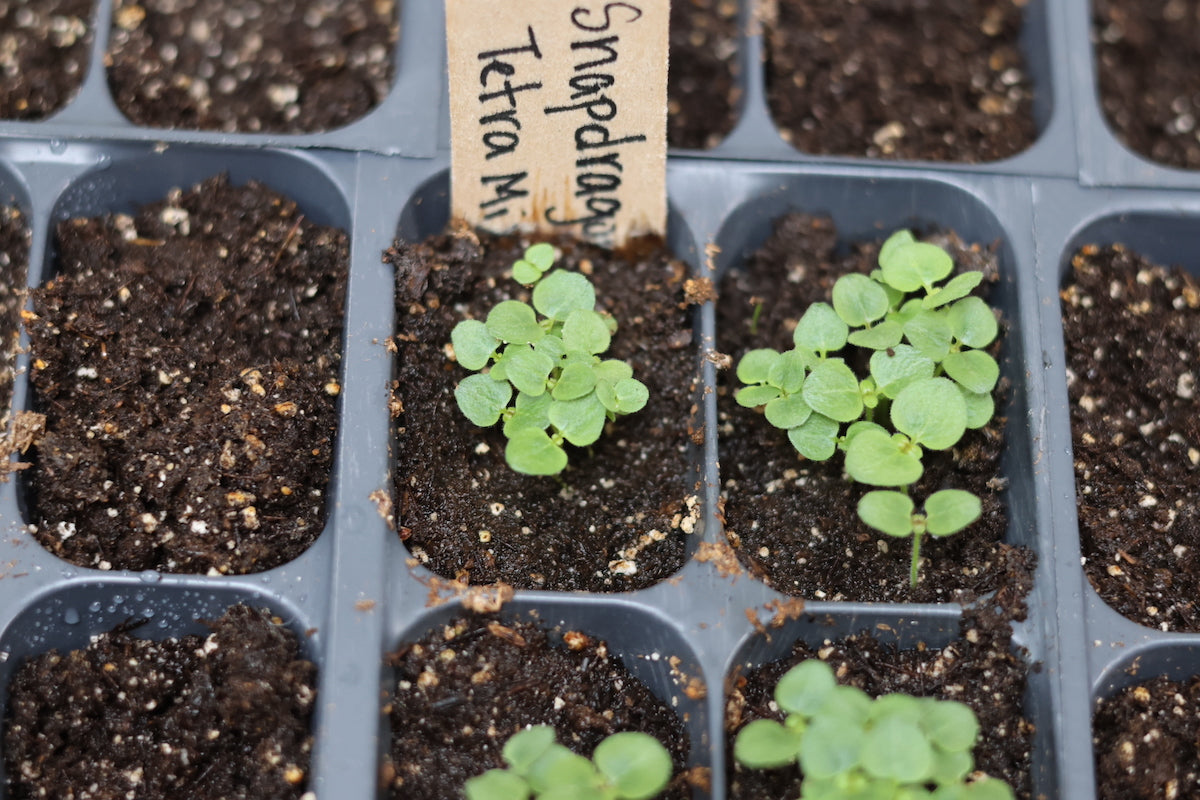
As seedlings emerge, focus on maintaining consistent moisture without creating a swampy root zone. The seedling’s first weeks require careful attention to humidity, air circulation, and gentle handling. If you notice condensation on the lid, reduce humidity slightly or remove the cover for a portion of the day to acclimate the plants. Snapdragon seed growing benefits from good air movement to prevent fungal issues and to strengthen stems, so introduce a gentle fan set on low to mimic outdoor breezes. When plants stretch toward light, reposition lights to maintain compactness and reduce leggy growth characteristic of poor Snapdragon seed growing conditions.
Fertilization for Seedlings and Early Growth
Feeding your seedlings supports robust snapdragons. Start with a diluted, balanced liquid fertilizer once true leaves appear, and continue on a light schedule every 2 weeks while the plants remain in containers. Avoid over-fertilizing, which can overwhelm tender roots and lead to salt burn. In Snapdragon seed growing, early nutrition helps plants develop a strong root system and sturdy stems, making transplanting easier and flower production more reliable later in the season. If you prefer a soil-based approach, mix a gentle compost tea into the watering routine to provide micro-nutrients that boost growth without stressing the seedlings.
Transplanting and Hardening Off for Snapdragon Seed Growing
Transplant timing is crucial in Snapdragon seed growing. When seedlings reach a height of 2 to 3 inches and display at least two true leaves, they are ready for a hardening-off period. Begin by placing them outdoors for a few hours on mild, non-windy days, gradually increasing exposure over 7 to 14 days. This acclimation phase strengthens plants for outdoor conditions, helping them develop the vigor required to thrive after transplant. During hardening off, monitor for signs of stress, such as drooping or scorched leaf edges, and adjust sun exposure and watering accordingly. This transition is a pivotal part of Snapdragon seed growing, ensuring your transplants survive the move from bench to bed with minimal shock.
Acclimating Seedlings to Outdoor Conditions
Acclimation is a careful, deliberate process. Start with a sheltered location, perhaps under a light shade cloth, and gradually increase sun exposure while maintaining consistent watering. Hypervigilance during this phase pays off with street-ready transplants that can handle the heat of late spring in BloomHaven’s garden. As the plant learns to cope with wind and temperature fluctuations, you will notice stronger stems and better root establishment, both critical for Snapdragon seed growing success once planted in the garden.
Transplant Timing and Spacing in the Garden
When you move Snapdragon seedlings from bench to bed, spacing is essential. Create rows or blocks with proper spacing to allow air flow, light penetration, and room for growth. Spacing varies by cultivar, but a common guideline is 8 to 12 inches between plants, and 12 to 18 inches between rows to accommodate branching flowers. If you want a continuous display, staggered planting is a practical approach for Snapdragon seed growing that helps extend bloom time and sustains garden interest for longer periods. Observe seedling vigor as you transplant, adjusting spacing if units appear crowded or stressed. This careful approach reduces disease pressure and supports robust flowering later in the season.
Pruning and Supporting Tall Snapdragon Varieties
Some Snapdragon varieties grow tall and benefit from staking or support. When you plant, install light supports in the bed to avoid damaging roots later. As stems elongate, tie them gently to supports to keep flowers upright and prevent flopping under heavy blooms or wind. Pruning is another tool in Snapdragon seed growing that helps manage shape and encourages bushier growth. Remove spent flower spikes to encourage subsequent blooms and to maintain the plant’s vigor across the bloom cycle. Even with support, avoid overly aggressive cutting, which can stress the plant during mid-season growth and hinder the timeline toward seed saving later in the year.
Harvesting and Post-Bloom Care
Harvesting and post-bloom care are the satisfying end of the Snapdragon seed growing journey. Snip flowers at the base of the stem with clean shears to extend the display and encourage new blooms. For cut flowers, harvest in the cool morning hours when petals are firm but not fully open; this ensures longer vase life and strong final appearance in bouquets. After bloom passes, continue to water and feed according to plant needs to support any potential late-season flush. Post-bloom care also means preparing for seed saving, as many gardeners choose to collect seeds from the spent spikes once they dry. In Snapdragon seed growing, this is a natural turn toward a new cycle and sets up a future season of blooms in BloomHaven’s garden style.
When and How to Harvest Snapdragon Flowers
Timing is everything for Snapdragon seed growing when you plan to harvest flowers for arrangements or seed collection. Pick blossoms that show color development without the petals starting to fade. Use sharp scissors or pruning shears to make clean cuts just above a set of leaves or a node. For decorative purposes, you may choose multiple harvest times from a single plant, ensuring you leave enough developing buds to continue flowering. If you intend to save seeds from spent spikes, do not remove the seed capsule until it has fully dried on the plant. This approach protects the seed’s viability and aligns with Snapdragon seed growing best practices in 2026.
Seed Saving Tips to Extend Snapdragon Seed Growing Cycle
Seed saving is the final act in Snapdragon seed growing that ensures future success. Collecting seeds from mature, dry seed heads preserves genetic viability while maintaining the traits you love in your Snapdragon varieties. The process is straightforward: allow the seed heads to dry completely on the plant, then harvest and shake gently to release seeds. For best results, store seeds in a cool, dry place in labeled envelopes or jars. Labeling helps you track the year and cultivar, which matters for bloom timing and plant performance. With thoughtful seed saving, Snapdragon seed growing becomes a sustainable, cyclical practice that yields consistent color and form year after year in BloomHaven’s garden display.
Collecting and Cleaning Seeds
Collecting seeds requires patience and precision. Wait for seed pods to dry fully, and then collect using clean hands or tools. Clean seeds by removing chaff and any debris; you can air-dry them briefly before storage. Keep seeds sealed to protect against humidity and pests. Organize by cultivar and harvest date so you know what to plant the following season. While seed saving appears simple, it rewards careful selection and consistent practices that keep Snapdragon seed growing efficient and rewarding as you plan for 2027’s blooms.
Storing Seeds for Next Season
Storage conditions are critical for Snapdragon seed growing success. Use airtight containers stored in a cool, dark, dry environment to maintain seed viability. Consider adding a desiccant to strengthen storage, especially in humid climates. Properly stored seeds can retain germination potential for up to several years, depending on the cultivar. If you want to maximize success, re-check viability by performing a simple germination test before planting in the next season. In BloomHaven’s garden cycles, seed storage is a bridge between seasons, allowing you to reproduce the same beloved color stories year after year while exploring new Snapdragon seed growing possibilities.
In conclusion, the Step-by-Step Snapdragon Seed Growing Process encompasses careful preparation, controlled germination, thoughtful transplanting, and purposeful post-bloom care. This comprehensive guide to Snapdragon seed growing has equipped you with the strategies to foster sturdy plants that bloom beautifully across spring and summer. By embracing these practices, you will enhance soil health, plant vigor, and flower performance in BloomHaven’s garden. The next section will move from seeds to actual flower production, focusing on care routines during peak bloom and strategies to sustain color and health through the season, titled Harvesting, Aftercare, and Seed Saving for Snapdragon.
Advanced Snapdragon Seed Growing Strategies and Final Guidance for BloomHaven Gardens
Refining Germination for Snapdragon Seed Growing Mastery
In the final stage of our BloomHaven journey, germination mastery becomes the cornerstone of consistent bloom quality. The most reliable snapdragon seed growing results start with seeds that experience uniform moisture, stable warmth, and clean, disease-free media. For success, sow in a sterile seed-starting mix, moisten just to the point of dampness, and avoid overwatering, which can lead to fungal issues. Altitude, humidity, and draftiness will all influence germination; tailor your environment to keep the top inch of soil consistently warm and slightly humid.
Precision in seed placement matters. Place small seeds on the surface or barely cover them with media, because snapdragon seeds are tiny and need light to trigger germination in many varieties. A gentle, steady warmth around 72–75°F (22–24°C) during the first two weeks yields the most uniform seedlings. If you keep a steady routine and monitor the surface for dryness, your germination window will tighten into a predictable timetable, enabling you to plan transplanting with confidence. In the context of snapdragon seed growing, consistency is the silent growth booster that separates average results from exceptional blooms.
To support rapid and uniform germination in 2026, consider white-noise or gentle background light to keep seedlings from reaching elongated, leggy growth patterns. Use a simple seedling tray with individual cells to minimize competition among roots and to simplify later thinning. A precise, low-dust method helps maintain clean roots and reduces transplant shock. If you observe slow germination, reassess warmth and moisture; sometimes a 24-hour warm-water soak can equalize uneven seed lots. Remember: each seed batch has a personality, and adjusting for its quirks is the heart of advanced Snapdragon seed growing.
In the BloomHaven philosophy, a rapid feedback loop matters more than rigid rules. Record day-of-sowing, germination rate, and notable variations between seed lots. A quick log will reveal patterns that save weeks of trial-and-error in future seasons. If you share your results with a planning notebook, you’ll craft a reproducible system that supports 2026 sowing schedules and ensures you’re always ready to respond to fluctuating conditions.
Key takeaway for this section: Snapdragon seed growing hinges on clean media, light exposure, and steady warmth. The goal is uniform sprouts with strong radicles, not crowded, uneven growth. As you gain confidence, you’ll notice how small adjustments compound into compact, robust plants ready for transplant.
Environment and Timing: Temperature, Light, and Water for Snapdragon Seed Growing
Environment controls are decisive in Snapdragon seed growing. Temperature, light, and water must align to produce sturdy transplants. Start with a consistent day/night cycle that imitates late spring conditions: days around 68–72°F (20–22°C) and nights not dropping below 60°F (16°C) help prevent stretch and leggy growth. If you’re growing indoors, a simple greenhouse setup or heat mat beneath trays can maintain the necessary warmth without overheating seedlings.
Light quality and duration are essential. A 14–16 hour light period supports rapid, healthy seedling development, while 8–10 hours of darkness helps plants reset and recover. Use bright, full-spectrum LEDs positioned a few inches above the canopy, and adjust as seedlings grow to maintain compact stems. For snapdragon seed growing, light is a driver of true leaf formation; lack of enough light fosters etiolation, making plants weak and susceptible to damping-off later in life.
Watering discipline matters more than total water volume. Water when the top inch of media feels just barely dry and avoid letting trays stand in water. A bottom-watering approach or gentle misting helps keep foliage clean and reduces leaf spotting. Inconsistent watering creates crusty soil that inhibits root and radicle expansion, increasing transplant shock later. For best results, use room-temperature water to protect tender roots from thermal stress.
Seasonality matters, too. In most climates, seed starting indoors in late winter or early spring aligns with outdoor conditions for a smooth transition to flowers. When planning for 2026 blooms, map your sowing calendar to your local frost dates and aim to transplant after the last frost when seedlings show their first true leaves and stout root structure. This timing discipline is a critical factor in successful Snapdragon seed growing, ensuring you’ll hit peak bloom windows with reliable consistency.
Seedling Care and Transplant Timing: From Indoor Flats to the Bloom Borders
Transplant timing is the bridge between seedling vigor and garden spectacle. Begin thinning as soon as you have a couple of true leaves, choosing the strongest individuals to form the main plant matrix. When transplanting into the garden, prepare beds with loosened, well-drained soil enriched with organic matter. Snapdragon roots crave soil that drains well; heavy clay or constantly soggy media can stagnate growth and invite root diseases.
Spacing is a quiet but crucial factor for Snapdragon seed growing. Maintain about 6–8 inches (15–20 cm) between plants in standard borders, and allow for 10–12 inches (25–30 cm) when growing in containers or raised beds. Proper spacing supports air circulation, reduces disease pressure, and promotes more robust flowering. Harden off seedlings for 7–10 days before planting by gradually exposing them to outdoor conditions. Start with a few hours of sun and wind protection, then increase exposure daily.
When transplanting into 2026 BloomHaven gardens, consider microclimates within your beds. South-facing borders with morning sun and afternoon shade help prevent heat stress and keep plants from wilting during warm spells. Mulching lightly around the base of each plant reduces soil moisture fluctuations and helps maintain cool roots, an essential factor for Snapdragon seed growing in variable climates.
After transplant, provide consistent moisture for the first two weeks to establish roots. A shallow, slow irrigation schedule mimics natural rainfall and prevents crusting on the surface. As plants acclimate, reduce frequency but increase depth of watering to encourage deep root development. You’ll see sturdier stems and a stronger base ready to support prolific blooms later in the season.
Soil Formulas, Nutrients, and Fertilization Schedules
Soil fertility is the silent driver behind Snapdragon seed growing success. Use a well-balanced mix that drains well but retains enough moisture to support steady growth. A lightweight, loamy soil enriched with compost or well-rotted organic matter is ideal for establishing strong root networks. For containers, consider a potting mix designed for flowering annuals, with added perlite or vermiculite to boost drainage and aeration.
Fertilization strategies should be gentle and timely. Start with a balanced 10-10-10 or 3-4-3 fertilizer at transplant time, applying at a reduced rate to avoid fertilizer burn. Once seedlings are established, shift to a bloom-focused regimen with a higher phosphorus and potassium content, such as a 5-10-5 or 4-6-3 formula, applied every 2–3 weeks during active growth. This supports strong root systems and vibrant flowers without encouraging excessive vegetative growth that delays flowering.
Micronutrients matter as well. Calcium, magnesium, and trace elements promote cell wall strength and chlorophyll production, contributing to sturdy stems and disease resistance. If your soil test indicates a micronutrient deficit, apply a targeted supplement before the peak flowering phase. In practice, a light foliar spray or a soil-drenched treatment can correct gaps without overwhelming the plant.
Mulching around plants reduces soil temperature fluctuations, preserves moisture, and suppresses weed competition, all of which contribute to more efficient Snapdragon seed growing outcomes. For container plantings, refresh mulch material seasonally to maintain a tidy, moisture-retentive root zone.
Addressing Disorders, Pests, and Disease: Proactive Snapdragon Seed Growing Management
Even in a well-managed garden, Snapdragon seed growing can encounter challenges. The best defense is a proactive management plan that minimizes stressors and monitors plants closely. Early signs of trouble include leaf edge browning, yellowing, or stunted growth, which can indicate watering irregularities, nutrient imbalance, or pest pressure.
Common culprits include aphids, spider mites, whiteflies, and fungal diseases like powdery mildew. Introduce beneficial insects when possible, and keep an eye on environmental conditions that favor pests—stagnant air and overcrowded settings are inviting. Implement a routine scouting schedule: check undersides of leaves weekly and inspect newly formed flower clusters for any abnormalities.
Prevention is more effective than cure. Use clean tools, sanitize pots between crops, and rotate beds if space allows to reduce disease carryover. For chemical interventions, choose products labeled safe for annuals and follow label directions precisely to avoid harming pollinators or beneficial organisms. A strong preventative approach is a hallmark of professional Snapdragon seed growing.
When disease or severe pest pressure arises, respond quickly with targeted actions. Start with environmental adjustments like improved air movement, pruning to increase light penetration, and adjusting irrigation to avoid leaf wetness. If necessary, apply an approved organic or synthetic solution according to local guidelines. Always integrate this with your overall garden plan to maintain steady progress toward bloom goals.
Design and Planting Plans: Maximize Aesthetic Impact with Snapdragon Seed Growing
Advanced Snapdragon seed growing extends beyond cultivation into artful design. Plan plantings to create layered color and texture that carry the eye through the garden. Use taller varieties at the back of borders and trailing or compact forms toward the front to achieve depth and movement. Scale your beds for visual impact: combine bold color blocks with softer pastel tones to mimic natural vistas and to maximize pollinator appeal.
In 2026, embrace trends like pollinator-friendly plantings and combinations that harmonize with wildflower meadows and cabbage-crush palettes. A grower’s aesthetic improves when plant selections bridge multiple bloom periods, providing continual color from spring through late summer. Consider container groupings for patios and entryways, pairing Snapdragon seed growing with companion plants such as snaps of bright alyssum or sun-loving echinacea for visual cohesion and extended flowering.
Strategic planting plans also support maintenance efficiency. Group veggies, ornamentals, and perennials in zones that share irrigation and soil amendments. Use plant labels and a simple map to track sowing dates, varieties, and expected bloom windows. This approach reduces guesswork and helps you scale Snapdragon seed growing across multiple beds with confidence.
Practical Troubleshooting Quick Reference for 2026 BloomHaven Gardens
Even seasoned growers encounter questions or hiccups. Keep this quick-reference framework handy: if germination is slow, recheck temperature and seed viability; if seedlings stretch, boost light intensity or shorten daytime length; if leaves darken at the edges, assess moisture consistency and potential salt buildup from fertilizer. A disciplined approach to monitoring, paired with timely adjustments, shortens the learning curve and improves year-over-year results.
When you encounter persistent problems, re-evaluate your seed lots. Seed quality varies between batches, and even small differences in seed maturity or coating can influence germination speed and seedling vigor. Maintain a detailed sowing diary for each batch to detect patterns. If a particular lot underperforms, consider adjusting sowing depth, moisture, or light exposure rather than altering the entire plan. This is the essence of mature Snapdragon seed growing.
Maintenance rituals matter as well. Keep pruning shears clean, sanitize propagation trays between uses, and rotate nutrients to avoid salt buildup in the root zone. In container systems, refresh potting media yearly or as needed to prevent compaction and poor drainage. These practical steps help you stay on track even during busy seasons.
Final Design Concepts: Container and Bed Combinations with Blooms
As you approach the culmination of Snapdragon seed growing, refine design concepts to maximize seasonal color and pollinator appeal. For containers, group several varieties to create dynamic color shifts that align with sun angles throughout the day. For beds, establish color stories by repeating key hues across borders, then punctuate with contrasting blooms for visual punch. In all cases, select varieties with complementary mature heights to maintain balance and energy in the garden.
When you pair Snapdragon seed growing with other perennials and annuals, you unlock longer display windows and easier maintenance. Consider planting aftercare that supports continued growth: deadhead spent blossoms to prompt rebloom, monitor soil moisture in hot spells, and adjust feeding to targeted periods of growth. This integrated approach ensures that the garden remains vibrant from spring into late summer or early autumn.
Finally, document your final layouts. Create a visual map that notes plant density, spacing, and bloom timelines. This record becomes a practical blueprint for future seasons and a powerful resource to share with friends and fellow gardeners in BloomHaven communities. Indoor seed starting techniques provide additional context for refining your process and ensuring predictability in your Snapdragon seed growing program.
Conclusion: The Definitive Snapdragon Seed Growing Roadmap for BloomHaven Gardens
In conclusion, this final section ties together germination discipline, transplant precision, soil science, nutrition, pest and disease vigilance, and design sensibility into a cohesive strategy for Snapdragon seed growing. By prioritizing clean media, stable warmth, consistent moisture, and light that supports robust early growth, you establish a foundation that translates into reliable, vibrant blooms. The step-by-step approach—from germination to hardening off, to mindful fertilization and thoughtful bed planning—ensures you can consistently produce premium plants with strong stems, dense flowering clusters, and enduring color across the season.
Ultimately, Snapdragon seed growing in 2026 is less about chasing perfection and more about embracing repeatable systems. Your garden will benefit from documented schedules, calibrated environmental controls, and a routine of observation, adjustment, and record-keeping. Each seed batch becomes a data point that informs the next sowing window, reducing risk and increasing flowering success. The BloomHaven philosophy centers on combining practical horticulture with aesthetic storytelling, so your garden can become a living canvas of color, texture, and pollinator-friendly design throughout the growing year.
To conclude, commit to a transparent workflow: log sowing dates, germination outcomes, transplant timings, fertilization tweaks, and pest management notes. Use this record to refine your Snapdragon seed growing plan for future seasons, ensuring steadier performance with fewer surprises. In practice, this approach yields a consistently stunning tapestry of blooms and a garden you’re proud to share with neighbors and followers alike. If you want to continue expanding your knowledge, explore trusted extension resources and community forums to compare notes and celebrate successes. And remember, the core of success in Snapdragon seed growing lies in thoughtful preparation, precise execution, and a enduring love for color that blooms through every season. Snapdragon seed growing remains the heart of a BloomHaven garden—your pathway to reliable, radiant displays year after year. snapdragon seed growing as a phrase anchors your commitment to quality results and enduring garden joy.
Ready to implement these advanced strategies? Start with a one-page sowing calendar for 2026, then expand into a full garden plan that pairs Snapdragon seed growing with your local climate, microclimates, and the visual storytelling you love. If you’d like direct support with planning or troubleshooting, reach out to our BloomHaven community, where experienced growers share seed lots, germination rates, and bed layouts that spark new ideas. Your garden’s next bloom season awaits—begin now and let Snapdragon seed growing shape a vibrant, resilient landscape that echoes the beauty we celebrate at BloomHaven.