Lantana Pest Control Guide for Gardeners
Welcome to BloomHaven’s comprehensive guide to lantana pest control, designed for serious gardeners who want thriving blooms and healthy ecosystems. In this guide, you’ll discover foundations that prevent problems before they start, from soil health to plant selection and monitoring routines. lantana pest control begins with understanding how your landscape functions, what pests tend to target lantana, and how plant vigor influences resilience. By prioritizing strong cultural practices, you can reduce chemical interventions while supporting pollinators and beneficial insects that keep garden pests in check. In the pages that follow, we’ll translate science into practical steps you can apply this season, whether you grow trailing lantana, hopscotch lantana, or upright varieties. You’ll learn how to set up a pest-resilient habitat, create sanitation routines, and implement an integrated approach that emphasizes prevention, observation, and targeted action. With the right foundations, your lantana beds become vibrant, long-blooming anchors of color in blooms-first garden designs. Ready to start? Let’s lay the groundwork for healthy lantana and a more resilient garden ecosystem.
Lantana Pest Control Foundations: Essential Prep for a Healthy Garden
Lantana Pest Control: Reading the Landscape — Assessing Damage and Plant Health
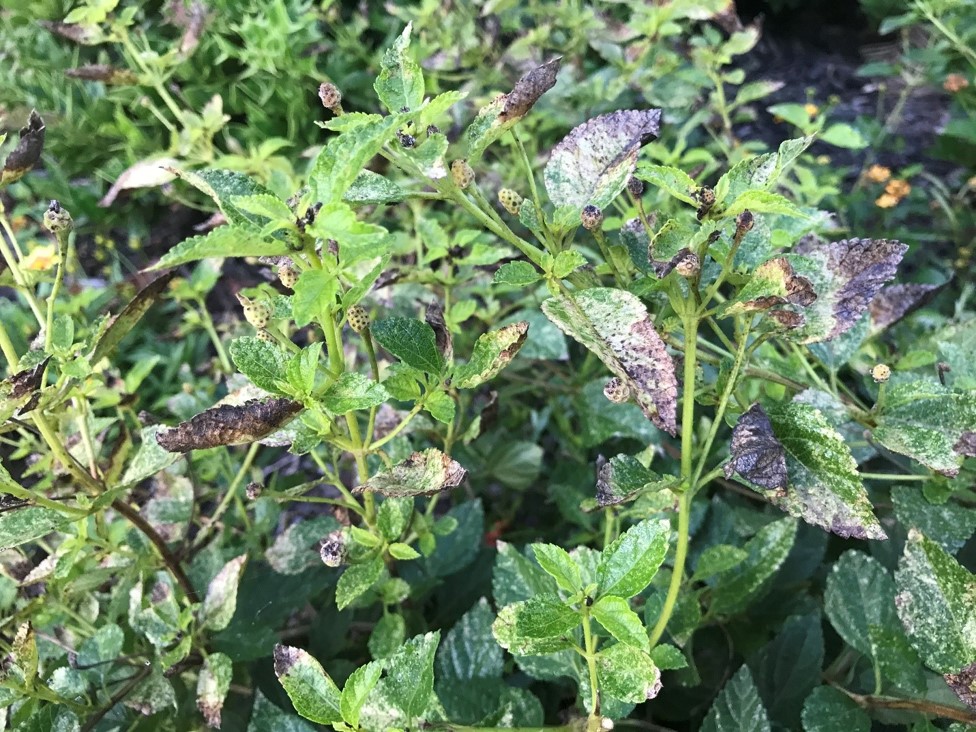
Effective lantana pest control starts with diagnosis. In this section, learn how to read the garden’s signals and establish a baseline of plant health. Begin with a weekly scan of a representative sample of plants, looking for aphids, whiteflies, scale, caterpillars, and thrips. Note honeydew, leaf stippling, curling, or stunted growth. Regular scouting saves time and money by catching problems early. Keep a simple log with photos and notes to track pest pressure across the growing season. This approach also helps you measure the impact of cultural practices you implement later.
- Signs to watch: honeydew, sticky leaves, yellowing, and distorted growth
- Common lantana pests: aphids, whiteflies, scale, caterpillars
- Damage indicators: reduced flowering, leaf drop, and poor vigor
For a trusted overview of lantana pests and diseases, see Lantana pests and diseases from University of Maryland Extension. This resource complements your on-site observations and helps you identify the right control measures quickly.
Common Pests on Lantana and How They Manifest
Aphids cluster on new growth and excrete honeydew that attracts sooty mold. Whiteflies hover on the undersides of leaves and cause yellowing. Scale insects attach to stems and leaf veins, weakening the plant over time. Caterpillars chew foliage and can defoliate if populations surge. Each pest leaves different signals, so matching the sign to the culprit accelerates lantana pest control decisions.
Plant Health Indicators for Early Warning
Healthy plants resist pest outbreaks better. Look for robust color, even growth, and strong new flushes. A stressed plant indicates opportunity for pests to take hold. Improve soil, water, and nutrition to bolster resilience. This is part of the foundational pest control approach: prevent problems by keeping plants vigorous.
Soil, Water, and Nutrition as Foundations for Lantana Pest Control
The soil and water regime you choose influences pest pressure more than most gardeners realize. Begin with a soil test to guide amendments and maintain a pH in the 6.0–6.5 range suitable for lantana. Add organic matter, compost, and mulch to improve drainage and microbial life. Mulch reduces soil splash, moderates moisture, and suppresses weeds that harbor pests. Water deeply and infrequently to promote deep roots, rather than shallow, vulnerable growth. In addition, provide balanced nutrition to support bloom production and plant vigor. Use slow-release fertilizers or organic options such as compost tea to minimize sudden growth flushes that invite pests.
- Soil: test, amend, mulch
- Water: deep, infrequent, avoid overhead spray when pests are active
- Nutrition: balanced, avoid excess nitrogen
Soil preparation for lantana creates a stable foundation that reduces pest pressure and supports beneficial soil organisms. When you improve drainage and structure, roots work more efficiently, and plants tolerate occasional pest challenges better.
Soil Preparation for Lantana
Focus on organic matter: compost, well-rotted manure, or leaf mold. Improve texture with coarse, well-managed compost that feeds microbes and enhances water retention without creating soggy pockets. If your soil is heavy clay, incorporate gypsum or sand in small, measured amounts to improve drainage. For sandy soils, light top-dressing with organic mulch sustains moisture and reduces temperature stress.
Watering Practices to Reduce Pest Stress
Water at the base of plants to keep foliage dry during pest windows. Use drip irrigation or soaker hoses to minimize leaf wetness, which can encourage fungal diseases and some pests. Water in the morning so leaves have time to dry before nightfall. This reduces pest habitat and supports plant health.
Sanitation and Garden Hygiene for Lantana Pest Control
Sanitation and garden hygiene are often the quiet heroes of lantana pest control. Remove diseased or heavily infested leaves promptly. Clean up fallen fruit and plant debris that can harbor overwintering pests. Prune to improve air movement and sunlight penetration, which reduces fungal and pest pressure. When you tidy the bed, you also create a clearer view of new growth that may require attention.
- Remove debris and infested material regularly
- Prune for air circulation and light exposure
- Clean tools between plants to prevent pest spread
Pruning for Air Circulation and Pest Deterrence
Pruning stimulates new growth that is usually more pest-tolerant when performed with clean tools. Avoid heavy cutting right after pest outbreaks, which can stress plants further. Instead, target crowded canes and interior growth to open the canopy. This practice reduces humidity pockets where pests thrive and makes subsequent monitoring easier.
Integrated Pest Management (IPM) for Lantana Pest Control
IPM combines prevention, monitoring, and selective intervention to manage lantana pests with minimal risk. Start with prevention: choose resistant varieties when possible, space plants for airflow, and maintain soil health. Then monitor regularly, using thresholds to decide when action is warranted. Favor cultural controls first, such as irrigation timing and pruning, before moving to targeted, low-toxicity solutions if needed. The goal is to keep pest populations below economic or aesthetic damage while protecting pollinators.
- Prevention: site selection, spacing, soil health
- Monitoring: weekly scouting and logging
- Intervention: cultural controls first, then biocontrol and targeted products
Biocontrol and Beneficial Insects for Lantana
Encourage natural enemies such as lady beetles, lacewings, and parasitic wasps by planting diverse flowering species nearby. A healthy pollinator garden attracts these allies and reduces pest pressure on lantana. Integrating beneficial insects into your routine supports long-term pest management and reduces the need for chemicals.
Chemical Controls: When and How to Use Safely
Chemical controls are a last resort in an IPM plan. If you must apply, choose targeted, systemically less disruptive options and apply early in the infestation. Always follow label directions, rotate chemistries to avoid resistance, and avoid broad-spectrum products that harm beneficial insects.
Monitoring Tools and Seasonal Schedule for Lantana Pest Control
Effective lantana pest control relies on a simple, repeatable monitoring system and a realistic seasonal calendar. Keep a pest diary with dates, pest types, and actions taken. Use this data to adjust cultural practices and to predict pest peaks. In most gardens, early spring through late summer mark periods of elevated activity for aphids, whiteflies, and caterpillars. Align your tasks with the calendar: pruning, soil amendment, mulching, and irrigation tweaks should occur just before peak pressure. This schedule helps you stay proactive rather than reactive.
Seasonal Pest Forecasts for Lantana
Spring flushes can bring aphids and scales as new growth appears. Summer heat and humidity often bring whiteflies and caterpillars. Fall can bring different challenges as temperatures drop and plants slow their growth. Use the forecast to plan inspections, adjust watering, and schedule any needed interventions.
In summary, Part 1 equips you with a robust lantana pest control foundation. It emphasizes prevention, environmental stewardship, and practical steps you can enact now to support robust blooms and resilient plants. Next, Part 2 — Practical Lantana Pest Control Techniques will translate these foundations into actionable, garden-tested methods you can apply directly in your beds.
Hands-On Lantana Pest Control: Step-By-Step Methods for Healthy Blooms
In this hands-on section, you will learn practical, garden-tested steps to reduce pest pressure on lantana while protecting pollinators and beneficial insects. Each method blends cultural practices, mechanical actions, and biology to create a resilient plant bed. The goal is steady, long-term health for your lantana and richer garden blooms through 2026 and beyond.
Begin with a clear diagnosis and then apply an integrated approach. The steps that follow are designed to be doable for home gardeners, whether you grow lantana in a sunny border, a raised bed, or containers. You will find a logical sequence that makes it easy to adopt one method at a time, build on successes, and adjust as seasons shift. Remember, consistent monitoring and a proactive mindset are the most powerful tools in lantana pest control.
Lantana Pest Control: Know Your Pests and Signs
Understanding which pests commonly target lantana is the first pillar of effective lantana pest control. Scale insects cling to stems and undersides of leaves, leaving a sticky honeydew that attracts sooty mold. Whiteflies hover just above new growth, and their light-colored eggs and nymphs shimmer on the leaf undersides. Aphids gather in clusters on tender shoots, drawing sap and causing curling or distorted foliage. Caterpillars may chew blossoms, leaving ragged edges and missing petals. In some climates, spider mites produce a fine stippling over the leaf surface and webbing that can betray their presence.
Specifically, lantana is resilient but not invincible. Drought stress, crowded canopies, and overfertilization can magnify pest problems. When you spot any of the signs described, start with a careful, compound assessment rather than treating every symptom with a spray. Immediate actions can reduce pest pressure without harming beneficial insects or pollinators.
Common Pest Signs
Look for sticky honeydew on leaves, black or gray sooty mold on foliage, and yellowing that follows pest feeding. You may notice distorted new growth after aphid or whitefly activity. Leaf curling and stunted shoots often point to scale or thrips. If you spot small holes in petals or chewed edges on blossoms, inspect for caterpillars. Finally, webs or fine speckling across undersides of leaves can indicate spider mites. Early detection is the most reliable defense in lantana pest control.
In addition, assess the environment. Dense plantings, insufficient air movement, and irrigation that keeps foliage damp can create ideal conditions for pests to thrive. By combining careful observation with environmental awareness, you gain the upper hand in lantana pest control without resorting to broad-spectrum remedies.
Lantana Pest Control: Preventive Garden Hygiene for Healthier Blooms
Preventive hygiene forms the foundation of effective lantana pest control. Start by removing any diseased or severely damaged plant material and promptly pruning to improve airflow through the canopy. This step lowers humidity around the leaves, making it harder for pests to establish themselves. Sanitize pruning tools between cuts with a diluted bleach solution or isopropyl alcohol to prevent cross-contamination. Cleaning debris from the bed or container area reduces overwintering sites and reduces pest carryover from one season to the next.
Secondly, practice careful sanitation of leaves, spent blooms, and fallen litter. Rake and dispose of debris rather than composting it if you suspect pest activity. Mulching helps regulate soil moisture and temperature, reducing plant stress that pests exploit. Avoid overwatering, which can create moist leaf surfaces that invite fungal issues and certain pests. Finally, ensure adequate spacing so air can circulate and light reaches all foliage, which discourages many opportunistic pests from settling in.
Lantana Pest Control: Physical and Mechanical Tactics for Quick Wins
Physical and mechanical controls provide fast, low-toxicity options for lantana pest control. Start by a strong water spray to knock off aphids, whiteflies, and delicate caterpillars. Direct the spray at the leaf undersides where pests often reside, and do so in the morning so leaves dry quickly and minimize disease risk. Hand-picking obvious pests—like larger caterpillars or cluster of scale with visible shells—can remove a significant portion of the population without chemicals. Use a soft brush on stems to dislodge scale and sticky residues, then wipe with a damp cloth to remove residue.
Yellow sticky traps can be placed near lantana beds to monitor and reduce flying pests such as whiteflies and certain fungus gnats. When using traps, place them away from intense sun and never rely on them as the sole control method. For containers, rotate plants occasionally and prune back overcrowded branches to improve airflow. Finally, utilize row covers early in the season when pests are detected, but remove them during flowering to allow pollinators access to blooms.
Lantana Pest Control: Biological Allies and How to Encourage Them
Biological controls harness natural enemies to keep pest populations in check. Lady beetles and lacewings voraciously feed on aphids and soft-bodied pests. Parasitic wasps target scale insects and certain caterpillars, providing a quiet, natural counterbalance. To attract these beneficials, plant nectar-rich flowers near lantana beds and avoid broad-spectrum pesticides that harm them. Leave some leaf litter and undisturbed corners to shelter beneficial insects, and consider a neighboring herb or flowering plant that provides a steady nectar source through the season.
Specifically, integrating diverse plantings supports a resilient ecosystem. Favor plant combinations that bloom at different times to maintain a continuous nectar supply. When beneficials become scarce, avoid immediately turning to chemical controls; instead, reassess habitat conditions and adjust planting schemes to draw them back. If needed, purchase reputable beneficial insects from trusted suppliers and release them during cooler periods of the day when they are more likely to establish without stress.
Beneficial Insect Allies to Encourage
Encourage lady beetles, lacewings, and parasitic wasps by providing flowering companions such as yarrow, dill, cosmos, or alyssum near lantana. These choices supply nectar and pollen that sustain beneficials even after pest busts. Maintain a diverse plant palette in adjacent beds so predator and pollinator populations can thrive concurrently. In addition, keep pesticide use minimal and targeted to specific pests, as indiscriminate sprays disrupt the natural balance and can undermine lantana pest control gains.
Lantana Pest Control: Safe, Selective Treatments When Pests Persist
When pests persist despite cultural and biological measures, you can turn to selective, safe treatments. Begin with horticultural oils or insecticidal soaps, which are effective against soft-bodied pests like aphids and whiteflies and generally safer for beneficial insects than broad-spectrum products. Apply these products only when pests are present and under appropriate conditions, avoiding extreme heat or drought, and follow label directions precisely. Timing matters: apply when bees are not active, typically late in the day, and avoid spraying if rainfall is expected soon.
If you choose to use neem-based products or other horticultural oils, test on a small leaf section first to confirm there is no phytotoxic reaction, especially on new growth. Avoid repeated applications on the same plants within a short interval, as pests can develop tolerance. For resistant populations, rotate products with different modes of action and continue to emphasize non-chemical methods as the backbone of lantana pest control. Always read the label for allowable crops, dilution rates, and withdrawal times if you plan to harvest edible sections of nearby plants.
When to Apply Oils and Soaps
Use oils and soaps when pest populations are moderate and the weather is mild. Do not apply during temperatures above 85°F (29°C) or when plants are stressed from drought. Sprays should be applied to the undersides of leaves, where pests often reside, and coverage should be thorough but not dripping. Rinse or wash off if a bloom period begins, as some products can affect pollinators and mature blooms. By integrating these treatments with ongoing cultural and biological methods, lantana pest control remains balanced and effective without compromising bloom quality.
Lantana Pest Control: Soil, Water, and Nutrient Strategies to Reduce Pests
Healthy soil is the foundation of pest resilience. Use a soil test to guide nutrient management and aim for a balanced mix that supports strong root systems without encouraging excessive leaf growth that pests love. Incorporate organic matter such as compost or well-rotted manure to improve structure, water-holding capacity, and microbial diversity. Healthy soil equips lantana to withstand pest challenges and remain vigorous through fluctuations in temperature and rainfall.
Water management also matters. Irrigate early in the day to promote foliar drying and reduce disease pressure from extended leaf wetness. Avoid overhead irrigation after dusk. Mulch to maintain even soil moisture, suppress weeds that harbor pests, and moderate soil temperature. Be cautious with high-nitrogen fertilizers, which can trigger succulent growth that attracts pests and reduces plant resilience. Instead, feed with a slow-release, balanced formula that supports steady, healthy blooming without inviting trouble.
Lantana Pest Control: Monitoring and Record-Keeping for Consistent Success
Regular monitoring is the heartbeat of successful lantana pest control. Schedule a weekly check of the bed or container group, focusing on the underside of leaves, new shoots, and flowering stems. Keep a simple pest diary that notes the pest type observed, the level of activity, weather conditions, and any actions taken. Photographing the plants during each inspection helps you track changes over time and clarifies decisions when you compare seasonal trends.
In addition, maintain a pest log that records what methods were used and how effective they were. This record helps you identify patterns—such as pest outbreaks after heavy rains or during heat waves—and refine your plan accordingly. When you notice a significant shift, adjust your approach by increasing monitoring frequency, tweaking cultural practices, or rotating your treatment methods. A disciplined routine is your most reliable defense against recurring problems in lantana pest control.
Lantana Pest Control: Pollinator-Friendly Considerations to Protect Beneficials
Protecting pollinators is essential to a healthy lantana bed and long-term garden productivity. When planning pest control, time sprays to dusk or early morning when bees are less active, and choose products with selective activity that spare beneficial insects. Keep a diversity of flowering plants nearby to sustain pollinators even when lantana blooms are limited. For readers who want deeper insights into supporting pollinators while managing pests, visit Pollinator Partnership for practical guidance and plant recommendations.
By integrating pollinator-friendly habits with lantana pest control, you create a thriving ecosystem where beneficials naturally regulate pest populations. This approach also enhances your garden’s visual palette, aligning with BloomHaven’s pursuit of pollinator-friendly, flower-rich landscapes that perform well in 2026 trends. The goal is harmony: vibrant lantana, abundant blooms, and a healthy web of living partners that sustain your garden year after year.
Lantana Pest Control: Common Mistakes to Avoid
One mistake is relying solely on chemical controls. Even selective sprays can disrupt natural enemies if used too aggressively. Another misstep is applying treatments when plants are under stress, such as during drought or extreme heat. In those moments, sprays can cause phytotoxicity and reduce plant vigor rather than solving the pest issue. Do not neglect monitoring; delays in recognition allow pests to establish and populations to explode, which makes control much harder later on.
Additionally, rotating products with the same mode of action is essential to prevent resistance. Avoid broad-spectrum products that harm non-target organisms, including pollinators, even if a pest seems troublesome. Finally, be wary of over-fertilizing, especially with high-nitrogen formulations, which can produce lush growth that invites pests and diseases. By keeping a cautious, methodical approach, lantana pest control remains sustainable and effective across seasons.
Lantana Pest Control in Containers vs In-Ground: Tailoring Your Plan
Container plantings require more frequent watering and attention to drainage, which can influence pest dynamics. In pots, pests can move quickly from one plant to another, so inspect all container companions and isolate affected specimens promptly. In-ground lantana beds offer more stable soil environments but may accumulate pests through leaf litter and nearby vegetation. Regardless of setting, maintain good airflow, avoid overcrowding, and practice routine pruning to keep the canopy open and less inviting to pests. Adjust prevention and treatment timing based on local climate and plant stage.
For containers, choose well-draining soil mixes and ensure pots have drainage holes. Elevate pots to improve air circulation and reduce ground moisture where pests such as fungus gnats may thrive. In-ground beds benefit from modest, periodic fertilization and careful weed control to minimize pest harborage. Across both setups, the emphasis remains on balanced care, proactive observation, and a willingness to adapt as pests shift with the seasons.
Lantana Pest Control: Seasonal Timing and Weather Factors
Seasonal timing matters for lantana pest control. Spring is a critical window to establish healthy growth and fend off early pests before populations surge. In late spring and early summer, monitor for aphids and whiteflies as temperatures rise and new growth expands. Summer heat can stress lantana, making it more susceptible to pests and diseases; adjust irrigation to keep plants hydrated without fostering fungal issues. Fall weather can reduce pest activity, but some pests persist into mild winters in warmer climates. Use these seasonal cues to plan preventive actions, not just reactive sprays.
In addition, cluster weather information with pest observations to identify patterns. A dry spell followed by a sudden rain can trigger a pest bloom, while a cool, damp spell might favor mold or scale retention. With careful seasonal planning, lantana pest control becomes a predictable routine that protects blooms and supports continuous nectar production for pollinators.
Lantana Pest Control: Building a Long-Term Resistant Bed
The final pillar is establishing a long-term, resistant bed through an integrated strategy. Combine resistant plant choices where feasible, maintain strong soil health, and practice diverse plantings that attract beneficials. Build a rotating plan that includes cultural, mechanical, and biological methods, escalating only when necessary. This integrated approach reduces pest pressure while preserving bloom quality and garden aesthetics.
As you implement this comprehensive lantana pest control plan, remember that consistency beats intensity. Small, regular actions accumulate into a robust defense that keeps lantana thriving and blooming beautifully. By embracing prevention, observation, and selective intervention, you create a resilient garden that stands up to pests while supporting pollinators and visual appeal alike.
In Part 3: Diagnosing Lantana Diseases and Environmental Threats, we will delve into disease symptomatology, diagnosis, and preventive strategies to safeguard your lantana beyond pest control. This next installment continues the BloomHaven focus on sustainable gardening and floral vitality, ensuring you have a complete toolkit for healthy, resilient lantana beds.
Advanced Lantana Pest Control: Troubleshooting and Growth Strategies
In this final section, we synthesize diagnostic insights, evidence-based controls, and growth strategies that empower you to manage lantana pests with confidence. The goal is not just to curb damage but to cultivate resilient plants that attract pollinators and support a thriving garden ecosystem. Use this advanced guidance to tailor solutions to your climate, lantana variety, and garden scale. Remember: effective lantana pest control combines observation, timing, and a balanced toolkit of cultural, mechanical, biological, and, when needed, chemical strategies.
Diagnosing Common Lantana Pest Problems
Before you act, confirm what is attacking your lantana. Correct identification saves time, reduces unnecessary sprays, and protects beneficial insects. Start with a systematic check of the plant and its environment.
- Aphids: Often found on new growth, aphids cause curling leaves, distorted growth, and sticky honeydew. They multiply quickly on sunny, warm days and can attract sooty mold if honeydew isn’t managed.
- Whiteflies: These tiny, fluttering intruders leave a pale underside exudate and may cause leaf yellowing. They can surge on stressed plants and become a reservoir for viral diseases.
- Scale and Mealybugs: Sessile pests that appear as waxy bumps or cottony masses on stems and leaf axils. They drain vigor and can lead to twig dieback if heavy infestation persists.
- Caterpillars and Leaf Chewers: Skeletonized or torn leaves point to caterpillar activity. Some species chew on flowers and new shoots, reducing blooming potential.
- Spider Mites: Fine webbing, stippled yellowing, and a stippled leaf surface signal mites, especially in hot, dry conditions.
- Fungal and bacterial diseases: Leaf spots, yellow halos, or mildew may masquerade as pest damage. Powdery mildew looks like white powder on leaf surfaces and thrives in humid air or poor air circulation.
To troubleshoot effectively, observe for signs of pest lifecycles, favored microclimates, and plant stress indicators like drought stress or nutrient deficiencies. Environment matters: crowded canopies, poor airflow, and over- or under-watering create an inviting stage for pests and diseases.
Keep a simple pest diary. Note when damage first appears, pest signs, weather conditions, and any interventions. Over a growing season, this record becomes a powerful guide for timing treatments and refining your lantana pest control plan.
Troubleshooting Pest Control: Timing, Frequency, and Methods
Effective control hinges on choosing the right method at the right time. Consider life cycles, product compatibility with pollinators, and the garden’s broader ecosystem when crafting a plan.
Lifecycle-Aware Treatments
Many pests have peak activity windows. For example, aphids and whiteflies tend to explode in early spring and again in hot spells. Target interventions when pests are young and more susceptible, avoiding daily sprays that disrupt beneficial insects. If possible, align applications with early-morning or late-evening windows when pollinators are less active.
Organic versus Conventional Controls
Organic approaches—such as horticultural oils, insecticidal soaps, and neem oil—are often sufficient for lantana pests and are typically gentler on pollinators. When infestations are severe or persistence is documented, a targeted, labeled chemical control may be warranted. Always follow label directions and consider a test patch before broader application.
Resistance Management and Rotation
Rotate active ingredients to slow resistance development. Avoid using the same product repeatedly over multiple seasons. When you rotate, pair a cultural or biological tactic with a chemical option to reduce overall chemical load and maintain efficacy for future seasons.
Safety, Pollinators, and Non-Target Impacts
Minimize impact on pollinators by avoiding broad-spectrum sprays when lantana is blooming or when hives and foraging bees are nearby. Use selective products, spray during non-foraging hours, and apply directly to affected plant parts rather than broad block application. Always wear protective gear and follow label safety recommendations.
For a comprehensive overview of IPM strategies, see Washington State University IPM resources. They offer practical guidance on integrating cultural, biological, and chemical controls for a range of garden pests.
Growth Strategies to Reduce Pests and Increase Bloom
Healthy lantana is naturally more resilient against pests and diseases. Implement cultural practices that favor vigorous growth, robust blooms, and natural pest suppression. These strategies work in harmony with your pesticide plan and reduce the need for interventions over time.
Soil Health, Nutrition, and Root Comfort
Test soil to ensure proper pH and nutrient balance for lantana varieties. A well-balanced mix supports strong stems, vibrant blooms, and better resilience to pests. Apply well‑rotted compost in spring and use a slow-release fertilizer tailored to flowering shrubs. Avoid over-fertilization, which can promote lush, pest-prone growth and excessive leaf growth with fewer blooms.
Water Management and Mulching
Deep, infrequent watering encourages deeper roots and drought tolerance. Overwatering can foster root disease and lead to leaf stress that pests exploit. A 2–4 inch mulch layer helps conserve moisture, suppress weeds, and regulate soil temperature. Mulch also reduces splash-dispersed pests from soil to leaves. In drought-prone climates, consider drip irrigation to deliver water directly to roots with minimal leaf wetting.
Airflow, Pruning, and Spacing
Proper pruning improves airflow, light penetration, and plant vitality. Remove crowded growth and shaded interior branches. Spacing lantana plants to avoid dense canopies reduces humidity pockets where pests and diseases thrive. Strategic pruning also reveals problem areas early, enabling timely interventions.
Companion Plants and Habitat for Beneficials
Plant companions that attract beneficial insects or repel pests. For example, plant species that provide nectar and pollen for parasitoids and predators can help keep pest populations in check. Create small pollinator-friendly habitats near lantana to encourage natural pest suppression, while avoiding overly dense plantings that hinder airflow.
Sanitation and Seasonal Cleanup
Remove spent blooms, fallen leaves, and plant debris that harbor pests or diseases. Cleanliness reduces overwintering sites and lowers pest pressure in the following season. Sanitation is a simple but powerful part of lantana pest control and growth strategy.
Monitoring, Record-Keeping, and Seasonal Planning
Ongoing monitoring and vigilance are essential for timely, effective lantana pest control. A simple monitoring routine keeps you ahead of problems and helps quantify the impact of your interventions.
Monitoring Protocols and Frequency
Schedule regular checks—at least once a week during peak growing seasons. Inspect undersides of leaves, new growth, and flowering stems. Look for early signs such as honeydew, leaf curling, or a sudden flush of pest activity after rainfall or heat waves. Keep a structured log: date, location, observed pests, affected plants, interventions, and outcomes.
Pest Calendar and Seasonal Tactics
Develop a seasonal pest calendar tailored to your climate. Note spring flushes, summer heat waves, and fall transitions when lantana may experience stress and pest pressure. Link calendar events to your interventions so you can measure what works and adjust next season’s plan accordingly.
When to Seek Professional Help: IPM and Pro Services
Some lantana pest scenarios benefit from professional expertise. If pests persist despite your best cultural and mechanical controls, or if you notice unusual plant decline, consider consulting an IPM (Integrated Pest Management) professional. Early expertise can prevent significant plant loss and reduce long-term chemical dependence.
Indicators You Need a Pro
- Broad or rapid defoliation that does not respond to initial interventions.
- Multiple lantana varieties or a large landscape showing pests across a wide area.
- Resistance signs to standard sprays or a complex pest life cycle that’s hard to disrupt.
- Unclear pest identity or potential disease outbreak that requires diagnostic testing.
What to Ask an IPM Professional
When you consult a pro, bring your pest diary, photos, and a list of interventions tried. Ask about: long-term IPM plans, recommended product rotation, pollinator-safe practices, and a tailored cultural schedule for your climate. Clarify costs, expected timelines, and any environmental considerations for your yard or community garden.
Sustainable Practices for Pollinators and Biodiversity
Healthy lantana supports pollinators while you manage pests. The goal is to maintain beneficial insect populations and protect pollinators during bloom periods. Thoughtful, targeted interventions support a thriving garden ecosystem.
Beneficial Insects and Habitat
Encourage predatory and parasitoid insects by providing flowering groundcovers and nectar sources. Lady beetles, lacewings, parasitic wasps, and native bees contribute to natural pest control. Avoid broad-spectrum products during peak pollination and bloom periods whenever practical.
Botanical Sprays and Timing
Neem oil, insecticidal soaps, and horticultural oils can reduce pest populations with a lower impact on non-target organisms when applied correctly. Use these products during calm conditions and test on a small leaf area first to confirm plant tolerance. Timing sprays to early morning or late evening helps protect pollinators while still providing pest suppression.
For reference on sustainable pest management practices, consult IPM resources at WSU Extension IPM and follow local extension recommendations tailored to your region and lantana variety.
Final Growth Checklist
- Identify pests accurately and confirm plant stress factors.
- Apply lifecycle-aware, minimally invasive controls first.
- Enhance soil, water, and airflow to strengthen plant health.
- Rotate treatments and practice beneficial-insect-friendly habits.
- Keep a pest diary to track what works season to season.
- Know when to call a professional for IPM guidance.
Conclusion
Advanced lantana pest control is a balanced, proactive, and science-driven practice. By diagnosing problems accurately, timing interventions wisely, and strengthening plant health through growth strategies, you create a resilient lantana that thrives with fewer pests and more blossoms. The key is integration: combine cultural practices, monitoring, biological allies, and, when necessary, targeted chemical controls to keep lantana pest pressure manageable while safeguarding pollinators and garden biodiversity.
Active, ongoing attention to pest dynamics, plant nutrition, and environmental conditions will yield the healthiest lantana plants and the most vibrant blooms. Start with a quick diagnostic today, then implement the growth and pest-control plan that fits your garden and climate. For continued guidance and updates, subscribe to BloomHaven and join a community of gardeners who are mastering lantana pest control through observation, adaptation, and shared experience. lantana pest control