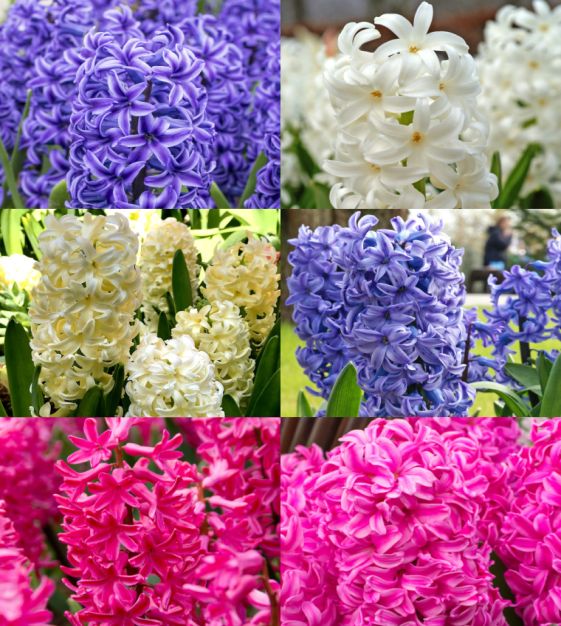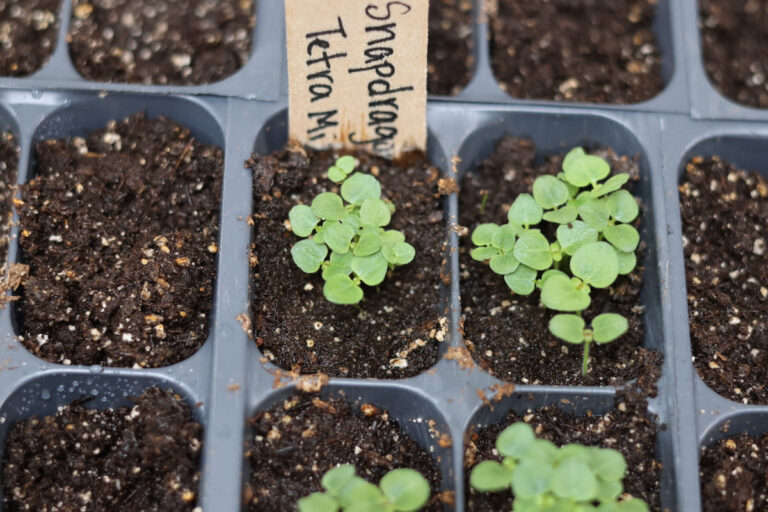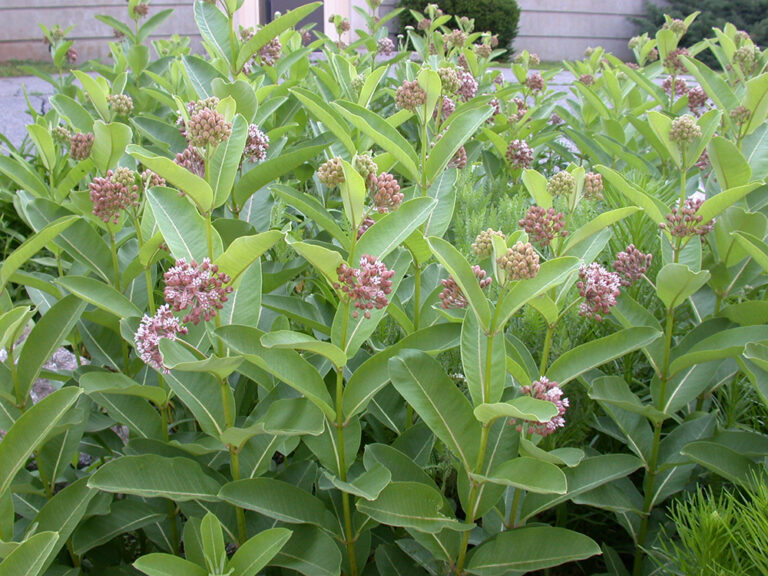
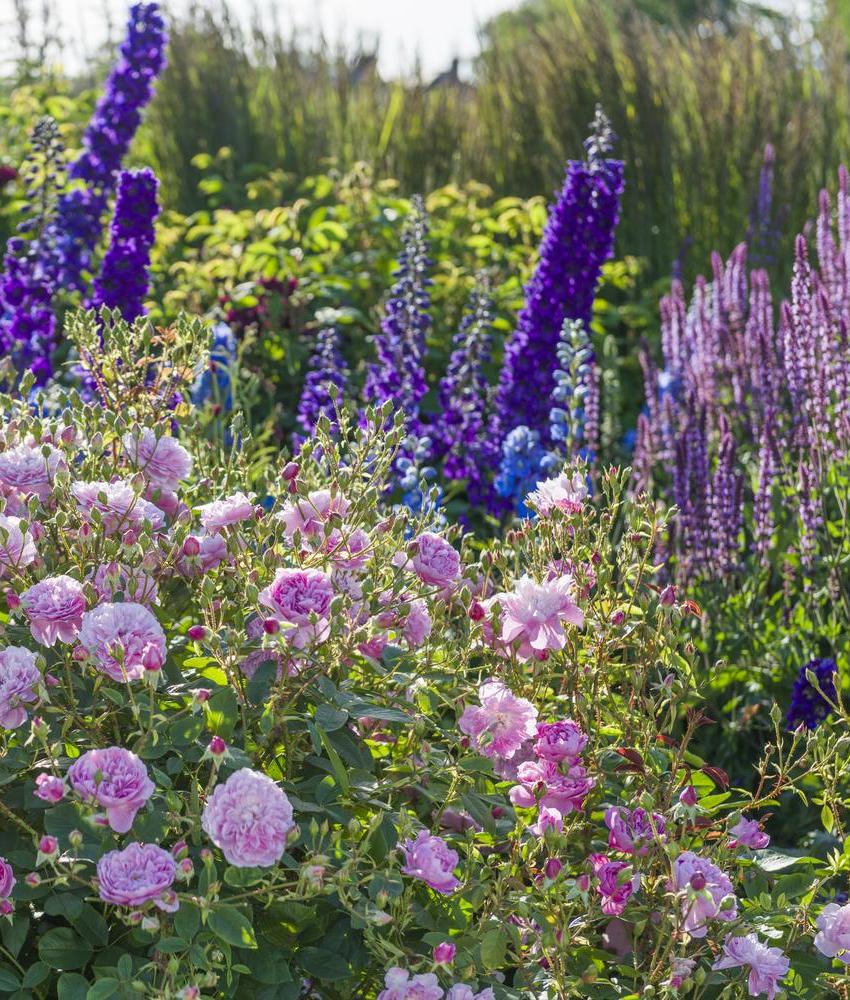
Garden Rose Companions: A Practical Guide to garden rose companions
Garden Rose Companions Essentials: Foundations for a thriving, pollinator-friendly bed
Garden rose companions are not optional extras; they are the framework of a thriving, pollinator-friendly bed. When you plan with garden rose companions in mind, you invite bees, butterflies, and other helpful insects to visit every bloom, while giving roses shelter from wind and competition. A thoughtful plan for your garden rose companions helps maximize every season. In BloomHaven’s 2026 guide, we translate visual trends like cabbage crush, wildflowers, and pollinator-friendly plantings into practical steps you can apply in any garden. This article section lays the foundations: how to read site conditions, how to choose compatible neighbors, and how to design a bed that supports long bloom windows, healthy soil, and resilient growth. You’ll learn simple soil health practices, daylight-aware layout, and a starter plant list that balances fragrance, color, and ecological function. The goal is a bed where roses grow strong, pests are managed by natural allies, and pollinators linger from late spring to autumn. By the end of this introduction, you’ll have a clear roadmap to get started and a sense of how the right companions transform a rose border into a thriving garden ecosystem.
Foundations for garden rose companions: Soil, light, and water
Soil health and structure
Healthy soil is the foundation for vigorous roses and their companions. Aim for loamy, well-drained soil with a pH roughly between 6.0 and 7.0. Add organic matter such as compost or well-rotted manure to improve structure, water-holding capacity, and microbial life. Before planting, work in a 2–3 inch layer of compost and mulch with a year-round layer of mulch like shredded bark or leaf mold to regulate temperature and conserve moisture. Build a living soil by feeding earthworms and beneficial microbes through regular additions of organic matter, not synthetic shortcuts. Avoid heavy amendments that spike salinity or pH too quickly, and test soil periodically to track improvements. A soil-first approach yields healthier root systems, better nutrient uptake, and stronger, more resilient plants that welcome their companions. Deep soil health supports better water infiltration, root depth, and tolerance to heat and drought during hot spells. In addition, cultivate soil biology with cover crops in off-season areas to maintain soil structure and prevent erosion.
Sun, shade, and microclimates
Roses thrive in full sun, ideally 6+ hours a day, but their companions benefit from thoughtful shading and wind protection. Map your bed to identify warm, cool, and wind-sheltered zones. In hot climates, boost health with light afternoon shade using tall, billowy perennials or espaliered fruit trees nearby, allowing roses to drink up morning sun. In cooler climes, ensure drainage is impeccable so roots don’t freeze or rot. Consider microclimates near walls, fences, or paths; these reflect heat and can extend bloom windows. When planning, place thirsty herbs and drought-tolerant companions in zones that receive less sun to prevent competition for moisture. Build layered canopies—taller ornamentals at the back, mid-height herbs in the middle, and low groundcovers at the front—to create a balanced light environment that supports all players in the bed.
Water management and moisture balance
Water wisely to support roses and their neighbors. Use drip irrigation or soaker hoses to deliver moisture at the root zone while keeping leaves dry and reducing disease pressure. In most seasons, aim for deep, infrequent watering rather than daily shallow drinks. Mulch helps regulate soil moisture and suppress weeds, while timed irrigation reduces overhead evaporation. Monitor soil dampness several inches below the surface to avoid both drought stress and waterlogging. Establish a watering routine that aligns with your climate and the bed’s drainage, then adjust during heat waves or drought. Pair irrigation with mulch and shade to create a microclimate that keeps roots cool in the hottest months and prevents rapid moisture loss during windy days.
Choosing compatible garden rose companions
Herbs for fragrance and pest deterrence
Herbs bring aroma, richness, and pest deterrence to a rose border. Select rosemary, thyme, oregano, and lavender for fragrance and essential oil benefits. Many herbs repel nematodes and aphids when planted near roses, while attracting pollinators with bloom timing that complements rose cycles. Plant in shallow groups around the border so scent trails guide pollinators and keep spaces open for air movement. Herbs also provide culinary harvests and living mulch that reduces weed growth. Implement a simple herb row or clumps of potted herbs that can be rotated seasonally for ongoing fragrance and defense. Consider companion herbs with staggered bloom times to maintain scent and nectar sources across the season.
Pollinator-friendly perennials and annuals
Pollinator-attracting perennials such as Echinacea, Monarda, and Salvia add steady nectar across the season, pairing beautifully with spring and summer rose flushes. Annuals like alyssum, cosmos, and calendula fill gaps between bigger blooms, providing color and a continuous nectar source. Design a bloom ladder: early-season nectar from fast-growing annuals, mid-season color from perennials, and late-season warmth from asters or sedums. A diverse pollinator mix increases bee activity and supports natural pest control by beneficial insects. For a practical overview of rose companions, see the RHS guide on companions for roses Companions for Roses. These plant groups also create a layered visual interest that enriches the garden throughout the year.
Groundcovers and underplantings
Low-growing groundcovers and early-spring underplantings stabilize soil, suppress weeds, and create a living mulch. Creeping thyme, creeping phlox, and alyssum spread gently at rose base level, reducing soil erosion and moderating root competition. Choose groundcovers with shallow roots to avoid crowding the crown, and ensure they flower at different times from roses to maintain year-round interest. Groundcovers also help maintain soil moisture and protect delicate rose roots from temperature swings. When selecting underplantings, favor species that tolerate partial shade under rose canes and won’t compete aggressively for nutrients.
Layout and care foundations
Bed design and spacing
Think in layers: tall verticals at the back, mid-height companions in the middle, and low groundcovers at the front. This structure creates air flow, reduces disease pressure, and makes maintenance easier. Space roses and companions to allow adult canes to expand without crowding, while still creating a cohesive border. Consider raised beds in compact soils or where drainage is poor; raised beds warm faster in spring and promote steady root growth. Use visual anchors like a flowering shrub or a specimen herb to guide the eye through the bed. In compact spaces, tiered planting can maximize sunlight exposure and create the illusion of a larger garden.
Mulching, irrigation, and pruning basics
Mulch is your bed’s best friend: it moderates temperature, preserves moisture, and reduces weed competition. Apply 2–4 inches of organic mulch, refreshed annually. Irrigation should focus on the root zone; avoid wetting foliage to minimize disease risk. Pruning supports plant health and form: remove dead wood, thin crowded growth, and shape roses and companions to maintain good air circulation. In practice, prune in early spring before bloom onset, and lightly trim after major flushes to keep the bed tidy and accessible. Regularly monitor for nutrient deficiencies and adjust feeding with a slow-release fertilizer that aligns with the bloom cycle and soil test results.
Maintenance and seasonality
Disease prevention and pest management
Integrated pest management starts with prevention: choose disease-resistant rose varieties when possible and maintain good air circulation by proper spacing. Regularly inspect leaves for powdery mildew, black spot, and aphids; act quickly with natural controls like neem oil, insecticidal soap, or release beneficial insects. Encourage predators such as lady beetles and hoverflies by providing nectar and pollen sources in neighboring plantings. Rotate companions to disrupt pest life cycles and cut down on disease buildup. A healthy, diverse bed is far less vulnerable to rapid pest outbreaks than a monoculture rose patch. In addition, keep rose canes free of old foliage that can harbor overwintering pests.
Seasonal timing and garden calendar
Seasonality drives bloom windows and care tasks. In spring, focus on soil warming, pruning, and bed refreshment; in midsummer, maintain moisture and replenish nectar sources as flowers fade; in autumn, prepare herbaceous companions for winter and plant a few hardy perennials next to the border. Create a simple garden calendar that marks key dates for fertilization, dividing perennials, and mulching. This rhythm ensures a sustainable, pollinator-friendly bed that supports roses year after year. Plan a mid-season evaluation to swap out underperforming companions for better bloom balance or to address shifting climate conditions.
Next, in Part 2, Garden Rose Companions in Practice: Selecting climate-smart companions for roses across seasons, we translate theory into real-world pairings and layouts you can implement this season.
Step-by-Step Garden Rose Companions Pairing: Design, Planting, and Care
Designing with garden rose companions begins long before digging. It centers on healthy plant relationships, the rhythm of the seasons, and the mood you want in your border. This section translates theory into a practical, actionable plan. You will learn how to design with purpose, select compatible partners, and set up care routines that keep roses and their companions flourishing together. By focusing on the concept of garden rose companions, you create a resilient, beautiful garden that speaks to both color and habitat needs.
First, define your aims. Do you want to deter pests with scent, attract pollinators, or extend bloom time through staggered textures? Perhaps you want a low-maintenance bed that still shows dramatic color. Whatever your goals, they shape every choice from plant selection to spacing. In the context of garden rose companions, success hinges on balancing three core elements: the microclimate of the site, the soil condition, and the practical maintenance routine you can sustain across seasons. Specifically, you will align plant form, bloom timing, and resource needs so each plant supports the others rather than competing for the same space.
Foundations of a harmonious pairing
Begin with a simple diagram of your bed. Map sun exposure, soil type, and existing structures. Then list potential companion plants that fulfill a distinct role—soil improvement, pest suppression, or pollinator appeal. This foregrounds the concept that garden rose companions are not random fillers but purposeful partners. Each selection should contribute to a healthier rose, whether by shading roots, attracting beneficial insects, or enriching the soil with organic matter. Keeping this in mind helps maintain the correct balance between roses and their companions, ensuring neither outgrows the other or steals resources unnecessarily.
Spacing is a critical design decision. Roses need air circulation to reduce disease pressure, while their companions should not crowd blooms or steal light. A well-spaced bed enhances weed suppression, improves airflow, and makes seasonal maintenance easier. When you design with space in mind, you also improve access for pruning, feeding, and deadheading. In practice, this means planning for a visual rhythm where roses are the anchor, and each companion plant provides a whispered counterpart rather than a competing statement. This is a foundational step toward reliable, sustainable growth for garden rose companions.
Step 1 — Design foundations
Start with the border’s height story. Taller companions at the back frame the roses and create depth. Medium-height plants provide midground texture, while low-growing species edge the border and help with weed suppression. The goal is a layered tapestry where every plant contributes to color, scent, or structure without blocking light to the roses. By establishing this structure early, you reduce maintenance complexity later and keep the garden feeling cohesive rather than cluttered.
Next, consider bloom timing. You want a sequence that keeps interest from early spring through late autumn. Choose companions that begin flowering as the earliest roses are finishing, and aim for at least a two to three week overlap where both plants are in bloom. This continuity is not just pleasing to the eye; it also supports pollinators during key windows in the growing season. When garden rose companions are thoughtfully aligned in time, you gain longevity in color and energy across beds.
Finally, select a color and texture plan. The palette should harmonize or intentionally contrast to highlight the roses. Fragrance can guide pairing choices as well, since scent-rich companions create a layered sensory experience without overpowering the roses. A cohesive color scheme ensures that the bed reads as a well-curated composition rather than a random assortment of plants. The result is a garden where garden rose companions are an integrated chorus, not a collage of voices.
Step 2 — Selecting beds, borders, and microclimates
Assess microclimates within your garden. A south or southwest border may heat up quickly, while a north-facing bed tends toward slower growth. Roses tolerate sun well, but they appreciate some afternoon shade in hot climates. Your companions should align with these conditions. For heat pockets, choose drought-tolerant or evergreen partners that support the roses without demanding constant moisture. For cooler, shadier spots, opt for plants that tolerate partial shade but still provide bloom and texture. This thoughtful pairing reduces water needs and sustains vitality across the growing season.
Evaluate soil texture and drainage. Roses prefer rich, well-drained soil with steady moisture. Companions should share similar needs to prevent uneven watering and nutrient competition. If you have heavy clay, look for robust root systems that break up soil and improve aeration, or integrate organic amendments that raise drainage and microbial activity. Conversely, sandy soils benefit from slow-release organic matter that holds moisture. Consistent soil health supports all members of the plant community, including the roses and their companions, and reduces the risk of nutrient-related disease pressure.
Decide on soil amendments in a staged plan. Start with a soil test to identify pH and nutrient availability. Then adjust with compost, well-rotted manure, or a balanced fertilizer timed with the plant’s growth spurts. Your goal is a robust growing medium that nourishes roses and their partners without encouraging excessive vegetative growth. A stable soil foundation underpins healthy roots, vigorous flowering, and a resilient garden overall. As you set the beds, ensure there is a generous mulch layer to moderate moisture, suppress weeds, and stabilize soil temperature—critical benefits for garden rose companions alike.
Step 3 — Soil preparation and amendments for healthy companions
Soil preparation is not a one-time event; it is an ongoing discipline that supports garden rose companions year after year. Begin by loosening the topsoil to a depth of about 12 to 18 inches, taking care not to disrupt shallow roots. Incorporate organic matter to improve structure and moisture retention. If you observe a tendency toward compaction, add a light layer of mulch and consider a modest cover crop in early spring to rebuild soil biology naturally. Healthy soil yields healthier roses and more reliable performance from companions, making maintenance easier and more effective.
Next, tailor your amendments to plant needs. Roses respond to balanced nitrogen, phosphorus, and potassium, but so do most of their allies. Avoid heavy, immediate feeding late in the season, which can encourage soft growth susceptible to cold damage. Instead, apply slow-release formulas or compost-based feeds aligned with your local climate and the varieties you grow. The right nutrient mix supports robust roots, strong canes, and long-lasting blooms for both roses and their companions. Specific attention to soil pH can also improve nutrient availability for a broad range of plants in the bed, including the roses themselves.
Finally, integrate strategic water management. Drip irrigation or soaker hoses deliver water at the root zone where it is most needed, reducing fungal issues and leaf splash. Pairing with mulch helps maintain consistent moisture without overwatering. This approach is particularly beneficial for lovers of garden rose companions who want a low-maintenance system. When water is managed efficiently, roses and companions establish steady growth patterns and reliable blooms through peak growing periods.
Step 4 — Planting schedule and spacing
Develop a planting schedule that respects both plant dormancy and active growth periods. Aim to install perennials and shrubs during the cooler part of the year in many regions, while container-grown specimens can be placed more flexibly depending on weather. For roses, early planting in spring or fall can yield vigorous establishment with less stress. Space roses and their companions to maximize air circulation and access for pruning. A general rule is to keep enough space so that foliage from one plant does not shade another excessively. The goal is a breathable, balanced bed where each plant can reach its mature size without crowding its neighbors.
During planting, pay attention to root health. Remove any broken roots and gently tease out compacted sections to encourage rapid establishment. Place plants at the depth they occupied in their nursery containers, then backfill with appropriate soil amendments. After setting, water deeply and mulch to protect roots while the plants acclimate. The planting process is one of the most important moments for establishing the long-term relationship between garden roses and their companions. Thoughtful spacing now means easier maintenance and better performance later.
Establish a simple care routine to support this arrangement. The routine should include regular checks for water needs, disease signs, and nutrient status, especially during transitional seasons. By building a consistent cadence, you preserve the health and vitality of both roses and their companions. You will notice fewer pest pressure issues when plants are healthy, well fed, and properly hydrated, creating a positive feedback loop that reinforces the success of garden rose companions over time.
Step 5 — Mulching and irrigation plan
Mulching is your quiet ally. A 2 to 3 inch layer of organic mulch around the base of plants moderates soil temperature, preserves moisture, and gradually enriches the soil as it decomposes. This practice supports garden rose companions by reducing moisture stress on hot days and keeping weed competition low. Replenish mulch as needed to maintain a uniform appearance and consistent moisture retention. A well-mulched bed also reduces fungal splash during storms, helping to keep roses cleaner and less prone to disease.
The irrigation plan should emphasize deep, infrequent watering rather than light, frequent soaking. Deep watering encourages robust root systems that anchor the border and tolerate dry spells. A drip system is ideal for roses and companions because it delivers steady moisture directly to the root zone while minimizing leaf wetness. In practice, couple irrigation with mulch and a thoughtful planting layout to create a low-stress watering routine that sustains peak performance across the growing season. This approach is essential for gardeners who want a reliable, garden rose companions bed with minimal maintenance burden.
Step 6 — Pest and disease-aware companion choices
Choosing companions with pest-deterrent properties reduces chemical input and supports a healthier ecosystem. For example, plant herbs and flowers that attract beneficial insects, such as lady beetles and parasitic wasps, which help keep aphids and caterpillars in check. Avoid plants that host pests or create crowded microhabitats that trap humidity around the roses. Instead, select companions that improve air flow, support pollinators, and contribute to a balanced pest-management strategy. A well-planned combination can dramatically reduce the need for intervention while keeping the bed vibrant and productive.
Additionally, diversify plant textures and foliage to confuse pests and break up disease pathways. Avoid monocultures where a single pathogen can spread quickly. Instead, mix leaf shapes, colors, and growth habits so that the garden rose companions collectively create microhabitats that are less favorable to pests and diseases. This diversity has a protective effect on the roses and strengthens the overall resilience of the border. Through careful selection and thoughtful design, you can create a robust, low-stress system that thrives year after year.
Consider integrating a trusted outbound reference to deepen understanding of companion-plant dynamics. For example, the Royal Horticultural Society provides practical guidance on choosing roses and their companions to support garden health and aesthetics. Royal Horticultural Society offers credible, horticulturist-approved perspectives that complement your design process and help you refine your choices for garden rose companions.
Step 7 — Attracting pollinators: nectar plants that pair with roses
Pollinators are the lifeblood of a vibrant border. Select nectar-rich companions that bloom at different times to maintain a continuous food source for bees, butterflies, and hoverflies. For instance, plant lacy astrantias, yarrow, or asters in positions that catch the eye as roses transition between bloom phases. By weaving in diverse bloom periods and abundant nectar, you create a pollinator corridor that sustains garden health and extends the visual drama of your bed. This approach aligns with the broader trend toward pollinator-friendly gardens in 2026 and beyond, reinforcing the idea that garden rose companions are not only beautiful but also ecologically valuable. Together, these plants form a partnership that benefits both aesthetic appeal and ecological function, enhancing the celebratory mood of your gardens.
In addition to nectar, consider fragrance as a unifying thread. Plants with complementary scents can enhance the sensory experience while supporting pollinator activity. Simultaneously, select foliage textures that provide visual interest and seasonal structure. The result is a border that reads as a cohesive ecosystem, where garden rose companions contribute to pollination, pest management, and ongoing aesthetic charm. By prioritizing pollinator needs and bloom timing, you create a resilient, thriving border that supports both roses and their allies throughout the season.
As you build, remember to include a dedicated maintenance window for monitoring pollinator activity. Record which companions draw the most beneficial insects and adjust the planting plan if you observe shifts in pollinator visits or pest pressure. This iterative approach ensures that your garden rose companions remain a living, evolving system rather than a static arrangement. Your attention to pollinators pays dividends in plant health, bloom intensity, and overall garden vitality.
Step 8 — Seasonal care calendar and routine
An organized calendar helps you stay ahead of seasonal challenges. Create a simple chart that marks key tasks for garden rose companions: feeding windows, pruning times, mulching schedules, and irrigation checks. A predictable routine reduces the risk of forgotten tasks and ensures that roses and their companions stay in peak condition. In spring, focus on soil conditioning and early feeding to fuel a strong start. In midsummer, emphasize water management and pest scouting. In autumn, prepare beds for dormant periods and enrich the soil for vigor in the next growing season. A consistent rhythm makes maintenance more manageable and helps you notice issues before they escalate.
When you follow a seasonal calendar, you also align the border with climate realities. Local conditions shape when you prune, fertilize, and replant. By tailoring the calendar to your region, you support a sustainable, low-stress approach that respects the needs of garden rose companions. This proactive mindset reduces surprises and keeps the border looking polished and productive through 2026 and beyond.
Step 9 — Implementation checklist and ongoing refinement
With design, planting, and care mapped, you now implement the plan with deliberate, incremental steps. Start by installing the roses and the primary companions, then add accents and seasonal textures as the bed stabilizes. Observe how the plants interact—note light, moisture, and pest dynamics. Use these observations to refine spacing, prune paths, and adjust irrigation. A flexible, observant approach is essential when you are cultivating garden rose companions, because even small changes can yield meaningful improvements in health and beauty. Maintain a journal of changes, noting the outcomes and what you would tweak next season. This habit fosters a continuous improvement mindset that serves both novices and seasoned gardeners alike.
Managing aesthetics, function, and care in practice
In practice, garden rose companions thrive when your design respects both beauty and biological needs. Balance is the guiding principle. A border that embodies balance features plants with complementary growth habits, a shared soil culture, and synchronized maintenance. The resulting bed feels curated yet alive, a dynamic tapestry that changes with the seasons. You can achieve this balance by intentionally pairing rose varieties with companions that fill gaps in shade, height, bloom timing, and texture. The payoff is a border that performs beautifully while requiring a sustainable level of effort from you, the gardener.
Now, let’s translate these principles into a concrete, step-by-step action plan you can adapt to your garden. Begin by confirming your design goals, then select a compatible mix of roses and companions that align with light and soil conditions. Next, prepare the bed, implement proper spacing, and install a mulched, water-efficient irrigation system. Finally, establish a seasonal care calendar, monitor outcomes, and adjust as needed. This practical sequence gives you a reliable approach to creating garden rose companions that are both gorgeous and resilient.
The overarching aim is to cultivate a border that is not only visually striking but also ecologically balanced. By focusing on plant roles—soil builders, pest controllers, pollinator lures, and bloom anchors—you create a living system that supports your roses, your garden’s health, and your enjoyment as a gardener. In the next section, we will turn to Maintenance and Seasonal Care for Garden Rose Companions to ensure these pairs endure with minimal fuss while continuing to flourish.
In sum, the step-by-step design, planting, and care framework for garden rose companions equips you with a practical path to a thriving border. The synergy between roses and their allies grows stronger with deliberate planning, mindful planting, and consistent stewardship. As you move forward, you’ll see how each companion enhances the others, producing a border that glows with color, scent, and vitality. The next part of this guide will deepen that stewardship by focusing on year-round maintenance and seasonal adjustments to keep your garden rose companions at their best, precisely as outlined in the upcoming section titled Maintenance and Seasonal Care for Garden Rose Companions.
Next up, we dive into Maintenance and Seasonal Care for Garden Rose Companions, where we translate this design into a practical, ongoing care routine that keeps roses and their partners flourishing through every season.
Advanced Strategies for Garden Rose Companions: Troubleshooting, Expansion, and Seasonal Care
In this final section, we apply the hard‑won lessons of the guide to robust, real‑world planting. You will learn advanced troubleshooting steps, strategic expansion techniques, and seasonal care rituals that keep your garden Rose companions thriving year after year. The focus remains on garden rose companions as the organizing principle of design, health, and ecology in BloomHaven’s vision for 2026 and beyond.
Troubleshooting Garden Rose Companions: Diagnosing and Correcting Common Issues
Diagnosing Pests and Their Impacts on Garden Rose Companions
First, identify culprits early. Aphids, whiteflies, and scale often cluster on roses and their companions during growth spurts. Look for honeydew on leaves, curling foliage, or sticky residues. Next, assess population levels. A light hover of beneficial insects is good; an overwhelming swarm signals imbalance. Finally, translate symptoms into actions. Begin with mechanical controls—hose off colonies, prune affected growth, and monitor new shoots. If pressure persists, introduce targeted, eco‑friendly options such as insectary plants that attract natural predators and, when necessary, selective horticultural oils. Avoid broad‑spectrum sprays that can disrupt pollinators and beneficials. When garden rose companions share space, keep a steady watch to prevent pest cascades and maintain resilient plant communities.
Managing Diseases in Garden Rose Companions
Powdery mildew and black spot are common in humid windows between spring and early summer. Regular air circulation is your best defense. Space plants according to mature width and prune for light penetration. Water at the base rather than overhead to reduce leaf wetness. If disease appears, remove infected foliage promptly and dispose of it away from the planting bed. Apply fungicidal or home‑made remedies with caution, ensuring compatibility with companion plants. In practice, a diverse mix of resistant cultivars and well‑drained soil minimizes disease risk over time. Remember, healthy soil supports robust immune responses in garden rose companions, so maintain soil biology with organic matter and appropriate amendments.
Soil, Water, and Competition: Balancing Resources for Garden Rose Companions
Companions should share the bed without starving the roses. Test soil pH and fertility, then adjust. Roses prefer slightly acidic to neutral soil; too much alkalinity can hinder nutrient uptake and promote disease. Mulch helps conserve moisture and suppress weeds that compete for nutrients. Water deeply and infrequently to encourage deep roots, then adjust based on weather. Observe competition: fast‑growing perennials or aggressive ground covers can crowd the root zone. If crowding happens, prune back aggressively or relocate slower‑growing companions to other beds. In the long term, plan for staggered bloom times and varied growth habits to minimize clashes and maximize overlapping benefits for garden rose companions.
Dealing with Weather, Heat, and Seasonal Stress in Garden Rose Companions
Heat waves, late frosts, and heavy rains stress borders. Use shade cloth or light canopy plants during peak sun in hot climates, and designate cooler microclimates for sensitive companions. For late cold snaps, protect new transplants with cloches or breathable fabric. Across seasons, monitor soil moisture closely and adjust irrigation schedules. A well‑timed rain garden approach reduces reliance on irrigation while supporting garden rose companions with savvy water management. Ultimately, proactive monitoring and adaptive care keep problems from spiraling in garden rose companions.
Expanding Garden Rose Companions: Strategic Additions and Smart Layouts
Choosing New Plants for Garden Rose Companions
Expansion should support function as well as aesthetics. Introduce pest deterrents like garlic, chives, and nasturtiums next to roses to create a natural barrier in garden rose companions. Invite pollinators with lavender, salvia, yarrow, and catmint that bloom at different times, ensuring continuous nectar sources. Add soil builders such as clover or legumes to fix nitrogen and improve texture, benefitting the bed as a whole. Groundcovers and low‑growing perennials reduce erosion and conserve moisture, while aromatic herbs contribute fragrance layers to the sensory experience of garden rose companions. When selecting new plants, evaluate color, bloom timing, fragrance, and height to maintain harmony with existing roses.
Design and Spacing: Arranging Garden Rose Companions for Health and Beauty
Plan a layered planting scheme that alternates texture and form. Use vertical accents (salvias, foxglove) with mid‑height companions (catmint, echinacea) and low ground covers (thymus, creeping thyme) to preserve airflow and sun exposure for rose canes. Space according to mature size to prevent root competition and leaf overlap that fosters disease. A well‑designed bed reduces maintenance while multiplying benefits: more pollinator visits, better pest control, and a more resilient ecosystem within garden rose companions. When placing new plants, stagger bloom times to create a continuous display across the growing season, ensuring that the garden rose companions remain the stars of the show while still serving as a thriving community of compatible species.
For a trusted guide on pollinator‑friendly plantings that complements the above approach, see the extension resource on pollinator habitats at Pollinator‑Friendly Garden Resources.
Practical Case Studies and Quick Wins for Expansion
In one border, pairing roses with drought‑tolerant lavender and silvery artemisia created a low‑maintenance, heat‑loving microclimate that reduced irrigation by 25% over a typical season. In another bed, adding yarrow and echinacea increased pollinator visits by an estimated 40% during peak bloom. These quick wins illustrate how thoughtful expansion strengthens garden rose companions without sacrificing beauty. Ultimately, each new plant should contribute to the bed’s function and visual rhythm, not just add more color. By combining functional partners with striking ornamentals, you elevate your garden rose companions into a flourishing, multi‑season tapestry.
Seasonal Care for Garden Rose Companions: A Year‑Round Plan
Spring Renovation and Planting for Garden Rose Companions
Spring is a prime time to refresh borders. Remove debris from winter and lightly amend the soil to restore structure. Incorporate compost to support the growth of garden rose companions. Plant new additions after the last frost date, ensuring they have enough space to establish. Prune and train roses gently to encourage air movement and create room for companions. Use mulch to regulate moisture and suppress weeds while the plants settle into their new home. By starting with a clean slate, you set the tone for a thriving season of garden rose companions.
Summer Maintenance for Garden Rose Companions
Summer requires consistent moisture management and bloom maintenance. Water deeply, preferably in the early morning, to promote deep root growth in garden rose companions. Deadhead spent blooms to encourage continuous flowering. Monitor for heat stress and provide shade if needed. Pinch back tall perennials to prevent shading of roses and to maintain an open canopy that supports air movement. A steady feeding routine with a balanced fertilizer supports growth without encouraging excessive foliage that can harbor pests. In practice, a well‑timed irrigation plan and regular pruning keep garden rose companions vibrant through the heat of summer.
Autumn Planning and Preparation for Garden Rose Companions
Autumn is the season to consolidate gains and prepare for winter. Remove exhausted annuals and tidy beds. Apply a final mulch layer to protect roots and preserve soil structure through cold periods. Divide perennials if needed to maintain vigor for the following year. Collect seed heads from appropriate companions for propagation and future plantings within the bed. Autumn care in garden rose companions helps reduce disease pressure next spring and ensures a strong base for next year’s blooms.
Winter Care and Off‑Season Management for Garden Rose Companions
Winter is a quiet, restorative period. Protect tender plants with a light mulch or fabric covers if frost risk remains. Inspect beds for drainage issues and plan improvements for spring. Use this time to reflect on what worked and what didn’t in your garden rose companions plan. Consider updating plant inventories and revising spacing to accommodate any growth patterns you observed during the previous season. A deliberate winter review strengthens your spring performance in garden rose companions.
Conclusion: Synthesis and Forward Action for Garden Rose Companions
Ultimately, a thriving border of garden rose companions depends on disciplined troubleshooting, thoughtful expansion, and disciplined seasonal routines. Troubleshooting tools keep problems from spiraling, expansion adds function and beauty, and seasonal care ensures continuous health and performance. The garden rose companion approach creates a resilient ecosystem that supports pollinators, improves soil biology, and sustains color year after year. In summary, the more intentionally you design, monitor, and adapt your garden rose companions, the more you will enjoy a garden that feels both lush and purposeful. To conclude, make today the day you reassess a few bed margins, introduce a pollinator‑friendly companion, and re‑balance for improved health. In conclusion, garden rose companions empower your landscape with beauty, resilience, and ecological integrity. Ready to transform your borders? Explore more BloomHaven resources and start planning your next set of garden rose companions today to unlock your garden’s full potential.