Snapdragon Succession Planting Guide for Year-Round Blooms
snapdragon succession is a practical approach to guarantee blooms across the growing season while supporting pollinators in your garden. In BloomHaven’s Year-Round Blooms series for 2026, a carefully staged program of sowing, transplanting, and maintenance lets borders, containers, and cut-flower beds fill with color that arrives in waves. This article, Snapdragon Succession Planting Fundamentals for Consistent Blooms and Pollinator Attraction, builds a flexible framework you can adapt to climate, soil, and space. We’ll unpack the core concepts, help you select varieties that cooperate in succession, and lay out a calendar that keeps color moving from late spring through late autumn. By following these fundamentals, you gain reliable bloom timing, increased pollinator visits, and a garden that feels lively for months. In addition, you’ll discover practical tips you can apply whether you garden in pots, raised beds, or in-ground borders.
Snapdragon Succession Planting Fundamentals for Consistent Blooms and Pollinator Attraction
Understanding snapdragon succession: Fundamentals for Year-Round Color
Snapdragon succession is about more than one flush of flowers. It is a planning approach that spaces sowings and transplants so blooms overlap across weeks, not months. In practice, you plant early-season crops to finish just as late-season crops are starting, creating continuous color. The goal is to fill gaps in borders and containers while the pollinators enjoy a steady nectar supply. Therefore, a well-executed succession reduces peak-bloom gaps and extends your display by weeks or even months, depending on climate. For gardeners in 2026, this means you can blend cool-season snapdragons with heat-tolerant varieties to cover both spring and late-summer windows. In addition, succession helps you manage disease and water more efficiently, since you’re working with smaller, more manageable plantings rather than one large block. Crucially, success hinges on three factors: timing, variety mix, and disciplined maintenance.
Choosing Varieties for snapdragon succession: Timing, Color, and Form
Not all snapdragons are created equal when it comes to succession. Look for compact or dwarf forms for containers, and taller types for borders where they can be staked. Choose multiple color families to extend visual tempo as blooms progress. For succession, you’ll want a mix of early-season, mid-season, and late-season cultivars so you get overlapping blooms rather than a single peak. In addition, consider flowering habit: some varieties begin to bloom quickly (40-60 days from sowing), while others take longer, so plan your plant order accordingly. If you start with plug trays or transplants, you can assign each group to a staggered calendar and maintain a steady rhythm. This approach delivers a predictable, extended display and supports diverse pollinators throughout the season.
Key Principles of snapdragon succession Planting
There are core rules you can rely on. First, space plants to allow airflow and reduce disease pressure; second, stagger sowings in 2- to 3-week intervals; third, align transplanting with local frost dates and expected heat waves. By following these tenets, you create multiple bloom windows, enabling you to fill gaps as older plants fade. The concept is simple: a frequent turnover of small plantings yields continuous color and robust pollinator visits. To succeed, you must map your calendar, select appropriate cultivars, and adjust for local conditions.
snapdragon succession Schedule: How Often to Sow and Transplant
The schedule is the backbone. Start with a first sowing 6-8 weeks before your last frost. Then schedule subsequent sowings every 2-3 weeks through spring. As transplants become established, stagger their placement so peaks do not coincide. For autumn color, plant later in the season so after the heat of summer you still have flowering. In warm climates, you may run a second cycle into late autumn.
snapdragon succession Spacing and Bed Planning
Space plants at 6-8 inches apart in beds; for pots, 8-12 inches works well depending on cultivar. This spacing gives air circulation and reduces disease while allowing each plant to reach full size. If you are growing in containers, group three to five plants per pot for mass impact and then stagger pot rotations to maintain color.
Soil, Light, and Water for Snapdragon Succession
Snapdragons tolerate a range of soils but prefer well-drained, moderately fertile soil with a slightly alkaline to neutral pH. Work in compost to improve texture and moisture retention, then top-dress with a light mulch to keep roots cool. Place in full sun to part shade; in hotter regions, some protection during the hottest part of the day will extend bloom. In a succession program, even moisture is key—keep soil evenly moist but not waterlogged. Overwatering can promote root diseases, while drought stress can shorten each wave of bloom. Fine-tune irrigation with a soaker hose or drip line to deliver water directly to the root zone.
Starting Seeds, Transplants, and Snapdragon Succession Calendar Outline
There are two main routes for hustle-free succession: direct seeding and plug-transplant programs. Direct sowing works best for cool-season varieties; it’s quick and saves time, but germination can be uneven. Seedlings started indoors or in a heated seed bed can be transplanted after the danger of frost passes. For year-round color, create a calendar that spaces sowings and transplant dates 2-3 weeks apart. A simple template: January–February sowings for early spring; March–April for late spring; May for mid-summer waves; July for late-season color, and August–September for a final late-fall display. Adjust based on your microclimate; in 2026 many gardeners combine indoor starts with outdoor direct sowing to ensure continuous supply of plants at whatever stage you need.
Maintenance: Deadheading, Pinching, and Pest Prevention for Snapdragon Succession
Regular maintenance extends bloom life and keeps plants compact. Pinch to encourage branching early in a plant’s life, then deadhead spent flowers to prolong flowering and discourage seed set. In a succession program, you’ll often prune lightly to maintain size and shape so you can fit more waves of bloom into your garden. Monitor for common pests such as aphids or thrips, and keep an eye on fungal issues after prolonged wet periods. Use a clean, sharp pruning tool and disinfect between plants to prevent disease spread. In addition, applying a layer of mulch helps retain soil moisture and suppress weeds that compete for resources.
Pollinator Attraction: Designing a Snapdragon Succession that Feeds Bees and Butterflies
One of the strongest justifications for a snapdragon succession is the steady nectar supply for pollinators. When you stagger bloom times, you invite a sequence of bees, hoverflies, and butterflies to visit your garden. Choose varieties with extended bloom or fragrance, and pair snapdragons with nectar-rich companions such as echinacea, salvia, and coreopsis to maximize visitation. For visual impact and habitat, arrange colors in blocks or soft gradient transitions rather than a single mass. This approach creates a living tapestry that attracts pollinators while providing you with long-lasting cut flowers. For more on pollinator-friendly practices, see the Xerces resource linked here: the Xerces Society’s pollinators guide.
With these fundamentals in place, you’re ready to begin implementing a snapdragon succession plan in your garden. Start small with a single bed or container display to refine your timings, then scale up as you gain confidence. In Part 2, Varieties, Timelines, and Maintenance for Nonstop Snapdragon Color, we will drill into cultivar selection, precise sowing windows, and an optimized timetable that suits your climate and garden design.
Snapdragon Succession Planting Step by Step Guide for Year-Round Color
In this section, we translate the concept of snapdragon succession into a practical, repeatable process. The goal is to keep color steady from early spring through late fall and, where conditions permit, into mild winter months. Each stage builds on the last, reducing gaps between bloom bursts and letting you enjoy continuous, eye-catching plumes. By following a disciplined schedule, you’ll maximize your garden’s visual impact and improve pollinator activity across seasons.
Before you begin, remember that success hinges on timing, space, and proper care. Snapdragon succession works best in climates with defined seasons, like many parts of North America and Europe in 2026. We’ll cover seed choices, timing, soil prep, and ongoing maintenance in a way that is actionable for both beds and containers. Specifically, you’ll learn how to plan staggered plantings so that a fresh wave of blossoms arrives just as the previous one fades.
What is Snapdragon Succession and Why It Works
Snapdragon succession is the practice of staggering plantings to create overlapping bloom periods. It relies on choosing varieties with different maturation times and scheduling sowings or transplants so new flowers arrive as older ones finish. In practice, succession means you do not plant a single flush of flowers and hope for the best. Instead, you design a continual sequence of color, week after week.
Specifically, you can start with early-blooming varieties in containers or the front of the border. Then, add mid-season types a few weeks later. Finally, plant late-season cultivars to extend display into autumn. This approach reduces the risk of a long color lull and makes color management predictable. It also helps your pollinators with a steady supply of nectar, which is good for the garden ecosystem.
To make the most of snapdragon succession, you must match variety traits to local conditions. Temperature tolerance, bloom duration, and light needs all influence when and how long each group will perform. In addition, proper spacing and deadheading practices maximize air circulation and bloom longevity. Consequently, your color matrix becomes resilient rather than fragile.
When planning, keep your garden’s microclimates in mind. A south-facing bed on a sunny days with light afternoon breeze will perform differently from a shaded corner. The concept remains the same, but the execution adapts. With careful planning, your garden can present a continuous tapestry of snapdragon blooms across the growing season.
Choosing Snapdragon Varieties for Year-Round Color
Variety selection is the backbone of a successful snapdragon succession. Look for a mix of growth habits, bloom times, and flower forms. Short, compact types suit containers and front borders. Taller varieties work well at the back of beds and can be used as dramatic focal points. In 2026, the market has a broad palette of colors and shapes, from bold blocks to delicate, densely packed spires.
Group your selections into three bloom windows: early, mid, and late. For the early window, choose varieties known for rapid germination and fast color. Mid-season types typically offer the longest continuous bloom. Late-season cultivars often possess excellent frost tolerance and extended flowering into cooler days. By blending these groups, you create a year-round cadence rather than a sudden peak followed by a quiet lull.
Color strategy matters. Consider complementary pairings such as lemon yellows with deep purples, or pinks with whites for a gradient effect. You can also use monochrome blocks for modern impact. If you aim to attract bees and butterflies, select nectar-rich colors and keep bloom time overlapping across varieties. Finally, select disease-resistant lines whenever possible to reduce maintenance and keep the display healthy.
For gardeners who enjoy a magazine-worthy garden by design, consider naming and planning your succession blocks. A simple naming scheme—early red, mid yellow, late lavender—helps you visualize the sequence. As you work with multiple varieties, keep a garden journal to track germination dates, transplant success, and bloom timing. The data will refine future seasons and improve outcomes over time.
Planning Your Planting Timeline: From Seed to Bloom
Timing is everything in snapdragon succession. In most regions, the annual cycle starts indoors or in a warm bed about 6 to 8 weeks before the last frost. This gives you a strong start for early bloom. After hardening off the young plants, transplant them into prepared beds or containers. The goal is to have the first wave of color in place just as the risk of frost passes.
As you move through spring, schedule subsequent sowings or transplants every 2 to 3 weeks. This cadence creates overlapping blooms and avoids gaps in color. If you’re growing directly in the garden, you can sow in late spring or early summer for a fall display, depending on your climate. For areas with mild winters, late-season sowings may yield a secondary flush of color that persists into winter when conditions allow.
Document each sowing date and the variety used. This record helps you refine your approach year after year. In warmer zones, you can extend the calendar by embracing fall-planted crops that finish blooming as winter approaches. The key is to maintain a staggered schedule that aligns with local temperatures and light patterns. With practice, you’ll master a reliable rhythm for snapdragon succession throughout the year.
Soil, Light, and Site Setup for Optimal Growth
Healthy soil is the foundation for repeated blooms. Aim for well-drained, fertile soil with a slightly acidic to neutral pH of roughly 6.0 to 7.0. If your soil is heavy or prone to waterlogging, improve drainage with organic matter and a light top-dressing of compost. Good drainage reduces root rot and keeps plants thriving through successive waves of growth.
Snapdragons adore full sun. In most climates, 6 to 8 hours of direct light per day is ideal. In very hot areas, a bit of light shade during the hottest part of the afternoon can protect blooms and prevent stress that shortens the bloom window. Place garden snaps where air can circulate freely to reduce moisture buildup that invites disease. Adequate spacing is essential for consistent air movement between plants, which supports robust growth across succession stages.
Mulching after planting helps conserve moisture and suppress weeds. A 1 to 2 inch layer of organic mulch keeps roots cool and reduces temperature swings that can affect flowering. Mulch also adds a layer of resilience against fluctuating spring rains and summer heat. Keep mulch a few inches away from the stem to prevent rot. Taken together, soil, light, and site choices set the stage for reliable snapdragon succession.
Starting Seeds Indoors vs Direct Sowing: A Step-by-Step Decision
Your choice between indoor sowing and direct sowing should reflect your climate, timing, and space. Indoor sowing offers control over germination, especially when you’re aiming for an early first flush. Direct sowing saves time and protects transplant shock. Both methods can be used within a coordinated succession plan.
Indoor sowing basics start with a clean seed tray and a fine seed-starting mix. Keep the soil consistently moist and provide bottom heat if possible. Lightly cover seeds and maintain a warm, bright environment. As seedlings emerge, move them to bright light and avoid overheating, which can lead to leggy growth. When outdoor conditions are suitable, transplant with careful handling to minimize root disturbance. This approach is ideal for kick-starting early blooms as part of your snapdragon succession.
Direct sowing is a simpler path for gardeners who want to work with the earth’s natural rhythms. Prepare the bed in advance, incorporate compost, and rake smooth. Sow seeds shallowly, then cover lightly. Keep the soil evenly moist while seedlings germinate. Once established, provide consistent watering and monitor for pests and diseases. Direct sowing works well for mid to late-season waves, especially in regions with a short indoor-to-outdoor transition period.
Indoor Sowing for Snapdragon Succession
Indoor sowing allows you to anchor the early wave of color. You’ll have control over germination temperature and can optimize early root and shoot development. Use a sterile starting mix and a shallow tray. After seedlings reach two true leaves, gently transplant into individual pots. Harden off gradually before moving to the garden. This method ensures you have a precise start to your snapdragon succession.
Direct Sowing for Snapdragon Succession
Direct sowing aligns with natural seasonal shifts. Sow in prepared beds after the last frost date or when soil temperatures rise. Space evenly to avoid crowding that slows growth. Water deeply after sowing and maintain consistent moisture through germination. This approach supports mid to late season waves and can be combined with indoor starts for a continuous display.
Transplanting, Spacing, and Care for Continuous Blooms
Spacing is critical for healthy snaps and consistent color. Most varieties need 8 to 12 inches of space, depending on size at maturity. Adequate spacing improves air movement, reduces disease pressure, and promotes robust flowering across succession phases. Tall varieties may require staking or support to prevent flopping as blooms bulk up.
Transplant timing matters. Move seedlings firmly but gently into the garden once the danger of frost has passed and the roots are established. For container plantings, choose a pot size that allows adequate root growth. In both cases, firm the soil around the plant and water thoroughly to settle the roots. Regular deadheading during this phase encourages more blooms and helps sustain the succession cycle.
Progressively, you may pinch young plants to encourage branching and earlier flowering. This technique is especially useful for compact varieties intended for containers. Pinching influences plant architecture and can lead to more abundant flowering across multiple wave cycles. Keep an eye on vigor; some varieties respond better to pinching than others, so tailor your approach accordingly.
Watering, Fertilization, and Mulching Strategies
Water is the lifeblood of a thriving succession. Water deeply at the base of plants rather than from above to minimize wet foliage and disease risk. Inconsistent watering can lead to stress, reduced bloom, and a shorter color window. Establish a steady schedule based on weather, soil type, and container size.
Fertilization supports healthy growth and vibrant color. Use a balanced, water-soluble fertilizer during active growth, following label directions for frequency and dilution. Avoid over-fertilizing, which can encourage lush foliage at the expense of flower production and shorten the life of each bloom wave. For organic options, mix compost tea or a low-nitrogen fertilizer into your routine to preserve bloom quality.
Mulching remains essential through the season. Mulch reduces weeds, moderates soil temperature, and preserves moisture for long bloom periods. Replenish mulch as it decomposes, and keep it away from stems to prevent rot. If you notice surface crusting after watering, apply a light re-layer to maintain soil moisture without suffocating roots. This combination of watering, feeding, and mulching supports consistent snapdragon succession in both beds and containers.
Snapdragon Succession: Pest, Disease, and Prevention
Pests and diseases can disrupt your color continuity. For snapdragon succession, stay vigilant for aphids, thrips, and spider mites, especially on new growth. Use a strong homemade spray of water and mild soap if infestations appear early. Encourage natural predators like lady beetles by providing diverse flowering plants nearby. Regular monitoring is your best defense against outbreaks that could derail your color plan.
Botrytis blight and powdery mildew are common fungal threats in damp environments. Improve air circulation and avoid overhead watering to minimize risk. Remove heavily affected foliage promptly and dispose of it away from your garden. If disease pressure remains high, consider plant replacements with resistant varieties or adjust spacing to reduce moisture buildup. A proactive routine keeps your snapdragon succession resilient and vibrant.
For a well-rounded approach, practice crop rotation and sanitize tools between beds. Healthy tools mean fewer disease transmissions. If you notice persistent issues, consult a local extension service for region-specific recommendations. A disciplined approach to pest and disease management ensures your succession plan remains productive year after year.
Color Coordination, Design Tips, and Pollinator Friendly Planting
Color planning elevates snapdragon succession from function to form. Use a color wheel to choose complementary or analogous palettes. For a bold, modern look, pair vivid warm colors with cooler accents. For a softer, cottage-style effect, blend pastel tones with whites and creams. The key is to maintain overlap between bloom windows so the color story remains uninterrupted.
Pairing with pollinator-friendly companions is a cornerstone of year-round color. Choose plants that provide nectar across seasons and bloom times. Insects benefit from a steady food source, and gardeners gain a dynamic, thriving landscape. Consider pairing with hardy annuals and perennials that fill gaps between snapdragon waves while staying visually cohesive with your chosen palette.
For materials and textures, mix foliage shapes and heights to create depth. Layering can add interest and help the succession read as a continuous tapestry. In addition, use containers to stage color blocks that echo the garden beds. This approach makes the color narrative legible from a distance, which is especially appealing for visual searches and social media inspiration.
To explore more about specific, non-competitive landscape references, you can review expert guidance on annual color strategies at reputable horticulture resources like the UMN Extension on snapdragons. This page aligns with best practices for selection, care, and planning that support snapdragon succession in diverse climates.
Harvesting, Deadheading, and Extending Color into Fall and Winter
Deadheading is your friend in a succession plan. Removing spent blooms encourages new growth and keeps the display looking fresh. In mild autumn climates, deadheading regularly can push a late flowering wave into cooler months. For containers, refresh soil and replace tired plants with late-season varieties to maintain a vibrant focal point.
Cut back after a flush of blooms to encourage a second round. In temperate regions, a light pruning can help snapdragons recover after peak bloom and re-flower later in the season. If temperatures truly drop, a light frost may take some plants out of commission. In such cases, replanting for fall color ensures you preserve the succession narrative and maximize seasonal color.
When planning for winter, consider varieties that tolerate cooler days and shorter days. In regions with milder winters, you may extend bloom time with protective measures like cloches or cold frames. The transition between seasons is where you can push the edges of year-round color, as long as you provide consistent care and appropriate protection for your plants.
Common Mistakes to Avoid in Snapdragon Succession
Overcrowding is a frequent misstep. It reduces air flow and increases disease risk, which interrupts color continuity. Give each plant ample space to reach its full bloom potential. Underwatering is another culprit. Snapdragon succession demands steady moisture, especially during peak bloom seasons. Let soil dry only slightly between waterings to avoid root rot and stress that dampens color output.
Neglecting light requirements undermines the plan. Insufficient sun shortens bloom duration and weakens stems. If a bed becomes shaded over time, reorganize plantings to reclaim light exposure. In addition, inconsistent feeding can dull color. Use a balanced fertilizer on a predictable schedule and adjust for container vs bed plantings. Finally, skip the last-minute substitutions. Plants that fail to thrive disrupt the cadence of your entire succession cycle and waste valuable garden time.
Seasonal Calendar Snapshot: When to Plant and When to Expect Blooms
From early spring to late fall, your succession calendar looks like a carefully arranged sequence of sowings and transplants. Start indoors or in a warm bed about 6 to 8 weeks before the last frost date. Transplant after frost risk has passed, then follow with mid-season sowings every 2 to 3 weeks. End with late-season plantings for autumn color, and possibly a winter display in milder areas.
Keep a calendar that records your sowing dates, varieties, and bloom windows. This simple practice turns experience into a precise, repeatable process. In 2026, adaptive planning makes year-round color not only possible but surprisingly predictable in many regions. With each season you refine your approach, improving both bloom density and overall garden mood.
As you wrap up this step-by-step guide, you’re ready to implement a robust snapdragon succession plan. The foundation is set by thoughtful variety selection, precise timing, and careful site preparation. In Part 3, we delve into designing color palettes and garden layouts that maximize impact while supporting pollinators and sustainable gardening goals. Get ready to elevate your year-round blooms with smart design and practical plant science.
Advanced Snapdragon Succession Techniques for Year-Round Impact and Sustainable Gardening
In this final section, we translate the science of snapdragon succession into actionable, year-round practices. You will learn how to time, sequence, and sustain blooms while protecting soil health and supporting pollinators. Each technique is designed to maximize impact with minimal waste, aligning with sustainable gardening principles and the 2026 bloom-forward mindset of BloomHaven.
Timing the Flush: Climate Windows for Snapdragon Succession
Timing is the backbone of successful succession. The goal is to create overlapping waves of bloom rather than one peak followed by silence. Start by mapping your local climate windows and your microclimates inside the garden. In general, snapdragon succession thrives when you stagger sowing or transplant dates to ensure a constant supply of flowering plants.
First, identify your primary growing season. For cool-season regions, begin with hardy transplants indoors or in a protected bed, then transplant as danger of frost passes. For warmer regions, initiate outdoor sowing a little later to avoid heat stress while still achieving early bloom. Ultimately, the best cadence is a two-to-three-week interval between sowings or transplantations until late summer.
To implement, keep a simple calendar with three bands:
- Band A: early-season bloom (spring)
- Band B: mid-season bloom (summer)
- Band C: late-season bloom (early fall)
In practice, aim for a continuous thread of color by repeating a subset of varieties every 2–3 weeks. This creates overlap between bands and prevents gaps in the visual display. As seasons shift, adjust intervals by a week or two based on weather. Always be prepared to shield new plantings from sudden cold snaps with row covers or light mulch.
For a practical reference on succession strategies, consider exploring extension resources on succession planting, which offer region-specific cadences and tips.
PSU Extension: Succession Planting provides a solid framework for tailoring the cadence to your microclimate and bed structure.
Spatial Sequencing: Patchwork Planting for Continuous Color
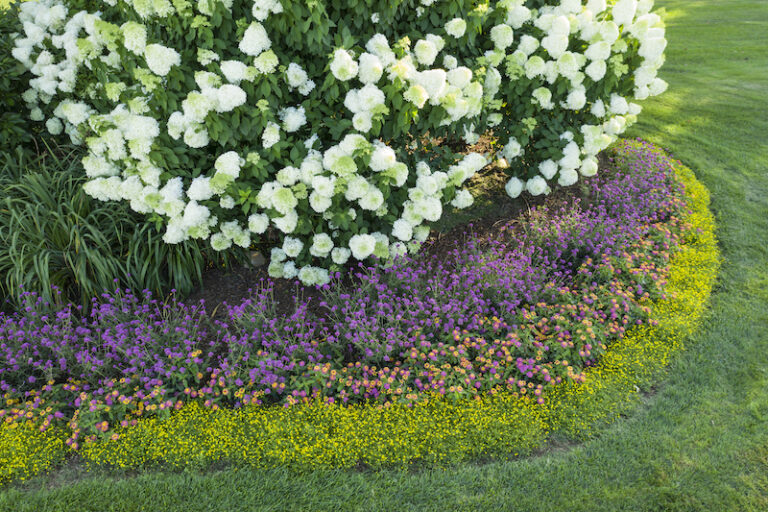
Spatial sequencing is the art of arranging plants so color, height, and bloom form flow through the bed. For snapdragon succession, group plants by bloom time and height so as each wave fades, the next rises. Create visual steps that guide the eye across the plot, rather than abrupt color shifts that feel disjointed.
Design rules of thumb include a gentle progression from lower to taller stems, and from cool-toned to warm-toned hues. Intermix snapdragons with pollinator-friendly companions such as calendula, cosmos, and zinnias. These combos preserve bloom density and support beneficial insects that help manage pests naturally.
When spacing, consider both aesthetics and airflow. Snapdragons dislike crowded microclimates that promote disease. Adequate air movement reduces humidity on leaf surfaces, lowering powdery mildew risk. In practice, space transplants so their stems have room to elongate, but align them in repeated blocks to emphasize continuous color waves.
Additionally, plan for fall and winter interest where possible. In mild regions, plant cool-loving annuals that tolerate light frost to maintain color depth. This approach maintains year-round impact without sacrificing soil health.
To extend success, keep a simple layout map. Sketch the bed, note the cultivar and bloom window for each block, and record actual performance. Over time, your map becomes a dependable guide for future seasons and helps you refine the snapdragon succession pattern.
Varietal Selection for Continuous Bloom and Resilience
Not all snapdragons are created equal when it comes to succession. Some varieties bloom earlier and longer, while others offer more robust branches for cut foliage. A thoughtful mixture yields evergreen color coverage across seasons and reduces the risk of a single late frost compromising the entire display.
Choose a mix of growth habits and heights. Tall varieties add drama at the back of the bed, while compact types fill front borders or containers. For continuous color, mix mid-season types with early-blooming and late-blooming cultivars. This staggered palette widens the bloom window without gaps.
Color strategy matters too. While bright pinks and purples are classic, subtle whites, creams, and lemon yellows can bridge transitions between color blocks. Consider fragrance and insect interaction; some varieties attract more pollinators while others offer visual appeal through bold patterns. Do not overcomplicate your palette—consistency with a few reliable cultivars is more sustainable than chasing every trend.
Finally, favor plants bred for uniform flowering and dependable hardiness. While many snapdragons are treated as annuals, modern hybrids often display improved vigor and extended bloom. These traits support a steady succession and reduce the need for frequent replacements. In practice, select three to five core cultivars that cover your entire season while meeting your color and height goals.
Cultural Practices to Extend Flower Life: Pinching, Deadheading, and Staking
Culture is destiny when it comes to snapdragons. Subtle manipulations during the growing cycle can dramatically extend bloom duration and plant health. Begin with pinching. Pinch young plants to encourage branching and a fuller habit. For most cultivars, pinch once when the first true leaves appear, then again as growth resumes after the initial flush.
Deadheading is equally essential. Remove spent blooms promptly to redirect energy into new flowering. This dual action maintains visual interest and signals the plant to keep pushing new shoots. As a rule, deadhead weekly in peak seasons and keep the stems tidy to reduce disease risk.
Staking is often necessary for taller snapdragons, particularly in windy sites or exposed beds. Use soft ties to support stems without girdling. Proper staking prevents lodging and ensures that blooms remain upright for easy viewing and cut flower quality. Regularly inspect supports and adjust as plants grow.
Maintenance timing matters. Pinch early, deadhead through the peak, and stake only as needed. This approach minimizes plant stress and sustains vigor across multiple bloom cycles. Ultimately, disciplined cultural practices pay off in steadier color and healthier plants across the year.
Sustainable Watering and Soil Health: A Gardener’s Toolkit
Water management is inseparable from successful succession. Snapdragon plants dislike waterlogged roots and dry spells alike. Implement a simple, water-efficient system that respects soil biology and reduces waste. Drip irrigation paired with mulch is an excellent combination for consistent moisture and weed suppression.
Mulch serves multiple roles: it moderates soil temperature, conserves moisture, and adds organic matter as it breaks down. Apply a 2–3 inch layer of organic mulch after transplanting. Replenish as needed through the season, ensuring the mulch never touches the stem base, which can promote rot.
Healthy soil supports robust root systems and better water use. Feed the bed with balanced organic matter—compost, worm castings, and a slow-release fertilizer tailored to flowering annuals. Avoid high-nitrogen formulas late in the season, which can delay flowering and encourage lush foliage at the expense of blooms.
Soil pH matters too. Snapdragon performance peaks in slightly acidic to neutral soil (pH 6.0–7.0). If your soil tests show extremes, adjust gradually with organic amendments and recheck after a season. Consistent pH helps nutrient uptake and bloom quality, reinforcing the stability of your succession plan.
Integrated Pest Management for a Pollinator-Forward Garden
Pests and diseases can derail a carefully planned succession. The goal is a resilient garden that relies on natural checks and balances rather than heavy chemical interventions. Start with prevention: ensure good air circulation, avoid overhead watering on foliage, and plant a diverse mix that attracts beneficial predators.
Common challenges include aphids, thrips, and powdery mildew. At the first sign of trouble, rotate cultural practices and consider low-impact controls such as insecticidal soap for aphids or neem oil for broader outbreaks. Encourage beneficials like lady beetles, lacewings, and hoverflies by providing nectar and pollen sources in nearby border plantings.
For powdery mildew, remove severely affected foliage and improve airflow. Water in the morning so leaves dry quickly. If needed, apply a fungicidal spray labeled for ornamentals in a careful, targeted manner. The key is consistency and minimal disruption to pollinators and beneficial insects.
In a well-designed patch, pest pressure remains manageable. The strategy relies on plant diversity, robust plant health, and timely interventions rather than blanket pesticide use. Ultimately, you protect both your snapdragon succession and the broader garden ecosystem by following integrated pest management principles.
Seasonal Schedule and Maintenance Log for Snapdragon Succession
A practical schedule keeps your plan usable year after year. Create a simple maintenance log that tracks sowing dates, transplanting days, fed and watered times, pruning, and observed bloom windows. Use a compact calendar that fits your garden plan and update it after each season. The goal is to have a living document that helps you refine the exact cadence for your site.
Sample cadence for a temperate region:
- January–February: indoor sowing for early spring transplants
- March: transplant to protected beds; pinch to encourage branching
- April–May: first wave of blooms; deadhead to maintain color
- June–July: second wave via mid-season cultivars or staggered sowings
- August–September: late-season plantings to extend color into fall
Record weather notes alongside maintenance tasks. Temperature spikes, rainfall patterns, and local pests will influence your cadence. With a well-kept log, you can repeat successes and avoid repeating mistakes. This is the essence of a robust snapdragon succession strategy.
Healthy Harvests: Cut Flower Arrangements that Sustain Your Garden Rhythm
Beyond garden display, snapdragons offer rewarding cut flowers. Planning for cut flowers within your succession increases garden value and extends the bloom season indoors. When selecting stems for arrangements, choose plants with sturdy stems and strong spray of blooms. Regular deadheading enhances vase life and keeps the garden lively.
To maximize vase life without sacrificing plant health, cut stems in the cool of the morning. Immediately place in clean water and recut stems under water. Keep arrangements away from direct sun and heat sources. This approach aligns garden aesthetics with sustainable practice, ensuring you enjoy the blooms without compromising plant vigor.
Conclusion: The Long Game of Snapdragon Succession
In summary, advanced snapdragon succession is about disciplined timing, thoughtful spatial planning, and resilient cultivation practices. By aligning climate windows, patching your color blocks, selecting the right cultivars, and embracing sustainable care, you achieve year-round impact with a lighter environmental footprint. The garden becomes a living, evolving system rather than a set of isolated bursts of color. As you refine your cadence, your beds will sustain consistent bloom density while supporting pollinators and soil health.
Ultimately, the payoff is a garden that remains vibrant through changing seasons. In practice, you will experience fewer gaps, stronger stems, and more reliable performance from year to year. To conclude, your focus on snapdragon succession elevates both beauty and sustainability in blooms that resonate with BloomHaven’s vision for 2026 and beyond. Ready to start? Subscribe to BloomHaven for seasonal guides, printable planners, and exclusive color palettes that help you implement these techniques with confidence. And remember the power of trusted resources: for regional cadence and best practices, explore the external extension guide on succession planting here.