Native Milkweed Growing Guide for Pollinator Gardens
Native milkweed growing is the backbone of thriving pollinator gardens. When you pair native species with thoughtful site selection, soil care, and reliable routines, you create landscapes that bloom from spring through fall. For many gardeners, native milkweed growing is the first step toward a resilient pollinator habitat. This guide, grounded in Yoast SEO best practices for 2026, translates field-tested practices into actionable steps you can implement this season. You’ll learn how to choose the right milkweed varieties for your region, establish robust plantings, and care for them through seasonal changes with confidence. By supporting native milkweeds, you also support monarchs, bees, and a richer garden ecosystem.
Therefore, from selecting species to establishing beds and managing pests, this guide helps you avoid common mistakes while maximizing pollinator visits. In addition, you will learn practical routines and simple resources to keep your patch healthy year-round. Crucially, the steps are adaptable to small urban plots and large rural borders alike. By applying these foundations, you can turn a tired corner into a lively, monarch-friendly habitat.
Foundational Native Milkweed Growing Essentials for Pollinator Gardens
Native Milkweed Growing involves choosing regional species, preparing soil properly, and building a sustainable care plan that supports pollinators year after year. The following sections provide a complete, field-tested framework you can implement this season, with practical tips, clear timelines, and garden-tested strategies that respect local climates and water realities.
Native Milkweed Growing: Choosing the Right Species for Your Region
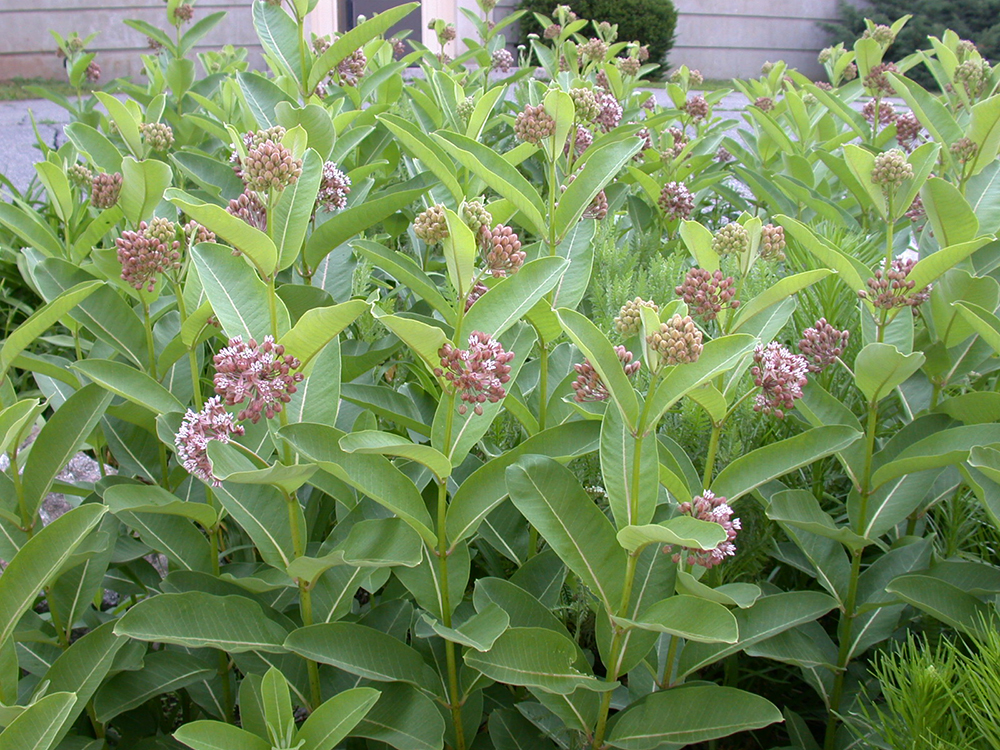
Regional adaptation matters more than sheer abundance. Start by matching milkweed species to your USDA zone, soil moisture, and sun exposure. In the Midwest and Northeast, you might mix common milkweed (Asclepias syriaca) for vigor with swamp milkweed (A. incarnata) for wetter sites. In dry regions, butterfly weed (A. tuberosa) and showy milkweed (A. speciosa) offer drought tolerance and striking bloom color. For shaded margins or partial shade, consider whorled milkweed (A. verticillata) or other native types that tolerate lower light. A diverse mix supports staggered blooms, which means monarchs and pollinators have nectar sources across more weeks.
Additionally, emphasize plant form and height to create layered habitats that look good in a pollinator garden and reduce competition with grasses.
Below is a quick species starter guide you can bookmark:
- Asclepias tuberosa — butterfly weed; bright orange blooms, excellent drought tolerance, prefers full sun.
- Asclepias incarnata — swamp milkweed; pinkish blooms, loves consistently moist soils, good for rain gardens.
- Asclepias syriaca — common milkweed; tall, robust, great monarch host, adaptable but can spread aggressively in rich soil.
- Asclepias verticillata — whorled milkweed; narrow leaves, good for low-water, well-drained sites, attracts a variety of pollinators.
For region-specific guidance, consult extension resources for native species suitability, local pests, and planting calendars.
Native Milkweed Growing Site Selection and Soil Prep
Site selection shapes long-term success. Choose a location with full sun for most milkweed species, ideally 6–8 hours of direct light daily. In poorly drained soils, create raised beds or install drainage amendments to prevent root rot. Good drainage is essential, because compacted or soggy conditions stunt growth and invite root diseases. In addition, assess accessibility for maintenance and augmentation; you want plants you can reach easily for pruning, mulching, and weeding. Soil health matters more than fertilizer; wary gardeners avoid high-nitrogen feeds that encourage leafy growth at the expense of flowering. Instead, enrich with finished compost and mulch to conserve moisture and suppress weeds. A light mulch layer (2–3 inches) helps regulate soil temperature and reduces watering needs in hot months. For slightly acidic to neutral soil, a pH of roughly 6.0–7.0 supports most native milkweed species. If your soil tends acidic or alkaline, adjust gradually with organic matter and, if needed, lime or sulfur under guidance from a local extension service.
Crucially, establish a water-efficient irrigation plan such as drip irrigation or soaker hoses to keep roots evenly moist during establishment while avoiding wet foliage that can foster fungal issues.
In addition to soil, consider microhabitat companions like native grasses and thyme to create a miniature ecology that reduces wind shear and supports soil structure. If you need region-specific planting calendars and soil recommendations, use reputable external resources as a guide.
Spacing and bed design influence airflow, pollinator accessibility, and weed control. A well-spaced arrangement avoids crowding and ensures each plant receives adequate light. For a cohesive garden, cluster milkweed plants in groups, and intersperse with nectar-rich perennials that bloom across the season. This design approach makes monitoring for pests and diseases easier, and it creates visual appeal that attracts visitors from Pinterest and image search alike.
Native Milkweed Growing Installation: Seeds, Transplants, and Timing
How you install milkweed affects establishment success. Seeds offer regional resilience when properly prepared, but bare-root or container transplants can deliver quicker bloom for impatient gardeners. For seeds, start with a cold stratification process by placing seeds in a damp medium in the refrigerator for 4–6 weeks; outdoors, you can also sow in late fall to winter for natural stratification. For transplants, choose nursery plugs or locally grown seedlings with healthy root systems. Space plants 12–24 inches apart, depending on species height and mature spread. In established beds, allow enough space for air movement to reduce disease risk. Plant at the same depth as previously grown, and water thoroughly until roots settle. For fall planting, choose late-season moisture days and avoid freezing conditions. For spring installations, time planting after the last frost when soil warms. Overall, a mixed approach—combining seeds and transplants—offers both immediate nectar and long-term resilience.
Therefore, a practical installation plan is to begin with a small test plot this spring, record performance, and gradually expand with regional seed sources to maintain genetic diversity.
Planting timing and care are species-specific, but a general rule is to align planting with local frost-free windows when possible. After planting, apply a light mulch to retain moisture, and water consistently during the first growing season. Crucially, avoid heavy irrigation late in the season, which can lead to crown rot or disease. Once established, most native milkweeds become drought-tolerant and require less frequent watering, especially in well-drained soils. In addition, monitor for signs of stress, such as wilt or yellowing leaves, especially during unusually hot spells. With careful timing and proper care, you’ll see new growth in spring and robust blooms throughout the season.
Native Milkweed Growing Care: Water, Mulch, and Seasonal Maintenance
During establishment, plan for regular watering—about 1 inch per week, adjusted for rainfall and soil type. After the first growing season, many species become drought-tolerant and require less frequent irrigation, though hot, windy periods may still call for supplemental water. Mulch helps regulate soil temperature and moisture, but keep mulch away from the crown to prevent rot and disease pressure. Use a 2–3 inch layer and refresh yearly. In addition, perform light pruning after flowering to maintain plant shape and vigor, and remove spent stems to reduce overwintering pests. Crucially, avoid disturbing root zones during peak bloom, as this can stress individual plants and reduce pollinator benefits. For a garden that thrives in 2026, pair irrigation discipline with a sustainable maintenance routine and monitor rainfall patterns for best results.
Seasonal care varies by region, but a reliable schedule includes spring inspection, mid-season watering checks, and late-summer cleanup to prepare for dormancy. Pair native milkweed with nectar plants that bloom at complementary times to extend available resources for pollinators. In addition, keep an eye on invasive competitors and manage weeds with mulching or mechanical removal. This approach reduces competition for light, water, and nutrients, ensuring milkweed plants reach their full bloom potential.
Native Milkweed Growing Pests, Diseases, and Threat Management
Pests and diseases do appear, but most issues remain manageable with early detection. Aphids can appear on new growth; wash them away with a light spray or use a gentle insecticidal soap. Lady beetles and lacewings help keep aphids in check, so avoid broad-spectrum pesticides that harm beneficial insects. Caterpillars, including monarch larvae, are a natural part of the ecosystem; provide resilient host plants instead of removing them, as this supports pollinator populations. Fungal diseases tend to show on crowded, poorly drained beds, so ensure good drainage and avoid overhead watering. For salt-sensitive soils or unusual conditions, consult your extension service for localized guidance on disease-prevention strategies and approved controls. In addition, keep an eye on plant vigor during drought, and adjust irrigation and mulching as needed to prevent stress-related pest outbreaks.
Protection strategies include maintaining plant diversity to reduce pest pressure, spacing to improve airflow, and maintaining a clean bed edge to reduce overwintering pests. Crucially, natural predators and pollinator-friendly plant partners reduce reliance on chemical controls and support a healthier garden ecosystem. For an authoritative baseline, review local extension resources and pollinator guides to tailor strategies to your climate and soil.
Native Milkweed Growing Propagation and Seed Saving
Propagation ensures genetic diversity and local adaptation. Seeds are valuable for regional resilience, but maintain seed stock with careful labeling and storage. For seeds, store in a cool, dry place and test germination rates prior to large-scale planting. Transplants can be propagated through division or root cuttings in some species, though handle with care to avoid damaging delicate roots. Seed saving is a practical way to maintain local ecotypes and expand your habitat gradually. Collect seeds after the seed pods dry, then store them in paper envelopes in a cool, dry area. Dry harvest and proper conditioning improve germination success. In addition, maintain a seed bank from multiple sources to diversify your garden genetics and reduce disease risk.
Crucially, always record the provenance of collected seeds to preserve local adaptation and to guide future plantings.
Community and collaboration matter; exchange seeds with neighbors or join a local native plant society to share best practices and expand pollinator habitats across your area. This collaborative approach not only broadens your plant diversity but also increases resilience against seasonal stressors. Also, document your successes and failures to refine your approach over time, as regional conditions shift with climate changes and urban development. For more on seed saving and native plant networks, consider local extension programs and regional native-plant clubs.
Native Milkweed Growing Aesthetics, Habitat Design, and Companion Plantings
Aesthetics matter for long-term engagement. Combine milkweed clumps with nectar-rich perennials like coneflowers, asters, and려고 other native blooms to provide continuous nectar. Use varied heights to create layered habitat, which supports a broader range of pollinators and adds visual interest for visitors and readers on BloomHaven. Pairing milkweed with grasses and low-growing groundcovers reduces weed pressure and improves soil structure. In addition, thoughtful color combinations—orange and pink blooms in mid-summer, soft purples in early fall—create a visually compelling garden that remains attractive in Pinterest trends for 2026, such as wildflowers and pollinator-forward palettes. Remember to maintain a naturalistic flow that minimizes maintenance while maximizing ecological benefits.
Next, in Part 2: Planting Native Milkweed for Pollinator Gardens, we will dive into hands-on planting techniques, establishment timing, and seasonal care to optimize outcomes in your climate and soil type.
Core Native Milkweed Growing Techniques: Planting, Care, and Maintenance
When you commit to native milkweed growing, you build the backbone of a resilient pollinator garden that supports monarchs and a diverse array of beneficial insects. In this section we zoom in on the hands-on steps that translate good intentions into thriving plants. You will gain clarity on selecting the right species for your site, preparing the planting area, and establishing a care routine that keeps native milkweed thriving through every season. Throughout, we keep the focus on practical, evidence‑based practices that align with BloomHaven.com’s emphasis on sustainable gardening and landscape biodiversity.
First, the core of native milkweed growing is choosing the right species for your climate, soil, and garden goals. Native milkweed growing begins with knowledge of local ecology. For many gardeners, Asclepias incarnata (swamp milkweed), Asclepias tuberosa (butterfly weed), and Asclepias syriaca (common milkweed) offer dependable performance in distinct conditions. Specifically, swamp milkweed excels in consistently moist soils and supports a robust monarch larval population, while butterfly weed thrives in sunny, drier sites and provides vivid summer color. In contrast, common milkweed adapts to a wide range of soils but can become vigorous, so spacing and monitoring are essential. If you have partial shade or variable moisture, you may still pursue native milkweed growing with careful site matching and management techniques. Remember, the best outcomes come from matching the plant to the site and choosing a cultivar that reflects your regional native flora, not merely the showiness of a single season.
Site selection and soil preparation form the foundation of successful native milkweed growing. Locate plants where they receive full sun for most of the day, ideally six hours or more, with well‑drained soil. Poor drainage can lead to root rot and stunted growth, so avoid plots that sit in low spots after rains. If your soil is heavy clay, consider amending with organic matter and creating modest raised beds to improve aeration and drainage. Specifically, a well‑structured soil helps roots explore with ease and reduces moisture extremes that can stress milkweed. For soil health, test pH and aim for a range that favors established native flora—typically near neutral to slightly alkaline for many milkweed species. In the context of native milkweed growing, you should also observe a natural mulch layer to moderate soil temperature and suppress weeds without creating a waterlogged environment. The goal is a thriving root zone where moisture is available but never waterlogged, which supports steady growth and strong stems that resist lodging in windy conditions.
Planting methods for native milkweed growing can be approached through seeds or transplants, each with advantages. Seeds allow you to establish a large number of plants at a lower cost and to preserve genetic diversity in your garden. Transplants offer faster establishment and a quicker display of blossoms, which can be gratifying for gardeners pursuing immediate nectar and habitat for pollinators. For seeds, stratification is often recommended to break dormancy and improve germination rates. A simple approach is to sow outdoors in spring after the last frost, or indoors with warm germination followed by a cold period. When you sow, place seeds near the surface or lightly cover, and keep them evenly moist as the seedlings emerge. If you choose transplants, handle with care to minimize root disturbance and plant at the same depth they grew in the container. Regardless of method, spacing is critical: allow 12 to 24 inches (30–60 cm) between native milkweed plants to accommodate their mature size and to reduce competition for light and water. In this part of native milkweed growing, you’ll also consider microclimates within the garden. A sheltered spot behind a low fence or near a swale can reduce wind desiccation and improve establishment, especially for taller species.
Seed stratification and germination are foundational to successful native milkweed growing from seed. Stratification simulates winter conditions and helps seeds break dormancy, improving germination rates in spring. A typical approach is cold stratification for four to eight weeks, followed by warm germination in a heated tray or seedling flats. After germination, provide bright light and steady moisture while avoiding overwatering that could lead to damping off. Patience pays off in native milkweed growing, as successful seedling establishment translates into robust plants that resupply nectar sources and support larval development. To maximize outcomes, research local ecotypes and select seed lots that reflect your region’s genetic makeup; this practice strengthens plant resilience and supports local pollinator networks. For gardeners seeking a quick start, consider starting with nursery transplants that have been acclimated to outdoor conditions, then supplement with seeds for diversity.
Transplanting tips are essential for native milkweed growing, especially when you move seedlings from trays to beds. Harden off young plants gradually to acclimate them to outdoor conditions by exposing them to increasing sunlight and wind over a 7–14 day period. When transplanting, dig a broad, shallow hole that accommodates the rootball without bending or crowding roots. Place the plant at the same soil level as in the container and fill gently, avoiding air pockets. Water deeply after planting to settle the root zone, and apply a light mulch to retain moisture and suppress weeds. Additionally, during the first growing season, monitor for transplant shock and adjust irrigation accordingly, ensuring soil remains evenly moist but not saturated. With patience and attentive care, your native milkweed growing efforts will yield sturdy plants that thrive in their new home and contribute meaningful nectar sources for pollinators.
Care and Maintenance Essentials for Native Milkweed Growing
Ongoing care is the heartbeat of successful native milkweed growing. Establish a routine that balances water, light, and nutrient needs while protecting the plants from common pests and disease. A key principle is to respect the plant’s drought tolerance, offering deep, infrequent irrigation that encourages deep root development. For many native milkweed species, deep watering every week during dry spells is more effective than light daily watering, which can promote shallow roots. Specifically, water at the base of the plants to minimize foliar disease pressure and to reduce unnecessary wetting of foliage. As the season progresses, integrate a mulching layer that moderates soil temperature, retains moisture, and suppresses weeds. Organic mulch such as shredded bark or leaf litter also adds organic matter to the soil, supporting long‑term soil health, which in turn supports robust native milkweed growing. Mulch should be applied moderately and renewed as the layer settles, ensuring moisture is retained without creating a soggy environment for roots.
Weed suppression is an ongoing task in native milkweed growing. Weeds compete for water and nutrients, so a clean bed reduces competition and helps plants establish quickly. Regularly inspect for emerging weeds and remove them by hand or with a tool that minimizes root disturbance to the milkweed. Keep in mind that healthy competition among plants can benefit the broader pollinator habitat by encouraging a diverse plant assemblage around the milkweed patch. Fertilization is generally modest for native milkweed growing; excessive nitrogen can encourage lush growth that attracts pests or reduces flowering, so many gardeners opt for soil amendments based on test results or local extension recommendations. In most cases, native milkweed growing responds well to a light application of compost or a balanced organic fertilizer in early spring, followed by subsequent applications only if soil tests indicate a need.
Seasonal care routines help native milkweed growing stay productive across the year. In spring, monitor for new growth and remove any winter damage to stems to encourage fresh shoots. Throughout the summer, watch for stress signs such as leaf browning or wilting during heat waves, and adjust irrigation to maintain steady soil moisture. In contrast, late summer and early fall are ideal for recognizing seed production opportunities; some gardeners view this as a final phase of native milkweed growing where seeds mature and ready themselves for dispersal. Clean up spent blooms with care to avoid disturbing new growth and set the stage for a tidy garden in winter.
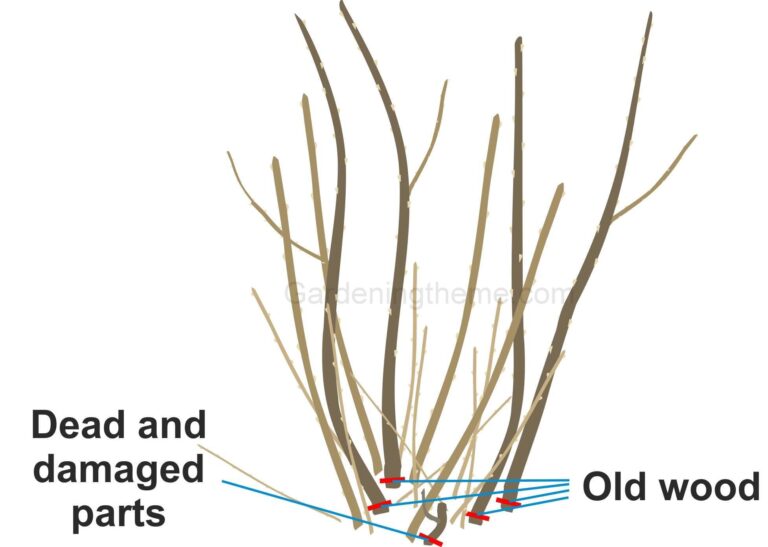
Seasonal care and pruning can also shape plant form and health. Pruning is not always necessary, but removing damaged or crossing stems helps improve air circulation and reduces disease risk. Specifically, pruning after flowering can encourage a second flush of growth in some species, while in others, a light harvest of stems for seed production is appropriate. When pruning, make clean cuts just above a healthy node and avoid excessive trimming that could weaken the plant. For native milkweed growing, thoughtful pruning aligns with overall garden aesthetics and improves the habitat value of the plant by promoting stronger, more compact growth.
Seed Collection, Propagation, and Genetic Diversity in Native Milkweed Growing
Seed collection is a practical aspect of native milkweed growing that supports sustainability and diversity in your garden. Collect seeds when pods dry and begin to split, revealing fluffy or silky seeds ready for dispersal. Use clean containers and label seed lots with species, date collected, and location details to preserve provenance. For seed storage, keep seeds cool and dry to maintain viability for the longest possible period. When you plan to propagate, you can either sow seeds directly in the garden or start them indoors for transplanting later. Seed propagation aligns with an expanding pollinator network by increasing the number of plants available to butterflies and other pollinators, while also preserving genetic diversity within your garden. In addition, linking seed breeding and genetic diversity helps mirror natural ecosystems, which improves resilience to pests, diseases, and climate variability. For gardeners seeking authoritative guidance on seed handling, a robust resource is available at the Xerces Society, which offers practical tips on selecting and managing milkweed seeds for pollinator gardens: Xerces Society Milkweeds.
Within native milkweed growing, genetic diversity matters. Avoid monocultures and prioritize planting a mix of species and ecotypes that reflect regional flora. This approach fosters a resilient monarch habitat by providing a broader range of nectar sources and larval host plants across different seasons. If you are designing a home landscape, consider mapping a simple plan that integrates native milkweed with complementary nectar plants and grasses to create a layered, biodiverse habitat. The goal is a garden with dynamic structure that supports pollinators from early spring through late fall while maintaining a visually appealing landscape.
Overwintering and habitat resilience are key elements of native milkweed growing in 2026. In colder climates, some species may die back to the ground, while others persist with underground roots that store energy. For winter survival, provide a light mulch layer that insulates the root zone without sealing the soil and preventing gas exchange. In milder climates, compost remains the primary winter mulch, helping to enrich soils and protect roots while preserving microbial life. During the dormant season, avoid heavy pruning that might encourage disease when buds reemerge, and use the winter months to plan adjustments to the next growing season based on how your beds performed. In all cases, resilience is built through diversity, proper site selection, and consistent maintenance across the year.
Establishing a Healthy Pollinator Corridor Through Native Milkweed Growing
Beyond a single stand, native milkweed growing benefits from strategic placement within a broader pollinator corridor. When you weave patches of milkweed with nectar plants that bloom at different times, you create a continuous food source that supports monarchs and a wide range of pollinators. In practice, this means situating milkweed near flowering perennials, grasses, and early-blooming species to ensure nectar availability from early spring through late autumn. This approach helps connect habitat patches, increases pollinator visitation, and enhances ecosystem services in your garden. For BloomHaven readers, the overarching principle is to design a dynamic landscape that interlaces host plants with nectar sources for year‑round appeal and resilience.
Designing a garden that integrates native milkweed growing with other ecological features amplifies habitat value. Consider strategic plantings that provide shelter from wind, maintain soil moisture, and attract a range of pollinators without creating maintenance bottlenecks. Carefully planned arrangements also facilitate easier maintenance, such as weed control and irrigation management. In this light, native milkweed growing becomes part of a larger garden philosophy that emphasizes biodiversity, sustainability, and beauty. As you develop your yard or container garden, keep an eye on plant spacing, light exposure, and soil health, all of which influence how well your milkweed thrives and how effectively it supports pollinators.
Looking ahead to Part 3: Native Milkweed Habitat Design and Seasonal Maintenance, we will explore how to translate these techniques into cohesive landscape plans that maximize monarch habitat value and garden aesthetics, with practical tips for year‑round care and optimization of your pollinator corridors.
Advanced Native Milkweed Growing Strategies and Seasonal Planning
Ultimately, the goal is a robust, resilient bed of native milkweed that thrives with minimal inputs while delivering steady pollinator support. This section translates core horticultural skills into a practical, season-by-season plan tailored for native milkweed growing. You will learn how to optimize soils, choose species, manage water, refine nutrients, handle pests, propagate smarter, and map a calendar that aligns with monarch life cycles and local climate patterns. The result is a garden that blooms reliably from spring through fall and sustains pollinators year after year.
Fine-Tuning Soil, Site Selection, and Microclimate for Native Milkweed Growing
First, pick sites that maximize light and drainage. Native milkweeds demand full sun for the best flowering and seed production. In shady spots, expect leggy stems and reduced nectar. If you must plant on a slope or in heavy clay, build raised beds or add organic matter to improve structure.
Soil tests are essential. Aim for a near-neutral pH in many milkweed species, typically around 6.0 to 7.5. If your soil is acidic, apply lime in small increments based on test results. For soils that run alkaline, adjust gradually with organic amendments rather than quick fixes. In all cases, use a thick layer of mulch to conserve moisture and curb weed competition.
Organic matter is your ally. Compost or well-rotted mulch improves moisture retention without over-fertilizing. Excess nitrogen can push vegetative growth at the expense of nectar and seed production. In practice, feed light, slow-release nutrients to maintain steady growth across the season. This approach supports healthy foliage and abundant blossoms essential for native milkweed growing success.
Microclimates matter. Mulched beds near south-facing walls or reflective surfaces benefit from a longer, warmer growing window. If you garden in colder regions, consider seasonal row covers during late frosts to protect emerging shoots without creating a wet, mold-prone microenvironment.
Species Selection, Propagation, and Planting Density for Native Milkweed Growing
Choose species that match your region’s climate and wildlife goals. In eastern regions, Asclepias tuberosa and Asclepias incarnata handle wetter or drier conditions differently. In the Midwest and parts of the Southeast, Asclepias syriaca (common milkweed) and Asclepias exaltata can offer reliable blooms and nectar.
Practical propagation options include seeds, bare-root plugs, and established divisions. Seeds require stratification or a cold-to-warm sequence to break dormancy in many native milkweeds. For quicker establishment and immediate impact, use locally sourced plugs or divisions from a reputable nursery or plant swap. When planning native milkweed growing for monarch habitat, prioritize local ecotypes to preserve genetic integrity and ecological compatibility.
Spatial planning matters. Space plants at 12–24 inches (30–60 cm) apart for smaller species and 18–36 inches (45–90 cm) for larger forms. Densities should reflect how quickly stems crowd each other and how well pollinators can access nectar-rich flowers. Proper spacing improves air movement, reduces disease pressure, and eases maintenance tasks such as deadheading and seed collection.
Row or bed design can guide maintenance. Group like species to streamline irrigation and pruning. Aesthetics matter too; a naturalistic drift of multiple species provides diverse bloom times and continuous nectar sources for pollinators, a cornerstone of native milkweed growing success.
Watering, Irrigation, and Drought Management for Native Milkweed Growing
Water deeply but infrequently. Deep watering encourages deeper root systems and drought resilience—ideal for long-term beds. Use drip irrigation or soaker hoses to keep foliage dry and reduce foliar diseases. Water in early morning to minimize evaporation and fungal risk.
Mulch matters. A 2–3 inch layer of organic mulch moderates soil temperature, conserves moisture, and suppresses weeds. In drought-prone seasons, extend irrigation intervals while ensuring the top 6–8 inches of soil remain moist enough to prevent wilting.
Monitor soil moisture, especially in newly established plants. A simple finger test or a soil moisture meter can help you avoid both drought stress and root rot. For native milkweed growing, aim for evenly moist soil rather than soggy conditions, which can invite root issues and fungal diseases.
Seasonal water planning should align with regional rainfall. In areas with pronounced dry spells, consider a preemptive irrigation schedule during bloom peaks; flowering and nectar production peak when moisture is stable and consistent.
Nutrient Management: Fertilization and Soil Nutrition for Native Milkweed Growing
Fertilization should be conservative. Many native milkweed species respond best to modest nutrient inputs. Excess phosphorus can interfere with mycorrhizal associations and may not improve bloom. A light application of compost in early spring often suffices.
Side-dress with organic mulch or compost during the growing season to maintain soil structure and slow nutrient release. If you observe pale foliage or weak blooms, test for micronutrient limitations rather than defaulting to heavy fertilizer. Tailor additions to specific species needs and local soil conditions.
For gardeners focused on sustainability, aim to feed the soil rather than the plant alone. A thriving soil food web supports robust root systems, strong stems, and vivid floral displays—key outcomes for native milkweed growing programs.
Pest, Disease, and Beneficial Insect Management in Native Milkweed Growing
Monitor for aphids, caterpillars, scale, and fungal issues. Aphids are common on milkweed and can be managed with water sprays or insecticidal soaps. Avoid broad-spectrum pesticides that harm monarchs and other pollinators.
Leverage beneficial insects. Lady beetles, lacewings, and certain parasitoid wasps naturally suppress pests when populations are balanced. Provide habitat for these allies with diverse flowering plantings nearby and avoid removing natural predators indiscriminately.
Plant health reduces disease risk. Ensure good drainage and air circulation to prevent fungal infections like powdery mildew. Remove or prune infected stems to stop spread. In general, healthy, stress-free plants resist pests better and sustain flowering longer.
Monarch-friendly considerations apply. When pollinator networks are strong, caterpillars can increase. Carefully time any treatments to avoid spraying during peak caterpillar development. If possible, apply treatments when eggs or late-instar larvae are least exposed to chemicals.
Pruning, Cutting, and Propagation Practices for Native Milkweed Growing
Strategic pruning helps control height, encourages branching, and maintains vigor. In late winter or early spring, cut back dead stems to a healthy node. This prompts fresh growth and often better bloom later in the season.
Deadheading and seed collection are deliberate choices. Remove spent flowers to encourage a second flush or to direct energy toward seed production. If seed production is desired for expansion or sharing, leave a portion of seed heads intact. Collect seeds when pods are dry and split easily, then store them in labeled envelopes or bags.
Propagation from seed can yield genetic diversity, but it requires patience. If you need quick results for a larger display, use bare-root plugs or division plants from reputable sources. Ensure you label each plant with species name and source to maintain clarity for future plantings.
Seasonal Planning and Year-Round Tasks for Native Milkweed Growing
A practical calendar keeps you aligned with monarchs and local climate. Use the following seasonal blueprint as a template and adapt it to your region’s last frost date and rainfall pattern.
- Spring (March–May): Prepare beds, test soil, amend organic matter, and plant new stock. Start seeds indoors if using species with longer germination times. Install drip lines and mulch deeply to conserve moisture as temperatures rise.
- Early Summer (June–July): Focus on establishment. Water deeply, monitor for pests, and remove any weak growth. Stake taller plants if needed to prevent wind damage and promote stable flowering stems.
- Mid to Late Summer (July–August): Expect peak bloom in many species. Maintain irrigation, deadhead spent blossoms for continuous nectar, and monitor for disease pressure during humid spells.
- Fall (September–October): Allow seed pods to mature on select plants if seed saving is desired. Reduce irrigation gradually as temperatures cool and growth slows. Inspect plants for overwintering readiness and apply a light mulch layer where winters are harsh.
- Winter (November–February): Plan for pruning and replacement crops. Protect young plants with mulch or mulch rings if your region experiences freezing temperatures. Review pollinator activity data from the season to inform next year’s planting mix.
Having a calendar reduces guesswork and makes native milkweed growing more predictable. It also helps align garden tasks with monarch life cycles and local weather, which is essential for sustained pollinator support.
Seed Saving, Genetic Diversity, and Plant Quality in Native Milkweed Growing
Seed saving preserves genetic diversity and stabilizes year-to-year performance. Collect pods only from plants that show robust vigor and healthy disease resistance. Label seeds with species, collection date, and location details to track provenance.
Split seeds into batches for diversification, then store in cool, dry conditions. If you plan to distribute seeds to neighbors or a community garden, include planting instructions and ecological context to ensure successful establishment.
Quality control starts with stock. Source plants that are disease-free and true to species. When you trade seeds or plants, request origin details and confirm compatibility with your planting zone. This diligence sustains ecosystem benefits and strengthens your native milkweed growing program over time.
Monitoring, Evaluation, and Adaptive Management
Track growth, bloom timing, and monarch visitation. A simple garden journal or a digital log helps you detect patterns across years and adjust practices. Metrics might include plant survival rate after winter, average bloom duration, and the number of monarch eggs or larvae observed per plant.
Use data to refine your approach. If a species underperforms in a given microclimate, trial a warmer or cooler micro-site or swap to a more suitable native species. The goal is continuous improvement, not perfection in a single season.
Practical Considerations for Localized Adaptation
Native milkweed growing is most successful when plants reflect local conditions. Factors like regional rainfall, soil texture, and seasonal temperature swings influence outcomes. Listen to your garden’s feedback: wilt pulses, leaf color, bloom density, and pollinator activity are all indicators to guide adaptation.
Community learning accelerates progress. Share successes and challenges with neighbors, participate in native plant swaps, and join local garden clubs. Collaborative experiences enhance genetic variety and broaden pollinator networks across your area.
Outbound Resource for Further Reading
For an authoritative overview of monarch-friendly native plant selection and care, consider consulting extension resources such as the USDA Forest Service’s Plant of the Week feature on common milkweed. It offers species profiles, growth habit, and ecological notes that complement practical garden practice. Milkweed Plant of the Week — Asclepias syriaca.
Conclusion: A Cohesive, Pollinator-Centric Approach to Native Milkweed Growing
In summary, advanced native milkweed growing blends precise soil management, thoughtful species selection, careful irrigation, prudent fertilization, proactive pest and disease care, and deliberate propagation strategies. Pair these with a structured seasonal calendar and consistent monitoring, and you create a durable habitat that supports monarchs and other pollinators while thriving in a home garden or community plot.
Ultimately, this approach elevates native milkweed growing from a planting task to an integrated ecological practice. By prioritizing local ecotypes, sustainable inputs, and adaptive management, you contribute to healthier pollinator networks and more resilient landscapes for 2026 and beyond. To begin today, survey your site, identify a focal species for your climate, and craft a seasonal plan that aligns bloom timing with monarch migration windows. Ready to grow with intention? Start with small, diverse plantings, track results, and expand as you observe pollinator visits, plant vigor, and seed set. Your garden—and its ecosystem—will thank you.
Focus keyword usage reminder: native milkweed growing is the core thread tying together soil stewardship, species selection, water strategy, pest management, and seasonal planning. Embrace it as a cohesive practice, and your bloom-rich, pollinator-friendly landscape will flourish for years to come.