Climbing Rose Containers: Grow in Pots
If you crave a vertical, fragrant statement in a compact space, climbing rose containers deliver drama with minimal ground footprint. In 2026, container gardening remains a top trend for curb appeal, pollinator-friendly gardens, and easy maintenance. The magic happens when you pair the right climbing roses with sturdy, well-drained pots and a thoughtful setup. This article starts with the foundations—how to set up your containers for robust growth, abundant flowering, and sustainable health. You’ll discover pot selection, soil recipes, feeding, watering, and training strategies that turn climbing rose containers into reliable focal points all season long.
Foundations set the stage for success. Without solid basics—proper container size, breathable growing medium, reliable drainage, sun exposure, and a practical support system—even the most vigorous climbers struggle. In the sections that follow, you’ll learn how to choose varieties that perform well in pots, create a soil and drainage plan that keeps roots happy, and establish an ongoing care rhythm that respects the plant’s vigor and your climate. By the end of this part, you’ll have a clear, actionable setup checklist you can implement this season.
Climbing Rose Containers Foundations: Set Up for Success
Before you plant or train, you need a solid frame. The foundations cover container selection, soil and drainage, light and location, and the first steps of support and care. Each choice affects how quickly your climber establishes, how often it blooms, and how resilient it remains through heat, wind, and seasonal shifts. Let’s start with selecting varieties and containers that harmonize with container life.
Choosing the Right Climbing Rose for Container Life
Not every rose will thrive in a pot. The best candidates tend to be compact-growing climbers with good vigor, disease resistance, and an approachable root system. Look for cultivars described as dependable in pots, with a growth habit that suits trellises, wires, or obelisks. When you read labels, prioritize terms like container-friendly, compact, or suitable for Standard/Patio growth. This saves you from frequent pruning or re-potting and helps maintain strong flowering each season.
Varieties Suited to Pots
Top picks often include classic climbers that tolerate confinement and heat, such as several generations of vigorous pink, white, or cream-toned roses. When you shop, verify that the cultivar is described as climber or rambling but manageable in containers. This matters because some roses unleash excessive canes in small spaces, complicating support and thinning. If you’re new to container roses, start with a proven container-friendly climber to build confidence and learn your microclimate.
Growth Habit and Pot Compatibility
Consider how the plant grows: does it spread horizontally along the support or reach upward with a few long canes? Your plan for a trellis, arbour, or obelisk should match this habit. In small pots, reserve a slightly larger container than you think you need to give the root system room to expand. A stable pot plus a strong stake or trellis reduces cane breakage in wind and keeps training simple as the plant matures.
Container Choice and Setup for Climbing Rose Containers
Container selection isn’t just about aesthetics; it directly influences drainage, soil moisture, and root health. The right container supports vigorous growth without overheating or staying overly moist. Depth matters, as many climbing roses develop roots that like to spread and explore, even when grown vertical.
Container Size and Material
Choose a container that is at least 18–24 inches in diameter for a single climber, and larger if you plan multiple canes or a broader trellis. Material matters too: terracotta and ceramic pots warm quickly in sun but can dry out fast, while fiberglass and resin pots maintain moisture better and are lighter to handle. Consider weight when the plant is watered and when you reposition for sun or airflow.
Drainage, Stands, and Stability
Ensure pots have multiple drainage holes and a saucer or tray to catch excess water. Elevate pots slightly on pot risers or a sturdy stand to prevent water from soaking into decks or soil below. In windy spots, use a robust stake system and tie-downs to keep the plant upright. Proper drainage and stability prevent root rot and cane damage, helping your climbing rose containers stay vibrant all season.
For a detailed drainage guide, see Growing Roses in Containers.
Soil, Mix, and Fertilization for Climbing Rose Containers
A well-draining, nutrients-balanced medium is essential. In containers, you can control soil texture and pH, which supports steady growth and abundant bloom. Avoid heavy garden soil that compacts in pots. Instead, blend ingredients that maintain porosity and nutrient availability. The right mix keeps roots aerated, drains freely, and feeds the plant during rapid growth phases.
Soil Composition and pH
A reliable mix for climbing rose containers combines high-quality potting mix with organic matter and a light aggregate to improve drainage. A simple formula is three parts high-quality potting mix, one part compost, and one part perlite or coarse bark. Aim for a slightly acidic to neutral pH (about 6.0–7.0). If your water is highly alkaline, consider a small pH monitor and adjust with peat or amendments as needed. Healthy root systems translate to more blooms and stronger canes.
Fertilization Schedule and Nutrients
Climbing roses in containers benefit from a steady feeding rhythm. Start with a balanced, slow-release fertilizer at planting, then supplement with monthly feeds during the growing season. Switch to a fertilizer formulated for roses when blooms begin to form. In hot climates, you may extend feeding into late summer to sustain growth without overstimulating soft tissue. Always follow product labels and water after feeding to prevent fertilizer burn.
Positioning, Light, and Microclimate for Climbing Rose Containers
Light and microclimate are the engines of bloom and vigor. Most climbing roses require full sun for optimal flowering—at least 6 hours of direct light daily. In very hot regions, afternoon shade can protect plants from heat stress while preserving bloom quality. Place containers where wind is moderated by a fence, wall, or garden feature. A well-lit, sheltered location supports steady growth and reduces stress-related disease pressure.
Sun Exposure and Daylength
Position your climbing rose containers to maximize morning sun, then allow light to filter through the day. Consistent light encourages even cane growth and robust flowering. If your space shifts with the sun year-round, rotate pots carefully to prevent leaning growth or uneven canes from forming.
Protection from Wind and Heat
Wind can whip canes and dry soil quickly. Use a windbreak when possible and mulch the top of the pot to conserve moisture. In extreme heat, consider reflective mulches or shade cloth during peak hours, then remove cloth as temperatures moderate. Balanced light and protection yield stronger canes and better blooms.
Support and Training Systems for Climbing Rose Containers
Training is the art of guiding climbers to the desired shape while maximizing flowering. A sturdy trellis, wire mesh, or arched frame gives canes a structure to cling to and simplifies pruning. Start training early in the season to encourage upward growth, and tie new shoots loosely to avoid girdling the stem. Regular checks prevent cane breakage and maintain a tidy, productive display.
Trellises, Cages, and Training Techniques
Choose a support system rated for the plant’s mature weight. Install beforehand, so you can secure the first canes as they grow. Use soft ties or garden twine, avoiding materials that cut into the bark. Training techniques such as cane pruning, spur pruning, and selective thinning help maintain airflow and reduce disease risk, especially in container environments where humidity can accumulate.
Pruning and Refreshing the Frame
Pruning is not just about aesthetics; it’s about health. Prune to remove dead or crossing wood, promote air circulation, and encourage vigorous flowering canes. Every few seasons, inspect the frame for signs of wear or rot and refresh the structure if needed. A solid framework keeps climbing rose containers looking polished and productive year after year.
Watering, Mulch, and Weather Management for Climbing Rose Containers
Watering behavior in containers differs from ground soil. Because pots can heat up and dry quickly, you’ll monitor moisture closely—especially in heat waves or windy days. A consistent watering routine supports steady growth and large, healthy blooms. Mulching reduces surface evaporation and helps maintain even soil temperature.
Watering Strategy
Water deeply when the top inch of soil feels dry. In hot weather, check daily and adjust to prevent both drought stress and waterlogged roots. Use a watering can with a gentle shower or a soaker hose to deliver moisture at the root zone, not on the leaves. A consistent schedule yields stronger canes and more consistent flowering.
Mulch, Temperature Control, and Soil Moisture
Mulch with organic material such as bark or composted leaves to preserve moisture and regulate temperature. Mulch also helps suppress weeds that compete for water and nutrients. In cooler periods, mulch insulates roots; in heat, it reduces surface heat gain. Track soil moisture with a simple finger test and adjust watering accordingly.
Seasonal Care and Long-Term Health
Seasonal tasks keep climbing rose containers productive across years. You’ll plan for pruning windows, winter protection, and occasional rebedding to counter rootbound conditions. A proactive schedule reduces surprises and ensures you enjoy consistent blooms and fragrance in successive seasons.
Winter Protection and Spring Recovery
In colder regions, protect roots with mulch and, if needed, move pots to a sheltered location. If you experience freezing temperatures, wrap exposed canes or bring containers into a sheltered area. In spring, inspect for winter damage and prune lightly to encourage healthy new growth.
Annual Refresh and Re-potting Indicators
Every few years, assess pot integrity and root health. Signs you’re ready to refresh include slowed growth, root circling, or reduced bloom performance. If needed, lift the plant, trim roots gently, refresh the soil mix, and replant in a container with similar or greater size. This keeps climbing rose containers vigorous and visually appealing.
With the foundations in place, you’re ready to move into more specific planting techniques, maintenance schedules, and design ideas. In Part 2, we’ll explore Planting, Training, and Year-Round Care for Climbing Rose Containers, including variety selection, step-by-step planting, and ongoing care routines to keep your climbers thriving.
Core Content: Step-by-Step Growth for Climbing Rose Containers
In this section, we break down the journey of growing climbing roses in containers from early setup to peak blooming. Each stage builds on the previous one, ensuring your climber develops sturdy canes, healthy foliage, and abundant flowers while staying manageable in a pot. The approach combines careful selection, appropriate soil, reliable support, vigilant watering, timely feeding, and thoughtful pruning. By following these steps, you transform a simple container into a living vertical garden that delights pollinators and admirers alike.
Planning and Site Preparation for Climbing Rose Containers
Before you place a climbing rose in a pot, map out the site. Choose a location that receives at least six hours of direct sun each day. Morning sun is preferable if your climate is hot, as it reduces leaf burn and helps the plant establish. Remember that climbing roses are vigorous; they will need space to extend their canes both height-wise and width-wise. In a container, the plant’s roots will be confined, so you must compensate with a generous root zone and steady nutrition. For climbing rose containers, keeping the plant stable and accessible for pruning matters as much as height and bloom potential.
Container Choice and Location for Climbing Rose Containers
Opt for a sturdy container that resists cracking in cold weather. The pot should be large enough to accommodate a deep root ball and a generous drainage layer. A 16 to 24 inch diameter is typical for many climbing roses in pots, but larger varieties may need more room. Use a pot with drainage holes and a saucer to catch excess water. In general, choose a light-colored pot to reflect heat or place the container in a spot that avoids scorching afternoon sun. Installing a robust trellis or support system near the container is essential for directing growth as canes extend. Climbing rose containers demand solid anchoring to prevent tipping as vines gain height.
Selecting a Climbing Rose Variety for Containers
Not all climbing roses perform well in pots. Pick varieties known for compact habit, repeat blooming, and strong, arching canes. Consider russet or bright-toned blooms that stand out against green foliage. Some modern hybrids are bred for container culture and heat tolerance, making them reliable performers on balconies. When choosing, look for growth habit notes such as vigorous, mild stem extension, and a tendency to bloom on new wood. Remember that regular training will shape the final silhouette, so select a variety that responds well to pruning and cane management within a container setting.
Soil, Planting, and Initial Training
Soil is the foundation. A well-draining, fertile mix keeps roots happy and reduces disease pressure. Start with a blend that holds moisture but drains quickly, such as a high-quality potting mix amended with compost and perlite or coarse sand. In a container, soil dries faster than in ground beds, so monitoring moisture is essential. For climbing rose containers, aim for a soil pH in the slightly acidic to neutral range (6.0 to 7.0). When you plant, apply a generous layering of water absorber crystals only if recommended by the soil you choose. Plant at the same depth as in the nursery, backfill gently, and water deeply to settle the root ball. As soon as the plant settles, begin light training to encourage a central leader and a few strong canes to set the framework for later growth. You may secure the canes with soft ties to the trellis at a few points, avoiding girdling or constriction as the plant expands.
Soil Amendment and Drainage in Climbing Rose Containers
Consider adding a slow-release fertilizer at planting, but avoid over-fertilizing at once. A balanced NPK fertilizer supports leaf growth and early root development. Mulch lightly on top of the soil to conserve moisture and regulate temperature, but keep mulch away from the stem collar to prevent crown rot. In a container, mulch also helps suppress weed competition and reduces the need for frequent irrigation.
Support, Training, and Cane Management
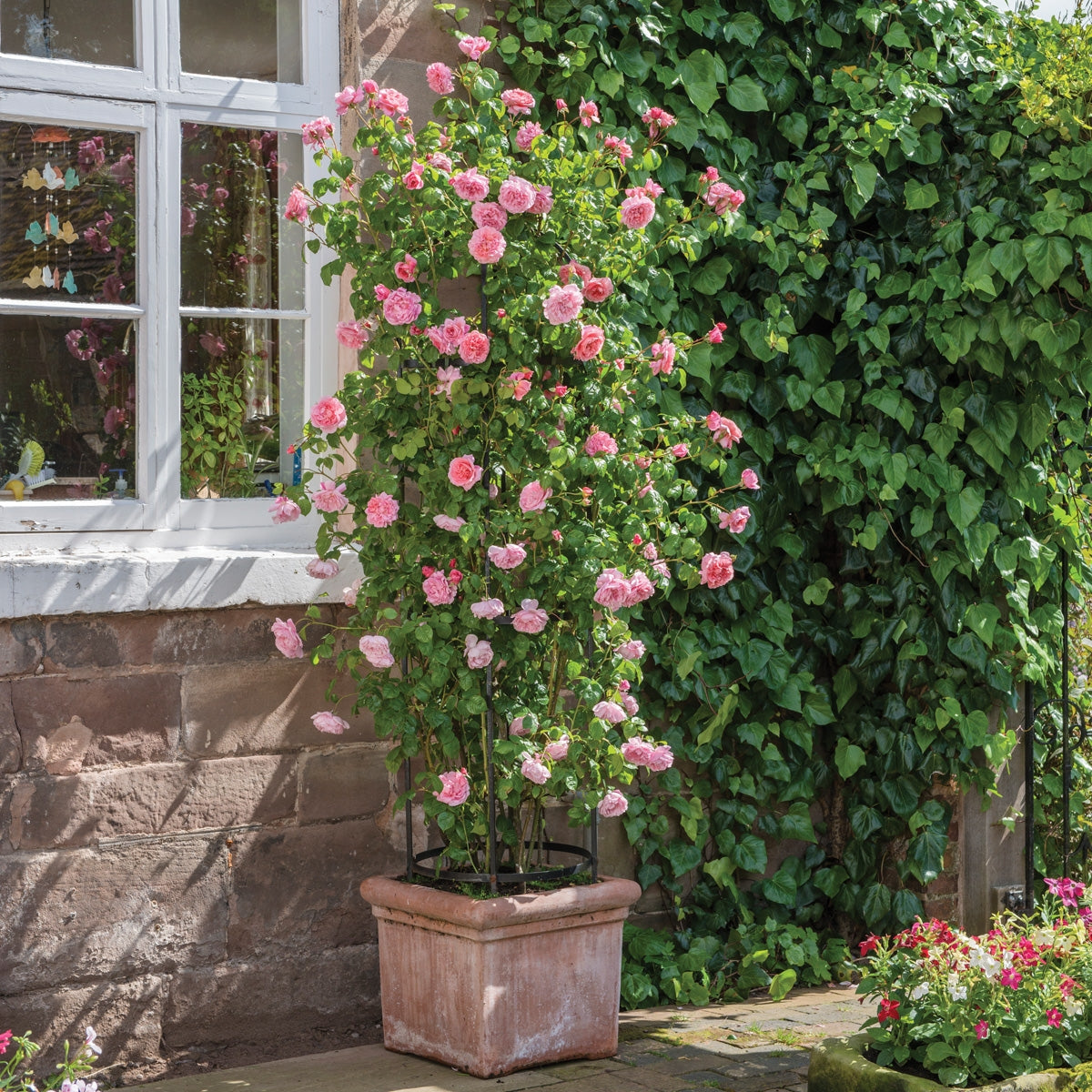
Support structures are not optional; they determine the silhouette, health, and flowering of climbing rose containers. The right trellis, lattice, or obelisk gives canes something to cling to as they age. Begin training early; light ties will guide the primary canes along the support. Avoid tying too tightly to prevent damage as the plant expands. Each week during active growth, observe how new growth seeks the support and adjust accordingly. True training means guiding growth rather than forcing it, so gentle adjustments over weeks create a natural, balanced frame for the plant. For climbing rose containers, ongoing training ensures blooms on wood that remains exposed to light and air, reducing disease pressure that thrives in crowded canopies.
Choosing and Installing a Support System
Choose a support structure that matches your space and the rose’s growth potential. A durable, rust-resistant metal framework works well in outdoor settings. Wire-mesh lattices can be easier to integrate with a pot, offering multiple attachment points as the plant thickens. A sturdy trellis or obelisk keeps the plant upright and creates a vertical focal point. Attach the support securely to the container itself or to a nearby stake to prevent wobble on windy days. When installing, consider accessibility for pruning, tying, and tying adjustments. The aim is to enable flexible training as the canes lengthen and the plant reaches up toward bloom production.
First Training Actions for New Growth
As your climbing rose starts extending new shoots, guide two to four strong canes toward the chosen primary directions. Use soft plant ties and avoid constricting near the stem. Short-term tying points can be readjusted as the plant grows. The initial framework should look balanced, with new growth distributed along the support rather than congested at a single point. In containers, you are training for space as well as form, so plan for the eventual spread of canes without crowding the pot margins. Specifically, aim to position the canes along the support so that blooms form on sunlight-exposed wood while air sweeps through the foliage to prevent humidity buildup that invites disease.
Watering, Feeding, and Mulching for Climbing Rose Containers
Container plants rely on regular water and precise feeding. Water deeply at the base of the plant to encourage deep root growth. In hot weather or during the growing season, containers dry out faster; check daily and water as needed. A consistent watering rhythm reduces stress and supports steady growth. On the feeding front, apply a balanced fertilizer according to the product instructions. Feed in early spring and again after the first flush of blooms to sustain growth through the season. Use a mulch layer to maintain soil moisture and temperature, but keep away from the crown to minimize rot risk. Climbing rose containers benefit from a light mulch that shields roots from heat in summer and insulates them during cooler nights.
Timing and Frequency of Feeding for Climbing Rose Containers
In pots, avoid heavy nitrogen early on; too much leaf growth can delay bloom. A slow-release mix or a balanced liquid fertilizer applied every few weeks during the growing season provides steady nutrition. As the plant matures, you may shift toward a bloom-boosting formula, but maintain regular feeding to support canes and new growth. Remember that the container’s limited soil volume means nutrients deplete faster, so reapply at intervals and monitor leaf color as a quick indicator of nutrient status.
Pruning and Seasonal Training
Pruning shapes the plant, stimulates flowering, and helps maintain container size. For climbing roses in pots, prune gently to remove dead or damaged wood, thin crowded areas, and encourage a more open canopy that lets light reach interior growth. Pruning should be done in appropriate seasons for your climate. In many regions, late winter or early spring is the ideal window to prune, as it prepares the plant for the new growth flush. After pruning, training continues with light guidance of new shoots, directing growth to fill gaps and maintain a balanced silhouette. Each cut should aim to strengthen the plant’s architecture while avoiding excessive shock to the root system or canes in a pot.
What to Cut Back and How Much
Remove older, unproductive canes to redirect energy toward newer growth. When facing a congested interior, thinning is essential to improve air circulation and light penetration. In containers, a crisp, measured prune also helps manage size and encourages new flowering wood. Do not strip all growth; a few strong canes emerge from the base, and these will mature into graceful arches. After pruning, mulch lightly and water deeply to reduce transplant shock and support quick recovery. The goal is to maintain structure while inviting the next wave of blooms to form on the new wood that you have kept.
Seasonal Care: Climate, Pests, and Pollinators
Seasonal care is where your planning pays off. In spring, the plant wakes and pushes vigorous growth. Summer demands steady moisture and light feeding, while fall brings a chance to set up a winter protection plan in colder climates. Throughout the year, monitor for pests and diseases that commonly affect roses in containers. Aphids, spider mites, and powdery mildew can surface in enclosed canopies if air flow is poor. Address issues early with careful pruning, proper spacing, and targeted treatments when necessary. Choose pollinator-friendly plantings nearby; a climber can serve as a sanctuary that invites bees and butterflies, enriching your garden’s biodiversity.
Pest Management and Disease Prevention in Climbing Rose Containers
Proactive measures reduce problems. Keep leaves dry when possible by watering at the base and avoiding overhead irrigation that wets the foliage. Remove any infected leaves promptly to prevent spread. If pests appear, use a gentle, plant-safe approach such as insecticidal soap or horticultural oil, following label directions. Fungus can be deterred by good airflow around the canopy and appropriate spacing between plants. Regularly inspect the base of the plant for signs of crown rot or splash-back soil moisture accumulation. With careful maintenance in a container, you help support a healthier, more resilient climbing rose container system.
First-Year Milestones and Long-Term Outlook
The first year sets the tone for the plant’s future performance in a container. Expect a period of establishment followed by a flowering cadence that grows in intensity with proper pruning and training. You will see new canes becoming thick and strong as the season progresses, and blooms often return in waves as the plant builds carbohydrate reserves. By the end of the first growing season, your climber should show a well-defined shape, a stable structure along the support, and multiple flowering shoots along the frame. If growth lags, re-evaluate light, soil, and watering practices, ensuring the container remains appropriately sized and well-drained. The long-term outlook should include easier maintenance, robust blooms, and a consistent display of color in your space.
A Quick Visual Reference: Step-by-Step Guide for Climbing Rose Containers
In this section, you can imagine a concise visual sequence that you would implement in your own garden. First, you position the pot near sturdy support. Then you plant, water, and mulch. Next, you train the main canes along the structure and encourage two or three flowering shoots. Finally, you monitor throughout the season and adjust supports as needed to keep your container looking balanced and thriving. This mental checklist aligns with the practical steps you have learned, ensuring you stay on track to achieve consistent bloom and healthy growth across seasons.
For additional context on how to optimize your climbing rose container setup, you can consult the comprehensive RHS guide on climbing roses climbing roses. This resource offers practical considerations for choosing varieties, understanding growth habits, and preventing common pitfalls when growing climbers in containers.
Looking ahead, Part 3: Seasonal Care and Troubleshooting for Climbing Rose Containers will expand on winter protection strategies, disease management, and ongoing care.
Advanced Strategies and Final Guidance for Climbing Rose Containers
This final section brings together the most effective, field-tested approaches for thriving climbing rose containers. You will discover concrete decisions about design, care, training, and resilience. The goal is to empower you to enjoy abundant blooms, strong climbers, and minimal problems. With the right setup, a pot can rival a garden bed for color, fragrance, and year-round interest. Each strategy below ties directly to the focus keyword: climbing rose containers.
Finalizing Your Container Setup for Climbing Rose Containers
Begin with purpose. A sturdy base prevents leaning canes and footed planters sinking in heavy rain. Choose a container large enough to accommodate root growth for at least three seasons. For climbing roses, aim for a pot at least 18 inches in diameter and 16 inches deep, with good drainage.
Material matters. Terroir-friendly ceramic, fiberglass, or heavy resin pots resist cracking in temperature fluctuations. Lightweight options tempt movement in wind, which damages training. Ensure a wide, stable rim and a smooth inner surface to prevent root binding and salt accumulation.
Soil is the foundation. Use a high-quality potting mix designed for roses or flowering shrubs. Mix in compost and perlite or coarse vermiculite to improve drainage and aeration. Keep soil pH near 6.0 to 6.5 for optimal nutrient availability. In climbing rose containers, the soil should never be waterlogged, yet it should stay evenly moist between watering events.
Choosing the Right Container and Soil for Climbing Rose Containers
- Pick a container with drainage holes and a saucer to catch excess water.
- Use a breathable mix to prevent soggy roots and fungal issues.
- Consider a self-watering insert if you struggle to maintain even moisture.
- Apply a slow-release, balanced fertilizer at planting and supplement with periodic liquid feeds during the growing season.
- Apply mulch to reduce evaporation and regulate soil temperature.
Support Systems and Training Techniques
Climbing roses require sturdy structure. Trellises, wires, or espalier frameworks should be installed before planting. Align supports to maximize sun exposure and air movement. Train 1–2 canes at a time to encourage layered growth without crowding, which reduces disease risk.
When tying canes, use soft ties that won’t cut into the stems. Recheck ties every few weeks during rapid growth. Gently guide new shoots along the support, pruning away any crowded or crossing growth. For the best results, prune selectively to promote outward-facing growth, which fills the container’s space and improves air circulation.
Year-Round Care for Climbing Rose Containers
Container roses require more attention in heat and drought. Water deeply, but allow the top inch of soil to dry before the next soaking. In hot climates, containers heat up quickly; move vessels to partial shade during peak afternoon sun or provide a light reflective shade to protect blooms.
Mulch the surface with organic material to moderate soil temperature and conserve moisture. A 2–3 inch layer is typically sufficient. Refresh mulch as it decomposes, which also feeds your plant. A well-mulched root zone lessens stress during transplanting and helps blooms come earlier in the season.
Seasonal fertilization matters. Use a rose-specific formula or a balanced NPK ratio tailored to growth spurts. In spring, feed to encourage new canes and flower production. In midsummer, taper feeding to avoid excessive foliage at the expense of buds. In fall, give a light feeding to prepare the plant for winter protection.
Seasonal Strategies for Climbing Rose Containers
Spring is planning and push time. Remove deadwood, prune for structure, and set training guides. Apply a thorough check for pests after winter dormancy. Early spring rains help wash away some pests, but you should still scout the plant weekly.
Summer demands consistent moisture. A weekly deep drink is often better than daily light waterings. Watch for heat stress and leaf scorch. In containers, leaves may brown where soil dries too quickly. Move the plant or shade it during extreme heat events.
Autumn invites hard pruning in many climbing roses, but container plants may require gentler thinning to prevent stressing the root system. Stop heavy pruning about 6–8 weeks before first frost in most climates. This timing helps the plant store energy in the roots for winter protection.
Winter protection is essential in colder zones. Move potted climbers to a sheltered spot or wrap pots with insulating material. If you cannot relocate, shield the pot and prune lightly to reduce energy needs. A living mulch or light cover can protect the root ball from freeze-thaw cycles.
Fertilization, Watering, and Soil Health in Climbing Rose Containers
Feed with rose-friendly nutrients that support bloom cycles. Avoid overfeeding late in the season, which can delay hardening off for winter. In containers, you may need smaller, more frequent feedings than in the ground. Always follow the product label and err on the side of caution when establishing a new regimen.
Watering discipline is critical. Use a moisture meter or finger test to determine soil moisture. In hot months, you may need to water twice a week. In cooler months, once a week may suffice. Ensure excess water drains away so roots don’t rot.
Soil health is ongoing. Re-pot every 2–3 years or when roots circle the container. Refresh the top few inches of soil to maintain fertility and microbial life. A healthy soil community supports robust root systems and more blooms.
Aesthetic and Design Ideas with Climbing Rose Containers
Climbing roses in pots offer versatile vertical color. Pair them with companion annuals or perennials for continuous interest. Consider trellis spacing, color harmony, and scent volume when planning a display. A well-chosen container color can reflect or contrast the blooms, amplifying visual impact.
Place climbing rose containers at entryways or along pathways to create living architecture. Use planters at different heights to craft a layered effect that is still easy to maintain. If space is limited, train a single cane across a miniature trellis as a focal point.
Troubleshooting Common Issues in Climbing Rose Containers
Pests often show up first as stippling on leaves or fine webbing. Common culprits include aphids, thrips, and spider mites. Use a gentle horticultural oil or insecticidal soap, and introduce beneficial insects when appropriate. Avoid broad-spectrum chemicals that harm pollinators and beneficials.
Discoloration, yellowing, or curling can signal nutrient deficiency or root stress. Check soil pH, adjust fertilizer, and inspect for root bound conditions. If roots are tight, upsize the container or refresh the root zone with fresh mix.
Fungal issues like powdery mildew can appear in high humidity or poor air flow. Improve airflow around the plant by thinning canes and avoiding crowded growth. If needed, apply a targeted fungicide following label directions.
Sustainability and Pollinator-Friendly Practices with Climbing Rose Containers
Choose cultivars that bloom in multiple waves to extend nectar availability. Plant near other flowering perennials to support a pollinator corridor. Avoid chemical-heavy regimes where possible; opt for organic amendments and natural pest controls.
Water-wise practices pay dividends. Use mulch to reduce evaporation and collect rainwater when feasible. Group containers to create a microclimate that moderates temperature swings and conserves energy for the plants.
Companion planting can enhance both aesthetics and health. Consider herbs like oregano or thyme at the base for scent, or low-growing flowers that attract beneficial insects. This approach supports a resilient, thriving balcony or patio ecosystem.
Maintenance Checklist and Timeline for Climbing Rose Containers
Use a yearly rhythm to stay ahead of problems. Spring: prune lightly, train new growth, and renew soil. Summer: monitor moisture and pests, adjust supports as vines lengthen. Fall: prepare for dormancy with a light pruning and winter protection plan. Winter: protect roots and remove dead material where appropriate.
Keep a simple journal. Note bloom timing, container changes, and any pest sightings. A record helps you optimize next year’s care plan and space layout. A consistent routine reduces stress on climbing rose containers and increases bloom quality.
Conclusion and Next Steps
Climbing rose containers offer a powerful combination of beauty, fragrance, and space efficiency. With thoughtful container selection, solid soil health, and disciplined training, you can unleash dramatic vertical color right on your balcony, patio, or terrace. The key is to blend structure with flexibility: strong supports, adaptable pruning, and careful water management.
By following the advanced strategies outlined here, you will maximize flowering potential while maintaining plant health. From initial setup to seasonal care and troubleshooting, every decision affects the health and display of your climbing rose containers. Practice deliberate observation, then adjust your approach as needed. Climbing rose containers become more productive when you layer design, care, and resilience into one cohesive system.
For practical pruning and structural guidance, you can also consult reliable extension resources. For example, the University Extension guide on pruning and training roses in pots provides actionable steps you can apply today. Growing Roses in Containers.
Ultimately, your climbing rose containers can become the centerpiece of a bloom-filled season. Take what you learned here, adapt to your space, and start a new chapter of container gardening that celebrates fragrance, color, and pollinator health. In summary, stay proactive, monitor conditions, and enjoy the transformation of your outdoor living space through climbing rose containers. To conclude, begin with a strong container setup, train with intention, and nurture your plants through the seasons to achieve spectacular results with climbing rose containers.