Pressed Flower Candles: Creative Crafting Guide
Pressed Flower Candles Foundations: Planning, Materials, and Safety
Pressed Flower Candles merge the delicate beauty of blooms with the warm glow of candlelight, offering a sustainable craft that elevates both gift-giving and home decor. In this Foundations guide, we explore the essential planning, materials, and safety steps you need to master before you melt wax. If you are searching for ideas that align with BloomHaven’s 2026 trends—think cabbage crush, wildflowers, peonies, and pollinator plants—this approach keeps you inspired and informed. pressed flower candles offer a signature way to preserve a moment in time while enjoying a clean, decorative carry-forward piece for years. By following careful planning and safety guidelines, you’ll minimize waste and maximize beauty in every batch, whether you make a batch for yourself or as thoughtful gifts. For many makers, pressed flower candles are about more than scent and light—they are a memory you can hold.
Planning and safety are the backbone of a successful pressed flower candles project. Start by defining your goals, whether you want minimalistic single-flower pieces or lush, garden-inspired mosaics that play with color and texture. Next, consider your timeline—from bloom pressing to curing—so you can stagger projects and keep a steady flow in your workshop. Then, inventorying the materials you already own versus what you need helps you avoid impulse buys that waste time and money. In this section, we’ll cover how to plan around bloom selection, wax options, tools, and safety practices that protect you and your space. For extra reliability, refer to established candle safety resources such as NFPA Candle Safety Guidelines. Therefore, your first step is a clear plan that aligns with your aesthetic and safety standards, so you can approach the rest of the Foundations with confidence.
Planning Your pressed flower candles
Effective planning starts with a clear concept: determining size, container shape, scent profile, and whether you want a single bloom focal point or a garden mosaic. Consider the drying method and timing to ensure petals retain color and structure once embedded in wax. Build a seasonal mood board—BloomHaven’s 2026 focus on wildflowers, peonies, and pollinator plants can guide palette choices and floral selection. Decide on a wax system (see Materials) and a curing plan that suits your climate, so you avoid cracking, sweating, or color bleed. Create a simple project checklist to keep scope realistic and reduce waste. Finally, set safety boundaries from the start: place your workstation away from drafts, keep water away from hot wax, and label all containers clearly. For beginners, a small, test run with two or three flowers will reveal how the blooms behave in your chosen wax, wick, and container.
- Define size and container compatibility (votive, tealight, or pillar) and sketch a layout.
- Choose flowers with flat, fully dried petals for easier embedding and color retention.
- Decide whether you want the bloom to be the star or part of a layered design.
With a solid plan in place, you reduce surprises and set yourself up for consistent results. pressed flower candles thrive when you combine thoughtful design with practical constraints such as cure times and heat tolerance. Therefore, begin with a plan, test on a small scale, and scale up when you’re confident. In addition, map your calendar to align bloom pressing windows with your intended pour dates, so you can maximize color retention and minimize waiting. This disciplined approach makes your craft scalable and repeatable, which is essential for blog readers who want reliable instructions they can follow step by step.
Materials Overview for pressed flower candles
In this section we outline the core materials needed to create beautiful, durable pressed flower candles. You’ll learn how to balance aesthetics with performance, ensuring the blooms stay vivid while the wax burns cleanly. Each choice affects color, clarity, and fragrance integration, so it’s worth investing time to select options that align with your goals and climate. The focus keyword pressed flower candles appears throughout this overview to keep the topic top of mind while you shop and prep.
Wax choices for pressed flower candles
Wax type determines melt behavior, scent throw, and how easily petals stay flat as the surface hardens. Soy wax blends are popular for a clean burn and good color stability, while beeswax provides a natural golden tint and a slower burn that highlights candle glow. For vivid colors and stronger fragrance, many crafters blend soy with palm or coconut wax, tuning the melt pool so petals settle flat without curling. Consider micro-crystal or opaque finishes for dramatic effects, and experiment with a small test batch to see how your chosen wax handles the delicate petals. Always melt wax slowly using a double boiler and monitor temperatures closely to avoid scorching the bloom edges. When you plan your wax, keep in mind that lower melting points can help petals stay flat, but may compromise scent throw; higher melting points improve scent but increase the risk of warping. Balance is the key to successful pressed flower candles.
Wicks, containers, and mold considerations for pressed flower candles
Container choice drives heat distribution, burn time, and how visible the flowers remain through the glass. A wide-mouth container gives blooms space to breathe, but a narrow neck can trap heat and cause tunneling. For pressed flower candles, choose wicks sized to your wax blend and container diameter, and test several wick options before committing to a full batch. Metal-core wicks offer stability, while braided cotton wicks provide a clean burn with steady flame height. Centering the wick is crucial to prevent petals from creeping to the sides as the wax solidifies. Selecting the right mold or container affects edge finish—glass, tin, or ceramic all behave differently when the wax cools. If you want a glassy, reflective surface that makes petals pop, line the interior with a thin coat of clear sealing wax or a debubbling technique before pouring. Always clean workspace surfaces to remove dust that can cling to the wax as it cools.
Pressing and preserving florals for pressed flower candles
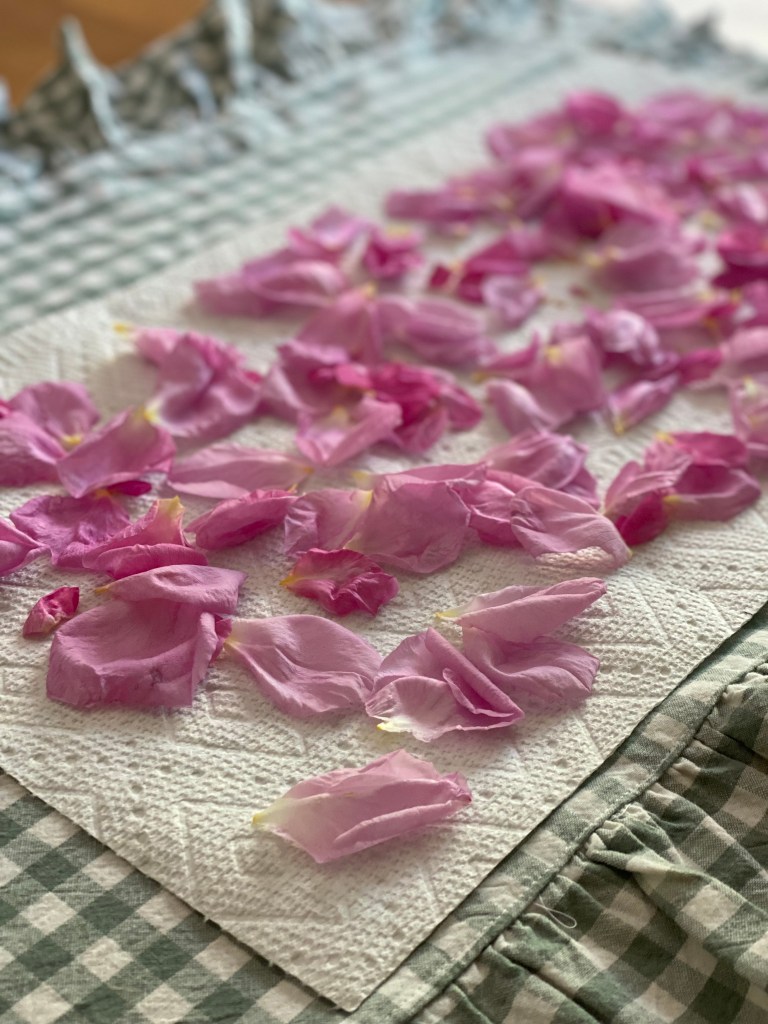
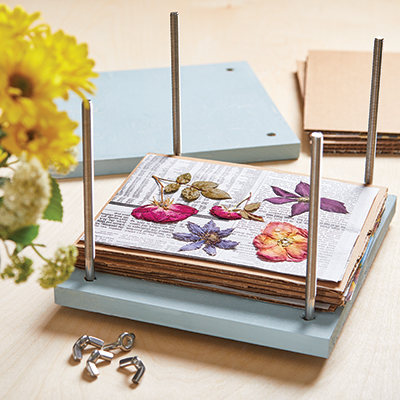
Color retention starts with proper pressing. Use blotting papers and a flat weight, or an absorption press, to dry blooms evenly over one to two weeks. When flowers feel crisp and flat, test with a light finger press; if they crumble, press longer. Store pressed petals in a moisture-free, dark area to prevent fading. Before embedding, apply a thin sealant or a clear acrylic spray to preserve color and stiffness, especially in warm climates. If you want extra resilience, consider laminating the blooms with a clear microfilm or resin coat that remains flexible when baked into wax. Always ensure petals are fully dry to avoid moisture pockets under the wax, which can lead to cracking and sweating. The result is stunning, long-lasting petals that hold their shape as the candle burns—this is the essence of well-executed pressed flower candles.
Safety Foundations for pressed flower candles
Safety is not an afterthought; it’s the foundation that protects you, your space, and the final product. Start with a dedicated workspace that is free from drafts, water sources, and clutter. Keep a thermometer, tongs, and a fire extinguisher within easy reach, and never leave melting wax unattended. Temperature control matters more than you might think: wax that’s too hot can cause petals to discolor or curl, while wax that’s too cool can trap petals with air pockets and create uneven surfaces. In addition, use heat-resistant gloves when handling hot containers and always pour slowly to minimize air bubbles that can degrade the finish. Therefore, plan your workflow to minimize trips back and forth between melting, pouring, and curing, so you stay focused and safe during every batch.
Working temperatures, handling, and flame safety for pressed flower candles
Follow the wax manufacturer’s recommended pouring temperature and cure-time guidelines to avoid cracking and sweating. When adding fragrance oils, stay within the recommended usage rate to avoid overheating the blooms, which can alter their color and texture. Always use a heat source with an even, adjustable temperature and a stable surface. Use a double boiler for sensitive blends to prevent scorching the petals. Label each batch with date, wax type, and fragrance to track performance across seasons and climate changes. Handling hot containers requires deliberate movements and a calm workflow to prevent accidents.
Color retention and fragrance compatibility safety
Blooms react to heat and fragrance differently; some colors may bleed or fade if the fragrance load is excessive. To protect color integrity, test a small sample by embedding a single pressed bloom in your wax batch first. If color shift occurs, reduce the fragrance percentage or switch to a fragrance-free base for the initial pour, then reheat for a second pour to incorporate scent. For fragrance layering, add a compatible aroma after the first pour has cooled to around 60-70°C, ensuring you don’t scorch the petals. In all cases, keep safety gear on hand and work in a well-ventilated area to avoid inhaling fumes from heated wax and fragrance components.
Workspace setup and cleanup are essential components of ongoing safety. Use a dedicated heat-resistant surface and a spill tray to catch drips. Clean tools with mineral spirits or an appropriate wax solvent after each batch, and store unused wax in sealed containers to maintain consistency. A tidy workshop reduces accidents and speeds up your next project. Always dispose of old wax and solvent safely according to local regulations, and keep pets and children away from the work area to prevent accidents. Therefore, with proper precautions, you can maintain a safe, productive environment while you explore the beauty of pressed flower candles.
In Part 2, we take the next step in the journey. We’ll explore Crafting Techniques and Design Concepts for pressed flower candles, including layering, color strategies, and finishing touches that help your blooms shine while keeping safety intact.
Core Crafting Techniques for Pressed Flower Candles: Setup, Embedding, and Finishing
Setting up a clean, safe workspace is the first step toward flawless pressed flower candles. In this stage, you align your supplies, establish a temperature range, and plan your design. A strong setup reduces surprises during embedding and finishing, and it sets the tone for consistent results across batches. When you craft pressed flower candles, you are balancing art with precise technique. The goal is to preserve the delicate beauty of the blooms while creating a durable, burnable piece that remains true to color and form as it wicks and burns. This section covers the three core crafting techniques you will rely on: setup, embedding, and finishing. It also emphasizes how these steps connect to current trends in 2026, including the popularity of cabbage crush aesthetics, wildflowers, and peonies that inspire the blooms you press for your candles.
Setup: Preparing Your Workspace, Materials, and Safety for Pressed Flower Candles
A dedicated, well-lit workspace is the foundation of successful pressed flower candles. Begin with a sturdy table, a heat-resistant mat, and a clear path between your melting zone and your cooling area. A tidy space reduces the risk of dust settling on wax and petals, which can mar the finish of pressed flower candles. In addition, establishing a clean workflow helps you manage timing, especially when you move from pouring to embedding to finishing. The setup should also account for safety. Keep a fire extinguisher nearby, work away from open flames when you are not actively pouring, and ensure your ventilation is adequate if you use fragrance oils. This careful environment makes it easier to maintain steady temperatures and consistent results, which are essential for preserving the color and shape of pressed blooms in your candles.
Designing a dedicated workspace means designating zones for melting wax, handling blooms, and final finishing. A silicone mat placed on the work surface protects the table and gives you a non-slip area for placing petals. Position tweezers, a thermometer, and a heat-resistant spoon within arm’s reach. A small scale helps you measure wax and fragrance accurately, promoting repeatability in your pressed flower candles. The materials you choose will influence the final look. Opt for wax types and wicks that suit your candle vessel and the visual weight of the blooms you plan to embed. When you prepare your materials, you also prepare your design vocabulary. A thoughtful approach to color balance, petal density, and bloom placement reinforces the professional feel of each pressed flower candle you produce. This careful planning translates into less guesswork during embedding and better outcomes for your audience who loves floral storytelling through light. It also aligns with Pinterest trends in 2026, where visual storytelling around blooms like peonies and wildflowers drives interest in pressed arrangements.
Workspace design and sanitation
Creating a clean, controlled environment begins with sanitizing tools and working surfaces. Wipe down with alcohol before each session to remove oils that might prevent wax from bonding properly to the vessel or petals. A dedicated tray for cooled tools and a separate area for blooming prep helps you avoid cross-contamination between the raw blooms and the hot wax. Keep air currents low so petals settle evenly rather than drift in the breeze. This is particularly important for pressed flower candles, where a misalignment can distract from the bloom’s natural symmetry. A calm, controlled atmosphere supports consistent results and makes it easier to reproduce the same look across multiple batches of pressed flower candles.
Materials checklist and workflow planning
As you assemble your kit, consider items that support a smooth, repeatable process. You will need a reliable wax melter or double boiler, a digital thermometer that reads within a precise range, a pouring pot, compatible wicks, fragrance or essential oils (if used), mold or vessel choices, dried pressed flowers or botanicals, tweezers, a parchment sheet for arranging blooms, and a tool for smoothing the surface. Plan your workflow so that you pour, wait for a safe cooling stage, embed, and then top with a finishing layer in a calm sequence. The goal is to minimize handling of blooms once they contact the wax. Preparedness reduces the risk of petals shifting, tearing, or color bleeding when you embed them into the candle base. This level of preparation is what makes pressed flower candles stand out in photos and in-person displays, which is essential for audiences who gravitate toward the floral storytelling that blooms in 2026 trends such as cabbage crush and wildflower palettes.
Flower selection and prep
Choose blooms with strong color and good integrity after pressing. Flowers with brittle edges or color that bleeds easily may not hold up well under heat, so they should be tested first. Pressed flowers should be completely dry before embedding; any moisture can cause micro-pockmarks or cloudy areas in the wax. If you are unsure, test a small batch with a single bloom to observe its behavior during cure. Gently blot any moisture from petals and stems with a clean tissue before placing them in the wax. Lay out a mock design on wax-safe parchment so you can preview spacing and balance. This pre-visualization helps you achieve symmetry and rhythm in your pressed flower candles and supports a cohesive look that viewers find appealing in vibrant floral photography.
When preparing petals, avoid over-handling delicate blooms. Excess pressure can bruise pigment, alter the petals’ translucency, or cause fraying along edges. Handling blooms with care preserves their natural beauty. If you plan to work with multiple colors, consider a color plan that lets the palette glow when lit. For instance, a subtle gradient of pinks and purples can look stunning when they catch candlelight, while white and pale yellow blooms provide a clean, modern aesthetic that resonates with clean, spa-like imagery often shared in 2026 Pinterest boards. The goal is to keep the blooms intact while revealing their inner details through the wax medium.
These setup steps—careful design, sanitation, and bloom preparation—lay the groundwork for the embedding stage, where patience and precision determine how well each pressed flower candle communicates its floral story to the viewer. For readers seeking a practical reference, a widely respected guide on embedding techniques can offer additional context and tips for handling a wide variety of petals while maintaining color fidelity. Such a resource complements these instructions and helps you refine your own workflow as you build a portfolio of pressed flower candles.
Embedding: Techniques to Integrate Pressed Blooms into Wax without Bleed or Shifting
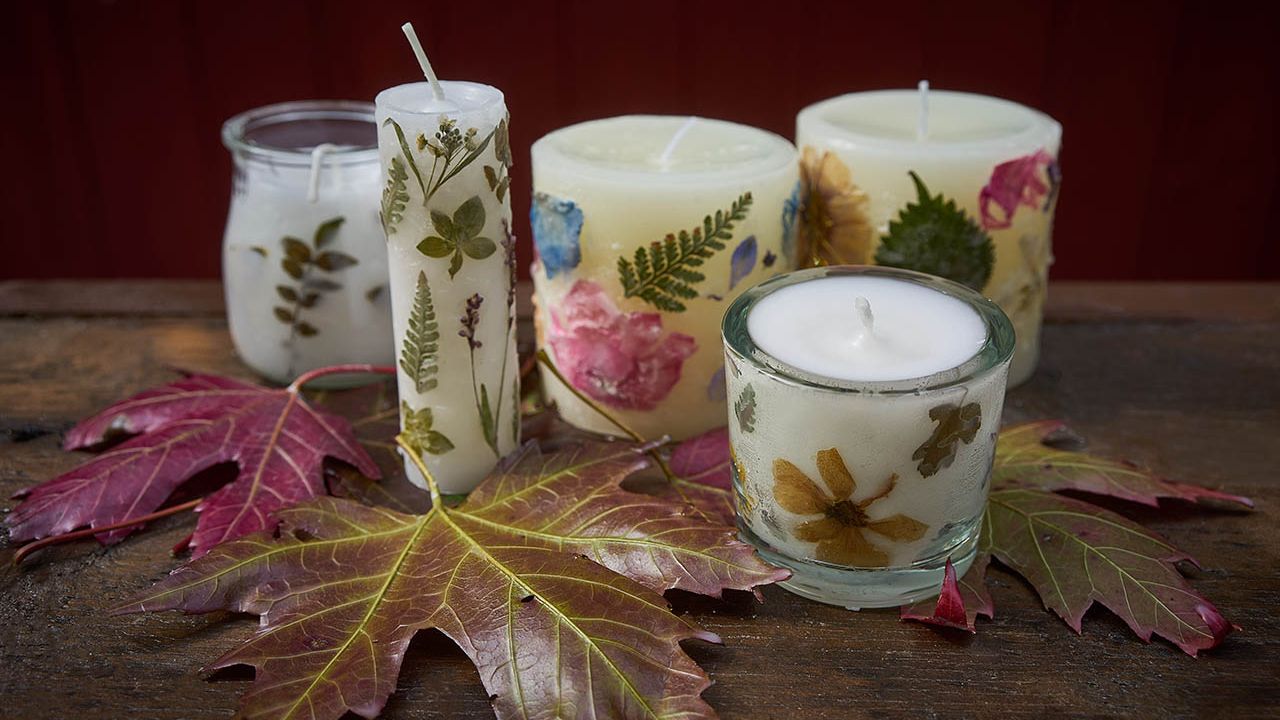
Embedding pressed flowers requires balancing heat, timing, and placement. The moment you introduce a bloom to hot wax, you begin an ancient craft where chemistry and artistry meet. You’ll want petals to lie flat and color to stay sharp as the wax cools. A staged approach—placing blooms in layers rather than all at once—helps you avoid petals rising or floating. With pressed flower candles, the appearance of blooms suspended in wax is part of the allure, so you should aim for a stable, three-dimensional look that remains crisp from top to bottom. Specifically, the embedding process should produce petals that appear to rest just beneath a glassy surface, rather than being sunken or raised, which can disrupt the candle’s silhouette.
Temperature and wax preparation
Temperature control is critical. Use a thermometer to monitor both the melting and pouring temperatures, and adhere to the wax supplier’s recommended ranges. Soy blends, for example, pour well within a particular temperature window, and fragrance oils, if used, should be added at a moment when the wax has cooled to a safe level to avoid scorching or scent scorching. When you are ready to embed, lower the temperature to a range where the wax has enough body to hold the blooms yet remains fluid enough to wrap around the petals smoothly. A typical approach is to bring the wax to its pour temperature, then allow it to cool to a mid-range where the blooms will settle without warping. This balance is essential for pressed flower candles, where oil migration or heat distortion could blur the petals’ edges and soften their color. Maintaining this discipline supports a clean, museum-quality finish that photographs beautifully for social media and storefront displays.
Temperature control also affects the blooming effect within the candle. If heat retention is too high, petals may become translucent or curl at the edges. If it is too low, petals may not embed fully, leading to a flat appearance. The key is to stay within the recommended window and to work quickly but calmly in the embedding stage. The moment you place a bloom, stand back briefly to judge its alignment before you add the next layer. A common technique is to place blooms in a precise grid or scattered pattern that mirrors the natural arrangement of the bouquet you drew for the design. This deliberate placement helps you achieve a balanced composition in pressed flower candles and supports consistent results across similar vessels and sizes.
Layering and embedding technique
Layering is your friend when embedding pressed flowers. Pour a thin base layer, allow it to set just enough to hold its shape, then position the first blooms. Use tweezers or a small tool to adjust petals and ensure the flowers are flat against the surface. After the blooms are placed, pour a second layer to cover them, taking care not to trap air pockets beneath petals. Finally, add a finishing layer that leaves a small space at the top to prevent crown-like bulging where the petals meet the air. This approach creates a gentle, layered depth that makes the blooms appear naturally embedded, rather than pressed into a flat plane. It also supports a more even burn by avoiding excessive height in any one area of the candle, which can destabilize the vessel as it melts. The overall effect is a pressed flower candle that looks as if a tiny floral sculpture rests within its wax, a result that resonates with readers who appreciate botanical artistry in candle form.
For designers seeking an additional dimension, consider a narrow halo of color around the edge of the bloom area. This can be achieved by a light, controlled pour around the bloom to create a soft frame. However, keep the halo subtle so it enhances rather than competes with the petals’ natural color. If you decide to experiment with halos, document your results so you can replicate the look in future batches and maintain a consistent aesthetic across your pressed flower candles portfolio.
Securing delicate pressed flowers
Fragile petals often require extra handling. If a bloom is particularly delicate, a tiny dab of melted wax behind the bloom can secure it without adding bulk. Some crafters prefer using a small amount of clear resin between layers, though this adds a separate curing step and market considerations. Always test adhesion with an extra bloom before proceeding with a full run. If petals start to curl as the candle cools, give the piece a longer, more controlled cooling period. A cool-down phase that is gradual helps maintain the bloom’s shape and color. You should also inspect for any trapped air or wrinkles. A calm, patient approach to embedding yields a pressed flower candle with a pristine surface and a bloom that reads clearly through the wax when lit.
To deepen your understanding of embedding nuances, consult a specialist resource that focuses on flower embedding techniques. It can offer additional tips on handling a wide range of bloom types and help you refine your approach for pressed flower candles that captivate audiences on visual platforms such as Pinterest. The aim is to keep petals intact and vivid while achieving the crisp, suspended look that makes pressed flower candles so appealing in photographic captures and product catalogs.
In practice, many candle makers create a small sample panel before committing to a full batch. This allows you to test bloom placement, layering, and color behavior as the wax cures. It is a smart habit that minimizes waste and ensures your final pressed flower candles deliver a consistent, high-quality appearance. The sample also helps you build a library of layout options so you can quickly produce new designs that align with seasonal themes and trending palettes, from bold peonies to delicate wildflowers that speak to gardeners and floral lovers alike.
References to embedded floral artistry are plentiful in the crafting community. The guidance below is one way to augment your knowledge with established practices, and you can adapt ideas to your own style while maintaining the integrity of pressed flower candles. It is this balance of tested technique and creative vision that leads to a portfolio of pieces that fans of blooms will want to collect and display in their homes or shops.
Finishing: Curing, Trimming, Scent, and Presentation for Pressed Flower Candles
Finishing is where your pressed flower candles differentiate from standard wax containers. This phase includes curing, burn testing, scent balancing, color enhancement, and the final presentation. The finishing stage should reinforce the bloom’s presence and ensure that the candle performs well in real use. A well-executed finish elevates your pressed flower candles from craft to art, especially when photographed within the soft glow of a candlelit scene that highlights the petals’ translucency and color saturation. Each finishing choice—how you trim the wick, how you scent, and how you color accents—must complement the pressed blooms rather than compete with them. This is essential for audiences who value floral storytelling and who are drawn to the visual language of 2026 Pinterest aesthetics, including the cabbage crush motif and the abundance of wildflowers and peonies in décor and candles.
Curing and stabilizing
After pouring, allow the candle to cure in a draft-free area for several days. Curing times vary with wax type and fragrance load, so follow the supplier’s guidance for the specific blend you used. A longer cure can help pigments settle, which may improve the depth of color in the petals and reduce the appearance of fog or bloom on the surface. During curing, avoid moving the candles. Even small shifts can misalign blooms that were carefully placed during embedding. A well-cured pressed flower candle reveals a pristine surface and strong bloom definition when viewed up close and from a distance, whether it’s photographed for social media or displayed on a shop shelf. The result is a durable, luminous finish that invites repeated lighting and long-term admiration of the floral composition inside the wax.
Trimming wicks, scent, and color considerations
Wick trimming is a simple but vital step in finishing. Trim to about 1/4 inch before lighting. A properly trimmed wick helps ensure an even burn, minimizes soot, and prevents the flame from feeding on petals or color layers unevenly. If you decide to add fragrance, test how the scent interacts with the wax and the pressed blooms. Fragrance can intensify the candle experience, but too much scent may discolor petals or mask their natural beauty. A light fragrance load—often around 6 to 8 percent for soy blends—preserves the blooms’ color purity while delivering a pleasant aroma. Color should be used judiciously in pressed flower candles. Soft hues near the edges of the blooms can echo natural tones without overpowering the floral design. The idea is to let the petals shine, with color acting as a supporting accent rather than a dominant feature. When color choices align with the blooms, the candle’s overall impression is harmonious and refined, which resonates with buyers who appreciate a sophisticated floral narrative in their home décor.
Labeling, storage, and presentation complete the finishing phase. Each candle should carry a label that includes wax type, burn time, fragrance notes, batch number, and safety warnings. Store candles in a cool, dry place away from direct sunlight to protect the colors and prevent sweating. The presentation matters, especially for online listings or gallery displays. Consider neutral packaging that allows the pressed flowers to take center stage. The packaging should reflect the same care and attention you gave during embedding and finishing. Presentation quality helps translate the artistry of pressed flower candles into sales and sharing that resonates with audiences who love botanical storytelling and sustainable crafting, which BloomHaven readers frequently seek when exploring floral inspirations for home décor.
Troubleshooting and common pitfalls: quick fixes for pressed flower candles
Even with careful planning, issues can arise. The most common concerns include petals floating instead of embedding flat, color bleed from petals, or a dull surface. For flotation, ensure the bloom is fully dehydrated and the wax is within the embedding temperature range before placing petals. If you notice color bleed, reduce fragrance load or switch to pigments designed for florals and embedment. A dull surface can result from insufficient curing time or overheating during finishing. In all cases, take notes so you can adjust future batches and maintain consistency across pressed flower candles. This documentation helps you reproduce a professional look and respond quickly to design challenges that arise as you experiment with different bloom sets and vessel shapes.
In practice, many candle makers test with a small batch to refine bloom placement and observe color stability after curing. The iterative process builds confidence and improves your ability to deliver pressed flower candles that meet your standards and your audience’s expectations. When you are ready to expand beyond one design, a small library of tested layouts can speed production while preserving high quality and visual appeal. The shared knowledge from fellow makers also serves as a resource for staying current with floral trends, including peonies, wildflowers, and other seasonal blooms that keep your pressed flower candles fresh and relevant for readers who love blooms and candles alike.
As you refine your technique, remember that consistency matters. In the next part of this guide, Part 3: Advanced Design Variations for Pressed Flower Candles, we will explore creative finishes, packaging ideas, and market-ready presentation to inspire your next collection and elevate your craft.
Advanced Strategies for Pressed Flower Candles: Troubleshooting, Variations, and Trends
In this final section, we synthesize practical troubleshooting, creative variations, and timely trends to empower you to craft pressed flower candles with confidence. The focus is on durable technique, artistry, and staying ahead of 2026 Pinterest-inspired aesthetics without sacrificing safety. By applying these advanced strategies, you’ll improve burn quality, preserve bloom clarity, and design pieces that resonate with today’s floral enthusiasts. pressed flower candles
Troubleshooting Common Issues with Pressed Flower Candles
Even seasoned makers encounter snags. The goal is to diagnose quickly, adjust, and prevent recurrence. Start with a calm checklist, then tailor fixes to your wax system, drying method, and container type. When issues arise, respond promptly to protect the integrity of the design and the candle’s performance. pressed flower candles
- Petals curling, folding, or floating: Curling happens when petals aren’t flat or when heat exposure alters their shape. Fix by re-drying with a heavier press, placing petals between parchment papers under a weighted book for 24 to 72 hours, and testing a small batch before embedding. If embedding after partial setting, position petals at a shallow depth to reduce heat exposure. Tip: lay the flowers with the stem side up and the blossom facing the wick for a stable, eye-catching silhouette. pressed flower candles
- Discoloration or color bleed: Some blooms release pigments when exposed to heat or high fragrance loads. To mitigate, pre-dry flowers longer and consider a two-step embedding: a clear base layer, then petals embedded after partial wax cool-down. You can also opt for color-fast blossoms or apply a very light layer of wax over the petals to seal in color. Note: avoid placing highly saturated petals directly over the wick. pressed flower candles
- Petals sinking or tilting as the wax sets: This occurs when the wick is too close to the petal layer or when the wax was poured too hot. Resolve by re-pouring with a correctly sized wick and a lower pour temperature. Use a mold spacer or a silicone insert to keep petals flush with the surface during the final pour. Strategy: pour in two stages—first a shallow base, then a controlled top layer after the first surface has cooled. pressed flower candles
- Fragrance fade or uneven scent throw: Fragrance oils can fade if the wax is not compatible or the cure time is insufficient. Choose waxes with proven fragrance load compatibility, adjust fragrance strength for layered petals, and allow a proper cure window of 1–2 weeks for soy and coconut blends. For essential oil use, limit to heat-stable blends and test for separation. Action: create a small test candle to gauge scent throw before committing to larger batches. pressed flower candles
- Frosting or sweating on the surface: Frosting indicates wax crystallization or moisture exposure. Stabilize by controlling humidity during cooling, improving storage conditions, and ensuring the jars are clean and dry before pouring. A light, smooth top layer helps minimize frosting in future batches. pressed flower candles
When troubleshooting, document your process. Record wax type, pour temperature, wick size, drying duration, and flower species used. Over time, patterns emerge and you’ll shorten troubleshooting cycles. Ultimately, a methodical approach keeps pressed flower candles looking pristine and burning evenly. pressed flower candles
Creative Variations of Pressed Flower Candles
The most exciting part of advanced crafting is how you can customize one design into multiple, marketable variations. Below are variations that respect safety, highlight floral artistry, and align with contemporary decor trends in 2026. pressed flower candles
Variation 1: Layered Embedding for Depth and Drama
Layering adds visual depth and encourages eye movement along the candle. Start with a clear base layer, then position a thin veil of petals at multiple depths. Use translucent or lightly tinted wax for the top layers to allow backlighting through the petals. This approach works well with pale wildflowers and soft peonies, producing a radiant, gallery-worthy piece. How to: secure petals using a micro-dab of wax between layers and test each depth with a short burn test. pressed flower candles
Variation 2: Color-Tinted Wax and Natural Dyes
Color can complement or contrast floral tones. Use natural, cosmetic-grade colorants or mica powders to achieve soft pastels or earthy neutrals that echo garden palettes. For pressed flower candles, choose colors that won’t overpower the delicate petals. A pale pink or soft lilac can enhance rose, peony, and lilac blossoms without masking their natural charm. Recommendation: keep tinting subtle and perform small-batch tests to ensure even distribution. pressed flower candles
Variation 3: Container Design and Finishing Touches
Container choice can transform the entire look. Old-fashioned teacups, apothecary jars, or matte-finish tins pair beautifully with pressed blooms. Add a decorative seal, a natural cork lid, or a minimal label to emphasize eco-conscious packaging. For weddings or gifts, create a coordinated set—one container per flower family or color story. Note: always align wick type with container diameter to maintain a steady burn and avoid tunneling. pressed flower candles
Variation 4: Seasonal and Thematic Assemblies
Create seasonal series by combining pressed flowers that bloom in the same season. Spring collections can feature daisies and violets; summer can showcase wildflowers and sunflowers; autumn may lean on robust botanicals like asters and rosemary blossoms. The thematic approach increases collectibility and gifting appeal, especially when paired with matching packaging and card inserts. Tip: photograph your sets in natural light to capture true color and pattern. pressed flower candles
Variation 5: Scented Layering and Fragrance Pairings
Combine floral notes with complementary scents to deepen the sensory experience. Consider gentle blends like lavender with vanilla, rose with citrus, or jasmine with sandalwood. When embedding petals, test scent throw at every stage; some fragrances can strip moisture from dried flowers, affecting appearance. Always use fragrance oils formulated for candle making and maintain safe usage rates. pressed flower candles
Each variation requires careful calibration of pour temperature, wick sizing, and curing time. As you experiment, document outcomes and refine your process for consistent results. pressed flower candles
Trends Shaping Pressed Flower Candles in 2026
Staying current means aligning craft with the visual language of 2026. Pinterest-inspired aesthetics are driving color stories, botanicals, and sustainability. Here are key trends that resonate with pressed flower candles and BloomHaven readers seeking beautiful, shareable outcomes. pressed flower candles
Trend: Wildflowers and Pollinator-Inspired Botanicals
Wildflowers continue to dominate visual searches and garden-perfect palettes. Pressed flowers like daisies, cornflowers, calendula, and poppies can be embedded to evoke meadow scenes. Pollinator-friendly botanicals add narrative value, especially when paired with eco-conscious packaging. This trend encourages makers to source responsibly harvested blooms and to showcase the story of preservation and habitat support. Practical tip: label blooms with their common names so buyers appreciate the species and potential fragrance notes. pressed flower candles
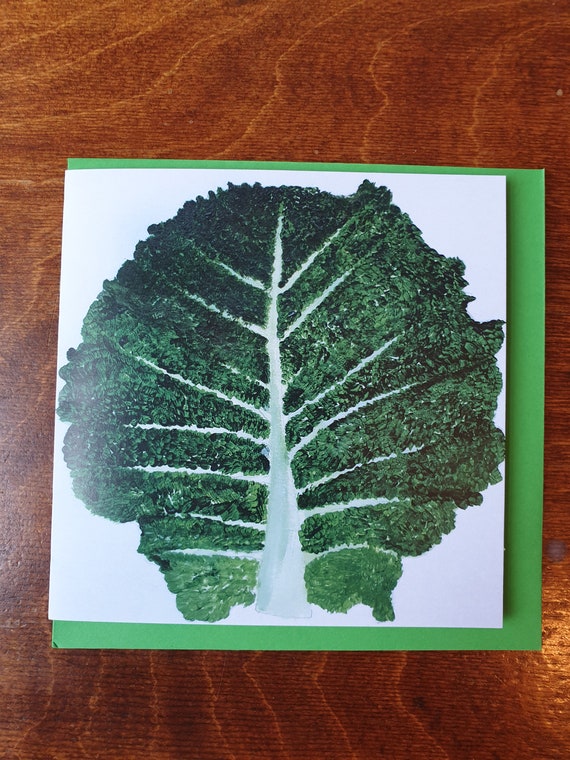
Trend: Cabbage Crush Palettes and Soft Pastels
The term cabbage crush describes a soft, chic palette of pinks, mauves, and sage greens that reads modern and calm. Matching pressed bloom colors to this palette yields candles that look cohesive on social feeds and in retail shelves. Use tinted waxes to bridge color gaps between petals and the container, ensuring the finish remains silky rather than speckled. pressed flower candles
Trend: Miniature Bouquets as Collectible Favors
Miniature candle bouquets work beautifully for weddings, showers, and boutique gifting. A small assortment of pressed flowers arranged in tiny jars creates a tactile, keepsake experience. For safety, keep the wick centered and use stable bases to prevent tipping. This trend invites collaboration with florists and event planners for cross-promo opportunities. pressed flower candles
Trend: Sustainable Packaging and Reusable Containers
Sustainability is a retail differentiator in 2026. Reusable glass jars, refillable toppers, and compostable labels appeal to eco-conscious shoppers. Consider offering refill options or designing jars that double as decorative items after the candle is finished. Sustainability also extends to sourcing—prioritize locally dried botanicals and recyclable packaging materials. Insight: provide care instructions on the label to extend the life of both the candle and its container. pressed flower candles
For safety and best practices, see candle safety guidelines
In summary, trends in 2026 favor tactile floral storytelling, sustainable packaging, and color palettes that align with both botanical beauty and contemporary interiors. When you combine advanced troubleshooting with creative variations and trend-aware design, pressed flower candles become not only decorative pieces but also meaningful keepsakes. pressed flower candles
Conclusion: Bringing Cohesion to Craft, Science, and Style
Throughout this guide, you’ve learned how to troubleshoot common challenges, explore variations that elevate artistry, and interpret trends that influence consumer interest in pressed flower candles. By thoroughly drying botanicals, controlling pour temperatures, and testing each technique, you safeguard flame performance while preserving the delicate beauty of pressed blooms. You’ve also discovered how layered embedding, color-tinted wax, and seasonally themed arrangements can diversify your portfolio without sacrificing safety. In practice, the most successful pressed flower candles marry precise technique with thoughtful storytelling—showcasing blooms that sing on the wick and in photographs. pressed flower candles
To conclude, the craft of pressed flower candles blends science with artistry, patience with experimentation, and care with creativity. If you’re ready to elevate your practice, start with the troubleshooting checklist, then weave in the variations and trends described here. Subscribe to BloomHaven for ongoing tutorials, plant-informed inspiration, and practical tips to keep your pressed flower candles thriving in 2026 and beyond. Remember: the more you refine technique and storytelling, the more your pressed flower candles will captivate, convert, and inspire. pressed flower candles