Wildflower Cutting Garden Plan: A Practical Guide
Wildflower Cutting Garden Foundations: Planning and Design for a Bloom-Forward Space
For gardeners who dream of a constant supply of fresh stems, a wildflower cutting garden offers a practical, bloom-forward space that doubles as a pollinator haven. With careful planning, you can align beauty with productivity, selecting varieties that bloom in waves from late spring through summer. In this guide, we walk through foundations, from site assessment to bed design, soil health to irrigation, so you can start with confidence and finish with a thriving cutting garden that ships color into your home and your garden borders. In 2026, climate realities demand resilience: choose native or well-adapted perennials, pair annuals with perennial fillers, and organize your beds for easy harvesting. Whether you’re cultivating a compact plot or a generous parcel, the goal is a space that looks good, grows well, and keeps you harvesting all season. By the end of this section, you’ll have a clear plan, a prioritized plant list, and a maintenance rhythm that supports long stem quality and floral longevity. Let’s begin with defining your goals and mapping your site.
Wildflower Cutting Garden Foundations: Core Planning Principles
Crucially, success starts with clear goals. In a wildflower cutting garden, your primary aim is to maximize stem quality and harvest frequency while preserving seasonal harmony. Begin by answering a few practical questions: How many stems do you want each week? Which colors and heights will create a bouquet-friendly palette? Which bloom windows matter most? In addition, consider your climate zone, sun exposure, soil type, and water availability. A thoughtful plan reduces waste and ensures a bloom-forward space remains compelling across seasons. Therefore, you’ll avoid overplanting and you’ll focus on cutting-ready varieties that rotate through the growing year.
Beyond goals, map constraints and opportunities. Take stock of sunlight hours, prevailing winds, drainage, and nearby pathways. In addition, decide how much time you can devote to harvesting and maintenance each week. If you’re new to cutting gardens, start small with a modular bed pattern you can expand later. Therefore, you’ll build confidence and protect your investment as you gain practical experience. A sound plan also accounts for budget, seeds vs. seedlings, and a realistic calendar that aligns with local frost dates.
Finally, set a priority list for performance traits: stem length, vase life, fragrance, and colorfastness. In addition, favor disease-resistant cultivars and plants with strong root systems. Consequently, your garden will deliver reliable stems even under heat or rain. By anchoring your plan in these principles, you’ll create steady harvesting opportunities while maintaining seasonal beauty.
Define Your Harvest Rhythm and Palette
Establishing a harvest rhythm means choosing groups of plants that stagger bloom times and provide continuous stems. Think in modules: cool colors for early spring, bright warm tones for midsummer, and soft neutrals for late summer. By pairing taller stems with mid-height filler plants, you create bouquet-friendly structures. In addition, plan for soil preferences so colors stay true and stems stay sturdy. This approach helps you mix, match, and harvest without trampling shy roots. Therefore, you’ll extend cutting windows with well-timed succession plantings that fit your climate.
As you select varieties, record bloom windows and typical vase life in a simple planting plan. Keep a master palette that includes base performers (low-maintenance perennials), reliable annuals, and seasonal accents. In addition, reserve a few “surprise” plants for pop color or fragrance that you can rotate in when a primary group is finished. Therefore, your cutting garden maintains energy and invites frequent harvests without becoming chaotic.
Site and Microclimate Evaluation
Light levels, wind, drainage, and soil depth all shape what will thrive in a wildflower cutting garden. Map sun exposure from dawn to dusk and note spots that bake at noon or stay cool in late afternoon. Consequently, a south-facing bed might demand heat-tolerant annuals, while a shaded corner benefits shade-tolerant perennials. Record texture: clay soil may slow drainage, while sandy soil warms quickly. In practice, build raised beds or amend plots where drainage improves and root zones stay consistent. Therefore, you’ll reduce disease risk and improve stem quality by situating fragile varieties in supportive microclimates.
Consider windbreaks and bee lines as part of the layout. A trellis for vining cut flowers expands vertical interest without crowding ground-level stems. In addition, place harvesting stations along easy routes so you can cut, process, and carry bouquets without stepping into sensitive beds. Consequently, careful planning saves time and protects your plants’ root systems as you work.
Design Principles for a Bloom-Forward Wildflower Cutting Garden Space
Beyond plant lists, structure and flow matter. A well-designed wildflower cutting garden looks intentional and harvest-friendly. In addition to color stories, consider height choreography, bloom periods, and practical access for pruning and cutting. Central paths, level soil, and mulched edges reduce weeds and protect delicate stems from damage. Therefore, efficient design saves you time, keeps stems harvested at peak quality, and invites visitors to explore the beds. For sustainability, select drought-tolerant mixes and native-adapted species where possible.
Bed Layouts for Accessibility and Efficiency in a Wildflower Cutting Garden
Use a mix of curved beds and straight aisles to balance aesthetics with reach. Place the most productive cutting sections along accessible edges and near the house or harvest station. In addition, group companions: tall stems behind medium-height flowers, and low-growing groundcovers to suppress weeds. Construct raised beds where water drains well and soil warms quickly, and keep a compact central staging area for bouquets. Hence, you’ll shorten harvest times and reduce plant stress during frequent cuttings.
Plant Groupings for Color, Height, and Longevity in a Wildflower Cutting Garden
Organize by bloom window and stem quality. For a reliable cutting garden, combine long-stemperennials with reliable annuals for a steady flow of color. Use tall stems behind mid-height fillers to create a tiered bouquet; include low-drought-tolerant fillers for texture. In addition, rotate color families to maintain visual interest across seasons. Crucially, choose disease-resistant cultivars and provide support for top-heavy stems to prevent lodging during heavy rain. A well-planned palette makes choosing stems each week both intuitive and joyful.
Examples of dependable cutting choices include cosmos, snapdragons, delphinium, nigella, larkspur, and many native perennials. This mix provides a range of textures and scents while supporting pollinators. In addition, consider annuals with long vase life, such as celosia, lisianthus, and dahlias, while ensuring they fit your space and water availability. Therefore, your cuts stay vibrant from harvest to vase.
Soil, Fertility, and Maintenance
Healthy soil is the backbone of a productive cutting garden. Start with a soil test to measure pH, organic matter, and nutrient levels. Based on results, amend with well-rotted compost, limestone or gypsum, and balanced fertilizers as needed. In addition, mulch generously to conserve moisture, suppress weeds, and regulate soil temperature. A mulched bed also reduces splashing soil that can spread fungal diseases to delicate stems. Therefore, a consistent feeding schedule aligned to bloom cycles keeps stems strong and colors vibrant.
Attention to soil biology matters as much as chemistry. Incorporate cover crops in the off-season and rotate beds to prevent pathogen buildup. In addition, keep soil surface protected with 2-3 inches of organic mulch and avoid compacting the soil during maintenance days. Consequently, the root zone remains loose, roots explore easily, and stems rise tall with good structure.
Soil Health: Testing, Amendments, and Mulching for a Wildflower Cutting Garden
Implement an annual soil test and revise amendments as needed. In early spring, apply a balanced organic fertilizer and topdress with shredded mulch to warm the soil and feed soil biology. Consequently, you’ll see robust root development and stronger flower stems. Combine compost with slow-release nutrients for extended feeding, but avoid over-fertilizing to prevent lush foliage with few blooms. Therefore, maintain a steady supply of nutrients that support cutting-ready stems.
Irrigation and Water Management
Efficient irrigation matters as much as clever planting. Drip irrigation along bed lines ensures deep roots access water without wetting foliage that can cause disease. In addition, install a simple timer to synchronize watering with night-time or early morning hours. Consequently, this minimizes evaporation and keeps stems hydrated during hot spells. For a rain-smart approach, collect rooftop water where possible and use mulch as a moisture reservoir. Therefore, you’ll reduce maintenance demands while sustaining vibrant stems throughout the growing season.
Workflow, Timelines, and Seasonal Transitions
Plan your year around harvest cycles, so you harvest with confidence rather than guesswork. Create a planting calendar aligned to your hardiness zone and microclimate. In addition, map critical tasks: prune, stake, deadhead, and deadhead again for continuous bloom. This scheduling supports a blooming rhythm that feeds bouquets from late spring through late summer and into early autumn. Therefore, the garden remains productive even as weather shifts year to year.
Planting Schedule and Maintenance Calendar
Divide your calendar into four to six-week blocks. In each block, assign tasks such as sowing, transplanting, weeding, and harvesting. Do not neglect rotation and succession; they are essential to extended blooming. Consequently, you’ll avoid gaps in the cutting supply and keep stems uniform in length and vigor. In addition, maintain an ongoing inventory of plant health, staking needs, and pest pressure to adjust future plantings.
Post-Season Prep and Seed Saving
When days shorten, shift to maintenance and seed-saving mode. Clean tools, tidy beds, and collect seed from dependable varieties for next year. In addition, dry and label seeds, then store them in a cool, dry place. Therefore, you’ll preserve genetic traits and reduce the cost of re-seeding. Finally, plan a late-season cleanup that minimizes soil disruption while protecting beneficial insects over winter.
In Part II of this guide, titled Part II: Varieties, Palettes, and Cutting Schedules, we will dive into selecting reliable cultivars, building a flower palette that matches your climate, and establishing a practical harvesting calendar for a year-round supply of stems.
Step-by-Step Planting Plan for a Wildflower Cutting Garden
This section translates the overarching vision of a wildflower cutting garden into a practical, year-round planting plan. You will learn how to select a site, prepare soil, choose varieties for cutting, and schedule sowing, maintenance, and harvest in a way that yields consistent vase-worthy stems throughout the growing season. The guidance here centers on creating a sustainable, low-fuss bed that supports pollinators while delivering on the promise of floral abundance for arrangements. In 2026, climate considerations emphasize resilient plant choices and staggered bloom times to extend vase life and keep your cutting garden productive longer.
Step 1: Site selection for a wildflower cutting garden
Where your wildflower cutting garden fits the landscape matters almost as much as the plants themselves. Choose full sun, ideally at least six to eight hours of direct light each day, because strong sun fuels robust stems and dense blooming. If your space has a slight slope or excellent drainage, you will reduce the risk of root rot and powdery mildew that can plague cutting blooms. In addition, plan for a layout that allows easy access for harvest and maintenance. A layout with clear paths ensures you can reach every bed without stepping on young shoots, which promotes quicker establishment and healthier roots. Specifically, orient beds to be accessible from a central hub where you store clippers, twine, and pruning tools, so harvests feel seamless rather than strenuous.
Furthermore, think about microclimates within your site. A protected corner or a reflective, heat-sinking wall can extend bloom duration for heat-loving cut flowers like cosmos and sunflowers. Conversely, position tender natives and cool-season options where they will not be scorched by late-summer sun. Finally, consider water access. A nearby hose or drip line will dramatically simplify ongoing watering, particularly during establishment and hot spells. A well-chosen site lowers labor and increases the reliability of blooms in your wildflower cutting garden.
Step 2: Soil prep for a wildflower cutting garden
Healthy soil is the foundation of any robust cutting garden. Begin with a soil test to determine pH, nutrient levels, and texture. Most wildflowers perform best in slightly acidic to neutral soil (pH 6.0–7.0), but native wildflowers often tolerate a broad range when conditions are well-drained. If your soil is heavy clay or tends to stay wet, improve drainage through the incorporation of coarse organic matter, such as compost or well-rotted leaf mold. In contrast, sandy soils benefit from a modest dressing of compost to boost organic matter without creating a dense, waterlogged bed. Apply a shallow, even layer of compost and lightly rake to create a crumbly seedbed that encourages uniform germination.
Additionally, avoid over-fertilizing. Excess nitrogen can lead to lush foliage with short stems and reduced vase life. Instead, feed sparingly with a balanced, organic feed or compost teas as the season progresses. Specifically, after establishment, monitor growth and apply light applications of slow-release fertilizer only if growth slows or blooms dwindle. Moisture management is key; use a mulch layer to maintain soil moisture and suppress weeds, which compete with young cut-flower plants for nutrients. Overall, soil prep in a wildflower cutting garden emphasizes drainage, moderate fertility, and a crumbly texture that supports steady root growth and vibrant stems.
Step 3: Seed vs. transplant decisions for a wildflower cutting garden
Choosing between seeding directly or starting transplants drives cost, timing, and the reliability of early blooms. Direct sowing suits fall and early spring plantings, especially for species that reseed readily and tolerate variable weather. Transplants, on the other hand, jump-start the season and help you establish a robust display earlier in the growing year. Specifically, for a wildflower cutting garden, mix both approaches. Start heat-loving or slow-to-establish perennials indoors or in a nursery bed, while sowing hardy annuals directly where they will bloom. This hybrid approach balances early vase potential with long-season interest. Remember to follow seed packets and seedling labels for spacing, depth, and light requirements, which improves emergence and reduces thinning labor later on.
Furthermore, align your sowing schedule with your local frost dates. In many regions, a spring sowing window exists after the last frost, while a fall sowing can establish a robust root system that jumps into bloom earliest in spring. When using transplants, harden off seedlings gradually to minimize transplant shock. By combining seeds and transplants, you maximize success rates and achieve a continuous supply of cut flowers in your wildflower cutting garden across multiple seasons.
Step 4: Varieties and cultivars chosen for cutting quality
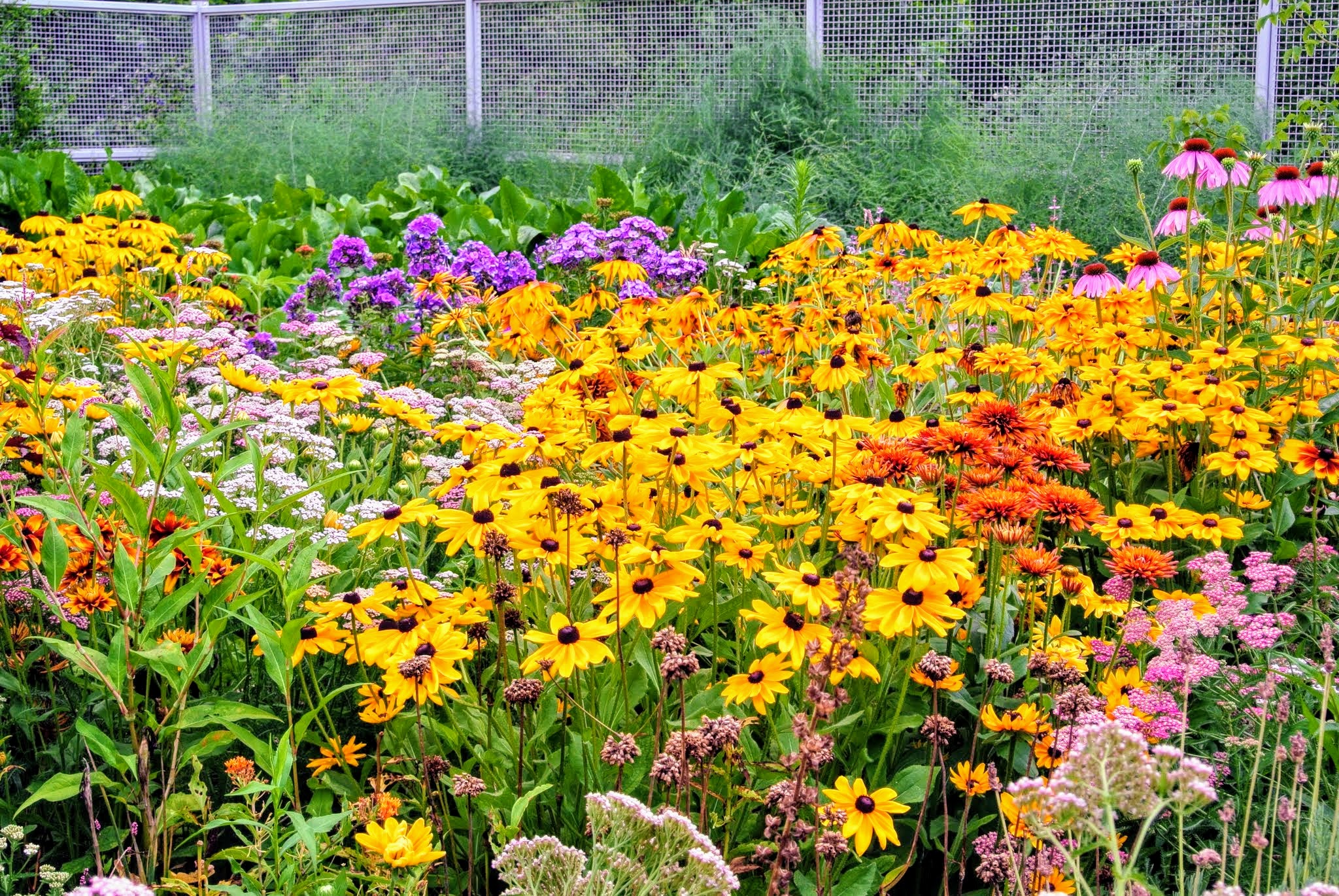
Cutting gardens depend on stems that stand tall, hold their shape, and offer good vase life. When selecting varieties, prioritize erect stems, sturdy petals, and predictable bloom windows. Examples include cosmos for airy, long-lasting stems; echinacea for architectural blooms; larkspur for vertical drama; yarrow for dense clusters; and blanketflowers for heat resilience. Specifically, choose a blend of annuals, biennials, and perennials to ensure a steady harvest through spring, summer, and into early autumn. Include a few grasses or dried blooms to add texture and fill gaps between bouquet-ready stems. Diversity in form, height, and color ensures you always have something useful for studio arrangements and home vases alike.
Additionally, consider picking varieties that pair well with one another in arrangements. For instance, combine delicate, airy blooms with bold, structured daisies or coneflowers to create contrast in both color and texture. Do not overlook fragrance, as scent can influence bouquet reputation and customer preference if you sell arrangements. Finally, source seeds and plugs from reputable suppliers who provide organic or locally adapted cultivars, which helps your wildflower cutting garden establish more quickly and reliably in your climate.
Step 5: Bed design, spacing, and plant guilds for a wildflower cutting garden
Crafting a bed design that accommodates cutting needs while supporting pollinators requires thoughtful spacing and a layered approach. Start with tall plants at the back of beds and shorter forms toward the front, ensuring stems of interest remain visible from harvest points. Spacing varies by species, but a typical rule of thumb is to plant bloom groups with enough room for air movement to reduce disease pressure and to prevent crowding that delays growth. In addition, create guilds by combining three or four species with complementary bloom times and growth habits. This approach ensures a continuous supply of cut flowers and reduces the risk of dramatic gaps in harvests.
Furthermore, integrate filler species and dynamic accents that fill space while the primary cut flowers mature. Here, you can tuck in low-growing natives between taller stems to suppress weeds and stabilize soil. Use paths or mulch borders to define sections and make harvesting efficient. By arranging plants into cohesive guilds, you optimize light capture, water use, and pest resilience, all essential for a reliable wildflower cutting garden through peak growing season.
Step 6: Sowing and transplanting timetable for a wildflower cutting garden
A clear timetable helps you plan work hours and max out bloom windows. In cooler climates, prepare beds and begin sowing cool-season annuals in early spring, then transition to warm-season annuals as soil warms. In warmer zones, you can start some heat-loving species earlier in spring or even in late winter under protection. Direct-sow fast germinators first, then stagger sowings by two to three weeks to extend flowering and harvest windows. Transplants should be scheduled after hardening-off periods and aligned with frost-free dates so plants realize their full height and bloom potential as soon as possible. Specifically, plan successive sowings for continuous cut-flower supply from late spring through late summer, with a final fall planting to bring in hardy perennials that will emerge again next season.
Additionally, keep a simple calendar that marks seed-start dates, transplant dates, first blooms, and end-of-season cut-offs. A consistent timetable reduces guesswork and ensures your wildflower cutting garden remains productive throughout the growing season. Finally, document success and adjustments year over year; this will help you refine varieties, spacing, and harvest strategies for future seasons.
Step 7: Watering, mulch, and weed control in a wildflower cutting garden
Water management is critical during establishment and in hot weather. A drip irrigation system delivers water directly to the root zone, conserving moisture and reducing leaf diseases. If you aren’t using drip, water deeply in the morning to encourage deep rooting, which supports stem strength essential for vase life. Mulch with shredded bark, straw, or composted leaves to suppress weeds, moderate soil temperature, and retain moisture. The mulch layer should be 2 to 3 inches deep in most areas; ensure it does not smother emerging seedlings. Additionally, practice light, frequent weed control to avoid disturbing shallow roots of young cut-flower crops. Weeds compete for nutrients and water and can crowd desirable stems out of the garden space, reducing your potential harvest.
Moreover, monitor for signs of drought stress or waterlogging, adjusting irrigation accordingly. In drought periods, supplement with a soaker hose or a rain barrel system when possible. If you notice compacted soil or crusting after rainfall, gently loosen the surface to improve germination and root growth. For reference and additional flowering guidance, consider visiting the Wildflower Center online for planting suggestions and native species lists that pair well with cut-flower production.
Outbound link: Wildflower Center.
Step 8: Fertility management and organic inputs
Organic fertility supports vigorous growth without compromising vase life. Start with a healthy layer of compost applied during bed preparation, then supplement with liquid seaweed or compost tea during hot weather or slow growth periods. Specifically, apply compost tea monthly during the peak of bloom to encourage robust stems and more resilient foliage. Avoid synthetic high-nitrogen fertilizers that produce lush foliage with weak stems, as these reduce vase life and complicate harvest quality. Instead, favor balanced organic amendments that provide micronutrients and slow-release nutrients over time. Additionally, rotate organic inputs across beds to prevent nutrient imbalances and to protect soil microbiology that benefits root development and disease resistance.
Furthermore, maintain a soil microbiome by avoiding excessive tilling and by mulching to protect microbial life. A healthy soil ecosystem helps plants uptake water and nutrients more efficiently, supporting longer-lasting cut stems. Finally, observe your garden’s response to feeding and adjust rates and timing accordingly, always aiming for steady, not sudden, growth spurts that can lead to lodging or floppiness in stems.
Step 9: Harvesting strategy to maximize vase life
Harvest timing is the single most important factor in vase life. Pick stems in the cool of the morning after dew dries but before the heat of the day, when turgor is highest. Cut at a node or just above a leaf pair to encourage branching and fuller bouquets. Specifically, use sharp pruners to make clean cuts that minimize tissue damage and reduce the risk of disease entry. Immediately place stems in a bucket of lukewarm water to prevent wilting, and then move them to a cooler environment if you have one. For best results, condition stems by recutting the stems after a few hours and trimming any foliage that would sit below the waterline in bouquets. A steady supply of blooms requires ongoing harvest planning and careful selection of only the freshest stems for cutting.
Additionally, group stems by cultivar to maximize vase performance; certain varieties hold water better when mixed in bouquets, while others may excel in dense, tall arrangements. In 2026, keep a journal of vase life performance for each variety to refine your cutting plan next season. If you sell arrangements, communicate vase-life expectations to clients so they understand the care required to maintain displays beyond arrival. Overall, a disciplined harvest routine yields the most consistent, high-quality stems from your wildflower cutting garden.
Step 10: Pest, disease, and weed management within a wildflower cutting garden
Pests and diseases can derail even the best planning. Monitor regularly for aphids, thrips, caterpillars, and fungal diseases that threaten stems and foliage. Early detection is key; remove affected material promptly and apply targeted, organic controls when necessary. Specifically, introduce beneficial insects like lady beetles and hoverflies where possible to help balance the ecosystem and reduce pest pressure. Regularly practicing crop rotation, maintaining clean borders, and removing spent flowers will help manage disease reservoirs. Weeds compete with cultivated stems for nutrients and water, so keep beds tidy and use mulches or groundcovers to suppress germination. If weeds persist, adjust weed-control timing to the life cycle of the target species. Finally, remember that a diverse wildflower cutting garden often experiences fewer severe pest outbreaks because biodiversity tends to stabilize insect populations and reduce vulnerability.
Moreover, keep a simple log of problems and responses to refine your approach year after year. This record will guide future seed choices, spacing adjustments, and maintenance routines, ensuring your wildflower cutting garden remains resilient. For additional inspiration on pollinator-friendly planting, visit the Wildflower Center linked earlier in this section.
Step 11: Seasonal maintenance calendar for ongoing success
Seasonal care keeps a wildflower cutting garden humming through the year. In spring, clean debris from beds, sharpen tools, and re-fertilize when needed after a winter lull. As growth accelerates, monitor soil moisture and adjust watering schedules; early summer often requires more frequent water in sunlit beds. In late summer, prune and deadhead to encourage rebloom and extend vase life. Fall maintenance focuses on dividing perennials if necessary, mulching to protect crowns, and preparing beds for winter. Specifically, maintain a harvest rhythm that aligns with your local climate and typical frost dates, ensuring you maximize bloom potential while protecting fragile stems from late-season weather.
Additionally, keep an eye on succession plantings to sustain cut-flower supply. You can stagger sowings or plant new plugs at two- to four-week intervals to fill gaps as older plants decline. This approach helps you maintain steady harvests without overwhelming your space with excess material. Finally, review last year’s records to identify which varieties performed best for cutting, which were less reliable, and where you can introduce new cultivars for the coming season.
Step 12: Climate considerations for 2026 and beyond
As climate patterns shift, selecting adaptable, drought-tolerant, and pest-resilient species becomes more important. Favor natives or well-adapted cultivars that tolerate local heat, humidity, and winter conditions. Specifically, diversify blooming windows with a mix of early, mid, and late-season varieties to buffer against irregular weather and to maintain a continual supply of stems for cutting. In drought-prone areas, prioritize water-wise natives and implement efficient irrigation. In cooler regions, plan for fall-planted perennials that establish roots before winter and emerge robustly in spring. Overall, the planting plan for a wildflower cutting garden in 2026 emphasizes resilience, resourcefulness, and a balanced mix of species that thrive under changing conditions.
Additionally, keep your garden design flexible so you can swap in new cultivars as trends shift or as new research supports alternate flowering sequences. The key is to observe, record, and adapt. By staying responsive to weather signals and plant performance, you ensure your wildflower cutting garden remains vibrant and productive across seasons and years.
Step 13: Final planting and care checklist for a thriving wildflower cutting garden
Before heading into the next season, run through a concise care checklist. Confirm soil health with a test if you notice slow growth, refresh mulch layers, and inspect irrigation lines for leaks or clogs. Verify that stakes, labels, and markers are legible to avoid confusion during sowing and harvesting. Specifically, record which varieties performed best for cutting and which ones underperformed, so you can refine your seed orders and plant lists for the upcoming year. Finally, ensure your garden is accessible for harvest days by keeping paths clear and tools sharpened. A well-maintained plan yields more consistent, high-quality stems for your wildflower cutting garden, making every bouquet feel intentional and lush.
In summary, this Step-by-Step Planting Plan for a wildflower cutting garden is designed to maximize bloom potential, vase life, and ecological value. By integrating site selection, soil preparation, diverse varieties, thoughtful bed design, precise timing, and disciplined maintenance, you build a productive, beautiful space that thrives in 2026 and beyond. Next, in Part 3 of our guide, we will explore Care, Harvest Scheduling, and Seasonal Maintenance to further refine your cutting garden’s performance and sustainability.
Advanced Strategies and Final Guidance for a Sustainable Wildflower Cutting Garden
In this final section, we elevate your wildflower cutting garden from a thriving plot to a resilient, long-lasting system. The focus is on advanced practices that balance productivity with stewardship. You’ll learn to optimize soil life, water use, harvest quality, and biodiversity while reducing waste and input costs. The result is a garden that continuously fuels your floral arrangements and respects the land it grows on.
Soil Health and Fertility for a Sustainable Wildflower Cutting Garden
Healthy soil is the foundation of every successful cutting garden. A living soil supports vigorous stems, vivid blooms, and longer vase life. Start with a soil test to know your baseline. Then tailor amendments to your climate and native species.
Build a living soil foundation
Prioritize organic matter. Mature compost improves structure, drainage, and microbial activity. Apply a 2 to 3 cm layer annually and mix it into the top 15 cm. Mulch after sowing or planting to conserve moisture and feed soil life as it decomposes.
A voided, synthetic-heavy approach helps the garden breathe. The goal is a thriving soil food web that supports robust roots and stems. Avoid over-tilling, which can disrupt soil life and reduce microbial diversity.
Nutrition that supports long vase life
Fertilize sparingly with balanced, slow-release organic inputs. For most wildflowers, a modest nitrogen influence early in the season promotes lush growth without sacrificing biomass quality. Periodic side-dressing with compost tea can supply micronutrients that influence color, fragrance, and stem strength.
Monitor pH and nutrients seasonally. Some native species prefer slightly acidic conditions, others thrive in neutral to alkaline soils. A targeted approach keeps blooms vibrant and stems sturdy for cutting.
Soil structure and drainage
Most wildflowers appreciate well-draining soil. Add coarse organic matter to heavy clay soils and improve aeration with perlite or finely ground bark in sandy sites. Good drainage prevents root rot and reduces disease pressure, especially in wet springs.
Water Management and Irrigation for Efficiency
Water is a precious resource. A resilient cutting garden uses water intentionally, reducing waste while keeping stems crisp and colors true. Design for drought resilience without compromising floral quality.
Drip irrigation and smart scheduling
Install a drip line or soaker hoses beneath mulch. Drip irrigation delivers local water to roots, minimizing foliar disease. Pair it with a timer and rain sensor to avoid overwatering during wet periods.
Water early in the day to reduce evaporation and fungal problems. Monitor soil moisture regularly and adjust watering depth as plants mature. Deep, infrequent watering encourages deeper roots and steadier growth.
Rainwater capture and mulch
Collect roof runoff in barrels to supplement irrigation during dry spells. Use a mulch layer 5 to 7 cm thick to conserve moisture, suppress weeds, and moderate soil temperature. Mulch also feeds soil life as it breaks down.
Timing and irrigation quotas
Time irrigation with crop stages. Seedlings demand more moisture, while established perennials require less frequent watering. In hot, windy periods, water more often but still encourage deep penetration rather than surface wetting.
Plant and Cultivar Selection for Extended Cutting Windows
Choose species and cultivars that maximize harvest windows, vase life, and fragrance. Favor natives and well-adapted ornamentals that tolerate local climate with minimal care. Plan for succession to maintain continuous supply through the bloom season.
Diversified planting for constant stems
Cluster plantings so you can cut at staggered stages. Succession sow or transplant new seedlings every few weeks in spring and early summer. This approach reduces gaps between harvests and keeps your arrangement options fresh.
Color, texture, and fragrance profiles
Mix bold blues and warm yellows with soft pinks and whites to build versatile palettes for bouquets. Include foliage texture varieties to add contrast and improve stems’ handling quality. Fragrance matters; balance strongly scented plants with mitigation strategies for guests who prefer lighter scents.
Planting density and spacing
Respect species-specific spacing recommendations. Dense plantings maximize yield but can heighten disease pressure if air movement is poor. Use wider aisles or alternate rows to improve air circulation and ease harvest.
Harvest Precision and Post-Harvest Handling
Harvesting is where design meets execution. Correct timing, handling, and conditioning extend vase life and reduce waste. The goal is crisp stems, clean blooms, and minimal handling damage.
Timing is everything
Pick stems in the cool of the morning when sap is most hydrated. Cut just above a leaf node to encourage a healthy regrowth cycle. Harvest mature buds that show color but are not fully opened to prolong vase life.
Handling and conditioning
Trim stems at an angle and remove lower leaves that would sit in water. Immediately place cut stems into clean water. Use a floral conditioning solution or a simple sugar plus bleach mix to improve longevity if commercial solutions are unavailable.
Transport flowers in a cool, shaded area. Keep humidity steady to avoid wilting during harvest days that require long transit times.
Post-harvest storage and bouquet design
Store cut stems in clean water with a fresh conditioning solution. Change water regularly, trim stems again if they look dull, and avoid overcrowding in vases. For drying, use hanger-drying or silica gel methods with compatible species to preserve color and form.
Propagation, Seed Saving, and Vegetative Increase
Propagation extends the life of your cutting garden and reduces reliance on new plant purchases. Build a small, resilient propagation area near the main beds to keep operations efficient and sustainable.
Seed saving techniques
Mark seed heads as they mature, then dry them completely before storage. Label species and harvest date for future sowing. Save seed from the strongest, most pest-resistant plants to improve resilience across seasons.
Vegetative propagation
Many perennials clone well from cuttings or division. Schedule division after bloom or during dormancy to maintain plant vigor without sacrificing harvest yields. Label divisions clearly to avoid misidentification during busy seasons.
Overwintering strategies
Protect tender specimens with mulching or row covers. If you live in a region with cold winters, consider evergreen or cold-hardy varieties that resume growth quickly in spring.
Pest, Disease, and Weedy Pressure: Proactive, Non-Chemical Management
Integrated Pest Management (IPM) keeps pests in check while protecting pollinators and soil life. The aim is to minimize chemical inputs while maintaining bloom quality.
Monitoring and early detection
Inspect weekly for signs of aphids, thrips, powdery mildew, and fungal diseases. Early identification saves time and reduces treatment needs. Keep records of pest trends to fine-tune your approach.
Non-toxic controls and deterrents
Encourage beneficial insects with flowering trap crops and diverse plantings. Use hand-pruning, reflective barriers, or physical barriers to protect vulnerable blooms. For stubborn issues, consult local extension resources before resorting to chemicals.
When you must intervene, choose targeted, minimal-impact products and apply at the recommended timings. Always follow label directions to protect pollinators and soil life. For practical, research-based guidance on cut flower care and management, explore reputable resources such as extension guidance on cut flowers
Weed management as a garden ally
Weak or absent weed competition is not always the goal. Some native weeds offer beneficial nectar or habitat for pollinators during certain periods. Practice mulching and timely cultivation to manage unwanted species while preserving beneficial flora.
Pollinators, Biodiversity, and Floral Ecology
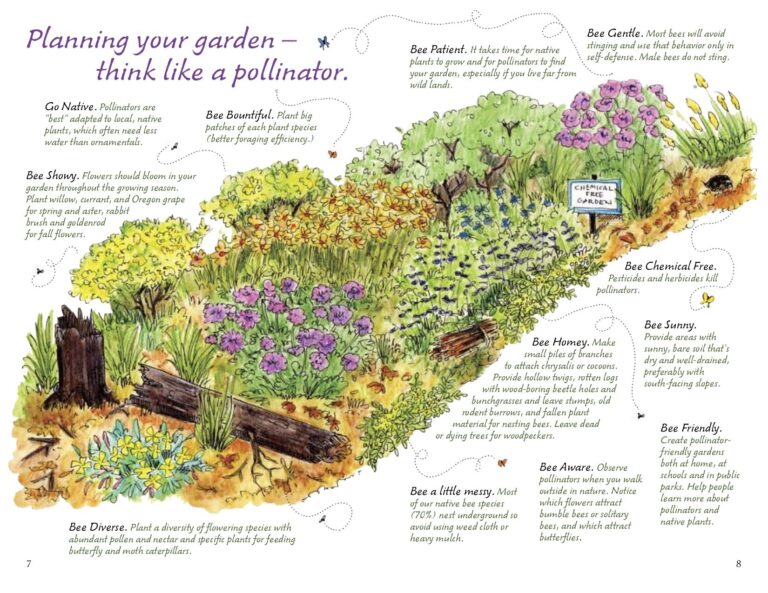
A sustainable wildflower cutting garden supports pollinators year-round. A diverse palette of bloom times and nectar sources helps sustain bees, butterflies, and beneficial insects that keep pests in check naturally.
Designing for pollinator needs
Plant early-season, mid-season, and late-season bloomers to provide a steady forage supply. Include clusters of nectar-rich flowers that are easy for pollinators to access. Avoid monocultures that invite pest outbreaks and reduce resilience.
Habitat and biodiversity
Include native grasses or forbs that provide shelter and overwintering sites. Maintain patches of undisturbed ground for ground-nesting bees. A habitat-friendly approach enhances garden health and resilience.
Sustainability, Ethics, and Lifecycle Management
Enchant your cutting garden with responsible practices that reduce waste, save resources, and lower your environmental footprint. Sustainability is not a trend; it is a daily discipline that pays dividends in plant vigor and lasting beauty.
Resource-efficient practices
Minimize plastic use by opting for reusable rows and sustainable packaging for bouquets. Practice rain capture, composting, and strategic plant selection to lower fertilizer and water inputs over time. Reuse prunings and spent blooms as compost material or mulch.
Ethical sourcing and community
Choose seeds from reputable nurseries that prioritize biodiversity and pollinator support. Share surplus cuttings with neighbors or local groups to foster a thriving floral community. Public demonstrations or mini-workshops can spread sustainable practices widely.
Seasonal Calendar, Maintenance Schedule, and Operational Checklists
Turn theory into action with a clear calendar. Seasonal tasks keep the garden productive and healthy while reducing the risk of downtime between growing and harvesting.
Spring awakening
Prepare beds, install irrigation, and plant early bloomers. Test soil and adjust fertility for a strong start. Set up trellises and staking to support tall varieties.
Summer resilience
Maintain mulch cover, monitor water, and manage pests with non-toxic methods. Plant succession crops to maintain continuous cutting stock. Harvest frequently to encourage continued flowering.
Autumn and transition
Divide perennials and collect seeds. Prepare beds for winter and protect tender plants. Plan for next year’s seed choices and plant families to preserve diversity.
Winter reflection and planning
Review performance data, receipts, and plant lists. Refine your seed orders, and set strategy for the next season. This is the time to tweak your design for improved aesthetics and resilience.
Final Plan Checklist and Implementation Guide
- Soil test completed and amendments documented
- Drip irrigation installed with a timer and rain sensor
- Mulch depth maintained and compost feed scheduled
- Sequence plantings planned for continuous cutting windows
- Harvest calendar aligned with peak vase-life prospects
- Post-harvest handling protocol established
- Seed saving and propagation system in place
- IPM plan with monitoring logs and non-toxic controls
- Pollinator-friendly plant mix and biodiversity targets
- Sustainability practices documented and practiced
Keep a simple notebook or digital log to track growth, harvest yields, and vase life. Update your plan each season based on what thrives and what doesn’t. This living document will guide your wildflower cutting garden toward greater efficiency and beauty year after year.
In summary, a sustainable wildflower cutting garden thrives on soil vitality, water-smart design, diverse and resilient plantings, precise harvest practices, and a commitment to biodiversity. By weaving these advanced strategies into your routine, you’ll create a garden that not only fuels your bouquets but also supports a healthier ecosystem. To conclude, embrace the wildflower cutting garden as a dynamic system—one that adapts with the seasons and rewards your care with abundant stems, vibrant color, and lasting sustainability. Begin implementing these strategies today, and watch your blooms become the centerpiece of your home and your community.
Conclusion: A wildflower cutting garden organized around soil health, efficient water use, diverse cultivars, and careful post-harvest handling is the cornerstone of sustainable floristry. By adopting these advanced strategies, you ensure continuous harvests, resilient plants, and beauty that endures. Start planning your sustainable wildflower cutting garden now and transform your space into a thriving, pollinator-friendly, eco-conscious source of stems and stories for years to come.