Blackcurrant Pruning: A Seasonal Care Calendar
If you’re growing blackcurrants, understanding the art of blackcurrant pruning is essential to harvesting sturdy bushes with prolific fruit. This introductory section sets up a seasonal care calendar designed for 2026, focusing on timing, goals, and the garden impact of pruning. By following a deliberate approach, you’ll improve fruit quality, boost yield consistency, and reduce common problems like tangled canes or disease pressure. In this Part 1, we anchor our strategy in three foundations: timing windows that suit your climate, clear pruning goals for vigor and fruiting, and the broader effects pruning has on the garden ecosystem.
Blackcurrant Pruning Calendar Foundations: Understanding Timing, Goals, and Garden Impact
Blackcurrant pruning is the deliberate shaping of canes to encourage fruit buds on 1-3 year wood. It helps manage vigor and ensures air moves through the bush. This foundational chapter sets the stage for season-by-season decisions, with a practical framework that works in temperate gardens typical of BloomHaven readers. The goal is not only bigger crops but healthier plants, easier maintenance, and a more resilient landscape. In this section, we’ll translate general principles into concrete steps you can apply in 2026, regardless of whether you prune in February or March.
Timing Windows for Blackcurrant Pruning
Timing is the cornerstone of successful pruning. Because blackcurrants store buds on canes of varying age, the timing you choose will influence the size, shape, and productivity of the plant. In temperate regions, dormant pruning—done when the plant is fully dormant—prepares the shrub for spring growth. In milder coastal climates, this often means late January through February, while colder inland areas may push pruning into early March before buds begin to swell. Crucially, you want to prune before any sign of active sap flow begins, so you avoid stressing new growth that will bear fruit in the coming season. Therefore, coordinate pruning with local frost patterns and your last expected freeze. For region-specific timing, consider consulting a trusted resource such as Blackcurrants pruning guidelines.
Dormant pruning timing by region
In practice, this means: if your winter is cold and rigid, plan for late January to late February; in milder winters, late February to early March can be acceptable. The key is to complete dormant pruning before buds begin to swell. This preserves bud safety and ensures you aren’t wasting effort on wood that won’t fruit well in the coming season. Because climate varies, use local frost dates as your guardrails, and adjust by a week or two if a late cold snap arrives. Consider microclimates on the property—south-facing slopes may wake up earlier, while shaded hollows stay dormant longer. Always watch for a stretch of settled, frost-free days before cutting.
Summer pruning timing and considerations
Crucially, don’t overlook summer pruning as a tool for renewal. Summer pruning helps remove excessive vigor, prevents crowding, and directs energy to fruiting wood formed in the previous season. It’s often lighter, removing just a portion of new growth after fruit set. In addition, summer pruning reduces shading on lower canes, which supports better fruit color and size on the next crop. When summer pruning, do not remove more than about a third of current-season growth in a single session to avoid shocking the plant. If you’re new to this, practice on a single bush first to build confidence.
Pruning Goals for Blackcurrant Pruning: Yield, Health, and Garden Impact
Clear goals guide every cut. A well-planned pruning regime balances yield with plant health, maintains plant structure, and preserves a frame that makes the shrub easier to manage. Therefore, define goals at the outset: maximize fruit quality, encourage renewal wood, maintain air movement, and simplify future tasks. Your specific targets will depend on variety, habit, and site conditions, but some universal aims apply across most home gardens.
Structure and training approaches
- Open-centered and bush training systems are the two most reliable options for home blackcurrants. The open center offers light penetration to the center, improving fruit color and reducing disease risk, while the bush system provides a neat, space-efficient silhouette.
- In the first year, select 3–5 strong renewal canes and remove weak, crossing, or inward-growing shoots to establish a solid framework.
- As plants mature, train new renewal canes to replace aging wood, preserving steady fruit production without overloading any single cane.
Yield and fruit quality objectives
- Prune to encourage 1–3 year-old wood carrying fruit buds, balancing crop size with plant vigor.
- Avoid over-pruning, which can reduce immediate fruiting; instead, target a gradual renewal of wood over successive seasons.
- Monitor berry size and color, trimming shading growth to maximize light penetration for uniform ripening.
Health, airflow, and disease prevention
- Open structure and proper spacing promote airflow, reducing powdery mildew, botrytis, and cane diseases.
- Remove dead, damaged, or crossing wood, paying special attention to older canes that may harbor weakness.
- Maintain sanitation: clean tools between plants and dispose of prunings away from healthy stock.
Garden Impact: Ecosystem, Pollinators, and Aesthetics
Pruning influences not only the plant but also the way your garden functions in winter and early spring. Therefore, use pruning to support pollinators by keeping access to nectar and avoiding overly aggressive cuts during bloom time. In addition, a well-structured blackcurrant shrub can serve as an ornamental feature, providing winter interest through its form. Proper pruning also simplifies later maintenance and helps maintain soil health by reducing unnecessary disturbance around the root zone.
Pollinator-friendly practices
- Light touch during bloom preserves nectar sources and avoids disrupting early-season foraging.
- Plant neighboring species that attract bees to create a pollinator-friendly microhabitat near your blackcurrants.
Aesthetics and winter structure
- Leave a few architectural limbs visible in winter to add visual appeal and to guide next year’s growth.
- If space allows, pair with evergreen or winter-interest companions to extend garden value through the cold months.
Tools, Prep, and Safety for Blackcurrant Pruning
Preparation saves time in the field. Therefore, keep a well-stocked toolkit and a clean work area. Use sharp, clean secateurs or loppers, and carry a pruning blade for clean cuts, ensuring quick wound healing. In addition, sanitize tools between plants to prevent disease spread. Always wear gloves and eye protection when making cuts, and work in good daylight for best accuracy.
Choosing the right pruning tools
- For small-to-medium blackcurrants, a sharp hand pruner and a long-handled lopper cover most cutting needs. A bypass pruner gives clean edges and reduces wood crushing. If you manage large canes or more than a dozen plants, a pruning saw can be valuable for thicker wood and to speed cleanup.
- Keep blades clean and sharp, and store tools safely after use.
Sanitation and maintenance
- Disinfect tools after each plant or category of plants with isopropyl alcohol or a simple bleach solution.
- Dispose prunings away from healthy stock to minimize disease risk and compost appropriately if allowed by your local guidelines.
Region and Climate Considerations for Blackcurrant Pruning
Regional climate patterns shape the practice. In 2026, gardeners should tailor their approach to local conditions and incorporate early-season weather forecasts. In general, temperate regions with moderate winters support a straightforward dormant pruning plan, while coastal or mountainous areas may require adjustments for rain and frost. In addition, warmer springs may prompt earlier pruning to take advantage of bud set. For a practical guide, refer to regional calendars supplied by extension services and local horticultural groups.
Next steps and connecting sections
With foundations set, you’re ready to build a season-long pruning calendar that aligns with your fruiting cycles and climate. The next part of this series will provide a practical, month-by-month pruning calendar and hands-on demonstrations, titled Blackcurrant Pruning Calendar: Month-by-Month Actions for a Productive Season, to be released alongside 2026 planning tips.
Implementing the Blackcurrant Pruning Calendar: Step-By-Step Timelines and Techniques
In this section we translate the pruning calendar into actionable timelines and techniques. Blackcurrant pruning is both science and art. By aligning cuts with plant biology and seasonal weather in 2026, you maximize fruit size, yield, and plant longevity. Here we map a year‑round, stress‑free workflow you can follow as part of BloomHaven’s seasonal care calendar.
The Role of Blackcurrant Pruning in Bush Health and Yield
Pruning governs light penetration, air movement, and energy allocation inside the canopy. When done with care, it stimulates renewal growth while maintaining a well‑ordered structure that resists disease pressures. Specifically, blackcurrant pruning targets the balance between old wood and new shoots, because the plants fruit predominantly on the wood that formed in the previous season. The aim is to keep a sturdy framework of productive canes while inviting fresh growth to replace older wood over time. This approach improves air circulation, reduces shading of fruiting spurs, and helps you manage vigor so every season remains productive rather than chaotic. As you prune, think about the long view: a healthy bush today supports a larger, more reliable harvest tomorrow. For gardeners who love data, tracking cane age, shoot density, and fruiting performance across years helps refine your technique and improves outcomes in your climate. If you want to cross‑check practical guidelines, reputable sources such as the Royal Horticultural Society offer detailed care notes on blackcurrants that align with this calendar, and it’s worth visiting to compare regional recommendations: RHS advice on growing blackcurrants.
Understanding Wood Age and Fruiting Wood in Blackcurrants
Blackcurrants produce fruit on shoots that originate from the previous season’s growth. This means the pruning strategy must honor a cycle of renewal, ensuring you retain a mix of two‑year and older wood alongside a supply of fresh shoots. The best practice is to remove the oldest, weakest, or crossing wood first while leaving multiple strong canes that can carry fruit in the coming season. Renewal cuts are gentle yet decisive: you want to reduce crowding, encourage air movement, and create space for new growth to emerge from the base or from visible, well‑spaced buds along the canes. This approach also helps prevent thin canes from bearing heavy fruit, which can lead to breakage and a shorter lifespan for the plant. For readers who want a quick reference, the general principle is to keep a framework of robust, well‑spaced wood and to gradually phase out the oldest material over a couple of seasons, rather than attempting drastic changes in a single year.
To deepen your understanding, consider the long‑term implications of your pruning choices on disease resilience and winter hardiness. A well‑ventilated canopy dries faster after rain and reduces fungal pressure on fruiting wood. In addition to structural work, you should monitor for pests and signs of disease during pruning windows and adjust your plan if you see unexpected damage or growth patterns. Finally, remember that pruning is a living conversation with your plant: observe how the bush responds year after year, and let that feedback guide future cuts. For more context on best practices and seasonal timing, revisit reputable fruit‑growing resources and keep your eye on local weather forecasts to avoid pruning during cold snaps or wet cycles that can promote disease.
Seasonal Timelines for Blackcurrant Pruning in 2026
Turning the calendar into a reliable schedule requires clarity about when to prune, what to cut, and how much to cut. In a temperate climate, late winter tends to be the safest window for structural pruning, while light maintenance and training work can occur in late winter or early spring as the buds begin to swell. The goal is to align pruning with a window when plant tissues are most resilient and when cold damage risk is minimal. Throughout 2026, follow a rhythm that mirrors the plant’s growth and dormancy cycles, and be prepared to adapt to unusual weather patterns without abandoning the core principles of a balanced, renewal‑driven prune. If you want precise timing tuned to your microclimate, local horticultural extension services and community journals can provide tailored dates that reflect your frost dates and rainfall patterns.
Winter Pruning Window: Timing and Objectives
The winter pruning window sits at the core of the blackcurrant pruning calendar. It is the quiet period when the plant rests and can be opened up for shaping, renewal, and the removal of dead wood. During this stage you focus on establishing a strong framework. You identify the main canes that will carry the harvest for the coming year and prune away the weaker, crowded, or crossing growth. The aim is to remove the oldest wood gradually while maintaining enough two‑year and three‑year wood to sustain fruiting. You keep the structure open enough to ensure that light reaches the fruiting spurs and that air can circulate freely through the canopy. If your climate experiences late frosts, you might delay pruning slightly to avoid activating tissue that could be damaged by an unexpected cold snap. As a best practice, always inspect the canes for signs of disease or damage and prune away affected sections to prevent spread. The winter window is also the time to sanitize your tools to prevent introducing pathogens into the plant tissues.
Next comes renewal pruning, which targets older wood and concentrates fruiting potential on younger growth. You’ll often perform light thinning to reduce crowding and allow each cane to develop its own spine of fruiting wood. The effect is a bush that looks disciplined, with visible air pockets between canes. This is the season to decide which canes will continue to contribute fruit in the next cycle and which should be retired to reduce disease risk and to allocate energy to new shoots. If your bush has become particularly congested, you may begin a staged renewal program, focusing on a portion of the plant in one year and the remainder the next, so you don’t overly stress the plant.
Spring is the moment to follow through with training and finishing touches that set the stage for a productive summer. As temperatures rise and sap begins to move, you’ll observe new shoot formation and the rapid expansion of growth from dormant buds. It is essential to maintain a clean canopy so that each new shoot has room to develop and so that fruiting wood receives adequate light. In this window, avoid heavy pruning that heightens the risk of sunburn on newly exposed canes and ensure that pruning cuts are clean and angled to promote rapid closure. Small, targeted cuts help you direct growth toward the strongest shoots, and you can encourage early fruiting by choosing vigorous canes that show strong potential for flowering.
In summer, pruning shifts toward maintenance and shaping. This period sees the plant’s peak in vigor, and you must strike a balance between supporting ongoing fruit development and preventing overcrowding. Summer pruning is about removing water shoots, thin canes, and any growth that crowds the center of the bush. It is also a time to pinch back growing tips on selective shoots to concentrate energy into fruit development on the most productive wood. Do not over prune in hot weather, as stress can hamper flower production for the following season. You are simply guiding the plant to maintain a sturdy structure while preserving fruiting wood. Autumn tasks focus on preparing the plant for dormancy, reducing leaf litter, and preventing disease through clean, careful cleanup. You’ll remove weak, dead, or diseased wood and tidy up the canopy to reduce overwintering pests. This is also the moment to consider any disease resistance improvements, scheduling a maintenance regimen for sanitation and possible soil amendments before the first frost arrives. Overall, the year should feel like a steady conversation with the plant, where each season informs the next prune and supports a healthier, more productive bush in the long run.
To ensure you maintain continuity, BloomHaven’s calendar encourages gardeners to track outcomes and adjust pruning intensity based on observed vigor, fruit set, and canes’ age mix. A practical approach is to note the growth pattern and fruiting results year over year and to align your pruning intensity with the observed needs of your plants. If you want a broader reference, you can compare local practice guides and educational materials such as the RHS page cited earlier, which helps you tailor the general calendar to your climate and garden conditions. This alignment of technique and timing translates into reliable harvests and a healthier plant that continues to thrive across seasons.
Step‑By‑Step Timelines for Each Season (A Practical Map)
Implementing the calendar requires a steady progression: you start with a robust winter framework, move through spring renewal, and carry the energy into summer and autumn care, finishing with dormant season preparation. Translating this into practice means letting the plant dictate the pace while you guide the structure. In winter you establish the backbone of the bush by removing dead wood and thinning to create an open canopy. In spring you carry out renewal cuts to replace older, less productive wood with vigorous new shoots that will carry next year’s fruit. In summer you fine‑tune the canopy, remove water shoots, trim back tips to encourage fruiting on the strongest wood, and avoid overexposure to heat, which can reduce blossom set and fruit quality. In autumn you perform a clean‑up, removing diseased material and preparing the plant for dormancy. By following these seasonally anchored actions, you create a rhythm that supports consistent yields and a resilient plant. Throughout the year you should stay mindful of weather and soil conditions, avoiding pruning during heavy rain or when the soil is waterlogged, since that can invite disease and slow recovery. For gardeners who want to cross‑reference practical steps with expert insights, the RHS resource linked earlier provides a trustworthy foundation for understanding how these steps fit within your local climate.
In practice, the year’s work looks like a continual conversation with the plant: you assess the structure, prune to shape, observe how new growth responds, and adjust your plan accordingly. The cadence becomes a discipline that allows you to harvest reliably while maintaining a bush that remains open, healthy, and capable of producing high‑quality fruit season after season. The approach emphasizes minimal disruption during flowering and fruit set, ensuring that pruning activities do not interfere with crop development. As you gain experience, you’ll begin to anticipate how much renewal is needed each year and how much to prune in each season to maintain the balance between vigor and fruiting potential. If your climate experiences unusual weather, you adjust the schedule while preserving the core technique: prune for light, air, and renewal, and avoid excessive removal that could reduce flowering and fruiting capacity.
Finally, you’ll want to translate the calendar into a practical garden routine by aligning it with your available time and labor resources. The goal is to create a sustainable, repeatable workflow that becomes part of your garden’s seasonal rhythm rather than a one‑off event. You can schedule pruning sessions in blocks that fit your workload, ensuring that you never overwhelm the plant with a single, aggressive intervention. If you need tips on staying organized, consider noting the outcomes from each pruning cycle and using that feedback to fine‑tune future cuts, spacing, and renewal levels across years. The result is a robust framework that supports consistent fruiting and a durable, well‑balanced plant structure that remains attractive and healthy year after year.
In Part 3, titled “Aftercare, Pest Management, and Harvest Timing,” we will extend the calendar to postharvest care, strategies for managing pests and disease, and optimizing harvest windows to maximize flavor and yield while protecting plant health.
Advanced Blackcurrant Pruning Strategies and Final Guidance for Consistent Results
Why Advanced Pruning Matters for Blackcurrants
Even seasoned growers can see how a well-timed, deliberate pruning plan transforms a compact blackcurrant bush into a productive fruiting machine. Advanced pruning moves beyond basic maintenance; it shapes the canopy, balances vegetative growth with fruiting wood, and reduces disorder that invites disease. The goal is a resilient framework that supports consistent yields year after year, while keeping the plants compact enough for easy harvest and reliable air movement. When you invest in advanced pruning, you also invest in long-term plant health, reduced workload during harvest, and a more predictable harvest window for fresh berries or culinary projects.
At its core, blackcurrant pruning is about three pillars: stimulating the right amount of new growth, retaining the best fruiting wood, and removing what no longer serves the plant. By combining renewal pruning with selective thinning, you encourage a steady rhythm of 2–4 year old shoots capable of producing robust crops. The most important outcome is a balanced canopy that allows light to reach all fruiting spurs while maintaining strong structural integrity to withstand late-spring winds or heavy fruit loads. This balance is easier to achieve when you know how to adapt your approach to seasonal cues, variety habit, and garden microclimates.
To implement these strategies confidently, think of pruning as a seasonal workflow rather than a single event. You’ll reconcile a plant’s innate growth pattern with your desired harvest timing. This approach helps avoid common issues such as overcrowding, shading of fruiting shoots, and the buildup of old wood that ceases to fruit reliably. With the right framework, you won’t be surprised by a disappointing crop in mid-summer or a bare trunk in late winter.
Seasonal Timing and a Refined Schedule for Consistent Results
Seasonality governs every pruning decision for blackcurrants. The most productive approach mixes light, ongoing shaping with a more thorough renewal cut at specific intervals. In temperate climates, late winter to early spring remains the primary window for structural pruning, while light shaping can occur in mid- to late summer after the harvest. By aligning pruning with each stage of the plant’s annual cycle, you sustain a predictable fruiting baseline and minimize stress that could delay flowering the following year.
Key timing principles include avoiding pruning during active disease pressure or extreme hot spells, and never pruning when the plant is injured by frost. In years with mild winters, you may push the more intensive renewal pruning slightly earlier, but you should still leave a healthy cushion of new growth for next season. For growers aiming at larger, more consistent crops, consider a two-pronged approach: a principal winter prune focusing on renewal, and a lighter, maintenance prune in early summer to shape new growth and encourage fruiting wood to form on current season shoots.
When building your seasonal calendar, map out critical milestones: harvest dates, expected frost windows, and back-calculated pruning targets. This approach helps you avoid last-minute pruning when the weather is unpredictable and you need to protect young wood. It also gives you time to sanitize tools, inspect canes for disease, and organize the work into manageable sessions. Ultimately, a well-planned schedule translates into higher-quality fruit and lower labor costs over the long run.
Renewal Pruning and Cane Management: Refreshing the Canopy for Future Crops
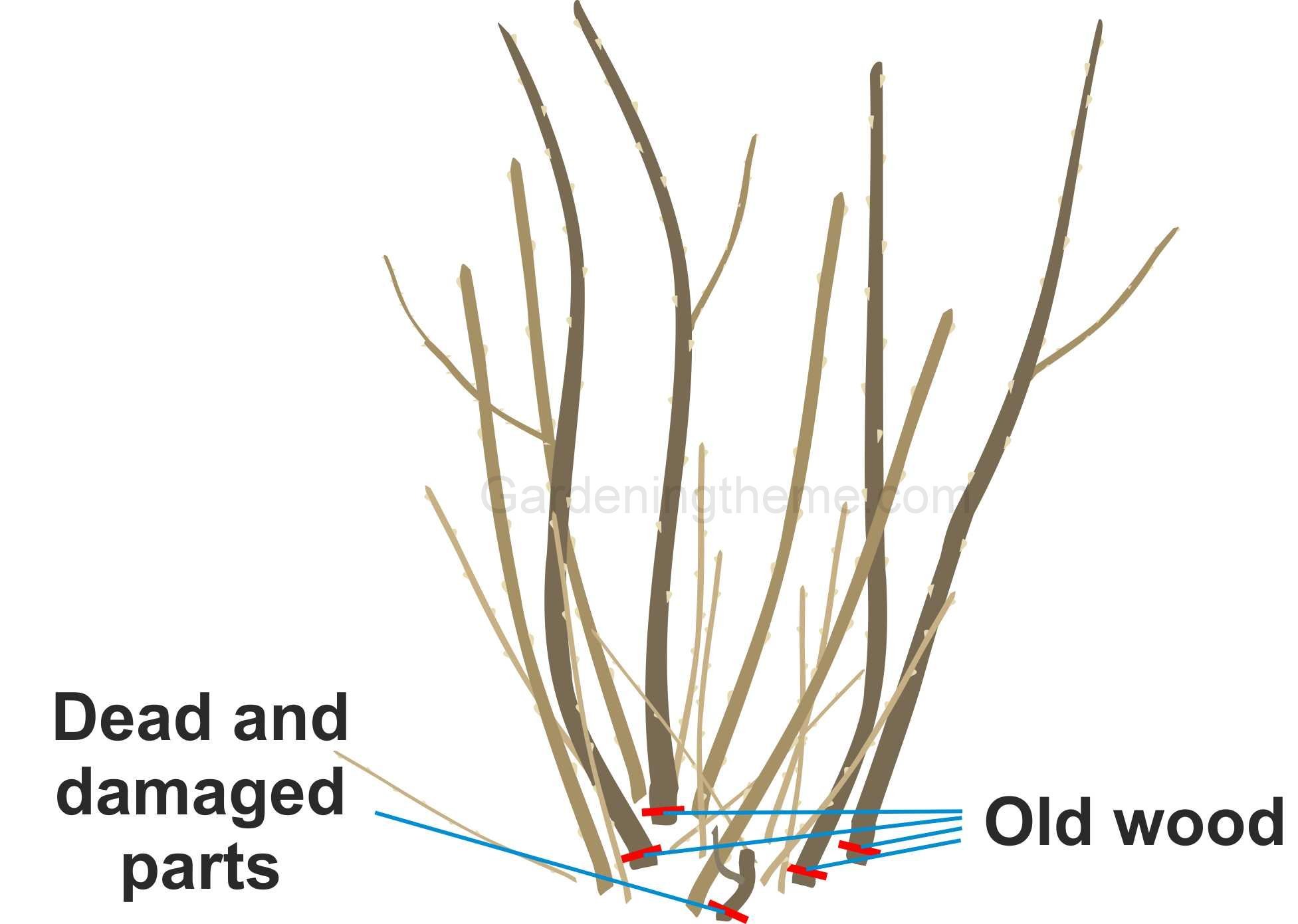
Renewal pruning is the backbone of consistent blackcurrant production. It focuses on removing the oldest wood, retaining the strongest new canes, and ensuring that 2–4 year old shoots remain in the productive spine of the bush. The classic rule is to cut out about one third of the oldest framework each season, making sure the remaining wood carries strong, healthy growth. The aim is not bare space but a well-distributed canopy where fruiting spurs can develop on current season growth.
When assessing canes, distinguish between fruiting wood and vegetative growth. Fruit buds are typically located on the short, healthy spurs along the previous season’s wood. If a cane is more than five or six years old, it is usually a good candidate for renewal pruning unless it remains unusually vigorous and productive. In that case, you may extend its life by thinning rather than removing it entirely, but always balance it with the need for new fruiting wood.
Pruning for renewal should emphasize three outcomes: (1) a robust framework with 4–6 well-spaced main branches, (2) a network of healthy one- and two-year-old canes that will bear fruit next season, and (3) improved air flow through the canopy to minimize disease risk. A practical technique is to remove older wood at the base of the plant while encouraging the strongest new shoots to replace the removed structure. Each season you should aim to keep the canopy open enough to light up the center, which increases fruit set on the most productive spurs.
For intense production systems or smaller urban plots, consider a more frequent renewal cycle with lighter cuts to keep the plant in a perpetual state of renewal. The trade-off is a higher maintenance schedule, but the payoff is more reliable fruiting wood and fewer long-term problems with overcrowding. Remember, renewal pruning is not a one-off event; it is a disciplined, ongoing process that evolves with the plant’s growth rhythm.
Pruning by Variety Habit: Tailoring Strategies to Growth Styles
Blackcurrant varieties differ in vigor, cane thickness, fruit size, and the timing of fruiting. Some cultivars produce on new wood with a strong, upright habit, while others are more prone to sprawling growth and require careful canopy management to avoid shading of fruiting spurs. Advanced pruning considers these tendencies so you tailor cut frequency, cane retention, and thinning intensity to the plant’s innate habit.
For vigorous, upright varieties, you may retain a larger coaching framework to support the heavier canes and ensure good light distribution. For compact or spreading types, you’ll lean toward tighter spacing and more focused thinning to prevent crowding and ensure that fruiting shoots receive adequate sunlight. If you work with a mixed planting, adopt a flexible plan that treats each cultivar as a separate management unit while maintaining an overall, harmonious canopy structure across the bed.
Varietal considerations also influence pruning timing. Some varieties respond best to heavier renewal cuts in winter, while others sustain fruit production with lighter, more frequent shaping through spring and early summer. The overarching rule is to observe how each cultivar responds year over year and adjust accordingly to keep your pruning outcomes predictable and aligned with your harvest goals.
Tools, Techniques, and Cut Quality for Precise Blackcurrant Pruning
High-quality pruning starts with sharp, clean cuts. Dull blades bruise wood, increase the risk of disease, and slow healing. Invest in a good bypass pruner for most cuts, plus a small loppers tool for thicker canes. Always sterilize blades between plants to prevent disease transmission, especially if you work through a nursery row with multiple varieties. A clean cut—made just above a bud or node—favors rapid tissue sealing and reduces the chance of canker formation or scar tissue that can harbor pests.
Adopt a cutting sequence that minimizes stress on the plant. Start with removing dead, damaged, or crossing branches, then identify the oldest wood and plan renewal cuts. Finally, shape the remaining framework to ensure even light exposure. For new wood, make short, precise cuts to encourage compact growth on highly productive shoots. Avoid leaving stubs or excessive wounds, as these invite pathogens and slow recovery after pruning.
Always use a three-cut method for larger cuts when necessary: (1) an outer first cut to prevent ragged edges, (2) a relief cut to avoid tearing, and (3) the final clean cut at the desired angle. This approach protects cambial tissue and promotes faster wound closure. In addition, consider applying a thin layer of pruning sealant only if you’re in a humid climate where sunburn or rapid moisture loss could stress fresh wounds. In drier climates, clean air exposure is often sufficient for rapid callus formation without sealants.
Disease Prevention, Sanitation, and Post-Pruning Hygiene
Healthy pruning starts with sanitation. Before you prune, inspect each bush for signs of powdery mildew, leaf spot, canker, or discolored canes. Remove any diseased wood and dispose of it away from your garden beds to prevent reinfestation. Clean tools between plants to minimize cross-contamination, and whenever possible, prune on dry days to reduce the risk of moisture-based infections.
After pruning, tidy the bed by clearing fallen leaves and debris. A mulched layer can help suppress weeds and conserve soil moisture, but avoid piling mulch high against the trunk, which can trap moisture and promote rot. Consider refreshing the mulch after pruning to maintain even soil temperatures and steady root health, which supports quick recovery of the plant after cuts.
Integrated pest management should continue after pruning. Watch for aphids, spider mites, and cane borers that may take advantage of newly exposed tissue. A balanced approach—combining beneficial insects, targeted organic sprays when necessary, and clean cultivation practices—minimizes pesticide use while protecting fruit quality. Remember that healthy tissue recovers more quickly from pruning, so maintaining plant vigor through watering and feeding is essential during the post-pruning window.
Post-Pruning Care: Water, Nutrition, and Mulching for Recovery
Pruning exposes roots and stems to environmental stress, so post-pruning care matters as much as the cuts themselves. Ensure even soil moisture, especially during the first two to four weeks after pruning. Deep, infrequent irrigation encourages deeper root growth and helps the plant recover quickly from pruning wounds. Avoid overwatering, which can promote root rot and fungal problems in crowded canopies.
Nutrition supports new growth that will form the next year’s fruiting wood. A balanced fertilizer plan tailored to the plant’s age and health helps. Early-season nitrogen boosts may be beneficial for vigorous plants, but avoid excessive nitrogen late in the season, which can delay fruiting and promote soft, weak wood. A light application of phosphorus and potassium, along with trace minerals, fosters strong root development and robust bloom potential for the next cycle.
Mulching remains an important environmental tool. A 5–8 cm layer of organic mulch, such as composted bark or leaf mold, insulates the root zone, reduces weed pressure, and moderates soil temperature. Keep the mulch a few inches away from the base of the canes to prevent crown rot and fungal growth. In addition, a shallow layer of organic matter returns nutrients to the soil gradually as the mulch breaks down, supporting slow, steady growth as new canes establish themselves after pruning.
Maintenance Thinning, Sunlight, and Airflow: Optimizing the Light Environment
Direct sunlight on fruiting wood drives berry color, flavor, and size. If shading becomes a persistent problem, perform targeted thinning to open the canopy and encourage light penetration. Aim for even distribution of light across the leaf canopy and fruiting spurs, which improves photosynthesis and resource allocation to developing berries. In practice, this means removing dense clusters of shoots in the center of the bush and selecting lighter, well-spaced canes for renewal.
Airflow is equally essential. Adequate spacing reduces humidity around fruiting zones, lowering the risk of powdery mildew and botrytis infections. When you prune, visualize a three-dimensional plan: keep the center of the plant open, allow for vertical air channels along the canes, and avoid creating dense pockets that trap moisture. This strategy not only reduces disease pressure but also improves fruit quality by preventing overripe, moldy berries on crowded clusters.
Training Systems and a Long-Term Plan for Structure and Access
Blackcurrants respond well to simple training systems that emphasize a strong backbone while leaving plenty of fruiting wood accessible for harvest. A multi-stem framework—often 4–6 sturdy canes radiating outward—offers a reliable structure that resists wind damage and supports regular pruning. If space allows, you can train plants along a low wire trellis to keep canes upright and accessible, which makes pruning, thinning, and picking easier without compromising yield potential.
For new plantings, design the system with future expansion in mind. Reserve space for adding new canes as renewal cuts occur, and plan for easy access to the base of each plant to inspect for pests and diseases. A well-planned trellis or open-frame design also simplifies irrigation and soil management, ensuring consistent nutrient delivery to the root zone as the plant matures. In short, the structural decisions you make now will influence pruning efficiency, harvest ease, and overall productivity in the years ahead.
Troubleshooting Common Pruning Problems and Quality Losses
Even with a solid plan, challenges can arise. Common pruning problems include thin, spindly new growth that fails to support fruiting branches, leading to a weak canopy with poor fruiting wood formation. If you see too much vegetative growth at the expense of fruiting wood, reduce nitrogen inputs and emphasize renewal pruning in the following season. Conversely, if canes become overly thick or crowded, you may need to remove some structural wood to restore light penetration and air movement.
Another frequent issue is insufficient fruit set due to late pruning that removed flower buds needed for the upcoming season. Keep a careful eye on the balance between vegetative growth and fruiting wood, adjusting the number and placement of cuts to preserve those fruiting spurs. If you notice persistent issues with bud viability or failures to fruit after pruning, take a closer look at soil fertility, micronutrient balance, and watering patterns, which often influence bud set and berry development more than crude pruning alone.
Final Guidance for Consistent Results: A Practical Framework
Consistency comes from a well-documented, repeatable pruning framework. Develop a system that you apply year after year, with clear benchmarks for old wood removal, renewal cane selection, and canopy shaping. Create a simple scoring method to rate each cane’s fruiting potential before removing or keeping it. This helps ensure you are continually prioritizing productive wood while phasing out the least productive growth. Maintain a pruning diary that notes the season, weather conditions, and the outcomes of each cut; this historical record becomes an invaluable reference for refining your approach in subsequent years.
In practice, a reliable framework includes: (1) a winter renewal prune that retains 4–6 strong canes and removes the oldest wood; (2) a summer shaping prune to manage new growth and encourage fruiting spurs; (3) a disease-conscious sanitation protocol that keeps tools clean and beds tidy; and (4) a post-pruning care plan that optimizes moisture, nutrition, and mulch. Together, these elements reduce variability in fruit set and berry quality, making each season more predictable than the last.
Quick-Start Pruning Checklist for the Next Season
- Survey the entire canopy and identify dead, crossing, and overcrowded canes for removal.
- Mark 4–6 strong, well-spaced canes to serve as the main framework.
- Remove any wood older than 4–5 years, prioritizing the center of the plant to open air flow.
- Thin new growth to maintain light penetration to the fruiting spurs, aiming for a balanced canopy.
- Sanitize tools and clean up debris after pruning to minimize disease risk.
- Prepare soil with a balanced fertilizer and a fresh mulch layer after pruning.
- Schedule a mid-summer light prune to shape new growth and encourage fruiting wood on current season shoots.
- Inspect for pests and disease and implement a proactive management plan.
- Document outcomes in a pruning diary to track improvements year over year.
Resources, References, and Additional Reading
For an additional, field-tested reference on pruning berries, consult reputable extension resources that offer regionally tailored guidance. For example, the University of Minnesota Extension provides practical, detailed information on pruning berries, which can complement your Blackcurrant Pruning plan and help you refine techniques for your climate and variety. University of Minnesota Extension: Pruning Berries.
Conclusion: In summary, consistent results with blackcurrant pruning stem from disciplined seasonal timing, a well-structured renewal pruning strategy, and careful canopy shaping that balances light, air, and fruiting wood. By following the practical framework outlined here—tailoring techniques to variety habit, maintaining tool hygiene, and prioritizing post-pruning care—you create a resilient system that yields reliable harvests year after year. To conclude, embrace a proactive pruning routine that integrates renewal cuts, summer shaping, and robust sanitation, and you will master blackcurrant pruning with confidence. If you want ongoing guidance, subscribe to BloomHaven’s seasonal care calendar and receive season-by-season prompts designed to maximize fruit quality and garden joy. Ready to implement these advanced strategies today? Start with a simple winter renewal prune, monitor the response, and adjust your plan as you observe how your specific cultivar and microclimate behave. The most important takeaway is this: deliberate blackcurrant pruning today seeds healthier fruit tomorrow. Focus on consistency, and your garden will reward your efforts with thriving canopies and delicious berries year after year.