Winter Pansy Containers: Creative Ideas
Winter Pansy Containers Foundations for Colorful Winters
Winter pansy containers are a welcome sight in BloomHaven’s winter garden diaries, offering bold color when days are short and temperatures drop. By understanding the foundations—light, soil, drainage, and protection—we can craft containers that glow from late fall through early spring. In this guide, we’ll outline the core principles that keep pansies thriving in pots all season long. The aim is not only beauty but resilience: color that lasts, plants that survive freeze-thaw cycles, and containers that look intentional from street to patio. Therefore, we begin with the bedrock ideas that inform every decision, from pot choice to placement and ongoing care.
Think of winter pansy containers as a portable color studio. The choices you make in the potting mix, the type of container, and the microclimate around the display determine how long blooms endure and how vivid the palette remains. Because winter light changes daily, your plan must adapt to sun intensity, wind exposure, and the occasional thaw. With a strong foundation, you can mix varieties that repeat color themes and textures, creating a cohesive scene even when Mother Nature shifts her mood.
Foundations for Winter Pansy Containers: Light, Soil, Drainage, and Structure
At the heart of successful winter pansy containers are four pillars: light, soil, drainage, and structure. Light dictates color intensity and bloom timing. In cold climates, morning sun is ideal, while harsh afternoon sun can scorch tender petals. Therefore, position containers where they receive steady, cool sun or bright light without scorching heat. Soil provides nutrients and moisture-holding capacity. Use a potting mix designed for containers, enriched with organic compost so the roots can spread in cold soil. Drainage prevents root rot and soggy feet; never skip drainage holes or overfill the pot. Structure refers to the container form, height, and plant arrangement that keep the display readable from a distance. A balanced silhouette with layers of height creates visual interest even on dull days.
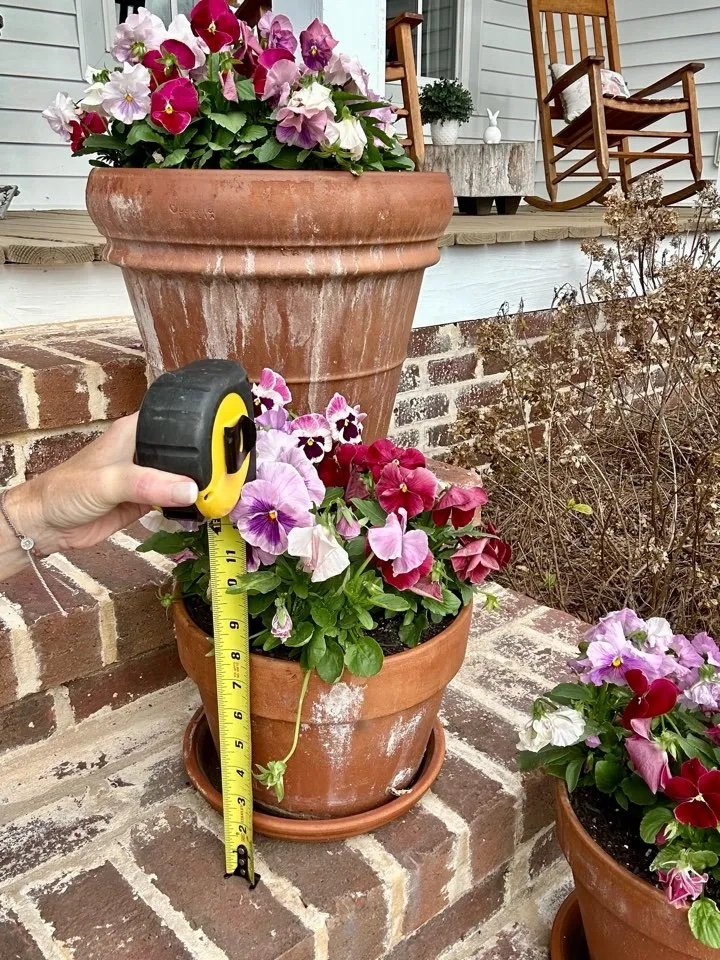
In practice, a tray-style pot behind a railing can hold several weeks of color if you manage light and water carefully. The container you choose should be heavy enough to resist wind, yet easy to move with a wheel or handle if you need to shield it from heavy frost. Therefore, aim for a medium to large pot (12-18 inches) for bold color blocks, or use several smaller pots grouped for a mixed look. The important detail is adequate drainage and a soil mix that dries evenly between waterings.
Winter Pansy Containers: Lighting, Placement, and Microclimates
Why microclimates matter is simple: a sheltered patio corner can feel two degrees warmer than an exposed balcony. Cradle your pansies in a spot that is shielded from drying winds but still receives enough light. Use reflective surfaces or light-colored pots to bounce extra brightness onto the blooms. For contrast, pair dark-leaved plants with bright pansy colors. In addition, consider using a short hedge of evergreen around the display to create a frame that remains attractive through frosts.
Soil, Mix, and Drainage: The Right Formula for Winter Pansy Containers
Choose a high-quality, well-draining potting mix. A blend that includes peat or coconut coir, perlite or pumice for drainage, and a touch of compost works well. Compare this with garden soil; potting mixes ensure consistent moisture levels. Place a layer of gravel or coarse material at the base of the pot if drainage is questionable. Then fill with the mix, leaving room for root growth. Mulching on top helps retain moisture and reduces temperature swings. Crucially, avoid heavy soils that stay wet overnight, which can cause root rot and stunted growth. For a practical reference, see RHS: Pansies for variety-specific tips.
Color Planning and Plant Pairings for Winter Pansy Containers
Color is not merely decoration; it guides viewer mood and garden energy. Start with a palette that aligns with your winter daylight quality. Cool blues and purples pair well with bright yellows and whites in gray skies. In addition, incorporate foliage textures—silver-haired dustings, glossy evergreens, and velvety leaves. Space pansies so they have room to spread, yet form a cohesive mass from 10 feet away. Crucially, choose a unifying element such as a repeating color or a consistent pot material to create a look that reads as intentional, not accidental.
Palette Strategies for Winter Pansy Containers
Prefer monochrome schemes with a twist, or go for complementary contrasts. A monochrome scheme of purples, lavenders, and blues can feel sophisticated. A warm accent, like a sunset mix of apricot and gold, can wake your display on dull days. In addition, consider seasonal textures such as trailing ivy, ornamental kale, or heather as underplantings to extend color through the season. For sustainability, reuse plant material from faded blooms where possible and refresh with new switches of pansy varieties as needed.
Winter Pansy Containers Selections and Design Principles
Winter Pansy Containers Selections and Design Principles
Container choices influence water management, root development, and the display’s overall tone. Choose pots with drainage, freeze-thaw resistance, and good airflow. For winter, ceramic pots can be stunning but risk cracking in freeze-thaw cycles; consider fiberstone, resin, or heavy-duty concrete alternatives with proper insulation. In addition, ensure the pot size matches the plant mass; overcrowding can lead to crown rot and poor air circulation. A general rule is 2-3 inches of soil depth per plant and perennials around the pansies; spacing depends on the variety, but 6-8 inches between plants works for most mixes. Yet, always adjust for your specific climate and container size.
Spacing, Layering, and Visual Rhythm
Establish a baseline grid or naturalistic rhythm. Use height variation by placing taller grasses or kale at the back and lower, trailing choices at the front. In addition, repeat color bands to create a stepping-stone effect along a balcony railing or porch edge. This approach makes the display read as a designed composition rather than random plant scatter. For a quick test, view the arrangement from a distance and adjust until you see a balanced silhouette.
Maintenance and Care in Winter
Watering and feeding form the backbone of healthy overwintering. In winter, plants lose less water, but soil can dry out quickly when sun exposure is high or winds are dry. Check moisture levels daily during cold snaps. Water early in the day to give roots time to dry before evening. Use a drizzle schedule rather than heavy soaking. Fertilizer should be light and balanced; avoid high-nitrogen formulas that promote foliage at the expense of blooms. Temperature tolerance varies; pansies handle light frost, but protect the containers during severe cold. Move them to a sheltered spot if the forecast calls for freezing rain or gusty winds. Air circulation matters; prevent mold by ensuring good airflow around the pot and plant crowns. Pest management is straightforward: inspect for slugs, snails, or aphids, and intervene with organic remedies when needed.
Watering Schedules and Winter Fertilizing
Adjunct care is simple: water when the top inch of soil feels dry. Avoid watering at night in freezing temperatures to prevent moisture from lingering on leaves. Feed sparingly with a balanced, water-soluble fertilizer every 4-6 weeks in milder spells. As temperatures drop, reduce feeding frequency to maintain plant health without encouraging leggy growth. Mulching the surface with straw or pine bark can moderate soil temperatures and conserve moisture. Always remove any dead or diseased leaves promptly to reduce disease pressure.
Seasonal Underplantings and Companion Plants
Underplant with greenery and textures that carry winter identity. Think: variegated sedges, silver dust, ornamental kale, echinacea leaves, or evergreen perennials. These additions provide contrast when pansy blossoms fade. In addition, consider trailing petunias or violas for early color bursts before the deepest cold sets in. If space allows, create a layered look where tall back rows frame mid-height pansies and low, tight groundcovers finish the foreground. Crop rotation is useful across year cycles; remove spent plants and refresh with new pansies or compatible cool-season companions.
Underplanting Tips and Tricks
- Choose underplantings that tolerate frost and still provide color in late winter.
- Mix foliage with texture (hairy, glossy, and frosted) to maximize interest.
- Use evergreen accents to create a year-round framework for your display.
Sustainability, Reuse, and Troubleshooting
To reduce waste, reuse containers and keep a stock of fresh pansy plugs for mid-season refreshes. If a plant looks leggy, prune back to encourage lateral growth and re-bloom. If drainage seems poor, check pot drainage and refresh the soil mix. For irrigation, install a simple drip line or set up a water timer to maintain even moisture. If you encounter powdery mildew, increase air movement and avoid overcrowding. In addition, practice responsible disposal and composting when plant material reaches end-of-life.
In conclusion, these foundations for winter pansy containers create a durable, colorful winter display that remains vibrant through frosty spells. The next part of this series will dive into Designing with Winter Pansies—Color Schemes, Textures, and Seasonal Combinations, with practical layouts and real-world examples. Stay tuned for Part 2: Designing with Winter Pansies—Color Schemes, Textures, and Seasonal Combinations.
Design and Implementation for Winter Pansy Containers
When you design winter pansy containers, you plan for color, structure, and resilience. This section translates design theory into actionable steps you can apply in a balcony, patio, or entryway garden. The goal is a display that stays vibrant from late autumn through the deep winter while supporting local pollinators and requiring manageable maintenance.
First, define the container’s role in your outdoor storytelling. Do you want a bold focal point that greets guests, or a cohesive vignette that ties together porch, stairs, and window boxes? By clarifying intent, you guide plant selection, spacing, and seasonal transitions. To achieve that intent, you will mix classic winter pansy containers with complementary textures and seasonal accents that echo trends like cabbage crush and wildflowers, while remaining practical for 2026 weather patterns.
In addition to aesthetics, consider the microclimate of your space. A south-facing step may offer extra warmth, while a wind-sheltered corner can reduce frost damage. With an understanding of sun, wind, and shelter, you can choose varieties and container types that optimize color and vigor for winter pansy containers. The result is a display that looks curated in photographs and performs reliably in real life.
Design Principles for Winter Pansy Containers
Solid design starts with three goals: color cohesion, structural interest, and long-lasting form. For winter pansy containers, aim for a clear color story that bridges cool and warm tones. Specifically, select pansy varieties with distinct faces and patterns that read well from a distance, and pair them with evergreen foliage or textural accents to anchor the palette. This approach keeps the arrangement lively even as daylight wanes and temperatures dip, which is essential for eye-catching winter displays.
Texture matters just as much as color. Combine the delicate faces of pansies with the glossy leaves of ornamental kale, the feathered look of silver foliage, or the rustic charm of evergreen sprigs. These contrasts create depth and prevent the display from appearing flat on gray winter days. Also consider scale—alternate large-headed varieties with smaller, detailed blooms to generate a rhythm that guides the eye through the container.
To ensure a robust design, build with three perceptual layers: a backbone of upright plants, a middle layer of bold pansies, and a trailing or spreading edge. This layered approach helps the plant community fill in quickly after installation and maintains visual density as the season progresses. It also provides opportunities to swap out a few colors or textures mid-winter without rebuilding the entire container, which is a practical advantage for busy gardeners.
For readers who love to reference trends, think of winter pansy containers as a canvas that can incorporate seasonal cues while staying rooted in practicality. Pair dramatic color contrasts with subtle, pollinator-friendly elements to keep the display vibrant and beneficial. Specifically, consider a bright focal color that anchors the arrangement, then introduce cooler hues and a touch of warm brightness to sustain interest across weeks of colder weather. Pansy varieties and care guidance from the Royal Horticultural Society provide a reliable baseline for selecting compatible cultivars and understanding seasonal performance.
Container and Soil Selections for Winter Pansy Containers
Choosing the right container and soil is as important as the plant choices themselves. For winter pansy containers, durability, drainage, and insulation should guide your material and setup choices. Heavy, insulated pots retain root warmth longer and resist cracking in freeze–thaw cycles, but they require careful placement on a solid surface to prevent shifting in wind. Lighter materials are easier to move, yet you must provide adequate insulation and drainage to prevent soil from staying waterlogged during milder spells. Aim for a medium-to-large container that balances weight, aesthetics, and the ability to accommodate root systems without crowding the pansy roots.
Drainage is non-negotiable. Ensure container bottoms have multiple drainage holes, and use a tray or saucer to protect surfaces. If your pot is deeply ribbed or has a narrow base, consider adding a shallow layer of inert filler such as busted crocks or drainage stones to keep the root zone above excess moisture. In colder regions, wrap the pot in bubble wrap or use a burlap sleeve to minimize heat loss and protect the roots from abrupt temperature drops. These practical steps translate design intent into a container that remains healthy through winter’s fluctuations.
Potting mix choices matter. Use a premium, well-draining mix with a light amendment of perlite or pumice to improve aeration. Aesthetically, avoid soil that remains damp for long periods. A mix that dries within a day or two after irrigation helps prevent root rot and fungal issues common in wet winters. Incorporate a slow-release fertilizer at planting, or plan a light feeding schedule every four to six weeks during peak growth, depending on the cultivar and local conditions. Always tailor your soil to the plant’s needs while ensuring the mix provides good moisture retention without becoming waterlogged. This dual focus on texture and drainage sustains healthy growth and color in winter pansy containers.
Soil pH is usually not a major concern for pansies, but a slightly acidic to neutral range (pH 6.0–7.0) supports nutrient uptake in cool-season roots. If your irrigation water leans alkaline, you may see a subtle blueing effect on foliage that is more aesthetic than harmful. Regular soil checks aren’t necessary, but observing how quickly the mix dries and how vibrant the blooms remain will tell you if the soil is performing well. Finally, ensure that the pot depth provides enough space for a healthy root system; deeply rooted pansies will be more resilient in cold snaps. This thoughtful pairing of container and soil creates a stable foundation for winter pansy containers to thrive.
Planting Plan and Care for Winter Pansy Containers
With the design and materials in place, the planting plan defines how your winter pansy containers will fill in and endure. Start by seating the tallest, strongest varieties toward the center or back of the container to maintain a clear silhouette. Place medium-height pansies in the middle layer to create a bold, colorful mass. Finally, tuck trailing or low-growing companions along the rim to soften edges and provide coverage as the season deepens. Spacing is crucial: too crowded and air flow diminishes; too sparse and the display looks skimpy. A rule of thumb is to leave enough room for each plant to breathe while allowing interlocking root systems to establish quickly.
During planting, you should handle pansy plugs or young transplants gently to minimize root disturbance. Water soon after installation to settle the potting mix around the roots, then allow the surface to dry slightly before the next watering. This helps prevent overwatering, which is a common problem during mild spells. Mulching the surface with a thin layer of pine needles or shredded bark can reduce surface evaporation, protect the roots, and add a cohesive finished look to the container. Mulch also helps maintain soil temperature, which matters for pansy survival as temperatures dip and rise unpredictably. Practical maintenance like this extends the life of your winter pansy containers and keeps them visually compelling over many weeks.
Spacing and placement should also consider color flow. A quick visual trick is to place cooler blues and purples toward the edges to frame brighter centers, creating an inviting glow when viewed from a distance. As weather deteriorates, you may not be able to replace plants as easily, so consider hardier cultivars that tolerate frost and wind. For ongoing care, keep an eye on water needs and adjust as temperatures fluctuate. If your display shows signs of stress, easing the burden with temporary accent foliage or removing stressed pansies reduces the risk of disease and helps the overall composition remain striking. This practical planting plan ensures your winter pansy containers deliver consistent color and depth across the season.
Seasonal Care and Extension of Color in Winter Pansy Containers
Seasonal care for winter pansy containers is about proactive maintenance rather than reactive fixes. Know your climate and adjust watering, feeding, and protection accordingly. In milder regions, pansies may continue to bloom with regular moisture and light feeding. In colder climates, you may need to protect the arrangement with a frost cloth during the coldest nights and reduce feeding to avoid salt buildup from de-icer dust that can settle on container surfaces. The goal is to sustain color while minimizing plant stress, which translates into longer display life and a more dynamic late-winter to early-spring transition.
Climate awareness helps you tailor the container’s performance. In rain-prone areas, check that drainage remains adequate and that the substrate does not remain soggy for extended periods. In dry spells, increase watering frequency gradually and observe how the color balance holds as some varieties begin to finish their cycle. A practical tip is to remove spent blooms selectively to encourage continuous flowering and prevent disease that can arise from decaying plant material. This disciplined maintenance approach keeps your winter pansy containers vibrant and photo-worthy for Pinterest-inspired searches and garden inspiration alike.
For gardeners who love to expand their display, consider integrating winter pansy containers with other seasonal accents that echo trends like cabbage crush and pollinator-friendly plantings. Use a recurring motif, such as echoing the color family in a neighboring bed or container, to create a cohesive landscape. This approach also broadens the habitat value of your display by inviting pollinators and beneficial insects at a time when floral resources are scarce. The care routine becomes a rhythm rather than a task, and you’ll see more consistent bloom and foliage color across the season. Additionally, you can consult trusted resources to deepen your knowledge. For example, the RHS article linked earlier provides cultivar recommendations and pruning tips that help you refine your approach to winter pansy containers.
Aesthetic Pairings and Sustainability for Winter Pansy Containers
Sustainability and visual appeal go hand in hand when you design winter pansy containers. Reuse planters from year to year, and refresh the plant palette by rotating shorter-lived varieties with new cultivars that complement the existing color scheme. This practice reduces waste, saves money, and keeps the display fresh. Think about integrating wildlife-friendly companions such as dwarf shrubs, ornamental grasses, and low-maintenance evergreen accents that survive outdoor winter. These elements provide structure and provide winter interest, while the pansies deliver color and seasonal charm. The combination also supports pollinators during the late season, when resources are scarce and still highlights the artistry of container gardening.
Pairing with wildlife-friendly plants is more than ornamentation; it’s an ecological decision that strengthens the garden’s overall resilience. Choose partners that require similar light and moisture conditions to reduce maintenance and simplify your routine. This compatibility makes the design more sustainable by reducing fertilizer and water waste. When you plan for sustainability, you also open up opportunities to explore creative planting schemes that align with 2026 Pinterest trends such as wildflowers and pollinator plants. This is an ideal way to keep your winter pansy containers relevant and compelling in social media feeds and real-life gardens alike.
Finally, sustainability includes thoughtful disposal and replacement strategies. If a plant shows signs of disease or poor performance, replace it with a resilient cultivar that matches the color story and structural intent. Do not overfill the container with plants that will stagger the season; instead, consider staging plants so that color and texture evolve gracefully from late autumn to early spring. This mindful approach ensures winter pansy containers remain legible as a design while minimizing waste and environmental impact. For ongoing inspiration, remember to explore how other designers style their winter containers around the world and in your region, and apply lessons that suit your space’s microclimate and sunlight exposure.
Troubleshooting and Maintenance Schedule for Winter Pansy Containers
Even well-planned winter pansy containers can encounter hiccups. Frost damage, wind scorch, and slow growth are common issues in cold months. The key is early observation and a simple, repeatable maintenance routine. Regular checks for soil moisture, leaf color, and bloom density help you catch problems before they spread. If you notice overly dry soil, hydrate gradually to avoid a sudden temperature shock. If fungal spots appear, prune affected growth and adjust air flow by repositioning plants or thinning the canopy. With a practical approach and timely intervention, you can preserve color and plant health across the winter months.
To keep your routine consistent, establish a maintenance calendar that aligns with local weather patterns. For example, check soil moisture twice a week in winter and adjust irrigation based on rainfall and temperature. Deadhead spent blooms to encourage continued flowering and prevent seed formation that can sap the display’s vigor. Inspect the container’s drainage and refresh mulch if it has compressed or decomposed. Finally, as temperatures rise toward early spring, begin gradually increasing feeding and replacing older, leggy specimens to sustain a lush transition into the next season.
As you execute your maintenance schedule, maintain an ongoing dialogue with your garden’s microclimate. Small changes—like adding a reflective surface to amplify light or temporarily relocating a pot to mitigate afternoon heat—can make a big difference in how winter pansy containers perform. Consider documenting your outcomes with photos to refine your future arrangements and to share ideas with BloomHaven readers who are planning similar upgrades to their winter displays. This proactive, data-informed approach ensures your winter pansy containers stay vibrant, healthy, and visually compelling throughout the season.
To deepen your understanding of growing conditions and cultivar choices, revisit expert guidance such as pansy care and cultivar guidance, which offers practical insights for selecting varieties and managing seasonal shifts. This resource complements the hands-on steps described here and helps you perfect your own winter pansy containers.
Seasonal Maintenance Calendar and Next Steps
In summary, design and implement winter pansy containers with a clear color narrative, robust structural layering, and a soil and container strategy that supports steady performance. The maintenance plan should emphasize moisture balance, light pruning, and strategic replacement to keep blooms vibrant through the season. The next section, Part 3, will translate these practices into a maintenance calendar, seasonal transitions, and troubleshooting workflows that ensure continued success across years. Specifically, Part 3: Care and Maintenance for Winter Pansy Containers will guide you through ongoing care, seasonal adjustments, and tips to sustain beauty and health as conditions change.
Advanced Strategies for Winter Pansy Containers: Trends, Scaling, and Engagement
In this final section, we translate the latest social and garden trends into scalable tactics that drive reader engagement, brand authority, and practical results in winter landscapes. The goal is to help BloomHaven readers leverage winter pansy containers to captivate audiences, cluster seasonal content, and build momentum across channels. Each strategy below is designed to be actionable, measurable, and aligned with Yoast SEO best practices for strong on-page optimization. Ultimately, these advanced strategies empower creators to turn seasonal interest into sustained traffic and meaningful botanical inspiration.
Trends Shaping Winter Pansy Containers in 2026
Trends influence both the aesthetic and the storytelling around winter pansy containers. By aligning with 2026 Pinterest prompts and garden conversations, you can craft content that resonates deeply with searchers and visual pinners. The following trends are particularly relevant for winter pansy arrangements and container design.
- Cabbage Crush and Textural Edges: Layered textures and bold focal points, inspired by the cabbage crush feeling, create tactile container stories. Combine big-leaf textures with delicate pansy blooms for contrast that photographs well in bright winter light.
- Wildflowers and Pollinator-Friendly Blooms: Even in cooler months, pollinator-friendly combos attract attention. Mix pansies with hardy wildflowers or violas to emphasize ecological value and sustainability in your posts.
- Color Blocking and Palette Play: Deep plums, electric greens, and pale yellows work together in high-contrast blocks. Use palettes that echo winter skies or warm indoor lighting for striking visuals.
- Prolonged Color Stories: Plan containers that reveal evolving color as temps dip, then warm-ups occur. Document the transition in a series of posts, reels, or Pinterest boards to boost engagement over several weeks.
- Sustainable Materials and Reusable Decor: Emphasize eco-friendly pots, liners, and compost. Content that highlights sustainable choices tends to perform well with audiences seeking responsible gardening ideas.
- Bold Container Statements: Oversized urns, vertical pockets, and sculptural planters gain attention in feeds. Pair dramatic containers with calmer plant textures to keep the focus on the pansies while still delivering a wow factor.
- Seasonal Storytelling Across Platforms: Cross-platform narratives—blog posts, Pinterest boards, and short-form video—create a cohesive seasonal arc that improves discoverability and engagement.
To implement these trends, blend practical how-to guidance with high-quality visuals. Provide the exact plant pairings, container choices, and care steps readers need to replicate the look. When you present a complete package—design, care, and storytelling—visitors stay longer, share more, and return for updates. For readers, the value lies in a clear path from inspiration to execution, all tied to winter pansy containers.
Scaling Winter Pansy Containers for Growth
Scaling means turning isolated projects into repeatable systems. It’s about efficiency, consistency, and the ability to respond to seasonal demand without sacrificing quality. The following subtopics outline how to scale both the physical containers and the accompanying content ecosystem around winter pansy containers.
Sourcing and Seasonal Planning for Winter Pansy Containers
Begin with a sourcing plan that aligns with weather patterns, bloom windows, and delivery timelines. Work with local growers and greenhouse networks to secure reliable stock of pansies, violas, and compatible companions. Create a master calendar that marks seed-start dates, nursery pick-up days, and peak installation windows. By front-loading procurement and scheduling, you reduce last-minute stress and ensure consistent quality across posts and projects. If you publish content around specific varieties, document their performance in your climate to help readers choose resilient options. For soil mixes and general growing guidelines, consider consulting university extension resources such as the University of Minnesota Extension on pansies and violas University of Minnesota Extension.
Workflow and Production Scaling for Consistent Results
Adopt an assembly-line approach for container creation. Assign roles for sourcing, potting, planting, labeling, and irrigation. Use standardized recipes for soil mixes and fertilizer schedules so outcomes are predictable. Maintain a digital inventory of plant varieties, pot sizes, and color themes to streamline content planning. Batch-create tutorial content that covers a single staple theme—such as a monochrome winter pansy container—then publish a sequence of posts that build on that theme over several weeks. This approach not only improves efficiency but also enhances user engagement as readers anticipate the next installment.
Content Scaling: Evergreen Wins and Seasonal Refreshes
Scale your content library by creating evergreen templates that can be repurposed across seasons. Build a core set of how-to guides, care checklists, and design templates that you can update with seasonal imagery. Pair evergreen content with seasonal posts that highlight trends, specific varieties, and local climate notes. Optimize images with descriptive alt text and structured data when possible to boost visibility in search results. Additionally, develop a content calendar that aligns with major planting windows and seasonal events. Recycle high-performing assets by updating captions, swapping out images, or translating posts into other formats such as short videos or Pinterest-friendly pins.
Engagement and Community Building for Winter Pansy Containers
Engagement goes beyond comments. It’s about cultivating a community that looks forward to your next seasonal container project. The following sections cover practical ways to increase interaction, foster loyalty, and drive shares across platforms.
Visual Storytelling and Photography for Winter Pansy Containers
Photography is your most persuasive sales tool. Use bright, diffused light to minimize shadows in winter setups. Shoot close-ups to capture petal texture, and include wide-angle images that show the container’s context in a porch, balcony, or garden border. Create a recurring visual system: a signature crop for thumbnails, a consistent backdrop, and a standard angle for easy brand recognition. Write concise captions that pair with your images and emphasize the benefits of the design, such as longevity, color stability, or pollinator appeal. Ultimately, strong visuals paired with precise how-to text yield the strongest engagement.
Social Media and Pinterest Strategies for Winter Pansy Containers
Pinterest remains a leading visual search platform for gardening ideas. Create cohesive boards that mirror your blog topics—design palettes, seasonal maintenance, and step-by-step container builds. Use vertical pins with readable text overlays and keyword-rich descriptions that include the focus keyword naturally. On platforms like Instagram, publish a mix of reels, carousels, and photos that demonstrate the assembly process and final looks. Consistency matters; posting on a predictable cadence keeps your audience engaged and improves algorithmic visibility over time. Incorporate call-to-action prompts in captions, inviting readers to download a winter pansy containers checklist or sign up for your seasonal tips newsletter.
Newsletter Growth, Lead Magnets, and Community Building
Offer readers tangible value through lead magnets such as a printable winter pansy containers checklist, a seasonal planning calendar, or a design template packet. Use opt-in forms on blog posts and dedicated landing pages to capture emails. Then nurture subscribers with a sequence that blends practical care tips, design ideas, and exclusive previews of upcoming posts. Personalize emails with readers’ regions and plant preferences to boost open and click-through rates. A strong email strategy converts casual readers into repeat visitors and loyal followers who look to BloomHaven for ongoing inspiration.
Collaborations, Partnerships, and Local Engagement
Partnerships extend your reach and add credibility. Collaborate with local nurseries, garden clubs, florists, and landscapers to co-create seasonal displays or host workshops. Document these collaborations in blog posts and social content to illustrate real-world applications of winter pansy containers. Guest posts, joint webinars, and shared galleries generate new audiences and strengthen your authority as a practical resource for gardeners who want a reliable, beautiful winter display.
Analytics, Iteration, and Continuous Improvement
Data-driven decisions are the backbone of scalable strategy. Track how readers interact with your winter pansy containers content and which formats perform best. Analyze metrics such as time on page, scroll depth, social shares, and conversion rates for lead magnets. Implement A/B tests for headlines, images, and CTA placements. Use this feedback to refine future content, visuals, and product recommendations. In addition, create a feedback loop with your community by asking readers to vote on upcoming varieties or container styles. This engagement drives loyalty and generates ideas that fuel your next round of posts.
Core KPIs for Winter Pansy Containers Content
Monitor metrics like pageviews per article, average session duration, and bounce rate. Track keyword ranking for winter pansy containers and related long-tail terms. Evaluate social engagement rates on Pinterest and Instagram, including saves and shares. Measure email list growth and the performance of lead magnets tied to the topic. When these indicators improve, your content strategy becomes more effective and scalable in the long run.
A/B Testing Visuals, Headlines, and Formats
Experiment with different thumbnail images, hero photos, and caption lengths. Test variations of how-to steps, such as numbered lists versus narrative paragraphs. Try alternative formats like image carousels, slide decks, and short videos to determine what resonates. Document your experiments and apply learnings to subsequent posts. The goal is to find consistent patterns that yield higher engagement and better search visibility for winter pansy containers.
Repurposing High-Performing Assets Across Channels
When a post or image performs well, adapt it for multiple channels. Turn a well-received tutorial into a printable checklist, a short-form video, and a Pinterest-pin series. Create a gallery page on your site that aggregates top-performing container looks and links back to individual tutorials. This repurposing magnifies reach while maintaining a coherent brand narrative around winter pansy containers.
In summary, advanced strategies for winter pansy containers hinge on understanding trends, building scalable processes, and fostering genuine engagement. By aligning with 2026 visual trends, systematizing production, and cultivating a loyal audience, you convert seasonal interest into lasting traffic and community support. To conclude, focus on delivering practical, aesthetically striking, and repeatable winter pansy container content that not only ranks well but also inspires readers to try it themselves.
Conclusion and final takeaway: winter pansy containers offer a rich canvas for creativity, education, and community-building. As trends evolve, your strategy should evolve with them—yet the core remains clear: provide real, actionable guidance paired with beautiful visuals. If you want ongoing inspiration and practical templates, subscribe to BloomHaven’s newsletter and explore our seasonal archives for more ideas that celebrate flowers, gardening, and floral design in 2026 and beyond.
To explore more about plant pairing and container design, visit trusted horticulture resources and keep your audience informed with fresh, trend-aligned content. Your readers will thank you for the clarity, consistency, and beauty you deliver with every winter pansy container project. Remember, the journey from inspiration to installation begins with precise planning, thoughtful storytelling, and a commitment to seasonal stewardship.