Jungle Plant Humidity: Essential Tips for Healthy Tropics
Jungle plant humidity isn’t a luxury for tropical foliage; it’s a baseline condition that shapes growth, color, and resilience. In BloomHaven’s tropical corners, jungle plant humidity is the first step toward thriving displays. This concept goes beyond simply keeping a room moist. It requires understanding microclimates within your space, where temperature, airflow, and moisture interact to create pockets of air that tropical plants crave. This guide explains why humidity matters, how it interacts with light and heat, and how small changes can yield big results for monstera, philodendron, anthurium, and epiphytic orchids. By embracing deliberate humidity management, you unlock healthier leaves, fewer stress responses, and more vibrant blooms. In the following sections, you’ll learn to assess your space, measure humidity accurately, and build practical microclimates that fit real homes and gardens. Therefore, the journey to lush tropical visuals begins with jungle plant humidity.
Jungle Plant Humidity Essentials: Mastering Microclimates for Tropical Plants
What Jungle Plant Humidity Means for Tropical Plants
Jungle plant humidity describes the moisture conditions that tropical species expect in their native habitats. It is not simply a number on a gauge; it is the context for vapor pressure, leaf transpiration, and stomatal regulation. High humidity reduces the water stress tropical plants experience, while low humidity can slow growth, cause leaf edges to brown, and invite pests. Therefore, understanding jungle plant humidity helps you tailor microclimates that support steady growth, vibrant foliage, and timely blooms. In practical terms, you’ll be balancing ambient moisture with temperature and airflow to create dew-like surfaces on leaves and stable root zones that don’t dry out quickly. This balance is especially crucial for moisture-loving plants such as Calathea, Monstera, Philodendron, and many tropical orchids, which respond with deeper colors and healthier textures when the humidity is appropriate.
Key Factors That Shape Jungle Plant Humidity in Microclimates
Microclimates form wherever two or more environmental gradients intersect. In a home or greenhouse, the main factors shaping jungle plant humidity are: room temperature versus outdoor temperature, air movement, plant density, and the choice of humidity-appropriate potting mixes. Therefore, to create stable jungle plant humidity, you’ll manage these variables in combination rather than in isolation. First, consider location: plants near glass windows catch solar heat and may dry out air quickly, while specimens tucked into corners often enjoy gentler moisture levels. Second, airflow matters: stagnant air can cause condensation and mold, while a gentle breeze helps distribute humidity evenly. Third, plant density influences humidity: crowded groups create humid microclimates, but overcrowding can stress plants due to insufficient light and air exchange. Finally, medium and container matter: clay pots wick moisture differently than plastic, and high organic mixes retain water longer, increasing humidity near the root zone. With these factors in mind, you’ll be able to predict how changes in one variable ripple through your jungle plant humidity environment.
- Location and sun exposure
- Airflow and ventilation
- Plant density and grouping
- Medium, pots, and watering practices
Measuring Jungle Plant Humidity: Tools, Techniques, and Tips
Accurate measurement is the backbone of any humidity strategy. Start with a reliable hygrometer placed at plant level, not on the ceiling or near the radiator. For most tropical species, aim for a daily average in the range of 60–80 percent during active growth, rising toward 70–85 percent for particularly moisture-loving plants. Some epiphytes enjoy even higher humidity, but you should avoid consistently above 90 percent, which can promote fungal issues. Digital sensors with data logging offer the most insight, letting you chart how humidity shifts with time of day and weather. In addition, use humidity trays, mister sprayers, or a small humidifier to fine-tune microclimates. Remember to regularly calibrate your instruments and keep readings at plant height to reflect actual conditions. For a trustworthy, field-tested overview of houseplant humidity guidelines, see UMD Extension: Houseplants Humidity.
Ideal Ranges: Jungle Plant Humidity by Plant Type
While there is no universal number, most tropical favorites thrive within a humidity band of roughly 60–85 percent. More humidity may benefit fussy species like Calathea, Anthurium, and many gesneriads, whereas some bromeliads may tolerate lower levels if other conditions are optimal. In practice, group plants with similar humidity needs and adjust with targeted methods (misting, pebble trays, automated nebulizers) to keep each group within its comfort zone. Monitoring on a plant-by-plant basis will reveal subtle differences: a Monstera may flourish at 65–75 percent, while a juvenile orchid might prefer 75–85 percent during growth spurts. Crucially, respect the root zone as much as the leaf surface; desiccated soil and dry air can derail even visually healthy foliage. Jungle plant humidity is a tool for aligning watering cadence, light, and temperature to the plant’s natural rhythm.
Signs of Stress: When Jungle Plant Humidity Is Off
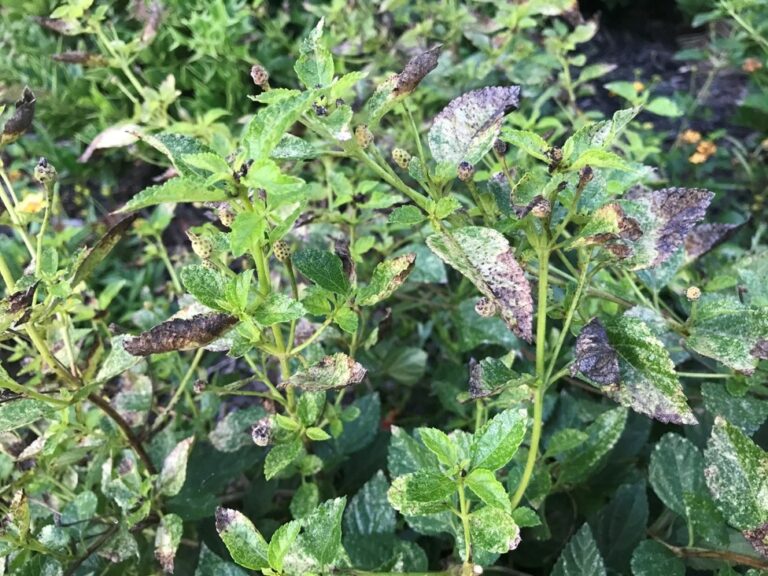
When jungle plant humidity drifts out of the ideal ranges, plants exhibit telltale signs. Leaf curling, brown leaf tips, and crispy edges often signal dry air. Excess humidity can invite fungal growth, purple stems in some species, and root rot if the soil remains waterlogged. Yellowing leaves may indicate stagnant air or poor air circulation, while slowed growth can point to inconsistent humidity. The key is to observe both foliage and roots: healthy roots thrive with evenly moist media, while leaves show resilience with steady moisture. By recognizing these patterns early, you can adjust microclimates quickly and prevent long-term stress on your tropical collection.
Practical humidity management is about combining monitoring with active adjustments; in the next section we’ll outline simple setups to create reliable jungle plant humidity pockets in any space. Next, Part 2: Creating Practical Humidity Microclimates for Tropical Plants will guide you through real-world setups, equipment, and ongoing maintenance to keep your jungle thriving.
Practical Techniques to Maintain Jungle Plant Humidity and Health
Maintaining ideal jungle plant humidity is not a win-or-lose proposition. It is a set of deliberate actions that create microclimates around your tropical selections. Specifically, small adjustments can yield big gains in vigor, color, and resilience. Furthermore, these techniques respect natural processes. They support growth without turning your space into a greenhouse. Jungle plant humidity is the quiet engine behind lush leaves, vibrant blooms, and robust roots. By combining observation with method, you transform a room into a thriving jungle that looks effortless and stays healthy year round.
Before you begin, remember that the goal is steady, seasonal variation rather than dramatic swings. Tropical plants thrive when humidity remains within a comfortable band for each species. In practice, you will tune humidity with a mix of measurement, microclimate design, and careful watering. The result is a habitat that supports photosynthesis, respiration, and microbial health in the potting medium. These techniques apply to a wide range of jungle plants, from aroids and philodendrons to orchids and ferns. The core idea is simple: when the air around plants stays consistently humid enough, they consume water more efficiently and resist stress better.
To help you implement these ideas, this section is organized around practical actions you can take. Each part builds on the last, so you can start small and scale up. You will learn how to assess needs, measure conditions, create microclimates, manage watering, improve air movement, optimize substrates, arrange plants for humidity, and avoid common mistakes. If you need a quick pointer, remember one principle: humidity is a shared outcome of air, water, and space. When you align these three factors, jungle plant humidity follows naturally.
Assessing Jungle Plant Humidity: Needs by Species
Begin with a species-by-species assessment. Different tropical plants tolerate different humidity ranges. For example, many epiphytic orchids and certain ferns prefer higher humidity, often in the 60 to 80 percent range. Others, like some tropical shrubs, manage well in the 40 to 60 percent band with good air circulation. Specifically, you should document each plant’s preferred band and its acceptable fluctuations. This creates a quick reference you can consult when you adjust room conditions. Even within a single genus, individual cultivars can differ. Therefore, you should observe each plant for signs of stress rather than relying on a single rule for the entire collection.
In practice, grouping plants by similar humidity needs helps you manage them more efficiently. Use the natural clustering in your space to reinforce humidity where it matters most. If you cannot raise humidity evenly across a room, concentrate on clusters that include the most sensitive species. In these microzones, humidity remains stable for longer periods. This approach reduces stress on plants while keeping you in control of overall environment quality. The bottom line is simple: a clear map of species requirements makes humidity management more predictable and less labor intensive.
As you map needs, keep track of seasonal changes as well. Indoor environments change with heating, cooling, and occupancy. Even a small thermostat shift can alter humidity levels by several percentage points. Therefore, record maintenance notes and update targets after major weather or activity changes in your space. With a running log, you will notice trends and intervene quickly when conditions drift. The goal remains consistent jungle plant humidity that supports steady growth rather than reactive fixes.
Choosing a Humidity Profile for Your Jungle
To anchor your plan, create a humidity profile for each major group of plants. The profile should include an ideal range, acceptable variation, and a preferred method for achieving the range. In a home setting, you may settle on a profile like this: high-demand groups in the 60–75 percent band with frequent misting or micro-irrigation; moderate groups in the 45–60 percent band with routine water management; and low-demand groups in the 40–50 percent band with careful airflow. Profiles become your operating manual. They guide misting frequency, humidifier use, and plant placement decisions.
Additionally, consider how light interacts with humidity. Some plants tolerate higher humidity when light is intense, while others prefer shade with steady moisture. Specifically, orient plants to leverage natural airflow and sun exposure. This synergy helps maintain jungle plant humidity without over-reliance on devices. The balance is delicate but achievable with a small, consistent schedule and attentive observation.
Measuring Humidity: Tools and Techniques
Measurement is the backbone of reliable humidity management. Relying on intuition alone leads to oversights. A good hygrometer is worth the investment because it translates ambient conditions into actionable data. Digital sensors with data logging are especially helpful for tracking trends over hours and days. Place sensors at plant canopy height, not near heat sources or vents, to capture the conditions plants actually experience. Specifically, record readings at multiple points within a microclimate to identify hotspots or dry pockets. When data reveals a deviation, you know where to adjust first.
Alongside digital devices, a simple analog hygrometer can help, especially as a backup. The key is to calibrate periodically and cross-check against a trusted reference value. If readings diverge from expected values, verify the device placement and sensor exposure. Accuracy matters because an incorrect reading leads to mistiming and misapplied interventions. In short, precise measurement translates into precise care for jungle plant humidity.
Choosing the Right Hygrometer
There are two broad classes of hygrometers: analog and digital. Analog devices are reliable and inexpensive. They give a quick readout and are easy to interpret. Digital models offer more features, such as humidity history graphs and alert options. For a tropical plant collection, a digital unit with data logging is particularly valuable. It helps you see patterns and refine routines over weeks. If you manage a large jungle display, consider investing in a networked sensor system that reports to your watering or climate control setup. In all cases, ensure the device is not in direct airflow from a fan or near a heater, which can skew results.
Another practical tip is to monitor humidity around new additions. Newly acquired plants may experience transplant shock and temporary humidity stress. Track their readings closely for the first two to four weeks. If you notice sustained low humidity around a new plant, adjust its microclimate specifically. The targeted approach prevents broader issues and saves you from overhauling the entire space. Humidity data, when used well, becomes a powerful ally for jungle plant health.
Reading Humidity Trends
Look for patterns rather than single data points. Gradual increases or decreases in humidity correlate with plant responses. Specifically, watch for leaf edge browning, curling, or a dull sheen that signals dry air or poor moisture balance. Conversely, overly humid air can invite fungal issues or mold on leaf undersides. By understanding trends, you plan preventative measures rather than reactive corrections. Over time, your eye for the trend grows, and you rely less on devices for routine decisions.
Creating Microclimates to Boost Jungle Plant Humidity
Microclimates are smaller spaces with tailored conditions within a larger room. They are ideal for tropical species with precise humidity needs. The approach is to combine several modest techniques so their effects aggregate. For instance, a cluster of plants near a humidifier, plus a pebble tray under pots, creates a shared, elevated humidity zone. In contrast, a corner with open airflow remains drier. The goal is to build zones where jungle plant humidity is reliably higher than the surrounding air. This strategy reduces the effort required to sustain the entire room while protecting sensitive plants.
One core method is misting or fogging. A light, regular mist coats leaf surfaces and increases immediate humidity. In practice, this works best for epiphytes, caladiums, and certain tropical ferns. Specifically, misting should be brief and frequent enough to keep leaves dry at the surface, reducing the risk of rot. For larger containers, consider a small ultrasonic fogger that runs briefly at intervals. The fog must disperse evenly so it does not puddle on pot surfaces. In addition, fogging creates a momentary micro-habitat that supports transpiration and respiration without flooding the root zone.
Another essential microclimate tool is the humidity tray. A tray filled with decorative pebbles is a low-profile mechanism that increases ambient moisture through evaporative cooling. Place pots on the pebbles with space for drainage. The moisture rises from the water beneath without saturating the pot, and the effect compounds when you group plants with similar needs. Pebble trays are especially useful near the display edge of shelves where gentle, consistent humidity benefits foliage without creating maintenance headaches. For best results, combine pebble trays with a light misting routine and ensure the tray water is refreshed regularly to avoid mineral buildup on leaves.
Consider also air-assisted microclimates. A small, strategically positioned fan can gently circulate air around sensitive canopies without creating a drying wind. Specifically, orient the fan to sweep across plant tops rather than blowing directly at them. This improves humidity retention near leaf surfaces while reducing stagnation that invites mold. If you use ceiling or wall-mounted fans, keep them on a low setting to avoid harsh drafts. The combination of gentle airflow and steady moisture often yields healthier leaves and fewer fungal problems in jungle plant humidity management.
For larger installations, a dedicated humidification system trimmed to a plant-friendly schedule is invaluable. An inline humidifier connected to a thermostat can maintain steady humidity within programmed windows. In such a setup, you gain reliable control without manual effort. This approach is particularly effective in rooms with central heating, where dry air tends to dominate. When you automate humidity, you free time for care routines that support plant health in other ways. Automation complements hands-on care, not replaces it.
Humidity Trays and Pebble Beds
Integrated humidity trays provide a quiet, low-effort method. They work well when you arrange plants in clusters. The evaporation from the water increases near leaf surfaces, creating a living microclimate. However, you should monitor water quality to prevent mineral deposits from staining leaves or altering substrate chemistry. Periodically empty and rinse trays to keep the system clean. Additionally, avoid letting the tray water touch the bottom of pots, as consistent moisture on pot bases can promote root problems. When used properly, pebble trays amplify jungle plant humidity without adding complexity to your routine.
As you build microclimates, remember to document successful configurations. A simple sketch or photo log can remind you where humidity is strongest and where it needs reinforcement. The point is to convert trial-and-error into repeatable care. Each successful microclimate becomes a template you can replicate with confidence across similar plant groups. When you pair microclimates with measured humidity data, you gain precision that matches your aesthetic goals with plant health.
Watering Practices and Drainage to Support Humidity
Watering is not just about feeding roots; it also influences humidity in meaningful ways. If the air is dry, plants may transpire more heavily, pulling moisture from leaves and increasing humidity in the immediate vicinity. Conversely, overwatering can reduce oxygen availability in the root zone and create conditions that stress plants, which then disrupts their moisture balance. The trick is to strike a balance where water availability supports steady transpiration and leaf hydration without creating damp stress. This balance is central to sustaining jungle plant humidity over time.
To optimize watering, schedule according to plant needs, substrate type, and environmental conditions. For example, fast-draining mixes often require more frequent irrigation with shorter intervals, while heavy substrates may need less frequent watering but longer soak times. Regardless of method, always adjust based on observations. If leaves look limp in the afternoon, it could signal underwatering or root stress. If you notice yellowing or edema, you may be holding excess moisture. The best practice is to water deeply, then allow the top layer of the mix to dry before the next session. This approach helps maintain humidity indirectly by stabilizing root health and evaporation rates from the soil surface.
In addition, consider how watering interacts with container choice. Pots with adequate drainage prevent waterlogging, which can sap oxygen from the roots and indirectly affect plant humidity management. Clay or terracotta pots dry out more quickly than plastic or resin options, which can be advantageous in dry environments. The key is to select a pot type that aligns with your substrate, plant type, and humidity strategy. Always ensure a drainage layer below the soil to prevent root rot and to encourage even moisture distribution throughout the root zone.
Fertilization also intersects with humidity. Excess nutrients can increase metabolic activity and transpiration, raising humidity in the plant’s immediate environment. Moderation is essential. Use balanced fertilizers and follow label directions. Apply during the plant’s active growth stage and avoid heavy applications during periods of heat or drought stress. The synergy of careful watering and measured feeding helps sustain jungle plant humidity without exacerbating leaf burn or fungal issues. When executed consistently, these practices improve resilience and appearance across your tropical collection.
Air Circulation and Ventilation
Air movement is a crucial piece of the humidity puzzle. Adequate circulation prevents stagnant pockets that harbor mold and pests. It also helps evenly distribute humidity around plant canopies. Specifically, place fans or vents to promote gentle, continuous airflow without drying out leaves. The aim is to create a wind rhythm that keeps transpiration steady while preventing overheated microclimates. Proper circulation also reduces the risk of fungal growth on leaf undersides, a common complaint in humid environments.
When integrating fans, observe how they affect each plant group. Some species tolerate stronger drafts, while others require calmer air. You can achieve balance by distributing airflow in several directions and varying speed settings. The result is a more uniform humidity profile, which makes it easier to maintain healthy jungle plant humidity across your display. In practice, you should run fans at a low setting, especially during the hottest parts of the day, and adjust based on plant feedback. The combination of humidity and airflow is powerful when done thoughtfully and consistently.
Fans, Placement, and Airflow Patterns
Placement matters as much as speed. A shared ceiling vent can draw moist air toward the room’s center, while a wall-mounted unit can target dense plant clusters. The objective is to avoid dry corners and damp, mold-prone zones. Monitor humidity at the leaf level after changes; if some plants improve while others show signs of stress, you may need to tweak positions or add shields to protect delicate foliage. Additionally, consider using temporary barriers, such as light screens or shelves that diffuse airflow gently around sensitive species. These small adjustments yield meaningful gains in jungle plant humidity management.
In conjunction with movement, monitor noise and energy use. Quiet, unobtrusive systems integrate more easily into living spaces. This improves long-term adherence to humidity plans. Ultimately, the right air movement supports stable jungle plant humidity by preventing hot spots and ensuring even distribution of moisture-laden air around the canopy. You gain a calmer, more resilient jungle display with less maintenance and fewer surprises.
Substrate, Pots, and Decorative Elements
Substrate choice and pot design influence humidity dynamics in subtle but important ways. A well-draining mix reduces root stress, which in turn supports stable transpiration and consistent humidity. For tropical species, an airy mix that holds moisture without becoming waterlogged is often ideal. In practice, you want a substrate that balances water retention with aeration. This balance helps plants drink up water when humidity is high and resist drying out when conditions shift. The substrate acts as an ongoing reservoir, supporting the microclimate around the roots where humidity stability matters most.
Pot materials also affect humidity. Terracotta pots release moisture from their porous walls, which can boost nearby humidity but may dry the mix faster. Plastic pots retain moisture longer but may run hotter and retain more heat near the root zone. Consider blending pots in a single display to create a layered humidity effect. Also, ensure pots have adequate drainage so excess water can escape. Poor drainage leads to root issues that undermine the plant’s ability to tolerate environmental humidity. Subtle choices like this compound to produce a healthier jungle plant humidity profile overall.
Decorative elements deserve attention too. Materials such as glass, metal, and ceramic can influence microclimates by altering heat absorption and moisture retention. A strategic display with light-colored, moisture-friendly accents can reflect rather than absorb heat. This supports a cooler microclimate where humidity holds steady around the canopy. Visual appeal and horticultural function go hand in hand here, reinforcing your capacity to maintain jungle plant humidity without sacrificing aesthetics. Balance is the key, as you want both beauty and health in equal measure.
Plant Grouping and Microclimate Design
Group plants with similar humidity needs to create efficient microclimates. Groupings reduce the effort required to achieve consistent jungle plant humidity across a display. When you cluster plants with compatible tolerance bands, you create local zones where humidity remains higher than ambient air. This makes maintenance easier and less error-prone. In practice, keep the most humidity-sensitive species close to humidifiers, misters, or trays. Position more tolerant species nearby to fill gaps in microclimate coverage. The synergy strengthens your entire collection and reduces daily management load.
You can further optimize by configuring vertical layers. Place humidity-sensitive plants on top shelves where warm, moist air tends to accumulate, and reserve lower shelves for more tolerant species. By layering, you exploit natural air movement patterns to support jungle plant humidity. As your space grows, refine these groupings with observations and logs. Over time, your microclimates become predictable, repeatable, and easier to sustain.
Common Mistakes and Fixes
Even experienced gardeners stumble on humidity traps. The most common error is relying on a single method to boost humidity. In practice, it is the combination of methods—microclimates, misting, trays, and controlled airflow—that yields reliable results. Furthermore, neglecting plant-specific needs leads to stress and poor health. Specifically, do not assume that high humidity alone cures all issues. Without adequate light, air movement, and balanced watering, plants will still struggle despite moist air.
Another frequent misstep is overwatering to compensate for low humidity. This approach often triggers root rot and weak vitality, undermining the intended benefits of higher humidity. Instead, adapt your humidity plan with careful watering, drainage, and substrate selection. Also, avoid placing tropical species near heat sources that dry the air quickly. The combination of heat stress and dry air creates a mismatch that hurts plant health. Finally, neglecting routine maintenance—like cleaning humidifiers, replacing filters, and refreshing pebble trays—undermines long-term success. Consistency wins in jungle plant humidity, and small, regular checks prevent big problems.
As you implement these techniques, you may want to consult reliable sources for best practices. For example, practical guidance on increasing humidity for indoor plants is available at how to increase humidity for indoor plants. This resource complements garden-specific knowledge with clear, actionable steps you can adapt to a tropical display with confidence. In that spirit, remember that each plant is a living metric of your care choices. When you optimize humidity, you optimize vitality, color, and resilience across your jungle collection.
With these techniques, jungle plant humidity becomes a practical outcome of thoughtful design. You do not chase humidity as a standalone goal; you cultivate it through microclimates, measurement, and consistent care. The result is a thriving, beautiful jungle that performs across seasons and room conditions. Now that you know how to build and sustain humidity-friendly environments, you can apply these methods to more complex setups and larger collections with greater ease.
In the next part of this article, we will explore Troubleshooting Common Jungle Plant Humidity Problems and Health Challenges, addressing the most frequent issues and how to fix them quickly. Part 3: Troubleshooting Common Jungle Plant Humidity Problems will guide you through diagnostic steps, recovery strategies, and maintenance routines to keep your jungle vibrant regardless of what the weather brings.
Advanced Jungle Plant Humidity Strategies and Troubleshooting
In this final section we translate theory into practical mastery of jungle plant humidity. You will learn to read microclimates with confidence, deploy targeted humidification, and troubleshoot issues before they escalate. The goal is resilient tropical displays that stay vibrant through seasonal shifts and room changes. The strategies here build on the foundation of part 1 and part 2, emphasizing measurement, microclimate design, and disciplined maintenance.
Precision Monitoring and Diagnostics: Measuring Jungle Plant Humidity
Humidity is more than a single number. It is a spatial and temporal pattern shaped by plant transpiration, airflow, and enclosure design. Start with reliable sensing at plant level rather than in a distant corner. Place at or near the canopy, above foliage, and away from direct mist streams to avoid skewed readings. A network of hygrometers connected to a central dashboard gives you real-time data, trends, and alerts when RH deviates from target ranges.
Track key metrics: average RH, diurnal swing, minimum and maximum RH, dew point proximity, and leaf-surface moisture. Compare readings across microclimates—top canopy, mid-canopy, and roots-to-base of pots. This helps reveal how different zones respond to misting, fans, and plant density. When you understand the microclimate map, you can tune humidity with precision instead of guesswork.
Choosing the Right Humidity Tool
Invest in calibrated digital hygrometers with fast response times and data logging. Look for models that log at least 1–2 points per minute and export data for analysis. For dense jungle displays, install multiple sensors to build a humidity gradient map. Pair each sensor with a compact temperature probe; humidity combined with temperature yields dew point, which is a better predictor of condensation than RH alone. In larger installations, a smart controller can adjust mist cycles based on live RH readings, temperature, and soil moisture feedback.
Equipment and Methods: Humidification Systems and Microclimates
There is no one-size-fits-all solution for jungle plant humidity. A layered approach often works best: a gentle baseline humidity with periodic bursts of misting or fogging, supplemented by strategic airflow to prevent stagnant pockets. Microclimates can be created with vertical plant walls, moss poles, and semi-enclosed shelves. The trick is to balance constant moisture with air exchange to keep leaves fresh and roots oxygenated.
Humidifiers, Misters, and Foggers
Humidifiers raise the ambient humidity level gradually and evenly. Misters deliver short, fine bursts that hydrate leaf surfaces and support transpiration; foggers create a fine, linger-dense mist that maintains humidity near the canopy for longer. Many tropical setups employ a hybrid schedule: a baseline humidification during nighttime, with targeted misting bursts during daytime and periodic fogging in late afternoon. Use programmable timers or smart controllers to avoid energy waste, condensation on glass, and humidity spikes during temperature drops.
Creating and Maintaining Microclimates
Microclimates are pockets where humidity remains higher than the surrounding air. Craft them with purpose: position taller plants to shade shorter ones, use vertical screens or lattice panels to trap moist air, and suspend moisture-rich media near the crown of epiphytes. Monitor condensation on glass or walls; persistent moisture signals poor air exchange or over-watering risk. Adjust density and airflow gradually and observe changes over 3–5 days.
Troubleshooting Common Jungle Humidity Issues
When humidity management falters, symptoms appear in leaf edges, tip burn, spotting, or root rot. Adopt a simple, repeatable troubleshooting loop: observe, hypothesize, test, and verify. Document changes and their effects to build a personal playbook for jungle plant humidity.
Overnight Puddling, Leaf Burn, Mold, and Mildew
Excess humidity can cause dew on leaves and surface dampness that fosters mold. If you see puddling in trays or heavy dew by morning, reduce misting frequency, adjust nozzle orientation, or shift to a slightly higher nighttime baseline with more consistent air exchange. Mold and mildew signal poor airflow; increase ventilation, prune dense foliage to improve air paths, and consider a non-chemical approach such as improved humidity distribution and sunlight exposure. When using fungicides, choose formulations labeled for tropical displays and apply only as a last resort after diagnosing humidity causes.
Inconsistent Humidity and Dry Pockets
Uneven RH is a common villain in home displays. Place sensors at key hotspots and verify the uniformity of the humidity gradient. Improve gentle air exchange with oscillating fans, smart vents, or ceiling diffusers. If dry leaf tips appear during the day, it could be due to sun exposure drying leaf surfaces; address by moving misting closer to leaf apex or by boosting canopy-level humidity rather than root-zone humidity alone. Keep your humidity steps incremental and test results over 24–72 hours.
Seasonal Adjustments and Plant-Specific Considerations
Seasonality drives plant water needs and ambient moisture. Tropical jungles inside homes resemble a shifting climate: more humidity during certain windows, plus occasional dry spells. Your plan should adapt: increase humidity baseline during dry weeks, shorten dry spells for transient heat, and maintain sunscreen-mimicking shading to limit evaporation. Keep an eye on water quality during seasonal changes; evaporative cycles can intensify mineral buildup at any time.
Epiphytes vs Ground-dwellers
Epiphytic species such as orchids and bromeliads originate in humid air with excellent drainage. They tolerate, and often prefer, high ambient humidity and steady air movement. Ground-dwellers benefit from more stable moisture in the root zone and a slightly lower canopy humidity. Your strategy should reflect this: epiphytes receive canopy-level humidity and targeted misting near their crowns; ground-dwellers get consistent root-zone moisture with lighter canopy humidity.
Pollinator Plants and Humidity Considerations
Plants that attract pollinators can suffer if humidity dampens nectar quality or flower scent. Moderate humidity that avoids condensation on blooms helps sustain attraction and flower longevity. Time humidity peaks to daylight when pollinators are most active, but avoid prolonged wet blooms. In smaller spaces, be mindful that high humidity can lead to fungal issues around flowering stems; balance is essential for healthy, showy blooms.
Maintenance, Hygiene, and Safety
Maintenance is safety for both plants and people. Build a hygiene habit that prevents mineral residues and microbial growth from impacting the jungle display. Regular cleaning of reservoirs, tubing, nozzles, and fans protects performance and plant health. Use safe cleaning agents, and ensure thorough rinses to avoid chemical residues on leaves or root zones.
Water Quality and Mineral Build-Up
Hard water leaves mineral crusts that can clog sprayers and affect leaf appearance. Prefer distilled or demineralized water when possible, or install a good-quality filtration system. Periodically flush tanks to remove settled minerals. If you observe white crust on leaves or pots, adjust both water input and maintenance frequency to prevent repeated buildup.
Humidifier Maintenance and Cleaning Schedule
Follow manufacturer guidance, but start with a weekly clean of reservoirs and tubing. For mineral-laden districts, more frequent cleaning may be necessary. Use a mild vinegar solution for mineral removal, rinse thoroughly, and dry components before reassembly. Keep a maintenance log that notes dates, humidity levels, and plant responses so you can refine your plan over time.
Actionable Plan: 14-Day Jumpstart for Your Jungle
Put theory into action with a structured 14-day sprint. Day 1–3 establish baseline RH across three targeted microclimates and calibrate sensors. Days 4–7 introduce a hybrid humidification routine: short mist bursts during peak light hours, light fogging during mid-afternoon, and a stable overnight RH. Days 8–11 optimize canopy airflow with gentle fan runs and revised plant spacing, adjusting humidifier timers to keep RH within target bands. Days 12–14 evaluate results, refine nozzle angles, and adjust water quality to minimize mineral deposits.
During the jumpstart, maintain a simple log of RH, leaf condition, root moisture, and any signs of pests or disease. Use the log to identify consistent problem zones and adjust humidity strategies accordingly. As you implement the plan, be mindful of the broader BloomHaven ethos: celebrate beauty while employing sustainable practices that minimize energy use and water waste. For more practical reading on maintaining humidity in tropical displays, explore Royal Horticultural Society guidance on houseplants and humidity: Royal Horticultural Society.
Conclusion and Next Steps
By now you have a robust toolkit for optimizing jungle plant humidity in real-world spaces. You learned to map microclimates, select and tune humidification methods, and troubleshoot issues with a disciplined, data-driven approach. The core practice is alignment: tailor humidity to the needs of each plant group, from epiphytes that crave air moisture to soil-dwelling tropicals that prize steady root-zone hydration. You can anticipate and prevent problems by monitoring humidity trends, maintaining equipment, and adjusting as seasons change. When humidity management is intentional and data-driven, even lush tropical displays thrive in spaces with variable air conditions. Jungle plant humidity is not a fixed setting; it is a dynamic system that you actively optimize through monitoring, customization, and routine care.
To keep momentum, subscribe to BloomHaven for ongoing humidity playbooks, seasonal plant profiles, and microclimate checklists that translate science into garden-ready routines. Share your experiences in the comments or on social media, and let us learn together how jungle plant humidity can power lush, sustainable beauty. Remember: jungle plant humidity is the daily practice of gardeners who care for tropical life; embrace it and your plants will thrive year after year.