Nostalgic Herb Garden: Timeless Layout Ideas for BloomHaven
In BloomHaven’s world, the nostalgic herb garden invites memories of sunlit kitchen windows, herb-dotted borders, and fragrant summer breezes. This article introduces the foundations that make a classic, enduring herb garden both beautiful and practical. By clarifying core principles and planning steps, you can craft a space that feels timeless yet fits modern gardens. The nostalgic herb garden isn’t about clutter; it’s about rhythm, accessibility, and a sense of place. From soil strategy to layout decisions, the foundations explained here help you balance form with function. Whether you have a compact courtyard or a sunny backyard, you can design a layout that supports culinary staples, fragrant perimeters, and pollinator-friendly blooms while preserving that cherished, nostalgic feel of a traditional herb garden. The approach blends traditional charm with practical horticulture, ensuring beginners and seasoned gardeners alike can implement enduring design choices. You will learn how to evaluate site conditions, choose a layout that respects symmetry and flow, and select herbs that thrive together across seasons. By the end, you’ll have a blueprint for a nostalgic herb garden that remains productive, manageable, and endlessly inviting.
Nostalgic Herb Garden Foundations: Core Principles and Planning for a Classic Layout
Core principles for a nostalgic herb garden emphasize rhythm, accessibility, and sustainable stewardship. A classic layout uses gentle curves or clear axes to guide movement, while maintaining orderly beds that invite close inspection and easy harvests. Place fragrant or culinary anchors at corners or along a central axis so that each visit reveals a familiar scent and a familiar texture. In addition, keep maintenance practical with well-planned irrigation zones and compost-ready soil. These foundations help you turn memory-laden inspiration into a tangible, productive space that remains elegant through 2026 and beyond.
nostalgic herb garden planning: site, soil, and scale
Begin with a precise site map and a sun study. Most culinary herbs crave six to eight hours of sun daily. Assess soil texture and drainage, then amend with compost and organic matter to boost structure and biology. If drainage is uneven, designate raised beds or mounded rows to keep roots happy. Scale matters: a compact patio garden benefits from modular blocks that repeat along a path; a larger property can accommodate a circular center bed and a formal border system. This planning foundation supports consistent harvests and enduring beauty, even as conditions shift through the seasons.
For a practical overview of herb varieties and culinary uses, explore Herbs in the Garden. This non-competitive resource complements the planning process by clarifying which herbs thrive together and how to pair aromas with textures.
nostalgic herb garden layout planning: pathways, borders, and beds
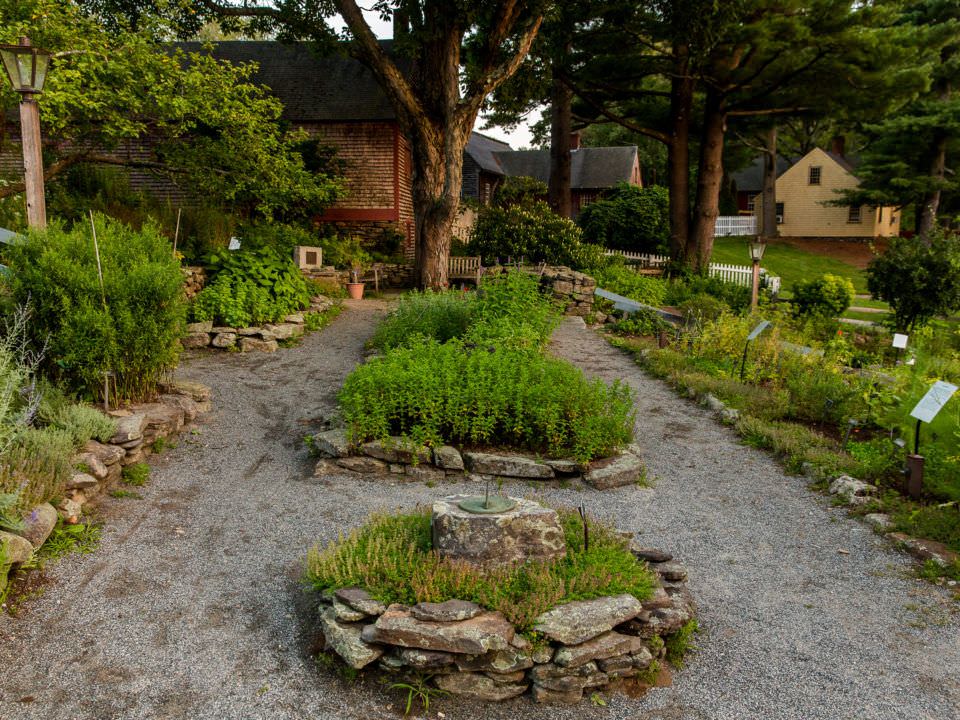
Pathways in a nostalgic herb garden should invite exploration without dominating the bed edges. Favor curved or gently turning routes that are easy to traverse with a basket or wheelbarrow. Use materials with a natural, cool tone—pea gravel, crushed granite, or flagstone—that stay comfortably underfoot and don’t glare in bright sun. Borders can be layered: a taller herb border toward the back or along a central axis, and a lower, aromatic screen in front to create a sense of depth. Beds should follow a calm rhythm, with plant blocks repeated at regular intervals to evoke memory and predictability. This approach keeps maintenance straightforward and harvests predictable, reinforcing the nostalgic character you want to capture.
nostalgic herb garden planting: selecting herbs for timeless appeal
nostalgic herb garden planting: fragrant classics
Choose a core set of culinary and fragrant herbs that age well together: thyme, rosemary, sage, oregano, basil, mint (in a contained planter to prevent spread), chives, dill, tarragon, and parsley. Pair these with companion blooms like calendula or borage that attract pollinators and provide continuous color through the growing season. Consider a fragrance axis: place thyme along walkways for scent as you brush by, rosemary at the corner for a woody scent under a hot sun, and sage near the kitchen door so you can reach fresh leaves easily. Repetition of plant blocks creates a cohesive, timeless look while keeping maintenance manageable across seasons.
nostalgic herb garden maintenance: routine, harvest, and seasonal rhythm
Effective maintenance starts with a simple watering strategy tied to soil moisture. Most herbs prefer soil that drains well and dries slightly between waterings. Mulch with a light sweep of compost to stabilize temperature and suppress weeds. Prune regularly to sustain shape and encourage bushier growth; this habit also keeps herbs from flopping into pathways. Harvest with a gentle hand to preserve vigor, especially for perennials like thyme, lavender, and rosemary. A consistent harvest routine cultivates a sense of rhythm that mirrors traditional herb beds and reinforces the nostalgic aesthetic.
nostalgic herb garden maintenance: seasonal care calendar
Develop a seasonal care calendar that aligns with your climate. In spring, refresh soil with compost and set out new plants after the last frost. In summer, monitor moisture and mulch to conserve water. In autumn, cut back overly vigorous growth and prepare perennials for dormancy. In winter, protect tender herbs from freezes or provide sheltered microclimates. This cadence ensures the garden remains productive and orderly, reinforcing the classic layout’s timeless appeal year after year.
nostalgic herb garden design aesthetics and accessibility
The aesthetic of a nostalgic herb garden rests on harmony, repetition, and quiet structure. Use a restrained color palette—greens, silvers, and warm neutrals—and allow herbs to form living textures rather than loud focal points. Accessibility should guide every decision: level paths, reachable beds, and clearly marked plant varieties make the space welcoming to all gardeners. If you design with accessibility in mind, you’ll preserve the nostalgic feel without compromising function or safety for aging or mobility-challenged gardeners.
nostalgic herb garden planting techniques: repetition, color, and texture
Apply repetition to create a recognizable pattern: repeat a set of herbs along each axis, echo the same border plant at regular intervals, and repeat a scent-rich line near seating or entry points. Introduce color and texture with flowers integrated into herb borders—calendula orange against dark-leaved thyme, or purple lovage blossoms beside sage. Texture comes from combining fuzzy-leaved sages with smooth rosemary needles and the soft, herbaceous look of dill or parsley tall umbels. These techniques build visual harmony and reinforce the nostalgic character of the garden.
nostalgic herb garden accessibility and maintenance ease
Design for ease of maintenance by placing frequently harvested herbs within reach of the main paths, using lightweight containers for mint or dill to keep space tidy, and implementing simple irrigation zones. With thoughtful planning, visitors notice a calm, orderly space that still feels alive and fragrant. Accessibility features—level entrances, wide stepping spaces, and clear sightlines—ensure that the timeless charm of a nostalgic herb garden is inviting to everyone while remaining practical for daily care.
In Part 2: Planting Plans and Herb Selection, we translate these foundations into practical plant lists and layout options.
Nostalgic Herb Garden Design Execution: Step-by-Step Layout and Planting Sequences
In this execution phase, the goal is to turn memory-rich ideas into a coherent, functional blueprint. The Nostalgic Herb Garden blends beloved culinary herbs with timeless forms, ensuring that every corner communicates tradition while performing at peak in 2026 climate realities. We begin by defining the layout framework, then layer in soil, water, and planting sequences that respect both heritage and modern efficiency. The approach follows a clear progression: establish the spatial skeleton, prepare the soil, place the plant groups, and finally tune the details through seasonal rhythm and maintenance. By the end, the design should feel intuitive to tend, visually comforting, and bountiful in flavor and fragrance. This is where memory meets method, and where BloomHaven readers can confidently recreate the nostalgia without sacrificing practicality.
Foundations of a Nostalgic Layout: Bed Shapes, Pathways, and Focal Points
To anchor the garden in a nostalgic mood, begin with bed shapes that echo classic walled gardens and cottage plots. Gentle curves soften edges and invite the eye to travel. Rectangular blocks arranged around a central herb bed create a sense of order, while curved borders introduce charm. The key is repetition with variation: repeat a simple edge profile, then echo it on a companion bed. In practice, this balance yields a layout that reads as both deliberate and inviting, a design that supports easy navigation and seasonal planting shifts. Pathways should be wide enough for a wheelbarrow or a watering can, yet narrow enough to feel intimate. For a niggle-free walk, choose compact gravel, flagstone, or mulch that interplays with the house or seating area. Position a focal point at a natural pause in the path, such as a sundial, a rustic bench, or a small trellis with an overhanging herb train. This anchor offers a moment of pause and a living backdrop for photography and memory-making.
Bed Shapes that Echo Tradition
Classic nostalgia lies in the rhythm of circular or scalloped bed edges that cradle plant corners. Circular beds invite the eye to move in and out, while scalloped edges soften the transition to lawn or gravel. The planting inside should flow with soft vertical accents and low, spreading herbs. Think apricot thyme spilling over the edge, chives standing upright along a border, and purple sage adding a vertical note. Because herbs vary in height and texture, stagger their placement along the curve so that each plant has room to fill its niche without crowding a neighbor. The result is a rhythm that is both familiar and fresh, a whisper of heritage that remains practical for weeding and harvest.
Pathways and Flow
Pathways guide the visitor and the gardener, so their layout should be deliberate and efficient. A primary central path can connect the kitchen door to the main herb bed, with secondary paths veering toward specialty sections such as culinary blends or pollinator corners. Importantly, the paths should allow hands-on access from both sides, keeping foot traffic off the most delicate herbs. The surface choice matters for maintenance and accessibility: a porous material that drains well prevents damp feet and moldy borders. In addition, consider seasonal changes in light; align taller bed elements to shield those that prefer sun while keeping the aromatic plants in the sunniest microclimates. This planning yields a mosaic of fragrance and flavor as a constant, visible thread throughout the garden.
For readers seeking extra design inspiration, practical guidelines on planting herbs in a historic-inspired layout can be found at Gardening Know How on Herbs. This resource complements BloomHaven’s seasonal approach with user-friendly techniques and troubleshooting tips.
Soil, Irrigation, and Microclimate: Growing Conditions that Support Consistency
Soil preparation is the quiet workhorse of a successful nostalgic herb garden. Begin with a soil test to determine pH and nutrient availability, then adjust with organic matter to improve texture and drainage. A loamy, well-drained bed is ideal for most culinary herbs, providing enough moisture without waterlogging. Add compost or well-rotted manure to supply slow-release nutrients, and work in a light layer of aged mulch to retain moisture between rain events. Specifically, herbs thrive where the soil breathes and warms early in the season, so avoid heavy clays that compact under foot traffic. A gentle amendment routine before planting and again mid-season keeps the beds fertile and productive without overwhelming the plants with sudden fertilizer surges.
Soil Testing and Amendments
Soil testing informs precise amendments, enabling you to choose lime or sulfur adjustments to hit the ideal pH range for your herb roster. If the test shows a slightly acidic trend, you can blend limestone with compost to raise pH gradually. Conversely, for alkaline tendencies, organic matter and acidifying compost help balance the mix. The goal is a soil that holds moisture while draining freely, providing a consistent root zone for parsley, dill, and cilantro alike. Apply measured quantities rather than large, infrequent doses to avoid root burn and nutrient imbalances. In practice, a yearly soil check becomes a reliable anchor for your planting calendar.
Irrigation and Moisture Management
Consistent moisture is the friend of herbs with delicate leaves and fast growth, such as cilantro and dill. An irrigation plan that uses drip lines or soaker hoses delivers moisture directly to the root zone, minimizing evaporation and leaf disease. Water in the early morning to reduce fungal pressure and encourage robust essential oil development in aromatic species. Mulch lightly to reduce surface evaporation and maintain an even soil temperature, especially during late spring heat spells. In addition, group plants by their water needs to simplify scheduling; for example, taprooted sages and rosemary tolerate drier conditions than tender basil varieties. With thoughtful irrigation, your Nostalgic Herb Garden stays lush without wasting water.
Remember that microclimate matters. A sheltered corner that stays a little warmer can be a friend to rosemary and thyme, while a border that catches cooling evening breezes can help prevent heat stress on marjoram. Understanding these micro deltas allows you to plan plant placement that aligns with water availability and soil performance, ensuring a steady harvest throughout the season.
The design invites you to browse additional practical guidance on sustainable hydration at Oregon State Extension on growing herbs, which aligns with BloomHaven’s 2026 approach to water-wise gardening.
Planting Sequences: Stage-by-Stage Planning for Continuous Harvest
Planting sequences convert the design into a living, producing landscape. The strategy blends sequential sowing with transplants to maintain a steady stream of foliage and flavor from late spring through early autumn. Begin with frost-tighter species that emerge quickly, such as dill and cilantro, and then weave in slow-to-start varieties like bay laurel or rosemary, which benefit from a longer warm-up period. Specifically, align seeds and transplants with expected last frost dates, then stagger sowings so that harvest windows overlap rather than clash. This rhythm ensures that you always have fresh aromas to guide cooking and table ambiance, while preventing glut or dormancy.
Starting Seedlings versus Transplants
Deciding between seeds and established transplants depends on space, budget, and temperament. Seeds offer a cost-effective way to fill broad rows with dill, basil, and chives while allowing you to select narrow cultivars that fit the curved beds. Transplants deliver instant impact for rosemary and oregano and can help you establish a quicker aesthetic impression for guests touring the garden. A practical approach uses a mix: sow quick-growing annuals in the front curves for immediate texture and flavor, then place perennials and longer-lived herbs toward the back for lasting structure. This sequencing creates a sense of progression as summer moves toward autumn.
Sequential Planting for Continuous Harvest
Stagger sowing and transplanting to create a continuous harvest. Use a rolling schedule: plant new dill after the first flush of basil, then add cilantro as the earlier crops mature. The goal is to avoid a single peak harvest and instead maintain a dynamic supply that ages gracefully. Keep a small corner set aside for baby greens and baby herbs, which can provide early-season color and fragrance while the larger plants mature. This approach also simplifies maintenance since it avoids overloading any given space at one time, reducing crowding and disease pressure while maximizing scent and taste across the season.
Rotations also matter. In a small, nostalgic bed, you can rotate herbs that share similar soil and moisture needs to preserve soil health and reduce pest pressure. For instance, rotate basil away from mint, since mint can dominate if given room and invade adjacent beds. The deliberate sequencing yields a living timeline, where the garden tells a story from spring to fall.
Herb Palette: Nostalgic Staples, Aromatic Accents, and Culinary Versatility
The palette for a Nostalgic Herb Garden should honor familiar flavors while inviting new experiences. Start with timeless culinary workhorses that evoke kitchen memories and then layer in aromatic accents that delight the senses. A well-curated palette includes familiar anchors like basil, thyme, rosemary, sage, and chives, alongside parsley, dill, and tarragon. Specifically, the arrangement should balance leaf shape, fragrance, and bloom period to create a tapestry of color and scent across the season. The goal is not simply to fill space but to choreograph a living aroma that moves with guests as they walk the paths.
Classic Staples
Classic staples form the garden’s backbone. Basil anchors a sun-warmed bed when the soil is warm enough, offering bright green foliage and a sweet aroma. Rosemary casts a woody silhouette that pairs well with thyme and sage for a cohesive Mediterranean mood. Sage stands taller, with soft, grey-green leaves that echo a gentle, old-world aesthetic. Chives contribute a plume of purple blossoms that doubles as a garnish. Parsley brightens the palette with feathery leaves, while dill unfurls delicate, lacy sprays that catch the breeze. This set creates a reliable core that is easy to manage, easy to harvest, and easy to cook with.
Scent and Color Layering
Layer fragrance and color to intensify the nostalgic mood. Place citrusy basil near a seating area so guests can inhale it as they relax. Pair thyme with rosemary to emphasize a savory fragrance that travels along the pathways. Use sage and lavender where a quiet, contemplative corner invites lingering evenings. If space allows, interplant with edible flowers such as borage or calendula to lift color and attract pollinators. By composing layers of scent, texture, and seasonal color, you create a garden that offers a seamless sensory journey from entry to herb corner.
For further inspiration on aromatic combinations, explore articles about pollinator-friendly plantings and scent layering at BloomHaven’s blog and consider adding a few supportive blossoms that extend bloom time.
Maintenance Timeline and Seasonal Transitions
Maintenance is the practical thread that keeps the nostalgic feel alive across the year. With a year-round plan, you can preserve the garden’s character while adjusting to the changing weather and guest expectations. Specifically, spring is the moment to rejuvenate tired edges, refresh mulch, and set the stage for a new growing cycle. A light renovation, not a full rebuild, helps preserve the garden’s personality while restoring vigor after winter dormancy. In addition, summer maintenance focuses on steady moisture and weed control while protecting tender herbs from heat and sun scorch. Autumn brings a gentle reset, trimming, and harvest planning for winter storage or indoor herb use.
Spring Renovation and Mulching
Spring renovation means bold, decisive action without overhauling the core design. Remove any winter debris and apply a fresh layer of mulch to regulate soil temperature and prevent weed growth. This month marks the first big harvest of herbs like parsley and chives, and it is the moment to prune back deadwood and encourage new shoots. A light top-dress with compost revitalizes bed fertility and helps the soil breathe. The aim is to create a tidy, welcoming foundation that prepares the garden for the intensive growth period ahead, while preserving the nostalgic structure that gives BloomHaven its distinctive look.
Summer Upkeep and Shade Management
Summer brings heat, which can stress tender herbs. In this period, adjust water delivery to avoid water stress and sunburn. A canopy of light shade can protect sensitive varieties, especially in harsher microclimates. Regular thinning prevents overcrowding and improves air movement, reducing disease risk. Deadheading spent blossoms encourages continued growth and maintains the garden’s tidy silhouette. Summer is also a prime time to harvest and preserve, turning the garden’s abundant yield into culinary memories and prepped jars.
Autumn is the moment to prepare for winter, so prune back aggressively where needed and install protection for perennials that require a milder microclimate. Mulch one final time to insulate roots and to suppress weed emergence. This transition respects the garden’s architectural lines while giving you the opportunity to reflect on the season’s flavors and scents as you plan for the following year.
Aesthetic and Sensory Expression: Designing with Color, Aroma, and Motion
Beyond crop yield, the Nostalgic Herb Garden should transport visitors with its aroma and visual cadence. Pathways become sensory courtyards as you introduce aromatic borders that release their fragrance as you walk by. The color rhythm should echo traditional kitchen gardens—soft greens, lavender blues, and the occasional pop of white or pink in herb blooms. Movement can be introduced with trailing mints and summer-savory vines that drift along borders when the breeze picks up. This approach allows the garden to participate in the daily rituals of cooking, entertaining, and quiet afternoons outside.
Aromatic Paths and Color Rhythm
Fragrant herbs create a living soundtrack for the space. Place mints and basils where a breeze carries their scent toward seating areas without overwhelming guests. Arrange the more crystalline greens and grays—sage and thyme—along pathways where foot traffic is frequent, so the eye experiences contrast with the brighter greens of basil and parsley. Seasonal blooms from thyme and oregano add a gentle color lift during late spring and early summer, while dill and fennel provide airy silhouettes that catch sunlight. This careful choreography of color and scent makes the space feel alive and nostalgic yet anchored by practical herb use.
Pollinator-Friendly Accents
Pollinators love herbs that bloom, especially in mid-summer. Lavender, oregano, and thyme provide nectar that draws bees and butterflies into the garden while remaining within the nostalgic frame. Plant pollinator-friendly companions near the herb beds to maximize ecological benefits and to create a sense of harmony with surrounding flowers. If space allows, include flowering annuals or perennial herbs with showy blossoms to sustain color and provide a welcome contrast to the green foliage. This strategy strengthens the garden’s ecological resilience and elevates the sensory experience of BloomHaven readers.
As you finalize this design execution, consider how a single bed can tell a story of memory, craft, and practicality. The Nostalgic Herb Garden design is a living manuscript that invites daily tending, seasonal adaptation, and culinary exploration. It is the intersection where heritage meets horticulture, and where your kitchen garden becomes a place of heritage-inspired delight for 2026 and beyond.
In the next installment, we translate the design into maintenance routines, seasonal transitions, and harvest planning that keep the nostalgic atmosphere intact while evolving with your garden’s needs. Part 3 will cover maintenance, seasonal transitions, and practical schedules for year-round joy.
Nostalgic Herb Garden Optimization: Advanced Techniques, Troubleshooting, and Inspiration
In this final section we delve into advanced techniques that elevate a nostalgic herb garden from pleasant to memorable. By combining precise horticultural practice with a design that evokes memory, you create a living space that supports pollinators, whispers of history, and reliable yields. Throughout this section, the focus keyword appears in context to reinforce relevance for search engines while remaining natural for readers exploring a nostalgic herb garden.
Advanced Techniques for Nostalgic Herb Garden Optimization
Nostalgic Herb Garden: Soil, Planting, and Scent Techniques
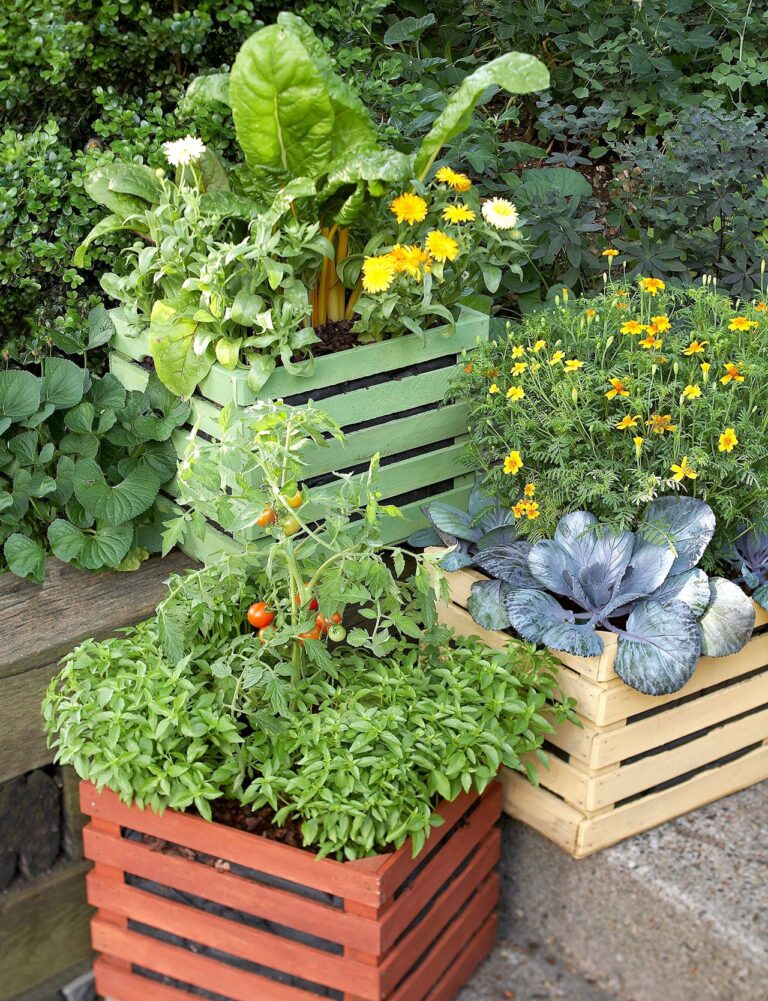
Start with loamy, well-drained soil rich in organic matter. Amend yearly with compost and a light layer of aged mulch to conserve moisture while improving earthworm activity. A balanced soil structure fosters robust root systems, better aroma production, and longer plant life. For a nostalgic herb garden, texture matters as much as scent: pair feathery dill with sturdy rosemary and low, spreading oregano to create mood and memory along borders. Plant herbs in mixed layers: tall varieties at the back, medium ones in the middle, groundcovers at the edges. This creates a cascading effect that feels timeless and intimate. Include perennial natives when possible to reduce disruption and maintain a familiar, lived-in feel. Avoid heavy fertilizers that promote lush green growth without aroma, which dulls the sensory memory your garden should evoke. For small spaces, consider raised beds or framed in-ground beds that mimic old garden plots and help keep soil uniform. Ultimately, the best herb choices combine culinary utility with fragrant potential to reinforce the nostalgic herb garden experience.
Nostalgic Herb Garden: Irrigation, Mulching, and Maintenance
Install a simple drip line or soaker system to deliver water where roots need it most. A targeted approach reduces waste and prevents leaf scorch on sensitive herbs. Water in the early morning to reduce evaporation and fungal risk. Mulch with straw, shredded bark, or leaf mold to stabilize soil temperature, suppress weeds, and slowly feed the soil as it decomposes. In a nostalgic herb garden, regular light irrigation beats deep, infrequent watering that can stress scent production. Create a maintenance calendar: weekly quick checks, monthly pruning, and seasonal soil tests. Schedule maintenance by month: prune legumes regularly, trim lavender after bloom, and harvest herbs promptly to keep essential oils vibrant. Incorporate rain capture if possible to sustain the garden in drought periods without sacrificing aroma or texture. Use natural irrigation accessories like mulch wells or shallow trenches that guide moisture to plant roots while preserving a cottage garden look and feel.
Nostalgic Herb Garden: Layout Craft, Paths, Borders, and Plant Grouping
Design curved borders and informal pathways to mimic old-time cottage gardens. Use stepping stones set in gravel to create micro-areas for herb groups such as a near-kitchen border and a sun-warming herb sun-spot. Group herbs by sun, water needs, and scent profile rather than strict symmetry. A nostalgic herb garden thrives on layered height, alternating color, and pockets of scent that travelers can encounter at eye-level as they wander. Incorporate seating nooks or a rustic bench to encourage lingering, which reinforces the nostalgic mood. Consider using vertical elements like a small trellis with climbing thyme or rosemary to add height without crowding the ground. For accessibility, design aisles that are wheelchair-friendly and ensure paths remain inviting throughout the year, including when plants are at rest during winter.
Nostalgic Herb Garden: Encouraging Pollinators and Beneficial Companions
Strategically mix nectar-rich flowers with herbs to extend bloom time and attract bees, butterflies, and hoverflies. Include dill, fennel, and coriander near dill-friendly companions to create fragrant corridors that support pollination. Try companion plantings such as basil with tomatoes or chives near peppers to harmonize flavors and deter pests. Use plantings that resist pests passively, such as marigold trails near the kitchen garden and sage with cabbage family crops. A well-planned nostalgic herb garden becomes a magnet for pollinators, improving yield even when herbs are harvested for fresh use. For further inspiration on herb companions, see the herb-specific guidance from reputable horticultural sources: Herbs guide on RHS. Additionally, consider local extension resources for climate-appropriate varieties that enhance year-round memory and taste.
Troubleshooting and Diagnostics
Nostalgic Herb Garden: Diagnosing Pests, Diseases, and Nutrient Deficiencies
Start with careful observation. Look for chewed leaves, stippling, or discoloration that signals pests or nutrient gaps. Common culprits in nostalgic herb gardens include aphids on dill and spider mites on thyme. Use a hand lens to verify mite damage and check underside of leaves for insect presence. Rotate crops if you see repeated issues in the same bed to break pest cycles. Improve soil health with gradual compost additions and ensure adequate drainage to prevent root rots. Use organic controls first whenever possible, such as neem oil for mites or introducing beneficial insects like lady beetles and lacewings. When problems persist, consider soil tests to verify micronutrient balance, then adjust with targeted amendments. Remember that aroma and flavor often decline when plants are stressed, so early intervention preserves the nostalgic herb garden’s sensory appeal.
Nostalgic Herb Garden: Water Management and Drainage Issues
Overwatering is a leading problem in container and bed gardens. If leaves turn yellow and drop early, inspect drainage and reduce irrigation frequency. Underwatering reduces essential oil production, causing dull aromas. Balance is key: aim for consistently moist soil that never becomes soggy. In pots, ensure drainage holes are clear and consider adding a lightweight mix with perlite to improve structure. Use saucers only as a temporary reservoir to prevent root rot. In a nostalgic herb garden, proper moisture management keeps herbs crisp and fragrant at harvest time. If your region experiences heavy rainfall, install temporary barriers or adjust raised-bed height to improve drainage and reduce waterlogging.
Nostalgic Herb Garden: Seasonal Shifts and Microclimates
Microclimates inside a garden can shift with sun, wind, and soil moisture. A sunny south-facing bed might heat up quickly, while a sheltered corner remains cooler and breeze-rich. Adjust plant placement seasonally: move the most sensitive herbs to stable microclimates while near-ideal performers stay in prime sun. Protect delicate varieties with light fleece on cool nights and use cold-frame or cloche methods when late frosts threaten herb buds. In a nostalgic herb garden, these microclimate tweaks preserve aroma and flavor across the year. Create shade pockets with trellis shade or deciduous planting so you can extend the season for tender herbs without compromising their memory-rich scent profile.
Inspiration and Real-World Applications
Nostalgic Herb Garden: Aesthetic Blueprints, Color, Texture, and Scent
Choose a color story that feels timeless: soft greens with rosemary blues, lavender purples, and the warm golds of oregano and thyme. Mix leaf textures to create visual rhythm—glossy basil alongside feathery dill and velvety sage. Scent should be a guiding design principle. Place the most potent aromas where you’ll brush against them or harvest by the kitchen door. A nostalgic herb garden is as much about memory as it is about flavor, so curate combinations that evoke family meals and seasonal celebrations with each breath you take among the leaves. Use old-style signage and weathered pots to reinforce the era you want to evoke, and consider dried herb bundles as decor that remains useful when the garden is at rest.
Nostalgic Herb Garden: Sourcing, Documentation, and Seed Saving
Keep a small garden journal or photo log. Note plant varieties, bloom times, harvest windows, and fragrance notes. Saving seeds from heirloom or open-pollinated varieties sustains the nostalgic herb garden ethos across seasons. Label plants with durable tags and capture quick sketches of bed layouts so you can reproduce memories in future seasons. When possible, choose heritage or open-pollinated seeds to preserve flavor and fragrance integrity for years to come. Build a small seed bank and record cross-pollination notes to maintain variety purity for iconic herb flavors.
Nostalgic Herb Garden: Maintenance Rituals and Harvest Planning
Adopt a rhythm that mirrors the seasons: early spring cleanups, mid-summer pruning, and late summer harvests timed for peak aroma. Harvest strategies matter: snip just before flowers open for the most potent oils, or harvest in the cool morning for best fragrance. For the nostalgic herb garden, ritual harvests create a sensory routine that readers can model in their own space, reinforcing long-term dedication to the craft of herb culture. Keep a simple calendar of harvest windows and inventory shelf space for dried herbs to reinforce the memory of seasons beyond the garden’s growing months.
Quick-Start Blueprint for a Nostalgic Herb Garden
Nostalgic Herb Garden: Step-by-Step Plan
Begin with a compact 6-by-8 meter bed or a series of raised beds that form a gentle arc. Map out zones for kitchen-use herbs near the door, fragrance-rich borders along a sunny pathway, and a pollinator-friendly mix at the far end. Draft simple plant groupings by sun exposure and aroma strength. Start with 6–8 core herbs, including rosemary, thyme, sage, basil, dill, and chives. Add oregano and savory for earthier notes. Plant in drifts rather than single specimens to mimic old-world plantings and create a lush, nostalgic feel. Install a simple irrigation plan that you can expand as the garden grows. Leave room to add new varieties as seasons remind you of previous successes.
Nostalgic Herb Garden: Timeline and Checklists
Week 1: test soil, amend with compost, lay out paths. Week 2: plant core herbs; week 3: mulch and water system test; week 4: prune and harvest your first light crop. Ongoing monthly checks: monitor pests, refresh mulch, prune to maintain shape, and harvest for flavor. Create a short monthly ritual that includes scent checks, harvest notes, and seed-saving opportunities. This practical approach keeps the nostalgic herb garden thriving while you learn by doing and building a living diary of your patch.
Nostalgic Herb Garden: The Nostalgic Herb Garden Advantage
In the nostalgic herb garden, memory and aroma meet function. Advanced techniques tune soil, water, and layout to maximize fragrance, flavor, and resilience. Troubleshooting keeps plants productive and beautiful through changing seasons, while inspiration grounds your design in a timeless cottage garden aesthetic. If you follow the steps above, your nostalgic herb garden becomes a living archive of scents, colors, and memories that gardeners of all levels can reproduce. In summary, mastery of soil, irrigation, layout, and maintenance empowers you to craft a space that feels both familiar and endlessly fresh. To conclude, commit to a plan that honors tradition while embracing practical, modern gardening methods and you will cultivate a thriving nostalgic herb garden for years to come. For ongoing inspiration, consider subscribing to BloomHaven for more seasonal ideas and garden care tips that celebrate memory and aroma and invite you to nurture your own nostalgic herb garden.